




























Skanda Purana
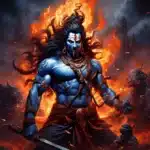
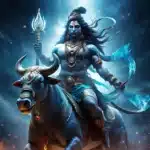
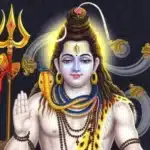
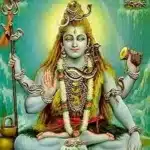
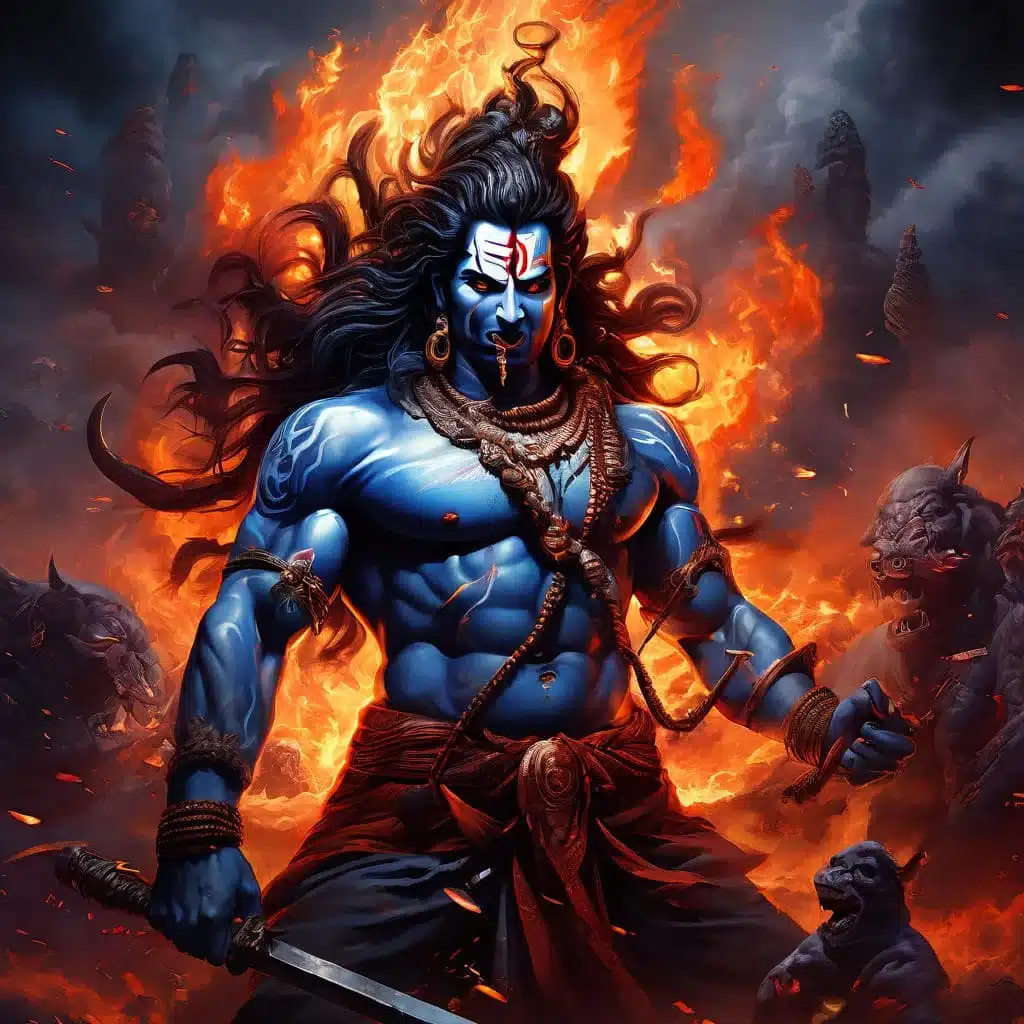
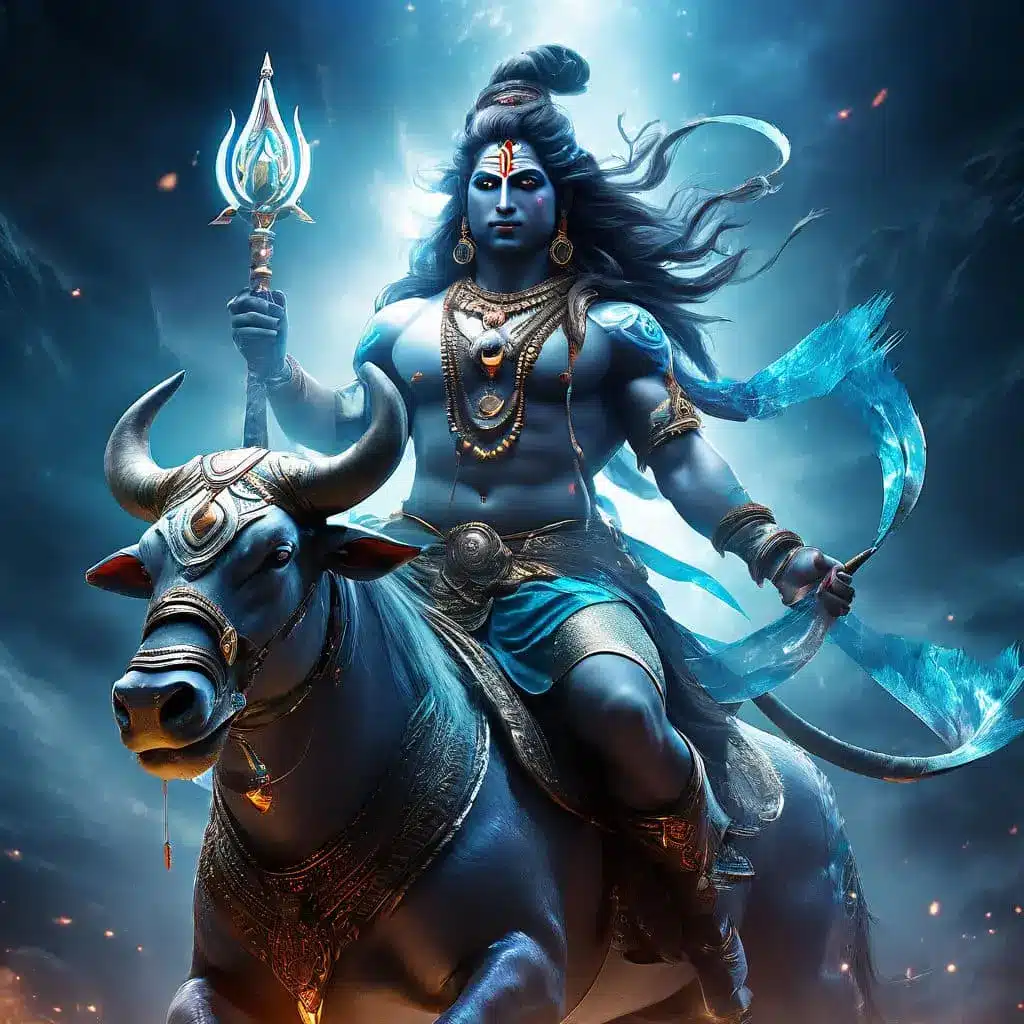
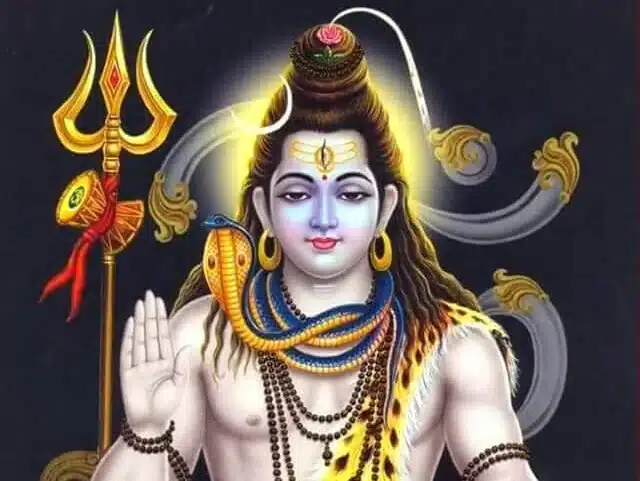
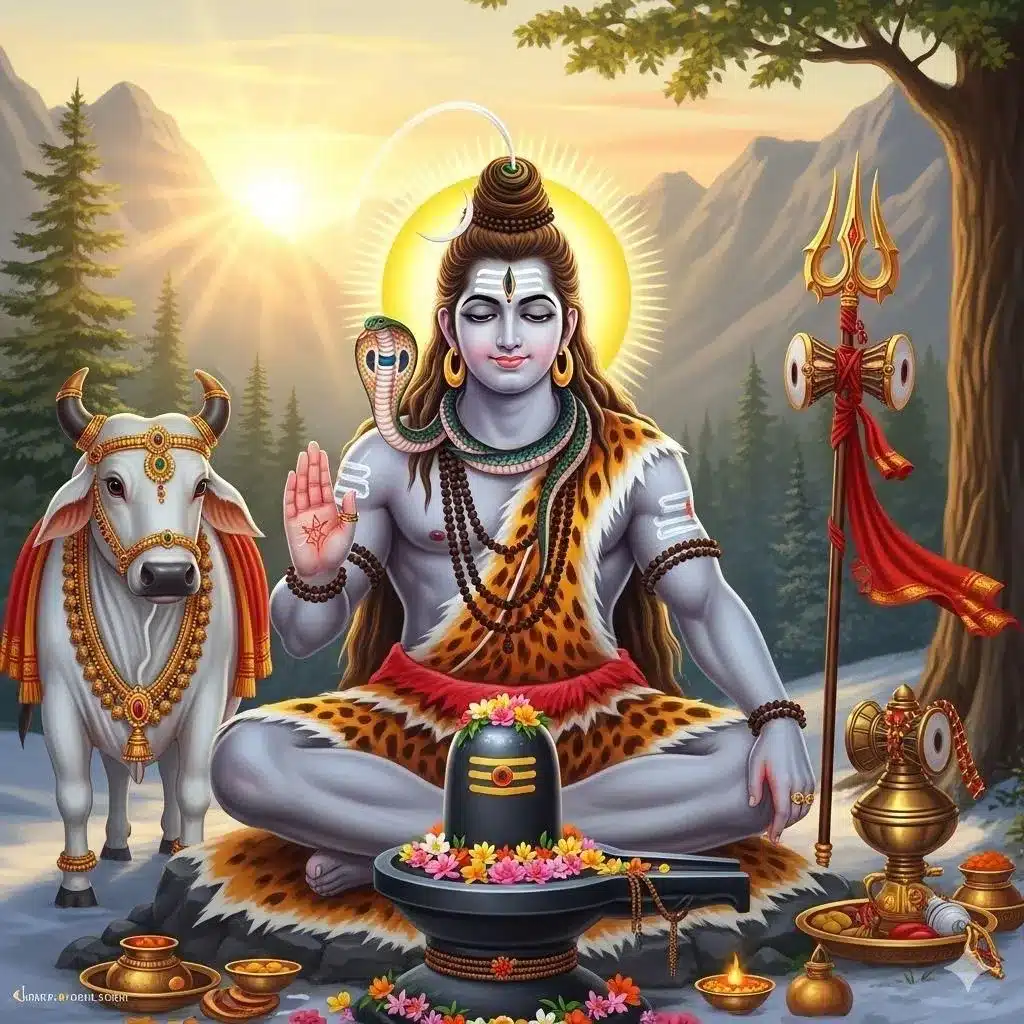
Skanda Purana The Skanda Purāṇa is the largest of the eighteen Mahāpurāṇas and a central text of Hindu tradition. It takes its name from Skanda (Kārttikeya), the war god and son of Śiva and Pārvatī. Although named after Skanda, the text covers a vast range of topics, from cosmology and mythology to sacred geography and local temple traditions. Its encyclopedic character makes it both a scripture and a cultural archive of medieval Hinduism. Date and Composition The Skanda Purāṇa is a layered text composed and expanded over many centuries. Its core material likely originated between the 6th and 8th centuries CE, but it underwent major growth between the 9th and 12th centuries, with regional recensions continuing into the 14th–15th centuries CE. Unlike many Purāṇas, the Skanda Purāṇa survives in multiple versions, reflecting local adaptations. The critical edition, published in the 20th century, contains about 81,000 verses, making it the longest Purāṇa. Manuscripts, however, differ widely, with regional versions often emphasizing local pilgrimage sites or temple traditions. Structure and Content The text is typically divided into seven khaṇḍas (sections), though this structure varies by recension. Broadly, the contents include: Religious Orientation Although the text bears Skanda’s name, it is primarily Śaiva in orientation. Large portions glorify Śiva, particularly his forms as Bhairava and Mahādeva, and emphasize the liṅga as a focus of worship. At the same time, the text is pluralistic, with devotion to Viṣṇu, Surya, and Devi included. This reflects the inclusive character of Purāṇic religion, where multiple sects coexisted under shared frameworks. Cultural and Historical Significance The tīrtha-māhātmya sections make the Skanda Purāṇa especially valuable to historians. They preserve information on medieval Indian religious geography, temple networks, and the ritual economy of pilgrimage. By praising Kāśī, Prayāga, and other centers, the text helped establish their status as major pilgrimage destinations. The Skanda Purāṇa also reflects the regionalization of Hinduism. Different recensions highlight local deities and shrines, showing how Purāṇas were adapted to legitimize and promote regional traditions. Historical Influence As the largest Purāṇa, the Skanda Purāṇa functioned as a comprehensive religious manual. Its myths reinforced the supremacy of Śiva, its pilgrimage sections sacralized the Indian landscape, and its ritual instructions guided everyday devotion. Even today, its tīrtha-māhātmya passages are recited in pilgrimage towns, and its stories of Skanda remain popular in South India, where Murugan (Skanda) is a major deity. Above all, the Skanda Purāṇa exemplifies the Purāṇic role as both scripture and cultural encyclopedia, preserving not only theology and myth but also the lived religious practices of medieval India.




