






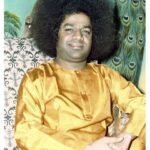













Shirdi sai Baba
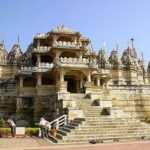
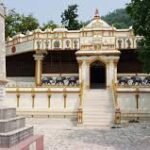
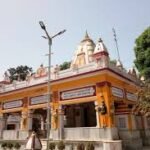
Shirdi Travel Divine India Shirdi Mandir Programme Schedule Bhupali 4.15 a.m.Kakad Aarti 4.30 a.m.Holy Bath After Kakad AartiSatyanarayan Pooja 8.00 a.m. & 10.30 a.m.Abhishek 7.00 a.m.. 9.00 a.m. & 12.30 p.m.Mid-day Aarti 12.00 NoonEvening Aarti Sunset TimeBhajan, Kirtan & Vocal Music 8.30 p.m. to 10.00 p.m.Shej Aarti 10.30 p.m. Overview :A small village in Ahmednagar district, Shirdi has become famous all over India on account of its association with the Divine Incarnation ( Avatar ) of Lord Shri Sai Baba. Pilgrims belonging to all faiths, throng here all the year around. Shri Sai Baba Sansthan, Shirdi was established in the year 1922 to carry out the noble service of Lord Shri Sai Baba. From the year 1922 to August of 1989 the establishment staff provided various facilities for the devotees. On May 4, 1990 Bhoomi Pujan of ‘Sai Baba Bhakta Niwas’ was performed. A building to accommodate 3500 devotees, having 560 self-contained rooms and two spacious halls has been constructed. The Sansthan is publishing various photos and books on Shri Sai Baba in many languages. The trust has started English medium schools three years ago. Scholarships are given to the poor and clever students every year by the Sansthan. The Chairperson and the members of the trust are taking keen interest to provide facilities to the villagers and devotees. Shraddha Inn (formerly – Shraddha Park Inn) Shirdi, epitomizes the peace and sernity expected by all devotees of Shri Sai Baba, who visit this temple town for spiritual enlightenment. Places Of Interest :Shri Gurusthan Mandir This is the place where Baba first appeared to the world as boy of 16 years and this place is supposed to be Baba’s Gurusthan. The famous Margosa (Neem) tree is here which has a reference in “Sai Sat-Charitra”. Shri Saibaba’s Samadhi Mandir This is the place where sacred body of Baba is resting in Samadhi. Shri Gopalrao Butty of Nagpur constructed this building, This place is also known as ‘Butty Wada’. It consists of Shrine and of a beautiful idol of Shri Saibaba. Lendi Baug / Data Mandir This is the place where Shri Sai Baba used to go for stroll. Nandadeep is kept constantly burning near the Pimple tree planted by Shri Sai Baba himself. There is also Datta Mandir in this garden and Shri Sai Baba’s beloved horse ‘Shamkarna’ (Sham Sundar) is taking Eternal rest here. There is also a well here called as ‘Baba’s Shivdi’. Maruti Temple Baba was having a splendid place in his heart, for the Maruti temple. Baba used to regularly visit this temple. Early yearsHistorians and devotees agree that there is no reliable evidence for a particular birthplace or date of birth. Communities have claimed that he belongs to them, but nothing has been substantiated. It is known that the Shirdi Sai Avatar spent considerable periods with Muslim fakirs, and his attire resembled that of a fakir. He did not discriminate based on religion and respected all forms of worship to God. Little has been officially documented on the early life of Shirdi Sai Baba. An account of Shirdi Sai’s missing childhood years has been reconstructed by his disciple Das Ganu, after researching in the area around the village of Pathri. He collected this story in four chapters on Sai Baba, later also called the Sri Sai Gurucharitra.[9][10] Das Ganu states that Sai Baba grew up in Pathri, with a fakir . At the age of five, says Das Ganu, the fakir’s wife put him in the care of the saintly desmukh Venkusha, where the boy stayed several years. Dasganu calls the young Sai Baba the reincarnation of Kabir. Because Das Ganu was known to take poetic liberties when telling stories about Sai Baba, and as there are no other sources to corroborate this story, it usually is left out of biographies of Sai Baba of Shirdi. Sai Baba’s biographer Narasimha Swamiji states that Sai Baba was born as the child of Brahmin parents: “On one momentous occasion, very late in his life, he revealed to Mahlsapathy the interesting fact that his parents were Brahmins of Patri in the Nizam’s State. Patri is part of Parvani taluk, near Manwath. Sai Baba added, in explanation of the fact that he was living in a Mosque, that while still a tender child his Brahmin parents handed him over to the care of a fakir who brought him up. This is fairly indisputable testimony, as Mahlsapathy was a person of sterling character noted for his integrity, truthfulness and vairagya.” —Narasimha Swamiji, Life of Sai Baba[11] According to the Holy Book Shri Sai Satcharita, Sai Baba arrived at the village of Shirdi in the Ahmednagar district of Maharashtra, British India, when he was about 16 years old. He led an ascetic life, sitting motionless under a neem tree and meditating while sitting in an asana. The Shri Sai Satcharita recounts the reaction of the villagers: The people of the village were wonder-struck to see such a young lad practicing hard penance, not minding heat or cold. By day he associated with no one, by night he was afraid of nobody.[12] His presence attracted the curiosity of the villagers, and he was regularly visited by the religiously inclined, including Mahalsapati, Appa Jogle and Kashinatha. Some considered him mad and threw stones at him.[13] Sai Baba left the village, and little is known about him after that. However, there are some indications that he met with many saints and fakirs, and worked as a weaver. He claimed to have been with the army of Rani Lakshmibai of Jhansi during the Indian Rebellion of 1857.[14] It is generally accepted that Sai Baba stayed in Shirdi for three years, disappeared for a year, and returned permanently around 1858, which suggests a birth year of 1838.[15] Return to Shirdi In 1858 Sai Baba returned to Shirdi. Around this time he adopted his famous style of dress consisting of a knee-length one-piece robe (kafni) and a cloth cap. Ramgir Bua, a devotee, testified that Sai Baba was