

















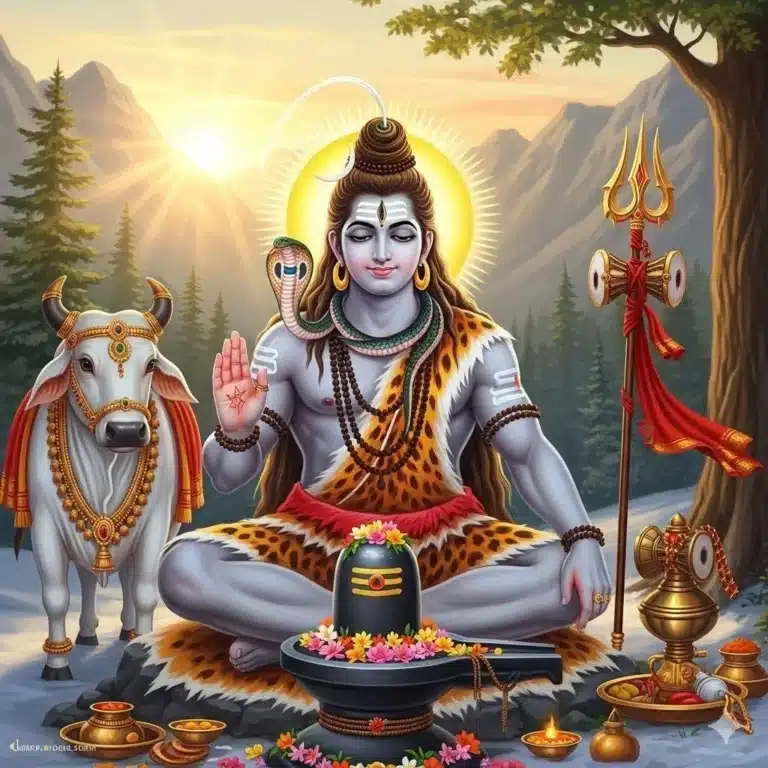














Linga Purana
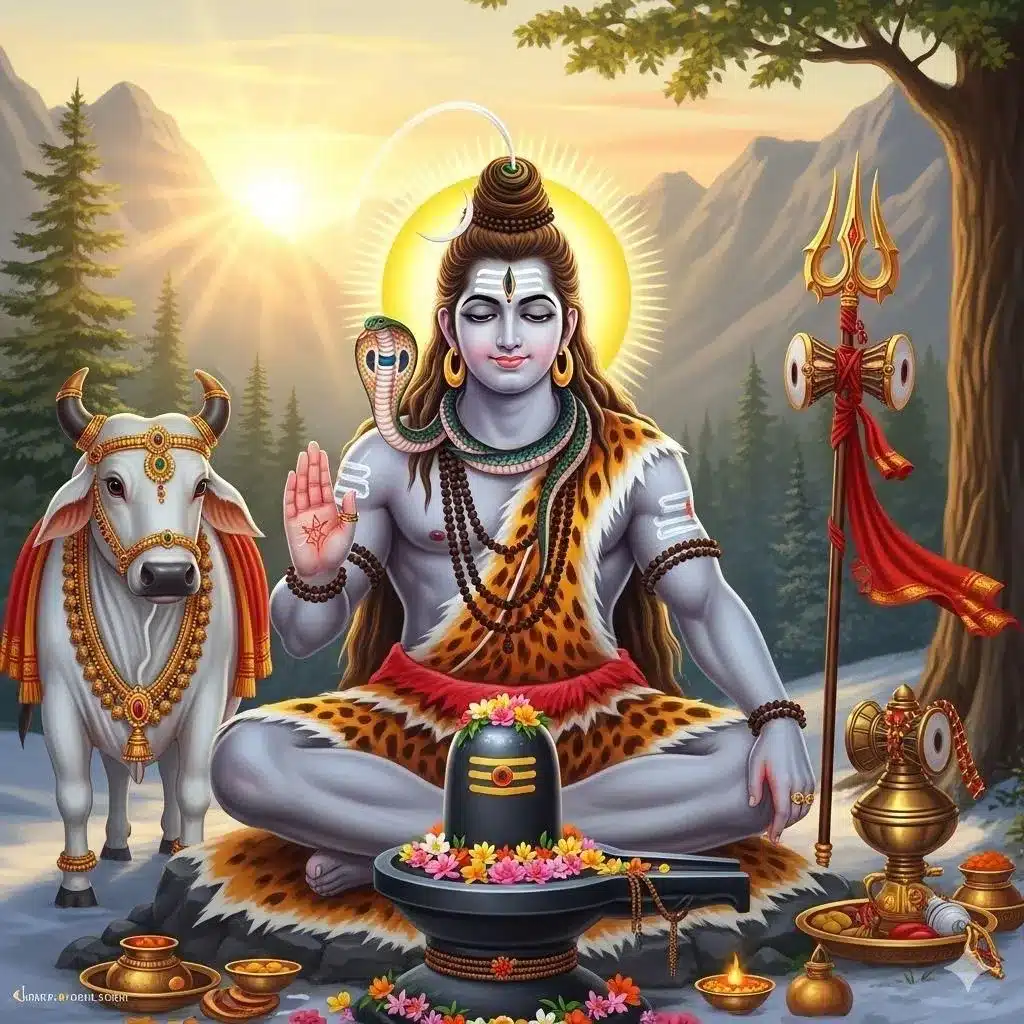
Linga Purana The Liṅga Purāṇa: History and Context The Liṅga Purāṇa is one of the eighteen Mahāpurāṇas of Hindu tradition. As its name suggests, it is devoted primarily to Shiva, with the liṅga (symbolic representation of Shiva) at its theological center. The text combines mythology, theology, ritual instructions, and cosmological speculation, making it an important scripture for the Śaiva tradition. Date and Composition The Liṅga Purāṇa is a layered text composed over several centuries. Its core is usually dated between the 6th and 10th centuries CE, with later additions possibly extending into the medieval period (12th–14th centuries CE). The surviving text contains around 11,000 verses, though references suggest that earlier versions may have been shorter. It is traditionally divided into two parts: the Pūrva-bhāga (First Section) with about 108 chapters, and the Uttara-bhāga (Second Section) with about 55 chapters. Structure and Content The Liṅga Purāṇa is framed as a dialogue, often between sages and Shiva or between sages themselves, expounding on the greatness of the liṅga and the principles of Śaiva devotion. Its main themes include: Religious Orientation The Liṅga Purāṇa is primarily Śaiva, but like many Purāṇas, it is not narrowly sectarian. It acknowledges the roles of Vishnu, Brahmā, and Devi, though always placing Shiva above them. This reflects the inclusive and harmonizing spirit of Purāṇic literature, where multiple traditions were brought under a broader theological umbrella. Cultural and Historical Significance The Liṅga Purāṇa is especially important for codifying the theology of the liṅga as the central symbol of Śaiva worship. It provided scriptural support for the widespread practice of liṅga installation and temple rituals, which became a defining feature of Śaivism across India. Its narratives also influenced temple architecture, iconography, and pilgrimage traditions. By linking cosmology, mythology, and ritual, the text offered both philosophical depth and practical guidance to devotees. Historical Influence Although not as widely celebrated as the Śiva Purāṇa, the Liṅga Purāṇa had lasting influence on Śaiva communities. Its emphasis on the liṅga as both symbol and reality reinforced the centrality of Śiva worship in medieval Hinduism. The text also demonstrates how Purāṇas functioned as encyclopedic religious manuals—integrating myth, ritual, philosophy, and devotion in a way that served both scholarly and popular audiences.




