







































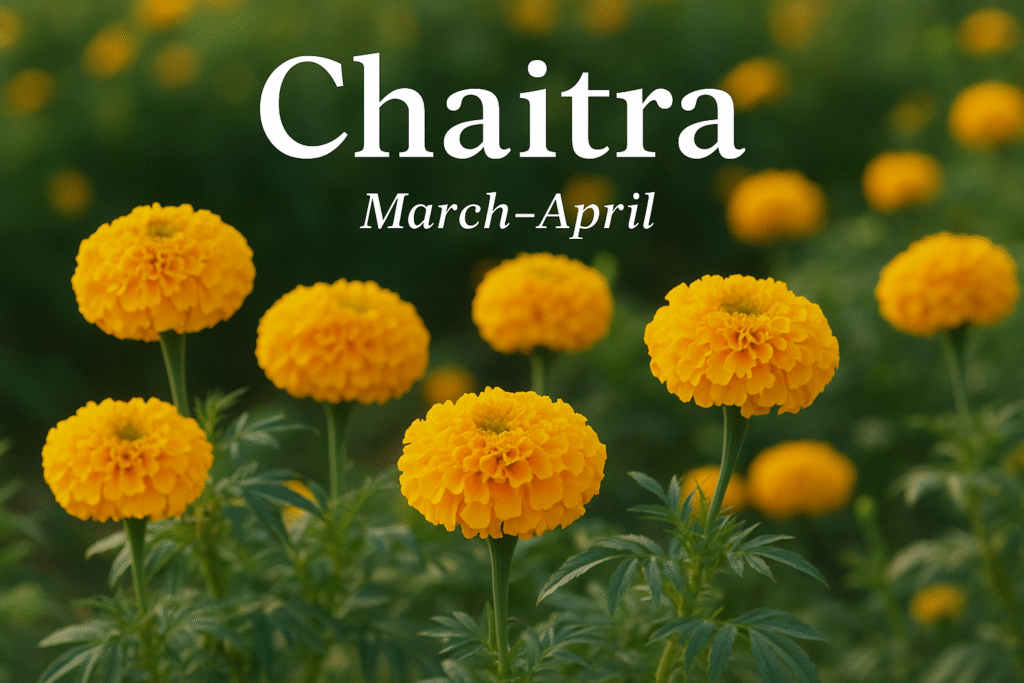
Chaitra (March–April)
Ekadashi In The Month Of Chaitra (March–April) Papmochani Ekadashi – Krishna Paksha (Chaitra Month) Papmochani Ekadashi falls during the Krishna Paksha (waning phase of the moon) in the month of Chaitra (March–April) as per the Hindu lunar calendar. The word “Papmochani” translates to “the remover of sins”, symbolizing spiritual purification and liberation from all forms of negative karma. It comes between Holi and Chaitra Navratri, making it an important transitional Ekadashi that bridges the festive and spiritual months. 📖 Mythological Significance According to the Bhavishya Purana, Lord Krishna narrated the importance of this Ekadashi to King Yudhishthira. The story revolves around a sage named Medhavi Rishi, who lived in the lush Tapovan forest and performed deep penance. A celestial dancer named Manju Ghosa once came to distract him. The sage, swayed by her beauty, lost focus and lived with her for several years, forgetting his spiritual duties. One day, realizing his mistake, Medhavi Rishi repented deeply. He approached his father, Rishi Chyavana, for guidance. The sage advised him to observe Papmochani Ekadashi Vrat with complete devotion. Medhavi did so with pure intent, and all his sins were washed away. The nymph too, when she followed the vrat, was liberated from her heavenly curse. Thus, the day is a reminder that no matter how deeply one is entangled in worldly desires or mistakes, sincere repentance and devotion to Lord Vishnu can free one from the bondage of sin. 🙏 Religious Observance and Rituals 🌿 Spiritual Benefits 🕉️ Papmochani Ekadashi in Scriptures ✨ Essence of the Day Papmochani Ekadashi teaches that repentance, devotion, and self-discipline can cleanse even the darkest sins. It inspires devotees to turn inward, seek forgiveness, and embrace divine consciousness.Observing this Ekadashi not only purifies the soul but also brings inner strength, calmness, and protection from negative influences. 🌙 Kamada Ekadashi – Shukla Paksha (Chaitra Month) Kamada Ekadashi is one of the most sacred Ekadashis observed in the Shukla Paksha (waxing phase of the moon) during the month of Chaitra (March–April). The term “Kamada” means “granting desires” — symbolizing the fulfillment of all righteous wishes and liberation from sins. This Ekadashi is believed to be especially powerful in removing the sins associated with lust, anger, and attachment while bestowing divine blessings, prosperity, and peace. 📜 Mythological Significance The glory of Kamada Ekadashi is mentioned in the Varaha Purana, where Lord Krishna narrates its importance to King Yudhishthira. The story takes place in the ancient city of Ratnapura, ruled by King Pundarika, famous for its wealth, music, and devotion. Among the residents was a talented Gandharva named Lalit and his wife Lalita, both devoted to each other. One day, while Lalit was singing in the royal court, his mind wandered toward his wife. A serpent named Karkotaka, jealous of Lalit’s talent, complained to the king that Lalit was inattentive during his performance. Enraged, the king cursed Lalit to become a ferocious demon. Lalita, heartbroken, roamed forests in sorrow searching for a way to free her husband. One day, she met Sage Shringi, who advised her to observe the Kamada Ekadashi Vrat and dedicate its fruits to her husband. With complete faith, Lalita observed the fast, prayed to Lord Vishnu, and at the end of the Ekadashi, her husband was released from the curse, regaining his divine form. This story symbolizes the power of devotion, repentance, and the compassion of Lord Vishnu, who forgives and blesses those who sincerely seek His grace. 🙏 Rituals and Observances 🌿 Spiritual Benefits of Kamada Ekadashi 🕉️ Scriptural Importance ✨ Essence of Kamada Ekadashi Kamada Ekadashi reminds us that no sin or misdeed is too great to be forgiven if one sincerely repents and worships God with devotion. It symbolizes divine mercy, purification, and the power of Shraddha (faith). Through fasting, prayer, and acts of kindness, devotees seek to control worldly desires and channel their energy toward love, truth, and service to Lord Vishnu.
Chaitra (March–April) Read Post »




