Sahasranamavali refers to the sacred recitation of 1,000 divine names of a deity. “Sahasra” means one thousand and “Namavali” means a garland of names. These 1,000 names describe the Lord’s infinite qualities, powers, forms, virtues, and cosmic presence.
Chanting Sahasranamavali is considered one of the most powerful spiritual practices. Each name carries a unique vibration that purifies the mind, removes negativity, and fills the heart with devotion. As the devotee slowly chants the names, they begin to feel closer to the divine, experiencing peace, clarity, and inner strength.
This sacred chanting is often done during pujas, homams, temple rituals, festivals, and daily worship. Many people chant it for blessings, protection, prosperity, health, and spiritual upliftment. Ancient scriptures say that chanting even a few names from the Sahasranama with devotion gives the same merit as performing great spiritual austerities.
In essence, Sahasranamavali is a divine path that guides the devotee towards surrender, purity, and self-realization—offering a thousand ways to remember and adore the Supreme.
Sahasranamavali refers to the sacred recitation of the 1000 divine names of a deity in Hindu spiritual tradition. The word Sahasra means “thousand,” and Namavali means “a garland of names.” Together, Sahasranamavali represents a devotional practice where devotees chant the thousand names of a god or goddess to praise their divine qualities, powers, and blessings.
In Hinduism, each name in the Sahasranamavali holds deep spiritual meaning and describes a particular attribute of the deity. These names reflect the divine nature, compassion, strength, wisdom, and protective qualities of the gods and goddesses. By chanting these sacred names, devotees meditate on the many forms and aspects of the divine.
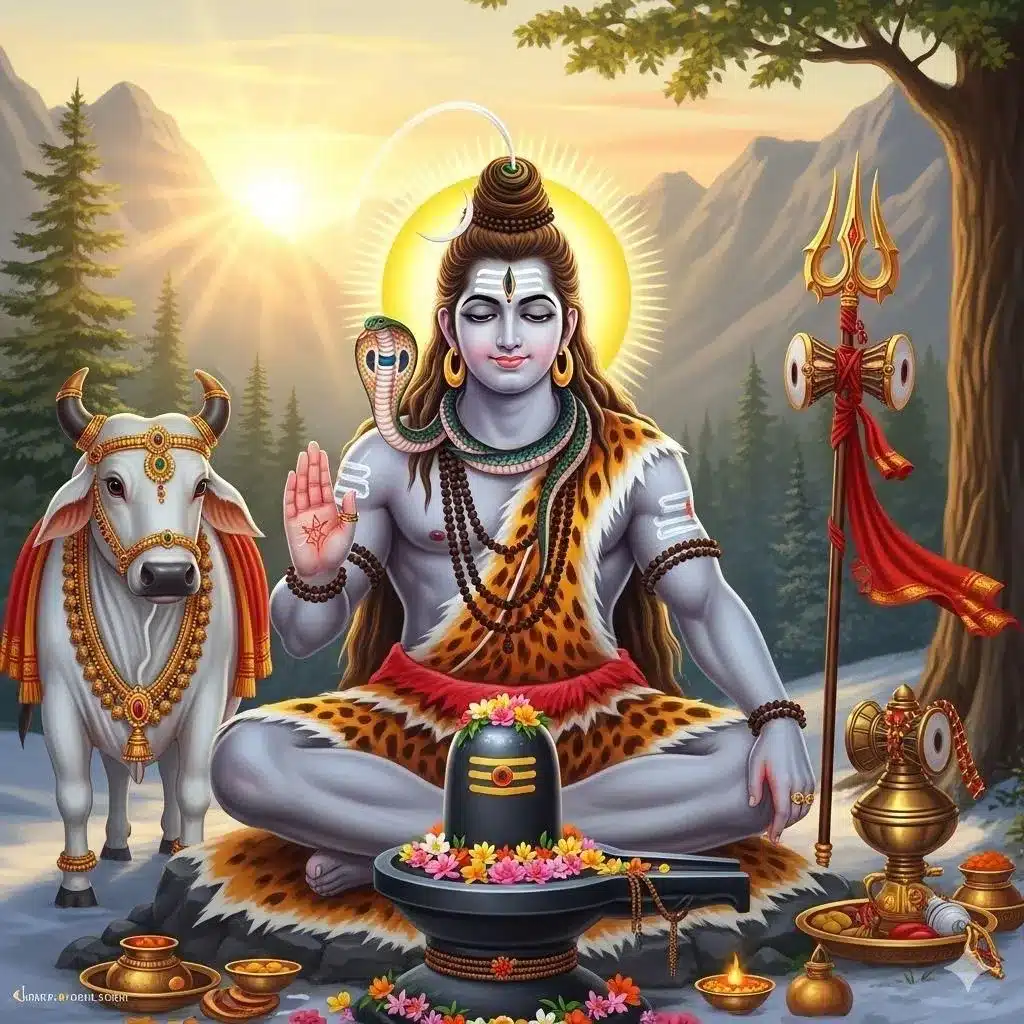
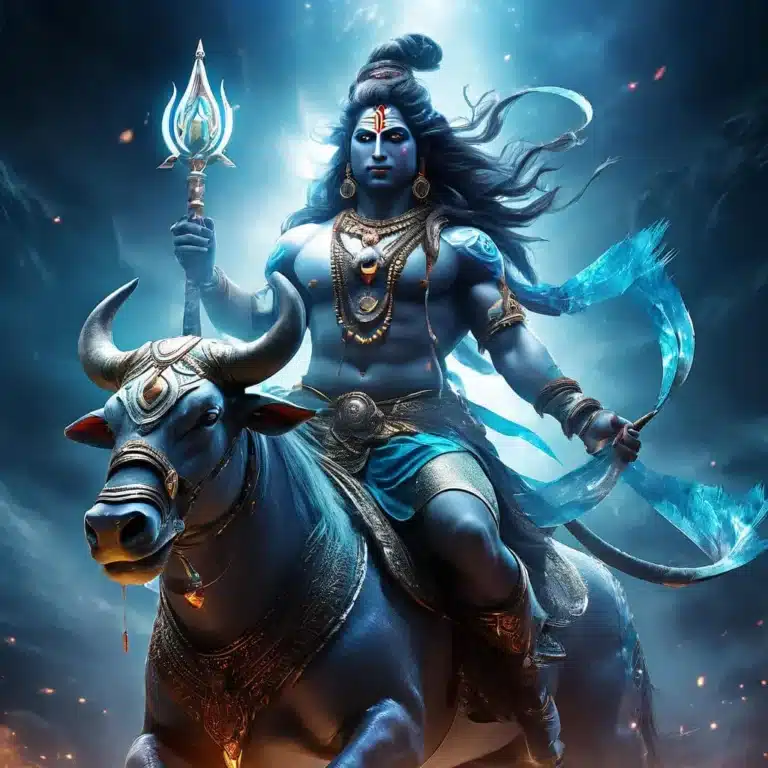
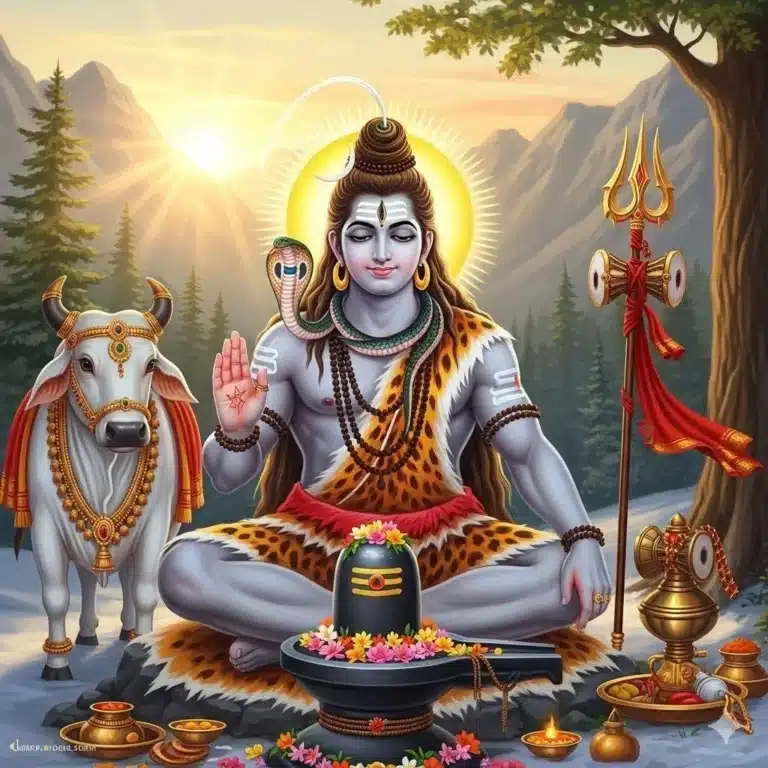

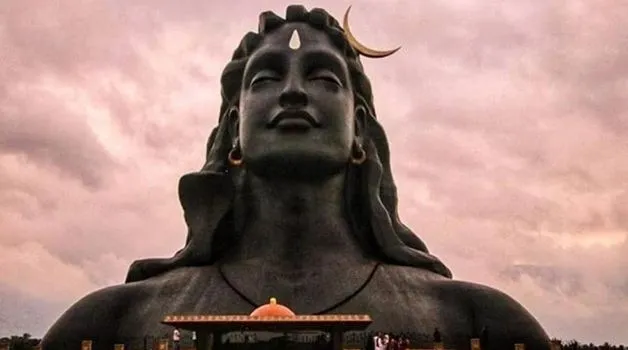
One of the most well-known examples is the Vishnu Sahasranama, which contains the thousand names of Lord Vishnu. Similarly, there are Sahasranamavalis dedicated to Lord Shiva, Goddess Lalita, Goddess Lakshmi, Lord Ganesha, and other deities. These sacred hymns are traditionally recited in temples, homes, and spiritual gatherings during worship, meditation, and special religious occasions.
The chanting of Sahasranamavali is considered a powerful spiritual practice. Devotees believe that reciting the thousand names helps purify the mind, remove negative influences, and bring divine blessings into life. It is also believed to create spiritual strength, inner peace, and a deeper connection with the divine.
Each name in Sahasranamavali is usually recited with devotion and reverence, often beginning with the sacred syllable “Om” and ending with “Namah,” meaning “I bow to the divine.” During temple rituals or home prayers, devotees may also perform Archana, offering flowers or sacred items while chanting each name.
Another important aspect of Sahasranamavali is that it encourages deep meditation and devotion. When devotees chant these names slowly and mindfully, they reflect on the divine qualities represented by each name. This practice helps cultivate spiritual awareness, humility, and devotion.
Sahasranamavali is often chanted during special festivals, religious ceremonies, and devotional gatherings. Many devotees also include it in their daily spiritual routine to maintain peace of mind and spiritual discipline. Listening to or chanting the thousand names of God is believed to create a sacred atmosphere filled with positive energy.
Even in modern times, Sahasranamavali continues to be an important part of Hindu devotional culture. It reminds devotees of the infinite nature of the divine and inspires them to live a life guided by faith, compassion, and righteousness.
Through the chanting of Sahasranamavali, devotees experience spiritual upliftment, divine grace, and a deeper connection with the sacred presence of God in their lives