















Rath Yatra
Rath Yatra

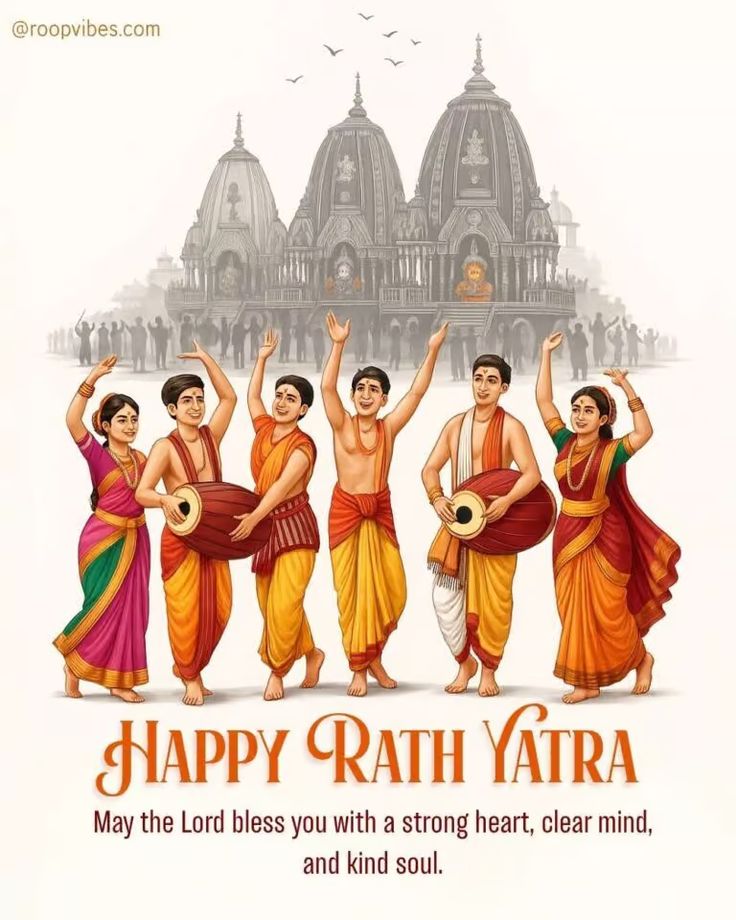
Rituals & Traditions of Rath Yatra
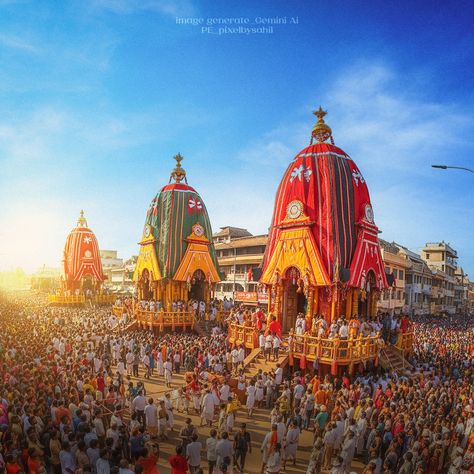
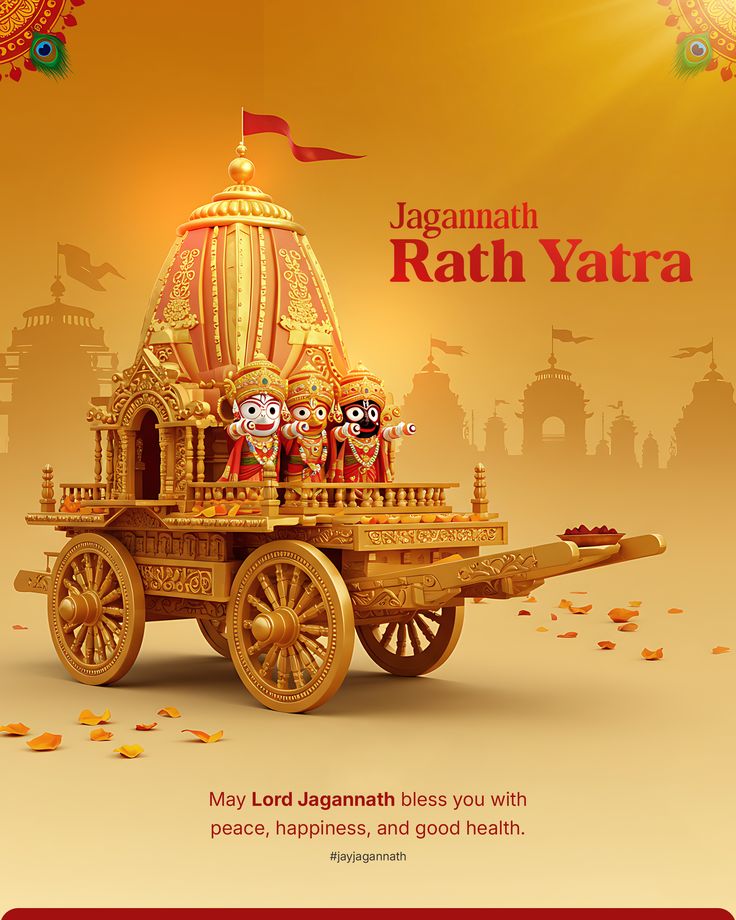
Rath Yatra is one of the grandest and most significant Hindu festivals, celebrated with immense devotion and enthusiasm, especially in Puri, Odisha. Dedicated to Lord Jagannath, a form of Lord Vishnu, and his siblings Lord Balabhadra and Goddess Subhadra, the festival marks their annual journey from the Jagannath Temple to the Gundicha Temple. This sacred journey is carried out on three huge, beautifully decorated wooden chariots that are pulled by thousands of devotees with thick ropes. The sight of the majestic chariots moving through the streets of Puri amidst chants of “Jai Jagannath” fills the entire atmosphere with divine energy and spiritual fervor.
The pulling of the chariots is considered an act of great devotion, believed to remove sins and grant blessings. Devotees from all walks of life, irrespective of caste, creed, or status, join in, symbolizing equality, unity, and brotherhood. The festival beautifully conveys the message that God comes out of the temple to bless all devotees, even those who cannot enter the sanctum. The Gundicha Temple, considered to be the abode of their maternal aunt, becomes the temporary residence of the deities for a few days, after which they return in the Bahuda Yatra.
Rath Yatra is not limited to Odisha alone. Jagannath temples across India and abroad, especially through ISKCON, organize similar celebrations, spreading the glory of Lord Jagannath worldwide. Millions of pilgrims and tourists gather in Puri during this time, making it one of the largest religious gatherings in the world.
More than just a religious event, Rath Yatra is also a cultural festival, marked by devotional music, dance, offerings, and community celebrations. It highlights the deep bond between God and his devotees, teaching lessons of humility, equality, and universal brotherhood. Rath Yatra is thus a vibrant celebration of faith, devotion, and divine love.
Do you also want me to expand this into a 400-word version with even more details on rituals and significance?
Spiritual Importance & Cultural Significance
Rath Yatra is one of the most prominent and sacred Hindu festivals, celebrated with great devotion and splendor, especially in Puri, Odisha. The festival is dedicated to Lord Jagannath, a form of Lord Vishnu, along with his elder brother Lord Balabhadra and sister Goddess Subhadra. It marks the divine journey of the deities from the Jagannath Temple to the Gundicha Temple, believed to be the residence of their maternal aunt. This sacred journey takes place on massive wooden chariots, specially constructed every year by skilled artisans. The grand chariots, decorated with colorful fabrics, flowers, and symbols, are pulled by thousands of devotees with ropes, in an atmosphere charged with spirituality and chants of “Jai Jagannath.”
The act of pulling the chariots is considered one of the most pious deeds, believed to remove sins and grant divine blessings. Rath Yatra is unique because it allows devotees, irrespective of caste, creed, or social background, to participate directly in serving the Lord. It signifies equality and unity, spreading the message that God is for all. The Gundicha Temple serves as the abode of the deities for a few days before they return to the Jagannath Temple in the Bahuda Yatra.
During the festival, Puri transforms into a spiritual hub, attracting millions of pilgrims and tourists from across the globe. The streets echo with devotional songs, music, conch sounds, and drumbeats, while the air is filled with the fragrance of offerings and flowers. People consider it highly auspicious to witness the deities outside the sanctum, as it is believed to purify the soul and strengthen faith. Rath Yatra is also celebrated in various parts of India and abroad, especially by ISKCON, which has made the tradition known worldwide.
The festival not only has deep religious significance but also showcases India’s rich culture and traditions. It conveys profound spiritual lessons—teaching humanity, humility, service, and devotion. Rath Yatra illustrates the bond between the divine and devotees, reminding us that God steps out of the temple to bless everyone, especially those who may not otherwise have access. More than a ritual, it is a celebration of love, equality, and universal brotherhood, making Rath Yatra one of the most cherished festivals in Hinduism.
Food & Sweets & Modern Celebrations
Gudi Padwa is a major festival celebrated in Maharashtra, marking the beginning of the Hindu New Year according to the lunisolar calendar. It usually falls in March or April and coincides with the arrival of spring and the harvest season. The festival has deep cultural and spiritual significance, symbolizing prosperity, new beginnings, and victory. The most unique feature of Gudi Padwa is the hoisting of the “Gudi” outside homes. The Gudi is made using a bamboo stick draped with a bright silk cloth, decorated with neem leaves, mango leaves, flowers, and topped with an inverted copper or silver kalash. It is considered a symbol of good fortune and is believed to protect the household from evil while inviting happiness and prosperity.
On this day, people clean and decorate their homes with colorful rangolis, wear new clothes, and prepare festive dishes such as puran poli, shrikhand, and a special mixture of neem and jaggery that represents the balance of life’s sweet and bitter experiences. Families gather for prayers and celebrations, strengthening bonds and spreading joy. While it is most popular in Maharashtra, the festival is celebrated in various forms across India—Ugadi in Andhra Pradesh and Karnataka, Navreh in Kashmir, Cheti Chand among Sindhis, and Samvatsar Padvo in Goa.
Gudi Padwa not only celebrates harvest and prosperity but also inspires people to embrace positivity and start the year with enthusiasm. It is a festival of cultural pride, unity, and devotion, reminding everyone to welcome new opportunities with hope and gratitude. energy, making Ashadi Ekadashi one of the most vibrant and spiritually uplifting occasions in the Hindu calendar.