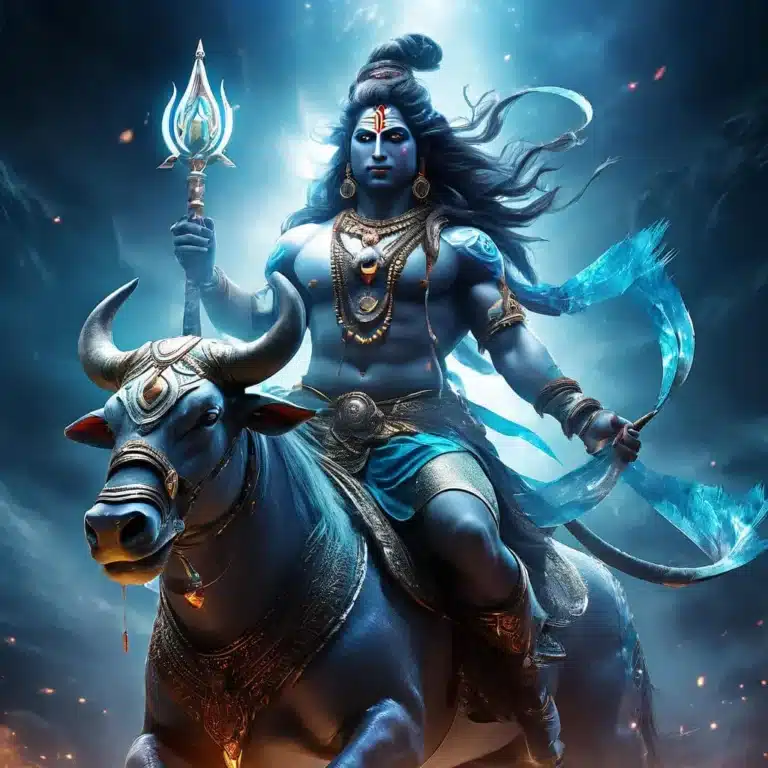
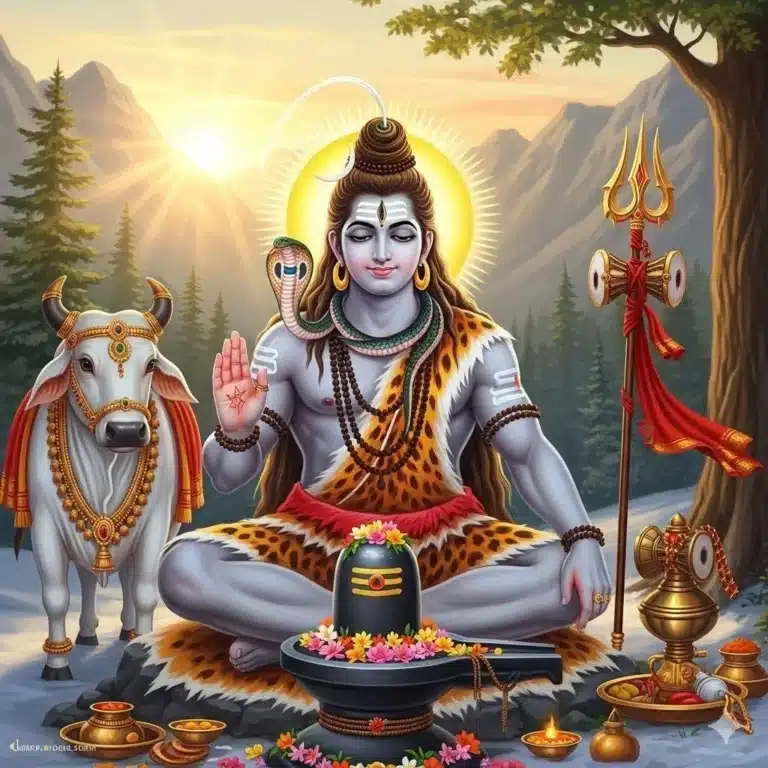
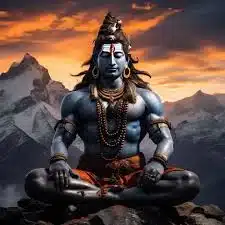
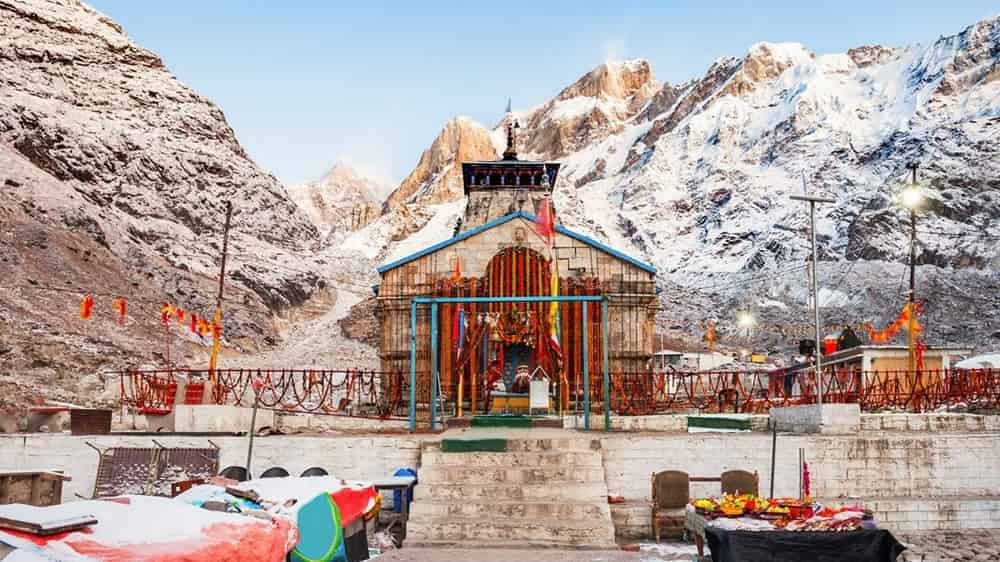
The Kashi Vishwanath Temple in Varanasi, Uttar Pradesh, is one of the most sacred shrines dedicated to Lord Shiva and is counted among the twelve Jyotirlingas of India. It stands on the western bank of the holy Ganga River and is regarded as one of the most important pilgrimage destinations in Hinduism. Among the many famous shiva temples in India, Kashi Vishwanath holds a unique place because devotees believe that Lord Shiva himself resides here as Vishwanath, the “Lord of the Universe.” For centuries, pilgrims, saints, and spiritual seekers have visited this temple to experience divine energy, peace, and liberation.
Varanasi, also known as Kashi, is considered the oldest living city in the world and is often called the spiritual capital of India. The Kashi Vishwanath Temple is believed to be the spiritual center of this sacred city. According to Hindu belief, visiting this temple and offering prayers to Lord Shiva can free a person from the cycle of birth and death, granting moksha or eternal liberation. Because of this belief, the temple attracts millions of devotees every year, making it one of the most visited and famous shiva temples in India.
The temple has a long and complex history that stretches back thousands of years. References to the temple can be found in ancient Hindu scriptures and Puranas. Over the centuries, the temple faced several destructions during invasions but was rebuilt many times by devoted rulers and followers of Lord Shiva. The current structure of the temple was constructed in 1780 by the great queen Ahilyabai Holkar of Indore. Her dedication ensured that the sacred shrine was restored in its full glory, allowing devotees to continue worshiping Lord Shiva at this holy site.
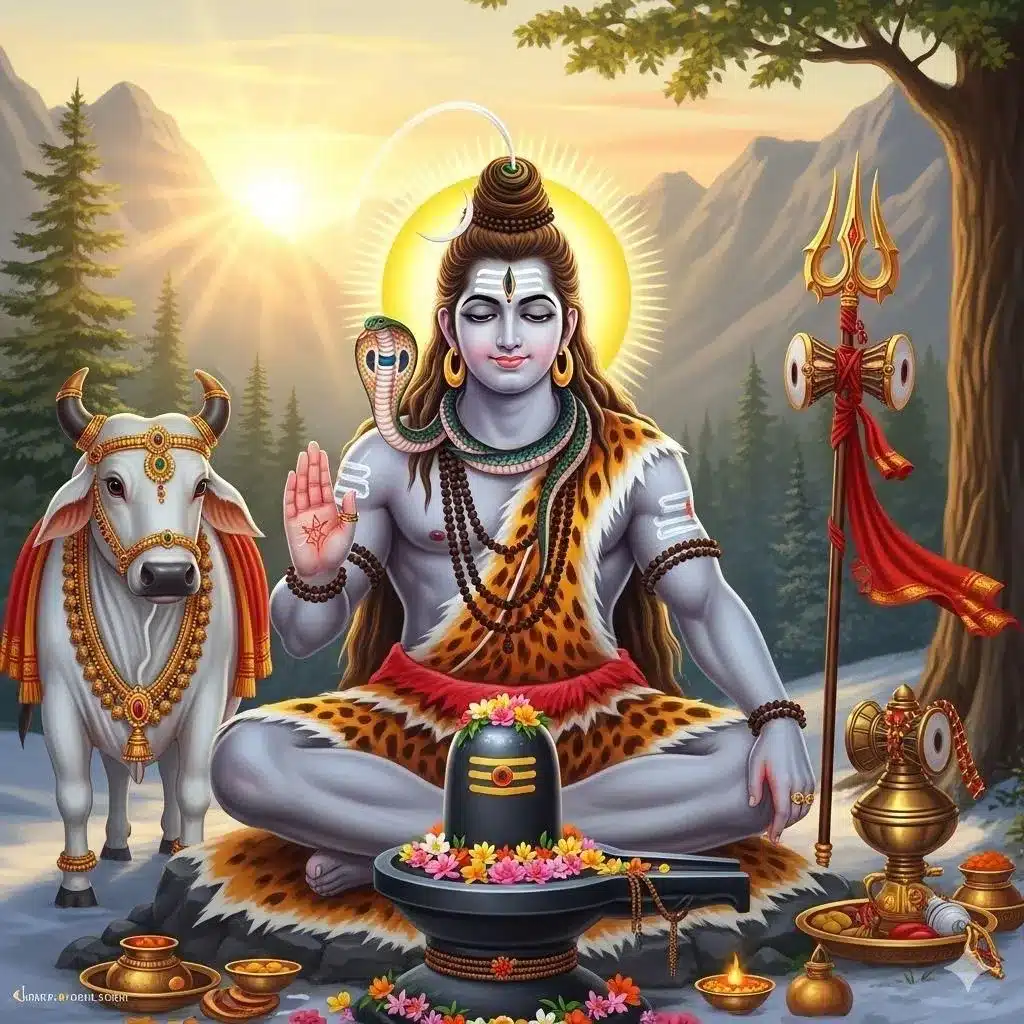
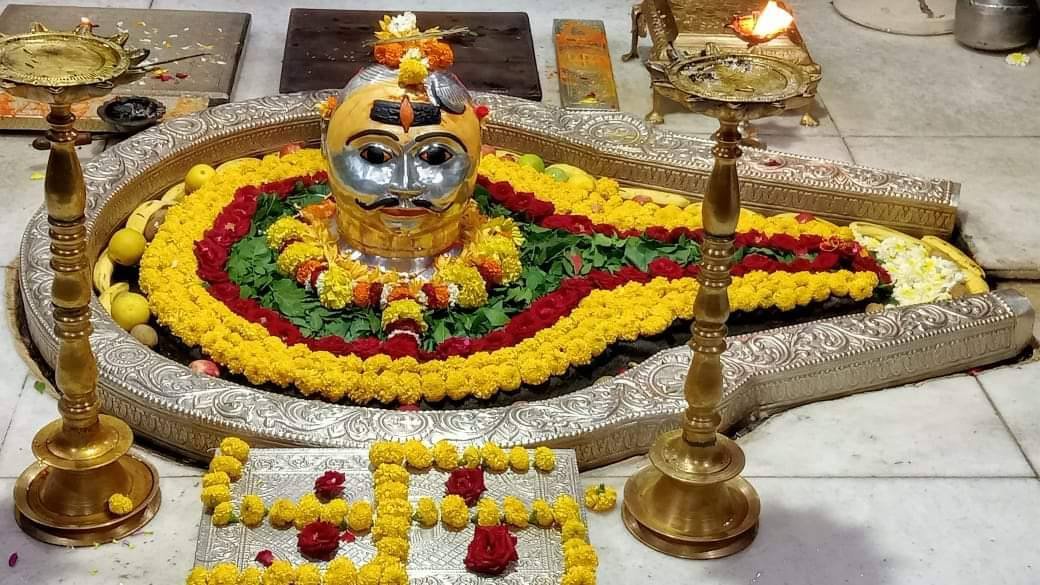
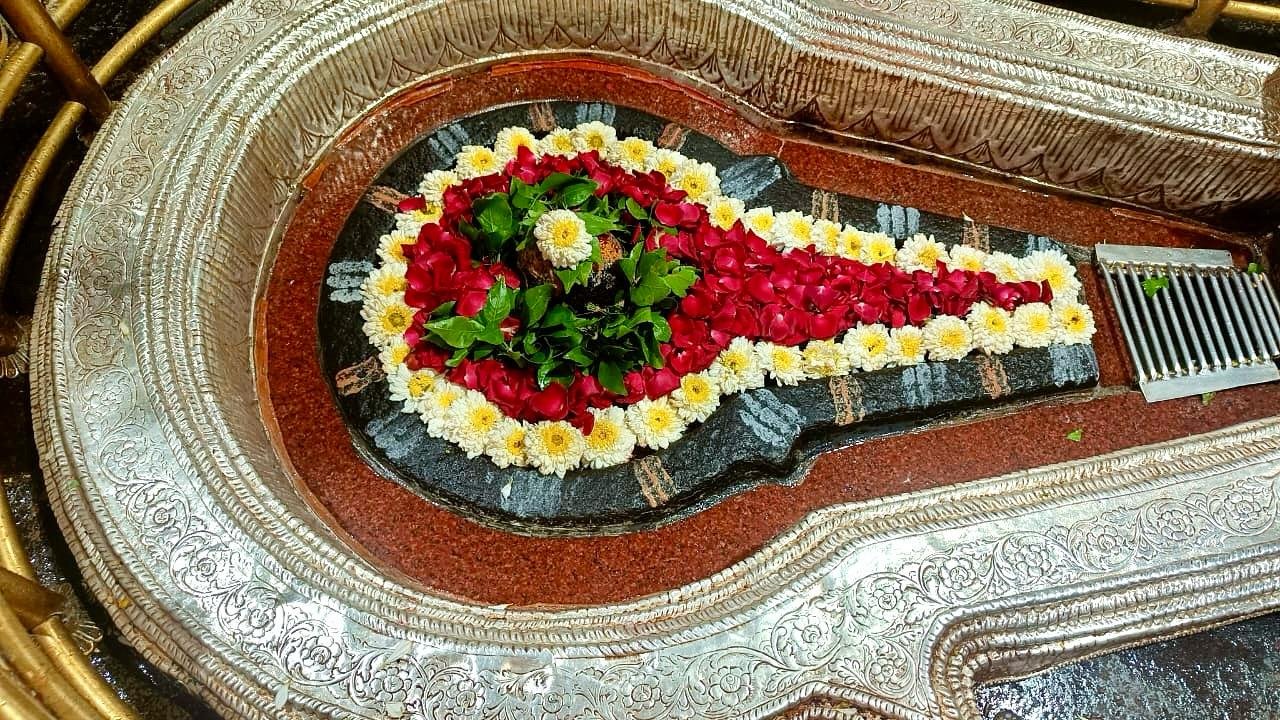
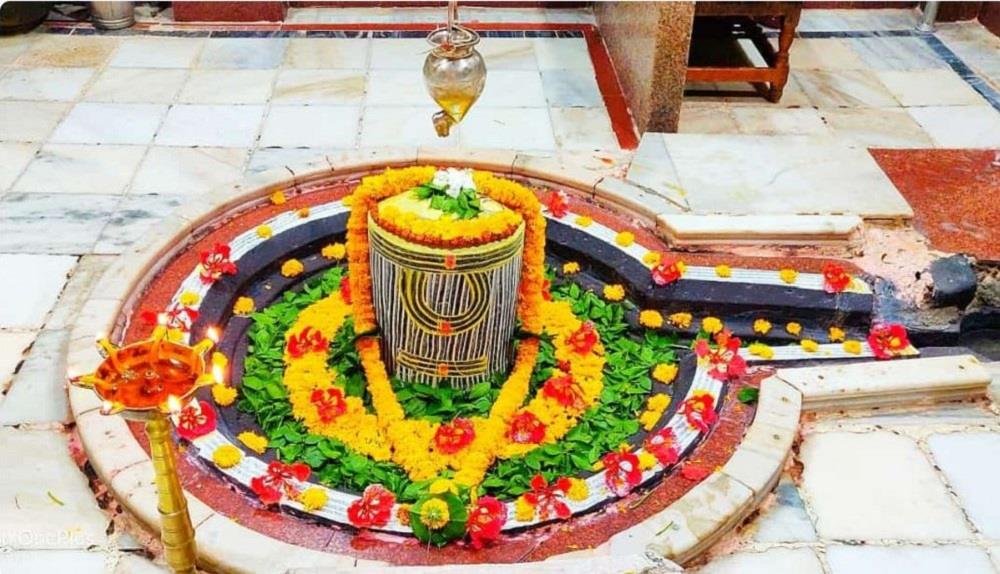
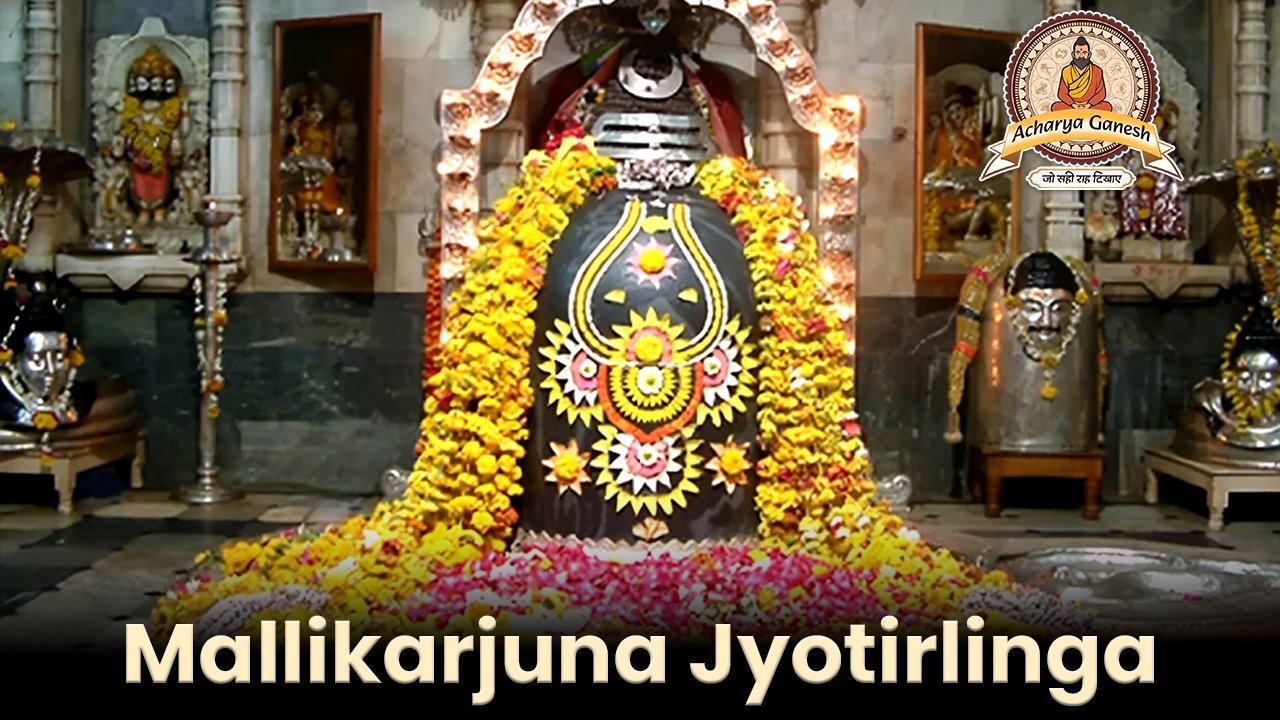
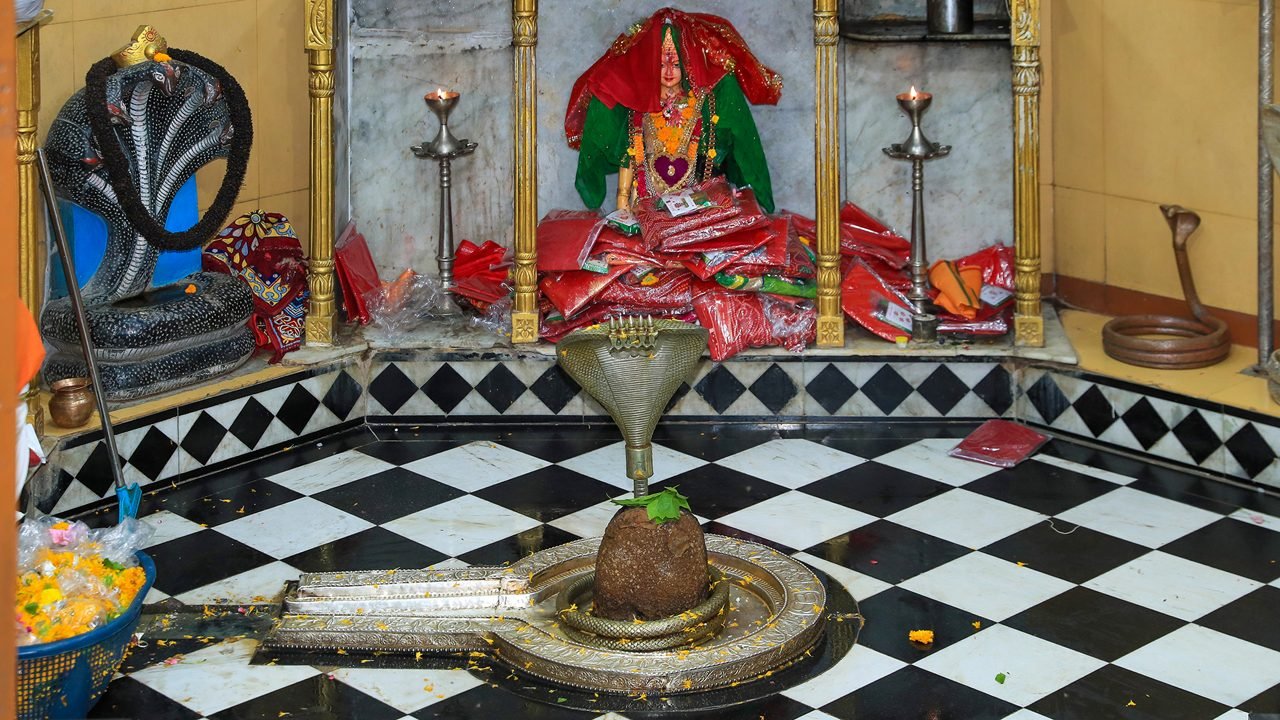
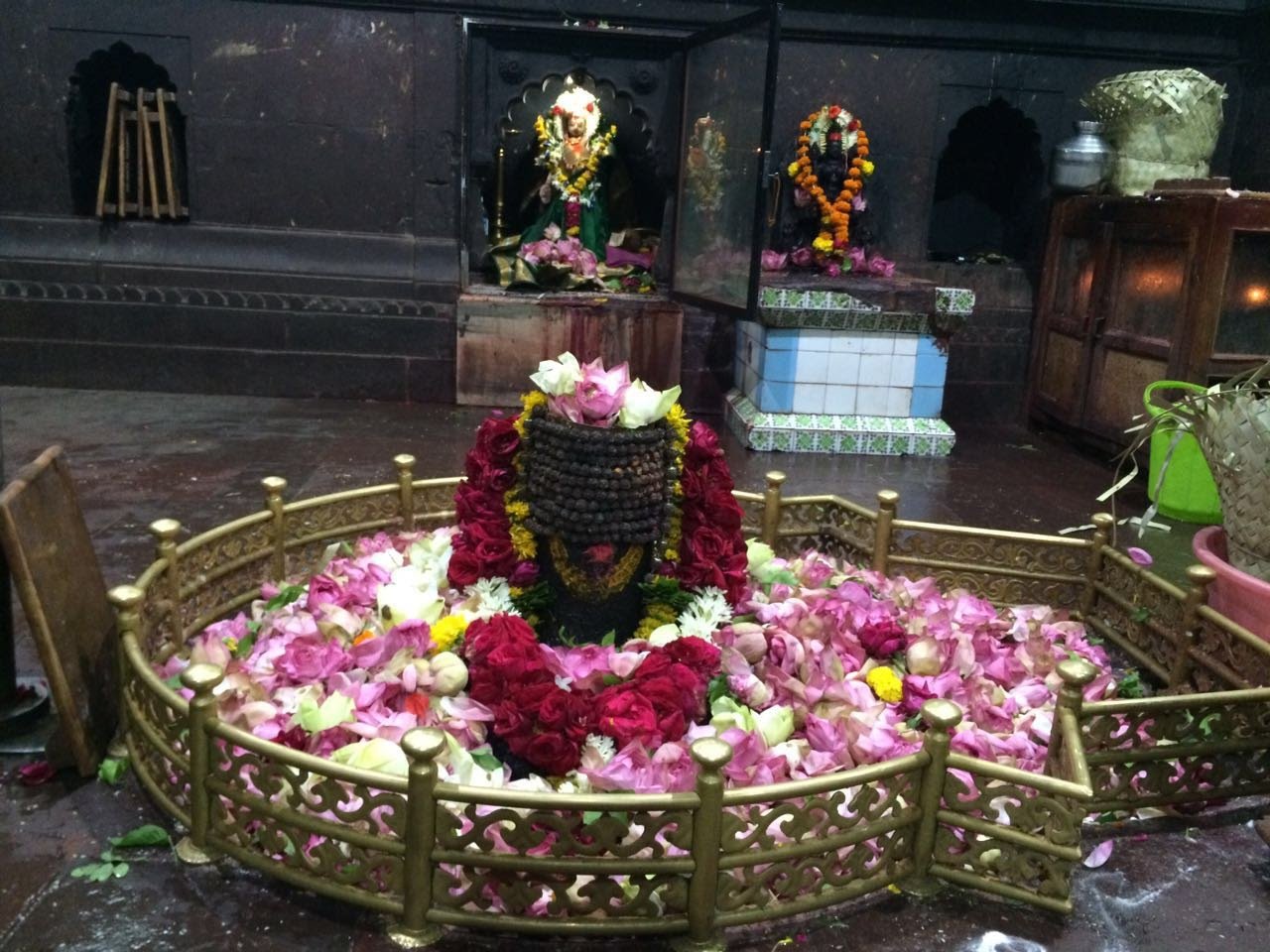
The sanctum of the temple houses the revered Jyotirlinga of Lord Shiva. This sacred lingam is a smooth black stone placed on a silver altar and is continuously worshiped by priests and devotees. Devotees perform abhishek by offering water, milk, honey, ghee, flowers, and bel leaves to the Shiva Lingam while chanting sacred mantras. This ritual is believed to purify the soul and bring blessings of peace, strength, and prosperity.
Another remarkable feature of the temple is its golden spire and domes. These golden structures were donated by Maharaja Ranjit Singh of Punjab in 1839. The gold-plated spire shines brilliantly in the sunlight and has earned the temple the title of the “Golden Temple of Varanasi.” The shining golden dome is visible from different parts of the city and symbolizes divine light and spiritual power. This beautiful architectural feature makes the temple not only spiritually important but also visually magnificent.
Surrounding the main shrine are several smaller temples dedicated to different Hindu deities, including Goddess Parvati, Lord Vishnu, and Kaal Bhairav, who is considered the guardian deity of Varanasi. These smaller shrines add to the spiritual atmosphere of the temple complex and allow devotees to offer prayers to multiple deities in one sacred place.
Daily rituals at the temple are performed with great devotion and discipline. The day begins with the Mangala Aarti early in the morning, when the temple doors open and the Lord is awakened with prayers and hymns. After this, devotees gather to perform Rudrabhishek, one of the most powerful rituals dedicated to Lord Shiva. Throughout the day, priests continue chanting Vedic mantras while devotees offer flowers, sweets, and sacred offerings to the Jyotirlinga.
In the evening, the spiritual atmosphere of Varanasi becomes even more powerful with the famous Ganga Aarti performed at the ghats along the river. Hundreds of lamps are lit, and priests perform synchronized rituals while chanting sacred hymns. Devotees believe that witnessing the Ganga Aarti and then visiting Kashi Vishwanath Temple creates a deeply spiritual experience that connects them directly with divine energy.
The temple becomes especially vibrant during festivals like Maha Shivratri. During this sacred festival dedicated to Lord Shiva, thousands of devotees gather in Varanasi to offer prayers and participate in night-long worship and chanting. The entire city resonates with the powerful chant of “Har Har Mahadev,” and the temple is decorated with flowers, lights, and sacred offerings.
Over the centuries, many great saints and spiritual leaders have visited the temple, including Adi Shankaracharya, Goswami Tulsidas, and Swami Vivekananda. Their presence has further strengthened the spiritual importance of the temple and has inspired countless devotees to follow the path of devotion and self-realization.
Among the many famous shiva temples in India, Kashi Vishwanath remains one of the most revered and spiritually powerful places of worship. Devotees believe that even a single darshan of Vishwanath Ji, combined with a dip in the sacred Ganga River, washes away sins and brings divine blessings.
Today, the temple stands not only as a religious site but also as a symbol of faith, resilience, and devotion. Despite facing destruction and reconstruction over centuries, the temple has remained a powerful center of spiritual energy. It continues to attract millions of pilgrims from across India and around the world who come seeking blessings, peace, and spiritual awakening.
More than just a temple, Kashi Vishwanath represents the eternal presence of Lord Shiva and the timeless spirit of Sanatan Dharma. Its sacred atmosphere, rich history, and deep spiritual significance make it one of the most important and famous shiva temples in the world.