







































Char Dham
The Char Dham of India, also known as the Bada Char Dham, is one of the most sacred pilgrimage circuits in Sanatana Dharma. It includes Badrinath in Uttarakhand, Dwarka in Gujarat, Jagannath Puri in Odisha, and Rameshwaram in Tamil Nadu. These four holy shrines are spread across the four directions of India—north, west, east, and south—and together they symbolize the spiritual unity of the nation. Established and popularized by Adi Shankaracharya, the Char Dham Yatra was intended to unite devotees under one divine path and remind humanity that, though paths may differ, the goal is one: realization of the Divine and attainment of moksha.
In the north lies Badrinath, the sacred abode of Lord Vishnu in His Badri-Narayan form. Surrounded by the snow-covered Himalayas and located along the banks of the Alaknanda River, Badrinath is regarded as a place of great peace, surrender, and spiritual elevation. According to legend, Lord Vishnu performed deep penance here, while Goddess Lakshmi stood by Him in the form of a Badri tree, protecting Him from harsh weather. Badrinath teaches devotees the importance of surrender to God, divine grace, and the path to liberation. The atmosphere of the temple, filled with chants and prayer, lifts the mind beyond worldly concerns and fills the heart with devotion.
To the west stands Dwarka, the ancient kingdom of Lord Krishna. Situated on the shores of Gujarat, Dwarka is a symbol of righteous kingship, duty, and divine love. It is believed that Lord Krishna ruled from this golden city after leaving Mathura, establishing a kingdom rooted in dharma and justice. Dwarka reminds devotees that spirituality is not separate from worldly life. One can live amidst responsibilities and still remain devoted to God. Krishna’s life in Dwarka reflects wisdom in action, showing that duty, truth, and devotion can coexist in perfect harmony. The temple at Dwarka continues to draw millions who seek blessings, strength, and spiritual direction.
In the east lies Jagannath Puri, one of the most beloved pilgrimage sites in India. Dedicated to Lord Jagannath, along with Balabhadra and Subhadra, Puri is more than a temple—it is a spiritual celebration of equality, love, and universal brotherhood. The famous Rath Yatra of Jagannath Puri is known all over the world and represents the Lord coming out to bless all people without distinction. This sacred tradition carries the profound message that God belongs to everyone, regardless of caste, status, or background. Jagannath Puri teaches inclusiveness, compassion, and the joy of collective devotion. It is a reminder that the Divine embraces all with equal love.
In the south is Rameshwaram, one of the holiest shrines associated with Lord Rama and Lord Shiva. Located on an island in Tamil Nadu, Rameshwaram is sanctified by the episode from the Ramayana in which Lord Rama worshipped Shiva before crossing to Lanka. This sacred act established Rameshwaram as a symbol of humility, devotion, and the unity of Shaivism and Vaishnavism. Here, devotees learn that all forms of God are one and that true spirituality lies in purity of heart. The temple’s sacred waters, long corridors, and powerful atmosphere inspire seekers to purify themselves inwardly and move closer to the Divine.
Together, these four sacred Dhams form a complete spiritual map of India. They are not merely temples of stone but living centers of faith, carrying the timeless wisdom of Sanatana Dharma. Each Dham teaches a unique aspect of spiritual life—Badrinath represents surrender and liberation, Dwarka symbolizes duty and righteousness, Jagannath Puri teaches equality and universal love, and Rameshwaram stands for purity and unity. In this way, the Char Dham Yatra becomes more than a pilgrimage; it becomes a spiritual journey of the soul.
The Char Dham also reflects the four directions of life, the four stages of spiritual growth, and the eternal quest of humanity for truth and liberation. For centuries, saints, sages, and ordinary devotees have undertaken this yatra with faith and devotion, believing that it purifies the heart and leads one toward moksha. Even today, the pilgrimage remains a sacred aspiration for countless seekers. The Char Dham Yatra continues to bind the land of Bharat into one spiritual garland, reminding everyone that beyond all diversity lies one eternal truth—the presence of the Divine in every direction, every heart, and every step of the journey.

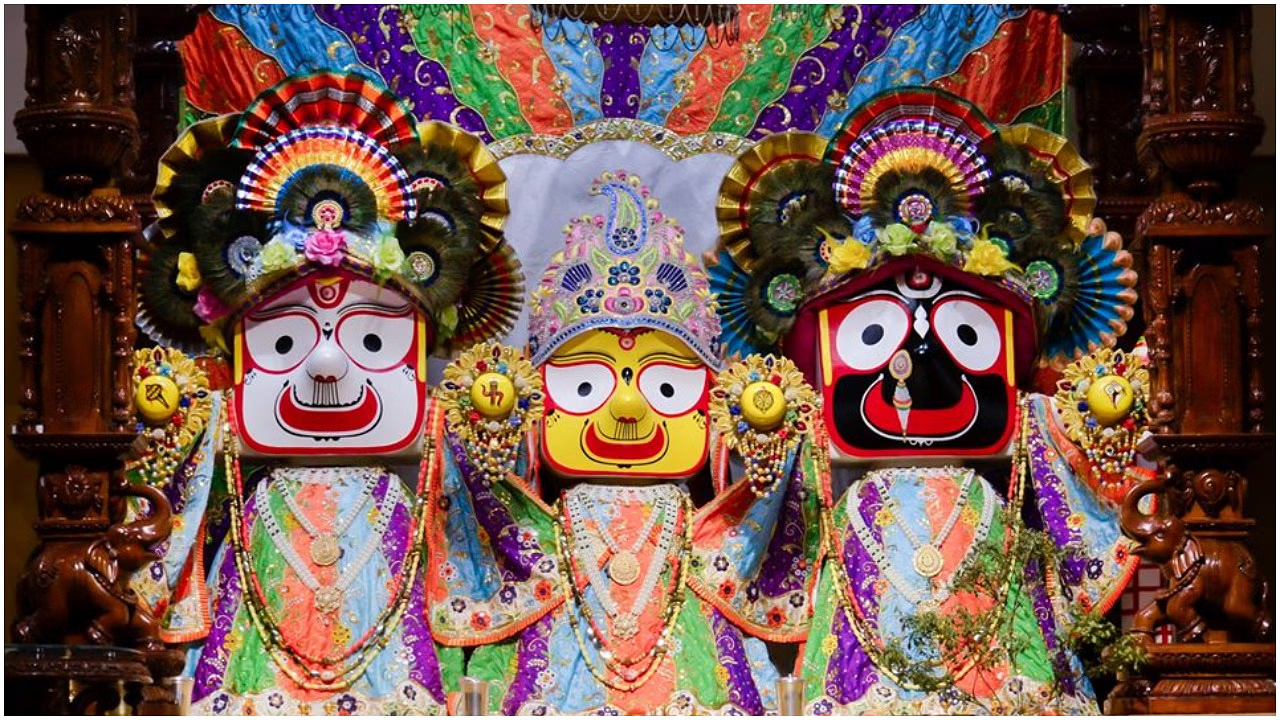
Shri Jagannath Puri Dham

Shri Rameshwaram Dham

Shri Dwarka Dham





