
























Hari Om

Menu

Smriti

images 49 1
Smriti

Atri Smriti

Atri Smriti The Atri Smriti, attributed to the sage Atri Rishi, is one of the 18 principal Dharma Smritis and an important part of the Dharmaśāstra tradition. Like other Smritis, it seeks to codify dharma—ethical, legal, social, and spiritual duties—but it is especially valued for its guidance on moral conduct and religious observances. Scholars believe the Atri Smriti was composed during the early medieval period (around 3rd–7th century CE), when the Smriti tradition was already well developed. It reflects a society where varna-ashrama dharma (duties of caste and life stages), ritual practices, and personal ethics were central to sustaining order. The content of the Atri Smriti covers the three branches of dharma: Ācāra (daily conduct, duties, and rituals), Vyavahāra (law, social regulations, and judicial matters), and Prāyaścitta (penances and expiations for sins). It contains rules for the four stages of life—brahmacharya (student), grihastha (householder), vanaprastha (forest-dweller), and sannyasa (renunciate). It provides detailed instructions regarding marriage, inheritance, purity and pollution, duties of women and men, rituals for ancestors, and funeral rites. A significant portion of the text is devoted to penances (Prāyaścitta), laying out specific expiations for both intentional and unintentional sins, including fasting, mantra recitation, charity, and pilgrimages. The Smriti also places strong emphasis on virtues such as truthfulness, non-violence, devotion, charity, self-control, and respect for elders and teachers, portraying dharma not only as a set of rules but also as a path to spiritual upliftment. In significance, the Atri Smriti was often cited by later medieval legal digest writers (Nibandhakāras) in matters relating to ritual conduct, social duties, and penances. While it may not have carried the same judicial weight as Nārada or Yājñavalkya Smriti in royal courts, it was highly respected among priests, scholars, and householders for its emphasis on practical dharma in everyday life. Today, the Atri Smriti is studied as part of the broader Dharmaśāstra literature, appreciated for its moral and spiritual orientation, showing how ancient Indian thought sought to balance law, ethics, and devotion to uphold social harmony and individual spiritual progress.
Atri Smriti Read Post »

1bae8b7445e4f8b6c13ea76e9d9d2109
Smriti

Usana Smriti

Usana Smriti The Usana Smriti, attributed to Sage Usana (another name often associated with Shukra, the preceptor of the Asuras), is one of the 18 principal Dharma Smritis in the Hindu tradition. It is considered an important text for understanding dharma, law, and social ethics. Composed probably between the 3rd and 6th century CE, the Usana Smriti focuses on providing practical guidance for householders, rulers, and priests, emphasizing the connection between moral conduct, social order, and spiritual growth. Like other Smritis, it covers the three traditional branches of dharma: Ācāra (conduct), Vyavahāra (law and social regulations), and Prāyaścitta (penances and expiations). The content of the Usana Smriti includes detailed guidance on the duties of students, householders, ascetics, and kings, with specific rules regarding marriage, inheritance, property rights, purity, funeral rites, and family responsibilities. A large portion is devoted to Prāyaścitta, prescribing penances for sins such as theft, false speech, neglect of rituals, or breaches of social and caste duties. The text emphasizes ethical virtues such as truthfulness, non-violence, charity, devotion, and respect for elders and teachers, reflecting a holistic approach to dharma where moral discipline, social conduct, and spiritual practice are integrated. In terms of significance, the Usana Smriti was respected by later medieval legal digest writers (Nibandhakāras) and frequently cited in discussions of domestic law, ritual observances, and ethical duties. While it was not the primary legal authority in royal courts like Yājñavalkya or Nārada Smriti, it provided practical guidance for everyday life, especially for householders and scholars. Today, the Usana Smriti is studied as part of the broader Dharmaśāstra tradition, valued for its clarity, ethical guidance, and integration of law with morality and spirituality, offering insight into how ancient Indian society maintained dharma in both domestic and public life.

Usana Smriti Read Post »

images 47 1
Smriti

Yama Smriti

Yama Smriti The Yama Smriti, attributed to Sage Yama, the god of death and dharma, is one of the 18 principal Dharma Smritis and occupies a special place in Hindu law literature. Composed probably between the 3rd and 6th century CE, it is considered one of the earlier Smritis that systematically codifies ethical, social, and legal duties. Unlike the more poetic Manu Smriti, Yama Smriti is concise, emphasizing practical guidance for both rulers and householders, with a focus on justice, moral conduct, and penance. Its content is rooted in the idea that adherence to dharma ensures both social order and spiritual well-being. The Yama Smriti covers the three traditional divisions of Dharma: Ācāra (daily conduct and ritual duties), Vyavahāra (laws, judicial procedures, and social regulations), and Prāyaścitta (penances for sins and moral failings). It includes guidance for different stages of life (āśramas), and details rules related to marriage, inheritance, property rights, family duties, purity, and funeral rites. A significant portion of the text focuses on penances and expiations, prescribing methods like fasting, pilgrimages, mantra recitation, and charitable acts to atone for sins. Ethical virtues such as truthfulness, non-violence, respect for elders, devotion, and charity are repeatedly emphasized, reinforcing the idea that moral behavior is inseparable from spiritual growth. In significance, the Yama Smriti influenced later Dharmaśāstra literature and was frequently cited by medieval digest writers (Nibandhakāras) for guidance on inheritance, penances, and social conduct. Though less dominant in royal courts compared to Yājñavalkya or Nārada Smriti, it was widely respected for its practical moral guidance, especially for householders and scholars. Today, the Yama Smriti is studied as an essential text within the Dharmaśāstra tradition, valued for its integration of ethical, social, and ritual duties, illustrating how ancient Indian society sought to harmonize law, morality, and spirituality in daily life.

Yama Smriti Read Post »

images 46 1
Smriti

Harita Smriti

Harita Smriti The Harita Smriti is one of the 18 traditional Dharma Smritis in Hindu law and is attributed to Sage Harita, a revered ancient rishi. Like other Smritis, it is concerned with dharma (law, ethics, and duties), but it is particularly focused on ritual conduct, moral behavior, and penances rather than elaborate judicial procedures. Scholars consider it to be a later Smriti, likely composed between the 3rd and 6th century CE, during a period when the Dharmaśāstra tradition had already developed a systematic structure combining moral, legal, and ritual guidance. The content of the Harita Smriti addresses the three classical branches of Dharma: Ācāra (proper daily conduct and social duties), Vyavahāra (laws and social regulations), and Prāyaścitta (penances and expiations). It lays down rules for householders, students, ascetics, and rulers, covering topics such as marriage, inheritance, property rights, funeral rites, duties of women and men, and rules of purity and pollution. A significant portion is devoted to Prāyaścitta, detailing atonement for sins such as theft, false speech, neglect of rituals, and breach of caste or social duties. The Smriti emphasizes virtues such as truthfulness, non-violence, charity, devotion, and respect for elders and teachers, reflecting a strong moral and ethical orientation. In terms of significance, the Harita Smriti was respected by later medieval digest writers (Nibandhakāras) and often cited in discussions on ritual observances, domestic duties, and penances. While it did not serve as a primary legal text in royal courts like Yājñavalkya or Nārada Smriti, it was an important guide for householders, priests, and scholars who sought practical guidance on living a dharmic life. Today, it is studied as part of the broader Dharmaśāstra tradition, valued for its emphasis on ethical conduct, social harmony, and the integration of ritual and moral duties, showing how ancient Indian society sought to maintain dharma in daily life.

Harita Smriti Read Post »

images 45 1
Smriti

Samvarta Smriti

Samvarta Smriti The Samvarta Smriti is one of the traditional Dharma Smritis, attributed to Sage Samvarta, and is considered an important text for understanding dharma, social conduct, and ethical duties in ancient India. Unlike some of the larger Smritis like Manu or Yājñavalkya, it is relatively concise, focusing primarily on practical guidance for householders and priests. Composed likely between the 3rd and 6th century CE, it reflects the concerns of society in the classical period, where moral discipline, ritual observance, and social order were intertwined. The text addresses all three traditional aspects of dharma: Ācāra (proper daily conduct and ritual duties), Vyavahāra (legal rules and social regulations), and Prāyaścitta (penances and expiations). It provides guidance for different stages of life, including students, householders, ascetics, and rulers, outlining their duties and responsibilities. Topics include rules for marriage, inheritance, property, purity, funeral rites, and the conduct of women and men, along with moral principles such as truthfulness, non-violence, devotion, charity, and respect for elders and teachers. The Samvarta Smriti places special emphasis on Prāyaścitta (penances), detailing methods of atonement for sins such as theft, lying, neglect of rituals, or violations of social and caste duties. It emphasizes that dharma is not only about external conduct but also about internal moral discipline, linking ethical behavior with spiritual purification. Though it was not as widely used in royal courts as Nārada or Yājñavalkya Smriti, it was highly respected among householders, priests, and scholars for domestic guidance and ritual correctness. Medieval Dharma digest writers frequently cited it in discussions of family law, penances, and domestic conduct. Today, the Samvarta Smriti is studied as a practical and ethical guide, showing how ancient Indian society sought to harmonize law, morality, and spirituality in daily life. The text provides detailed guidance for the duties of the four āśramas—students, householders, forest-dwellers, and renunciates—and covers a wide range of topics, including marriage, inheritance, property distribution, purity regulations, funeral rites, and the ethical and religious conduct of women and men. A distinctive feature of the Samvarta Smriti is its strong emphasis on Prāyaścitta, prescribing penances for intentional and unintentional violations of dharma. It specifies fasting, recitation of mantras, pilgrimages, charitable acts, and other rituals to atone for sins such as lying, theft, neglecting one’s duties, or breaking caste rules. Beyond legal and ritual obligations, the text underscores the importance of virtues like truthfulness, non-violence, devotion, humility, charity, and respect for teachers and elders, reflecting a holistic view of dharma that integrates moral, social, and spiritual dimensions. While it was not the primary legal authority in royal courts like Nārada or Yājñavalkya Smriti, the Samvarta Smriti was widely respected by priests, scholars, and householders, and its prescriptions were frequently cited in medieval Dharma digest literature (Nibandhas). Today, the Samvarta Smriti is studied as a practical, ethical, and ritual guide, illustrating how ancient Indian society sought to harmonize law, morality, and spirituality in everyday life.

Samvarta Smriti Read Post »

968482bef22ded7c046f0f02293fceb9
Smriti

Vishnu Smriti

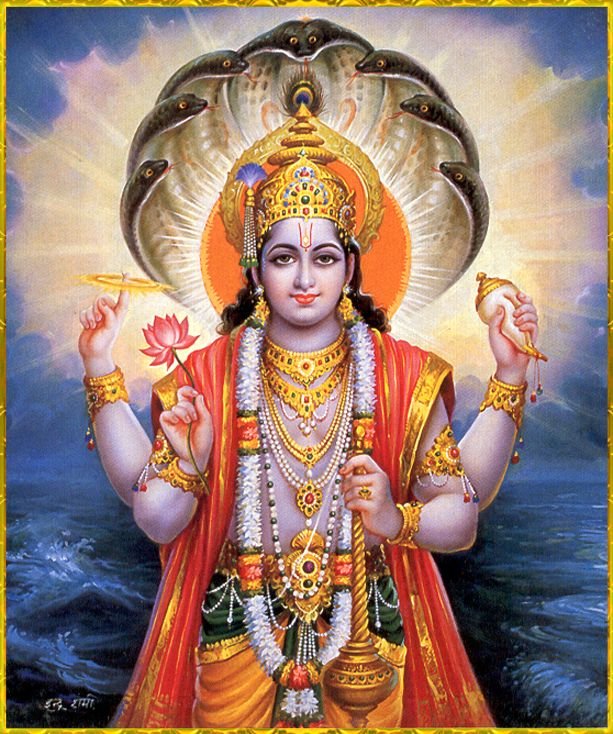
Vishnu Smriti The Viṣṇu Smriti, also called the Vaishnava Dharmaśāstra, is one of the 18 principal Smritis and is attributed to Lord Viṣṇu himself, though in practice it was composed by followers of the Vaishnava tradition. It is considered one of the later Dharmaśāstras, composed probably between the 3rd and 7th century CE, and is unique for combining law, ritual, and devotion in a single framework. Unlike the older Dharma Sūtras, which are aphoristic, the Viṣṇu Smriti is written entirely in metrical verse (śloka form), making it closer in style to Manu Smriti. It is divided into 100 chapters with about 1,000 verses, covering topics of Ācāra (conduct and daily duties), Vyavahāra (law and judicial matters), and Prāyaścitta (penances and expiations), along with strong emphasis on bhakti (devotion to Lord Viṣṇu). The content of the Viṣṇu Smriti is very wide-ranging. It lays down rules for personal conduct, purity, marriage, inheritance, duties of kings, administration of justice, witness testimony, punishments for crimes, and property disputes. Its sections on Prāyaścitta (penances) are especially detailed, prescribing fasting, pilgrimages, mantra recitations, and acts of charity for sins of various degrees. What makes this Smriti unique is its integration of religious devotion with legal and social duties. Along with laws and rituals, it emphasizes bhakti towards Lord Viṣṇu, the chanting of his names, temple worship, and surrender to God as a path of liberation. It also advocates ethical virtues such as truthfulness, non-violence, compassion, and purity of heart, giving it a distinctly spiritual orientation. The significance of the Viṣṇu Smriti lies in its synthesis of dharma and devotion. It was widely cited in medieval legal digests, especially for rules on penance and conduct, but also became an important manual for the Vaishnava community, linking law, morality, and bhakti. While it followed the classical Dharmaśāstra tradition of Manu and Yājñavalkya, it gave a new dimension by placing Viṣṇu at the center of dharma. Today, the Viṣṇu Smriti is studied both as a legal text and a devotional scripture, reflecting how Hindu law gradually evolved to integrate religious devotion with social and legal life.

Vishnu Smriti Read Post »

images 44 1
Smriti

Apastamba Smriti

Āpastamba Smriti The Āpastamba Smriti is one of the 18 principal Dharma Smritis and is attributed to Sage Āpastamba, who is also known for his contributions to the Āpastamba Śrauta Sūtra and Gṛhya Sūtra. Belonging to the Kr̥ṣṇa Yajurveda tradition, this Smriti is considered one of the older and more systematic texts on dharma, though it is more concise compared to Manu or Yājñavalkya Smriti. Composed likely between the 3rd and 5th century BCE/CE, it is written in sutra style rather than verse, giving it a compact, aphoristic format suitable for memorization and teaching. The text primarily focuses on Vyavahāra (law and judicial procedures) but also includes rules for Ācāra (conduct and rituals) and Prāyaścitta (penances), making it a complete Dharmaśāstra. The content of the Āpastamba Smriti covers a wide range of subjects. It deals with duties of the four āśramas (stages of life), marriage rules, inheritance laws, property distribution, contracts, debts, disputes, criminal law, and judicial procedures, including the proper conduct of courts, role of judges, and methods of evidence. A major emphasis is placed on Vyavahāra, making it particularly significant as a practical legal manual. It also addresses Prāyaścitta, prescribing penances for intentional and unintentional violations of dharma, along with ethical guidance for householders and ascetics. The text is notable for its clarity, systematic approach, and logical organization, which later influenced other Dharmaśāstras, including Yājñavalkya Smriti and the Mitākṣarā commentary tradition. In terms of significance, the Āpastamba Smriti has been highly respected in the history of Hindu law. Medieval digest writers frequently cited it as an authority in inheritance, contracts, property disputes, and penances. Its emphasis on judicial procedure and proper conduct of courts reflects the sophistication of ancient Indian legal thought, bridging the gap between moral law and practical governance. Today, it is studied as a foundational text for understanding early Hindu legal principles, social conduct, and the integration of law with dharma, showing how ancient society sought to harmonize justice, ethics, and spiritual duties. What makes Āpastamba Smriti particularly notable is its focus on judicial procedure and practical law. The text lays down rules for how courts should operate, the duties and qualifications of judges, the role of witnesses, and the use of written and oral evidence in trials. It addresses civil matters like contracts, debts, partnerships, and property disputes, as well as criminal acts and appropriate punishments, reflecting a sophisticated understanding of law and governance. Compared to Manu or Yājñavalkya Smriti, Āpastamba Smriti is more concise and technical, providing practical guidance to rulers, judges, and householders rather than moralistic or philosophical elaboration. Its influence on later Hindu law is profound: medieval digest writers cited it frequently, especially on inheritance, property, contracts, and court procedure. Today, it is valued as a foundational text demonstrating the early integration of ethics, law, and social governance, showing how ancient Indian thinkers sought to maintain justice, order, and dharma in society.

Apastamba Smriti Read Post »

images 43 1
Smriti

Likhita Smriti

Likhita Smriti The Likhita Smriti is one of the 18 traditional Dharma Smritis, attributed to Sage Likhita, who is often paired with Sage Śaṅkha. Because of this, it is usually referred to together with the Śaṅkha Smriti as the Śaṅkha–Likhita Smriti. Unlike the larger and more systematic works like Manu or Yājñavalkya Smriti, the Likhita Smriti is short, direct, and practical, dealing primarily with personal conduct, family duties, and penances (prāyaścitta). It was intended more as a guide for householders and priests rather than as a comprehensive legal code for rulers or courts. The content of the Likhita Smriti emphasizes ethical living, ritual purity, rules of marriage, duties of children towards parents, inheritance laws, property matters, funeral observances, and moral responsibilities of men and women. Like Śaṅkha Smriti, it devotes considerable attention to penances for sins, including misconduct such as theft, dishonesty, neglect of Vedic duties, or violations of caste rules. It prescribes methods of atonement through fasting, mantra recitation, pilgrimages, gifts, and austerities. A unique feature of the Likhita Smriti is its stress on truthfulness, humility, and respect for elders and teachers, presenting dharma as a code of morality and discipline that must be followed in everyday life. In significance, the Likhita Smriti was widely cited in medieval dharma digests (Nibandhas), often alongside Śaṅkha Smriti, especially in discussions of prāyaścitta (penance), ritual conduct, and family law. It was considered less authoritative in matters of judicial law compared to texts like Nārada Smriti or Yājñavalkya Smriti, but it held an important place in domestic, ritual, and ethical guidance. Together with the Śaṅkha Smriti, it provided a simpler, more accessible framework for ordinary people to understand and practice dharma. Today, the Likhita Smriti is remembered as part of the Śaṅkha–Likhita tradition, valued for its emphasis on moral discipline, religious duty, and the practical observance of dharma in daily life.

Likhita Smriti Read Post »

images 42 1
Smriti

Shankha Smriti

Shankha Smriti The Śaṅkha Smriti is one of the 18 principal Dharma Smritis and is attributed to Sage Śaṅkha, a revered law-giver in ancient India. Along with the Likhita Smriti, it is often mentioned together as Śaṅkha-Likhita Smriti, since both were widely respected in questions of law, social conduct, and penances. Unlike the more expansive Smritis such as Manu or Yājñavalkya, the Śaṅkha Smriti is shorter and practical in orientation, focusing mainly on daily conduct, ritual rules, social order, and penances (prāyaścitta) rather than elaborate judicial procedures. The content of the Śaṅkha Smriti covers a wide range of topics, including rules of purity and impurity, duties of householders, marriage regulations, inheritance, laws relating to property, funeral rites, conduct of women, and ethical duties of individuals. A large portion of the text is devoted to prāyaścitta (penances and expiations), prescribing ways of atonement for sins such as theft, falsehood, neglect of rituals, violence, and breach of caste duties. It emphasizes discipline, truthfulness, non-violence, devotion, and charity as essential virtues for maintaining dharma. Because of its strong focus on moral and religious conduct, Śaṅkha Smriti was especially valued by priests and householders for guiding domestic and ritual life. In terms of significance, the Śaṅkha Smriti was highly regarded by later legal digest writers (Nibandhakāras), who frequently quoted it in their works. Although it did not become as dominant in royal courts as Yājñavalkya or Nārada Smriti, it was a trusted authority in matters of ritual purity, penance, and family law. Together with Likhita Smriti, it became an important source for defining the duties of individuals in everyday life. Today, the Śaṅkha Smriti is studied as part of the broader Dharmaśāstra tradition, valued for its emphasis on ethical discipline, religious observance, and social harmony, reflecting how ancient Indian society balanced law with spirituality.

Shankha Smriti Read Post »

90b02f8b0bb45ad9bbd571b225b37ebb
Smriti

Gautama Smriti

Gautama Smriti The Gautama Smriti, more commonly known as the Gautama Dharma Sūtra, is regarded as one of the earliest surviving Dharmaśāstra texts and is attributed to Sage Gautama of the Sāmaveda lineage. Unlike many later Smritis composed in poetic verses, it is written in the concise sūtra style, made up of brief aphorisms that convey laws and duties with precision. The text is considered a foundational work in the codification of Hindu law and social conduct, outlining in detail the principles of Ācāra (rituals, daily conduct, and social responsibilities), Vyavahāra (laws, governance, property, and judicial matters), and Prāyaścitta (penances and expiations for sins). Among its many topics are the duties of students, householders, forest-dwellers, and ascetics, rules concerning purity and impurity, marriage, inheritance, funeral rites, property ownership, witnesses in courts, punishments for crimes, and various means of atonement for intentional and unintentional misdeeds. Its structure and focus reflect an early Indian society where ritual purity, ethical discipline, and legal order were seen as parts of a single dharmic framework meant to sustain harmony in both spiritual and social life. The significance of the Gautama Smriti lies in its antiquity, clarity, and influence. It represents one of the earliest systematic attempts to codify dharma, setting the groundwork for later, more expansive Smritis like Manu Smriti and Yājñavalkya Smriti. While concise, it was highly respected and widely quoted in medieval digest literature (Nibandhas), particularly in matters of inheritance, ritual purity, and expiations. For kings and rulers, it served as a guide to fair governance and justice, while for householders it offered practical rules for everyday conduct, purification, and religious duties. Because of its compact style, it was accessible and authoritative, making it a vital reference for priests, teachers, and lawmakers in ancient India. Today, scholars see the Gautama Smriti not only as a ** Here’s the Gautama Smriti content in two long, detailed paragraphs: The Gautama Smriti, also called the Gautama Dharma Sūtra, is considered one of the oldest Dharmaśāstra texts and is attributed to Sage Gautama of the Sāmaveda tradition. Unlike later Smritis composed in poetic verse, it is written in the aphoristic sūtra style, making it concise, systematic, and practical. The text presents an early codification of dharma, divided into the traditional branches of Ācāra (rituals, daily conduct, and social rules), Vyavahāra (laws, governance, property, justice, and punishments), and Prāyaścitta (penances for sins and wrongdoings). It covers duties of different life stages—student, householder, forest-dweller, and renunciate—as well as rules of purity and impurity, marriage customs, inheritance laws, funeral rites, and proper conduct for women and men. It also emphasizes the responsibilities of kings in maintaining justice, handling property disputes, and punishing crimes. In its section on penance, the Smriti prescribes various acts like fasting, ritual recitations, pilgrimages, and charity to atone for sins, showing how spiritual purification was connected with social law.

Gautama Smriti Read Post »