













Hari Om

Menu

Puran

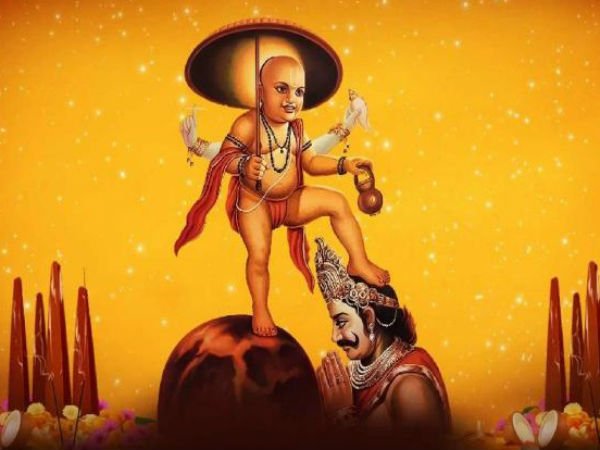
vamana dwadashi king bali 04 1504510947
Puran

Vamana Purana

Vamana Purana The Vāmana Purāṇa: History and Context The Vāmana Purāṇa is one of the eighteen Mahāpurāṇas of Hindu tradition. It is named after Vāmana, the dwarf incarnation (avatāra) of Vishnu, who subdued the demon-king Bali. While its title suggests a text dedicated primarily to Vishnu’s Vāmana form, the Purāṇa is in fact more Shaiva in orientation, with long sections praising Shiva, sacred geography, and pilgrimage. This makes it a fascinating example of how Purāṇas often blended sectarian elements despite their apparent titles. Date and Composition The exact date of the Vāmana Purāṇa is uncertain. Scholars generally suggest its earliest layers were composed between the 7th and 9th centuries CE, though like many Purāṇas, it continued to be expanded and redacted for centuries. Some later insertions may go as far as the 13th century CE. Unlike some other Purāṇas, the Vāmana Purāṇa survives in a fairly incomplete and fragmented form. The extant text contains about 7,000 verses (in 95 chapters), though older references indicate it may once have been considerably longer. Structure The Vāmana Purāṇa does not follow the standard Purāṇic model of five topics (pañcalakṣaṇa: creation, destruction, genealogies, reigns of Manus, and dynastic history). Instead, its content is mainly theological and geographical, focusing on: Religious and Cultural Significance Despite being named for a Vaishnava deity, the Vāmana Purāṇa is often considered more Shaiva than Vaishnava in emphasis. This reflects a historical pattern: Purāṇas were not fixed sectarian scriptures but flexible repositories, often adapted by local traditions. The text is particularly important for the study of Hindu sacred geography. Its detailed accounts of holy places served as pilgrimage manuals (tīrtha-māhātmya), guiding devotees to sacred sites and prescribing the benefits of visiting them. Such sections had immense cultural impact, fostering the growth of pilgrimage networks across India. At the same time, its inclusion of Vishnu narratives ensured that it remained acceptable to Vaishnava communities, showing how Purāṇas worked as shared religious texts rather than exclusive sectarian canons. Historical Influence The Vāmana Purāṇa provides historians with valuable information on medieval Hinduism. It reflects the prominence of pilgrimage culture, the rising importance of Shaiva worship, and the integration of Vaishnava mythology into broader Purāṇic frameworks. Its emphasis on sacred landscapes highlights how geography was sacralized in Hindu thought, transforming rivers, forests, and cities into embodiments of divine presence. Though less cited than the Bhāgavata Purāṇa or Śiva Purāṇa, the Vāmana Purāṇa remains important for scholars studying regional religious practices, temple traditions, and tīrtha-māhātmya literature. It demonstrates how Purāṇas evolved not as static texts but as living traditions, constantly reshaped by communities to suit devotional, cultural, and political needs.

Vamana Purana Read Post »

5abe00fdbf37352a653ae9ef0021ff2e
Puran

Bhavishya Purana

Bhavishya Purana The Bhaviṣya Purāṇa: History and Context The Bhaviṣya Purāṇa is one of the eighteen Mahāpurāṇas of Hindu tradition. Its name, Bhaviṣya (“future”), suggests that it deals with prophecies and accounts of events to come. Indeed, this text is famous for containing unusual references to historical and even post-Vedic religions, making it one of the most controversial of the Purāṇas. Composition and Dating Unlike many early Purāṇas, the Bhaviṣya Purāṇa is a living text, compiled and expanded over a long period. Scholars generally date its oldest portions to around the 1st millennium CE (possibly between the 3rd and 7th centuries), while large parts of the text were added much later, between the 13th and 19th centuries CE. The extant version contains about 14,500 verses, but these are unevenly distributed, and much of the content is believed to be interpolated. The text has thus been described as a Purāṇic anthology, reflecting changing religious, political, and social contexts through history. Structure The Bhaviṣya Purāṇa is divided into four main sections (parvans): Themes and Content At its core, the Bhaviṣya Purāṇa resembles other Purāṇas, dealing with cosmology, dharma, genealogies of gods and kings, and rituals. Its unique feature, however, is its prophetic character. For example: Religious and Cultural Significance The Bhaviṣya Purāṇa is particularly valued for its ritual and festival sections, which preserve information about regional Hindu practices. It reflects the dynamic, adaptive quality of Purāṇic literature—absorbing new influences and reinterpreting them within a Hindu framework. Culturally, it shows how Purāṇas served not only as mythological and theological texts but also as historical chronicles, recording society’s encounters with other religions and political powers. This feature makes the Bhaviṣya Purāṇa a unique witness to the evolution of Indian religious identity. Historical Influence Though often dismissed by scholars as “late” or “inauthentic” due to its interpolations, the Bhaviṣya Purāṇa remains important. It illustrates how Hindu tradition preserved memory of social and political change through mythic prophecy. Its references to non-Indian religions, while historically inaccurate, reveal how Indian authors perceived and responded to foreign faiths. Thus, the Bhaviṣya Purāṇa stands as a text not of timeless myth alone, but of living history, continuously reshaped to reflect the concerns of each age.

Bhavishya Purana Read Post »

main image
Puran

Markandeya Purana w

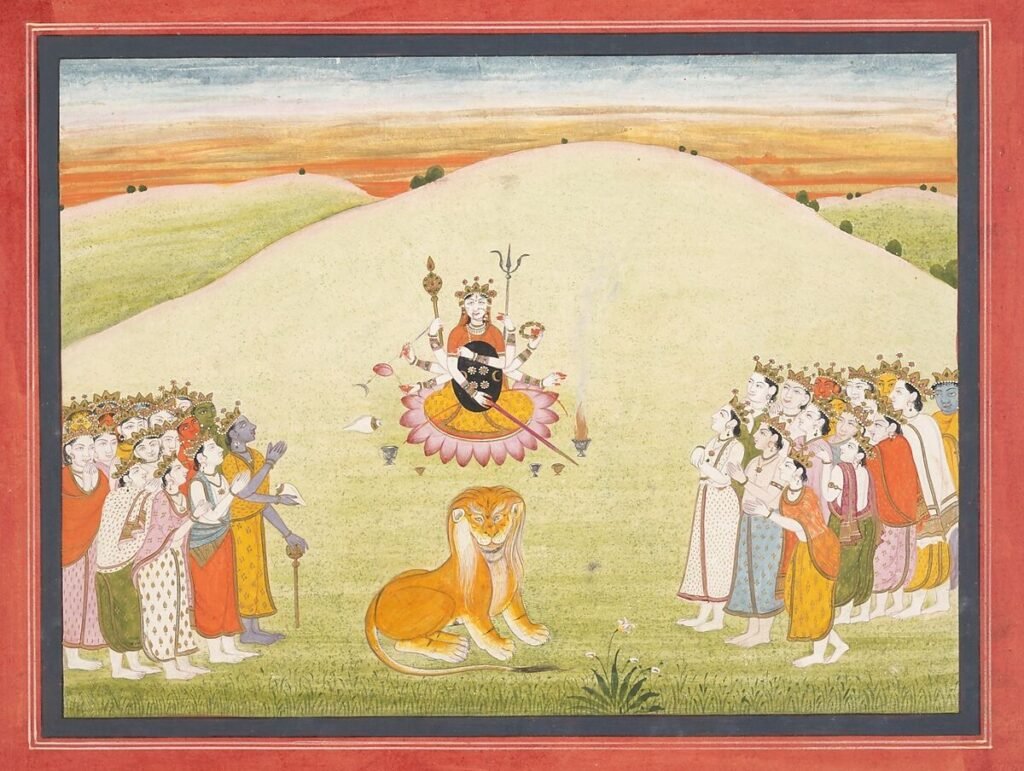
Markandeya Purana The Mārkaṇḍeya Purāṇa: History and Context The Mārkaṇḍeya Purāṇa is one of the eighteen Mahāpurāṇas of Hindu tradition. As its name suggests, it is attributed to the sage Mārkaṇḍeya, a figure renowned in Indian mythology for his devotion and longevity. The text is notable for its independence, antiquity, and its unique devotional sections, particularly the famous Durgā Saptashatī (also known as Devī Māhātmya), which became a foundational scripture of Shākta (goddess-centered) traditions. Date and Composition Unlike some other Puranas, the Mārkaṇḍeya Purāṇa is relatively early. Scholars usually date its core composition between the 4th and 6th centuries CE, though parts may be older and interpolations continued later. Unlike many Puranas that were extensively revised in the medieval period to favor specific sects (such as Vaishnavism or Shaivism), this Purāṇa is often regarded as more secular and encyclopedic in character. The extant text contains about 9,000 verses in 137 chapters. The narration is framed as a dialogue between sage Mārkaṇḍeya and Jaimini, a disciple of Vyāsa. Structure and Content The Purāṇa can be broadly divided into two thematic sections: Religious and Cultural Significance The Mārkaṇḍeya Purāṇa is remarkable because it does not clearly privilege a single sectarian deity such as Vishnu or Shiva. Instead, it preserves a more pluralistic outlook, reflecting a period before the dominance of sectarian Purāṇas. Its embrace of the goddess in the Devī Māhātmya, however, gave it enduring importance in Shaktism, elevating the Divine Feminine to the highest metaphysical principle. Culturally, the text influenced not only Hindu devotional practice but also literature, ritual, and temple worship. The recitation of the Devī Māhātmya became central to Shākta festivals and is still integral to worship across India. Historical Influence Historically, the Mārkaṇḍeya Purāṇa offers insights into early Purāṇic religion and society. It documents the synthesis of Vedic, epic, and folk traditions into a coherent theological framework. Its stories of kingship, ethics, and cosmic cycles reflect the worldview of early classical Hinduism. Above all, the inclusion of the Devī Māhātmya ensured its unique place: while other Purāṇas became cornerstones of Vaishnava or Shaiva traditions, this text gave birth to a pan-Indian scripture of the Goddess, ensuring its continuous recitation and study for more than a millennium.

Markandeya Purana w Read Post »

8330da39f6d33ede56514051b4b61fcc 1
Puran

Padma Purana

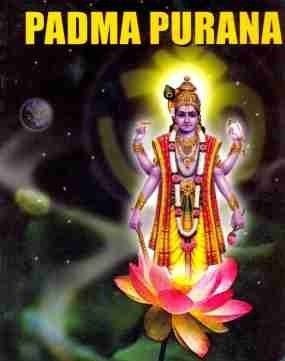
Padma Purana The Padma Purana is one of the eighteen major Mahapuranas in Hinduism and holds a prominent place among the sacred texts of ancient Indian literature. Written in Sanskrit, it is a vast compendium of mythological narratives, religious rituals, theology, legends, geography, and ethical teachings. Its composition is believed to have taken place over several centuries, possibly between the 4th and 15th centuries CE, with layers added by different authors in different regions. The name “Padma” (meaning lotus) refers to the lotus that emerges from the navel of Lord Vishnu, symbolizing the birth of the universe. Traditionally, the Padma Purana is attributed to the sage Vyasa, who is credited with compiling all the Puranas. It consists of over 50,000 verses, making it one of the longest Puranas, and is divided into five major sections or khandas: Srishti Khanda (Creation), Bhumi Khanda (The Earth), Svarga Khanda (Heaven), Patala Khanda (The Netherworld), and Uttara Khanda (The Later Section). Each khanda deals with different themes and serves different religious and spiritual purposes. The Srishti Khanda elaborates on the creation of the universe, the nature of time, and the stories of various gods and sages. It presents a cyclical view of time through the concept of yugas (ages) and describes the roles of Brahma, Vishnu, and Shiva in cosmic maintenance and destruction.

Padma Purana Read Post »

Lord Vishnu god.jpg
Puran

Vishnu Purana

Vishnu Purana The Vishnu Purana is one of the eighteen Mahapuranas, a genre of ancient Indian texts central to Hindu religious thought and mythology. Composed in Sanskrit, it is considered one of the oldest and most important Puranas, likely compiled between the 3rd and 5th centuries CE, though some portions may be older or added later. It is primarily dedicated to Lord Vishnu, one of the principal deities in Hinduism, and promotes Vaishnavism, the worship of Vishnu as the Supreme God. The Vishnu Purana is structured into six books (amsas) and contains around 23,000 verses. Like other Puranas, it covers a wide range of topics including cosmology, genealogy, mythology, philosophy, rituals, and the history of the universe from a Hindu perspective. It begins with the creation of the universe, detailing how Brahma, the creator god, emerges from the navel of Vishnu. It goes on to describe the process of cosmic evolution and dissolution in cyclical time—known as kalpas and yugas. One of the key features of the Vishnu Purana is its emphasis on dharma (righteous living) and the worship of Vishnu as the sustainer of the universe. It narrates the various avatars (incarnations) of Vishnu, such as Rama and Krishna, who descend to Earth to restore cosmic order. These stories are meant to teach moral lessons, emphasizing virtues like devotion, truthfulness, and humility. The text also offers a theological perspective, presenting Vishnu as the supreme being from whom all creation emanates and into whom it eventually returns. Unlike the more sectarian tones of some other Puranas, the Vishnu Purana contains philosophical discussions that synthesize various Hindu schools of thought, including elements of Samkhya and Vedanta philosophy.

Vishnu Purana Read Post »

images 2025 09 10T134931.184
Puran

Naradiya Purana

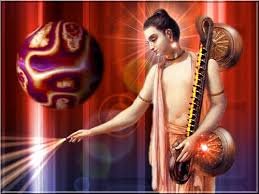
Naradiya Purana The Naradiya Purana is one of the eighteen Mahapuranas of Hinduism and is traditionally attributed to the sage Narada, one of the most revered rishis in Hindu mythology. Narada is known as a divine messenger, a musician-sage, and a devotee of Lord Vishnu, often seen traveling between the worlds, spreading wisdom and devotion. As such, the Naradiya Purana reflects his character—deeply spiritual, devotional, and inclusive in its teachings. Origins and Composition The exact date of the composition of the Naradiya Purana is difficult to determine, as with many ancient Indian texts, but scholars estimate that its core may have been composed between the 8th and 10th centuries CE, with some portions possibly written earlier and others added later. The text likely evolved over time through oral tradition and was expanded upon by multiple authors or redactors. The Naradiya Purana exists in two main versions: Both versions emphasize devotion (bhakti) to Lord Vishnu and include extensive discussions on pilgrimage, rituals, religious duties, and the benefits of listening to and reciting Puranas. Historical and Religious Context The Naradiya Purana emerged during a time when Bhakti movements were becoming widespread across India. These movements emphasized personal devotion to a chosen deity, often Vishnu or Shiva, over ritualistic or caste-based practices. The Purana aligns itself with the Vaishnava tradition, portraying Vishnu as the Supreme God and encouraging constant remembrance of His name through singing (kirtan), storytelling, and pilgrimage. The text also includes instructions on worship, temple construction, festivals, charity, and ethical living, reflecting the growing institutionalization of Hindu religious life during the early medieval period. It promotes social harmony, piety, and the idea that devotion is open to all, regardless of caste or gender, which made it popular among the masses. Structure and Contents The major Naradiya Purana is divided into two parts: It also contains lists of other Puranas, describes the duties of different varnas and ashramas (social and life stages), and explains the benefits of listening to or reciting sacred stories. Influence and Legacy The Naradiya Purana has played a significant role in shaping popular devotional practices, especially those related to kirtan (devotional singing), Nama-sankirtana (chanting divine names), and tirtha-yatra (pilgrimage). It has been cited by later Bhakti saints and has contributed to the religious and cultural fabric of India.

Naradiya Purana Read Post »