














Hari Om

Menu

vedas

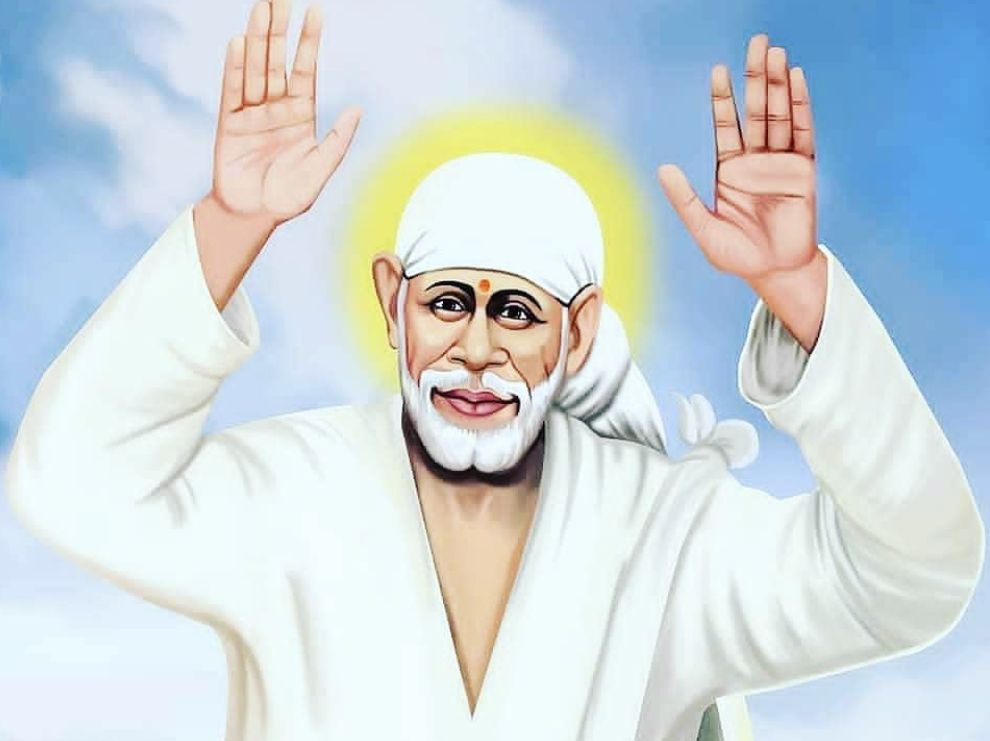
Shirdi Sai Baba raising both hands giving blessings. image
Bhagwan Gayatri

Shirdi Sai Gayatri

Shirdi Sai Gayatri Sainath means “Lord Sai,” the compassionate master of Shirdi. This line invites the devotee to focus the mind on Sai Baba’s form, his wisdom, and his loving presence. It is an invocation to connect with his energy before deeper meditation. The Shirdi Sai Gayatri Mantra is a sacred invocation dedicated to Sai Baba of Shirdi, the saint of compassion, equality, peace, and divine wisdom. Just like the traditional Gayatri Mantra seeks illumination from the Supreme, this version seeks the divine guidance of Shri Sai Baba, who is revered as an embodiment of God’s love and grace. Each line of this mantra carries deep spiritual significance. ॐ श्री साईंनाथाय विद्महेसच्चिदानंदाय धीमहितन्नः श्री साईः प्रचोदयात् ॥ The mantra begins with Om, the primordial sound that represents the ultimate reality and cosmic consciousness. Chanting “Om” helps steady the mind and opens the heart to divine energies. “Shri Sainathaya” refers to Sai Baba as the spiritual master, the compassionate guide, and the divine caretaker of devotees. “Vidmahe” means “we seek to know” or “may we come to understand.” Thus, this line is a prayerful attempt to connect deeply with Sai Baba’s essence—his teachings of faith (Shraddha), patience (Saburi), compassion, humility, and oneness of all religions.

Shirdi Sai Gayatri Read Post »
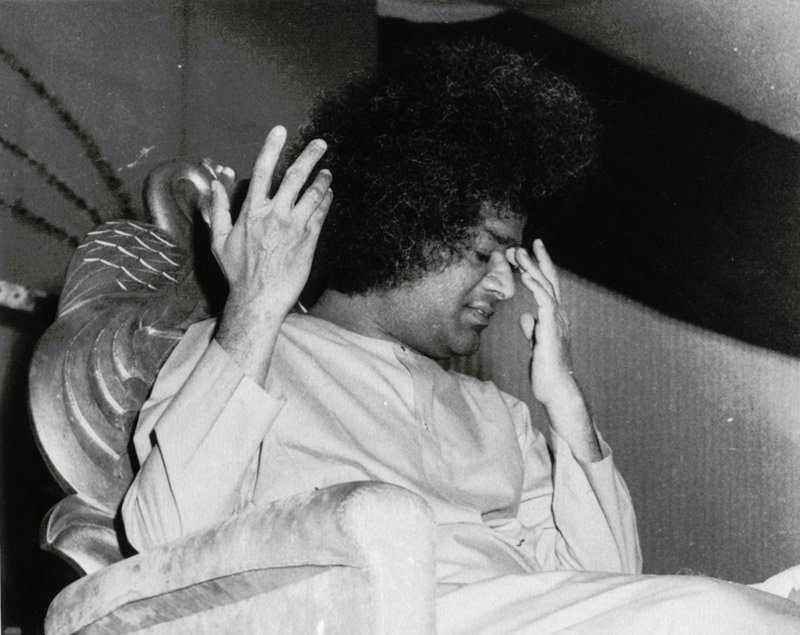
Bhagwan Shri Sathya Sai Baba tranquil ashram portrait photo
Bhagwan Gayatri

Sathya Sai Gayatri

Sathya Sai Gayatri The Gayatri is a universal prayer enshrined in the Vedas. It is addressed to the Immanent and Transcendent Divine which has been given the name ‘Savita,’ meaning ‘that from which all this is born.’ The Gayatri may be considered as having three parts – (i) Adoration (ii) Meditation (iii) Prayer. First, the Divine is praised, then It is meditated upon in reverence and finally, an appeal is made to the Divine to awaken and strengthen the intellect, the discriminating faculty of man. The Gayatri is considered as the essence of the Vedas. Veda means knowledge, and this prayer fosters and sharpens the knowledge-yielding faculty. As a matter of fact, the four core-declarations enshrined in the four Vedas are implied in this Gayatri mantra. The Gayatri Mantra is a sacred chant that demonstrates the unity that underlies manifoldness in creation. It is through the recognition of this unity that we can understand the multiplicity. Clay is one and the same thing, though pots of different shapes and sizes can be made from it. Gold is one, though gold ornaments can be multifarious. The Atma is one, though the embodied forms in which it resides may be many. Whatever the colour of the cow, the milk is always white. Om Bhur Bhuvaḥ SuvahaTat-savitur VareñyaṃBhargo Devasya DheemahiDhiyo Yonaḥ Prachodayāt The earliest finding of the seekers was that the Sun was the most important factor in determining the daily life of man and providing the basic requirements for living. Life would be impossible without the Sun for man, beast, bird, or plant. The Sun was regarded as the source of all energy and responsible for birth, growth, and destruction of all things in creation. It was for this reason that Sage Viswamitra glorified the Sun God (Savitr) in the Gayatri mantra.

Sathya Sai Gayatri Read Post »

Lord Hanuman sitting in meditation with mandala background. image
Bhagwan Gayatri

Hanuman Gayatri

Hanuman Gayatri Shree Hanuman Gayatri Mantra is so powerful that by chanting this mantra all the negative energies go away, and positive energy starts flowing around you. If Hanuman Gayatri Mantra is chanted regularly, then the infinite grace of Hanuman ji is received. Bajrangbali frees you from every crisis. Om Anjaneyaya Vidmahe Vayuputraya Dhimahi। Tanno Hanumat Prachodayat॥ The Hanuman Gayatri Mantra is a powerful Vedic-style prayer dedicated to Bhagavan Hanuman, the embodiment of strength, courage, devotion, and selfless service. This mantra follows the structure of the ancient Gayatri meter, traditionally invoking divine light and guidance. Each line holds deep spiritual significance for the devotee.The Hanuman Gayatri Mantra is a sacred invocation chanted to seek the blessings, strength, and guidance of Lord Hanuman. Just like the traditional Gayatri Mantra invokes divine illumination, this version calls upon Hanuman—the embodiment of devotion, courage, service, and spiritual wisdom—to guide the mind and purify the heart. ॐ आञ्जनेयाय विद्महेवायुपुत्राय धीमहितन्नो हनुमान् प्रचोदयात् ॥ The word Aanjaneyaya refers to Hanuman as the son of Anjana. This title highlights the purity and grace associated with his birth. Anjana performed intense tapasya (penance), resulting in the divine blessing of Vayu Deva and the birth of Hanuman. Remembering him as Anjaneya brings to mind his innocence, boundless devotion, and childlike purity.“Vidmahe” means “we seek to know” or “we meditate upon.” Thus, this line invites the devotee to contemplate Hanuman’s qualities—his strength, humility, loyalty, and unwavering dedication to Lord Rama. By meditating on Anjaneya, one cultivates calmness, clarity, and purity of thought.

Hanuman Gayatri Read Post »

Goddess Durga idol with multiple arms and lion during Durga Puja.
Bhagwan Gayatri

Durga Gayatri

Durga Gayatri Durga Gayatri Mantra is said to be the most powerful mantra in the world. It is also known as the “Mother of Mantras.” The mantra is believed to be beneficial in many ways, including helping one achieve inner peace and salvation. in this article, we told you the amazing Durga Gayatri mantra benefits and meaning. Durga Gayatri Mantra is one of the most popular Mantras of Goddess Durga. In deity worship, most Gods and Goddesses are praised with their own Gayatri Mantra. Goddess Durga Gayatri Mantra is a variation of the most popular Gayatri Mantra. Om Girijay Ch Vidmahe, Shivpriya Ch Dhimhi, Tanno Durga Prachodayat ।। गिरिजाय च विद्महे, शिवप्रियाय च धीमहि, तन्नो दुर्गा प्रचोदयात् ।। Om, we meditate on the Mother Goddess who was born as the daughter of the Lord Himalaya, who is the most beloved of Lord Shiva, who is the slayer of the demon Durgam. O Mother Durga! Enlighten our intellect and mind with knowledge and guide us towards the right path.

Durga Gayatri Read Post »

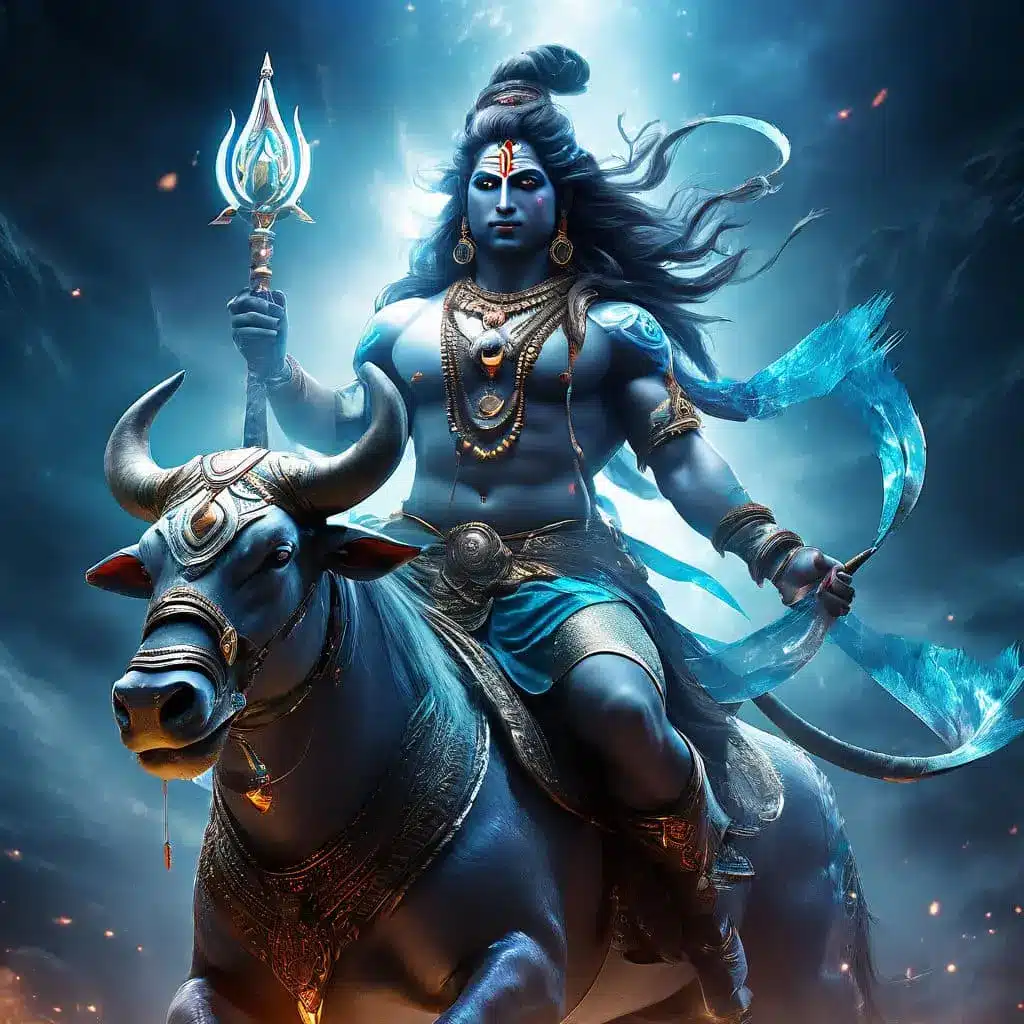
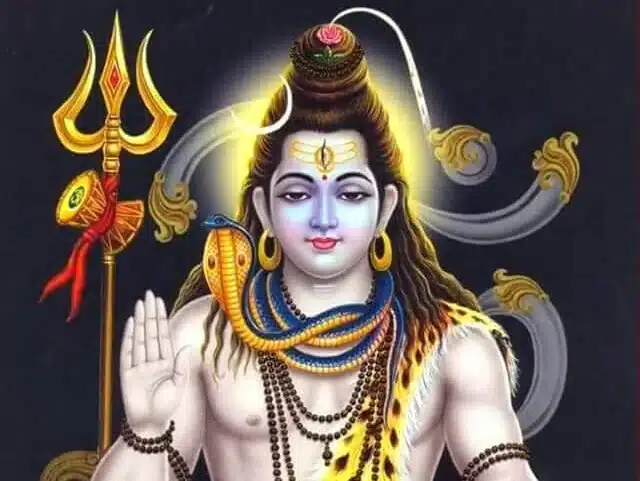
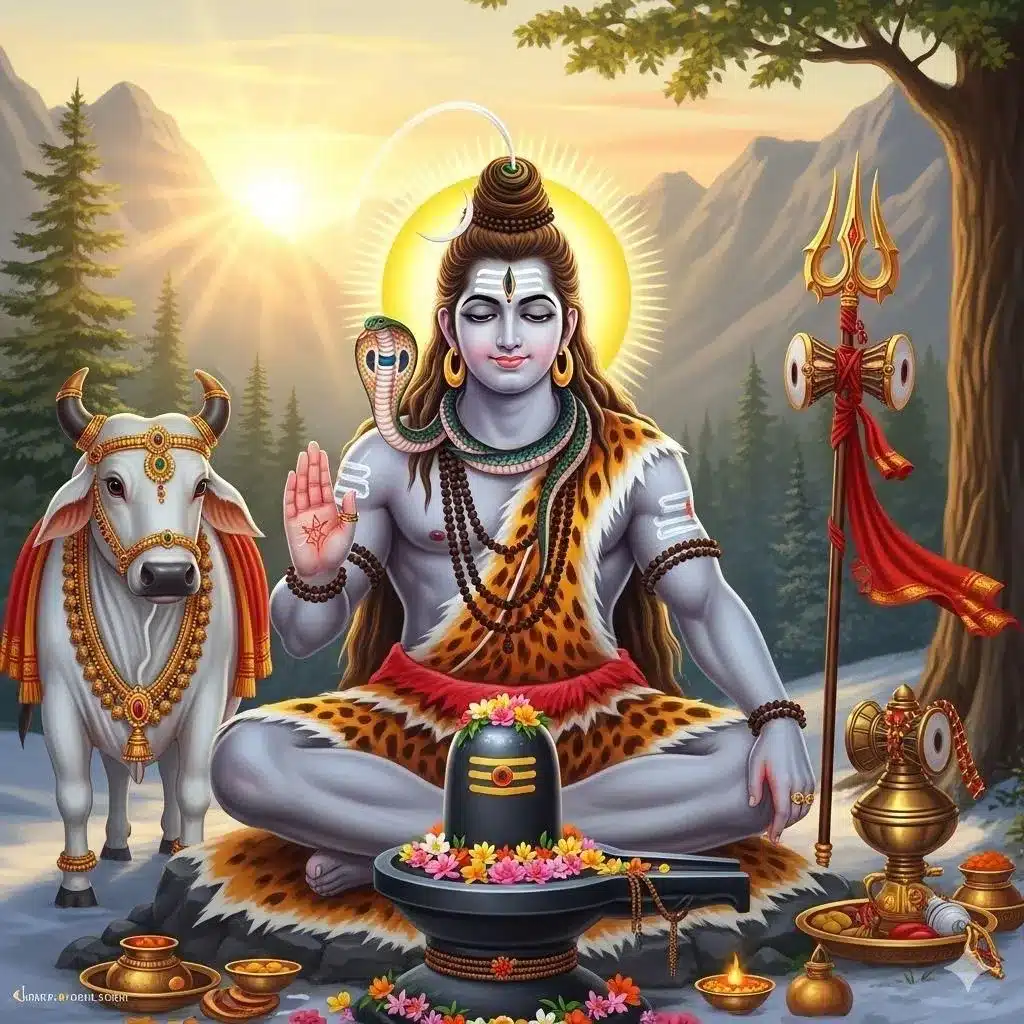
Artistic watercolor Lord Shiva with trishul in background image
Bhagwan Gayatri

Shiva Gayatri

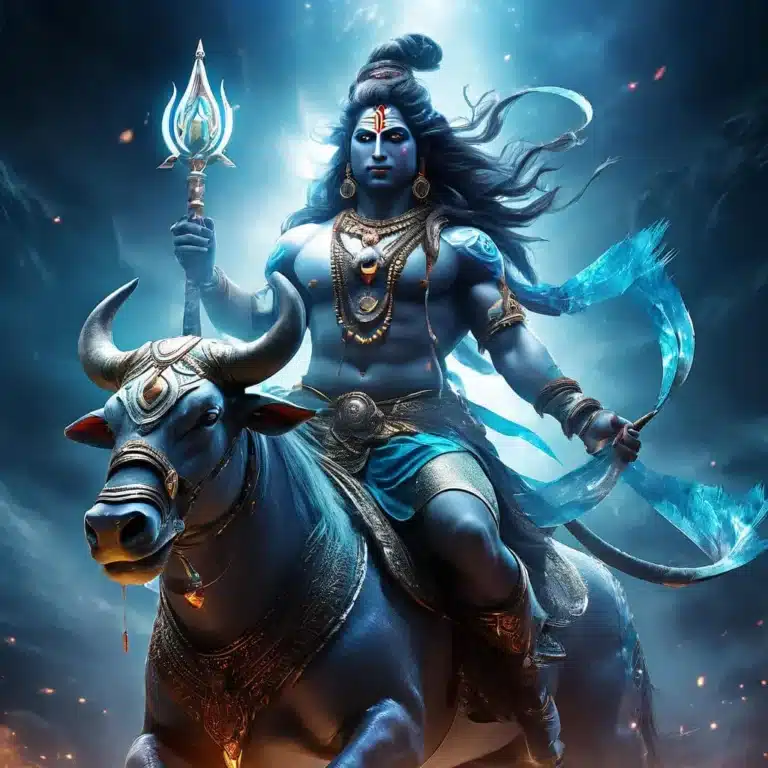
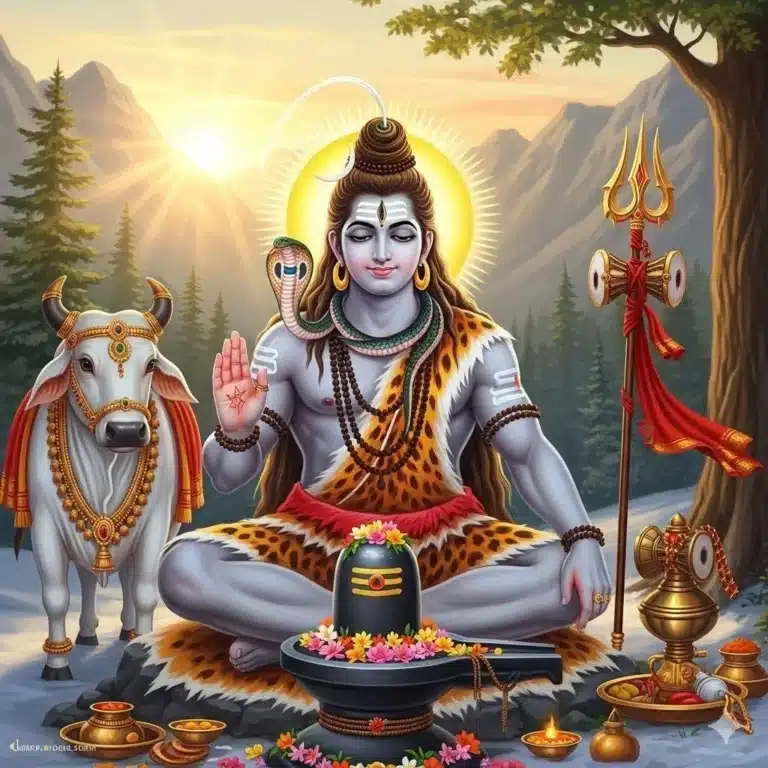
Shiva Gayatri The Shiva Gayatri Mantra is a powerful and sacred mantra dedicated to Lord Shiva, one of the principal deities in Hinduism. Chanting this mantra is believed to invoke the blessings and divine energy of Lord Shiva. The mantra is typically recited in Sanskrit and goes as follows: “ॐ तत्पुरुषाय विद्महे महादेवाय धीमहि तन्नो रुद्रः प्रचोदयात्॥”Om Tatpurushaya Vidmahe Mahadevaya Dhimahi Tanno Rudrah Prachodayat Om” is the universal sound and symbolizes the ultimate reality or consciousness. “Tatpurushaya” refers to “that form of the divine.” “Vidmahe” means “we meditate upon” or “we contemplate.” “Mahadevaya” is a name for Lord Shiva, translating to “the great god” or “the supreme god.” “Dhimahi” means “we meditate” or “we focus our attention.” When you chant the Shiva Gayatri Mantra, you are essentially meditating on Lord Shiva, seeking His guidance, blessings, and inspiration in your life. It’s a way to connect with the divine energy and qualities associated with Lord Shiva, such as strength, destruction of ignorance, and transformation.

Shiva Gayatri Read Post »

Colorful Lord Ganesha sitting in blessing pose. image
Bhagwan Gayatri

Ganesh gayatri

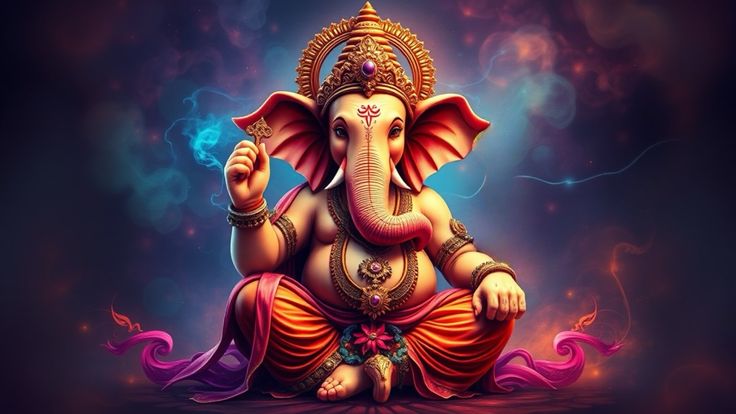
Ganesh Gayatri The Ganesh Gayatri mantra is a sacred mantra dedicated to Lord Ganesha, the deity associated with wisdom, success, and the removal of obstacles. The Gayatri mantra is a revered Vedic mantra known for its spiritual power and significance. The Ganesh Gayatri mantra invokes the blessings and qualities of Lord Ganesha, allowing devotees to connect with his divine energy and seek his guidance and protection. ॐ एकदंताय विद्महे, वक्रतुण्डाय धीमहि, तन्नो दंती प्रचोदयात्॥ “Om Ekadantaya Vidmahe, Vakratundaya Dhimahi, Tanno Danti Prachodayat.” The Ganesh Gayatri mantra has the following meaning: Om: The sacred sound and universal vibration. Ekadantaya: One who has a single tusk. Vidmahe: Let us meditate upon or focus our minds upon. Vakratundaya: One who has a curved trunk. Dhimahi: Let us contemplate or meditate upon. Tanno: May that deity or divine energy. Danti: One who has a broken tusk. Prachodayat: Inspire or guide us. In essence, the mantra is an invocation to Lord Ganesha, acknowledging and meditating upon his divine attributes. It seeks to connect with the energy and qualities represented by Lord Ganesha, including his unique physical characteristics such as the single tusk and the curved trunk. The mantra calls upon Lord Ganesha to inspire and guide the practitioner, allowing them to overcome obstacles, cultivate wisdom, and attain success

Ganesh gayatri Read Post »

Lord Vishnu sitting on lotus holding chakra and gada. image
Bhagwan Gayatri

Narayan Gayatri 

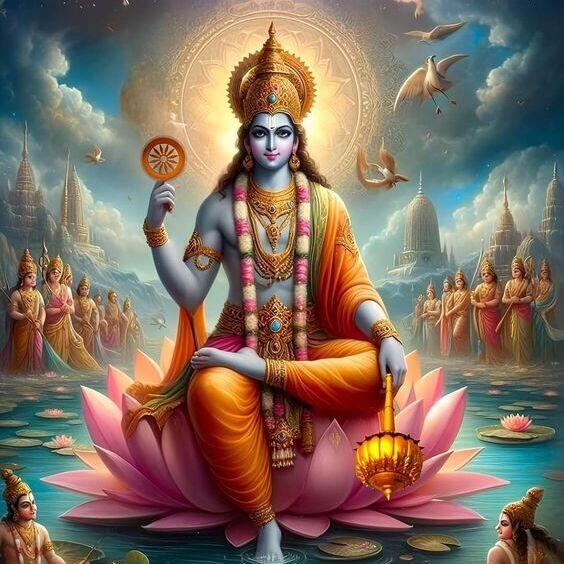
Narayan Gayatri Narayan Gayatri Mantra is used to get higher intelligence and transcendence of mind. Narayan Gayatri Mantra brightens the mind of the sadhak very quickly. Gayatri mantra is the most known and learned mantra in Hinduism. Gayatri mantra has been passed from a Guru to the disciple in Hindu Lineage. The mantra is described in Rigveda. The Gayatri mantra is dedicated to Savitri, the Sun deity. The Gayatri mantra was pioneered by Sage Vishwamitra who was the Guru of Lord Rama. Lord Rama received the Surya Deeksha from Sage Vishwamitra. Aditya Hrudyam Stotra was also given to Lord Rama by Vishwamitra. The Gayatri mantra has been chanted by spiritual persons as a part of their daily ritual. Regular chanting of the Gayatri mantra helps in activating the ‘Satvik’ nature of the sadhak which leads him to success in meditation and other Sadhana. The Gayatri mantra brings real magic to life. The Gayatri mantra simply brings wisdom and opens the gateways of spiritual life. The Gayatri mantra is a prayer as well as a mantra. As a mantra, it is a set of sounds used by meditators to realize a higher state of consciousness. As a prayer, it refers to God for guidance. The beauty of Gayatri’s mantra is that it is an ‘Already Sidh Mantra’. Any beginner can start to chant the Gayatri mantra for its benefits. The Gayatri mantra not only purifies the mind but also invites the cosmic forces of the mind to awaken. The Gayatri mantra should be avoided by the sadhak of Shabar Mantras. नारायण गायत्री मंत्र ॐ नारायणाय विद्महे वासुदेवाय धीमहि तन्नो नारायण: प्रचोदयात्Om Narayanaya Vidhmahe Vasudevaya Dheemahe Thanno Narayan: Prachodayath हे भगवान् नारायण, आप तीनों लोकों के पालनकर्ता हैं, वासुदेव स्वरूप प्रभु मुझ में बुद्धि और ज्ञान का प्रकाश प्रदान करें|Om, Let me meditate on Lord Narayana, Oh, Lord Vasudeva, give me higher intellect, And let Lord Narayan illuminate my mind.

Narayan Gayatri  Read Post »

2b17bf0dcd85b0153b31467ebe5f918d
Patanjali Yoga

Kaivalya Pada

Kaivalya Pada The Kaivalya Pada, or “Chapter on Liberation,” is the fourth and concluding section of Patanjali’s Yoga Sutras. It focuses on the ultimate goal of yoga — Kaivalya, or complete freedom and absolute independence of the soul. While the previous chapters outlined the theory, practice, and powers of yoga, the Kaivalya Pada describes the final state of liberation, where the mind is completely still, the Self is fully realized, and the yogi is free from all attachments, karmic cycles, and suffering. In this state, the yogi experiences pure consciousness, untouched by worldly influences, pleasures, or pains. Kaivalya is not a place or object but the ultimate condition of the soul’s freedom and absolute peace. Patanjali explains that liberation is achieved when the yogi fully detaches from the mind, the senses, and the external world. All karmic impressions (samskaras) that cause repeated births and suffering are dissolved, leaving the soul in its pure form. In Kaivalya, the yogi no longer identifies with the body, thoughts, or ego. The mind, having been disciplined through Abhyasa (practice) and Vairagya (detachment), rests naturally in its own pure nature. The soul recognizes its eternal independence, and the cycles of desire, attachment, and ignorance no longer influence it. The chapter also describes the metaphysical process of liberation. As the yogi progresses, the mind becomes more subtle, thoughts cease, and the distinction between self and object vanishes. The yogi experiences the true knowledge of the Self (Pragnya), seeing the soul as distinct from matter and the material world. This realization brings an inner serenity that is unshakable, where neither pleasure nor pain, gain nor loss, can disturb the mind. Patanjali emphasizes that Kaivalya is beyond intellectual understanding — it is direct experiential realization of the eternal Self. Finally, the Kaivalya Pada emphasizes that liberation is the ultimate purpose of all yoga practice. All powers, meditation, and ethical disciplines serve as preparatory steps for this final state. Even siddhis, or extraordinary powers described in the previous chapter, are temporary and cannot lead to ultimate freedom if attachment persists. True yoga culminates in Kaivalya, where the soul stands alone in perfect consciousness, fully liberated from all bonds, pure in essence, and blissfully free. This chapter ties together the wisdom of all previous sections, showing that disciplined practice, devotion, and meditation ultimately lead to the eternal state of spiritual independence.

Kaivalya Pada Read Post »

e458eaab9552cf65e6faa24e428d6bc6
Patanjali Yoga

Vibhuti Pada

Vibhuti Pada The Vibhuti Pada, or “Chapter on Powers and Perfections,” is the third section of Patanjali’s Yoga Sutras and focuses on the extraordinary abilities that can arise through deep yoga practice. While the first two chapters — Samadhi Pada and Sādhana Pada — discuss the theory and practice of yoga, the Vibhuti Pada describes the results and powers (siddhis) that come from mastery over the mind, breath, and concentration. Patanjali emphasizes that these powers are not the ultimate goal of yoga; they are by-products of sincere practice and mental discipline. The real aim remains liberation (Kaivalya), but understanding these powers can help the practitioner recognize the stages of spiritual progress. Patanjali explains that through Dharana (concentration), Dhyana (meditation), and Samadhi (absorption), the yogi can gain control over the mind and body, leading to various siddhis. These include abilities such as heightened perception, control over the elements, extraordinary memory, and even the power to influence matter or energy. The text classifies these powers according to the type of concentration and the object of meditation. However, Patanjali repeatedly warns that attachment to these powers can distract the practitioner from the true purpose of yoga and cause ego, pride, or misuse. True wisdom lies in using them as milestones, not goals. The chapter also describes the mental and spiritual practices that give rise to these siddhis. By purifying the mind, practicing deep meditation, and cultivating detachment and discernment, the yogi develops clarity, intuition, and self-mastery. These powers are natural expressions of a mind that has transcended ordinary limitations. Patanjali teaches that the disciplined yogi experiences effortless control over the body, senses, and thoughts. Even the laws of nature, such as time, space, and energy, appear to be influenced by a yogi in deep Samadhi. This demonstrates that the human mind has enormous potential when fully focused and free from distractions. Ultimately, the Vibhuti Pada stresses that these powers are temporary and should not become the seeker’s aim. They are signs of progress, not the final destination. The chapter reminds the practitioner that the ultimate purpose of yoga is still liberation — Kaivalya, the state of absolute freedom and pure consciousness. Siddhis may appear, but the wise yogi remains unattached, using them only to deepen insight, devotion, and spiritual understanding. In this way, the Vibhuti Pada bridges the practical discipline of Sādhana Pāda and the ultimate liberation described in the Kaivalya Pāda, showing that power without detachment is incomplete, but power with detachment supports the path to eternal freedom.

Vibhuti Pada Read Post »

1a56f487a5965977db7c482e6d8511e9
Patanjali Yoga

Sadhana Pada

Sadhana Pada The Sādhana Pada, or “Chapter on Practice,” is the second section of Patanjali’s Yoga Sutras and focuses on the practical methods to attain the goal of yoga described in the first chapter. While the Samadhi Pada explains the theory of stilling the mind, the Sādhana Pada teaches how to achieve that state through effort and discipline. Patanjali begins with the concept of Kriya Yoga, which includes three key practices: Tapas (austerity and self-control), Svadhyaya (self-study and study of sacred texts), and Ishvara Pranidhana (surrender to God or the Divine Consciousness). These three together purify the body, mind, and heart, making the seeker calm, humble, and spiritually prepared for deeper meditation. Next, Patanjali explains the Kleshas, or afflictions, that are the root causes of human suffering. There are five: Avidya (ignorance), Asmita (ego or false identity), Raga (attachment), Dvesha (aversion), and Abhinivesha (fear of death or clinging to life). These mental impurities keep the soul bound to worldly desires and sorrow. Ignorance is the source of all the others because it makes us forget our true nature as pure consciousness. Through the practice of yoga, these Kleshas become weaker and are eventually dissolved. When they vanish, the inner light of wisdom shines, and the yogi perceives reality without distortion. In this chapter, Patanjali also introduces the Ashtanga Yoga, the Eightfold Path that forms the heart of his system. The eight limbs are Yama (ethical conduct), Niyama (personal discipline), Asana (physical posture), Pranayama (control of breath), Pratyahara (withdrawal of the senses), Dharana (concentration), Dhyana (meditation), and Samadhi (union or absorption). The first five are external disciplines that prepare the body and mind for meditation, while the last three are internal practices leading directly to spiritual realization. Patanjali emphasizes that progress on this path is gradual and must be supported by perseverance, purity, and faith. Finally, the Sādhana Pada describes how constant practice of these eight limbs removes impurities and brings clarity to the mind. As the mind becomes calm and steady, it reflects the Self like a clear mirror. The yogi develops balance, compassion, and inner strength, no longer disturbed by pleasure or pain, gain or loss. When the senses, breath, and thoughts come under perfect control, the seeker experiences inner stillness and freedom. Thus, the Sādhana Pada serves as a complete guide to transforming life into a journey of self-discipline, awareness, and divine realization — leading from human limitation to spiritual liberation.

Sadhana Pada Read Post »