Hari Om

Menu

the divine times

5204cd0434ea992ed8a90d10d763b18c
Poem

Poetry Chaikhana by Shri Ramakrishna Paramhansa

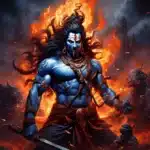
Poetry Chaikhana by Shri Ramakrishna Paramhansa Is there anyone in the universeby Ramakrishna English version by Lex HixonOriginal Language Bengali Is there anyone in the universe,among heavenly or earthly beings,who can understand what Kali is?The systems of all traditionsare powerless to describe Her.Is Mother a feminine beingor greater than Being itself? Chanting Her transforming Name —OM KALI OM KALI OM KALI,empowers Lord Shiva,Who is transcendent Knowledge,to drink the negativity of all beings,turning His Throat dark blue.Without Her protectionsuch poison would be deadly,even to the highest Divinity. More than Creator and creation,Mother is sheer Creativitybeyond the notion of duality.Universe and Father-Godare thrilling glancesfrom Her seductive Eyes.Always pregnant with ecstasy,She gives birth to manifest Beingfrom Her Womb of primal Awareness,nursing it tenderly at Her Breast,then playfully consumes Her Child.The world dissolves instantlyupon touching Her white Teeth,attaining the realizationof Her brilliant Voidness. The various Divine Formsthat manifest throughout historytake refuge at Her Lotus Feet.The Essence of Divinity,the Great Ground of Being,lies in ecstatic absorptionbeneath Her red-soled Feet. Is Mother simply a Goddess?Does She need a male consortto protect or complete Her?The cycle of birth and deathbows reverently before Her.Is She simply nakedor is She naked Truth?No veil can conceal Her.Her naked radiance slays demonsnot with weapons but with splendor. If Mother is a conventional wife,why is She dancing fiercelyon the breast of Shiva?Her timeless play destroysconventions and conceptions.She is primal purity,Her ecstatic lovers are purity.Purity merges into purity,with no remainder. I am totally inebriatedby Her wine of timeless bliss.The wine cup is Her Name —OM KALI OM KALI OM KALI.Those drunk on ordinary wineassume I am one of them. Not everyone will encounterthe dazzling darknesscalled Goddess Kali.Not everyone can consciously receivethe infinite treasure of Her Nature.The foolish mind refusesto perceive and acceptthat She alone exists.Even the noble Lord Shiva,most enlightened of beings,can barely catch a glimpseof Her flashing crimson Feet. The wealth of world-emperorsand the richness of Paradiseare but abject povertyto those who meditate on Her.To swim in a single Glancefrom Her three Cosmic Eyesis to be immersedin an ocean of ecstasy. Not even Shiva, prince of yogis,can focus upon Her dancing Feetwithout falling into trance.Yet the worthless loverwho sings this mad songaspires to conscious union with Herduring waking, dream, and deep sleep. — from Great Swan: Meetings with Ramakrishna, by Lex Hixon

Poetry Chaikhana by Shri Ramakrishna Paramhansa Read Post »

c44f327007e92d6ecacdffc667a64bf0
Poem

Shri Vallabhacharya Madhurashtakam

Shri Vallabhacharya Madhurashtakam अधरं मधुरं वदनं मधुरं नयनं मधुरं हसितं मधुरम् |हृदयं मधुरं गमनं मधुरं मधुराधिपतेरखिलं मधुरम् ||1|| adharaṃ madhuraṃ vadanaṃ madhuraṃ nayanaṃ madhuraṃ hasitaṃ madhuram |hṛdayaṃ madhuraṃ gamanaṃ madhuraṃ madhurādhipaterakhilaṃ madhuram ||1|| His lips are sweet, His face is sweet, His eyes are sweet, His smile is sweet, His loving heart is sweet, His gait (walk) is sweet, Everything is completely sweet about the Lord of Sweetness. वचनं मधुरं चरितं मधुरं वसनं मधुरं वलितं मधुरम् |चलितं मधुरं भ्रमितं मधुरं मधुराधिपतेरखिलं मधुरम् ||2|| vacanaṃ madhuraṃ caritaṃ madhuraṃ vasanaṃ madhuraṃ valitaṃ madhuram |calitaṃ madhuraṃ bhramitaṃ madhuraṃ madhurādhipaterakhilaṃ madhuram ||2|| His words are sweet, His character is sweet, His dress (garment) is sweet, His posture is sweet, His movements are sweet, His wandering (roaming) is sweet, Everything is completely sweet about the Lord of Sweetness. वेणुर्मधुरो रेणुर्मधुरः पाणिर्मधुरः पादौ मधुरौ |नृत्यं मधुरं सख्यं मधुरं मधुराधिपतेरखिलं मधुरम् ||3|| veṇurmadhuro reṇurmadhuraḥ pāṇirmadhuraḥ pādau madhurau |nṛtyaṃ madhuraṃ sakhyaṃ madhuraṃ madhurādhipaterakhilaṃ madhuram ||3|| His flute-playing is sweet, His foot-dust is sweet, His hands are sweet, His feet are sweet, His dancing is sweet, His friendship is sweet, Everything is completely sweet about the Lord of Sweetness. गीतं मधुरं पीतं मधुरं भुक्तं मधुरं सुप्तं मधुरम् |रूपं मधुरं तिलकं मधुरं मधुराधिपतेरखिलं मधुरम् ||4|| gītaṃ madhuraṃ pītaṃ madhuraṃ bhuktaṃ madhuraṃ suptaṃ madhuram |rūpaṃ madhuraṃ tilakaṃ madhuraṃ madhurādhipaterakhilaṃ madhuram ||4|| His song is sweet, His drinking is sweet, His eating is sweet, His sleeping is sweet, His beautiful form is sweet, His Tilaka (mark on the forehead) is sweet, Everything is completely sweet about the Lord of Sweetness. करणं मधुरं तरणं मधुरं हरणं मधुरं स्मरणं मधुरम् |वमितं मधुरं शमितं मधुरं मधुराधिपतेरखिलं मधुरम् ||5|| karaṇaṃ madhuraṃ taraṇaṃ madhuraṃ haraṇaṃ madhuraṃ smaraṇaṃ madhuram |vamitaṃ madhuraṃ śamitaṃ madhuraṃ madhurādhipaterakhilaṃ madhuram ||5|| His deeds (activities) are sweet, His conquest (liberating) is sweet, His thieving (stealing) is sweet, His love-sports are sweet, His oblations (offerings) are sweet, His countenance is sweet, Everything is completely sweet about the Lord of Sweetness. गुञ्जा मधुरा माला मधुरा यमुना मधुरा वीची मधुरा |सलिलं मधुरं कमलं मधुरं मधुराधिपतेरखिलं मधुरम् ||6|| guñjā madhurā mālā madhurā yamunā madhurā vīcī madhurā |salilaṃ madhuraṃ kamalaṃ madhuraṃ madhurādhipaterakhilaṃ madhuram ||6|| His gunja-berry (Chirmi) necklace is sweet, His flower garland is sweet, sweet is the Yamuna river, and sweet are her rippling waves, her water is sweet, and sweet are the lotus flowers also, Everything is completely sweet about the Lord of Sweetness. गोपि मधुरा लीला मधुरा युक्तं मधुरं भुक्तं मधुरम् |दृष्टं मधुरं शिष्टं मधुरं मधुराधिपतेरखिलं मधुरम् ||7|| gopi madhurā līlā madhurā yuktaṃ madhuraṃ bhuktaṃ madhuram |dṛṣṭaṃ madhuraṃ śiṣṭaṃ madhuraṃ madhurādhipaterakhilaṃ madhuram ||7|| His gopis (cowherd girlfriends) are sweet, His pastimes (plays) are sweet, His union (meeting him) is sweet, His deliverance (rescue) is sweet, His sidelong glances are sweet, His courtesy (etiquette) is sweet, Everything is completely sweet about the Lord of Sweetness. गोपा मधुरा गावो मधुरा यष्टिर्मधुरा सृष्टिर्मधुरा |दलितं मधुरं फलितं मधुरं मधुराधिपतेरखिलं मधुरम् ||8|| gopā madhurā gāvo madhurā yaṣṭirmadhurā sṛṣṭirmadhurā |dalitaṃ madhuraṃ phalitaṃ madhuraṃ madhurādhipaterakhilaṃ madhuram ||8|| His gopas (cowherd boyfriends) are sweet, His cows are sweet, His cane (herding-stick) is sweet, His creation is sweet, His victory (trampling) is sweet, His accomplishment (fruition) is sweet, Everything is completely sweet about the Lord of Sweetness. Description Shree Krishna Madhurashtakam (श्री कृष्णमधुराष्टकम), composed by Sri Vallabhacharya (1478 A.D), is a unique stotra, describing the Sweetness of Lord Sri Krishna. Madhura or Madhurya means ‘Sweetness’. Only that one word, madhuram: sweetness, is repeated seven times each in this ashtakam. Ashta means 8, this stotra has 8 verses in it. Madhurashtakam uses just one adjective, madhuram, meaning sweet or beautiful etc., to describe the lovely attributes of Lord Sri Krishna’s beautiful form, who is the master of Sweetness and Sweetness personified. Sri Vallabhacharya propagated Pushtimarg, which emphasizes on the unconditional bhakti and seva of Krishna. According to ancient texts and accounts when Sri Krishna himself appeared in front of Vallabhacharya, on midnight of Sravana Sukla Ekadasi, Vallabhacharya composed the Madhurashtakam in praise of the lord. Shri Vallabhacharya posits Krishna as the paragon of sweetness and hence gives him epithets such as madhupati (Lord of Sweetness). Krishna exudes madhurya (sweetness) through his acts and his gestures, his words and his flute, his clothes and his sports. His madhurya or sweet love is richly shared with the gopis of Vrindavan. With tenderness and teasing, and the beauty of his dark body, Krishna enflames the desire of the individuated soul for union with the Divine. The devotional hymn “Madhurāṣṭakam” of Sri Vallabhacarya was created to lead the devotee in Pustimarga, the Path of Grace, which involves a constant love-filled devotion to Krishna by various acts of homage, such as singing (kirtana), remembering (smarana), conceptualising and beholding (darshana) a beatific image of the deity and offering of services (seva). These acts enable the devotee to enter into the divine presence of Sri Krishna and to experience the Lord’s real essence (svarupa) which are in fact, succinctly laid down by the Madhurāṣṭakam. Hence, Madhurāṣṭakam plays an instrumental role in the realisation of the Lord. It is evident from the ashtakam that the devotee is fascinated to have a look at not only the beautiful divine sweet form [sarvanga sundara rupam] of Lord Krishna but also the very existence of the Lord — by way of His moves, plays, pastimes, etc. Thus says the devotee: “The Lord of Mathura, Krishna, is sweet, sweet and nothing but sweet! Even ambrosia and nectar may satiate after some time, but concerning the sweetness of the Divine Lord, one cannot have enough of it. Krishna’s lips are very sweet, his beautiful face is sweet, his beautiful black eyes with sidelong glances are sweet, his enchanting smile is even sweeter, his love-sports are sweet, and his three-fold bend form is very sweet. O Lord of sweetness, everything about You is completely sweet, You are sweetness personified.”

Shri Vallabhacharya Madhurashtakam Read Post »

10f48f748afeb8997453d2685a4a20d0
Poem

Poems by Swami Sivananda

Poems by Swami Sivananda Thanksgiving How kind and compassionate Thou art, my lord;You created a beautiful world for me,The Sun and Moon illumine the earth.You created cows to supply me good milk,You created delicious fruits and vegetables,You created holy Ganga for bathing,You created hill-stations and seas,Beautiful flowers, herbs and landscapes.You created this mysterious body,For my soul to live in;You created these five Indriyas1,To get knowledge and experience;You created the Rishis2 and Sages,To lead me to Your Supreme Abode;You created the Vedas and scripturesTo guide me in the path of righteousness;How can I thank Thee, my Lord?Words are poor, language is imperfect;I bow to Thee with folded hands, O Lord:And pay my silent homage:Thus Sayeth Sivananda. 1. Senses2. Seers Cosmic Prayer and Kirtan Come along all birds, my little sisters,Let us sing the glory of our lord.You must praise Him heartily,For He has given you liberty,To fly about in all places;You need not sow or reap,He gives you food easily:He has provided you tall treesTo build your nests.Come along, my Mother Earth,Let us sing His praise.God has given you productive power,To produce fruits, flowers, grass.Come along, my brothers Sun and fire,Let us sing the glory of our Lord.He has given you great effulgence.Come along my sistersWind, water, moon and little stars,Mountain, rivers, trees and beasts,Let us give thanks to the lord.Come along, my brothers Varuna1,Yama2 and Brihaspati3,Let us pay homage to the lordAnd sing His glory:Thus Sayeth Sivananda. 1. God of the sky and the waters2. God of death3. Sage who counsels the Gods Divine Flowers Hey Prabho, bestower of Bliss,My basket of flowers is empty now.I shall offer Thee, O Lord!Some rarest divine flowers.I cultivated them with great difficulty;These flowers cannot be had in any market,Or in any garden in the three worlds:I offer Thee the divine Champaka¹ of Santi2,I offer Thee the divine rose of equal vision,I offer Thee the divine Jasmine of Santosh3,I offer Thee the divine Parijata4I offer Thee the divine Mandara5 of discrimination,I offer Thee the rare flower of self-restraint:These flowers will be more pleasing to Thee, O lord,Please accept these flowers, my Lord:Thus Sayeth Sivananda. 1. Tropical flowering tree with orange fragrant blooms2. Peace3. Contentment4. Divine tree. Its flowers have medicinal value and bloom in the evening, at thefirst rise of daylight the flowers drop.5. A mythological tree. It is believed that if you sit under this tree, all your caresand worries will go away. My Auspicious Day I celebrated this auspicious day,With great éclat and pomp;With illumination and joyful songs:My wish has been fulfilled.I have met my Beloved;How shall I find wordsFor the beauty of my Beloved.He is brilliant like millions of suns;He has enthroned in my heart:The lamp of love burns lustrously.I bathed Him with the water of love;I adorned Him with the flowers of Prem¹I gave Him butter and sugar – candy.I have drunk the cup of love,Which is filled to the brim;It is the cup of perfect joy:My rapture wells forth.The mercy of my Lord has come upon me;How blessed am I?Who have seen my Beloved?Thus Sayeth Sivananda. 1. Divine love Secret of Love Subtle and profound is the path of love;It is like the edge of a sharp razor:But the true lover treads it easily.His grace renders his path smooth;There is no asking or bargaining there,It is all sacrifice and self-surrender;It is all the outpouring of heart’s loveAt the lotus feet of the Lord.Egoism is burnt in the fire of love;Desires are destroyed in the flame of loveTwo have become one now.The lover plunges himselfIn the Ocean of Divine Love;He immerses himselfIn the sea of Divine Joy:He offers his all in Lord’s service.His tan, man, dhan¹:This is the secret of this Love:Thus Sayeth Sivananda.

Poems by Swami Sivananda Read Post »

Shri Sathya Sai Baba serene spiritual temple image
Poem

Sri Sathya Sai Baba – His Poems

Sri Sathya Sai Baba – His Poems Introduction Whether from Japan or the USA, Iceland or Brunei, whether erudite scholar or schoolchild, everyone finds a roadmap in Sri Sathya Sai Baba’s teachings. Direct and simple, they transcend religion and cut straight to the heart of the matter. They speak of how to keep oneself anchored to the inner self in this fast and often confusing world, how to remain incorruptible under materialistic pressures, and how to restore humanity. They tell us who we really are. Baba’s words invite us to transform ourselves, to be the miracle. Day in and day out, for more than seven decades, Baba patiently spelt out his teachings in a number of moving speeches, memorable aphorisms and— poems. Baba would spontaneously sing these unique poems in the melodic style of the oral Telugu narrative tradition. Dramatic, often packing a punch into the last line, these poems deliver hard truths in a provocative manner. Some of these poems exist in a number of versions across different discourses. The English translations below follow Baba’s Telugu words and lines, occasionally departing from the literal for the sake of communication. Structured like song lyrics, the short lines of the translated poems accentuate the melodic form and emphasis of the original poems. Poems Oneness We belong to the same race, the human raceThe Divine we all worship is the sameWe all belong to the caste called humanityWe speak only one language, the language of the heart There is only one God Religions are manybut their path is the same Clothes are uniquebut they are all made from thread Different ornamentsare made of the same gold Cows come in many coloursbut milk is always white It is the same lifein all living beings No matter what the social statuswe are born the same way Whatever flower you chooseit is the worship that counts Divisions and diversity occuronly to make life easier Guidelines to Devotees By the grace of Sri Sai—Always enjoy the good things of lifeHave good sense See no differenceof ‘yours’ and ‘mine’ Show equal regardfor all humans Become gentleShow compassion to those who sufferAs patrons, help othersBe ideal householders Set an example for othersEarn a good reputation in the worldKeep on becoming a better personAlways be a seeker Be steadfast in moralityBy the grace of Sri Sai— For sure you will bebetter than the best Essence of Religion Muslims say “Allah”Christians, “Jehovah”Vaishnavites call Him “Vishnu”And Shaivites, “Shiva” O’ people, realize He who fulfills desiresand bestows longevity, happiness,fortune and prosperity on those who pray whole-heartedlyis only One When Vaishnavites say Vishnu’s the greatestWhen Shiva’s the greatest say the ShaivitesWhen Ganapati’s followers call Him the greatestWhen Saraswati’s the greatest say the educated When Muslims say Allah’s almightyWhen Christians say it’s JesusWhen my devotees say I am the greatestWhen some say all gods are the same You must understandAll religions agree—Truth, Brahman, is One He who plants Lovein his heart Only he— Only he is ChristianOnly he is SikhOnly he is HinduOnly he is MuslimOnly he is humanOnly he is a Guru Transience Made of five elementsthe body is fragile No idea whenyou will leave it Theoretically, a hundred yearsbut don’t trust that No idea when and whereyou will leave this body In childhood, youthor old age City or forest, wateror in-between spaces Well, death is certain So wise upKnow yourself Realize the essence of dharmaWhile you still have this body This is the correct way forwardYou have Sri Sai’s word for it Morality A termite infestation is slow to startSoon they’ve eaten all the wood away Bad qualities slink into the mind stealthilyEven the great are eventually ruined by them O’ brave children of India, listen A country’s honour dependson moralityWithout morality a countrydeclinesA worthy country is thatwhich has morality Some Truths Is there a better donationthan food? Aren’t parents truly gods? Are there better habitsthan spiritual discipline? Is there a better virtuethan compassion? Can you find anything more beneficialthan the company of good people? Is there an enemy worsethan anger? Is there a worse malaisethan debt? Isn’t infamy like death? Is there a memoirmore lasting than fame? Human Values Just as a lily beautifies a lakeAnd the moon illumines the sky As waves adorn the oceanVirtues enhance human beings Truth, morality, non-violencepeace and love The five life-breaths of manon earth Of these five breathsLove is the most important So strengthen the Lovein your heart In the absenceof truth, morality, love and peace All the skills you’ve learnedare worth zero The end of charity is zero The results of a big job, zero The merit from multipleapparently good deeds, zero The mansion of our timeless dharmaUpheld by the four walls of virtues Only He who awakensthe spirit of Love who instils brotherhoodand egalitarianism who teaches human values Only He is GodOnly He is Sai What Sai wants from you are virtues — Be brotherly to allGive up selfishnessServe the community with a pure heart Truly, this is the real wealthyou can give Sai Seva – Selfless Service When you do service tenderlyand without selfishnessThat’s really service Truly, when you do servicewith fellow-feelingyou find peace Social service in a villageAs good as worship of Lord Rama That which is filled with LoveThe kingdom of Rama No welfare without LoveNo peace without service Where’s God, where allhave you looked for the secret?Is God not in the heart? By serving othersyou receive Love That’s how you findyour divine self All that you do with the bodyAll you say with wordsAll notions of your mindAll activities of sense-organs tenAll ideas of your intellectAll worries in your sub-consciousAll everyday customsAll religious austeritiesAll vedic injunctions When you considerwhatever you doas service to God Sai’s organizationswill be successful Prema – Love Brahman is LoveNothing but Love Only Love will mergewith Love— so Anchor yourselfin Love, become worthy of Oneness God is LoveLove is His divine formLove makes the world go around When you cannot feeleven the slightest sparkof love in this world O’ man, how will youseek and

Sri Sathya Sai Baba – His Poems Read Post »

Who is a Yogi 2048x1024 1
Divine Insights

Who is a yogi

Who is a yogi Since ages, this land has seen many Yogīs who have been great spiritual masters and who have lit the light of wisdom in mankind through their extraordinary contributions. This land has always treated those Yogīs as the embodiments of the Supreme and followed their footsteps. But with the passage of time, the inclination towards spirituality has declined in the people due to many reasons. Nowadays the term ‘Yogī’ is as familiar as the term ‘Yoga’, and when heard, it stimulates a kind of mystical perspective in our minds with multiple conclusions. Who is a Yogī? What are his qualities? What is his lifestyle? And how can one become a Yogi? Our ancient scriptures are the sources where we find the answers to all these queries. In the Bhagavad Gītā, Lord Kṛṣṇa says: अनाश्रितः कर्मफलं कार्यं कर्म करोति यः।स संन्यासी च योगी च न निरग्निर्न चाक्रियः॥ anāśritaḥ karmaphalaṁ kāryṁ karma karate yaḥ।sa saṁnyāsī ca yogī ca na nirgnirna cākriyaḥ॥ One who performs his prescribed duties by renouncing the fruits of his actions is both a Saṁnyāsī and a Yogī, but not someone who has merely given up performing sacrifices or other prescribed duties. – [Bhagavad Gītā, 6: 1] People in general have a misconception about a Yogī or a Saṁnyāsī, that he is someone who does not shoulder any responsibilities and who renounces all activities. But here, Lord Kṛṣṇa upholds the true practice of Dharma. He says that no one should ever discard his prescribed duties. Everyone should execute his duties with utmost devotion. Among the doers of duties, a true Yogī is one who discharges his duties for the duty’s sake and is in no way attached to the fruits of his actions. The Lord further asserts that the practice of Yoga is not different from Saṁnyāsa, as no one becomes a Yogī without renouncing Saṅkalpa (selfish desires). In his Yoga Sūtras, Maharṣi Patañjali describes the means to attain Yoga, which are Abhyāsa (practice) and Vairāgya (renunciation). Lord Kṛṣṇa describes the Yogī who has attained the peaks of Yoga as: यदा हि नेन्द्रियार्थेषु न कर्मस्वनुषज्जते।सर्वसङ्कल्पसंन्यासी योगारूढस्तदोच्यते॥ yadā hi nendriyārtheṣu na karmasvanuṣajjate।sarvasaṅkalpasaṃnyāsī yogārūḍhastadocyate॥ When one is free from attachments to the sense objects as well as the actions, and has renounced all selfish desires, he is said to have ascended the peaks of Yoga. – [Bhagavad Gītā, 6: 4] Who is a Yogi? 1.  One who neither is attached to sense objects nor to actions. When one is neither attached to sense objects nor to actions, that person is said to be elevated in the science of Yog, for having renounced all desires for the fruits of actions. As the mind becomes attached to God in Yog, it naturally becomes detached from the world. A person will be considered detached from the world when one no longer craves for sense objects nor is inclined to perform any actions for attaining them. Such a person ceases to look for opportunities to create circumstances to enjoy sensual pleasures, eventually extinguishes all thoughts of enjoying sense objects, and also dissolves the memories of previous enjoyments. 2. One who is steadfast in the performance of duty but renounces all desires for the fruits of actions. The equanimity that enables us to accept all circumstances with serenity is so praiseworthy that Shree Krishna calls it Yog, or union with the Supreme. When we understand that the effort is in our hands, not the results, we then concern ourselves only with doing our duty. The results are for the pleasure of God, and so we dedicate them to him. Now, if the results are not to our expectations, we calmly accept them as the will of God. In this way, we are able to accept fame and infamy, success and failure, pleasure and pain, as God’s will, and when we learn to embrace both equally, we develop the equanimity that Shree Krishna talks about. 3. One who have risen above the dualities of cold and heat, joy and sorrow, honor and dishonor. The yogis who have conquered the mind rise above the dualities of cold and heat, joy and sorrow, honor and dishonor. Such yogis remain peaceful and steadfast in their devotion to God. The contact between the senses and the sense objects gives the mind the experience of heat and cold, joy and sorrow. As long as the mind has not been subdued, a person chases after the sensual perceptions of pleasure and recoils from the perceptions of pain. The yogi who conquers the mind is able to see these fleeting perceptions as the workings of the bodily senses, distinct from the immortal soul, and thus, remain unmoved by them. Such an advanced yogi rises above the dualities of heat and cold, joy and sorrow, etc. There are only two realms in which the mind may dwell—one is the realm of Maya and the other is the realm of God. If the mind rises above the sensual dualities of the world, it can easily get absorbed in God. Thus, Shree Krishna has stated that an advanced yogi’s mind becomes situated in samādhi (deep meditation) upon God. 4. One who sees everything- dirt, stones, and gold-as the same. Jñāna, or knowledge, is the theoretical understanding obtained by listening to the Guru and from the study of the scriptures. Vijñāna is the realization of that knowledge as an internal awakening and wisdom from within. The intellect of the advanced yogi becomes illumined by both jñāna and vijñāna. Equipped with wisdom, the yogi sees all material objects as modifications of the material energy. Such a yogi does not differentiate between objects based on their attractiveness to the self. The enlightened yogi sees all things in their relationship with God. Since the material energy belongs to God, all things are meant for his service. Such person begins tasting the divine bliss of God, and hence becomes fully satisfied by virtue of realized knowledge. 5. One who controls body, mind, and speech. He says in that state

Who is a yogi Read Post »

1fa5b346 08a5 40b7 b1fb fd5e6d1924e6 1
Divine Insights

Bhram satya jagat mitya

Bhram satya jagat mitya Radiant Divinities! Blessed and beloved children of the Divine! When I was preparing myself to come to participate this morning there came this thought: “Are the declarations of Vedanta useful and applicable only upon the high plane of philosophy, metaphysics or higher inner spiritual realisations and experiences, or are these declarations capable of being interpreted and applied for our own immediate enrichment, upliftment, help and benefit, making a significant contribution to our life here, now, at once, in a practical, concrete, tangible and immediately fruitful manner?” The answer was immediate: It was not a question of whether these great declarations and truths are capable of being interpreted and applied for immediate benefit spiritually and otherwise, but rather they are actually meant to start inspiring us, uplifting us, helping and benefiting us right from the very moment when our eyes alight upon them for the first time in some sacred scripture or book or even when our ears hear them for the very first time from the lips of some speaker expounding the truths of the scriptures. Right from the first moment a person comes to know about a certain truth, immediately it is expected, it is meant to bring about a powerful transformation in the reader or hearer or thinker. The highest ultimate declaration, the quintessential truth, declared by people of the supreme absolute experience is brahma satyam jagan-mithya jivo-brahmaiva naparah (Brahman alone is real, the world is unreal. Jiva is not other than Brahman). The full verse is slokardhena pravakshyami yaduktam granthakotibhih, brahma satyam jagan-mithya jivo-brahmaiva naparah—I shall tell you within the compass of half a verse the quintessence, the heart, the very essence of the teachings expounded in innumerable scriptures and that is: Brahman alone is real. This phenomenal appearance before us is only a relative reality, ever-changing, unstable, unreliable, never dependable, limited, subject to time and space, subject to decay and dissolution, having a beginning and an end. Characterised by these defects and shortcomings, everything here seen, perceived by the human individual consciousness, is but a mere temporary relative reality. And the individual soul that thinks of itself as the knower of this, or the seer of this, or the experiencer of this ever-changing phenomenal flux, which is called samsara or the universe, is a non-entity, for Brahman alone is real and the jivatman,the individual, is Brahman plus upadhis (limiting adjuncts or additions). If you take a pot to the Ganga and fill it full of water, the water in the pot no longer resembles the Ganga. It isn’t flowing. Boats can’t ply on it. You cannot take a bath in it. But a philosopher will dare anyone to challenge the truth that the water confined in the pot is in any way different in essence from the water that is flowing as the river Ganga. They are identical in every respect, and modern science will prove it. It is Ganga alone flowing and it is Ganga alone in the pot, but Ganga with some limiting adjuncts, some confining factors. It is a conditioned Ganga, but Ganga nevertheless. Therefore, this half verse ended up with the declaration: jivo-brahmaiva naparah (The individual soul is not different from Brahman). I then asked myself: “In what way can this great transcendental truth uttered as the very heart of the highest Vedantic experience, as the very quintessential central truth and fact of kevala advaita,absolute monism and the monistic experience, in what way can it be of immediate fruit, immense benefit and enrichment to the aspirant?” I said, “It reveals a whole series of truths.” There was no current at the time and so, except for a candle, I was in darkness. Immediately the truth flashed to me: “This darkness is not the reality. What exists is only brilliant sunshine scattering in all ten directions, pervading everywhere, prevailing always without change, without anything to bar or hamper it, filling everything with light, radiance, effulgence, brightness. That is the reality where everything is seen clearly; this darkness is only a temporary condition. As the earth rotates, the sun will rise and the whole place will be flooded with light. Even when I am lighting a candle and thinking I am in darkness, there is only light and light only. This darkness is a temporary superimposed condition due to certain limiting adjuncts. The light is the reality; this darkness is a passing unreality, a relative reality. The positive factor is the reality; the negative factor is a temporary mode or condition.” I said: “The full moon is the reality, not the eclipse. Silence is the reality, not the little sound that comes over it.” That is the truth. And when the Vedantic experience is stated as brahma satyam (Brahman alone is real), it means that Truth prevails in all three periods of time without hindrance, without change; always it is full. And what is that Truth? Anando brahmeti vyajanat (He knew bliss as Brahman). Those who have drunk this honey, this bliss, declared: “Sweetness, sweetness, sweetness, everything is sweetness, sweetness beyond description; all is beauty, auspiciousness, bliss.” And that is the Reality that is everywhere present in all its fullness, always, always unchanging, without contradiction, successively borne out by the experience of all mystics, of all times, of all climes—ancient, medieval, modern, oriental, occidental, everywhere. What a tremendous realisation! What a tremendous realisation that at this moment the bliss of Brahman pervades everywhere within and without! Bliss is the great Reality. Peace supreme, immeasurable, profound peace is the great Reality. To ponder this is itself an instant energiser, instant awakener, instant inspirer. One thought led to another. “Now,” I said, “gloriously the sun will rise from beyond the mountain on the opposite bank of the Ganga. That is the reality, and in this reality we must live. In this truth we must act, we must pursue our spiritual path. With what great strength, elation, positiveness, with what wonderful sublime feelings of zeal, fervour, we can pursue our spiritual path if we keep ourselves in the awareness of this truth—brahma satyam jagan-mithya jivo-brahmaiva naparah.That peace, that bliss, that fullness, that Light of
Bhram satya jagat mitya Read Post »

Bhagwan Shri Sathya Sai Baba serene divine portrait photo
Divine Insights

Hiranayagrabha

Hiranayagrabha Hiranyagarbha Sukta The Hiranyagarbha Sukta is the 121st Hymn from the 10th Mandala of the Rig Veda. It deals with the creation of the universe. हिरण्यगर्भः समवर्तताग्रे भूतस्य जातः पतिरेकासीतस दाधार पृथ्वीं ध्यामुतेमां कस्मै देवायहविषा विधेम ॥१॥ य आत्मदा बलदा यस्य विश्व उपासते प्रशिषं यस्यदेवाःयस्य छायाऽमृतं यस्य मृत्युः कस्मै देवाय हविषा विधेम ॥२॥ यः प्राणतो निमिषतो महित्वैक इद्राजा जगतो बभूवय ईशे अस्य द्विपदश्चतुष्पदः कस्मै देवाय हविषाविधेम ॥३॥ यस्येमे हिमवन्तो महित्वा यस्य समुद्रं रसया सहाहुःयस्येमाः परदिशो यस्य बाहू कस्मै देवाय हविषाविधेम ॥४॥ येन द्यौरुग्रा पृथ्वी च दृढा येन स्वस्तभितं येननाकःयो अन्तरिक्षे रजसो विमानः कस्मै देवाय हविषा विधेम ॥५॥ यं करन्दसी अवसा तस्तभाने अभ्यैक्षेतां मनसारेजमानेयत्राधि सूर उदितो विभाति कस्मै देवायहविषा विधेम ॥६॥ आपो ह यद बर्हतीर्विश्वमायन गर्भं दधानाजनयन्तीरग्निमततो देवानां समवर्ततासुरेकःकस्मै देवाय हविषा विधेम ॥७॥ यश्चिदापो महिना पर्यपश्यद दक्षं दधानाजनयन्तीर्यज्ञमयो देवेष्वधि देव एक आसीत कस्मैदेवाय हविषा विधेम ॥८॥ मा नो हिंसीज्जनिता यः पर्थिव्या यो वा दिवंसत्यधर्मा जजानयश्चापश्चन्द्रा बर्हतीर्जजानकस्मै देवाय हविषा विधेम ॥९॥ प्रजापते नत्वदेतान्यन्यो विश्वा जातानि परिताबभूवयत्कामास्ते जुहुमस्तन्नो अस्तु वयं स्याम पतयोरयीणाम् ॥१०॥ The english translation above takes reference from a few different sources, as well as my very basic knowledge of Sanskrit. The choice of words is mine, and may not be entirely perfect. Verse 1: The Emergence of the Golden Seed (Hiranyagarbha) hi̠ra̠ṇya̠ga̠rbha-ssama̍varta̠tāgrē̍ bhū̠tasya̍ jā̠taḥ pati̠rēka̍ āsīt । sa dā̍dhāra pṛthi̠vī-ndyāmu̠tēmā-ṅkasmai̍ dē̠vāya̍ ha̠viṣā̍ vidhēma ॥ 1 “In the beginning arose the golden seed (Hiranyagarbha); born, he was the sole lord of every creature. He upheld this earth and heaven. Which Lord shall we worship with the offering?” Hiranyagarbha, the golden seed, is the primordial entity that emerged at the start of creation. This verse highlights his role as the creator and sustainer of the universe. He is recognized as the lord of all beings and upholds the earth and the heavens. The rhetorical question “Which god shall we worship with offering?” implies that no other god is as worthy of worship as Hiranyagarbha. Verse 2: Bestower of Life and Strength ya ā̍tma̠dā ba̍la̠dā yasya̠ viśva̍ u̠pāsa̍tē pra̠śiṣa̠ṃ yasya̍ dē̠vāḥ । yasya̍ Chā̠yāmṛta̠ṃ yasya̍ mṛ̠tyuḥ kasmai̍ dē̠vāya̍ ha̠viṣā̍ vidhēma ॥ 2 “He bestows the soul force and vigour upon his call, and all, even gods, approach. His shadow is immortality; death is also his shadow. Which Lord shall we worship with the offering?” Hiranyagarbha is the giver of life force (atmada) and strength (balada). All beings, including the gods, revere and approach him. He embodies the dual aspects of existence: immortality and death. This verse emphasizes his supreme power and the essential nature of his being, suggesting that he is the ultimate deity worthy of worship. Verse 3: Sovereign Ruler of All Beings yaḥ prā̍ṇa̠tō ni̍miṣa̠tō ma̍hi̠tvaika̠ idrājā̠ jaga̍tō ba̠bhūva̍ । ya īśē̍ a̠sya dvi̠pada̠śchatu̍ṣpada̠ḥ kasmai̍ dē̠vāya̍ ha̠viṣā̍ vidhēma ॥ 3 “In this Universe, he by his greatness becomes the sole king of the breathing and seeing. He is the lord of all beings with two states and four. Which Lord shall we worship with the offering?” Hiranyagarbha is portrayed as the sovereign ruler of all living beings, those who breathe and see. He governs all creatures, both bipeds (humans) and quadrupeds (animals). His greatness makes him the sole king of the universe. This verse underscores his omnipotence and the universal scope of his rule, reinforcing that he is the only deity worthy of worship with offerings. Verse 4: Creator of Mountains and Oceans yasyē̠mē hi̠mava̍ntō mahi̠tvā yasya̍ samu̠draṃ ra̠sayā̍ sa̠hāhuḥ । yasyē̠māḥ pra̠diśō̠ yasya̍ bā̠hū kasmai̍ dē̠vāya̍ ha̠viṣā̍ vidhēma ॥ 4 “These snowy mountains arose through his greatness. They call the oceans and their essence as his. These quarters are his arms. Which Lord shall we worship with the offering?” This verse emphasizes the vastness and power of Hiranyagarbha, whose greatness manifests in the creation of snowy mountains and oceans. The quarters or directions are metaphorically described as his arms, indicating his omnipresence and control over all regions of the earth. Verse 5: Supporter of Heaven and Earth yēna̠ dyauru̠grā pṛ̍thi̠vī cha̍ dṛ̠ḻhā yēna̠ sva̍-sstabhi̠taṃ yēna̠ nāka̍ḥ । yō a̠ntari̍kṣē̠ raja̍sō vi̠māna̠ḥ kasmai̍ dē̠vāya̍ ha̠viṣā̍ vidhēma ॥ 5 “Through him heaven is forceful and earth firm; He supported the world of Light (svah) and heaven (naka). He is the measurer of the region of the midworld. Which Lord shall we worship with the offering?” Hiranyagarbha is the force that strengthens the heavens and stabilizes the earth. He upholds the world of light and the higher heavens, acting as the measurer and regulator of the cosmic regions. This verse highlights his crucial role in maintaining cosmic order. Verse 6: Stabilizer of the Universe ya-ṅkranda̍sī̠ ava̍sā tastabhā̠nē a̠bhyaikṣē̍tā̠-mmana̍sā̠ rēja̍mānē । yatrādhi̠ sūra̠ udi̍tō vi̠bhāti̠ kasmai̍ dē̠vāya̍ ha̠viṣā̍ vidhēma ॥ 6 “He who propped up the heavens and the earth, beholding them with his mind as they trembled. Where the risen sun brightly shines, which Lord shall we worship with offering?” This verse portrays Hiranyagarbha as the supporter of the heavens and the earth, stabilizing them with his power. His gaze encompasses the entire universe, and the sun’s rising symbolizes his sustaining energy and presence. It again poses the rhetorical question of which deity deserves worship. Verse 7: Progenitor of Agni and Divine Life āpō̍ ha̠ yadbṛ̍ha̠tīrviśva̠māya̠-ngarbha̠-ndadhā̍nā ja̠naya̍ntīra̠gnim । tatō̍ dē̠vānā̠ṃ sama̍varta̠tāsu̠rēka̠ḥ kasmai̍ dē̠vāya̍ ha̠viṣā̍ vidhēma ॥ 7 “When the mighty Waters enveloped the universe, bearing the child in birth and gave birth to Agni, then (Prajapati), the sole breath of the Gods, arose. Which Lord shall we worship with the offering?” In the primordial waters, Hiranyagarbha bore and gave birth to Agni, the fire god. This event marks Prajapati’s emergence, the gods’ sole breath, signifying the origin of divine life. The verse underscores his role as the creator and sustainer of the divine and natural orders. Verse 8: Creator of Sacrifice and Supreme God yaśchi̠dāpō̍ mahi̠nā pa̠ryapa̍śya̠ddakṣa̠-ndadhā̍nā ja̠naya̍ntīrya̠jñam । yō dē̠vēṣvidhi̍ dē̠va ēka̠ āsī̠tkasmai̍ dē̠vāya̍ ha̠viṣā̍ vidhēma ॥ 8 “He in his might beheld energies (waters), bearing discernment and gave birth to Yajna. He was the sole God above all the Gods. Which God shall we worship with the offering?” Hiranyagarbha



Hiranayagrabha Read Post »

Bhagwan Shri Sathya Sai Baba spiritual discourse portrait picture
Divine Insights

Ayurveda & Spirituality

Ayurveda & Spirituality Ayurveda is an ancient system of medicine and holistic wellness that has been practised in India for thousands of years. Its roots lie in spirituality, and it is not only used to heal the body but also to connect with the spiritual self. One of the critical components of Ayurveda is yoga and meditation. These practices help individuals achieve balance and harmony in all aspects of their lives. Though Krishna consciousness is chiefly about the soul in relationship to God, we devotees recognize the body’s role in our day-to-day spiritual activities and understand that proper bodily care is fundamental to the spiritual quest. After all, if one doesn’t properly care for the body—the soul’s vehicle— performing even basic spiritual practices becomes increasingly difficult. This is not to say that it is impossible to chant, pray, and so on, even in compromised health. But to have a sound body and mind is certainly an asset. In fact, that’s one reason why the sages of ancient India practiced yoga—to enhance their psycho-physical condition. They used their healthy body in pursuit of the spirit. Ayurveda, the ancient Vedic system of holistic healing, was conceived and developed with a similar strategy in mind. Its purpose is to allow us to function at optimum level, so that we might use our God-given body in the Lord’s divine service. The science that talks about the beneficial and harmful life, the happy and the miserable life, and the span of each type of life is called Ayurveda. Spiritual and material status are the two dimensions that define the ayu(age/life) of an individual. The beauty of the above shloka is that it focuses on the spiritual aspect of Ayurveda. The final aim of Ayurveda is to achieve oneness with the divine. According to Charak Samhita, the sages discovered Ayurveda in a transcendental state. They aimed to ensure a healthy and misery-free existence for all living beings. Therefore, Ayurveda emerged to provide healthy life, that is useful for spiritual development. However, Ayurveda does not discriminate between a sage and a sinner. The Vedic people believed that all life experiences eventually lead to spiritual development.And a sinner deserves and needs better opportunities than a Saint. This shloka conveys that Ayurveda has tailor-made solutions for each type of life, irrespective of its spiritual level. It is there to improve the quality of life for everyone, whether the person is a sinner or a sage. Therefore, Ayurveda defines all kinds of lives, their qualities, patterns, possible lifespans, etc. According to Ayurveda, there can be 4 kinds of lives – The ancient Vedic people believed that the far end of life is not death. Death is another beginning. We all have a treasure of mental impression called samskara. These samskaras lead us into learning cycles of birth and rebirth. Ancients believed that our future birth depends on the way we live our current life. We can do good deeds and earn spiritual merit or engage in evil activities and lose the spiritual shine. The four kinds of lives described above, lead to different results in another realm, after death. Ayurveda aimed to elongate and ensure optimal use of every life. Let’s look at the meaning of these lives and the way Ayurveda can improve them. The word “Hita” means beneficial. The ultimate benefit of a soul is to get past its samskara or karmic bonds. “Hitayu” is a righteous life. Such a life might or might not be comfortable but it creates minimum bonds and relieves an individual from the past karmas. A life of remembrance and pursuit of spiritual development is what Hitayu means in the truest sense. Ahitayu Contrary to the “Hitayu”(righteous life), Ahitayu is a badly lived life. The word “ahita” means harmful. A life lived under the influence of greed, anger, arrogance, deceit, lust, and violence is most harmful to a soul. Such a life creates painful negative sanskaras that lead to karmic bonds for many more births. It is like a credit card badly used, which creates a huge loan on an individual. Interestingly, such a life might look to be very comfortable and even lavish from the outside. But it is nothing less than jail for the soul. Thus, Ayurveda also offers psychological treatment to such patients so that their quality of life can improve. Sukhayu The word sukha signifies comfort, pleasure, and abundance. However, it is one distinct parameter in Ayurveda. Comfort is the second level of consideration about the type of life a person is living. A comfortable life might or might not be virtuous. But it is comfortable on the physical dimension. For example, a virtuous person might have a very healthy body, a happy family, and good finances. At the same time, a vicious person might be extremely wealthy and have everything at his disposal. Both of these people have a comfortable life. Dukhayu According to the Vedic tradition, the biggest wealth is a healthy body. Therefore, the biggest loss is a diseased or disabled body. The word “dukkha” means misery or discomfort. The biggest factor for discomfort is an unhealthy condition. Apart from that, an unhappy family life, lack of friends or well-wishers, bad social status, and poverty are multiple factors that form a Dukhayu(miserable life). Like Sukhayu(comfortable life), a virtuous person can experience a lot of physical and mental trauma in a corrupt society. He can fall sick despite his good character. At the same time, a vicious person, a drug addict, or a person with bad character can also ruin his life and become sick and poor. In this way, both these people will experience a miserable life, irrespective of their character or conduct. What Is Ayurveda? Ayurveda is perhaps the oldest system of natural healing in the world, predating even the Chinese system. The name Ayurveda is from Sanskrit (veda = knowledge; ayu = life) and is often translated as “the knowledge of life.” But I would suggest that “the knowledge of longevity” more accurately captures its intent. The sages of ancient India carefully distinguished life, a spiritual phenomenon, from longevity, a term that refers to the proper

Ayurveda & Spirituality Read Post »

Shri Sathya Sai Baba orange robe sacred image
Divine Insights

jyoti Meditation

Jyoti Meditation Sathya Sai Baba on Meditation Jyoti Meditation Based On Bhagavan’s Step By Step Direction Jyothi (flame) Meditation is the foremost spiritual discipline geared towards gaining inner peace. “Practice this meditation as I have advised regularly every day. At other times repeat the name of God (any Name fragrant with any of His many Majesties), always taking care to be conscious of His might, mercy, and munificence.” – Sri Sathya Sai Baba

jyoti Meditation Read Post »