




















Hari Om

Menu

Sathya Sai Speaks

IMG 20250924 WA0157
Sathya Sai Speaks

Volume Twelve

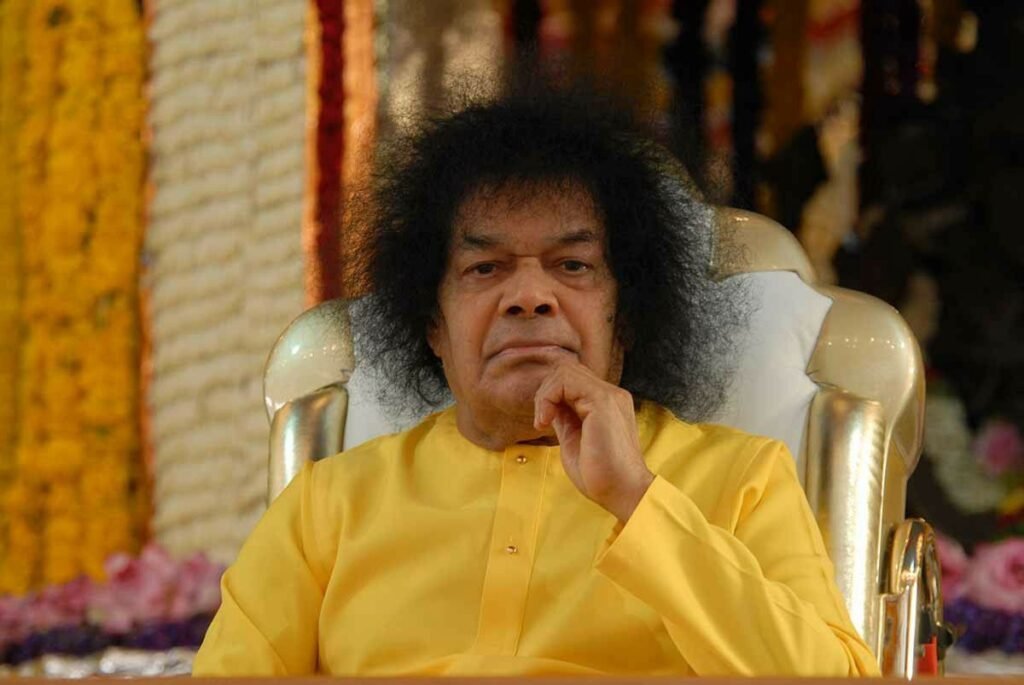
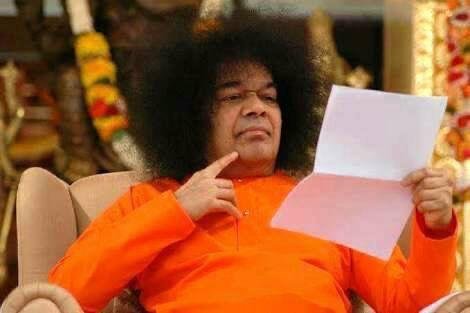
Volume Twelve (1973-1974) Sathya Sai Speaks, Volume Twelve (1973–1974) reflects a period when Bhagawan Sri Sathya Sai Baba’s teachings had firmly established a global presence, and His mission increasingly focused on spirituality, education, and organized selfless service (seva). During these years, devotees from India and abroad were drawn to Prasanthi Nilayam, and Swami’s discourses addressed practical guidance for personal transformation, moral living, and collective upliftment. This volume demonstrates how His teachings combined inner spiritual growth with outer action for the welfare of humanity. A central theme of this volume is the universality of God and the unity of all religions. Swami emphasized that although external practices, rituals, and scriptures differ among faiths, the underlying principle in every tradition is the cultivation of love, compassion, truth, and selfless service. He urged devotees to transcend narrow sectarianism, recognizing that all humans are children of the same Divine, and that true devotion lies in living a life of moral integrity and love for all beings. Selfless service (seva) continues to be a cornerstone of Swami’s guidance. He repeatedly stressed that service purifies the heart, diminishes ego, and enables the realization of the Divine. Devotees were encouraged to participate in structured seva activities, such as providing food for the needy, supporting healthcare initiatives, promoting education, and uplifting villages. During this period, Swami also provided practical guidance on organizing service activities, emphasizing discipline, humility, and dedication. These instructions contributed to the growth of the global Sri Sathya Sai Organization. Education and youth development are strongly emphasized in this volume. Swami warned that knowledge without values is incomplete and potentially harmful. He encouraged students to cultivate virtues such as honesty, humility, patience, and devotion alongside academic learning. These discourses laid further groundwork for the Sri Sathya Sai Institutes of Higher Learning and the Education in Human Values (EHV) programs worldwide, ensuring that ethical and spiritual principles were integrated into formal education. Another key theme is spiritual discipline and inner transformation. Swami taught that controlling the senses, mastering the mind, and cultivating virtues are essential for spiritual progress. Practices such as meditation, prayer, and namasmarana (remembrance of God) were highlighted as practical means for achieving inner peace and self-realization. He emphasized that spirituality must be reflected in daily actions, relationships, and service, not just in ritualistic observances. This volume also addresses global responsibility and leadership in service. Swami encouraged devotees to act as instruments of God’s work, promoting peace, harmony, and spiritual upliftment on a global scale. His discourses in this period reflect the vision of a world united through love, service, and moral integrity, providing guidance for participating actively in the international Sai movement. In essence, Sathya Sai Speaks – Volume Twelve consolidates previous teachings while emphasizing practical application, global outreach, and the integration of spiritual values into education and service. It inspires seekers to cultivate devotion, discipline, love, and selfless action, serving as a guide for personal transformation and collective upliftment of humanity.
Volume Twelve Read Post »

WhatsApp Image 2025 09 12 at 17.42.00 484c3c9d
Sathya Sai Speaks

Volume Thirty Three

Volume Thirty Three (2000) Sathya Sai Speaks – Volume 33 is a treasure trove of spiritual wisdom delivered by Bhagawan Sri Sathya Sai Baba in the year 2000. This volume encapsulates profound teachings centered on the cultivation of virtues, selfless service, and the realization of the divine presence within every individual. At its heart, the volume emphasizes the transformative power of living a virtuous life grounded in truth, compassion, humility, and detachment. Baba stresses that these virtues are not mere ideals but practical necessities for anyone aspiring to walk the spiritual path and experience inner peace. The teachings in Volume 33 consistently point to the importance of aligning one’s thoughts, words, and actions, highlighting that true spirituality is reflected in this unity. Without such harmony, Baba warns, spiritual progress is hindered and the seeker remains trapped in confusion and conflict. One of the central themes of this volume is the practice of selfless service or Seva. Baba beautifully explains that serving others without any expectation of reward purifies the heart and awakens the awareness of the divine presence in all beings. Through acts of kindness and compassion, devotees learn to transcend the ego and cultivate a spirit of unity with humanity. Baba teaches that this selfless service is itself a form of worship and a direct path to God-realization. By offering their actions as a loving service to the Divine, devotees can dissolve the boundaries of the individual self and experience oneness with the cosmic reality. Another key focus of Volume 33 is the realization of inner divinity. Baba encourages seekers to look beyond the transient physical body and the fluctuating mind to discover the eternal Atma—the divine soul that dwells within all. He explains that this realization is the essence of all spiritual pursuit and leads to lasting peace, bliss, and freedom from fear and suffering. Meditation and contemplation are recommended as vital tools for deepening this inner awareness. Baba repeatedly underscores the power of silence as a spiritual practice that allows the mind to quiet down and tune into the inner voice of the soul. Silence becomes a sacred space where the seeker can connect with the infinite and experience the presence of God within. In addition to virtues and service, Volume 33 addresses the importance of detachment from material desires. Baba explains that attachment to worldly possessions and fleeting pleasures leads to bondage and suffering. He encourages devotees to cultivate contentment and simplicity by recognizing the impermanent nature of material wealth and focusing instead on eternal spiritual values. Detachment, Baba teaches, does not mean renunciation of life but a balanced approach that keeps the seeker grounded in higher truths while living actively in the world. Throughout the volume, Baba’s teachings revolve around the principle of unity—unity of thought, word, and deed, unity of all faiths, and unity of all beings as manifestations of the one divine reality. This unity forms the foundation for harmony, peace, and spiritual fulfillment. The discourses inspire seekers to embrace this oneness with love and humility, dissolving divisions caused by ego and ignorance. In summary, Sathya Sai Speaks – Volume 33 offers a comprehensive spiritual guide for aspirants. It encourages the cultivation of virtues, the practice of selfless service, the pursuit of inner silence, and the realization of the divine Self. Through these teachings, Baba invites devotees to transform their lives and awaken to the eternal truth that underlies all existence.

Volume Thirty Three Read Post »

IMG 20250924 WA0156
Sathya Sai Speaks

volume Thirty four

Volume Thirty four (2001) Sathya Sai Speaks – Volume 34 is a profound collection of discourses delivered by Bhagawan Sri Sathya Sai Baba in the year 2001, offering timeless wisdom on how to lead a life rooted in spiritual values, ethical conduct, and self-realization. Throughout this volume, Baba emphasizes the importance of cultivating virtues such as truth, compassion, humility, and selfless service as essential pillars on the spiritual path. One of the key teachings in this volume is the critical need to live with integrity and unity of thought, word, and deed. Baba explains that spirituality is not merely about performing rituals or chanting mantras, but about aligning one’s inner thoughts with spoken words and outward actions. This harmony, he asserts, leads to true peace and strengthens one’s character. He warns that a person whose thoughts, speech, and deeds are inconsistent experiences inner turmoil and confusion, which obstruct spiritual progress. This teaching encourages devotees to constantly self-reflect and strive for consistency in all aspects of their lives. Another prominent theme in Volume 34 is the power of silence as a spiritual practice. Baba describes silence not as mere quietness but as a sacred tool for introspection and connecting with the Divine within. Through moments of silence and meditation, the restless mind becomes calm and focused, allowing the seeker to experience the inner peace that transcends the noise of the external world. Baba stresses that silence purifies the heart and sharpens awareness, making it easier to discern truth from illusion. He encourages devotees to dedicate regular time to silence and contemplation as a way to deepen their spiritual journey and gain clarity in life’s purpose. The volume also highlights the indispensability of selfless service (Seva) as a means to purify the mind and cultivate divine love. Baba teaches that serving others without expectation of reward or recognition transforms the heart, dissolves ego, and brings one closer to God. Acts of kindness, charity, and compassion are not just social duties but spiritual practices that nurture humility and foster unity among people. He repeatedly emphasizes that true spirituality manifests in action and that loving service to humanity is the highest form of worship. Central to the discourses is also the concept of self-realization — understanding and experiencing the true nature of the Self beyond body and mind. Baba guides seekers to look inward, beyond the transient aspects of identity, and recognize the divine essence within themselves and all beings. He explains that self-realization leads to lasting peace, freedom from fear, and the awakening of universal love. This realization dissolves the boundaries of ego and cultivates oneness with all life. Volume 34 weaves together these teachings into a coherent spiritual roadmap for individuals seeking to live meaningful, virtuous, and purposeful lives. The discourses inspire devotees to nurture truthfulness, unity, silence, selfless service, and self-awareness as daily practices. Baba’s words encourage a holistic approach where inner transformation is reflected in ethical living and compassionate action in the world. In summary, Sathya Sai Speaks – Volume 34 serves as a comprehensive guide for spiritual aspirants, providing practical wisdom and divine inspiration. It emphasizes that the true path to God lies in the harmonious integration of values, service, and self-knowledge. Through these teachings, Baba uplifts and motivates seekers to realize their divine potential and embody love, peace, and integrity in all facets of life.

volume Thirty four Read Post »

IMG 20250924 WA0158
Sathya Sai Speaks

Volume Eleven

Sathya Sai Speaks Volume Eleven (1971-1972) Sathya Sai Speaks, Volume Eleven (1972–1973) reflects a period when Bhagawan Sri Sathya Sai Baba’s mission had firmly taken a global dimension. Devotees from across India and abroad were visiting Prasanthi Nilayam, and His discourses increasingly focused on practical spiritual guidance, education with human values, and organized selfless service (seva). This volume highlights Swami’s effort to consolidate His teachings and guide His followers in both personal transformation and societal upliftment. A central theme of this volume is the unity of all religions and the oneness of God. Swami emphasized that external differences in rituals, scriptures, and customs are superficial, while the essence of all faiths is the same: love, compassion, righteousness, and service. He urged devotees to rise above sectarian divisions and recognize the divinity in all beings. His repeated emphasis on unity and universal love became a guiding principle for the Sri Sathya Sai Organization worldwide, fostering harmony and cooperation among followers of different traditions. Selfless service (seva) is highlighted as a crucial aspect of spiritual life. Swami taught that service purifies the heart, diminishes ego, and strengthens devotion to God. He encouraged systematic seva activities, including feeding the poor, providing healthcare, supporting education, and uplifting villages. The guidance in this volume helped establish structured international service projects, emphasizing discipline, dedication, and humility in execution. Education and youth development continued to receive strong emphasis. Swami insisted that education without character is incomplete and warned against intellectual training that neglects moral and spiritual growth. He encouraged students to cultivate virtues such as truthfulness, humility, patience, and devotion, along with academic learning. These discourses further shaped the Sri Sathya Sai Institutes of Higher Learning and the global Education in Human Values programs, integrating ethical, spiritual, and intellectual development. Spiritual discipline and inner purification are also central themes. Swami taught that controlling the senses, calming the mind, and cultivating virtues like love, patience, and forgiveness are essential for progress. He stressed meditation, prayer, and namasmarana (remembrance of God) as practical tools for self-realization. Spiritual growth, He emphasized, must be reflected in daily conduct, relationships, and service. This volume also focuses on leadership and responsibility. Swami encouraged devotees to act as instruments of God’s work in the world, promoting peace, harmony, and spiritual upliftment across societies. His teachings provided a blueprint for followers to participate actively in the international Sai movement, emphasizing service, education, and moral integrity as cornerstones of global leadership. In essence, Sathya Sai Speaks – Volume Eleven consolidates the core teachings of previous volumes while expanding their scope for global relevance. It emphasizes the practical application of spiritual values, the importance of selfless service, the cultivation of character, and the unity of humanity under one God. These discourses serve as a guide for seekers and devotees to lead a life of love, harmony, and meaningful action, while contributing to the spiritual and social upliftment of the world.

Volume Eleven Read Post »

WhatsApp Image 2025 09 12 at 17.41.55 d7a9097a
Sathya Sai Speaks

volume Thirty five

volume Thirty five Sathya Sai Speaks – Volume 35 is a profound collection of discourses delivered by Bhagawan Sri Sathya Sai Baba during the year 2002. This volume delves deeply into essential spiritual concepts such as truth, silence, love, self-discipline, and the realization of the Self. Throughout these talks, Baba emphasizes the practical application of spiritual principles in everyday life, encouraging seekers to cultivate virtues that lead to inner peace and ultimate liberation. One of the central themes of Volume 35 is the power and importance of truthfulness. Baba stresses that truth is the very foundation of spiritual life and that one must not merely speak the truth but live truthfully in thought, word, and deed. The discourses contain vivid stories and examples illustrating how adherence to truth brings about peace and prosperity, while falsehood leads to suffering and bondage. He often explains that truth is not relative or conditional but eternal and absolute, and that recognizing this truth within oneself leads to self-realization and freedom from illusion. Another key theme that runs through this volume is the significance of silence. Baba portrays silence not merely as the absence of speech but as a powerful spiritual tool to calm the mind, focus inward, and experience the divine presence within. He advocates regular periods of silent contemplation and meditation as a way to deepen one’s spiritual understanding and connect with the supreme consciousness. Silence, according to Baba, purifies the heart and removes distractions, making the mind more receptive to divine wisdom. This practice of silence helps the seeker to transcend the noisy, restless world and enter into a state of peace and bliss. The importance of silence is also linked with the idea of self-discipline and control over the senses, both necessary for spiritual progress. Love and selfless service form another cornerstone of Baba’s teachings in this volume. He explains that love is the essence of all religions and spiritual paths and that true love manifests itself through compassion and service to others. Serving humanity without expectation or attachment purifies the heart and brings the devotee closer to God. Baba encourages devotees to see God in every living being and to treat others with kindness, respect, and empathy. This love-driven service is not only a moral obligation but also a spiritual practice that dissolves the ego and awakens the divine in the heart. The volume also stresses the importance of moral living — that ethical conduct is indispensable for spiritual fulfillment. Baba outlines virtues such as humility, patience, forgiveness, and gratitude as necessary qualities to develop on the spiritual path. In addition to these themes, Volume 35 discusses the realization of the true Self — the innermost essence beyond body and mind. Baba repeatedly urges seekers to turn inward and realize their identity as the eternal Atma, which is divine, blissful, and infinite. By cultivating awareness and consciousness, individuals can overcome ignorance and experience oneness with the supreme. The discourses encourage self-inquiry and meditation as means to discover this truth. Volume 35 thus serves as a comprehensive guide for spiritual aspirants, blending philosophical wisdom with practical advice for living a life centered on truth, love, and self-realization. Through these teachings, Baba inspires his devotees to walk the path of righteousness, deepen their spiritual practice, and ultimately attain peace and divine grace.

volume Thirty five Read Post »

IMG 20250924 WA0159
Sathya Sai Speaks

Volume thirty-six

Volume thirty-six Sathya Sai Speaks – Volume 36 is a remarkable collection of discourses delivered by Bhagawan Sri Sathya Sai Baba during the year 2003. This volume stands as a beacon of spiritual wisdom, focusing on essential themes such as unity, purity, surrender, and the realization of divinity within each individual. The teachings are timeless, offering practical guidance for seekers on the path to self-realization and divine living. At the very beginning of the year, Baba exhorts his listeners to strive for unity in thought, word, and deed, reminding them that true spiritual progress depends on harmonizing these three aspects of life. He stresses that unity is the foundation for peace, happiness, and divine realization, urging devotees to cultivate this harmony not just externally but deeply within their hearts and minds. The volume opens with the discourse titled “Strive for Unity, Purity, and Divinity” delivered on the auspicious occasion of New Year’s Day, setting a high spiritual tone for the entire collection. A significant teaching that recurs throughout the volume is the importance of purity of mind and heart. Baba highlights that mental purity is crucial for spiritual growth, as a restless, distracted, or impure mind cannot perceive the subtle divine presence within. The discourse given on Dasara (October 11, 2003), titled “Purify the Mind and Focus It on Divinity,” underscores this point beautifully. He encourages devotees to train their minds through constant remembrance of God and detachment from worldly distractions. This inner cleansing leads to clarity of thought and strengthens the connection between the individual soul and the Supreme. Surrender to God is another pillar of the teachings in Volume 36. Baba advises devotees to dedicate all their actions and outcomes to the Divine, thereby freeing themselves from the bondage of attachment and ego. This theme is highlighted in the discourse “Dedicate Your Everything to God” (Sankranti, January 14, 2003), where Baba explains that true devotion is marked by complete surrender and selflessness. By dedicating life’s work to God, a person transcends selfish motives and becomes a vessel of divine love and peace. Truth is a cornerstone of Baba’s message throughout this volume. The discourse titled “Truth is Your Very Life Breath” (Dasara, October 14, 2003) conveys the idea that living in truth is not just a moral choice but the very essence of spiritual existence. Truthfulness aligns the individual with cosmic law, removes fear and doubt, and paves the way for liberation. Baba emphasizes that every human being must embody truth in thought, speech, and action to achieve lasting peace and divine grace. Volume 36 also addresses the youth and students, particularly during the Summer Course 2003, encouraging them to integrate spirituality with their academic and everyday lives. Baba’s guidance is practical, urging young minds to uphold values such as humility, discipline, and selfless service while pursuing education. He stresses that true education is holistic, nurturing both intellect and character. Throughout this volume, Baba’s words are infused with deep compassion and a call for spiritual awakening. He teaches that service to humanity, lived in the spirit of love and without attachment, is itself a path to God. The discourses weave together scriptural wisdom, ethical exhortations, and heartfelt appeals to live a life anchored in divine consciousness. In summary, Sathya Sai Speaks – Volume 36 serves as an inspiring manual for seekers to cultivate unity, purify the mind, surrender to the Divine, and embody truth in all aspects of life — a timeless guide to awakening the divine within and living a life of love, peace, and purpose.

Volume thirty-six Read Post »

IMG 20250924 WA0165
Sathya Sai Speaks

Volume Ten

Volume Ten (1970) Sathya Sai Speaks, Volume Ten (1971–1972) captures a period when Bhagawan Sri Sathya Sai Baba’s mission had firmly expanded internationally, and His teachings were increasingly focused on practical spirituality, service, and education with values. By this time, devotees from all over the world were visiting Prasanthi Nilayam, and Swami’s discourses addressed not only personal spiritual growth but also collective upliftment of humanity. A central theme of this volume is the universality of God and the essential oneness of all religions. Swami emphasized that while rituals, customs, and scriptures may differ externally, their inner essence is identical: cultivating love, righteousness, peace, and selfless service. He exhorted devotees to rise above sectarian divisions and see the divinity in every human being, reinforcing the core principle of universal brotherhood. Selfless service (seva) continues to be a cornerstone of Swami’s teachings in this period. He taught that service is the highest form of worship, as it purifies the heart, reduces ego, and strengthens God-consciousness. He encouraged organized service activities, including feeding the poor, providing healthcare, supporting education, and uplifting villages. These discourses helped establish the foundation for the structured international service framework of the Sri Sathya Sai Organization, emphasizing discipline, humility, and dedication in execution. Education and youth development received particular emphasis. Swami stressed that knowledge without character is incomplete and potentially harmful. He encouraged students to cultivate virtues such as truthfulness, humility, patience, and devotion, alongside academic learning. These teachings contributed to the expansion of the Sri Sathya Sai Institutes of Higher Learning and the Education in Human Values programs worldwide, ensuring that spiritual and moral education accompanied intellectual development. Swami also emphasized spiritual discipline and inner purification. He taught that controlling the senses, calming the mind, and cultivating virtues are essential for progress. Regular meditation, prayer, and namasmarana (remembrance of God) were highlighted as practical tools for self-realization. He explained that spiritual growth is not just theoretical but must be reflected in daily conduct, relationships, and service. Another significant aspect of this volume is Swami’s guidance on global responsibility and moral leadership. He encouraged devotees to become instruments of God’s work in the world, promoting peace, harmony, and unity. Swami’s message during these years reflects a vision of worldwide Sai service and spiritual unity, preparing followers to carry His teachings beyond India. In essence, Sathya Sai Speaks – Volume Ten consolidates and expands earlier teachings on devotion, discipline, service, and education, while addressing the growing international scope of His mission. It inspires seekers to live a life of love, selflessness, moral integrity, and spiritual awareness, serving as a guide for both personal transformation and collective upliftment of humanity.
Volume Ten Read Post »

IMG 20250924 WA0170
Sathya Sai Speaks

Volume Thirty seven

Volume Thirty seven (2004) Sathya Sai Speaks – Volume 37 (2004) gathers a series of discourses by Bhagawan Sri Sathya Sai Baba delivered in that year, offering guidance on spiritual living, personal transformation, social responsibility, and the cultivation of virtues in one’s daily life. One of the key messages in this volume is that service to man is service to God, reminding devotees that divinity is manifested not in grand rituals but in humble acts of kindness toward others. The discourses also emphasized respect for elders, considering “Respect for Parents – The Greatest Virtue” as central, and urged people, especially younger listeners, to cultivate gratitude, obedience, and humility in regard to parents and elders. Another discourse, “Service to Man is Service to God”, underscores that serving others selflessly is an effective form of spirituality—it purifies the heart, lessens one’s ego, and builds compassion. A strong sense of national pride and duty is evident in talks like “Uphold the Dignity And Honour Of Bharat Matha” (Mother India) in which Baba encourages people to uphold moral and cultural values in public life, and to see personal virtue as a contribution to the welfare of the nation. The Dasara‑festival discourse “Divine Discourse” (23 October 2004), also in this volume, highlights the victory of virtue over vice, and exhorts listeners to strive for self‑control of mind and senses, recognizing that inner purity is the foundation for peace. Volume 37 also contains discourses on identity and self‑knowledge, such as “Who Are You? I Am I”, probing the nature of the Self beyond name, form, or condition, and reminding the audience that the highest truth resides within. A recurring theme is the power of cultivating good habits, ethical integrity, and steady practice—whether in speech, thought, or action—as the means to command respect in society and to develop inner strength. The discourses are aimed at encouraging people not just to learn and hear spiritual truths, but to live them: to align outer behavior with inner conviction. Baba also addresses the cultivation of national character, sense of responsibility, and unity, pointing out that nation building begins when each individual adheres to truth, love, charity, and self‑discipline. In sum, Volume 37 functions both as a spiritual manual and motivational call: a reminder that true power lies not in wealth or position but in virtue, humility, and unselfish service; that real progress is measured by one’s growth in love, truth, and self‑realisation; and that spirituality without action is incomplete. Devotees regard this volume as a source of inspiration to develop character, serve sincerely, and lead a life anchored in divine principles.

Volume Thirty seven Read Post »

IMG 20250924 WA0174
Sathya Sai Speaks

Volume Nine

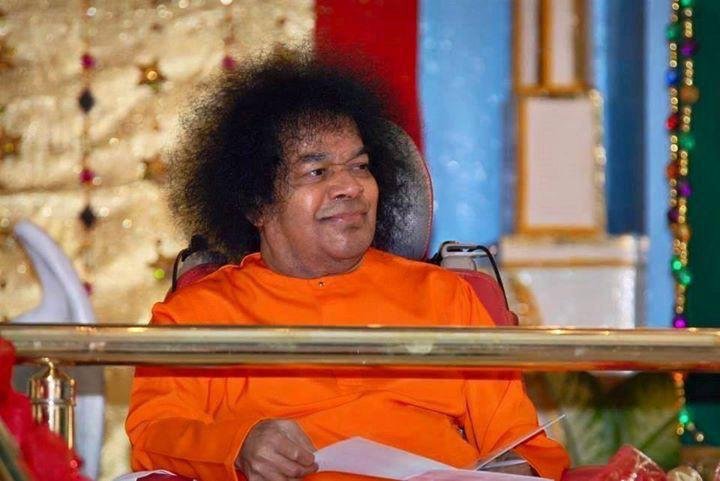
Volume Nine (1969) Sathya Sai Speaks, Volume Nine (1970–1971) reflects a period when Bhagawan Sri Sathya Sai Baba’s mission had matured significantly, and His teachings were increasingly focused on practical spirituality, global outreach, and organized service. By this time, Prasanthi Nilayam had become a center attracting seekers from across India and abroad, and Swami’s discourses addressed both personal transformation and the collective upliftment of humanity. A key theme of this volume is the universality of God and the essential unity of all religions. Swami emphasized that differences in rituals, scriptures, and external practices are superficial; the essence of all faiths is the cultivation of love, truth, peace, and selfless service. He urged devotees to transcend sectarianism and recognize the divinity in every human being, declaring that “all are children of the one God.” These teachings formed a philosophical foundation for the global Sri Sathya Sai Organization, uniting people worldwide under the banner of love and service. Selfless service (seva) continues to be a central focus. Swami taught that service is the highest form of devotion, purifying the heart and enabling realization of the Divine. He encouraged systematic seva activities, such as village upliftment, feeding the poor, healthcare, and education initiatives. During this period, Swami’s guidance helped shape the framework for organized international service projects, emphasizing discipline, humility, and dedication in execution. Education and youth development were again strongly emphasized. Swami insisted that knowledge without character is incomplete. He encouraged students to cultivate virtues such as truthfulness, humility, patience, and devotion, and to dedicate their skills to the welfare of society. These discourses further developed the vision for value-based education and inspired the establishment of Sri Sathya Sai educational institutions that integrate moral and spiritual values with academic learning. Another key emphasis is spiritual discipline and self-transformation. Swami taught that controlling the senses, calming the mind, and cultivating virtues are essential for progress. He emphasized regular meditation, prayer, and namasmarana (remembrance of God), explaining that spiritual realization requires consistent effort and inner purity. He also interpreted scriptures like the Bhagavad Gita, Upanishads, and Ramayana in a practical way, showing how their timeless wisdom can guide daily life. Volume Nine also highlights global responsibility and universal brotherhood. Swami encouraged devotees to see themselves as instruments of God’s work in the world, fostering peace, harmony, and service across nations. His discourses reflect a vision of a world united through love and selfless action, preparing His followers to carry His message internationally. In essence, Sathya Sai Speaks – Volume Nine consolidates the teachings of devotion, discipline, and service while expanding them to a global context, emphasizing organized service, education with values, and the universality of God. It inspires both personal transformation and active participation in humanity’s upliftment, providing a blueprint for living a life of love, unity, and spiritual purpose.
Volume Nine Read Post »

IMG 20250924 WA0172
Sathya Sai Speaks

Volume Thirty eight

Volume Thirty eight (2005) Sathya Sai Speaks – Volume 38, a collection of divine discourses delivered by Bhagawan Sri Sathya Sai Baba during the year 2005, carries the transformative wisdom that urges every seeker to turn inward and realize their true divine nature. The discourses in this volume are characterized by their clarity, directness, and unwavering focus on the essential truths of spiritual life. Right from the very first discourse titled “Your True Nature is Bliss – Realise It” (given on Sankranti, January 14, 2005), Baba emphasizes that the human being is not merely a body or mind, but the embodiment of divine bliss (Ananda). He points out that true happiness cannot be found in material objects or fleeting pleasures, but only through the realization of the Atma, the inner Self, which is eternal, formless, and ever-blissful. This idea becomes a central theme throughout the volume: that man has forgotten his divinity and instead identifies with the body, ego, and worldly attachments, which are the sources of suffering. Baba reminds us that we are all Amrutaputras — sons and daughters of immortality — and must live up to that divine heritage through noble thoughts, righteous actions, and constant God-consciousness. One of the notable discourses titled “Elders Are a Source of Wisdom and Strength” (February 2005) stresses the importance of revering one’s parents, elders, and teachers, asserting that their blessings and guidance are essential for spiritual and worldly success. Baba laments the decline of respect in modern families and urges the youth to uphold the values of gratitude, humility, and service. In several discourses, he brings attention to the oneness of all beings, saying that divine consciousness pervades the entire universe, and that real devotion lies not in empty rituals but in seeing God in everyone, speaking the truth, helping the needy, and leading a moral life. He emphasizes sense control, detachment, and surrender to God as the foundations of sadhana (spiritual practice). Baba teaches that true education is not mere accumulation of degrees but cultivation of virtues like compassion, patience, contentment, and love. Throughout Volume 38, Baba also stresses that the essence of all religions is the same, and the path to God is open to all, regardless of caste, creed, or nationality. He encourages unity among all faiths, highlighting that love is the common language of the heart. The discourses often blend stories from scriptures, practical moral lessons, and profound metaphysical truths in a language that is simple, yet deeply moving. He repeatedly calls upon devotees to lead ideal lives, transform society through their example, and serve humanity selflessly. In his discourse “Experience the All-Pervading Divine Consciousness”, he reminds listeners that every action, every thought, and every word should be an offering to God, done with purity and sincerity. In essence, Volume 38 is a spiritual guidebook — not only offering philosophical insight but also urging readers to live with awareness, devotion, and a deep sense of divine responsibility. It calls upon each individual to awaken from ignorance and step into the light of self-knowledge, which alone brings lasting peace and joy.

Volume Thirty eight Read Post »