Hari Om

Menu

Famous Durga Temple

Mangal chandika ujjaini shaktipeeth 7
Shakti Peeth, Famous Durga Temple

Shri Mangal Chandika Temple

The temple enshrines Maa Mangal Chandika, a fierce and auspicious form of Adi Shakti, believed to ward off evil, grant success, and bring good fortune. Beliefs & Rituals Tuesday is considered the most auspicious day to worship Maa Mangal Chandika. Women often offer red bangles, sindoor, and red flowers for marital harmony and protection. Devotees tie red threads around the temple pillars while making vows (mannats). Rituals are also performed to ward off planetary doshas, especially Mangal Dosh. Temple Timings Temple Location

Shri Mangal Chandika Temple Read Post »

Phullara Shakti Peeth ji
Shakti Peeth, Famous Durga Temple

Shri Phullara Devi Temple

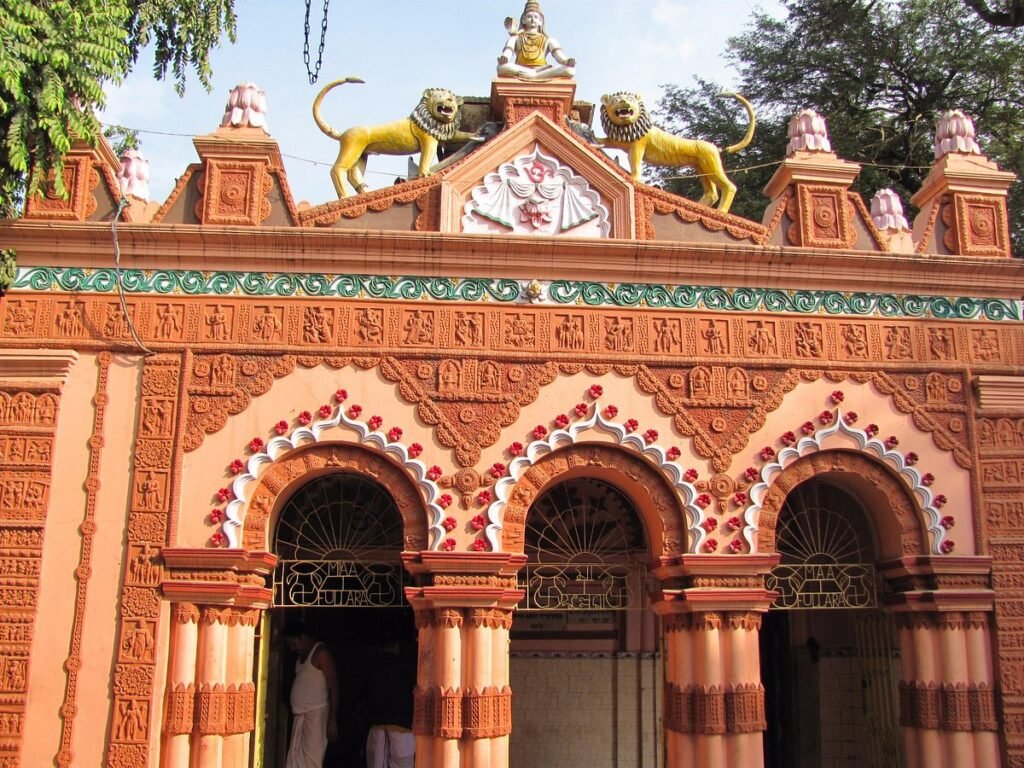
According to belief, it is at this site that the lower lip (adhara or “hansi”) of Goddess Sati fell. The presiding deity is worshipped as Phullara Devi, and Bhairava (Shiva’s form) here is called Vishwesh or Vishweshwar. The name “Attahas” literally means “loud laughter,” and the place is charged with divine feminine energy, symbolizing the joyful and fierce aspects of Devi. Architecture of the Temple Temple Timings Temple Location

Shri Phullara Devi Temple Read Post »

jagat ambika mata temple udaipur rajasthan
Shakti Peeth, Famous Durga Temple

Shri Ambika Devi Temple

यह मंदिर धार्मिक दृष्टि से महत्वपूर्ण है, खासकर प्रमुख त्योहारों जैसे नवरात्रि, दिवाली और मकर संक्रांति के दौरान। इन समयों में, देवी अम्बिका के आशीर्वाद की प्राप्ति के लिए बड़ी संख्या में भक्त यहां आते हैं। शरद पूर्णिमा, राम नवमी और सोमवती अमावस्या भी यहां पूजा के महत्वपूर्ण अवसर हैं। नवरात्रि, जो साल में दो बार मनाई जाती है, इस समय भक्त उपवासी रहते हैं और विशेष अनुष्ठान करते हैं। महाशिवरात्रि भी यहां एक महत्वपूर्ण त्योहार है, जब भगवान शिव को दूध और बिल्व पत्र से अभिषेक किया जाता है। नवरात्रि और महाशिवरात्रि के दौरान विशेष पूजा और यज्ञ भी आयोजित किए जाते हैं। Ambika Mata Mandir – Jagat (Rajasthan) Ambika Mata Mandir is located in Jagat, about 40 km from Udaipur. The temple is within a cleft in a huge rock. This ancient temple’s exact origins are not known but is said to have been renovated in 961 CE. This is confirmed from a number of inscriptions found on rocks. The temple is built in what is known as the Maru – Gurjara style of architecture. It was probably built in the 7th or the 8th century CE. The temple is under the supervision and care of the Archaeological Survey of India (ASI), but puja is still done. The temple was dedicated to Ambika Mata as the Goddess of Shakti (Power). In the sanctum is a remarkably well preserved Murti of the Goddess beautifully adorned with silk garments and jewellery. The five cornered temple is by any definition, a work of art and a labour of love. The best part is that the sculptures, carvings and other decorations are in good shape after all these centuries. The temple is enclosed by a fort-like wall which has 16 turrets (Small towers)  and a conical roof. The walls are adorned with exquisite carvings of Devis – Devtas, heavenly musicians (Gandharvas), dancers (Apsaras) and much more. It has been designed to look like the celestial abode of God, but on Earth. Most of the sculptures here are of Devi Brahmani, Lakshmi Mata and Ambika Mata (Durga). The prayer Hall (Sabha Mandapa) has sculptures of Lord Ganesh in panels. Temple Timings Temple Location

Shri Ambika Devi Temple Read Post »

ambaji shaktipeeth gujrat
Shakti Peeth, Famous Durga Temple

Shri Ambaji Devi Temple

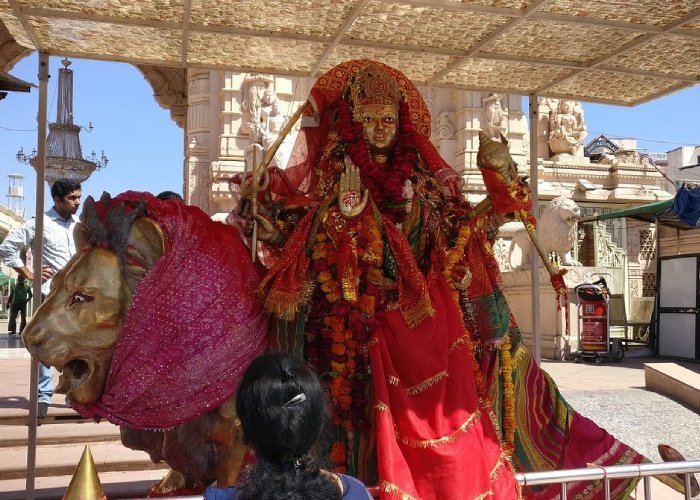
The sanctum of mysticism. The Amarnath Caves are situated at an altitude of 3,888 meters. The mystical Amarnath shrine is like no other temple, because here, both the abode and the Shivalinga are created by nature, and not man. Holy Amarnath Dham This temple is one of the 51 Shaktipeeths of Mother.  According to the Puranas, wherever the pieces of the sati, the clothes or the ornaments held, have fallen, wherever Shaktipeeth came into existence. They are called the most sacred shrines. These shrines are spread across the entire Indian subcontinent. According to mythology, Goddess Sati gave her life by jumping into the fire of Havan organised by her father King Daksheshwara. When Lord Shiva was running around the earth carrying her body then Lord Vishnu divided the body in 51 parts using his Sudarshan chakra. Out of those 51 parts, from which the ‘Heart’ of Sati fell to this place. All the festivals are celebrated in Ambaji Shakti Peeth, especially in the festival of Durga Puja and Navaratri, special puja is organized. During these festivals, some people keep fasting (do not eat food) as a respect and dedication to God’s worship. In the days of the festival, the temple is decorated with flowers and lights. The spiritual atmosphere of the temple provides peace to the heart and mind of the devotees. Temple Timings Temple Location

Shri Ambaji Devi Temple Read Post »

Shri Jwala Devi Shaktipeeth Temple devotional
Shakti Peeth, Famous Durga Temple

Shri Jwala Devi Temple

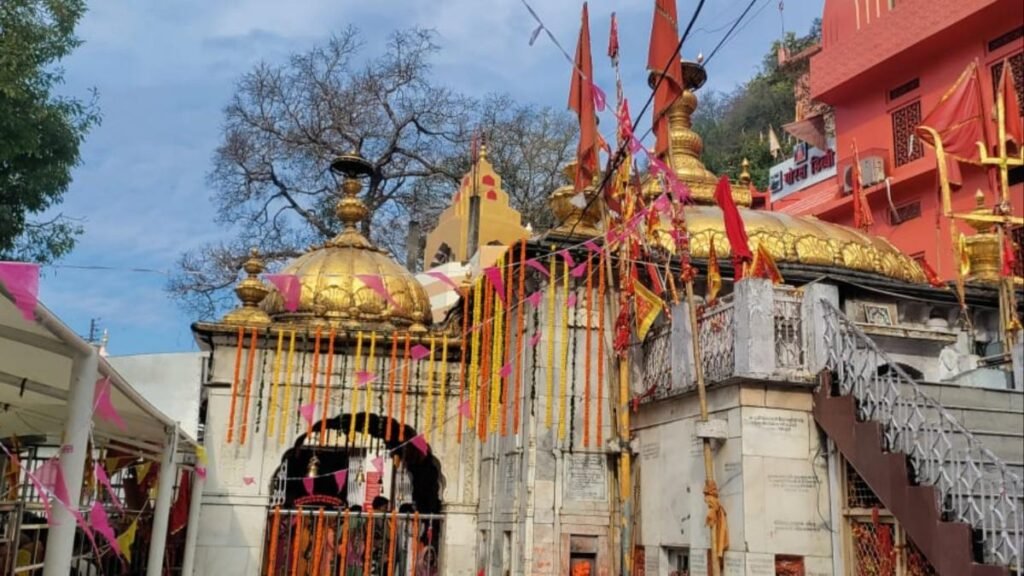
The location of the current Jwala Devi Temple is believed to be where Sati’s tongue is said to have fallen. Holy Flames or Jwala, which are constantly blazing, is a representation of the Tongue of Sati. Jwala Devi Temple is a singular and unparalleled place of worship. There is no idol or deity worshipped. Since ancient times, it has had a sequence of natural fires, known as Jyotis, which are considered the goddess’s sign. Jawala Ji is a fantastic heritage site for people all around the world, not just those in Jawala Mukhi, Kangra, or Himachal Pradesh. Every year during the Navaratra holiday, colourful fairs are held from March to April and from September to October. Jwala Devi Temple Significance Today The Jwala Devi Temple is an important spiritual place, attracting many visitors who come to see the amazing eternal flames that represent the power of Goddess Jwala. These flames burn without any fuel, bringing hope and blessings to those who worship here. Besides its religious value, the temple also supports local culture through festivals and events that celebrate Hindu traditions. From March to April and September to October each year, vibrant fairs take place during the Navratri celebrations at Jwala Devi Temple. It helps boost tourism in Himachal Pradesh, bringing in visitors looking for spiritual experiences. Today, the Jwala Devi Temple significance today is a shining symbol of faith, showcasing the rich traditions and devotion of the community. Temple Timings Temple Location
Shri Jwala Devi Temple Read Post »