Hari Om

Menu

Surya

surya4
Surya

Surya Ashtakam

Surya Ashtakam आदिदेव नमस्तुभ्यं प्रसीद मम भास्कर ।दिवाकर नमस्तुभ्यं प्रभाकर नमोऽस्तु ते ॥१॥āadi-ḍeva ṇamastubhyam prasīda mama bhāskara |ḍivākara ṇamastubhyam prabhākara ṇamostu ṭe ||1||Salutations to you O Adideva (the first god), please be gracious to me O Bhaskara (the shining one), O Divakara (the maker of the day), O Prabhakara (the maker of light), my salutations to you. सप्ताश्वरथमारूढं प्रचण्डं कश्यपात्मजम् ।श्वेतपद्मधरं देवं तं सूर्यं प्रणमाम्यहम् ॥२॥sapta-aśva-ratham-ārūḍhaṃ pracaṇḍaṃ kaśyapātmajam |śveta-padma-dharaṃ devaṃ taṃ sūryaṃ praṇamāmyaham ||2||Salutations to Sri Surya Deva! You are mounted on a chariot driven by seven horses, exceedingly powerful, the son of sage Kashyapa, the deity who holds a white lotus; I bow to you, O Surya Deva. लोहितं रथमारूढं सर्वलोकपितामहम् ।महापापहरं देवं तं सूर्यं प्रणमाम्यहम् ॥३॥lohitaṃ ratham-ārūḍhaṃ sarva-loka-pitāmaham |mahā-pāpa-haraṃ devaṃ taṃ sūryaṃ praṇamāmyaham ||3||Salutations to Sri Surya Deva! You are reddish in hue, mounted on a chariot, the forefather of all beings, the remover of great sins; I bow to you, O Surya Deva. त्रैगुण्यं च महाशूरं ब्रह्मविष्णुमहेश्वरम् ।महापापहरं देवं तं सूर्यं प्रणमाम्यहम् ॥४॥traiguṇyaṃ ca mahāśūraṃ brahma-viṣṇu-maheśvaram |mahā-pāpa-haraṃ devaṃ taṃ sūryaṃ praṇamāmyaham ||4||Salutations to Sri Surya Deva! You embody the three gunas and the powers of Brahma, Vishnu, and Maheshvara, the heroic remover of great sins; I bow to you, O Surya Deva. बृंहितं तेजःपुञ्जं च वायुमाकाशमेव च ।प्रभुं च सर्वलोकानां तं सूर्यं प्रणमाम्यहम् ॥५॥bṛṃhitaṃ tejaḥ-puñjaṃ ca vāyum ākāśam eva ca |prabhuṃ ca sarva-lokānāṃ taṃ sūryaṃ praṇamāmyaham ||5||Salutations to Sri Surya Deva! You are an immense mass of radiant energy pervading like air and space, the lord of all worlds; I bow to you, O Surya Deva. बन्धुकपुष्पसङ्काशं हारकुण्डलभूषितम् ।एकचक्रधरं देवं तं सूर्यं प्रणमाम्यहम् ॥६॥bandhuka-puṣpa-saṅkāśaṃ hāra-kuṇḍala-bhūṣitam |eka-cakra-dharaṃ devaṃ taṃ sūryaṃ praṇamāmyaham ||6||Salutations to Sri Surya Deva! You shine like a red hibiscus flower, adorned with garlands and earrings, holding a single discus; I bow to you, O Surya Deva. तं सूर्यं जगत्कर्तारं महातेजः प्रदीपनम् ।महापापहरं देवं तं सूर्यं प्रणमाम्यहम् ॥७॥taṃ sūryaṃ jagat-kartāraṃ mahā-tejaḥ pradīpanam |mahā-pāpa-haraṃ devaṃ taṃ sūryaṃ praṇamāmyaham ||7||Salutations to Sri Surya Deva! You are the creator and energizer of the universe, the illuminator with great radiance, the remover of great sins; I bow to you, O Surya Deva. तं सूर्यं जगतां नाथं ज्ञानविज्ञानमोक्षदम् ।महापापहरं देवं तं सूर्यं प्रणमाम्यहम् ॥८॥taṃ sūryaṃ jagatāṃ nāthaṃ jñāna-vijñāna-mokṣadam |mahā-pāpa-haraṃ devaṃ taṃ sūryaṃ praṇamāmyaham ||8||Salutations to Sri Surya Deva! You are the lord of the worlds, the giver of knowledge, wisdom, and liberation, the remover of great sins; I bow to you, O Surya Deva. Description The Suryashtakam is a hymn dedicated to Lord Surya, the Sun. It is from Samba Puranam, an ancient text of India, and it is recited to invoke blessings of good health, abundance, and a happy, long life.
Surya Ashtakam Read Post »

surya3 1
Surya

Namah Savitre Jagadeka

Namah Savitre Jagadeka नमः सवित्रे जगदेकचक्षुषेजगत् प्रसूतिः स्थिति नाश हेतवे ।त्रयीमयाय त्रिगुणात्मधारिणेविरिचिनारायण शंकारात्मने ॥ namaḥ savitre jagadekacakṣuṣejagat prasūtiḥ sthiti nāśa hetave .trayīmayāya triguṇātmadhāriṇeviricinārāyaṇa śaṃkārātmane .. Salutation Surya, the only eye of the world, the cause of the birth, sustenance and destruction of the world; The repository of the three forms, the protector of the three gunas in the self, O Brahma, Vishnu and Sankara. Description Prayer to the Sun. This is a verse from Surya Stuti. This is recited for good health, knowledge, respect and courage. Very effective for all kinds of health problem.

Namah Savitre Jagadeka Read Post »

surya2
Surya

Gayatri Mantra

Gayatri Mantra ॐ भूर् भुवः स्वः तत् सवितुर्वरेण्यंभर्गो देवस्य धीमहि धियो यो नः प्रचोदयात्॥ oṃ bhūr bhuvaḥ svaḥ tat saviturvareṇyaṃbhargo devasya dhīmahi dhiyo yo naḥ pracodayāt.. Om, the Lord, is earth, the space in between and the heavens. That Lord is the one who is the most worshipful. We meditate on that effulgent, all-knowledge Lord. May he set our intellects in the right direction. Description Gāyatrī MantraThis is an excerpt from the book By Swami Chinmayananda ‘Tune in the Mind’ – Japa Gayatri. You can buy it here Tune in the Mind. Bhūḥ – Bhuvaḥ – Suvaḥ The word Loka in Sanskrit is generally translated ‘world’, but in its etymological meaning it signifies ‘a field of experience’. The entire possibility of experience in life has been terraced by the rșis into fourteen worlds: seven higher lokas and seven lower worlds. There are three worlds in which a limited ego-centre comes to play its game of reincarnation and repeated deaths. These are: (i) Bhū-loka, the physical earth; (ii) Bhuvar-loka, the world next to the physical and closely connected with it, but constituted of finer matter, and (iii) Suvar-loka, has heavenly world. Beyond these are the four other worlds wherein the ego comes to move about and enjoy in its higher evolutionary life, and they are called the Mahar- loka, Janah-loka, Tapah-loka and Satya-loka. In the Hindu literature, we also find conceptions of other worlds as: Indra-loka, Candra-loka, Sürya-loka, Pitr-loka and so on, which are special ‘realms of experiences’ located within the above regions. Below these seven worlds, there is yet another set of seven worlds called the talas. They are named as Pa-talam, Rasä-talam. Tala-talam. Su-talam. Vi-talam., and A-talam. Of these fourteen ‘worlds’, Bhur-Bhuvah-Svah denoting the three worlds’, are called the vyāhrtis. In the Gāyatrī mantra when these vyāhrtis are chanted, the meditator can visualise the three worlds’ as arising from, existing in and disappearing into AUM. He can subjectively identify them with the waking, dream and deep sleep conditions of consciousness, transcending which extends the realm of the Infinite. All of them are represented in the symbol Om. In this sense, the vyāhrtis in the Gāyatrī represent in one sweep the ‘entire world’ of the subjective and objective experiences of man. The Gāyatrī Mantra Om Bhūḥ – Bhuvaḥ – SuvaḥOm Tat – Savitur – VarenyamBhargo Devasya DhīmahiDhiyo Yo Naḥ Pracodāyat The Hindu concept that the Gāyatrī mantra was declared at first by the Creator Himself, at the very beginning of creation, may be considered as an over exaggeration which is an unavoidable feature in many portions of the Vaidika literature. But it is also a fact that even the western scholars, who have been accepted by all as having a better historical sense, have themselves declared the Gāyatrī mantra as one of the oldest available divine hymns. And it is true that many revolutionary changes have taken place in our religious belief, and yet this mantra continues to persist and has even today a compelling charm of its own to millions of Hindu hearts. It is not only believed, but it has been actually observed, that by the repetition of this mantra with the right understanding of its sacred meaning, the ordinary negative tendencies in a human mind can be erased out to a large extent. This mantra is never chanted for the purposes of material gains, physical or otherwise. Its very invocation concludes with an appeal to the pure consciousness to illumine more our heart – that is to say, it is a prayer unto the Self to unveil Itself and come to manifest as pure wisdom in our life. Gāyatrī mantra is otherwise called Savitri mantra. In the ancient literature of Vedanta, this mantra was indicated familiarly as Savitri and this term has been given to Gāyatrī because it is dedicated to the deity called Savitr. In some rare old books, we find this mantra titled as Savitri-Gāyatrī; it only means that it is an invocation dedicated to Lord Sun couched in the metre called Gāyatrī. This is considered to be the most important Vaidika mantra, written out in this metre and, therefore, by tradition this mantra has come to be known as Gāyatrī. The Gāyatrī metre is generally constituted of three lines of eight syllables each. The three lines of Gāyatrī-Savitri mantra are as follows: Om Tat – Savitur – VarenyamBhargo Devasya DhīmahiDhiyo Yo Naḥ Pracodāyat [Gāyatrī mantra belongs to the Rg-veda, and it is found in the third mandala, in its sixtieth sutra as the tenth mantra.] You will find in the above that the first line has only seven syllables. This is explained generally in two ways: (a)the syllable ‘nyam’ is constituted of ‘ni’ plus ‘am’ and, therefore, there are the required eight letters in the line, and (b) that the line is to be read along with Omkara which would supply the missing syllable. The former is the idea of Sri Sankarăcārya. In his commentary on Brhadaranyaka-upanişad, Sankara splits the letter ‘nyam’ into its two component parts and considers that the rules of the metre are thereby fully obeyed. The seer of the mantra is the royal sage Visvāmitra. All the mantras belonging to the third mandala of the Rg-veda are attributed to sage Visvämitra. The Gāyatrī mantra is also seen in the Sukla Yajur-veda and Krsna Yajur-veda. This mantra is dedicated to the Lord Savitr. That Savitr represents Lord Sun is the accepted version even though there are some scholars who protest against this. The Sun gives all illumination to the world and any prayer for light should certainly be addressed to the source of all light in the material world – the sun. In the Gita the Lord says, “The light that pervades the sun and the moon is all His light. Thus Savitr, the Lord of Gāyatrī is nothing other than the light of Consciousness, the Infinite, the Absolute. Om Tat – Savitur – VarenyamBhargo Devasya DhīmahiDhiyo Yo Naḥ Pracodāyat which means : ‘We meditate upon the auspicious godly light of the Lord Sun;

Gayatri Mantra Read Post »

b998683df928cc7328ee924d4f673885 1
Surya

Brahma Svarupamudaye

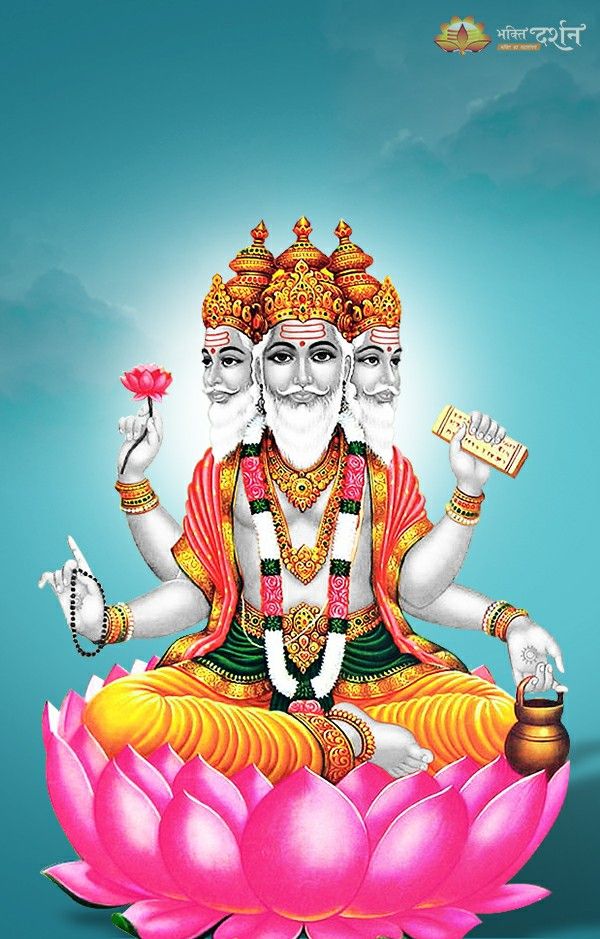
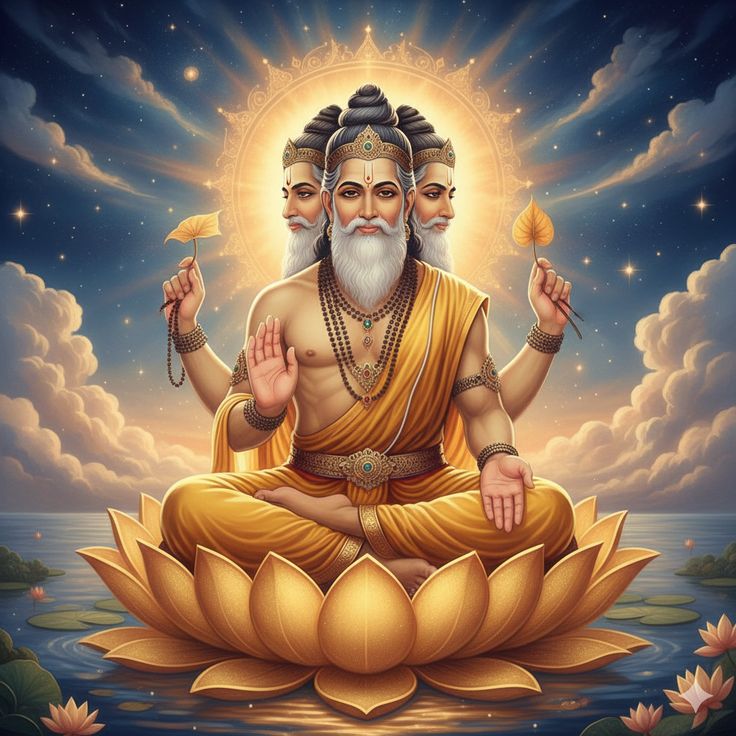
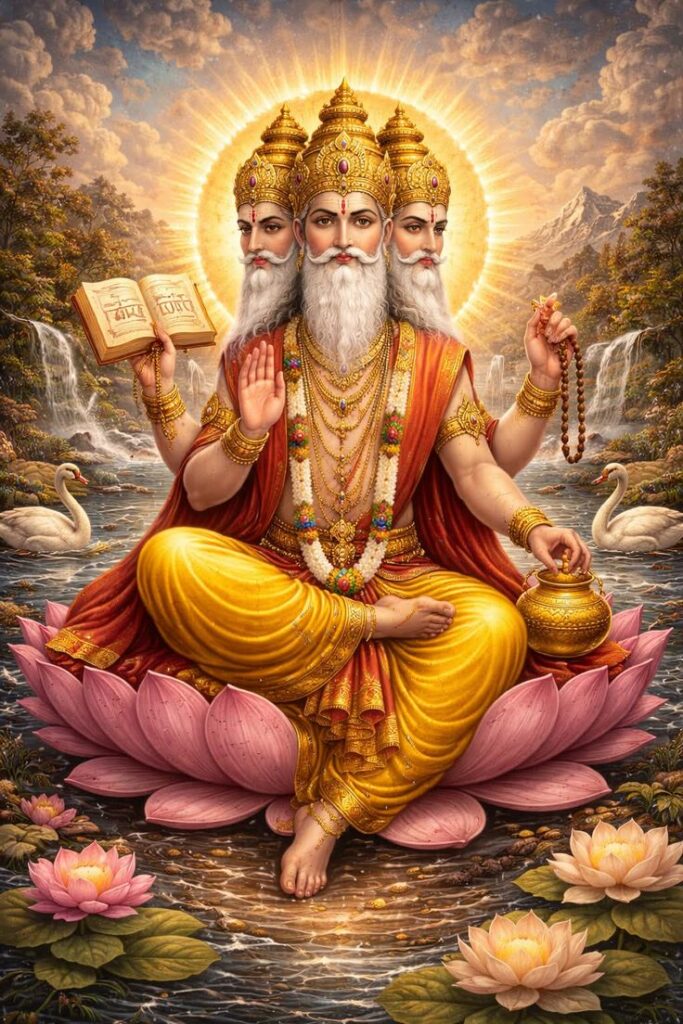
Brahma Svarupamudaye उदये ब्रह्मस्वरूपोऽयं मध्याह्नेतु महेश्वरम् ।अस्तमाने स्वयं विष्णुं त्रयीमूर्तिं दिवाकरम् ॥ udaye brahmasvarūpo’yaṃ madhyāhnetu maheśvaram .astamāne svayaṃ viṣṇuṃ trayīmūrtiṃ divākaram .. At sunrise, this (Sun) is in the form of Brahma; at noon indeed, (he becomes) Maheśvara; at sunset, he himself is Vishnu – (thus meditate on) the Sun who embodies the three divine forms (trimūrti). Description Lord Surya, also known as the Sun God, is a central figure in Hinduism, representing the source of light, life, and energy. He is revered as the sustainer of life and is often associated with health, vitality, and the dispelling of darkness and ignorance. The verse describes how the Sun God (Surya) manifests as the three primary deities of the Hindu Trinity—the Trimurti—at different times of the day. Sunrise (Brahma): At dawn, the Sun represents Brahma, the Creator. Just as Brahma brings the universe into being, the sunrise brings a new day and fresh life into the world. Mid-noon (Maheshwara): At midday, the Sun’s intensity is at its peak, representing Shiva (Maheshwara), the Transformer/Destroyer. This stage symbolizes the peak energy and the “destructive” heat required for various natural cycles. Sunset (Vishnu): At dusk, the Sun takes the form of Vishnu, the Preserver. As the day ends, the world enters a period of rest and preservation. Divākaram (The Sun): The Sun is referred to as “Divākara,” the “maker of the day,” who unites these three divine powers into one visible celestial body.

Brahma Svarupamudaye Read Post »

Surya
Surya

Aditya Hrudayam

Aditya Hrudayam ततो युद्धपरिश्रान्तं समरे चिन्तया स्थितम्।रावणं चाग्रतो दृष्ट्वा युद्धाय समुपस्थितम्॥tato yuddhapariśrāntaṃ samare cintayā sthitam.rāvaṇaṃ cāgrato dṛṣṭvā yuddhāya samupasthitam..When Rama was exhausted in battle field standing with greater sorrow and deep thought to fight against Ravana who was duly prepared for the battle, Agastya observed that. दैवतैश्च समागम्य द्रष्टुमभ्यागतो रणम्।उपागम्याब्रवीद्राममगस्त्यो भगवान् ऋषिः॥daivataiśca samāgamya draṣṭumabhyāgato raṇam.upāgamyābravīdrāmamagastyo bhagavān ṛṣiḥ..Agastya who was with other Gods approaches Rama and says as follows…. राम राम महाबाहो शृणु गुह्यं सनातनम्।येन सर्वानरीन् वत्स समरे विजयिष्यसि॥rāma rāma mahābāho śṛṇu guhyaṃ sanātanam.yena sarvānarīn vatsa samare vijayiṣyasi..Sage Agastya approached Rama and spoke as follows: dear Rama there is a solution for your worry which is a perennial secret, by reciting it you would be victorious in this war. आदित्यहृदयं पुण्यं सर्वशत्रुविनाशनम्।जयावहं जपेन्नित्यम् अक्षय्यं परमं शिवम्॥ādityahṛdayaṃ puṇyaṃ sarvaśatruvināśanam.jayāvahaṃ japennityam akṣayyaṃ paramaṃ śivam..This is the holy hymn Aditya Hrudayam which destroys all enemies and brings you victory and permanent happiness by chanting it always. सर्वमङ्गलमाङ्गल्यं सर्वपापप्रणाशनम्।चिन्ताशोकप्रशमनम् आयुर्वर्धनमुत्तमम्॥sarvamaṅgalamāṅgalyaṃ sarvapāpapraṇāśanam.cintāśokapraśamanam āyurvardhanamuttamam..This supreme prayer of Sun God always gives happiness, destroys all sins, worries and increase the longevity of life. रश्मिमंतं समुद्यन्तं देवासुरनमस्कृतम्।पूजयस्व विवस्वन्तं भास्करं भुवनेश्वरम्॥raśmimantaṃ samudyantaṃ devāsuranamaskṛtam.pūjayasva vivasvantaṃ bhāskaraṃ bhuvaneśvaram.. सर्वदेवात्मको ह्येष तेजस्वी रश्मिभावनः।एष देवासुरगणाँल्लोकान् पाति गभस्तिभिः॥sarvadevātmako hyeṣa tejasvī raśmibhāvanaḥ.eṣa devāsuragaṇām̐llokān pāti gabhastibhiḥ.. एष ब्रह्मा च विष्णुश्च शिवः स्कन्दः प्रजापतिः।महेन्द्रो धनदः कालो यमः सोमो ह्यपां पतिः॥eṣa brahmā ca viṣṇuśca śivaḥ skandaḥ prajāpatiḥ.mahendro dhanadaḥ kālo yamaḥ somo hyapāṃ patiḥ.. पितरो वसवः साध्या ह्यश्विनौ मरुतो मनुः।वायुर्वह्निः प्रजाप्राण ऋतुकर्ता प्रभाकरः॥pitaro vasavaḥ sādhyā hyaśvinau maruto manuḥ.vāyurvahniḥ prajāprāṇa ṛtukartā prabhākaraḥ.. आदित्यः सविता सूर्यः खगः पूषा गभस्तिमान्।सुवर्णसदृशो भानुर्हिरण्यरेता दिवाकरः॥ādityaḥ savitā sūryaḥ khagaḥ pūṣā gabhastimān.suvarṇasadṛśo bhānurhiraṇyaretā divākaraḥ.. हरिदश्वः सहस्रार्चिः सप्तसप्तिर्मरीचिमान्।तिमिरोन्मथनः शम्भुस्त्वष्टा मार्ताण्ड अंशुमान्॥haridaśvaḥ sahasrārciḥ saptasaptirmarīcimān.timironmathanaḥ śambhustvaṣṭā mārtāṇḍa aṃśumān.. हिरण्यगर्भः शिशिरस्तपनो भास्करो रविः।अग्निगर्भोऽदितेः पुत्रः शङ्खः शिशिरनाशनः॥hiraṇyagarbhaḥ śiśirastapano bhāskaro raviḥ.agnigarbho’diteḥ putraḥ śaṅkhaḥ śiśiranāśanaḥ.. व्योमनाथस्तमोभेदी ऋग्यजुःसामपारगः।घनवृष्टिरपां मित्रो विन्ध्यवीथीप्लवङ्गमः॥vyomanāthastamobhedī ṛgyajuḥsāmapāragaḥ.ghanavṛṣṭirapāṃ mitro vindhyavīthīplavaṅgamaḥ.. आतपी मण्डली मृत्युः पिङ्गलः सर्वतापनः।कविर्विश्वो महातेजाः रक्तः सर्वभवोद्भवः॥ātapī maṇḍalī mṛtyuḥ piṅgalaḥ sarvatāpanaḥ.kavirviśvo mahātejāḥ raktaḥ sarvabhavodbhavaḥ.. नक्षत्रग्रहताराणामधिपो विश्वभावनः।तेजसामपि तेजस्वी द्वादशात्मन् नमोऽस्तु ते॥nakṣatragrahatārāṇāmadhipo viśvabhāvanaḥ.tejasāmapi tejasvī dvādaśātman namo’stu te.. नमः पूर्वाय गिरये पश्चिमायाद्रये नमः।ज्योतिर्गणानां पतये दिनाधिपतये नमः॥namaḥ pūrvāya giraye paścimāyādraye namaḥ.jyotirgaṇānāṃ pataye dinādhipataye namaḥ.. जयाय जयभद्राय हर्यश्वाय नमो नमः।नमो नमः सहस्रांशो आदित्याय नमो नमः॥jayāya jayabhadrāya haryaśvāya namo namaḥ.namo namaḥ sahasrāṃśo ādityāya namo namaḥ.. नम उग्राय वीराय सारङ्गाय नमो नमः।नमः पद्मप्रबोधाय मार्ताण्डाय नमो नमः॥nama ugrāya vīrāya sāraṅgāya namo namaḥ.namaḥ padmaprabodhāya mārtāṇḍāya namo namaḥ.. ब्रह्मेशानाच्युतेशाय सूर्यायादित्यवर्चसे।भास्वते सर्वभक्षाय रौद्राय वपुषे नमः॥brahmeśānācyuteśāya sūryāyādityavarcase.bhāsvate sarvabhakṣāya raudrāya vapuṣe namaḥ.. तमोघ्नाय हिमघ्नाय शत्रुघ्नायामितात्मने।कृतघ्नघ्नाय देवाय ज्योतिषां पतये नमः॥tamoghnāya himaghnāya śatrughnāyāmitātmane.kṛtaghnaghnāya devāya jyotiṣāṃ pataye namaḥ.. तप्तचामीकराभाय वह्नये विश्वकर्मणे।नमस्तमोऽभिनिघ्नाय रुचये लोकसाक्षिणे॥taptacāmīkarābhāya vahnaye viśvakarmaṇe.namastamo’bhinighnāya rucaye lokasākṣiṇe.. नाशयत्येष वै भूतं तदेव सृजति प्रभुः।पायत्येष तपत्येष वर्षत्येष गभस्तिभिः॥nāśayatyeṣa vai bhūtaṃ tadeva sṛjati prabhuḥ.pāyatyeṣa tapatyeṣa varṣatyeṣa gabhastibhiḥ.. एष सुप्तेषु जागर्ति भूतेषु परिनिष्ठितः।एष एवाग्निहोत्रं च फलं चैवाग्निहोत्रिणाम्॥eṣa supteṣu jāgarti bhūteṣu pariniṣṭhitaḥ.eṣa evāgnihotraṃ ca phalaṃ caivāgnihotriṇām.. वेदाश्च क्रतवश्चैव क्रतूनां फलमेव च।यानि कृत्यानि लोकेषु सर्व एष रविः प्रभुः॥vedāśca kratavaścaiva kratūnāṃ phalameva ca.yāni kṛtyāni lokeṣu sarva eṣa raviḥ prabhuḥ.. फलश्रुतिःएनमापत्सु कृच्छ्रेषु कान्तारेषु भयेषु च।कीर्तयन् पुरुषः कश्चिन्नावसीदति राघव॥phalaśrutiḥenamāpatsu kṛcchreṣu kāntāreṣu bhayeṣu ca.kīrtayan puruṣaḥ kaścinnāvasīdati rāghava.. पूजयस्वैनमेकाग्रो देवदेवं जगत्पतिम्।एतत् त्रिगुणितं जप्त्वा युद्धेषु विजयिष्यसि॥pūjayasvainamekāgro devadevaṃ jagatpatim.etat triguṇitaṃ japtvā yuddheṣu vijayiṣyasi.. अस्मिन् क्षणे महाबाहो रावणं त्वं वधिष्यसि।एवमुक्त्वा तदागस्त्यो जगाम च यथागतम्॥asmin kṣaṇe mahābāho rāvaṇaṃ tvaṃ vadhiṣyasi.evamuktvā tadāgastyo jagāma ca yathāgatam.. एतच्छ्रुत्वा महातेजा नष्टशोकोऽभवत्तदा।धारयामास सुप्रीतो राघवः प्रयतात्मवान्॥etacchrutvā mahātejā naṣṭaśoko’bhavattadā.dhārayāmāsa suprīto rāghavaḥ prayatātmavān.. आदित्यं प्रेक्ष्य जप्त्वा तु परं हर्षमवाप्तवान्।त्रिराचम्य शुचिर्भूत्वा धनुरादाय वीर्यवान्॥ādityaṃ prekṣya japtvā tu paraṃ harṣamavāptavān.trirācamya śucirbhūtvā dhanurādāya vīryavān.. रावणं प्रेक्ष्य हृष्टात्मा युद्धाय समुपागमत्।सर्वयत्नेन महता वधे तस्य धृतोऽभवत्॥rāvaṇaṃ prekṣya hṛṣṭātmā yuddhāya samupāgamat.sarvayatnena mahatā vadhe tasya dhṛto’bhavat.. अथ रविरवदन्निरीक्ष्य रामंमुदितमनाः परमं प्रहृष्यमाणः।निशिचरपतिसंक्षयं विदित्वासुरगणमध्यगतो वचस्त्वरेति॥atha raviravadannirīkṣya rāmaṃmuditamanāḥ paramaṃ prahṛṣyamāṇaḥ.niśicarapatisaṅkṣayaṃ viditvāsuragaṇamadhyagato vacastvareti.. जगद्धात्रि नमस्तुभ्यं विष्णोश्च प्रियवल्लभे ।यतो ब्रह्मादयो देवाः सृष्टिस्थित्यन्तकारिणः ॥१॥jagaddhātri namastubhyaṃ viṣṇośca priyavallabhe .yato brahmādayo devāḥ sṛṣṭisthityantakāriṇaḥ ..1.. नमस्तुलसि कल्याणि नमो विष्णुप्रिये शुभे ।नमो मोक्षप्रदे देवि नमः सम्पत्प्रदायिके ॥२॥namastulasi kalyāṇi namo viṣṇupriye śubhe .namo mokṣaprade devi namaḥ sampatpradāyike ..2.. …(पूरा Tulsi Stotram उसी क्रम और शब्दों में ऊपर जैसा दिया गया है — बिना किसी border या separation के) Description This hymn is dedicated to Āditya or Sūrya (the Sun God) found in the Yuddha Kānda of Vālmīki’s Rāmāyana. It was recited by the sage Agastya to Rāma in the battlefield before fighting with the asura king Rāvaṇa. In it, Agastya teaches Rāma (who is fatigued after the long battle with various warriors of Laṅkā, ) the procedure of worshiping Āditya ( for strength ) to defeat the enemy.

Aditya Hrudayam Read Post »