













Hari Om

Menu

Puja Vidhi

039009aec4e172d07fe6ab40ab44b802
Puja Vidhi

Significance of Vishwakarma Puja

Significance of Vishwakarma Puja The ancient hindu puranas stand as a testament to the fact that there has been a divine architect who created the earth and the entire celestial universe. When there was no land, no water or any other sign of life, Lord Vishwakarma crafted everything. The Vishwakarma Jayanti, also known as the Biswakarma Puja, is performed to celebrate the birth of this holy deity. According to the Moola Stambha Purana, even before Lord Brahma, Lord Vishnu and Lord Mahesh came into existence, Lord Vishwakarma created himself. He is also known as ‘Swayambhu’ which is a Sanskrit word for self made or one who manifests himself. The Vishwakarma Puja is thus celebrated to honour the heavenly creator – Lord Vishwakarma. According to the ancient scriptures, Lord Vishwakarma has 5 faces (Sadyojaata, Vaamadeva, Aghora, Tatpurusha and Ishana). Out of these 5 faces he made five Prajapatis namely Manu, Maya, Twosta, Silpy and Viswajna. People often ask “Who is the Vishwakarma caste?” They are basically five separate Rishis who are the Gothra Rishis of the Vishwakarma caste created by the Devashilpi himself. Significance of Vishwakarma Puja In the Rig Veda, Lord Vishwakarma is addressed as the God-like carpenter who is also identified as Sthapayta Veda. He is thus an establishment of knowledge in the entire universe. Amongst the best of his creations, he also formed Shiva’s trishul, Vijay Dhanusha of Arjuan and the city of Indraprastha on the west of river Yamuna. History also points that Swarga in the Satya Yuga, Lanka in the Treta Yug and Dwarka in the Dwapar Yug were built by him. The Vishwakarma Puja is generally observed on the day of Kanya Sankranti. It is considered highly auspicious and significant by people who are in the business of manufacture and machinery. Individuals are spiritually enthusiastic in praying for the smooth functioning of their assets. They believe that Lord Vishwakarma will shower wealth, success and an overflowing business in future. If any devotee has the desire to open a new office, increase productivity, get rid of negativity or start any kind of new business venture, it is suggested to worship Bhagwan Vishwakarma on this day. Vishwakarma Puja Celebrations Devotees on this day celebrate by offering prayers and decorating with flowers in the markets, factories and their workplaces. They worship Lord Vishwakarma and his vehicle, which is the elephant. His idol is placed in pandals, where the worshippers perform rituals and distribute prasad. Worshipping tools and instruments on this day hold a special significance, often leading to workplaces being closed for the celebrations. In many places communal lunches are organised for workers. A unique tradition on this day is kite flying, which is believed to honour Lord Vishwakarma’s craftsmanship, especially his creation of flying chariots (such as Pushpak Viman for Lord Kuber) and weapons for the gods. Vishwakarma Puja Vidhi (Rituals) Conclusively, whether you’re an artist looking to polish your skills, or a worker who wishes to boost their productivity, being a part of the Vishwakarma Puja is the best way to achieve these goals. Worship Lord Vishwakarma to develop a better life, become efficient and get profitable results.

Significance of Vishwakarma Puja Read Post »
Onam
Puja Vidhi

Onam Puja Vidhi

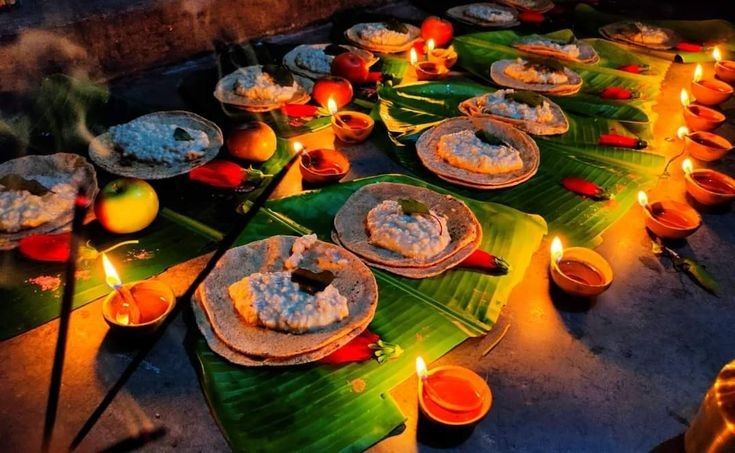
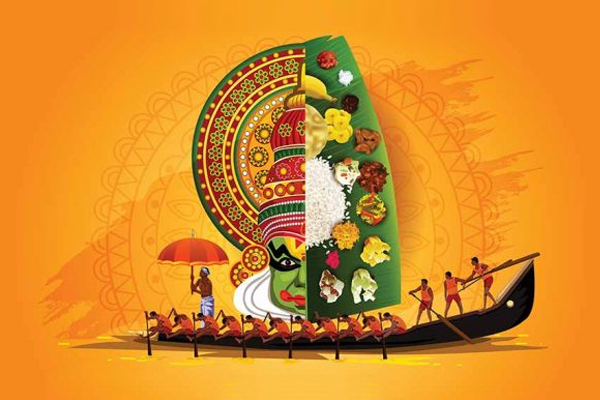
Onam Puja Vidhi Onam stands as the most memorable and ancient festival of Kerala, comparable in grandeur to the major festivals of India. It honors the divine appearance of Bhagwan Vishnu in his Vamana avatar and commemorates the annual homecoming of the legendary Emperor Mahabali from Patala, the netherworld. Vamana consigned King Mahabali to the underworld but granted him the boon of returning once a year to visit his people during Onam. On Thiruvonam day, it is held that the emperor graces every home with his presence. The festival, spanning ten days, steadily builds in fervor and joy, filling the land with splendor and cultural vibrance. Onam is observed in the month of Chingam (August to September) of the Malayalam solar calendar. This month corresponds to Simha in other solar calendars and Avani in the Tamil calendar. The festival is timed with the Thiruvonam Nakshatra in Chingam, which is identified as Shravana in other Hindu calendars. When is Onam Festival (Onam 2026 Date) Thiruvonam on Saturday, August 29, 2026 Thiruvonam Nakshathram Begins – 10:12 PM on Aug 28, 2026Thiruvonam Nakshathram Ends – 10:05 PM on Aug 29, 2026 Significance of Onam Onam celebrations begin on the day of Atham, falling in August or early September, and last for ten days, concluding on Thiruvonam. The festival honors King Mahabali, a legendary and benevolent asura ruler who presided over a kingdom of great prosperity and harmony and was deeply loved by his people. His growing power sparked envy among the gods, prompting Bhagwan Vishnu to appear as Vamana, a dwarf Brahmin. Vamana requested three measures of land from Mahabali; when granted, he expanded to cosmic proportions, covering the earth and sky in two strides. For the third step, Mahabali humbly offered his own head, leading to his descent into the netherworld. Moved by Mahabali’s unwavering devotion and virtue, Bhagwan Vishnu granted him the annual boon to return to earth. Onam celebrates this joyous homecoming with vibrant rituals and festivities that honor the beloved king and his enduring legacy. Seasonal Significance This ten-day festival, celebrated between August and September, signals the end of the monsoon and the beginning of the harvest season. It honors the return of King Mahabali, the legendary ancient ruler of Kerala, whose reign was remembered for prosperity, fairness, and joyous times. Onam is celebrated across Kerala with widespread joy and enthusiasm, bringing together people from all sections of society. The festival reflects both its deep roots in ancient agrarian traditions and its strong connection to mythology, making it a vibrant blend of cultural heritage and spiritual significance. Celebrations and Cultural Importance Spanning ten days, Onam is observed in the month of Chingam (August to September) of the Malayalam solar calendar, coinciding with the Thiruvonam Nakshatra. The festival unites families and communities through traditional music, dance, boat races, and elaborate feasts called Onasadya. Symbolizing hope, unity, and the triumph of good over evil, Onam’s rich cultural heritage continues to inspire devotion and pride among the people of Kerala and beyond. The Legend of Onam Thiruvonam Onam and King Maha Bali . Onam celebrates the homecoming of the great asura King Maha Bali from Patala Loka. Maha Bali, grandson of the revered devotee Prahlada, was a powerful and wise king who valued knowledge deeply. During a yagna, a radiant young boy appeared and was welcomed by Maha Bali, who asked what he desired. The boy requested land measured by three footsteps. Without hesitation, Maha Bali agreed, despite warnings from his guru Shukracharya that the guest was Bhagwan Vishnu in disguise. As the legend unfolds, the boy took on the colossal form of Trivikrama. With his first step, he measured the entire earth; with the second, he spanned the whole sky, thus claiming all of Maha Bali’s kingdom. When asked where to place the third step, Maha Bali, in complete devotion and surrender, offered his own head. Recognizing this humility, Bhagwan Vishnu blessed him, sent him to Patala, promised him future kingship as Indra in the next Manvantara, and vowed to guard the gates of Patala Himself. Responding to the pleas of Maha Bali’s subjects, Bhagwan Vishnu granted him permission to return and be with his people once every year. This annual return is joyfully celebrated as the festival of Onam. The Deeper Meaning Behind the Legend The legend of the Vamana avatar conveys a profound Puranic message, offering a timeless moral through symbolic storytelling. King Mahabali, despite his generosity and power, let pride overshadow his wisdom as he claimed control over all he could see, believing himself unconquerable. The story teaches that true strength lies in knowledge and humility, which alone can overcome ego, a force that otherwise grows boundlessly like the earth and sky. Vamana’s three steps symbolize the journey to conquering arrogance: How is Onam Celebrated Onam is the most celebrated traditional festival of Kerala, observed with devotion and cultural splendor by the Malayali community across the world. It showcases a rich blend of rituals, art, music, dance, food, and social harmony. Malayali households decorate their courtyards with Pookkalam, intricate floral rangoli designs made with fresh blossoms, especially yellow flowers. Pookkalam is considered a symbol of prosperity and good fortune, welcoming King Mahabali into every home. Among the grand traditions of Onam, Vallamkali or the Snake Boat Race is one of the most popular. Longboats rowed in perfect rhythm across Kerala’s backwaters create a spectacle that attracts thousands, including tourists from far and wide. Pulikali , the tiger dance, is another striking tradition. On the fourth day of Onam, men paint their bodies as tigers and hunters, dancing vibrantly to drumbeats in public spaces. A highlight of the festival is the grand feast called Onam Sadya . Families invite relatives and friends to share a traditional vegetarian meal served on banana leaves. The spread includes an array of dishes, with rice, curries, curd, and the iconic Payasam, a sweet delicacy prepared with milk, rice, coconut, and jaggery or sugar. Performing arts are central to Onam celebrations. Kathakali, Kerala’s classical dance-drama, narrates episodes from Hindu epics with elaborate costumes

Onam Puja Vidhi Read Post »

1b88cd9ce76bb5c5747b627ae6ee422a
Puja Vidhi

Pongal Puja Vidhi

Pongal Puja Vidhi Harvest Festival Celebration (13th to 16th January) 1. The Harvest Festival Pongal is a harvest festival – the Thamil equivalent of Thanksgiving. In an agriculture based civilisation the harvest plays an important part. The farmer cultivating his land depends on cattle, timely rain and the Sun. Once a year, he expresses his gratitude to these during the harvest festival. With the end of the wet month of Margazhi (mid December to mid January) the new Thamil month of Thai heralds a series of festivals. The first day of this month is a festival day known as “Pongal Day”. Pongal means the “boiling over” of milk and rice during the month of Thai. According to the calendar based on the solar system the year is divided into two halves following the apparent movement of the Sun northwards and Southwards. The farmer is termed Uttarayanam and the latter is Dakshinayanam. On the first day of the Thai, the Sun leaves the zodiac sign of Sagittarius and enters that of capricorn, the latter is known as Makaram. The event thus is celebrated as Pongal. The four day celebration of Pongal Marks a period of plenty, peace and happiness. There is a Thamil saying that “Thai peranthal Vali Perakum”. That paraphrased means with the dawn of the month of Thai, there will be peace, happiness, prosperity, brightness and harmony in the life of everyone. It is held to honor the Sun, for a bountiful harvest. Families gather to rejoice and share their joy and their harvests with others. The Sun is offered a “Pongal” of rice and milk. Preparations for this festival start early and the first thing that is always found in Hindu homes before the start of Pongal is the ‘kolam’. This is a form of decoration for the Hindus’ homes. This decorative pattern is made with rice flour & is usually drawn on the floor outside the door. The kolams serve as a symbol of welcoming guests to the entrance of the house. At the center of the Kolam is a lump of cow-dung, which holds a five-petaled pumpkin flower-a symbol of fertility and an offering of love to the presiding deity. The houses are cleaned and decorated to prepare for Pongal. For the festival, the Hindus buy new clothes and the ladies of the households would prepare sweetmeats. There is also a belief in the Hindus that the harvest festival will bring great wealth and goodness to their homes. All the four days of Pongal have their own significance as separate deities are worshiped each day. The first day is celebrated as the Bhoogi Pongal and is usually meant for domestic activities and of being together with the family members. This first day is celebrated in honor of Lord Indra, the supreme ruler of clouds that give rains. The second day is known as ‘Pongal’ the most important day of the entire festival, where prayers are offered to the Sun. On this day, the Sun is given great importance and hence the day is called Surya Pongal. The third day is known as Mattu Pongal, the day of Pongal for cows. The cattle are washed, their horns are painted and covered with shining metal caps. Kaanu Pongal, which falls on the same day as Maatu Pongal, is celebrated by sisters for the welfare of their brothers. This festival is reminiscent of Raksha Bandhan and Bhai Dooj of North India.

Pongal Puja Vidhi Read Post »

099b49a1b6517926b8c1f14375368e89
Puja Vidhi

Nag Panchami Puja Vidhi

Nag Panchami Puja Vidhi Naga Panchami is a sacred Hindu Festival observed on the Shukla Paksha Panchami during the Hindu calendar month of Savan or Shravan. As per the Gregorian calendar, Nag Panchami falls in July or August. It is celebrated two days after Hariyali Teej. Women pray for the well-being of their brothers and families. They worship the Nag Devta (the Lord of Serpents), in temples and sometimes visit Snake pits/holes and offer milk to them. What is Nag Panchami Festival? The term ‘Nag’ means Serpent/snake/Cobra. The term Panchami means the fifth day of either the waxing Moon (Shukla Paksha) or waning Moon (Krishna Paksha), in the Lunar cycle with each phase lasting for 15 days. It is a special day of worshipping Snakes (specifically cobras) by the Hindus. Worshipping nature, and animals is an eternal part of Hindu philosophy. Hindu Deities are mostly associated with an animal as Vahan or vehicle, and these Vahans are respected and worshipped by Hindus. When Is Nag Panchami This Year? Nag Panchami on Monday, August 17, 2026 Nag Panchami Puja Muhurat – 06:20 AM to 08:53 AM Duration – 02 Hours 33 Mins Nag Pancham date in Gujarat – Tuesday, September 1, 2026 Panchami Tithi Begins – 04:52 PM on Aug 16, 2026 Panchami Tithi Ends – 05:00 PM on Aug 17, 2026 Nagpanchami is one of the most popular festivals which is celebrated with great devotion and enthusiasm by the Hindus. On this day, the Snake Lord is worshipped. Devotees perform the traditional ritual of Holy bathing the divine idol of Snake Lord. On this auspicious day one can also witness snake charmers in many places of the country with bamboo baskets with living snakes in it. These snake charmers make the snake dance by playing an instrument called “Been”. Many people gather around the snake charmer and even offer milk to the snake and worship it. Devotees perform Naag Puja of the Ashta Naag devtas. Ashta Naag literally means eight snakes. Given below is a small prayer or mantra which is recited to venerate the Ashta (eight) Naag (snakes). Nag Panchami Mantra Vasuki: Takshaschaiva Kaliyo Manibhadrakah.Airavato Dhritarashtra: Karkotakadhananjay.Etebhayam prayachhanti praninam pranajeevinam.(Bhavishyottara Purana – 32-2-7)(Meaning: Vasuki, Takshaka, Kaliya, Manibhadrak, Airavata, Dhritarashtra, Karkotaka and Dhananjaya – these give fearlessness to beings.) These are the revered 8 snakes. सर्वे नागाः प्रीयन्तां मे ये केचित् पृथ्वीतले।ये च हेलिमरीचिस्था येऽन्तरे दिवि संस्थिताः॥ये नदीषु महानागा ये सरस्वतिगामिनः।ये च वापीतडगेषु तेषु सर्वेषु वै नमः॥ (Sarve nagah preeyanta me ye kechit prithvitale| Ye cha helimareechistha yentare divi sansthitah|| Ye nadeeshu mahaanaga ye saraswatigaminah| Ye cha vaapeetadgeshu teshu sarveshu vae namah||)Meaning of the Mantra: All the snakes who are staying in this world, sky, heaven, sunrays, lakes, wells, ponds etc. bless us, we all bow to you. Information About Nag Panchami: Nag Panchami is a traditional reverence of serpent Gods observed by Hindus throughout India. As per the Hindu calendar, some days are considered significant to worship serpent Gods and Panchami Tithi especially during Shravana month is considered highly auspicious to worship serpent Gods. Nag Panchami is one of those significant days and it observed on Shukla Paksha Panchami during Shravana month. It is believed that any Puja offered to snakes would reach to the serpent Gods. Hence people worship live snakes (especially cobras) on the day as representative of serpents Gods who are venerated and worshipped in Hinduism. Although there are several serpent Gods, following twelve are worshipped during Nag Panchami Puja – Ananta Vasuki Shesha Padma Kambala Karkotaka Ashvatara Dhritarashtra Shankhapala Kaliya Takshaka Pingala Nag Panchami celebrated on the Panchami Tithi of Shukla Paksha in the Hindu month of Shravana. It comes either in July or August. The Nagoba Temple, located in the Nagpur district in Maharastra, is famous for conducting the Nag Panchami Festival. Through this festival, devotees, especially women, seek the blessings of Naga Dev. People ask for his forgiveness, and they pray for attaining happiness and fulfilment for their families. Naga Panchami is also known as Nag Chathruti and Nagil Charithi. There are different names for the occasion in various parts of the country. This year, Nagpanchami will be celebrated on the Monday, August 17, 2026, in the Northern part of India, in states like, Bihar, Uttar Pradesh, Madhya Pradesh and Rajasthan. It is also celebrated on the same day in the western and southern states like, Maharashtra, Andhra Pradesh, Karnataka, Tamil Nadu which follows the Amavasyant Calendar. It is only in Gujarat, that Nag Panchami is observed 15 days later than that of most other states. According to new moon lunar calendar followed in Gujarat, Nag Panchami falls during Krishna Paksha Panchami of Shravana month. Nag Panchami is more popularly known as Nag Pancham in Gujarat and usually observed three days before Krishna Janmashtami festivities. Nag Panchami Puja Vidhi: Mostly people go the temple to perform the Puja. But here is, How to do Nag Panchami Puja at home: Nag Panchami Puja performed on the day of Nag Panchami is highly auspicious and rewarding. The Vedas consider the Nagas (Snakes) very significant and divine. The festival of Nag Panchami is celebrated to offer prayers to the Snakes and Serpents that are associated with the trinity, Brahma, Vishnu, and Mahesh. Bhagwan Vishnu, himself rests on Ananta Shesha, a thousand-hooded Serpent. Bhagwan Shiva always keeps the Snake named Vasuki around His neck. Names of 9 Naag Devatas are Anant, Vasuki, Shesh, Padmanabh, Kambal, Shankhapal, Dhrutrashtra, Takshak, and Kalia if prayed daily in the morning protects you from all evils and helps you become victorious in life. Benefits of this Nag Panchami Puja: Fasting on Nag Panchami (Nag Panchami Vrat Vidhi): Significance Of Milk on Nag Panchami Festival One crucial story that stands relevant about feeding milk to snakes goes back to the Samudra Manthan. In the quest of finding Amrit (divine nectar) by Devas and Asuras, a deadly poison named Halahal erupted from the ocean. It has the power to wipe out the entire universe. Bhagwan Shiva drank the poison for saving the universe. While drinking, some droplets fell on earth, which were consumed by his snakes. The Devtas performed the Ganga Abhishek on Shiva and on the snakes for calming the effect of

Nag Panchami Puja Vidhi Read Post »

01c9f9a38aa490f157ab4d80f4fd25f2
Puja Vidhi

Akshaya Tritiya Pooja Vidhi

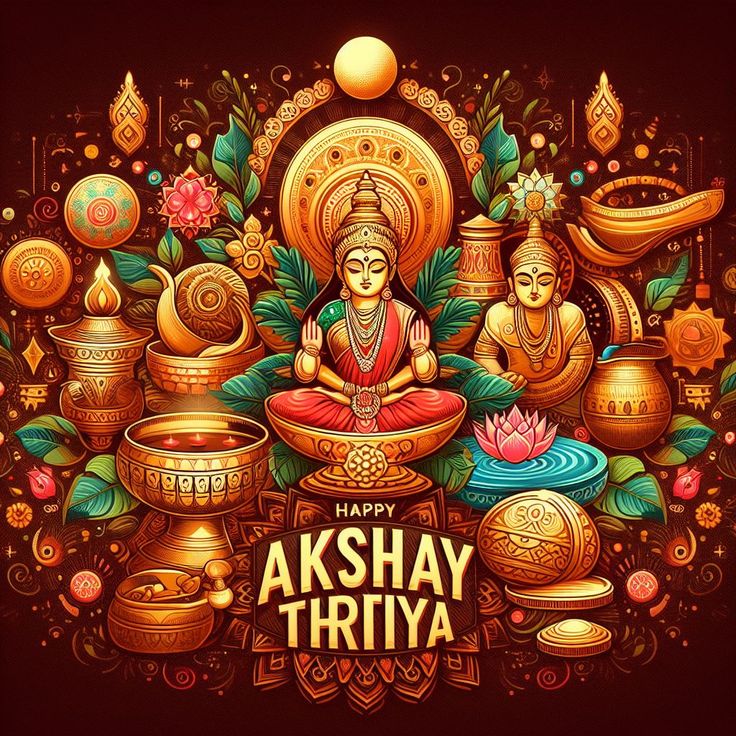
Akshaya Tritiya Pooja Vidhi You will not find a simpler method than this for Akshaya Tritiya Puja anywhere else. This year, Akshaya Tritiya will be celebrated in the month of Baishakh on May 7, 2019. Learn the simplest method of worship. * On the day of the fast, wake up in Brahma Muhurta.* After cleaning the house and completing your daily chores, take a bath with holy or pure water.* Install the idol or picture of Lord Vishnu at some sacred place in the house.* Make a resolution with the following mantra: Mamakhilpapakshaya, get all the auspicious results Worship God in the name of God.* After taking a resolution, bathe Lord Vishnu with Panchamrit.HindiLIVE: Jaishankar told, who is behind the India-US trade deal?Read More Worship Lord Vishnu with the Shodashopachar method.* Wear a fragrant garland to Lord Vishnu.* Offer barley or wheat sattu, cucumber and gram dal as naivedya.* If possible, chant Vishnu Sahasranaam.* Finally, Tulsi water should be offered and Aarti should be performed with devotion. * Keep fast on this day. * Fill a small earthen pot with water, place a melon on it and after worshipping it, donate it to any married woman. 

Akshaya Tritiya Pooja Vidhi Read Post »

8e76daeca82e58ea02dd581a477b3ba6
Puja Vidhi

Chhath Puja Vidhi

Chhath Puja Vidhi: How to do Chhath Puja perfectly at home How to prepare the home and self for Chhath Puja and conduct it perfectly. Chhath Puja is an ancient ritual to worship the sun. The auspicious day for this particular prayer falls 6 days after Diwali, hence it is called Chhath puja, for Chhath means six. Despite that the prayer is said to predate the time of the Ramayana. Sita and Ram performed it after their 14 years of exile.RitualsThe prayer is a four day prayer which is traditionally performed at the banks of the Ganga.One day before the puja begins, one must preferably take a dip in the river Ganga to purify themselves, bringing some water home for furthur rituals.On the first day they must clean their house and surroundings well, using a bit of the gangajal to purify it furthur and purify themselves as well. They must fast, only taking in one meal in the day. Every corner of the house and every item used in the house should be purified.On the second day, they must fast for the whole day, taking in no food or water. After sunset they must pray to the sun and the moon, offering the traditional prasad to family and friends as prasad and only then can they break their fast.The traditional prasad is chapati and kheer, though some include bananas as well. The third day is the main day. They must again worship the setting sun. It is advised they go to the river bank, reaching here before sunset along with other family and friends participating in the puja so they can pray together. As the festival falls on a dark moon, the main sources of light will be man made as many gather to pray at the shore. This adds to the camraderie of the prayer.There must be some arrangements for shelter overnight at the river shore, if one doesn’t live close enough for on the last day, they must be at the river bank at sunrise, to pray to the rising sun. They can break their fast after the prayer and the puja will be complete.Note for Chhath Puja foodEven when breaking one’s fast, one must follow a few rules. The food has to be vegetarian, with no salt, onion and garlic.Traditional prasad is thekua, a biscuit made of wheat flour with butter, coconut and jaggery, Kheer, rice pudding, and laddoos made out of rice grit, and sugarcane, sweet lime and banana.The prasad can only be prepared after the kitchen is purified and no one who hasn’t had a bath is allowed in the kitchen. The one preparing prasad must not only have had a bath but also abstain from food and wearing stitched clothes

Chhath Puja Vidhi Read Post »

7a5fe059c124557160957112b294fe48
Puja Vidhi

Goverdhan Puja Vidhi

Goverdhan Puja Vidhi Govardhan Puja, also known as Annakut, is a sacred Hindu festival celebrated on the fourth day of Diwali. The festival commemorates the divine leela of Shri Krishna, who lifted the mighty Govardhan Hill to protect the people of Vrindavan from the wrath of Indra Dev. It is a celebration of gratitude and humility, reminding devotees that nature and divine grace together sustain life. On this day, devotees honour Govardhan Hill, cows, and Shri Krishna by offering prayers, preparing a variety of vegetarian dishes, and performing rituals that symbolize devotion and thankfulness. The festival is especially significant in Mathura, Vrindavan, Gokul, and the Braj region, where Krishna spent his childhood, but it is also celebrated with devotion across India. At its core, Govardhan Puja teaches that true prosperity lies in harmony with nature, respect for animals, and surrender to the divine. By worshipping Shri Krishna as Giriraj (the lifter of Govardhan Hill), devotees express their faith in his eternal protection and blessings. Govardhan Puja 2026: Date, Time & Muhurat In 2026, Govardhan Puja will be celebrated on Monday, November 9, 2026 . Devotees will perform rituals in the morning and evening muhurat, offering gratitude to Shri Krishna, Govardhan Hill, and cows. Govardhan Puja on Monday, November 9, 2026 Govardhan Puja Sayankala Muhurat – 03:46 PM to 06:02 PM Duration – 02 Hours 16 Mins Dyuta Krida on Tuesday, November 10, 2026 Pratipada Tithi Begins – 12:31 PM on Nov 09, 2026 Pratipada Tithi Ends – 02:00 PM on Nov 10, 2026 Special Note: As per ancient Hindu texts, if the moon rises or is visible during the stipulated Govardhan Puja Shubh Muhurat, the puja should be performed on the next day. Govardhan Puja Vrat Katha In the sacred land of Vrindavan, the villagers once prepared a grand yajna to honor Indra Dev, the god of rains. Young Shri Krishna, seeing the preparations, asked Mother Yashoda about the rituals. She explained that the people worshipped Indra to ensure timely rains and fertile harvests. Hearing this, Krishna gently questioned the need to worship Indra. He reminded the villagers that their cows, crops, and lives were actually sustained by Govardhan Hill, which provided fresh grass, herbs, and pure water. Krishna taught that true gratitude should be directed toward nature and Govardhan, not Indra. Moved by Krishna’s wisdom, the villagers decided to worship Govardhan Hill instead of Indra. They prepared a grand Annakut (mountain of food) with countless vegetarian dishes and offered it with devotion to Govardhan. Shri Krishna Himself revealed a divine form, accepting the offerings and blessing the people. When Indra learned of this, he became furious. Blinded by pride, he unleashed torrential rains and storms upon Vrindavan, determined to punish the villagers. Thunder roared, lightning struck, and floods threatened to destroy their homes and cattle. Terrified, the villagers ran to Krishna for protection. Smiling with compassion, Krishna lifted the mighty Govardhan Hill on his little finger, holding it like an umbrella. Under its shelter, the people of Vrindavan, along with their cows and belongings, remained safe and dry. For seven continuous days and nights, Krishna stood firm, shielding His devotees from Indra’s wrath. Realizing Krishna’s divinity and his own arrogance, Indra eventually stopped the storm. Overcome with shame, he came before Krishna to seek forgiveness. Along with Surabhi, the celestial cow, Indra performed an abhishek (ritual bathing) of Krishna with milk and sacred waters. From that day, Krishna was given the name Govinda, protector of the cows and provider of prosperity. Since then, devotees celebrate Govardhan Puja each year by preparing Annakut, offering 56 varieties of food (Chappan Bhog), worshipping cows, and expressing gratitude to Shri Krishna, Govardhan Hill, and nature for sustaining life. How to Perform Govardhan Puja (Vidhi) Govardhan Puja is performed with deep devotion as an expression of gratitude to Shri Krishna, Govardhan Hill, cows, and nature. The rituals may vary slightly across regions, but the essence remains the same. Here are the key steps: 1. Making the Govardhan Mound 2. Offering Chappan Bhog (56 Dishes) 3. Worshipping Cows (Godhan Puja) 4. Mantra Japa & Meditation Recite the Hare Krishna Mahamantra:Hare Krishna, Hare Krishna, Krishna Krishna, Hare HareHare Rama, Hare Rama, Rama Rama, Hare Hare Meditate on Shri Krishna’s Govardhan Leela, surrendering with faith and gratitude. 5. Visiting Temples & Aarti Govardhan Puja History The history of Govardhan Puja, also known as Annakut, stretches back over five thousand years to the Dwapara Yuga and is closely tied to the divine childhood pastimes (leelas) of Shri Krishna. Its roots are found in the Bhagavata Purana, Vishnu Purana, and other sacred texts, which describe how this festival came to be. In Vrindavan, the simple cowherd community depended on rains for their crops and cattle. Out of tradition, they offered prayers and sacrifices to Indra Dev, the king of the heavens and god of rains. But the young Krishna, barely seven years old, questioned this practice. He taught that it was not Indra but Govardhan Hill and nature itself that sustained them- providing grass for the cows, fertile soil for crops, and pure water. Persuaded by Krishna’s wisdom, the villagers shifted their devotion from Indra to Govardhan Hill. Angered at being ignored, Indra unleashed a devastating storm to punish them. To protect His devotees, Krishna lifted Govardhan Hill on His little finger and held it aloft like an umbrella for seven days and nights. All the people and animals of Vrindavan took shelter beneath the hill, safe from Indra’s fury. Finally, realizing Krishna’s divinity as none other than Bhagwan Vishnu Himself, Indra bowed down, his pride shattered. Along with Surabhi, the celestial cow, he performed an abhishek (ritual bathing) of Krishna, glorifying Him as Govinda — the protector of cows and provider of prosperity. Since that miraculous event, devotees have celebrated Govardhan Puja every year, offering Annakut (a mountain of food) to Krishna and Govardhan Hill in gratitude. Over time, this tradition spread far beyond Vrindavan and became an integral part of the Diwali festivities across India. At its heart, Govardhan Puja is not only a commemoration of Krishna’s divine leela but also a timeless lesson in humility, gratitude, and harmony

Goverdhan Puja Vidhi Read Post »

9e9ca2f825df8a7d48a194d4619b59f9
Puja Vidhi

Dhanteras Puja Vidhi

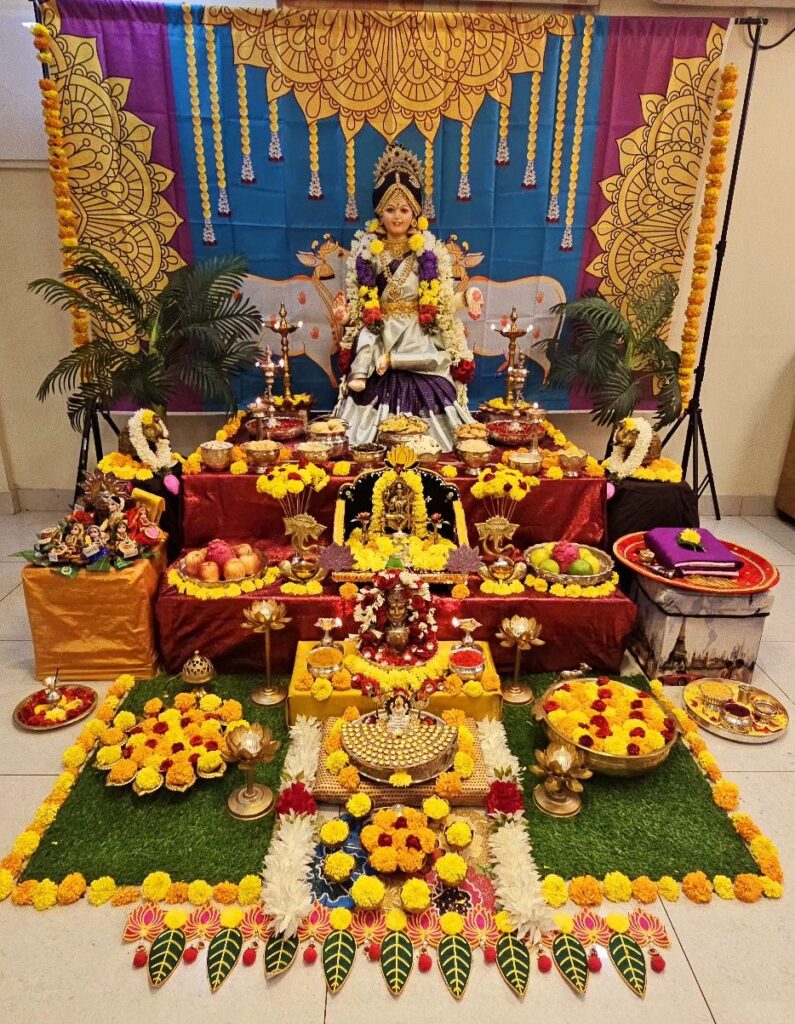
Dhanteras Puja Vidhi Dhanteras opens the Diwali season with a focus on wealth, health, and spiritual renewal. The day honors Goddess Lakshmi for prosperity and Lord Dhanvantari for well-being, blending material success with inner balance. In 2026 the festival falls on Friday, November 6, 2026 , with the Dhantrayodashi 2026 rituals beginning on the evening of 5th November and continuing into the next night. Families prepare for Lakshmi puja on Dhanteras by decorating their homes, lighting lamps, and setting up altars to invite abundance. The extended muhurta is ideal for the traditional Dhanteras gold purchase 2026, a practice believed to attract lasting fortune while marking the start of joyful Diwali celebrations. What is Dhanteras? (Meaning & Origin) Dhanteras marks the first day of Diwali and is dedicated to both material prosperity and lasting health. The name combines the Sanskrit words Dhan, meaning wealth, and Teras, meaning the thirteenth day, pointing to its observance on the thirteenth lunar day of the Kartik month. It signals the start of the festival of lights and is considered one of the most auspicious days for inviting fortune into the home. The origin of Dhanteras reaches back to the Samudra Manthan, the cosmic churning of the Ocean of Milk by devas and asuras to obtain amrit, the nectar of immortality. During this event Goddess Lakshmi emerged holding the promise of abundance, while Lord Dhanvantari, the Dhanvantari avatar of Vishnu and Father of Ayurveda, rose carrying the amrit kalash filled with the nectar of eternal health. Their appearance established Dhanteras as a day honoring both wealth and wellbeing. Devotees worship Goddess Lakshmi for prosperity, Kubera as the keeper of treasures, and Lord Dhanvantari for protection from disease. Families perform Lakshmi and Kubera puja along with Dhanvantari puja vidhi, light lamps, and chant Dhanvantari mantra for health to seek blessings of financial stability and robust vitality. These observances make Dhanteras a festival where spiritual harmony and worldly success come together at the very start of Diwali. Dhanteras 2026 Date and Muhurat Dhanteras Puja on Friday, November 6, 2026 Dhanteras Puja Muhurat – 05:33 PM to 07:24 PM Duration – 01 Hour 51 Mins Yama Deepam on Friday, November 6, 2026 Pradosh Kaal – 05:06 PM to 07:48 PM Vrishabha Kaal – 05:33 PM to 07:24 PM Trayodashi Tithi Begins – 09:00 PM on Nov 05, 2026 Trayodashi Tithi Ends – 09:17 PM on Nov 06, 2026 On this evening the Sun will be in Libra and the Moon will transit Virgo, creating a balanced planetary alignment that supports both wealth and health rituals. This combination is viewed as favorable for inviting prosperity and ensuring stability for the months ahead. During the puja muhurat devotees light lamps, perform Lakshmi and Kubera puja, and observe Dhanvantari puja vidhi for health and vitality. The time is also ideal for a Dhanteras gold or silver purchase, bringing auspicious energy and attracting long term prosperity as the Diwali festival begins. Significance of Dhanteras Wealth and Prosperity Dhanteras significance and importance lie in its power to invite abundance and secure financial well-being. The name joins Dhan, meaning wealth, with Teras, the thirteenth lunar day, marking it as the ideal time to attract fortune. Devotees worship Goddess Lakshmi and Kubera and follow Dhanteras remedies for wealth and prosperity, such as purchasing gold, silver, or new utensils to draw positive energy and long term growth. The glow of new valuables is believed to strengthen household prosperity and set a blessed tone for the Diwali 2026 first day Dhanteras. Health and Longevity The festival also celebrates Lord Dhanvantari, the Dhanvantari avatar of Vishnu and eternal Father of Ayurveda. His emergence with the amrit kalash during the Samudra Manthan makes this day a sacred occasion for health and vitality. Families perform Dhanvantari puja vidhi Dhanteras and chant healing mantras while observing National Ayurveda Day on Dhanteras, which promotes natural medicine and the balance of mind, body, and spirit. These rituals honor the divine healer and are believed to strengthen immunity and extend life. Protection and Light Yama Deep Daan Dhanteras is another key custom that brings protection and peace. In the evening families light thirteen earthen lamps at entrances or courtyards and pray to Yama, the deity of death, to safeguard loved ones from untimely harm. The light of the diyas is said to dispel darkness, create a shield of divine energy, and invite harmony into the home. Family Bonding and Spiritual Enrichment Dhanteras also fosters family unity and spiritual awareness. Homes are cleaned and decorated with rangoli, and relatives gather to perform collective prayers and share festive meals. These shared acts of devotion strengthen love and gratitude while preparing households for the joyous days of Diwali. Together these practices highlight the complete meaning of Dhanteras, blending prosperity, health, protection, and inner fulfillment in a single sacred celebration. Legends and Stories Behind Dhanteras Samudra Manthan One of the oldest and most important legends of Dhanteras begins with the Samudra Manthan, the churning of the cosmic Ocean of Milk. The devas and asuras joined forces to obtain amrit, the nectar of immortality, using the Mandara mountain as a churning rod and the serpent Vasuki as the rope. From the swirling ocean emerged many treasures, but the most celebrated were Goddess Lakshmi, who embodies wealth and abundance, and Lord Dhanvantari, the Dhanvantari avatar of Vishnu and Father of Ayurveda. Lord Dhanvantari appeared carrying the sacred amrit kalash filled with the nectar of eternal life, along with a conch, chakra, and healing herbs. His emergence established the link between Dhanteras and both material prosperity and lasting health, inspiring devotees to honor Goddess Lakshmi for fortune and Lord Dhanvantari for vitality through Dhanvantari puja vidhi Dhanteras and related rituals. King Hima and Yama Deep Daan Another famous narrative explains the practice of Yama Deep Daan Dhanteras. King Hima’s horoscope foretold that he would die from a snakebite on the fourth night after his marriage. His young bride refused to accept this fate. On the predicted night she spread her gold ornaments and silver coins in a glittering heap at the doorway and lit countless lamps throughout the house. She entertained her husband with songs and stories to keep him awake. When Yama,

Dhanteras Puja Vidhi Read Post »

e420bf28f4d9acfc000e3aba99866eb6
Puja Vidhi

Vijayadashami Puja Vidhi

Vijayadashami: Meaning, Rituals, History, and Spiritual Significance Vijayadashami, also popularly known as Dussehra, is one of the most significant Hindu festivals celebrated across India. The word “Vijayadashami” translates to “the tenth day of victory.” It marks the triumph of righteousness over wickedness, virtue over vice, and light over darkness. This festival, which falls on the tenth day of the Hindu lunar month of Ashwin, comes right after the nine-day celebration of Navratri and Durga Puja. The beauty of Vijayadashami lies in its diversity of celebrations. In some regions, it is observed to honor Lord Rama’s victory over Ravana, while in others, it signifies Goddess Durga’s triumph over the demon Mahishasura. No matter how it is celebrated, the essence remains the same: the eternal message that good always prevails over evil. In this comprehensive blog post, we will explore the meaning, history, rituals, regional celebrations, and spiritual significance of Vijayadashami. We will also answer frequently asked questions and shed light on why this festival remains one of the most revered occasions in Hindu tradition. The Meaning of Vijayadashami The term “Vijayadashami” comes from two Sanskrit words—Vijaya (victory) and Dashami (tenth day). It represents the day when victory was achieved over evil forces. The festival is deeply symbolic, urging people to rise above negativity, embrace righteousness, and live with courage and truth. Vijayadashami is not only about remembering divine victories but also about reminding ourselves of the inner battles we must fight—against greed, pride, anger, and ignorance. The Mythological Significance 1. Victory of Lord Rama In northern India, Vijayadashami celebrates Lord Rama’s victory over the ten-headed demon king Ravana, who had abducted Goddess Sita. This tale is immortalized in the Ramayana. Effigies of Ravana, along with his brothers Meghnath and Kumbhkaran, are burned to symbolize the destruction of evil. 2. Triumph of Goddess Durga In eastern India, particularly West Bengal, Vijayadashami marks the end of Durga Puja, where Goddess Durga defeated the buffalo demon Mahishasura after a nine-day battle. On this day, the goddess is bid farewell with grand immersion processions (Visarjan), symbolizing her return to her divine abode. 3. Victory of Arjuna in Mahabharata In some traditions, Vijayadashami is associated with Arjuna’s victory in the Mahabharata. It is believed that he retrieved his weapons hidden in a Shami tree on this day and defeated the Kauravas. For this reason, the Shami Puja is performed in some regions. Rituals of Vijayadashami Vijayadashami is celebrated with devotion, joy, and grandeur across India. The rituals vary according to regions but share the same spirit of victory. Morning Prayers and Puja Devotees start the day with prayers, chanting mantras, and offering flowers and sweets to deities. Special pujas are performed in homes and temples to seek blessings. Ramlila and Ravana Dahan In northern India, the Ramlila—a dramatic enactment of Lord Rama’s life—is staged over the days of Navratri. On Vijayadashami, it concludes with the burning of huge effigies of Ravana, Meghnath, and Kumbhkaran, accompanied by fireworks and cheers. Durga Visarjan In Bengal, Odisha, and Assam, grand processions accompany the immersion of Durga idols in rivers or seas. Married women perform Sindoor Khela (smearing of vermilion) as part of the farewell ritual. Shami Puja and Ayudha Puja In Karnataka, Tamil Nadu, and Andhra Pradesh, people perform Ayudha Puja, where tools, vehicles, and instruments are cleaned, decorated, and worshipped, acknowledging them as sources of livelihood. In Maharashtra, the Shami tree is worshipped, and its leaves are exchanged as symbols of gold and prosperity. Golu and Saraswati Puja In Tamil Nadu and Kerala, Vijayadashami is associated with Vidyarambham—a ritual where children are initiated into learning by writing their first letters. It signifies the goddess Saraswati’s blessings for wisdom and knowledge. Regional Celebrations of Vijayadashami India’s cultural diversity is beautifully reflected in the different ways Vijayadashami is celebrated. The Spiritual Significance of Vijayadashami Vijayadashami goes beyond rituals and festivities. Spiritually, it signifies: Conquering inner demons: Just as Rama and Durga fought external demons, devotees are reminded to conquer inner weaknesses like anger, envy, and ignorance. Balance of power: The festival emphasizes the balance between destruction of evil and the preservation of righteousness. Renewal and hope: Immersion of idols signifies the cycle of creation and dissolution, reminding us of life’s impermanence. Gratitude and humility: Rituals like Ayudha Puja reflect respect for tools and resources that sustain life. Vijayadashami in Modern Times In contemporary times, Vijayadashami continues to thrive with even greater enthusiasm. Modern pandals, themed Ramlila performances, global celebrations by Indian diaspora, and digital live streaming of rituals make the festival accessible to all. However, its core message remains unchanged: the eternal victory of good over evil. In a fast-paced world filled with challenges, Vijayadashami serves as a reminder that truth and righteousness always prevail.

Vijayadashami Puja Vidhi Read Post »

e8d6a7d3610a1d6e6efa689027d67230
Puja Vidhi

Navratri Pooja Vidhi

Navratri Pooja Vidhi Ghat (Kalash) Sthapana (First day of Navratri) 1. First take the wide clay patra (the one which would be used to keep the Kalash) to sow the Barley seeds. Spread the first layer of the soil into the patra and then spread the barley seeds. Now add the second layer of the soil and seeds. In second layer grains should be spread near the periphery of the patra. Now spread the third and final layer of the soil into the patra. If needed add little water to the patra to set the soil.2. Now tie the sacred thread (mouli) on the neck of the Kalash and fill it up with the pure water & Gangajal up to the neck. Drop Betel Nut (Supari), few drops of scent (Itra), Haldi Gaanth, Akshat and few coins into the water. Keep 5 leaves of Ashoka or Mango at the edge of the Kalash before covering it with the lid. Fill the lid with raw rice (Sabut Chawal) provided.3. Now take the coconut (Nariyal) and wrap it with the red cloth given. Fasten the coconut and red cloth with the sacred thread.4. Now keep the coconut on top of the Kalash. At last put the Kalash in the center of the wide patra.5. Now invoke Goddess Durga and request Her to accept your prayers and to oblige you by residing into the Kalash for nine days.6. Now show the lamp (Deepak) to the Kalash and all deities invoked in it. After lamp offering, light Incense sticks & Dhoop cone and offer it to the Kalash, followed by flowers and scent. Finally offer Naivedhya (Prashad) i.e. fruits and sweets to the Kalash. Chowki Sthapna (First day of Navratri) 1. Put chaowki at the right side of the Kalash.2. Spread the red cloth on chowki.3. Place idol or picture of Goddess Durga on the chowki.4. Offer Chandan Tilak on Goddess’s forhead.5. Put on Red Chunary & Garland (Mala) over Godess idol or picture6. Also place Pataka (Flag) on temple or Chowki Navratri Daily Pooja Vidhi 1. Take small clay patra (Agyari / Dhooni Patra)2. Add a burning cow dung cake (Upla) to the patra, pour a little ghee & hawan samagri over that & set it to fire with the help of camphor.3. Worship flame (Agni) and Durga picture with roli-akshat and show the lighten lamp, Incense sticks & Dhoop Cone to them.4. Offer Loung Joda (2 Cloves) with Batasha, Paan, Betel Nut (Supari), Kamalgatta, Guggal, Caradamom, Scent to the flame (Agni)5. You can also offer some Guggal Lovan Powder to the flame.6. Offer Naivedhya (Prashad) Panch – Meva / sweet / fruits to the flame7. Now Read Durga Saptshati, Navratri Durga pooja book and at last do Durga Arti.

Navratri Pooja Vidhi Read Post »