























Vagarthaviva Sampruktau
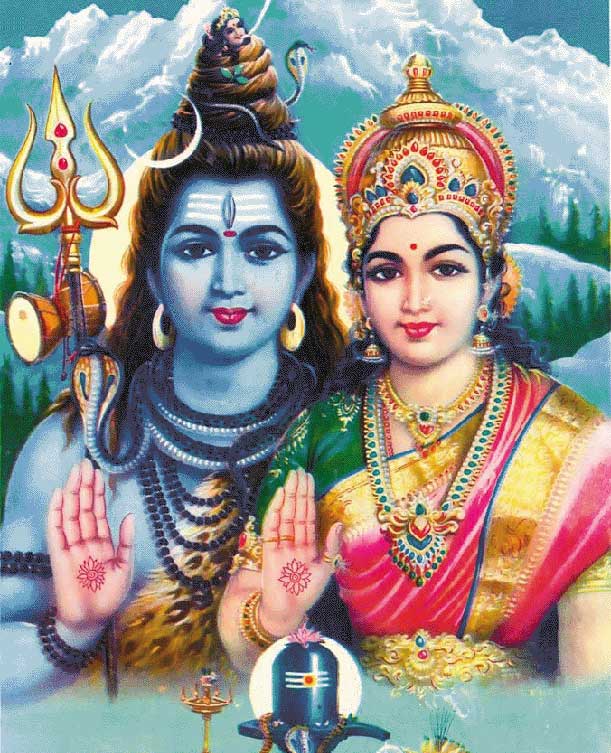
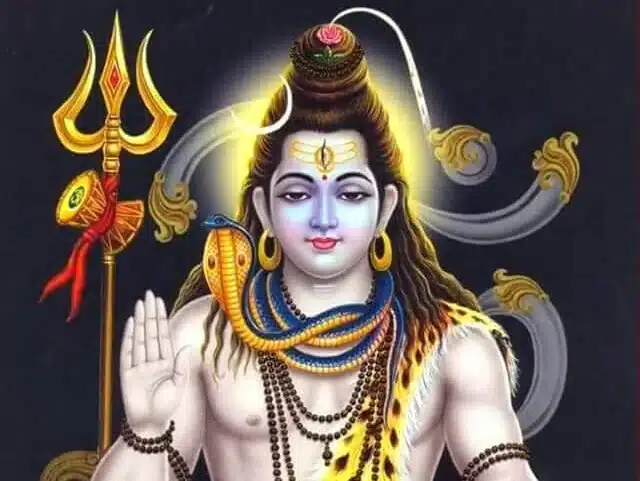
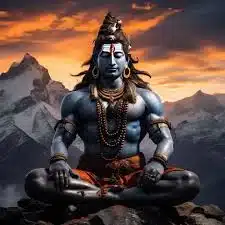
Vagarthaviva Sampruktau वागर्थाविव सम्प्रुक्तौ वागर्थप्रतिपत्तयेजगतः पितरौ वन्दे पार्वतीपरमेश्वरौ vāgarthāviva sampruktau vāgarthapratipattayejagataḥ pitarau vande pārvatīparameśvarau I worship Parvati and Parameshwara, the parents of the world, who are inseparable, just like a word and its sense, in order to guide me in acquiring the right understanding of words and their meanings. Alternate meaning when Parvathi Paramaeshvarau is considered as Parvathipa Rameshvaru: Kalidasa is praying to Lord Shiva and Lord Vishnu who are ‘Pitharau’ (fathers) to this Jagath who are inseparable like the word and the meaning. Description This is the opening sloka in divine poet Kalidasa’s Raghuvamsam, a sanskrit epic (Mahākāvya) consisting of 1,564 stanzas describing the lineage of kings of the Raghu dynasty (ancestors of Sri Rama). The literal interpretation of this Shloka is that it is a prayer by Kalidasa, addressed to deities Lord Shiva and Parvathi, seeking their blessings for proficieny in literature as he begins the epic Raghuvamsa. i.e. For the correct grasping of words and their sense I bow to Parvati and Parameshvara who are the parents of the universe and are inseperable like words and their meaning. vāgarthāviva – This compound splits as ‘vaak arthau iva’ . vaak is ‘word’ and artha is ‘meaning’ in this context. The word iva means ‘like’. The meaning of the phrase would be ‘just like the word and its meaning’ samprukthau – sampruktha is ‘blended into one’ or ‘attached’ (to each other) vaagartha – vaak and artha, the word and its meaning prathipaththaye – means ‘in order to acquire’ jagatha – jagath is the world. The Lord (naatha, pathi) of jagath is Jagannaatha or Jagathpath. pitharau – pitha is father. pitharau in this context would be parents vandhe – to salute paarvathi parameshvarau – Paarvathi is Goddess Uma and Parameshwara is Lord Shiva To summarize, Kalidasa prays to the divine parents Paarvathi & Parameshwara who are inseparable like the word and its meaning, in order to guide him in acquiring the power of words and their meanings (literature) as he embarks on the Mahakavya, Raghuvamsa. There is another interpretation at work here in terms of whom Kalidasa was actually praying to. If the final phrase is rearranged a bit, we get the below: paarvathipa rameshvarau Now pa: in Sanskrit can indicate ‘Lord of/Husband of’. Thus paarvathipa can mean Lord Shiva (Husband of Paarvathi). Rameshvara can be split as Ramaa- Ishvara, meaning, the Lord of Ramaa (Goddess Lakshmi) who is Lord Vishnu. Thus this can also mean that Kalidasa is praying to Lord Shiva and Lord Vishnu who are Pitharau (fathers) to this Jagath who are inseparable like the word and the meaning. The audio (click play at the top of the page) renders both these versions!
Vagarthaviva Sampruktau Read Post »