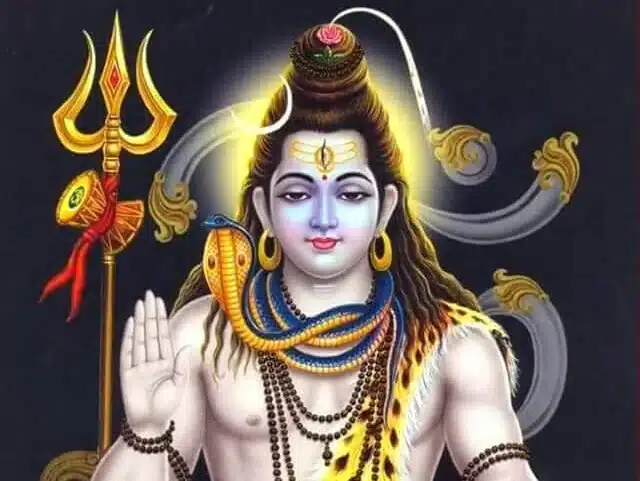
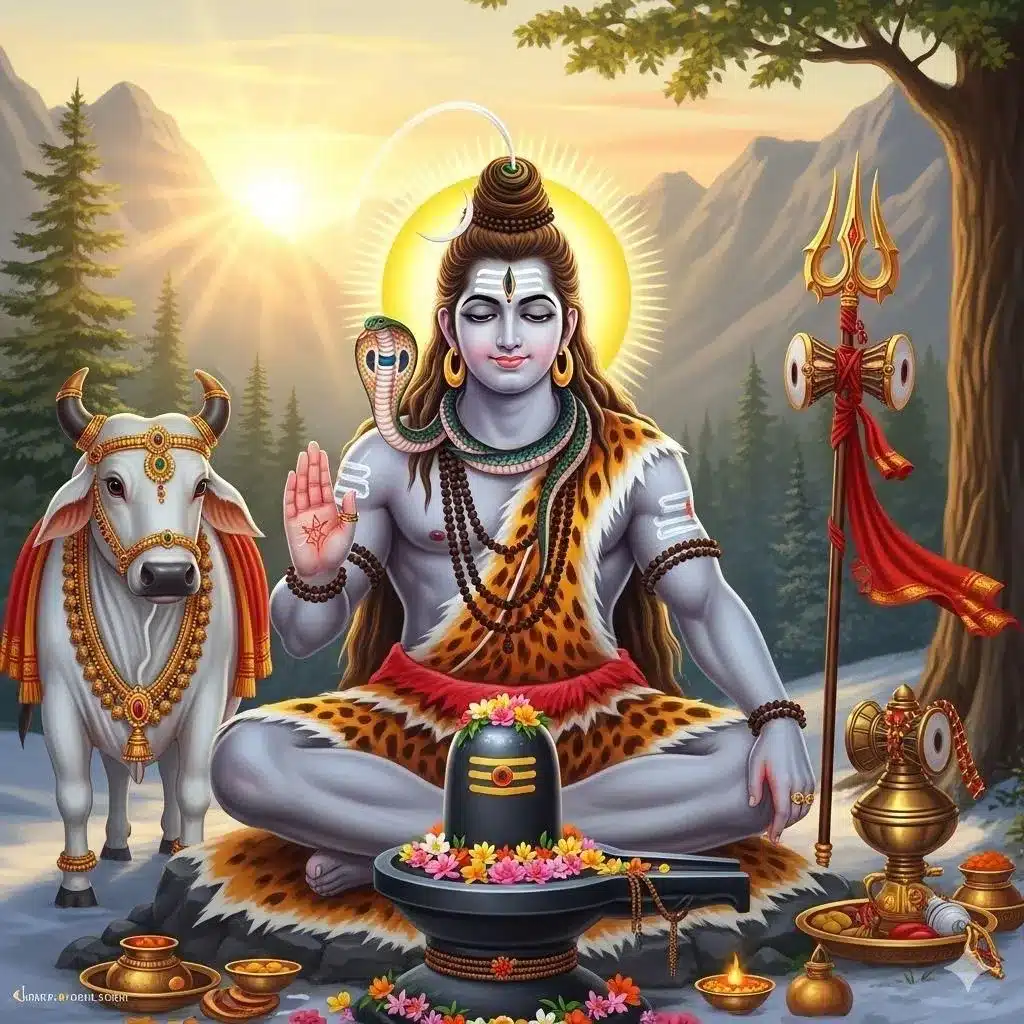
Guru Sishya Parampara सदाशिव-समारम्भां शङ्कराचार्य-मध्यमाम्।अस्मदाचार्य-पर्यन्तां वन्दे गुरु-परम्पराम्॥१॥ sadāśiva-samārambhāṃ śaṅkarācārya-madhyamām.asmadācārya-paryantāṃ vande guru-paramparām..1.. Salutation to the lineage starting with lord Sadasiva, with Adi Sankara in the middle and continuing up to my immediate teacher. नमोऽस्तु ते व्यास विशालबुद्धे फुल्लारविन्दायतपत्रनेत्र।येन त्वया भारततैलपूर्णः प्रज्चालितो ज्ञानमयः प्रदीपः ॥२॥ namo’stu te vyāsa viśālabuddhe phullāravindāyatapatranetra.yena tvayā bhāratatailapūrṇaḥ prajcālito jñānamayaḥ pradīpaḥ ..2.. Obeisance to thee, O Vyasa, of might intellect, with eyes large as a petal of a fully blossomed Lotus, and it was by thee the lamp of wisdom was lit filled with the oil that is Mahabharata श्रुति-स्मृति-पुराणानाम् आलयं करुणालयम्।नमामि भगवत्पाद- शङ्करं लोकशङ्करम्॥३॥ śruti-smṛti-purāṇānām ālayaṃ karuṇālayam.namāmi bhagavatpāda- śaṅkaraṃ lokaśaṅkaram..3.. I bow at the feet of the Lord in the form of Sri Sankarācārya, who is the blessing for the humanity, who is the shrine for the śruti, the smrti and the purana, and, who is the abode of compassion. शङ्करं शङ्कराचार्य केशवं बादरायणम्।सूत्र-भाष्य-कृती वन्दे भगवन्तौ पुनः पुनः॥४॥ śaṅkaraṃ śaṅkarācārya keśavaṃ bādarāyaṇam.sūtra-bhāṣya-kṛtī vande bhagavantau punaḥ punaḥ..4.. Salutations again and again to Lord Siva in the form of Śrī Śankarācārya and Lord Vişnu in the form of Veda Vyasa (badarāyana), who were the authors of sutra and bhāṣya. गुरुर्ब्रह्मा गुरुर्विष्णुः गुरुर्देवो महेश्वरः।गुरुः साक्षात् परं ब्रह्म तस्मै श्रीगुरवे नमः॥५॥ gururbrahmā gururviṣṇuḥ gururdevo maheśvaraḥ.guruḥ sākṣāt paraṃ brahma tasmai śrīgurave namaḥ..5.. Guru is Brahma, Vishnu and Mahesha, in fact guru is Prabrahma himself, the Brahman, the Absolute. Salutations to such guru. श्रीचिन्मय-यतीशस्य गुरुं वन्दे तपोवनम्।तं हिमवद्-विभूतिं वै ज्ञान-वैराग्य-रूपिणम्॥६॥ śrīcinmaya-yatīśasya guruṃ vande tapovanam.taṃ himavad-vibhūtiṃ vai jñāna-vairāgya-rūpiṇam..6.. समस्त-जन-कल्याणे निरतं करुणामयम् ।नमामि चिन्मयं देवं सद्गुरुं ब्रह्मविद्वरम्॥७॥ samasta-jana-kalyāṇe nirataṃ karuṇāmayam .namāmi cinmayaṃ devaṃ sadguruṃ brahmavidvaram..7.. I salute, Shri Chinmaya, the noble teacher, the best of the knowers of Brahman (the highest Reality), and who full of compassion, is ever engaged in the welfare of all people. Description Guru-Sishya Parampara is the teacher-disciple lineage. Being a civilization that respects experiential knowledge, we hold high respect for the teacher of such knowledge. Below is commentary for selected verses: sadāśiva-samārambhāṃ śaṅkarācārya-madhyamām.asmadācārya-paryantāṃ vande guru-paramparām Salutation to the lineage starting with lord Sadasiva, with Adi Sankara in the middle and continuing up to my immediate teacher. Being a civilization that respects experiential knowledge, we hold high respect for the teacher of such knowledge. Guru is said to be worthy of such respect and unwavering trust of the disciple, since he takes the responsibility for molding the disciple into what he should be. The disciple that follows Guru’s word with faith, is supposed to be assured of reaching the goals (sometimes irrespective of the personal merit of the teacher). The Advaita Guru-Paramparā (“Lineage of Gurus in Non-dualism”) is the traditional list (parampara) of divine, Vedic and historical teachers of Advaita Vedanta. It begins with the Daiva-paramparā, the gods; followed by the Ṛṣi-paramparā, the Vedic seers; and then the Mānava-paramparā, with the historical teachers Gaudapada and Shankaracharya, and four of Shankara’s pupils. Of the five contemporary acharyas, the heads of the five Advaita mathas, four acharyas trace their lineage to those four pupils and one to Adi Shankara himself. Deva, Rsi and Manav ParamparāThe Advaita guru-paramparā (Lineage of Gurus in Non-dualism) begins with the mythological time of the Daiva-paramparā, followed by the vedic seers of the Ṛṣi-paramparā, and the Mānava-paramparā of historical times and personalities: Daiva-paramparāNārāyaṇaPadmabhuva (Brahmā) Ṛṣi-paramparāVaśiṣṭhaŚaktiParāśaraVyāsaŚuka Mānava-paramparāGauḍapādaGovinda bhagavatpādaŚankara bhagavatpāda, and then Shankara’s four disciplesPadmapādaHastāmalakaToṭakaVārtikakāra (Sureśvara) and others Each Yuga has its own gurus or Acharyas: In the Satya or Krata Yuga: Lord Narayana and Lord Brahma.In the Treta Yuga: Vasishta Maharishi, Śakti Maharṣi and Parashara Maharishi.In the Dvapara Yuga: Veda Vyasa and Sri Shuka AcharyaIn the Kali Yuga: Sri Gaudapada Acharya, Govinda Bhagavatpadacharya, Shri Shankarāchārya, and the subsequent lineage. Jagadgurus of the four Advaita MathasAccording to tradition, Sankara organised a section of the Ēkadaṇḍisannyāsins into the Dashanami Sampradaya, establishing four mathas in north, west, east, and south India, to facilitate the teaching of Advaita Vedanta, and maintain the dharma. He entrusted his four disciples to each of these four mathas. Some of the famous and current Mathadhipatis titled ‘Sankaracharyas’ are listed below: Sringeri Sharada PeethamSri Sacchidananda Shivabhinava Narasimha Bharathi Mahaswami, Jagadguru of Sringeri Sharada Peetham (1865–1912); initiated many into Adi Shankaracharya’s philosophy including Sacchidanandendra Saraswati- founder of Adhyatma Prakashana Karyalaya; known as “Abhinava Shankara” because of his many tours around Bharatvarsha spreading the Advaita Vedanta philosophy and Hindu Dharma Sri Chandrashekhara Bharathi Mahaswami, Jagadguru of Sringeri Sharada Peetham (1912–1954). Sri Abhinavavidya Tirtha Mahaswamiji, Jagadguru of Sringeri Sharada Peetham (1954–1989); A great Yogi and master of scriptures. In His many tours of Bharatvarsha and also Nepal He established many maths, shrines and temples. Sri Bharathi Tirtha Mahaswami, Jagadguru of Sringeri Sharada Peetham (1989- ); A sage and present Jagadguru of Shringeri Peetha, Sringeri, Karnataka. Jyotir MathSwaroopanand Saraswati Govardhan PeethamKalika Pitha This famous sloka lists the essential Advaita Guru parampara as follows: Sada Shiva SamarambhamSankaracharya MadhyamamAsmat aacharya ParyanthamVande Guru Paramparaa Which translates as: Beginning with lord Sadashiva,With Sankaracharya in the middle,And till my acharya,I bow to the tradition of teachers For more information please visit this wikipedia article. śrutismrtipurāṇānam alayam karunālayamnamāmi bhagavatpadam sankaram lokaśankaram. I bow at the feet of the Lord in the form of Sri Sankarācārya, who is the blessing for the humanity, who is the shrine for the śruti, the smrti and the purana, and, who is the abode of compassion. In this verse, there is a statement of fact: Sri Sankara is srutismrtipurananam alayam. A shrine, a temple, is called alaya. Also any place where a sacred thing is kept is an alaya. Books are sacred, so a library is called pustakalaya. Sri Sankaracarya is an alaya of sruti-smrti-puranas. Sruti is all the Vedas, the karmakanda as well as the last portion of the Vedas known as Vedanta. Since sruti has come down to us through the rishis, there is no authorship (apaurusheyatvam), whereas, smrti has authorship. The kalpa-sutras are a development of the statements of the smrti, written by people who had a status similar to the one the rishis enjoyed. They knew about rituals, values, dharma, etc. All the dharma-sastras come under smrti. Even itihasa is called smrti. It is a combination of history and poetry, unlike Indian history, that is half history and half fiction! The purana appears on a bigger canvas. Its