













Hari Om

Menu

Getting Started

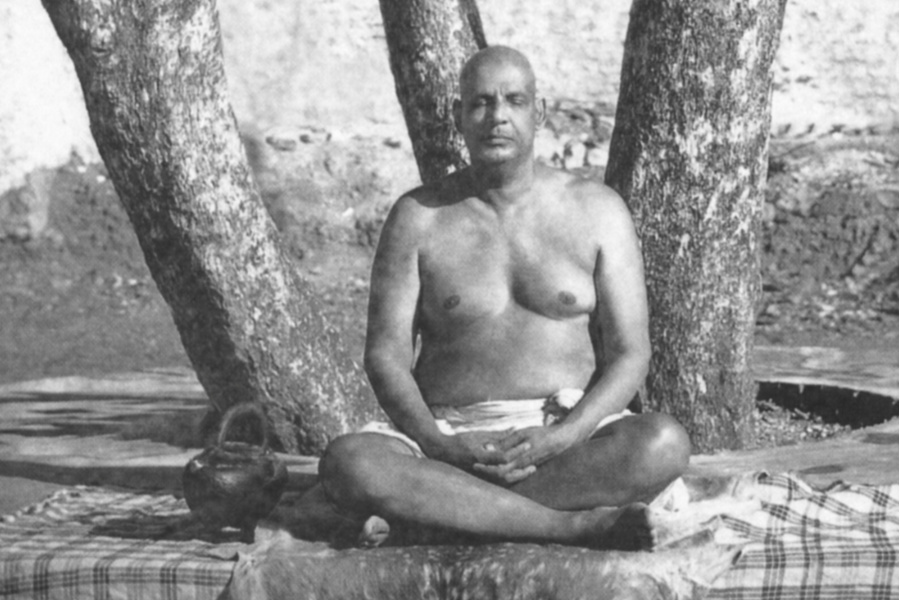
swami sivananda Monk meditating under tree outdoors image
Getting Started, Swami Sivananda

Physical Culture

Physical Culture by Swami Sivananda Physical culture or development of the body is as much important as the development of the mind, will, or memory. If the body is not kept strong and healthy, vigorous and active, no culture is possible. All cultures depend upon a sound body. “Mens sana in corpore sano” is a wise saying, which means ‘a sound mind in a sound body’. The body is the temple of God. It should always to be kept scrupulously clean by daily bath, good scrubbing with a clean towel, to open the pores of the skin which might have been clogged by sweat and sebum or fatty exudation. There are different kinds of physical culture. You will, of course, have to select one according to your needs, taste, temperament and capacity. A man of delicate and poor health should take to long brisk walks, both morning and evening. You should always make it a point to walk alone. Then you can feel the presence of the Almighty everywhere, and can be in perfect tune or harmony with nature. Morning walks are very pleasant. The cool breeze is very refreshing and vitalising. The fragrance of flowers in gardens is, indeed, invigorating. Finish the walk before sunrise. The walk should not be like that of a matrimonial procession. Slow walking cannot give you any substantial benefit. It should, therefore, be brisk. You should have good perspiration. Then only it is an exercise. You should always walk at least three or four miles per day. You can do Pranayama, too, while walking. Inhale for six steps. Retain for six steps. Then exhale for six steps. This is a good practice. Now I come to another kind of exercise, viz., running. This is the best form of exercise. The lungs are developed well by running. The blood is purified. Run in the open air. I like this very much. I always run in the open air even now. You can have exercise of a truly vigorous type in a short space of time. The famous surgeon, the late Dr. Rangachari of Madras, used to run in the open air daily. Running on the seashore is immensely beneficial. You can charge the lungs with ozone, double volume of pure oxygen. Repeat OM mentally when you run. This will spiritualise the physical exercise. Wipe off the perspiration with your hands. Rub it in the body itself. Do not use a towel. Swimming is also one of the best kind of exercises. It stretches all the muscles of the back. Lumbago is relieved. You can practise Pranayama also, while floating. This can be practised in a big tank or a big well. Tennis is also a good exercise. There is running as well. It is a gentle game that never tires a man much. It is pleasant and exhilarating. It develops the ankles and the fingers as well. Though Badminton is styled “ladies’ game”, yet there is plenty of exercise in it. One has to run from one corner of the court to another. Those who have got strength and who want to develop their chest and arms, shoulders and other muscles, should invariably take to gymnastics. The biceps, the deltoid, and the triceps are well developed. A gymnast has a very beautiful, expanded chest. Pumping, bend-arm march, press-up in the parallel bars, are also very good exercises. The Indian system of exercises, such as Dand-Baithaks, is also very good. There is a symmetrical development of all the members of the body. The effects are lasting. It is also not costly. You need hardly spend a single pie. The Baithaks develop the calf muscles very beautifully. Kasrats develop the chest and arms. You can practise these exercises in any place. You can practise Suryanamaskar also daily. It is highly beneficial for one and all, irrespective of age and sex. It is a happy combination of some Asanas, Pranayamas, and prostrations to God Surya or Sun. Those who suffer from eye-diseases will find a good remedy here. Diseases of the liver, stomach, intestines and kidneys, are infallibly cured. The votaries of Suryanamaskar are daily increasing and the system is becoming more and more popular. The Raja of Oundh (Satara) has written a good book on this system, both in English and Hindi. Asana is a perfect form of physical exercise founded by the Rishis of yore. It is a unique and unparalleled system. It is not merely physical exercise. There is something spiritual, something divine, for the Asanas awaken the Kundalini-Sakti (Serpent-Power). Asana is more than physical exercise. It gives massage to the internal organs. This benefit cannot be derived from any other system. It cures diseases. That is one great advantage in this system. Some Asanas like Sirshasana, Sarvangasana and Siddhasana are very, very useful in the up-keep of Brahmacharya. Bhujangasana, Salabhasana and Dhanurasana remove constipation. The Nauli Kriya, which rotates the muscles of the abdomen, is a unique Kriya, that removes the diseases of the abdomen and increases the digestive fire. No exercise in any system can stand before this Kriya in its potency and efficacy. It is God-sent. There are splendid and admirable exercises for keeping the spine elastic. They are Paschimottanasana and Yoga Mudra, Chakrasana, Ardhasupti Asana and Matsyendrasana. If you do not keep the spine elastic, the spinal column will ossify and degenerate quickly. You will appear old, though you are young. A man who practises these spinal exercises will be as nimble as a squirrel. He will never look old. Whatever the system may be, there should be some exercises to develop the upper extremities, such as the arm and the forearm. There must be some exercises for developing the thighs and legs. There should be some exercises for bending the spine forward, backward and laterally. There must be some exercises for developing the chest and neck and the abdomen. That system which does not contain a happy combination of these exercises is surely defective. Those who are doing exercises
Physical Culture Read Post »

Swami Sivananda seated on chair in arch design image
Getting Started, Swami Sivananda

Thought Culture

Thought Culture by Swami Sivananda This is also another vital subject. Very few people know this art or science. Even the so-called educated people are unaware of this fundamental education. All have random thinking. All sorts of loose thoughts of diverse kinds come and go in the mental factory. There is neither order nor harmony. There is neither rhythm nor reasoning. There is neither concord nor organised working. There is neither system nor discipline. All is in utter chaos and confusion. There is no clarification of ideas. You cannot think of one subject even for two minutes in an orderly and systematic manner. You have no understanding of the laws of thought and the laws of the mental plane. There is a perfect menagerie inside. All sorts of sensual thoughts fight amongst themselves to enter the mind of a sensualist and gain the upper hand. The eye Indriya struggles to bring its own thoughts. It wants to have sight-seeing. The ear Indriya wants to hear radio music, and so on. In the vast majority of persons, only base thoughts, lustful thoughts, thoughts of hatred, jealousy and fear, exist. They cannot entertain a single sublime divine thought even for a second. Their minds are so framed that the mental energy runs into sensual grooves. Every man has got his own mental world, his own mode of thinking, his own ways of understanding things, and his own ways of acting. Just as the face and voice of every man differ from those of another man, the mode of thinking and understanding also differs. That is the reason why misunderstanding easily occurs between friends. One is not able to understand rightly the views of another. Hence friction, rupture and quarrel occur within a minute even amongst fast friends. The friendship does not last long. One should be in tune with the mental vibrations or thought vibrations of another man. Then only one can easily understand another. Lustful thoughts, thoughts of hatred, jealousy and selfishness, produce distorted images in the mind and cause clouding of understanding, perversion of intellect, loss of memory, and confusion in the mind. Every thought has got image, form, dimension, weight, shape, colour, etc. Thought is as much matter as a piece of stone. Thought moves, and passes from one man to another. Thought influences people. A man of powerful thought can influence readily people of weak thoughts. Telepathy is a branch of occult science wherein the Yogi can transmit messages to any man in any part of the world. Telepathy is the first telegraphic or telephonic system in this world, known to Yogins and occultists of ancient days. A thought of anger or hatred sends arrows from the mental factory towards the person aimed at, harms the individual, sets up discord and disharmony in the thought-world, and comes back again to the sender and harms the sender also. If one can understand the effect and power of thought, he will be very careful in the manufacture of his thoughts in his mental laboratory. One should develop the faculty of producing only pure Sattvic thoughts by protracted mental discipline, dietetic adjustments, repetition of good Slokas with meaning, good company, study of divine books, Japa, meditation, Pranayama, prayer, etc. A good man can help his friend, even though he lives at a long distance, by good thoughts. You must not allow any evil thought to enter your mental factory. Watch always your thoughts. Avoid useless and base thinking, and reserve or conserve your mental energy. Energy is wasted in idle thinking. Keep yourself always occupied in doing virtuous actions and the study of religious books. You can thereby cultivate good and sublime thoughts. Destroy random thinking. Take a subject, and think on its different aspects and bearings. When you think so on one subject, never allow any other thought to enter the conscious mind. Again withdraw the mind to the subject on hand. Take for instance: you begin to think on the life and teachings of Jagadguru Adi Sankaracharya. Think of his birthplace, his early life, his character, his personality, his virtues, his preachings, his writings, his philosophy, some of the important utterings in his works or Slokas, the Siddhis that he exhibited from time to time, his Digvijaya, his four disciples, his four Maths, his commentary on the Gita, the Upanishads and the Brahma Sutras. Think of these items one by one, in order. Exhaust them. Again and again bring the mind to the point. Then take up another subject. By this practice, you will develop organised thinking. The mental images will gain intense strength and force. They will become clear-cut and well-defined. In ordinary persons, the mental images are destorted and undefined. Every thought has got an image. A table is a mental image plus some external something. Whatever you see outside has got its counterpart in the mind. The pupil is a small round thing in the eye. Retina is a small structure. How is it that the image of a big mountain seen through a small aperture or structure is cast on the mind? How does the big form of a mountain enter a tiny hole in the eye? This is a Marvel of marvels. The image of a mountain already exists in the mind. The mind is like a big, vast sheet of canvas cloth that contains all the pictures of the objects seen outside. You must have a knowledge of the mental laws, viz., the law of association, the law of relativity, and the law of contiguity. Then you can develop thought-culture very easily. You can remember things through the ‘law of association’. Brahmacharya and pure Sattvic diet are essential for thought- culture. Get up at 4 a.m. Sit on Virasana or Padmasana or Siddhasana. Repeat your Mantra-Om or Ram or Hari Om-for ten minutes, and then practise thought-culture. Have another sitting at night. When you think on one subject, do not allow other thoughts to enter. When you think of rose, think of

Thought Culture Read Post »

Swami Sivananda standing with another monk image
Getting Started, Swami Sivananda

Bhava Culture

Bhava Culture by Swami Sivananda Bhava is a Sanskrit term; there is no proper equivalent in English. It means mental attitude or mental disposition. Bhava is internal feeling. There are three kinds of Bhavas, viz., Sattvic Bhava, Rajasic Bhava and Tamasic Bhava according to the nature of the quality that predominates in man. Sattvic Bhava is divine Bhava. It is Suddha Bhava. Just as thought or memory or will can be cultivated or developed by practice, so also, Bhava can be developed. An evil Bhava can be transmuted into a good Bhava. The Bhava of friendliness or enmity is a mental creation. The enemy or friend is not outside. It is the feeling or imagination from within. An intimate friend of long standing becomes a deadly enemy within a second. One hot or harsh word changes the situation completely within the twinkling of an eye. When there is friendly Bhava, Mr. Smith expects and imagines that his friend Mr. Nicholas will serve him when he is sick, that he will have a good loving company in Mr. Nicholas, that his friend Mr. Nicholas will speak loving words, that he can get a loan of money from Mr. Nicholas when he is in distress, and that Mr. Nicholas will show a loving face and receive him with hospitality when he visits his house. These are the feelings of men when friendly Bhava reigns in their minds. When they lose their friendship, Mr. Smith entertains different kinds of feelings towards Mr. Nicholas. He has no confidence in his old friend and colleague. He is afraid of him. He turns his face when he meets his friend. He speaks ill of him. He thinks that Mr. Nicholas will injure him. The whole position is so radically changed. The Bhava has so completely changed now. Vedanta says: “Man is identical with Brahman (Existence-Absolute) when he gets rid of his ignorance.” A human being erroneously identifies himself with his body and wrongly imagines that he is a little Jiva with little power and little knowledge. This is his present Bhava. This is human Bhava. This should be changed into Brahma Bhava by changing the angle of vision and mode of thinking. Think you are Brahman. Think you are pure and all-pervading intelligence, light and consciousness. Think you are immortal. Think you are omnipotent, omniscient and omnipresent. Think you are Sakshi. Entertain Sakshi Bhava and Akarta Bhava: “I am the witness. I am not the doer. I am not the enjoyer.” By this practice you can destroy the idea of agency and of enjoyer, and free yourself from the bondage of Karmas, and attain the state of Brahman or the highest bliss, knowledge and immortality. Vedanta also adds: “See and feel Brahman everywhere and ignore the names and forms.” It teaches you to develop Atma Bhava or Brahma Bhava by Vichara and right thinking and meditation. When an idea exclusively occupies the mind, a mental state or Bhava corresponding to the nature of the idea comes in. Think of your enemy for sometime, an inimical Bhava will manifest. Think of mercy or universal love; Prema Bhava or Karuna Bhava will manifest. Think of universal service; Seva Bhava will come in. Think of Lord Krishna and His Lilas at Brindavan; Krishna-Prema Bhava will manifest. Feeling always accompanies thinking. You cannot separate thinking from feeling. They are like fire and heat. You should be ever watching the mental states through careful and vigilant introspection, and should not allow any negative and undesirable Bhava to manifest. You must immediately change the evil Bhava by thinking of the opposite Bhava. Positive overpowers the negative. A Sattvic Bhava is a valuable spiritual asset for you. You must always try to get established in Brahma Bhava through Sattvic Bhava. The struggle will be keen in the beginning. There will be internal warfare between the Asurika and the divine Bhavas. The former will try its level best to re-enter the mental factory. In the long run, through constant practice, Sattvic Bhava will carry the day. Food has a direct bearing upon Bhava. Sattvic food easily brings in Sattvic Bhava. Put yourself on an exclusive diet of milk and fruits only for a fortnight and study the nature of your mind and Bhava. You will have a wonderful calm mind with Sattvic Bhava. When there is this Sattvic Bhava, the mind naturally moves towards God, and meditation comes by itself without the least possible effort on your part. When the devotee thinks that he is a servant of the Lord, he entertains Dasya Bhava. When he thinks that the Lord is his friend like the immortal Arjuna, he entertains Sakhya Bhava. When he thinks that the Lord is his son, he develops Vatsalya Bhava. When he thinks that the Lord is his husband like Sufis or Rup-kalaji of Ayodhya, he develops Madhurya Bhava or Kanta Bhava. He feels that the Lord is present everywhere-Sarvam Vasudevamiti-and develops Tanmaya Bhava. A devotee always thinks that God does everything and that he is an instrument in the hands of God. He thinks that he is only Nimitta; this is his Bhava. By entertaining this Bhava, he gives up the idea of agency and enjoyment and thus frees himself from the bonds of Karma. He rests in perfect, unalloyed peace by developing this Bhava. He says when anything happens, whether desirable or undesirable, “God is everything. God does everything for my own good. God is just. Thy Will be done. All is Thine. I am Thine, my Lord.” By the practice of this Bhava, he is always happy, under all circumstances and conditions of life. The Bhavas of a Bhakta and a Vedantin differ. The Vedantin entertains Sakshi and Akarta Bhavas. The Bhakta entertains Nimitta Bhava. The Vedantin develops Brahma Bhava. The Bhakta develops Dasya Bhava. The Vedantin identifies himself with Brahman. The Bhakta entertains the Bhava of duality. He worships and adores. Eventually, through Para Bhakti, the Bhakta also gets Jnana and attains the same state

Bhava Culture Read Post »

swami sivananda Monk in red robes with garland in decorative floral frame image
Getting Started, Swami Sivananda

Ethical Culture

Ethical Culture by Swami Sivananda Do you know the reason why I have chosen this subject as the third item? Atman is the basis of everything. So I have placed spiritual culture in the very beginning. There is intimate relation between Atman and ‘will’. Will is only Atman or God in motion or manifestation. So I have dealt with will-culture after spiritual culture. No spiritual or will- culture is possible without ethical culture. So I have placed this subject as the third important item. Ethical culture will result in ethical perfection. An ethical man is more powerful than an intellectual man. Ethical culture brings in various sorts of Siddhis or occult powers. If you study Yoga Sutras, you will find a clear description of the powers that manifest by observance of the practices of Ahimsa, Satya, Asteya, Brahmacharya and Aparigraha. The nine Riddhis roll under the feet of an ethically developed man. They are ready to serve him. The philosopher need not necessarily be a moral or ethical man; but, a spiritual man must of necessity be moral. Morality goes hand in hand with spirituality. Morality co-exists with spirituality. The three kinds of Tapas, viz., physical, verbal and mental that are prescribed in the seventeenth chapter of the Gita, the practice of Yama in Raja Yoga philosophy, and the Noble Eightfold Path of the Buddhists, viz., right thinking, right endeavour, right action, right living, etc., are all best calculated to develop the moral side of man. Sadachara or right conduct aims at making a man moral, so that he may be fit for the reception of Atma-Jnana or the realisation of the Supreme Tattva. You should always try your level best to speak the truth at all costs. You may lose your income in the beginning. But, in the long run, you are bound to be victorious. You will realise the truth of the Upanishads: “satyameva jayate nanritam. Truth alone triumphs, but not falsehood.” Even a lawyer who speaks the truth in law courts, who does not coach up false witnesses, may lose his practice in the beginning; but later on, he will be honoured by the judge as well as the client. Thousands of clients will flock to him only. He will have to make some sacrifice at the outset. Lawyers generally complain: “What can we do? Our profession is such. We must tell lies. Otherwise we lose our case.” These are false excuses. There was an advocate, a mental Sannyasin who was practising in Uttar Pradesh, who was a friend and benefactor of Sannyasins, who never coached false witnesses, who never took up criminal cases, and yet, he was the leader of the bar and was revered by the judges, clients and colleagues. O, my friends, barristers and advocates, who are killing their conscience and who are slayers of Atman! Will you all follow this noble example and ideal? Be truthful. You will have a peaceful death. Do not kill your conscience in order to have comfortable living, and in order to please your wife. Life here is evanescent and like a bubble. Aspire to become divine. The various formulae-ahimsa paramo dharmah (Non-injuring is the highest of all virtues); satyam vada, dharmam chara (speak the truth and do virtuous actions); do unto others in the same way as you wish others to do unto you; do as you would be done by; love thy neighbour as thyself-are all best calculated to develop the moral aspect of a human being. Morality is the basis for the realisation of Atmic unity or oneness of life or Advaitic feeling of sameness everywhere. Ethical culture prepares you for the Vedantic realisation of sarvam khalvidam brahma (All, indeed, is Brahman; there is no such thing as diversity). All aspirants commit mistakes in jumping to Samadhi and Dhyana all at once, as soon as they leave their houses, without caring a bit for ethical purification. The mind remains in the same condition although they have practised meditation for fifteen years. They have the same jealousy, hatred, idea of superiority, pride, egoism, etc. No meditation or Samadhi is possible without ethical culture. Meditation and Samadhi come by themselves when one has ethical perfection.

Ethical Culture Read Post »

5e2e7ce52f5202368b55ebd57780b4c7
Getting Started, Swami Sivananda

Sadhana Tattva or The Science of Seven Cultures

Sadhana Tattva or The Science of Seven Cultures by Swami Sivananda Introduction An ounce of practice is better than tons of theory. Practice Yoga, Religion and Philosophy in daily life and attain Self-realisation. These 32 instructions give the essence of the Eternal Religion (Sanatana Dharma) in its purest form. They are suitable for modern busy householders with fixed hours of work. Modify them to suit your convenience and increase the period gradually. In the beginning take only a few practicable resolves which form a small but definite advance over your present habits and character. In case of ill-health, pressure of work or unavoidable engagements replace your active Sadhana by frequent remembrance of God. Health Culture Eat moderately. Take light and simple food. Offer it to God before you eat. Have a balanced diet. Avoid chilies, garlic, onions, tamarind, etc., as far as possible. Give up tea, coffee, smoking, betels, meat and wine entirely. Fast on Ekadasi days. Take milk, fruits or roots only. Practice Yoga Asana or physical exercises for fifteen to thirty minutes every day. Take a long walk or play some vigorous games daily. Energy Culture 5. Observe silence (Mouna) for two hours daily and four to eight hours on Sundays. 6. Observe celibacy according to your age and circumstances. Restrict the indulgence to once a month. Decrease it gradually to once a year. Finally take a vow of abstinence for whole life. Ethical Culture 7. Speak the TRUTH. Speak little. Speak kindly. Speak sweetly. 8. Do not injure anyone in thought, word or deed. Be kind to all. 9. Be sincere, straightforward and open-hearted in your talks and dealings. 10. Be honest. Earn by the sweat of your brow. Do not accept any money, things or favour unless earned lawfully. Develop nobility and integrity. 11. Control fits of anger by serenity, patience, love, mercy and tolerance. Forget and forgive. Adapt yourself to men and events. Will Culture 12. Live without sugar for a week or month. Give up salt on Sundays. 13. Give up cards, novels, cinemas and clubs. Fly from evil company. Avoid discussions with materialists. Do not mix with persons who have no faith in God or who criticise your Sadhana. 14. Curtail your wants. Reduce your possessions. Have plain living and high thinking. Heart Culture 15. Doing good to others is the highest religion. Do some selfless service for a few hours every week, without egoism or expectation of reward. Do your worldly duties in the same spirit. Work is worship. Dedicate it to God. 16. Give two to ten percent of your income in charity every month. Share what you have with others. Let the world be your family. Remove selfishness. 17. Be humble and prostrate yourself to all beings mentally. Feel the Divine Presence everywhere. Give up vanity, pride and hypocrisy. 18. Have unwavering faith in God, the Gita and your Guru. Make a total self-surrender to God and pray: “Thy Will be done; I want nothing.” Submit to the Divine Will in all events and happenings with equanimity. 19. See God in all beings and love them as your own Self. Do not hate anyone. 20. Remember God at all times or, at least, on rising from bed, during a pause in work and before going to bed. Keep a Mala in your pocket. Psychic Culture 21. Study one chapter or ten to twenty-five verses of the Gita, with meaning, daily. Learn Sanskrit, at least sufficient to understand the Gita in original. 22. Memorise the whole of the Gita, gradually. Keep it always in your pocket. 23. Read the Ramayana, the Bhagavata, the Upanishads, the Yogavasishtha or other religious books daily or on holidays. 24. Attend religious meetings, Kirtans and Satsangas of saints at every opportunity. Organise such functions on Sundays or holidays. 25. Visit a temple or place of worship at least once a week and arrange to hold Kirtans or discourses there. 26. Spend holidays and leave-periods, when possible, in the company of saints or practice Sadhana at holy places in seclusion. Spiritual Culture 27. Go to bed early. Get up at four O’clock. Answer calls of nature, clean your mouth and take a bath. 28. Recite some prayers and Kirtan Dhvanis. Practice Pranayama, Japa and meditation from five to six O’clock. Sit on Padma, Siddha or Sukha Asana throughout, without movement, by gradual practice. 29. Perform the daily Sandhya, Gayatri Japa, Nityakarma and worship, if any. 30. Write your favourite Mantra or Name of God in a notebook for ten to thirty minutes, daily. 31. Sing name of God (Kirtan), prayers, Stotras and Bhajans for half an hour at night, with family and friends. 32. Make annual resolves on the above lines. Regularity, tenacity and fixity are essential. Record your Sadhana in a spiritual diary daily. Review it every month and correct your failures.

Sadhana Tattva or The Science of Seven Cultures Read Post »

download 34
Getting Started, Swami Sivananda

Twenty Important Spiritual Instructions

Twenty Important Spiritual Instructions by Swami Sivananda 1. Get up at 4 a.m. daily. This is Brahmamuhurta which is extremely favourable for meditation on God. 2. Asana: Sit on Padma, Siddha or Sukha Asana for Japa and meditation for half an hour, facing the east or the north. Increase the period gradually to three hours. Do Sirshasana and Sarvangasana for keeping up Brahmacharya and health. Take light physical exercises as walking, etc., regularly. Do twenty Pranayamas. 3. Japa: Repeat any Mantra as pure Om or Om Namo Narayanaya, Om Namah Sivaya, Om Namo Bhagavate Vasudevaya, Om Saravanabhavaya Namah, Sita Ram, Sri Ram, Hari Om, or Gayatri, according to your taste or inclination, from 108 to 21,600 times daily. 4. Dietetic discipline: Take Sattvic food, Suddha Ahara. Give up chillies, tamarind, garlic, onion, sour articles, oil, mustard, asafoetida. Observe moderation in diet (Mitahara). Do not overload the stomach. Give up those things which the mind likes best for a fortnight in a year. Eat simple food. Milk and fruits help concentration. Take food as medicine to keep the life going. Eating for enjoyment is sin. Give up salt and sugar for a month. You must be able to live on rice, Dhal and bread without any chutni. Do not ask for extra salt for Dhal and sugar for tea, coffee or milk. 5. Have a separate meditation-room under lock and key. 6. Charity: Do charity regularly, every month, or even daily according to your means, say six paise per rupee. 7. Svadhyaya: Study systematically the Gita, the Ramayana, the Bhagavata, Sri Vishnu-Sahasranama. Lalita-sahasranama, Aditya Hridaya, Upanishads or Yoga Vasishtha, the Bible, Zend Avesta, the Koran, the Tripitakas, the Granth Sahib, etc., from half an hour to one hour daily and have Suddha Vichara. 8. Brahmacharya: Preserve the vital force (Veerya) very, very carefully. Veerya is God in motion or manifestation-Vibhuti. Veerya is all power. Veerya is all money. Veerya is the essence of life, thought and intelligence. 9. Prayer Slokas: Get by heart some prayer-Slokas, Stotras and repeat them as soon as you sit in the Asana before starting Japa or meditation. This will elevate the Mind quickly. 10. Satsanga: Have Satsanga. Give up bad company, smoking, meat and alcoholic liquors entirely. Do not develop any evil habits. 11. Fast on Ekadasi: Fast on Ekadasi or live on milk and fruits only. 12. Japa Mala: Have Japa Maala (rosary) round your neck or in your pocket or underneath your pillow at night. 13. Mouna: Observe Mouna (vow of silence) for a couple of hours daily. 14. Speak the truth: Speak the truth at all cost. Speak a little. Speak sweetly. 15. Reduce your wants. If you have four shirts, reduce the number to three or two. Lead a happy, contented life. Avoid unnecessary worry. Have plain living and high thinking. 16. Never hurt anybody: Never hurt anybody (Ahimsa Paramo Dharmah). Control anger by love, Kshama (forgiveness) and Daya (compassion). 17. Do not depend upon servants: Do not depend upon servants. Self-reliance is the highest of all virtues. 18. Self-analysis: Think of the mistakes you have committed during the course of the day, just before retiring to bed (self-analysis). Keep daily diary and self-correction register. Do not brood over past mistakes. 19. Fulfil Duties: Remember that death is awaiting you at every moment. Never fail to fulfil your duties. Have pure conduct (Sadachara). 20. Surrender to God: Think of god as soon as you wake up and just before you go to sleep. Surrender yourself completely to God (Saranagati). Om Santih Santih Santih! This is the essence of all spiritual Sadhanas. This will lead you to Moksha. All these Niyamas or spiritual canons must be rigidly observed. You must not give leniency to the mind.

Twenty Important Spiritual Instructions Read Post »

swami sivananda Yoga demonstration by river with group watching
Getting Started, Swami Sivananda

Realise

Realise by Swami Sivananda The realization of oneness in all existences, manifested and unmanifested, is the goal of human life.Until man recognizes the fact that in essence he is the immortal soul, he will not know himself; through ignorance he identifies himself with the body. When knowledge dawns through annihilation of ignorance, identification with the body vanishes. He becomes one with the Supreme Soul and attains knowledge of Brahman. When the electric lamp is covered by many wrappings of cloth, there will be no bright light. When the cloth is removed one by one, the light grows brighter and brighter. Even so, when the self-resplendent Atman which is covered by the five sheaths is stripped off, by meditation on the pure Self and the practice of ‘neti neti’ doctrine, the self-luminous Atman reveals itself to the meditator. All religions are equally good. God is the fruit of any religion truly practiced. Make no mistake about it. God is one. Truth is one. The colour of the cows may be different, but milk is white. Do not run from sect to sect. Do not jump from creed to creed. You will derive no peace. Peace does not come by fretting and fuming. Out of calmness and strength ensues peace. Acquire calmness and strength by living your religion and by practicing its precepts. Dive within; introspect. Search within. See if you are practicing the tenets of your own faith. If the answer comes ‘No,’ make a firm resolve ‘I will be true to my faith right from this moment’ and live up to your resolve. Peace of mind is bound to follow as day follows night.

Realise Read Post »

Swami Sivananda feet Devotee bowing image
Getting Started, Swami Sivananda

Self-Realisation

Self-Realisation by Swami Sivananda Behind this world-show, behind these physical phenomena, behind these names and forms, behind the feelings, thoughts, emotions and sentiments there dwells the silent witness thy immortal friend and real well-wisher-the Purusha or world teacher, the unseen governor or master, the unknown Yogi, the indivisible power of consciousness or hidden sage. That is the only permanent reality and living truth. That is Brahman or the Supreme Being or the Absolute. That is Atma. That is Self. The goal of human life is to realise the reality behind the changing phenomena. The summum bonum of human aspiration is to attain Self-realisation. Self-realisation alone can make you absolutely free and independent. Trust not your body, mind and senses. Have inner spiritual life. Attain knowledge of the Self through steady devotion and discipline. Drink the nectar of immortality, quench the flames of Samsara and allay its tortures, miseries and sorrows. Friends! Is there not a higher mission in life besides eating, sleeping and talking? Is there not any higher form of eternal bliss than these transitory and illusory pleasures? Is there not a dignified life than the sensual life? How uncertain is life here! How insecure is our existence in this earth-plane with various kinds of fear! How painful is this mundane life? Should we not attempt diligently now to reach a place-the immortal abode, our original sweet home of pristine purity and divine splendour-where there is eternal sunshine, absolute security, perfect peace and where there is neither disease, nor death, nor war? Come, come! Become a Yogi. Come out of your narrow holes or ruts. Crush all sorts of superstitions. Aim high. To become an advocate, or a doctor, or an engineer, or a professor, is the height of your ambition. Can this give you freedom? Can this give you eternal bliss? Can this give you everlasting peace? Can this make you immortal? Do you not like to attain perfection or immortality? Do you not wish to achieve the summum bonum of existence-Kaivalya or independence-Atma Svarajya? Then come, struggle for higher things. Be bold! Look not back. March forward! Enquire: “Who am I?” Hear, reflect, meditate and realise the Atmic splendour! Om is Sat-Chit-Ananda. Om is Infinite. Om is Eternal. Om is Immortality. Sing Om. Chant Om. Feel Om. Santi! Santi! Santi! Peace! Peace! Peace!

Self-Realisation Read Post »

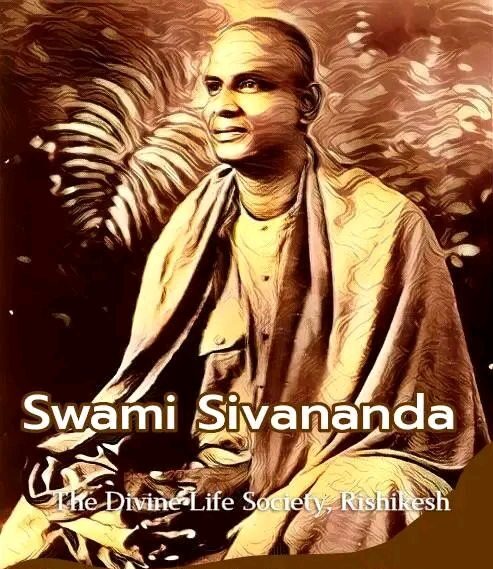
Swami Sivananda Artistic portrait image
Getting Started, Swami Sivananda

Benifits of Meditation

Benifits of Meditation by Swami Sivananda 1. This world is full of miseries and sufferings. If you want to get rid of the pains and afflictions of this Samsara, you must practice meditation. Meditation is the pathway to Divinity. It is the royal road to the Kingdom of Brahman. It is a mysterious ladder which reaches from earth to heaven (Vaikuntha or Kailasa or Brahman) from error to truth, from darkness to light, from pain to Bliss, from restlessness to abiding Peace, from ignorance to Knowledge, from mortality to Immortality. Meditation leads to knowledge of the Self which brings about the eternal peace, supreme Bliss. Meditation prepares you for the integral experience or direct intuitive knowledge. 2. Truth is Brahman. Truth is Atman. Truth is quite pure and simple You cannot realise the Truth without reflection and meditation. Be silent, Know thyself. Know That. Melt the mind in That. 3. Without the help of meditation you cannot attain knowledge of the Self. Without its aid you cannot grow into the Divine state. Without it you cannot liberate yourself from the trammels of the mind and attain Immortality. If you do not practice meditation, the supreme splendour and faceless glories of Atman will remain hidden from you. Tear the veils that cover the soul by practicing regular meditation. Rend asunder the five sheaths that screen the Atman by constant meditation and then attain the final beatitude of life. 4. The fire of meditation annihilates all foulness due to vice. Then suddenly comes knowledge or Divine Wisdom which directly leads to Mukti or final emancipation. 5. There are many valuable trainings of the mind which are essential to mental culture, for instance, the training of the memory, the cultivation of reflection, discrimination, Vichara or enquiry of ‘Who am I?’ The practice of meditation itself is a potent clarifier of memory. The practice of memory-culture powerfully helps the attainment of meditation. 6. Meditation is a powerful tonic. It is a mental and nervine tonic as well. The holy vibrations penetrate all the cells of the body and cure the diseases of the body. Those who meditate save doctor’s bills. The powerful, soothing waves that arise during meditation exercise a benign influence on the mind, nerves, organs and cells of the body. The Divine energy freely flows like Taila-dhara (flow of oil from one vessel to another) from the feet of the Lord to the different systems of the Sadhaka (aspirant). 7. If you can meditate for half an hour, you will be able to engage yourself with peace and spiritual strength in the battle of life for one week through the force of this meditation. Such is the beneficial result of meditation. As you have to move with different minds of peculiar natures in your daily life, get the strength and peace from the meditation and you will have no trouble and worry then. 8. A Yogi who meditates regularly has a magnetic and charming personality. Those who come in contact with him are much influenced by his sweet voice, powerful speech, lustrous eyes, brilliant complexion, strong healthy body, good behaviour, virtuous qualities and Divine nature. Just as a grain of salt dropped in a basin of water dissolves and becomes distributed throughout the whole water, just as sweet fragrance of jessamine pervades the air, so also his spiritual aura becomes infiltrated to the minds of others. People draw joy, peace and strength from him. They are inspired by his speech and get elevation of mind by mere contact with him.

Benifits of Meditation Read Post »

Swami Sivananda standing by riverside landscape image
Getting Started, Swami Sivananda

Kinds of Meditation

Kinds of Meditation by Swami Sivananda 1. There are different kinds of meditation. A particular kind is best suited for a particular mind. The kind of meditation varies according to taste, temperament, capacity and type of mind of the individual. A devotee meditates on his tutelary deity or Ishta Devata. A Raja Yogi meditates on the special Purusha or Isvara who is not touched by the afflictions, desires and Karmas. A Hatha Yogi meditates on the Chakras and their presiding deities. A Jnani meditates on his own Self or Atman. You will have to find out yourself the kind of meditation that is suitable for you. If you are not able to do this, you will have to consult a teacher or preceptor who has attained Self-realisation. He will be able to know the nature of your mind and the correct method of meditation for you. 2. The mind assumes the form of the object it cognises. Then only perception is possible. A Bhakta constantly meditates on the form of his tutelary deity. The mind always takes the form of the deity. When he is established in his meditation, when he attains the stage of Para-Bhakti or supreme devotion he sees his Ishta Devata only everywhere. The names and forms vanish. A devotee of Lord Krishna sees Lord Krishna only everywhere and experiences the state described in the Gita: “Vasudevah sarvam iti-Everything is Vasudeva (Krishna) only.” A Jnani or a Vedantin sees his own Self or Atman everywhere. The world of names and forms vanishes from his view. He experiences the utterances of the seers of the Upanishads: “Sarvam khalvidam Brahma-All indeed is Brahman.” 3. Meditation is of two main kinds, viz., Saguna (concrete) meditation and Nirguna (abstract) meditation. In concrete meditation the Yogic student concentrates on the form of the Lord Krishna, Rama, Siva, Hari, Gayatri or Sri Devi. In abstract meditation he concentrates the whole energy of the mind on one idea of God or Atman and avoids comparisons of memories and all other ideas. The one idea fills the whole mind. 4. When you see the concrete figure of Lord Krishna with open eyes and meditate, it is the concrete form of meditation. When you reflect over the image of Lord Krishna by closing your eyes, it is also concrete form of meditation but it is more abstract. When you meditate on the infinite abstract light it is still more abstract meditation. The former two types belong to Saguna form of meditation, the latter to Nirguna form. Even in Nirguna meditation there is a concrete form in the beginning for fixing the mind. Later on this form vanishes and meditator and meditated become one. Meditation proceeds from the mind. 5. Saguna meditation is meditation on a Murty or form of the Lord. This is a concrete form of meditation for people of devotional temperament. This is meditation with Gunas or attributes of God. Repeat the Name of the Lord or pure Om. Think of His attributes Omniscience, Omnipotence, Omnipresence, etc. Your mind will be filled with purity. Enthrone the Lord in the lotus of your heart amidst a blazing light. Mentally think of His feet, legs, chest, head, hands and the ornaments and dress and again come to His feet. Again and again repeat this process. 6. This is one kind of meditation for beginners. Sit on Padmasana in a solitary room. Close your eyes. Meditate on the effulgence in the sun, splendour in the moon, glory in the stars, beauty in the sky. 7. Meditate on the magnanimity of the ocean, its infinite nature. Compare the ocean with the Infinite Brahman, the waves, foams and blocks of ice to the various names and forms. Identify yourself with the ocean. Become silent. Expand. Expand. 8. This is another kind of meditation. Meditate on the Himalayas. Imagine that the River Ganga takes its origin from the icy region of Gangotri, near Uttarkasi, flows through Rishikesh, Benares and enters the Ganga Sagar in the Bay of Bengal. Himalayas, GangaGanga and finally to the sea. Then again take it to the icy Gangotri. Rotate the mind in this manner for 15 minutes. and the sea, these three thoughts only should occupy the mind. First take your mind to icy Gangotri, then along the Ganga and finally to the sea. Then again take it to the icy Gangotri. Rotate the mind in this manner for 15 minutes. 9. Imagine that there is a fine garden with lovely flowers. In one corner there are Jessamine flowers. In another corner there are beautiful cabbage roses. In the third corner there is the ‘lady of the night.’ In the fourth corner there are Champak flowers. First meditate on Jessamine. Then take the mind to the rose, then to the ‘lady of the night’ and finally to the Champak. Again rotate the mind as above. Do this again and again for 15 minutes. Gross meditation like this will prepare the mind to finer abstract meditation on subtle ideas. 10. Have the figure Om in front of you. Concentrate on this. Do Trataka also with eyes (steady gazing without winking till tears flow profusely). This is both Saguna and Nirguna meditation (with and without attributes). Keep a picture of Om in your meditation room. You can do Puja for this symbol of Brahman. Burn incense, etc., and offer flowers. This suits the modern educated persons. 11. This is abstract meditation on Nirguna Brahman. Repeat Om mentally with Bhava (feeling). Associate the ideas of Sat-chit-ananda, Purity, Perfection, ‘All-joy I am,’ ‘All-bliss I am.’ 12. ‘There is no world. There is neither body nor mind. There is only one Chaitanya (pure consciousness). I am that pure consciousness.’ This is Nirguna meditation (without attributes). 13. Meditation on Mahavakyas is tantamount to meditation on Om. You can take up either ‘Aham Brahma Asmi-I am Brahman’ or ‘Tat Tvam Asi-That thou art.’ These are the Mahavakyas or the great sentences of the Upanishads. Meditate on their significance. Deny or negate

Kinds of Meditation Read Post »