Hari Om

Menu

Durga

6778
Durga

Sri Durga Saptashloki

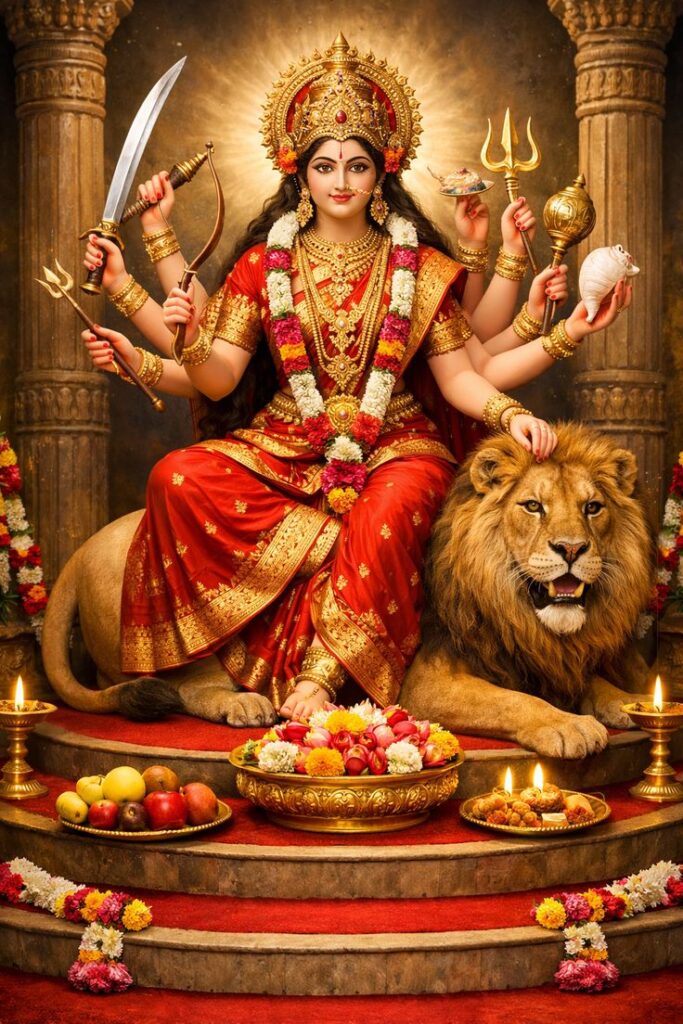
Sri Durga Saptashloki श्रीदुर्गासप्तश्लोकी। अथ सप्तश्लोकी दुर्गा ।शिव उवाचदेवि त्वं भक्तसुलभे सर्वकार्यविधायिनी ।कलौ हि कार्यसिद्ध्यर्थमुपायं ब्रूहि यत्नतः ॥ śrīdurgāsaptaślokī. atha saptaślokī durgā .śiva uvācadevi tvaṃ bhaktasulabhe sarvakāryavidhāyinī .kalau hi kāryasiddhyarthamupāyaṃ brūhi yatnataḥ .. Now begins the Durga Saptashloki (Seven Verses to Durga).Shiva said: O Devi, You are easily accessible to devotees and the accomplisher of all tasks. Please tell me earnestly the means for achieving success in all endeavors during the Kali Yuga. देव्युवाचश‍ृणु देव प्रवक्ष्यामि कलौ सर्वेष्टसाधनम् ।मया तवैव स्नेहेनाप्यम्बास्तुतिः प्रकाश्यते ॥ devyuvācaśṛṇu deva pravakṣyāmi kalau sarveṣṭasādhanam .mayā tavaiva snehenāpyambāstutiḥ prakāśyate .. The Devi said: Listen, O Deva, I shall speak about the means to achieve all desires in the Kali Yuga. Out of love for you alone, this hymn of praise to the Divine Mother is being revealed. ॐ अस्य श्रीदुर्गासप्तश्लोकीस्तोत्रमहामन्त्रस्य नारायण ऋषिः ।अनुष्टुभादीनि छन्दांसि । श्रीमहाकालीमहालक्ष्मीमहासरस्वत्यो देवताः ।श्रीदूर्गाप्रीत्यर्थं सप्तश्लोकी दुर्गापाठे विनियोगः ॥ oṃ asya śrīdurgāsaptaślokīstotramahāmantrasya nārāyaṇa ṛṣiḥ .anuṣṭubhādīni chandāṃsi . śrīmahākālīmahālakṣmīmahāsarasvatyo devatāḥ .śrīdūrgāprītyarthaṃ saptaślokī durgāpāṭhe viniyogaḥ .. Om, of this Sri Durga Saptashloki Stotra Maha Mantra, Narayana is the Rishi (seer). The meters are Anusthubh and others. The presiding deities are Sri Mahakali, Mahalakshmi, and Mahasaraswati. This recitation of the Durga Saptashloki is intended for pleasing Sri Durga. ज्ञानिनामपि चेतांसि देवी भगवती हि सा ।बलादाकृष्य मोहाय महामाया प्रयच्छति ॥ १॥ jñānināmapi cetāṃsi devī bhagavatī hi sā .balādākṛṣya mohāya mahāmāyā prayacchati .. 1.. Even the minds of the wise and learned ones, the Divine Mother Bhagavati, who is indeed the Great Maya (Divine Illusion), forcefully attracts and subjects to delusion. दुर्गे स्मृता हरसि भीतिमशेषजन्तोःस्वस्थैः स्मृता मतिमतीव शुभां ददासि ।दारिद्र्यदुःखभयहारिणि का त्वदन्यासर्वोपकारकरणाय सदाऽऽर्द्रचित्ता ॥ २॥ durge smṛtā harasi bhītimaśeṣajantoḥsvasthaiḥ smṛtā matimatīva śubhāṃ dadāsi .dāridryaduḥkhabhayahāriṇi kā tvadanyāsarvopakārakaraṇāya sadā”rdracittā .. 2.. O Durga, when remembered, You remove all fears of beings; when remembered by those in good health, You bestow exceedingly auspicious wisdom. O destroyer of poverty, sorrow and fear, who else but You exists? Your heart is always compassionate for rendering all kinds of help. सर्वमङ्गलमाङ्गल्ये शिवे सर्वार्थसाधिके ।शरण्ये त्र्यम्बके गौरि नारायणि नमोऽस्तु ते ॥ ३॥ sarvamaṅgalamāṅgalye śive sarvārthasādhike .śaraṇye tryambake gauri nārāyaṇi namo’stu te .. 3.. O auspiciousness of all auspicious things, O benevolent one who fulfills all purposes, O giver of refuge, O three-eyed one, O fair-complexioned Gauri, O Narayani, obeisance to You. शरणागतदीनार्तपरित्राणपरायणे ।सर्वस्यार्तिहरे देवि नारायणि नमोऽस्तु ते ॥ ४॥ śaraṇāgatadīnārtaparitrāṇaparāyaṇe .sarvasyārtihare devi nārāyaṇi namo’stu te .. 4.. O one who is devoted to protecting the humble and distressed who take refuge in You, O Devi who removes all suffering, O Narayani, obeisance to You. सर्वस्वरूपे सर्वेशे सर्वशक्तिसमन्विते ।भयेभ्यस्त्राहि नो देवि दुर्गे देवि नमोऽस्तु ते ॥ ५॥ sarvasvarūpe sarveśe sarvaśaktisamanvite .bhayebhyastrāhi no devi durge devi namo’stu te .. 5.. O one who exists in all forms, O ruler of all, O one endowed with all powers, O Devi, protect us from all fears; O Durga Devi, obeisance to You. रोगानशेषानपहंसि तुष्टा रुष्टा तु कामान् सकलानभीष्टान् ।त्वामाश्रितानां न विपन्नराणां त्वामाश्रिता ह्याश्रयतां प्रयान्ति ॥ ६॥ rogānaśeṣānapahaṃsi tuṣṭā ruṣṭā tu kāmān sakalānabhīṣṭān .tvāmāśritānāṃ na vipannarāṇāṃ tvāmāśritā hyāśrayatāṃ prayānti .. 6.. When pleased, You destroy all diseases; when angry, You destroy all desires and cherished wishes. Those who take refuge in You do not become unfortunate; those who seek Your refuge indeed attain the ultimate refuge. सर्वाबाधाप्रशमनं त्रैलोक्यस्याखिलेश्वरि ।एवमेव त्वया कार्यमस्मद्वैरि विनाशनम् ॥ ७॥॥ इति दुर्गासप्तश्लोकी सम्पूर्णा ॥ sarvābādhāpraśamanaṃ trailokyasyākhileśvari .evameva tvayā kāryamasmadvairi vināśanam .. 7…. iti durgāsaptaślokī sampūrṇā .. O supreme ruler of all three worlds, You are the remover of all obstacles and troubles. In this very manner, let the destruction of our enemies be accomplished by You. Sri Durga Saptashloki – Introduction The Sri Durga Saptashloki is a powerful hymn composed of seven sacred verses in praise of Goddess Durga, extracted from the revered Devi Mahatmyam (also known as Chandi or Durga Saptashati). This concise yet profound stotra encapsulates the essence of the Divine Mother’s infinite grace, power, and compassion. According to the text itself, these verses were revealed by Devi herself to Lord Shiva as a special practice for devotees seeking spiritual upliftment and material well-being, particularly during the challenging times of Kali Yuga. The hymn presents Goddess Durga in her multifaceted glory – as Mahakali (the destroyer of ignorance), Mahalakshmi (the bestower of prosperity), and Mahasaraswati (the giver of wisdom). Each verse beautifully captures different aspects of the Divine Mother’s benevolence: her ability to transcend even the consciousness of the wise through her Maya, her role as the remover of fears and bestower of auspiciousness, her compassionate protection of devotees, and her supreme power over all creation. The Saptashloki serves as both a prayer for protection from worldly troubles and a profound meditation on the nature of divine consciousness, making it one of the most beloved and frequently recited hymns in the Hindu tradition.

Sri Durga Saptashloki Read Post »
mata rani
Durga

Sarva Mangala Mangalye

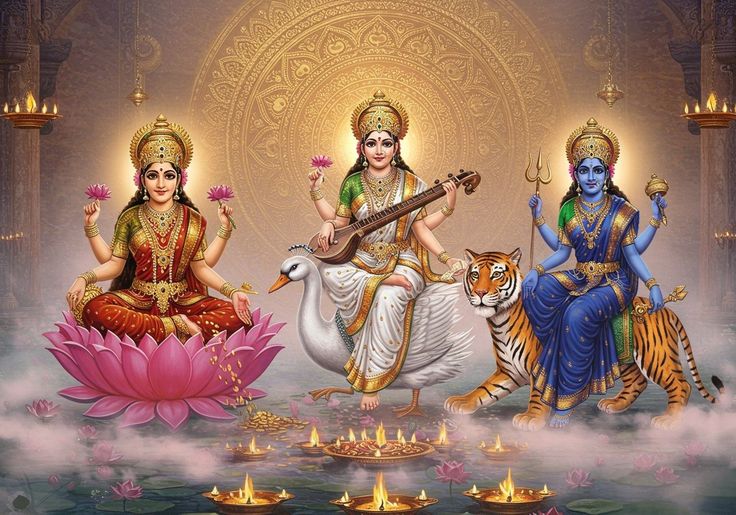
Sarva Mangala Mangalye सर्वमङ्गलमाङ्गल्ये शिवे सर्वार्थसाधिके ।शरण्ये त्र्यम्बके गौरि नारायणि नमोऽस्तु ते ॥ sarvamaṅgalamāṅgalye śive sarvārthasādhike .śaraṇye tryambake gauri nārāyaṇi namo’stu te .. O the most auspicious among all that is auspicious, O consort of Shiva, the fulfiller of all objectives and desires! O refuge of all seekers, O three-eyed one, O Gauri (the radiant goddess)! O Nārāyaṇi, I bow to you in reverence and offer my salutations. Description This verse is a heartfelt invocation to the Goddess, seeking her blessings and protection. It praises her as the source of all auspiciousness, the granter of all desires, and the one who offers refuge. The Goddess is revered in her various forms: Gauri (the fair one), Tryambake (the three-eyed), and Narayani (connected with Vishnu). The prayer is often recited to invite prosperity, well-being, and divine grace, requesting the removal of obstacles and protection in every aspect of life. Word-by-Word meaning sarvamaṅgalamāṅgalye: the most auspicious among all that is auspiciousśive: O benevolent onesarvārthasādhike: one who fulfills all desires and grants all achievements śaraṇye: O refuge of all beings, the one who offers protectiontryambake: the three-eyed goddess (a reference to Goddess Parvati)gauri: O fair-complexioned one nārāyaṇi: consort of Lord Narayana (Vishnu)namo’stu te: I bow to You A powerful Durga Devi mantra. It is from Devi Mahatyam which is part of Markandeya Purana. When Goddess killed two demons Sumbha and Nisumbha, Devas eulogized Devi with their hymns. This hymn is part of their eulogy to Divine Mother. This shlokam comprises seven names praising Goddess Durga. Sarva Mangala Mangalye, Shive, Sarvartha Sadhike, Sharanye, Triyambake, Gauri, Narayani We bow to that great Goddess, the Shakti as the giver of all fortunes and our refuge, our saviour. Commentries on the Devi Mahatyam instruct that this Shlokam can be chanted 7 times daily on a regular basis to attain the blessings of the Goddess. Note: Although Sarvartha Sadhike literally means to say that She fulfills the desires of all, there is another meaning for Sarvartha – the 4 (arthas) attainments in a human life:Dharma (Righteousness, Dutiful Living)Artha (Prosperity, Wealth)Kama (Desire)Moksha (Liberation) Note: There are interpretations of this verse to be dedicated to Goddess Lakshmi as well. In reality those with wisdom do not differentiate between the 3 goddess deities of Lakshmi, Saraswati and Parvati (Durga) and worship all three as the same divine Mother of all.

Sarva Mangala Mangalye Read Post »

8d43b7ef3cea3861c32b5b8c57c7599c
Durga

Navadurga Stotram

Navadurga Stotram नवदुर्गास्तोत्रम्देवी शैलपुत्री ।वन्दे वाञ्छितलाभाय चन्द्रार्धकृतशेखराम् ।वृषारूढां शूलधरां शैलपुत्रीं यशस्विनीम् ॥ navadurgāstotramdevī śailaputrī .vande vāñchitalābhāya candrārdhakṛtaśekharām .vṛṣārūḍhāṃ śūladharāṃ śailaputrīṃ yaśasvinīm .. देवी ब्रह्मचारिणी ।दधाना करपद्माभ्यामक्षमालाकमण्डलू ।देवी प्रसीदतु मयि ब्रह्मचारिण्यनुत्तमा ॥ devī brahmacāriṇī .dadhānā karapadmābhyāmakṣamālākamaṇḍalū .devī prasīdatu mayi brahmacāriṇyanuttamā .. देवी चन्द्रघण्टेति ।पिण्डजप्रवरारूढा चण्डकोपास्त्रकैर्युता ।प्रसादं तनुते मह्यं चन्द्रघण्टेति विश्रुता ॥ devī candraghaṇṭeti .piṇḍajapravarārūḍhā caṇḍakopāstrakairyutā .prasādaṃ tanute mahyaṃ candraghaṇṭeti viśrutā .. देवी कूष्मांडा ।सुरासम्पूर्णकलशं रुधिराप्लुतमेव च ।दधाना हस्तपद्माभ्यां कूष्माण्डा शुभदास्तु मे ॥ devī kūṣmāṃḍā .surāsampūrṇakalaśaṃ rudhirāplutameva ca .dadhānā hastapadmābhyāṃ kūṣmāṇḍā śubhadāstu me .. देवीस्कन्दमाता ।सिंहासनगता नित्यं पद्माश्रितकरद्वया ।शुभदास्तु सदा देवी स्कन्दमाता यशस्विनी ॥ devīskandamātā .siṃhāsanagatā nityaṃ padmāśritakaradvayā .śubhadāstu sadā devī skandamātā yaśasvinī .. देवीकात्यायनी ।चन्द्रहासोज्ज्वलकरा शार्दूलवरवाहना ।कात्यायनी शुभं दद्यादेवी दानवघातिनी ॥ devīkātyāyanī .candrahāsojjvalakarā śārdūlavaravāhanā .kātyāyanī śubhaṃ dadyādevī dānavaghātinī .. देवीकालरात्रि ।एकवेणी जपाकर्णपूरा नग्ना खरास्थिता ।लम्बोष्ठी कर्णिकाकर्णी तैलाभ्यक्तशरीरिणी ॥ devīkālarātri .ekaveṇī japākarṇapūrā nagnā kharāsthitā .lamboṣṭhī karṇikākarṇī tailābhyaktaśarīriṇī .. वामपादोल्लसल्लोहलताकण्टकभूषणा ।वर्धन्मूर्धध्वजा कृष्णा कालरात्रिर्भयङ्करी ॥ vāmapādollasallohalatākaṇṭakabhūṣaṇā .vardhanmūrdhadhvajā kṛṣṇā kālarātrirbhayaṅkarī .. देवीमहागौरी ।श्वेते वृषे समारूढा श्वेताम्बरधरा शुचिः ।महागौरी शुभं दद्यान्महादेवप्रमोददा ॥ devīmahāgaurī .śvete vṛṣe samārūḍhā śvetāmbaradharā śuciḥ .mahāgaurī śubhaṃ dadyānmahādevapramodadā .. देवीसिद्धिदात्रि ।सिद्धगन्धर्वयक्षाद्यैरसुरैरमरैरपि ।सेव्यमाना सदा भूयात् सिद्धिदा सिद्धिदायिनी ॥ devīsiddhidātri .siddhagandharvayakṣādyairasurairamarairapi .sevyamānā sadā bhūyāt siddhidā siddhidāyinī .. इति नवदुर्गास्तोत्रं सम्पूर्णम् । iti navadurgāstotraṃ sampūrṇam . Navadurga Stotram – Introduction The Navadurga Stotram is a sacred hymn dedicated to the nine forms of Goddess Durga, collectively known as the Navadurga (nava means nine). This devotional text holds special significance during the nine-day festival of Navaratri, when each form of the goddess is worshipped on successive days. The stotram serves as a comprehensive prayer that honors the divine feminine in her various manifestations, from the gentle mountain daughter to the fierce destroyer of evil. Each verse is dedicated to one of the nine forms, beginning with Shailaputri and progressing through Brahmacharini, Chandraghanta, Kushmanda, Skandamata, Katyayani, Kalaratri, Mahagauri, and concluding with Siddhidatri. The Navadurga Stotram encompasses the complete spectrum of divine feminine energy, from nurturing motherhood to fierce protection. Each of the nine verses captures the unique attributes, iconography, and spiritual significance of the respective goddess form. The hymn progresses through various aspects of divine power. Nine forms of Durga Shailaputri (1st Day of Navaratri)Meaning: “Daughter of the Mountain” (Shaila = mountain, Putri = daughter)The daughter of the mountains, depicted riding a bull and carrying a trident. She is worshipped for strength, stability, and grounding energy to begin the spiritual journey. Brahmacharini (2nd Day of Navaratri)Meaning: “One who practices devotion” (Brahma = divine/sacred, Charini = one who moves/practices)The ascetic form holding a rosary and water pot, representing penance and devotion. She is worshipped for wisdom, knowledge, and spiritual discipline in studies and meditation. Chandraghanta (3rd Day of Navaratri)Meaning: “Moon Bell” (Chandra = moon, Ghanta = bell)The warrior goddess with a crescent moon on her forehead, riding a tiger. She is worshipped for courage, protection from enemies, and victory in battles both external and internal. Kushmanda (4th Day of Navaratri)Meaning: “Creator of the Universe” (Ku = little, Ushma = warmth/energy, Anda = egg/universe)The cosmic creator with eight arms, residing in the sun’s core and holding various weapons. She is worshipped for health, wealth, prosperity, and the power of creation and manifestation. Skandamata (5th Day of Navaratri)Meaning: “Mother of Skanda” (Skanda = Lord Kartikeya, Mata = mother)The mother of Lord Skanda (Kartikeya), depicted holding her son while riding a lion. She is worshipped for motherly protection, fertility, and blessings for children and family welfare. Katyayani (6th Day of Navaratri)Meaning: “Daughter of Sage Katyayana” (born from Sage Katyayana’s penance)The fierce warrior goddess born from the combined energies of all gods to defeat Mahishasura. She is worshipped for marriage, love relationships, and the destruction of evil forces. Kalaratri (7th Day of Navaratri)Meaning: “Night of Death/Destruction” (Kala = time/death, Ratri = night)The dark, fierce form with four arms riding a donkey, destroyer of demons and negativity. She is worshipped for protection from fear, removal of obstacles, and elimination of negative energies. Mahagauri (8th Day of Navaratri)Meaning: “Great White One” (Maha = great, Gauri = fair/white)The radiant, white-complexioned goddess symbolizing purity and peace. She is worshipped for purification of sins, inner cleansing, and attaining spiritual enlightenment and serenity. Siddhidatri (9th Day of Navaratri)Meaning: “Giver of Supernatural Powers” (Siddhi = supernatural powers, Datri = giver)The supreme goddess who grants all supernatural powers (siddhis) and sits on a lotus. She is worshipped for the fulfillment of desires, spiritual accomplishments, and the attainment of divine powers. This Navadurga stotram is traditionally recited during Navaratri celebrations, daily worship, and personal spiritual practice, believed to invoke the blessings and protection of all nine forms of the Divine Mother while guiding devotees through different stages of spiritual evolution.

Navadurga Stotram Read Post »

c23aa5f5074026ea541c0746e0b34d2b 1
Durga

Mahishasura Mardini Storam

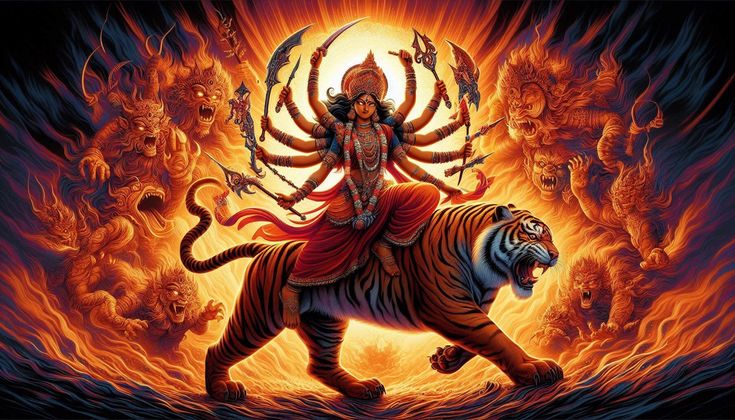
Mahishasura Mardini Storam This is a prayer to the Goddess who killed Mahishasura. “The place where Sri Mahishasura Mardini Stotram is sung every day, I will always be present and never leave.”– The Devi’s proclamation in the 12th chapter of the Devi MahatmyamCommonly referred to as ‘Aigiri Nandini’, the Mahishasura Mardini Stotram holds immense significance especially during Navratri. This stotram is based on the Devi Mahatmyam and extols the different powers (shaktis) of the Devi. The Devi takes different forms of Durga, Lakshmi and Saraswati and destroys the demons – Madhu and Kaitabha, Mahishasura, and Sumbha and Nisumbha. Mahishasura Mardini Stotram is said to bring peace to the devotee and removes all fear and sadness. It drives away negative emotions like doubt, anger, ego and inertia. This stotram also removes obstacles from the path of the believer.

Mahishasura Mardini Storam Read Post »

durda13
Durga, Stotra

Keelaka Stotram

Keelaka Stotram मार्कण्डेय उवाचविशुद्धज्ञानदेहाय त्रिवेदीदिव्यचक्षुषे ।श्रेयः प्राप्तिनिमित्ताय नमः सोमार्धधारिणे ॥१॥ mārkaṇḍeya uvāca .oṃ viśuddhajñānadehāya trivedīdivyacakṣuṣe .śreyaḥprāptinimittāya namaḥ somārdhadhāriṇe .. 1 .. Sage Markandeya said: (I offer my salutations to the one) the essence of whose form is that of pure knowledge (of absolute consciousness) [vishuddha-jnana-dehaya] and whose three divine eyes form the three vedas [tri-vedi-divya-cakssusse],to imbibe that auspiciousness (of pure knowledge). I meditate on Shiva and Shakti in their conscious blissful form. I offer my salutations to Shiva who bears the half-of-soma (soma means moon) and also to Shakti who bears half-of-soma (in her body as ardhanareeswara. Soma here is Shiva). Therefore, she has the same qualities of Shiva, of visuddha jnana deha and trivedi divya cakssu. Keelaka is pin or nail. The conscious form of Shakti is pinned to all the mantras of devi mahatmyam as the underlying principle through the keelaka stotram. सर्वमेतद् विजानीयान्मन्त्राणामपि कीलकम् ।सोऽपि क्षेममवाप्नोति सततं जाप्यतत्परः ॥२॥ sarvametadvijānīyānmantrāṇāmapi kīlakam .so’pi kṣemamavāpnoti satataṃ japyatatparaḥ .. 2 .. All these hymns of Keelaka stotram, one should know, are indeed the keelaka (pin or nail) by which the mantras (of devi mahatmyan are pinned) (i.e. by which the underlying principle of the conscious form of devi are pinned), he who devotes himself to continuously chant these hymns, indeed attains tranquility of mind (i.e. he who continuously meditates on the conscious form of devi in the heart indeed attains tranquility of mind). सिद्ध्यन्त्युच्चाटनादीनि कर्माणि सकलान्यपि ।एतेन स्तुवतां देविं स्तोत्रवृन्देन भक्तितः ॥३॥ siddhyantyuccāṭanādīni karmāṇi sakalānyapi .etena stuvatāṃ devīṃ stotravṛndena bhaktitaḥ .. 3 .. He accomplishes uccatana (eradication of inner enemies) to the very root, and all related (spiritual) accomplishments, by extolling the devi with devotional fervour with this collection of hymns. न मन्त्रो नौषधं तत्र न किञ्चिदपि विद्यते ।विना जप्येन सिद्धयेत्तु सर्वमुच्चाटनादिकम् ॥४॥ na mantro nauṣadhaṃ tasya na kiñcidapi vidyate .vinā japyena siddhyettu sarvamuccāṭanādikam .. 4 .. There are no mantras (hymns) or ousadha (medicine) available, even a trace (which can accomplish uccatana), without chanting (any mantras) one accomplishes uccatana (eradication of inner enemies), all to its very root (by meditating on the conscious form of devi in the heart while reciting the devi mahatmyam).(here reciting devi mahatmyam is not like chanting any mantra to obtain the fruit of uccatana, but for meditation on the conscious form of devi and merging our ego in her.) समग्राण्यपि सेत्स्यन्ति लोकशङ्कामिमां हरः ।कृत्वा निमन्त्रयामास सर्वमेवमिदं शुभम् ॥५॥ samagrāṇyapi setsyanti lokaśaṅkāmimāṃ haraḥ .kṛtvā nimantrayāmāsa sarvamevamidaṃ śubham .. 5 .. People had this doubt, how can it be that everything is indeed accomplished (uccatana and other fruits) by reciting the devi mahatmyam which appears to be full of violence; Lord Shiva summoned and pinned the underlying principle of the conscious form of devi to all the mantras of devi mahatmyam; and having done that all this indeed became auspicious (i.e. now the violence in the battlefield became the auspicious force purging us from within). स्तोत्रं वै चण्डिकायास्तु तच्च गुह्यं चकार सः ।समाप्नोति स पुण्येन तां यथावन्निमन्त्रणाम् ॥६॥ stotraṃ vai caṇḍikāyāstu tacca guhyaṃ cakāra saḥ .samāpnoti sa puṇyena tāṃ yathāvannimantraṇām .. 6 .. That stotra of devi Chandika (i.e. Keelaka stotra), lord Shiva indeed made it hidden (behind every mantra of devi mahatmyam) thus making the conscious form of devi as the object of meditation, he achieves everything by her auspiciousness, when she is invoked in the right manner by meditating on her eternal conscious form. सोऽपि क्षेममवाप्नोति सर्वमेव न संशयः ।कृष्णायां वा चतुर्दश्यामष्टम्यां वा समाहितः ॥७॥ so’pi kṣemamavāpnoti sarvameva na saṃśayaḥ .kṛṣṇāyāṃ vā caturdaśyāmaṣṭamyāṃ vā samāhitaḥ .. 7 .. He indeed attains tranquility of mind and all other fruits, there is no doubt about it, he who meditates (on the devi) on Krishna paksha chaturdashi or ashtami of a month. ददाति प्रतिगृह्णाति नान्यथैषा प्रसीदति ।इत्थंरूपेण कीलेन महादेवेन कीलितम् ॥८॥ dadāti pratigṛhṇāti nānyathaiṣā prasīdati .itthaṃ rūpeṇa kīlena mahādevena kīlitam .. 8 .. While meditating on the conscious form of devi during recitation of devi mahatmyam, he should give himself in surrender to her lotus feet, and receive in return her grace; Otherwise she is not pleased (by mechanical recitation of devi mahatmyam bereft of devotion), in this manner, by the keela (pin of keelaka stotram) Mahadeva pinned the mantras of devi mahatmyam (making the meditation on the conscious form of devi the central theme). यो निष्कीलां विधायैनां चण्डीं जपति नित्यशः ।स सिद्धः स गणः सोऽथ गन्धर्वो जायते ध्रुवम् ॥९॥ yo niṣkīlāṃ vidhāyaināṃ caṇḍīṃ japati nityaśaḥ .sa siddhaḥ sa gaṇaḥ so’tha gandharvo jāyate dhruvam .. 9 .. He who after unpinning the keelaka makes her manifest (i.e. invokes her conscious form in the heart), and then recites the chandi, by constantly dwelling (on her conscious form), he becomes a siddha (spiritually accomplished), he becomes a gana (an attendent of the devi), he becomes a gandharva (celestial singer who glorifies the devi), truly. न चैवापाटवं तस्य भयं क्वापि न जायते ।नापमृत्युवशं याति मृते च मोक्षमाप्नुयात् ॥१०॥ na caivāpāṭavaṃ tasya bhayaṃ kvāpi na jāyate .nāpamṛtyuvaśaṃ yāti mṛte ca mokṣamāpnuyāt .. 10 .. He indeed does not become handicapped (prematurely) with major diseases; fear does not rise in him anywhere (which leads to unnecessary anxiety), he does not become victim of premature death; and after death attains moksha (liberation). ज्ञात्वा प्रारभ्य कुर्वीत ह्यकुर्वाणो विनश्यति ।ततो ज्ञात्वैव सम्पूर्णमिदं प्रारभ्यते बुधैः ॥११॥ jñātvā prārabhya kurvīta hyakurvāṇo vinaśyati .tato jñātvaiva sampūrṇamidaṃ prārabhyate budhaiḥ .. 11 .. Only after knowing (the keelakam), he should begin (reciting the devi mahatmyam); if not done in this manner, he is deprived (of the fruits of recitation), therefore only after knowing this fully (i.e. understanding the keelaka fully), the wise men begin reciting the devi mahatmyam. सौभाग्यादि च यत्किञ्चिद् दृश्यते ललनाजने ।तत्सर्वं तत्प्रसादेन तेन जप्यमिदं शुभम् ॥१२॥ saubhāgyādi ca yatkiñcid dṛśyate lalanājane .tatsarvaṃ tatprasādena tena japyamidaṃ śubham .. 12 .. Whatever good fortune, beauty, charm and the like are seen in women, all that is the result of your grace; Therefore women should chant this auspicious stotra and meditate on the auspicious form of the devi. शनैस्तु जप्यमानेऽस्मिन् स्तोत्रे सम्पत्तिरुच्चकैः ।भवत्येव समग्रापि ततः प्रारभ्यमेव तत् ॥१३॥ śanaistu

Keelaka Stotram Read Post »

a1540e08b50c15187005fece74c8565c
Durga

Kalika Ashtakam

Kalika Ashtakam ध्यानगलद्रक्तमुण्डावलीकण्ठमालामहोघोररावा सुदंष्ट्रा कराला ।विवस्त्रा श्मशानालया मुक्तकेशीमहाकालकामाकुला कालिकेयम् ॥१॥ dhyānagaladraktamuṇḍāvalīkaṇṭhamālāmahoghorarāvā sudaṃṣṭrā karālā .vivastrā śmaśānālayā muktakeśīmahākālakāmākulā kālikeyam ..1.. (Salutations to devi Kalika) from her neck is hanging a garland of (severed) heads from which blood is dripping down,she is making a very terrific sound revealing her large teeth, and her appearance is extremely dreadful to look at,she is without any clothes and residing in the cremation ground; her hair is let loose and free (as is her entire appearance),her entire being is manifesting the great yearning to merge with mahakala (to take the devotees beyond samsara); she is Kalika, the great dark goddess. भुजेवामयुग्मे शिरोऽसिं दधानावरं दक्षयुग्मेऽभयं वै तथैव ।सुमध्याऽपि तुङ्गस्तना भारनम्रालसद्रक्तसृक्कद्वया सुस्मितास्या ॥२॥ bhujevāmayugme śiro’siṃ dadhānāvaraṃ dakṣayugme’bhayaṃ vai tathaiva .sumadhyā’pi tuṅgastanā bhāranamrālasadraktasṛkkadvayā susmitāsyā ..2.. (Salutations to devi Kalika) with her left pair of hands, she is holding a head and a sword (symbols of death), …and in like manner with her right pair of hands, she is depicting the vara (boon-giving) and abhaya (fearlessness) mudras (gestures) (assurance of taking the devotees to the world beyond death),her well-built middle torso is slightly bent with the weight of her lofty breasts,her pair of lips are shining with redness (the colour of blood), at the corner of which is playing a beautiful smile (of death). शवद्वन्द्वकर्णावतंसा सुकेशीलसत्प्रेतपाणिं प्रयुक्तैककाञ्ची ।शवाकारमञ्चाधिरूढा शिवाभिश्_चतुर्दिक्षुशब्दायमानाऽभिरेजे ॥३॥ śavadvandvakarṇāvataṃsā sukeśīlasatpretapāṇiṃ prayuktaikakāñcī .śavākāramañcādhirūḍhā śivābhiś_caturdikṣuśabdāyamānā’bhireje ..3.. (Salutations to devi Kalika) her pair of ear rings are displaying the symbols of corpse (death) and she is having a beautiful long hair,her shining girdle in the waist is made up of the (severed) joined hands of the dead,she is mounted on the platform of corpses; .. and jackals …from all four directions are making howling sounds (of terror); … and in the midst of all these is reigning Kalika, the great dark goddess. स्तुतिःविरञ्च्यादिदेवास्त्रयस्ते गुणास्त्रीन्समाराध्य कालीं प्रधाना बभूबुः ।अनादिं सुरादिं मखादिं भवादिंस्वरूपं त्वदीयं न विन्दन्ति देवाः ॥१॥ stutiḥvirañcyādidevāstrayaste guṇāstrīnsamārādhya kālīṃ pradhānā babhūbuḥ .anādiṃ surādiṃ makhādiṃ bhavādiṃsvarūpaṃ tvadīyaṃ na vindanti devāḥ ..1.. (Salutations to devi Kalika) viranchi (sri brahma) and the other devas of the trinity, by taking recourse to your three gunas, …and equally considering Kali as their aradhya (worshippable), have become the chief among the devas,you are without any beginning, you are the beginning of all devas (i.e. the primordial power giving birth to the devas), you are the beginning of all sacrifices (i.e. the primordial power to which all sacrificial oblations go), you are the beginning of all the worlds (i.e. the primordial power giving birth to the worlds),even the devas do not know your transcendental nature. जगन्मोहनीयं तु वाग्वादिनीयंसुहृत्पोषिणीशत्रुसंहारणीयम् ।वचस्तम्भनीयं किमुच्चाटनीयंस्वरूपं त्वदीयं न विन्दन्ति देवाः ॥२॥ jaganmohanīyaṃ tu vāgvādinīyaṃsuhṛtpoṣiṇīśatrusaṃhāraṇīyam .vacastambhanīyaṃ kimuccāṭanīyaṃsvarūpaṃ tvadīyaṃ na vindanti devāḥ ..2.. (Salutations to devi Kalika) you are the power enchanting the worlds, and (what more), you are the power proclaiming speech itself,you are the power which nourish the good-hearted, and you are the power which destroy the enemies (i.e. evil hearted),you are the power which can supress the speech, and what more, you are the power which can eradicate speech itself (i.e. destroy the vain pride of enemies),even the devas do not know your transcendental nature. इयं स्वर्गदात्री पुनः कल्पवल्लीमनोजास्तु कामान् यथार्थं प्रकुर्यात् ।तथा ते कृतार्था भवन्तीति नित्यंस्वरूपं त्वदीयं न विन्दन्ति देवाः ॥३॥ iyaṃ svargadātrī punaḥ kalpavallīmanojāstu kāmān yathārthaṃ prakuryāt .tathā te kṛtārthā bhavantīti nityaṃsvarūpaṃ tvadīyaṃ na vindanti devāḥ ..3.. (Salutations to devi Kalika) you can give heaven itself (i.e. great prosperity), and again like a wish-fulfilling creeper …fulfill the mind-born wishes uttered with true devotion,thus, to you the world is always grateful,even the devas do not know your transcendental nature. सुरापानमत्ता सुभक्तानुरक्तालसत्पूतचित्ते सदाविर्भवत्ते ।जपध्यानपूजासुधाधौतपङ्कास्वरूपं त्वदीयं न विन्दन्ति देवाः ॥४॥ surāpānamattā subhaktānuraktālasatpūtacitte sadāvirbhavatte .japadhyānapūjāsudhādhautapaṅkāsvarūpaṃ tvadīyaṃ na vindanti devāḥ ..4.. (Salutations to devi Kalika) you take great delight drinking the sura (liquor signifying transcendental bliss) and you are pleased with sincere devotees,within the heart shining with purity, you always manifest yourself, …the heart which is cleansed of impurities by the nectar of japa (repetition of god’s name), dhyana (meditation) and puja (worshipping god),even the devas do not know your transcendental nature. चिदानन्दकन्दं हसन् मन्दमन्दंशरच्चन्द्रकोटिप्रभापुञ्जबिम्बम् ।मुनीनां कवीनां हृदि द्योतयन्तंस्वरूपं त्वदीयं न विन्दन्ति देवाः ॥५॥ cidānandakandaṃ hasan mandamandaṃśaraccandrakoṭiprabhāpuñjabimbam .munīnāṃ kavīnāṃ hṛdi dyotayantaṃsvarūpaṃ tvadīyaṃ na vindanti devāḥ ..5.. (Salutations to devi Kalika) you are a form within the sky of consciousness of spiritual bliss and you make your presence felt by smiling gently (deep within),your form is like the moon in the autumn sky (of spiritual consciousness) which reflects the million rays contained within it,the sages and the enlightened feel your presence within the caves of their hearts,even the devas do not know your transcendental nature. महामेघकाली सुरक्तापि शुभ्राकदाचिद् विचित्राकृतिर्योगमाया ।न बाला न वृद्धा न कामातुरापिस्वरूपं त्वदीयं न विन्दन्ति देवाः ॥६॥ mahāmeghakālī suraktāpi śubhrākadācid vicitrākṛtiryogamāyā .na bālā na vṛddhā na kāmāturāpisvarūpaṃ tvadīyaṃ na vindanti devāḥ ..6.. (Salutations to devi Kalika) you are black like the great cloud and also deep red, and again white,sometimes you assume various forms through your yogamaya,you are neither a small girl, nor an old woman, and also not of any age filled with love desires (i.e. youth),even the devas do not know your transcendental nature. क्षमस्वापराधं महागुप्तभावंमया लोकमध्ये प्रकाशिकृतं यत् ।तव ध्यानपूतेन चापल्यभावात्स्वरूपं त्वदीयं न विन्दन्ति देवाः ॥७॥ kṣamasvāparādhaṃ mahāguptabhāvaṃmayā lokamadhye prakāśikṛtaṃ yat .tava dhyānapūtena cāpalyabhāvātsvarūpaṃ tvadīyaṃ na vindanti devāḥ ..7.. (Salutations to devi Kalika) please forgive my mistake (if any), (because) your great hidden nature …has been revealed by me in the midst of the world,it has been revealed by the childlike nature (within me) which has been made pure by meditation on you,even the devas do not know your transcendental nature. यदि ध्यानयुक्तं पठेद् यो मनुष्यस्_तदा सर्वलोके विशालो भवेच्च ।गृहे चाष्टसिद्धिर्मृते चापि मुक्तिःस्वरूपं त्वदीयं न विन्दन्ति देवाः ॥८॥ yadi dhyānayuktaṃ paṭhed yo manuṣyas_tadā sarvaloke viśālo bhavecca .gṛhe cāṣṭasiddhirmṛte cāpi muktiḥsvarūpaṃ tvadīyaṃ na vindanti devāḥ ..8.. (Salutations to devi Kalika) if any person reads this with meditative devotion, …then he will become great in all the worlds,in the house (i.e. while living in this world) he will get the eight siddhis, and

Kalika Ashtakam Read Post »

f824aa4e8fc725f14c13675d759a3e30
Durga

Durga Devi Kavacham

Durga Devi Kavacham श्रीदुर्गादेविकवचम्श्रीगणेशाय नमः । śrīdurgādevikavacamśrīgaṇeśāya namaḥ . ईश्वर उवाच ।श‍ृणु देवि प्रवक्ष्यामि कवचं सर्वसिद्धिदम् ।पठित्वा पाठयित्वा च नरो मुच्येत सङ्कटात् ॥ १ ॥ īśvara uvāca .śṛṇu devi pravakṣyāmi kavacaṃ sarvasiddhidam .paṭhitvā pāṭhayitvā ca naro mucyeta saṅkaṭāt .. 1 .. अज्ञात्वा कवचं देवि दुर्गामन्त्रं च यो जपेत् ।स नाप्नोति फलं तस्य परं च नरकं व्रजेत् ॥ २ ॥ ajñātvā kavacaṃ devi durgāmantraṃ ca yo japet .sa nāpnoti phalaṃ tasya paraṃ ca narakaṃ vrajet .. 2 .. इदं गुह्यतमं देवि कवचं तव कथ्यते ।गोपनीयं प्रयत्नेन सावधानवधारय ॥ ३ ॥ idaṃ guhyatamaṃ devi kavacaṃ tava kathyate .gopanīyaṃ prayatnena sāvadhānavadhāraya .. 3 .. उमादेवी शिरः पातु ललाटे शूलधारिणी ।चक्षुषी खेचरी पातु कर्णौ चत्वरवासिनी ॥ ४ ॥ umādevī śiraḥ pātu lalāṭe śūladhāriṇī .cakṣuṣī khecarī pātu karṇau catvaravāsinī .. 4 .. सुगन्धा नासिके पातु वदनं सर्वधारिणी । सर्वसाधिनीजिह्वां च चण्डिकादेवी ग्रीवां सौभद्रिका तथा ॥ ५ ॥ sugandhā nāsike pātu vadanaṃ sarvadhāriṇī . sarvasādhinījihvāṃ ca caṇḍikādevī grīvāṃ saubhadrikā tathā .. 5 .. अशोकवासिनी चेतो द्वौ बाहू वज्रधारिणी ।कण्ठं पातु महावाणी जगन्माता स्तनद्वयम् ॥ ६ ॥ aśokavāsinī ceto dvau bāhū vajradhāriṇī .kaṇṭhaṃ pātu mahāvāṇī jaganmātā stanadvayam .. 6 .. हृदयं ललितादेवी उदरं सिंहवाहिनी ।कटिं भगवती देवी द्वावूरू विन्ध्यवासिनी ॥ ७ ॥ hṛdayaṃ lalitādevī udaraṃ siṃhavāhinī .kaṭiṃ bhagavatī devī dvāvūrū vindhyavāsinī .. 7 .. महाबला च जङ्घे द्वे पादौ भूतलवासिनी ।एवं स्थिताऽसि देवि त्वं त्रैलोक्ये रक्षणात्मिका ।रक्ष मां सर्वगात्रेषु दुर्गे देवि नमोऽस्तुते ॥ ८ ॥ mahābalā ca jaṅghe dve pādau bhūtalavāsinī .evaṃ sthitā’si devi tvaṃ trailokye rakṣaṇātmikā .rakṣa māṃ sarvagātreṣu durge devi namo’stute .. 8 .. इत्येतत्कवचं देवि महाविद्या फलप्रद ।यः पठेत्प्रातरुत्थाय स हि तीर्थफलं लभेत् ॥ ९ ॥ ityetatkavacaṃ devi mahāvidyā phalaprada .yaḥ paṭhetprātarutthāya sa hi tīrthaphalaṃ labhet .. 9 .. यो न्यसेत् कवचं देहे तस्य विघ्नं न क्वचित् ।भूतप्रेतपिशाचेभ्यो भयं तस्य न विद्यते ॥ १० ॥ yo nyaset kavacaṃ dehe tasya vighnaṃ na kvacit .bhūtapretapiśācebhyo bhayaṃ tasya na vidyate .. 10 .. ॥ इति श्रीकुब्जिकातन्त्रे दुर्गाकवचं सम्पूर्णम् ॥ .. iti śrīkubjikātantre durgākavacaṃ sampūrṇam .. Durga Devi Kavacham – Introduction The Durga Devi Kavacham is a sacred protective hymn dedicated to Goddess Durga, where “kavacham” literally means “armour.” This powerful prayer serves as spiritual protection for devotees, with the opening verse establishing its purpose: “Listen, O Goddess, I shall recite this kavacham which grants all accomplishments. By reciting or teaching it, a person is freed from all troubles.” The text is a means of spiritual empowerment and divine intervention against life’s difficulties. Structurally, the kavacham follows the traditional format of protective mantras by systematically invoking Goddess Durga’s protection for different parts of the body and various aspects of life. Each verse typically calls upon specific names and forms of the goddess while requesting her divine shield against negative forces, creating a comprehensive spiritual armor. The hymn weaves together devotional praise with practical appeals for protection. The Durga Devi Kavacham is a sacred protective hymn dedicated to Goddess Durga, where “kavacham” literally means “armour.” This powerful prayer serves as spiritual protection for devotees, with the opening verse establishing its purpose: “Listen, O Goddess, I shall recite this kavacham which grants all accomplishments. By reciting or teaching it, a person is freed from all troubles.” The text is a means of spiritual empowerment and divine intervention against life’s difficulties. Structurally, the kavacham follows the traditional format of protective mantras by systematically invoking Goddess Durga’s protection for different parts of the body and various aspects of life. Each verse typically calls upon specific names and forms of the goddess while requesting her divine shield against negative forces, creating a comprehensive spiritual armor. The hymn weaves together devotional praise with practical appeals for protection. The kavacham holds particular significance in devotional practice and is commonly recited during Navaratri festivals, times of personal crisis, daily spiritual routines, and before important undertakings. Regular recitation creates a protective energy field around the practitioner, combining the power of sacred sound with heartfelt devotion. This text exemplifies Durga’s role as the protective mother deity who not only shields her children from harm but also empowers them with strength and wisdom to overcome life’s challenges, making it a cornerstone of Devi worship and personal spiritual protection.

Durga Devi Kavacham Read Post »

durga10
Durga

Durga Chalisa

Durga Chalisa नमो नमो दुर्गे सुख करनी।नमो नमो दुर्गे दुःख हरनी॥१॥ namo namo durge sukha karanī.namo namo durge duḥkha haranī..1.. निरंकार है ज्योति तुम्हारी।तिहूँ लोक फैली उजियारी॥२॥ niraṃkāra hai jyoti tumhārī.tihūm̐ loka phailī ujiyārī..2.. शशि ललाट मुख महाविशाला।नेत्र लाल भृकुटि विकराला॥३॥ śaśi lalāṭa mukha mahāviśālā.netra lāla bhṛkuṭi vikarālā..3.. रूप मातु को अधिक सुहावे।दरश करत जन अति सुख पावे॥४॥ rūpa mātu ko adhika suhāve.daraśa karata jana ati sukha pāve..4.. तुम संसार शक्ति लै कीना।पालन हेतु अन्न धन दीना॥५॥ tuma saṃsāra śakti lai kīnā.pālana hetu anna dhana dīnā..5.. अन्नपूर्णा हुई जग पाला।तुम ही आदि सुन्दरी बाला॥६॥ annapūrṇā huī jaga pālā.tuma hī ādi sundarī bālā..6.. प्रलयकाल सब नाशन हारी।तुम गौरी शिवशंकर प्यारी॥७॥ pralayakāla saba nāśana hārī.tuma gaurī śivaśaṃkara pyārī..7.. शिव योगी तुम्हरे गुण गावें।ब्रह्मा विष्णु तुम्हें नित ध्यावें॥८॥ śiva yogī tumhare guṇa gāveṃ.brahmā viṣṇu tumheṃ nita dhyāveṃ..8.. रूप सरस्वती को तुम धारा।दे सुबुद्धि ऋषि मुनिन उबारा॥९॥ rūpa sarasvatī ko tuma dhārā.de subuddhi ṛṣi munina ubārā..9.. धरयो रूप नरसिंह को अम्बा।परगट भई फाड़कर खम्बा॥१०॥ dharayo rūpa narasiṃha ko ambā.paragaṭa bhaī phār̤akara khambā..10.. रक्षा करि प्रह्लाद बचायो।हिरण्याक्ष को स्वर्ग पठायो॥११॥ rakṣā kari prahlāda bacāyo.hiraṇyākṣa ko svarga paṭhāyo..11.. लक्ष्मी रूप धरो जग माहीं।श्री नारायण अंग समाहीं॥१२॥ lakṣmī rūpa dharo jaga māhīṃ.śrī nārāyaṇa aṃga samāhīṃ..12.. क्षीरसिन्धु में करत विलासा।दयासिन्धु दीजै मन आसा॥१३॥ kṣīrasindhu meṃ karata vilāsā.dayāsindhu dījai mana āsā..13.. हिंगलाज में तुम्हीं भवानी।महिमा अमित न जात बखानी॥१४॥ hiṃgalāja meṃ tumhīṃ bhavānī.mahimā amita na jāta bakhānī..14.. मातंगी अरु धूमावति माता।भुवनेश्वरी बगला सुख दाता॥१५॥ mātaṃgī aru dhūmāvati mātā.bhuvaneśvarī bagalā sukha dātā..15.. श्री भैरव तारा जग तारिणी।छिन्न भाल भव दुःख निवारिणी॥१६॥ śrī bhairava tārā jaga tāriṇī.chinna bhāla bhava duḥkha nivāriṇī..16.. केहरि वाहन सोह भवानी।लांगुर वीर चलत अगवानी॥१७॥ kehari vāhana soha bhavānī.lāṃgura vīra calata agavānī..17.. कर में खप्पर खड्ग विराजै।जाको देख काल डर भाजै॥१८॥ kara meṃ khappara khaḍga virājai.jāko dekha kāla ḍara bhājai..18.. सोहै अस्त्र और त्रिशूला।जाते उठत शत्रु हिय शूला॥१९॥ sohai astra aura triśūlā.jāte uṭhata śatru hiya śūlā..19.. नगरकोट में तुम्हीं विराजत।तिहुँलोक में डंका बाजत॥२०॥ nagarakoṭa meṃ tumhīṃ virājata.tihum̐loka meṃ ḍaṃkā bājata..20.. शुम्भ निशुम्भ दानव तुम मारे।रक्तबीज शंखन संहारे॥२१॥ śumbha niśumbha dānava tuma māre.raktabīja śaṃkhana saṃhāre..21.. महिषासुर नृप अति अभिमानी।जेहि अघ भार मही अकुलानी॥२२॥ mahiṣāsura nṛpa ati abhimānī.jehi agha bhāra mahī akulānī..22.. रूप कराल कालिका धारा।सेन सहित तुम तिहि संहारा॥२३॥ rūpa karāla kālikā dhārā.sena sahita tuma tihi saṃhārā..23.. परी गाढ़ सन्तन पर जब जब।भई सहाय मातु तुम तब तब॥२४॥ parī gār̤ha santana para jaba jaba.bhaī sahāya mātu tuma taba taba..24.. अमरपुरी अरु बासव लोका।तब महिमा सब रहें अशोका॥२५॥ amarapurī aru bāsava lokā.taba mahimā saba raheṃ aśokā..25.. ज्वाला में है ज्योति तुम्हारी।तुम्हें सदा पूजें नर-नारी॥२६॥ jvālā meṃ hai jyoti tumhārī.tumheṃ sadā pūjeṃ nara-nārī..26.. प्रेम भक्ति से जो यश गावें।दुःख दारिद्र निकट नहिं आवें॥२७॥ prema bhakti se jo yaśa gāveṃ.duḥkha dāridra nikaṭa nahiṃ āveṃ..27.. ध्यावे तुम्हें जो नर मन लाई।जन्म-मरण ताकौ छुटि जाई॥२८॥ dhyāve tumheṃ jo nara mana lāī.janma-maraṇa tākau chuṭi jāī..28.. जोगी सुर मुनि कहत पुकारी।योग न हो बिन शक्ति तुम्हारी॥२९॥ jogī sura muni kahata pukārī.yoga na ho bina śakti tumhārī..29.. शंकर आचारज तप कीनो।काम अरु क्रोध जीति सब लीनो॥३०॥ śaṃkara ācāraja tapa kīno.kāma aru krodha jīti saba līno..30.. निशिदिन ध्यान धरो शंकर को।काहु काल नहिं सुमिरो तुमको॥३१॥ niśidina dhyāna dharo śaṃkara ko.kāhu kāla nahiṃ sumiro tumako..31.. शक्ति रूप का मरम न पायो।शक्ति गई तब मन पछितायो॥३२॥ śakti rūpa kā marama na pāyo.śakti gaī taba mana pachitāyo..32.. शरणागत हुई कीर्ति बखानी।जय जय जय जगदम्ब भवानी॥३३॥ śaraṇāgata huī kīrti bakhānī.jaya jaya jaya jagadamba bhavānī..33.. भई प्रसन्न आदि जगदम्बा।दई शक्ति नहिं कीन विलम्बा॥३४॥ bhaī prasanna ādi jagadambā.daī śakti nahiṃ kīna vilambā..34.. मोको मातु कष्ट अति घेरो।तुम बिन कौन हरै दुःख मेरो॥३५॥ moko mātu kaṣṭa ati ghero.tuma bina kauna harai duḥkha mero..35.. आशा तृष्णा निपट सतावें।मोह मदादिक सब बिनशावें॥३६॥ āśā tṛṣṇā nipaṭa satāveṃ.moha madādika saba binaśāveṃ..36.. शत्रु नाश कीजै महारानी।सुमिरौं इकचित तुम्हें भवानी॥३७॥ śatru nāśa kījai mahārānī.sumirauṃ ikacita tumheṃ bhavānī..37.. करो कृपा हे मातु दयाला।ऋद्धि-सिद्धि दै करहु निहाला।३८॥ karo kṛpā he mātu dayālā.ṛddhi-siddhi dai karahu nihālā.38.. जब लगि जिऊँ दया फल पाऊँ।तुम्हरो यश मैं सदा सुनाऊँ॥३९॥ jaba lagi jiūm̐ dayā phala pāūm̐.tumharo yaśa maiṃ sadā sunāūm̐..39.. श्री दुर्गा चालीसा जो कोई गावै।सब सुख भोग परमपद पावै॥४०॥ śrī durgā cālīsā jo koī gāvai.saba sukha bhoga paramapada pāvai..40.. देवीदास शरण निज जानी।करहु कृपा जगदम्ब भवानी॥ devīdāsa śaraṇa nija jānī.karahu kṛpā jagadamba bhavānī.. Shri Durga Chalisa: A Divine Invocation and Its Meaning The Durga Chalisa is a popular devotional hymn of forty verses dedicated to Goddess Durga, who embodies divine energy, protection, and strength. It is written in Hindi/Awadhi. Reciting the Durga Chalisa invokes the Goddess’s blessings, granting the devotee protection, strength, and prosperity. The Durga Chalisa is a 40-verse hymn that celebrates the might and benevolence of Goddess Durga. Each verse contains a wealth of meaning, reflecting Durga’s multifaceted nature as the universal mother, the destroyer of evil, and the protector of the righteous. Reciting this, Chalisa is believed to invoke the divine energy needed to overcome obstacles, protect oneself from negativity, and live abundantly and joyfully. The Origins and Significance of Shri Durga Chalisa The origins of the Durga Chalisa can be traced back to medieval devotional traditions in India. Written in the vernacular, it evolved into a potent instrument that followers might use to establish a connection with the divine feminine spirit. Devidas praised many aspects of Durga in the Chalisa, which include her beauty, fury, nurturing, and protective functions. Who is Goddess Durga? Goddess Durga, frequently seen astride a lion, represents the ultimate manifestation of Shakti (divine energy). She is the formidable guardian of the universe and the benevolent mother who nurtures and bestows blessings on her believers. Durga is revered in multiple manifestations, including Kali, Saraswati, and Lakshmi, each symbolising distinct facets of cosmic energy. The Power of Reciting the Durga Chalisa The effectiveness of chanting the Durga Chalisa resides in linking the devotee with the divine essence of the Goddess. Chanting the Chalisa with dedication is believed to alleviate fear, eliminate impediments, and facilitate spiritual and material achievement. The recurrence of these verses generates a vibrational energy that promotes cognitive clarity and emotional resilience. Verse 1: Salutation to Goddess Durga “namō namō durgē sukha karanī । namō namō ambē duḥkha haranī ॥“ “I bow to

Durga Chalisa Read Post »

durga8
Durga, Sūktam

Devi Suktam

Devi Suktam ॐ अ॒हं रु॒द्रेभि॒र्वसु॑भिश्चराम्य॒हमा᳚दि॒त्यैरु॒त वि॒श्वदे᳚वैः ।अ॒हं मि॒त्रावरु॑णो॒भा बि॑भर्म्य॒हमि᳚न्द्रा॒ग्नी अ॒हम॒श्विनो॒भा ॥ १॥ oṃ a̱haṃ ru̱drebhi̱rvasu̍bhiścarāmya̱hamā̎di̱tyairu̱ta vi̱śvade̎vaiḥ .a̱haṃ mi̱trāvaru̍ṇo̱bhā bi̍bharmya̱hami̎ndrā̱gnī a̱hama̱śvino̱bhā .. 1.. I move along with Rudras, the Vasus, the Adityas, also with the Vishvadevas. I hold both Mitra and Varuna, both Indra and Agni, and both the Asvin brothers. अ॒हं सोम॑माह॒नसं᳚ बिभर्म्य॒हं त्वष्टा᳚रमु॒त पू॒षणं॒ भगम्᳚ ।अ॒हं द॑धामि॒ द्रवि॑णं ह॒विष्म॑ते सुप्रा॒व्ये॒ ए॒ ३॒॑ यज॑मानाय सुन्व॒ते ॥ २॥ a̱haṃ soma̍māha̱nasa̎ṃ bibharmya̱haṃ tvaṣṭā̎ramu̱ta pū̱ṣaṇa̱ṃ bhagam̎ .a̱haṃ da̍dhāmi̱ dravi̍ṇaṃ ha̱viṣma̍te suprā̱vye̱ e̱ 3̱̍ yaja̍mānāya sunva̱te .. 2.. I bear the pressed out Soma, also Tvashtri, Pushan and Bhaga. I grant wealth to the possessor of oblation, to the mindful institutor of sacrifice and to the performer of Soma sacrifice. अ॒हं राष्ट्री᳚ सं॒गम॑नी॒ वसू᳚नां चिकि॒तुषी᳚ प्रथ॒मा य॒ज्ञिया᳚नाम् ।तां मा᳚ दे॒वा व्य॑दधुः पुरु॒त्रा भूरि॑स्थात्रां॒ भूर्या᳚ वे॒शयन्᳚तीम् ॥ ३॥ a̱haṃ rāṣṭrī̎ sa̱ṃgama̍nī̱ vasū̎nāṃ ciki̱tuṣī̎ pratha̱mā ya̱jñiyā̎nām .tāṃ mā̎ de̱vā vya̍dadhuḥ puru̱trā bhūri̍sthātrā̱ṃ bhūryā̎ ve̱śayan̎tīm .. 3.. I am the Queen, the gatherer of vasus (treasures), knower of Brahman, the first (chief) of the object of yagna (worship). The gods have dispersed me in many places, having many abodes, causing me to pervade (or overpower) many. मया॒ सोऽअन्न॑मत्ति॒ यो वि॒पश्य॑ति॒ यः प्राणि॑ति॒ य ईं᳚ श‍ृ॒णोत्यु॒क्तम् ।अ॒म॒न्तवो॒मान्त उप॑क्षियन्ति श्रु॒धिश्रु॑त श्रद्धि॒वं ते᳚ वदामि ॥ ४॥ mayā̱ so’anna̍matti̱ yo vi̱paśya̍ti̱ yaḥ prāṇi̍ti̱ ya ī̎ṃ śṛ̱ṇotyu̱ktam .a̱ma̱ntavo̱mānta upa̍kṣiyanti śru̱dhiśru̍ta śraddhi̱vaṃ te̎ vadāmi .. 4.. He who eats food, he who sees, who breathes, who hears the spoken word does so through me alone. Even the non-perceivers of you dwell near me. Hear me! he who is capable of hearing me! I speak to you the credible. अ॒हमे॒व स्व॒यमि॒दं व॑दामि॒ जुष्टं᳚ दे॒वेभि॑रु॒त मानु॑षेभिः ।यं का॒मये॒ तं त॑मु॒ग्रं कृ॑णोमि॒ तं ब्र॒ह्माणं॒ तमृषिं॒ तं सु॑मे॒धाम् ॥ ५॥ a̱hame̱va sva̱yami̱daṃ va̍dāmi̱ juṣṭa̎ṃ de̱vebhi̍ru̱ta mānu̍ṣebhiḥ .yaṃ kā̱maye̱ taṃ ta̍mu̱graṃ kṛ̍ṇomi̱ taṃ bra̱hmāṇa̱ṃ tamṛṣi̱ṃ taṃ su̍me̱dhām .. 5.. I speak this myself, which is liked by both gods and men alike, whomever I wish, I make him powerful, well versed in knowledge, a sage and a wise one. अ॒हं रु॒द्राय॒ धनु॒रात॑नोमि ब्रह्म॒द्विषे॒ शर॑वे॒हन्त॒ वा उ॑ ।अ॒हं जना᳚य स॒मदं᳚ कृणोम्य॒हं द्यावा᳚पृथि॒वी आवि॑वेश ॥ ६॥ a̱haṃ ru̱drāya̱ dhanu̱rāta̍nomi brahma̱dviṣe̱ śara̍ve̱hanta̱ vā u̍ .a̱haṃ janā̎ya sa̱mada̎ṃ kṛṇomya̱haṃ dyāvā̎pṛthi̱vī āvi̍veśa .. 6.. The bow I stretch for the arrow for Rudra is for the purpose of killing the hater of Brahman. I do battle for people. I have pervaded heaven and earth. अ॒हं सु॑वे पि॒तर॑मस्य मू॒र्धन् मम॒ योनि॑र॒प्स्व (अ॒) १॒॑न्तः स॑मु॒द्रे ।ततो॒ विति॑ष्ठे॒ भुव॒नानु॒ विश्वो॒ तामूं द्यां व॒र्ष्मणोप॑स्पृशामि ॥ ७॥ a̱haṃ su̍ve pi̱tara̍masya mū̱rdhan mama̱ yoni̍ra̱psva (a̱) 1̱̍ntaḥ sa̍mu̱dre .tato̱ viti̍ṣṭhe̱ bhuva̱nānu̱ viśvo̱ tāmūṃ dyāṃ va̱rṣmaṇopa̍spṛśāmi .. 7.. I generate the father on the summit of this (sky). My source is in the waters, in the inner ocean. Thence, I spread among all living creatures, alongside the all-pervading, and with the vertex I touch that sky. अ॒हमे॒व वात॑ऽइव॒ प्रवा᳚म्या॒रभ॑माणा॒ भुव॑नानि॒ विश्वा᳚ ।प॒रो दि॒वा प॒रए॒ना पृ॑थि॒व्यै ताव॑ती महि॒ना सम्ब॑भूव ॥ ८॥ॐ शान्तिः॒ शान्तिः॒ शान्तिः॑ ॥ a̱hame̱va vāta̎iva̱ pravā̎myā̱rabha̍māṇā̱ bhuva̍nāni̱ viśvā̎ .pa̱ro di̱vā pa̱rae̱nā pṛ̍thi̱vyai tāva̍tī mahi̱nā samba̍bhūva .. 8..oṃ śānti̱ḥ śānti̱ḥ śānti̍ḥ .. I only breathe forth, like the wind, while holding together all living creatures. So great (vast) I have become possessing greatness that I am beyond heaven and this earth. Description Devi Suktam or the Vaak Sutam (Vak suktam) occurs in the 10th mandala of Rig Veda Samhita as suktam number 125. The seer of the mantra is vak, the daughter of rishi ambharnaa, resulting in the complete name vagambharni. The devata is also vagambharni, meaning that the seer completely identifies with the seen in this suktam. Various interpretations of the vak suktam have been given in the literature partly due to the fact that the verbs or nouns present could have multiple meanings. In this exposition, we tried to adhere to strict grammatical rules to somewhat narrow the choice of meanings.

Devi Suktam Read Post »

durga6
Durga

Devi Kavacham

Devi Kavacham ॥ अथ देव्याः कवचम् ॥ॐ अस्य श्री चण्डीकवचस्य ॥ब्रह्मा ऋषिः । अनुष्टुप् छन्दः । चामुण्डा देवता ।अङ्गन्यासोक्तमातरो बीजम् । दिग्बन्ध देवतास्तत्त्वम् ।श्रीजगदम्बाप्रीत्यर्थे सप्तशती पाठाङ्गत्वेन जपे विनियोगः ॥ ॥ .. atha devyāḥ kavacam ..oṃ asya śrī caṇḍīkavacasya ..brahmā ṛṣiḥ . anuṣṭup chandaḥ . cāmuṇḍā devatā .aṅganyāsoktamātaro bījam . digbandha devatāstattvam .śrījagadambāprītyarthe saptaśatī pāṭhāṅgatvena jape viniyogaḥ .. .. ॐ नमश्चण्डिकायै ॥मार्कण्डेय उवाच ।ॐ यद्गुह्यं परमं लोके सर्वरक्षाकरं नृणाम् ।यन्न कस्यचिदाख्यातं तन्मे ब्रूहि पितामह ॥ १ ॥ oṃ namaścaṇḍikāyai ..mārkaṇḍeya uvāca .oṃ yadguhyaṃ paramaṃ loke sarvarakṣākaraṃ nṛṇām .yanna kasyacidākhyātaṃ tanme brūhi pitāmaha .. 1 .. ब्रह्मोवाच ।अस्ति गुह्यतमं विप्र सर्वभूतोपकारकम् ।देव्यास्तु कवचं पुण्यं तच्छृणुष्व महामुने ॥ २ ॥ brahmovāca .asti guhyatamaṃ vipra sarvabhūtopakārakam .devyāstu kavacaṃ puṇyaṃ tacchṛṇuṣva mahāmune .. 2 .. प्रथमं शैलपुत्री च द्वितीयं ब्रह्मचारिणी ।तृतीयं चन्द्रघण्टेति कूष्माण्डेति चतुर्थकम् ॥ ३ ॥ prathamaṃ śailaputrī ca dvitīyaṃ brahmacāriṇī .tṛtīyaṃ candraghaṇṭeti kūṣmāṇḍeti caturthakam .. 3 .. पञ्चमं स्कन्दमातेति षष्ठं कात्यायनीति च ।सप्तमं कालरात्रीति महागौरीति चाष्टमम् ॥ ४ ॥ pañcamaṃ skandamāteti ṣaṣṭhaṃ kātyāyanīti ca .saptamaṃ kālarātrīti mahāgaurīti cāṣṭamam .. 4 .. नवमं सिद्धिदात्री च नवदुर्गाः प्रकीर्तिताः ।उक्तान्येतानि नामानि ब्रह्मणैव महात्मना ॥ ५ ॥ navamaṃ siddhidātrī ca navadurgāḥ prakīrtitāḥ .uktānyetāni nāmāni brahmaṇaiva mahātmanā .. 5 .. अग्निना दह्यमानस्तु शत्रुमध्ये गतो रणे ।विषमे दुर्गमे चैव भयार्त्ताः शरणं गताः ॥ ६ ॥ agninā dahyamānastu śatrumadhye gato raṇe .viṣame durgame caiva bhayārttāḥ śaraṇaṃ gatāḥ .. 6 .. न तेषां जायते किंचिदशुभं रणसंकटे ।नापदं तस्य पश्यामि शोकदुःखभयं न हि ॥ ७ ॥ na teṣāṃ jāyate kiṃcidaśubhaṃ raṇasaṃkaṭe .nāpadaṃ tasya paśyāmi śokaduḥkhabhayaṃ na hi .. 7 .. यैस्तु भक्त्या स्मृता नूनं तेषां वृद्धिः प्रजायते ।ये त्वां स्मरन्ति देवेशि रक्षसे तान्न संशयः ॥ ८ ॥ yaistu bhaktyā smṛtā nūnaṃ teṣāṃ vṛddhiḥ prajāyate .ye tvāṃ smaranti deveśi rakṣase tānna saṃśayaḥ .. 8 .. प्रेतसंस्था तु चामुण्डा वाराही महिषासना ।ऐन्द्री गजसमारूढा वैष्णवी गरुडासना ॥ ९ ॥ pretasaṃsthā tu cāmuṇḍā vārāhī mahiṣāsanā .aindrī gajasamārūḍhā vaiṣṇavī garuḍāsanā .. 9 .. माहेश्वरी वृषारूढा कौमारी शिखिवाहना ।लक्ष्मीः पद्मासना देवी पद्महस्ता हरिप्रिया ॥ १० ॥ māheśvarī vṛṣārūḍhā kaumārī śikhivāhanā .lakṣmīḥ padmāsanā devī padmahastā haripriyā .. 10 .. श्वेतरूपधरा देवी ईश्वरी वृषवाहना ।ब्राह्मी हंससमारूढा सर्वाभरणभूषिता ॥ ११ ॥ śvetarūpadharā devī īśvarī vṛṣavāhanā .brāhmī haṃsasamārūḍhā sarvābharaṇabhūṣitā .. 11 .. इत्येता मातरः सर्वाः सर्वयोगसमन्विताः ।नानाभरणशोभाढ्या नानारत्नोपशोभिताः ॥ १२ ॥ ityetā mātaraḥ sarvāḥ sarvayogasamanvitāḥ .nānābharaṇaśobhāḍhyā nānāratnopaśobhitāḥ .. 12 .. दृश्यन्ते रथमारूढा देव्यः क्रोधसमाकुलाः ।शङ्खं चक्रं गदां शक्तिं हलं च मुसलायुधम् ॥ १३ ॥ dṛśyante rathamārūḍhā devyaḥ krodhasamākulāḥ .śaṅkhaṃ cakraṃ gadāṃ śaktiṃ halaṃ ca musalāyudham .. 13 .. खेटकं तोमरं चैव परशुं पाशमेव च ।कुन्तायुधं त्रिशूलं च शार्ङ्गमायुधमुत्तमम् ॥ १४ ॥ kheṭakaṃ tomaraṃ caiva paraśuṃ pāśameva ca .kuntāyudhaṃ triśūlaṃ ca śārṅgamāyudhamuttamam .. 14 .. दैत्यानां देहनाशाय भक्तानामभयाय च ।धारयन्त्यायुधानीत्थं देवानां च हिताय वै ॥ १५ ॥ daityānāṃ dehanāśāya bhaktānāmabhayāya ca .dhārayantyāyudhānītthaṃ devānāṃ ca hitāya vai .. 15 .. नमस्तेऽस्तु महारौद्रे महाघोरपराक्रमे ।महाबले महोत्साहे महाभयविनाशिनि ॥ १६ ॥ namaste’stu mahāraudre mahāghoraparākrame .mahābale mahotsāhe mahābhayavināśini .. 16 .. त्राहि मां देवि दुष्प्रेक्ष्ये शत्रूणां भयवर्द्धिनि ।प्राच्यां रक्षतु मामैन्द्री आग्नेय्यामग्निदेवता ॥ १७ ॥ trāhi māṃ devi duṣprekṣye śatrūṇāṃ bhayavarddhini .prācyāṃ rakṣatu māmaindrī āgneyyāmagnidevatā .. 17 .. दक्षिणेऽवतु वाराही नैरृत्यां खड्गधारिणी ।प्रतीच्यां वारुणी रक्षेद्वायव्यां मृगवाहिनी ॥ १८ ॥ dakṣiṇe’vatu vārāhī nairṛtyāṃ khaḍgadhāriṇī .pratīcyāṃ vāruṇī rakṣedvāyavyāṃ mṛgavāhinī .. 18 .. उदीच्यां पातु कौमारी ऐशान्यां शूलधारिणी ।ऊर्ध्वं ब्रह्माणि मे रक्षेदधस्ताद्वैष्णवी तथा ॥ १९ ॥ udīcyāṃ pātu kaumārī aiśānyāṃ śūladhāriṇī .ūrdhvaṃ brahmāṇi me rakṣedadhastādvaiṣṇavī tathā .. 19 .. एवं दश दिशो रक्षेच्चामुण्डा शववाहना ।जया मे चाग्रतः पातु विजया पातु पृष्ठतः ॥ २० ॥ evaṃ daśa diśo rakṣeccāmuṇḍā śavavāhanā .jayā me cāgrataḥ pātu vijayā pātu pṛṣṭhataḥ .. 20 .. अजिता वामपार्श्वे तु दक्षिणे चापराजिता ।शिखामुद्योतिनी रक्षेदुमा मूर्ध्नि व्यवस्थिता ॥ २१ ॥ ajitā vāmapārśve tu dakṣiṇe cāparājitā .śikhāmudyotinī rakṣedumā mūrdhni vyavasthitā .. 21 .. मालाधरी ललाटे च भ्रुवौ रक्षेद्यशस्विनी ।त्रिनेत्रा च भ्रुवोर्मध्ये यमघण्टा च नासिके ॥ २२ ॥ mālādharī lalāṭe ca bhruvau rakṣedyaśasvinī .trinetrā ca bhruvormadhye yamaghaṇṭā ca nāsike .. 22 .. शङ्खिनी चक्षुषोर्मध्ये श्रोत्रयोर्द्वारवासिनी ।कपोलौ कालिका रक्षेत्कर्णमूले तु शाङ्करी ॥ २३ ॥ śaṅkhinī cakṣuṣormadhye śrotrayordvāravāsinī .kapolau kālikā rakṣetkarṇamūle tu śāṅkarī .. 23 .. नासिकायां सुगन्धा च उत्तरोष्ठे च चर्चिका ।अधरे चामृतकला जिह्वायां च सरस्वती ॥ २४ ॥ nāsikāyāṃ sugandhā ca uttaroṣṭhe ca carcikā .adhare cāmṛtakalā jihvāyāṃ ca sarasvatī .. 24 .. दन्तान् रक्षतु कौमारी कण्ठदेशे तु चण्डिका ।घण्टिकां चित्रघण्टा च महामाया च तालुके ॥ २५ ॥ dantān rakṣatu kaumārī kaṇṭhadeśe tu caṇḍikā .ghaṇṭikāṃ citraghaṇṭā ca mahāmāyā ca tāluke .. 25 .. कामाक्षी चिबुकं रक्षेद्वाचं मे सर्वमङ्गला ।ग्रीवायां भद्रकाली च पृष्ठवंशे धनुर्धरी ॥ २६ ॥ kāmākṣī cibukaṃ rakṣedvācaṃ me sarvamaṅgalā .grīvāyāṃ bhadrakālī ca pṛṣṭhavaṃśe dhanurdharī .. 26 .. नीलग्रीवा बहिःकण्ठे नलिकां नलकूबरी ।स्कन्धयोः खड्गिनी रक्षेद्बाहू मे वज्रधारिणी ॥ २७ ॥ nīlagrīvā bahiḥkaṇṭhe nalikāṃ nalakūbarī .skandhayoḥ khaḍginī rakṣedbāhū me vajradhāriṇī .. 27 .. हस्तयोर्दण्डिनी रक्षेदम्बिका चाङ्गुलीषु च ।नखाञ्छूलेश्वरी रक्षेत्कुक्षौ रक्षेत्कुलेश्वरी ॥ २८ ॥ hastayordaṇḍinī rakṣedambikā cāṅgulīṣu ca .nakhāñchūleśvarī rakṣetkukṣau rakṣetkuleśvarī .. 28 .. स्तनौ रक्षेन्महादेवी मनःशोकविनाशिनी ।हृदये ललिता देवी उदरे शूलधारिणी ॥ २९ ॥ stanau rakṣenmahādevī manaḥśokavināśinī .hṛdaye lalitā devī udare śūladhāriṇī .. 29 .. नाभौ च कामिनी रक्षेद्गुह्यं गुह्येश्वरी तथा ।पूतना कामिका मेढ्रं गुदे महिषवाहिनी ॥ ३० ॥ nābhau ca kāminī rakṣedguhyaṃ guhyeśvarī tathā .pūtanā kāmikā meḍhraṃ gude mahiṣavāhinī .. 30 .. कट्यां भगवती रक्षेज्जानुनी विन्ध्यवासिनी ।जङ्घे महाबला रक्षेत्सर्वकामप्रदायिनी ॥ ३१ ॥ kaṭyāṃ bhagavatī rakṣejjānunī vindhyavāsinī .jaṅghe mahābalā rakṣetsarvakāmapradāyinī .. 31 .. गुल्फयोर्नारसिंही च पादपृष्ठे तु तैजसी ।पादाङ्गुलीषु श्री रक्षेत्पादाधस्तलवासिनी ॥ ३२ ॥ gulphayornārasiṃhī ca pādapṛṣṭhe tu taijasī .pādāṅgulīṣu śrī rakṣetpādādhastalavāsinī .. 32 .. नखान् दंष्ट्राकराली च केशांश्चैवोर्ध्वकेशिनी ।रोमकूपेषु कौबेरी त्वचं वागीश्वरी तथा ॥ ३३ ॥ nakhān daṃṣṭrākarālī ca keśāṃścaivordhvakeśinī .romakūpeṣu kauberī tvacaṃ vāgīśvarī tathā .. 33 .. रक्तमज्जावसामांसान्यस्थिमेदांसि पार्वती ।अन्त्राणि कालरात्रिश्च पित्तं च मुकुटेश्वरी ॥ ३४ ॥ raktamajjāvasāmāṃsānyasthimedāṃsi pārvatī .antrāṇi kālarātriśca pittaṃ ca mukuṭeśvarī .. 34 .. पद्मावती पद्मकोशे कफे चूडामणिस्तथा ।ज्वालामुखी नखज्वालामभेद्या सर्वसन्धिषु ॥ ३५ ॥ padmāvatī padmakośe kaphe cūḍāmaṇistathā .jvālāmukhī nakhajvālāmabhedyā sarvasandhiṣu .. 35 .. शुक्रं ब्रह्माणि मे रक्षेच्छायां छत्रेश्वरी तथा ।अहंकारं मनो बुद्धिं रक्षेन्मे धर्मधारिणी ॥ ३६ ॥ śukraṃ brahmāṇi me rakṣecchāyāṃ chatreśvarī tathā .ahaṃkāraṃ mano buddhiṃ rakṣenme dharmadhāriṇī .. 36 .. प्राणापानौ तथा व्यानमुदानं च समानकम् ।वज्रहस्ता च मे रक्षेत्प्राणं कल्याणशोभना ॥ ३७ ॥ prāṇāpānau tathā vyānamudānaṃ ca samānakam .vajrahastā ca me rakṣetprāṇaṃ kalyāṇaśobhanā .. 37 .. रसे रूपे च गन्धे च शब्दे स्पर्शे च योगिनी ।सत्त्वं रजस्तमश्चैव रक्षेन्नारायणी सदा ॥ ३८ ॥ rase rūpe ca

Devi Kavacham Read Post »