Hari Om

Menu

Bhakti Yoga

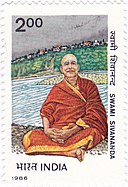
Swami Sivananda Indian postage stamp featuring Swami Sivananda picture
Bhakti Yoga, Swami Sivananda

Prayer to Lord Muruga

Prayer to Lord Muruga 1. Hey Muruga! Thou art the most cruel andhot-headed monster,Because thou did not suck the milk ofone single motherBut grew up in the milk of six mothers,And thus developed aristocrat heads, deaf to prayersOf Bhaktas like me poor in strength, wealth and joy,With petitions manifold and diverse, ever and anon,But return despondent, mortification writ large,All due to Thine cruel heart and puffed-up pride. 2. How can I expect nobility and softness with Thee?Thou art born in a family of worst destitution.Thine father lives in burning ghats,Thine mother is the worst juggler inheavens and earth,Thine uncle is the worst thief and vagabond,Thine brother is a swell-headed andpot-bellied glutton.How can I expect mercy, kindness andprotection from Thee? 3. People blindly say of Thee as the crest-jewelof all worlds,Both here and hereafter; how can I believe themWhen my experience belies the truth of their praises?Thou art proclaimed as the destroyer ofAsuras of yore.But I find Thee withholding protection for mein sorrowsOr silent of encouragement of future help.Teach me the language used in your praiseAnd find out the meaning of the holy word,Which Thou Thyself imparted to Thine father Siva.Om Namah Saravanabhavaya.

Prayer to Lord Muruga Read Post »

SwamiSivananda ValMorin 20070805
Bhakti Yoga, Swami Sivananda

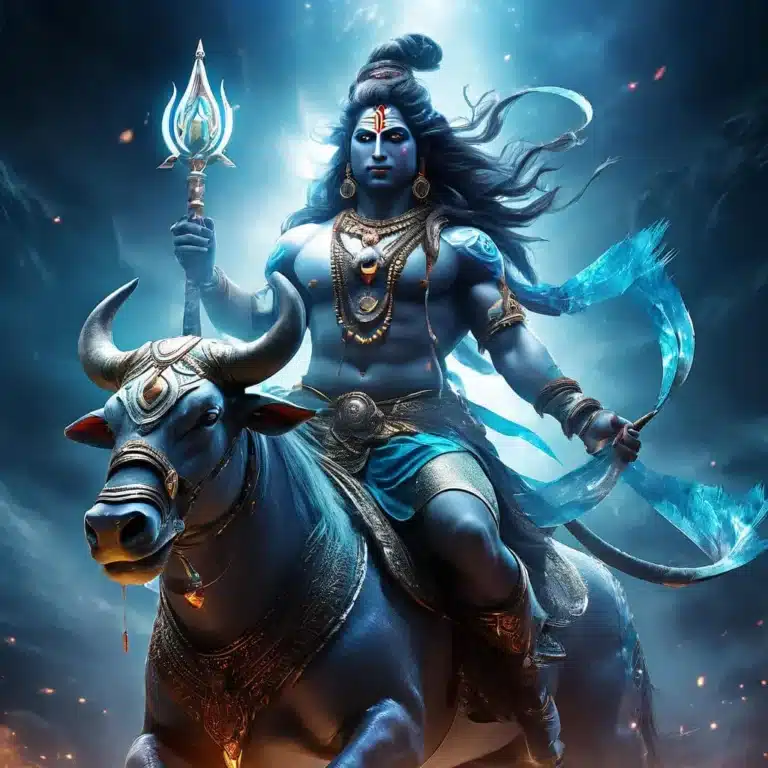
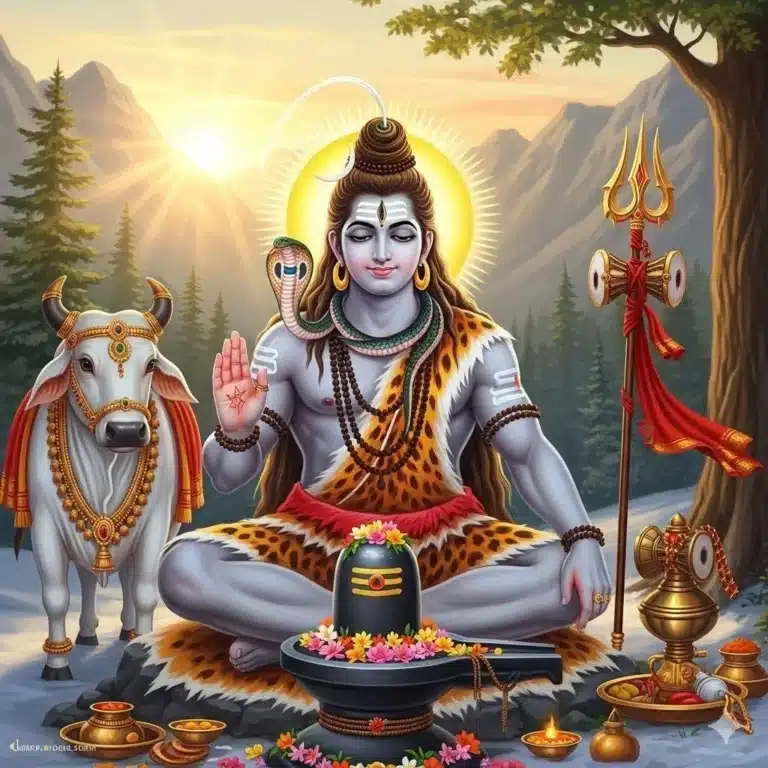
Prayer to Lord Shiva

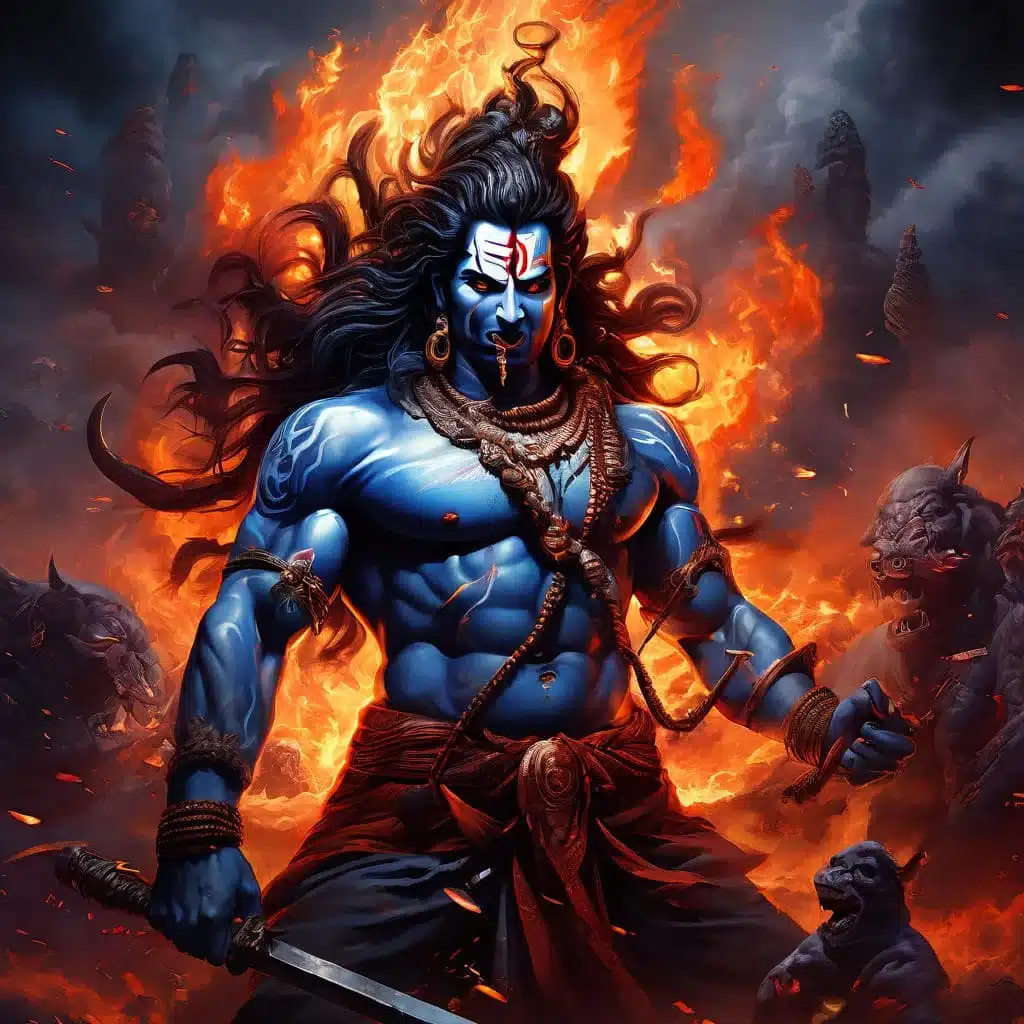
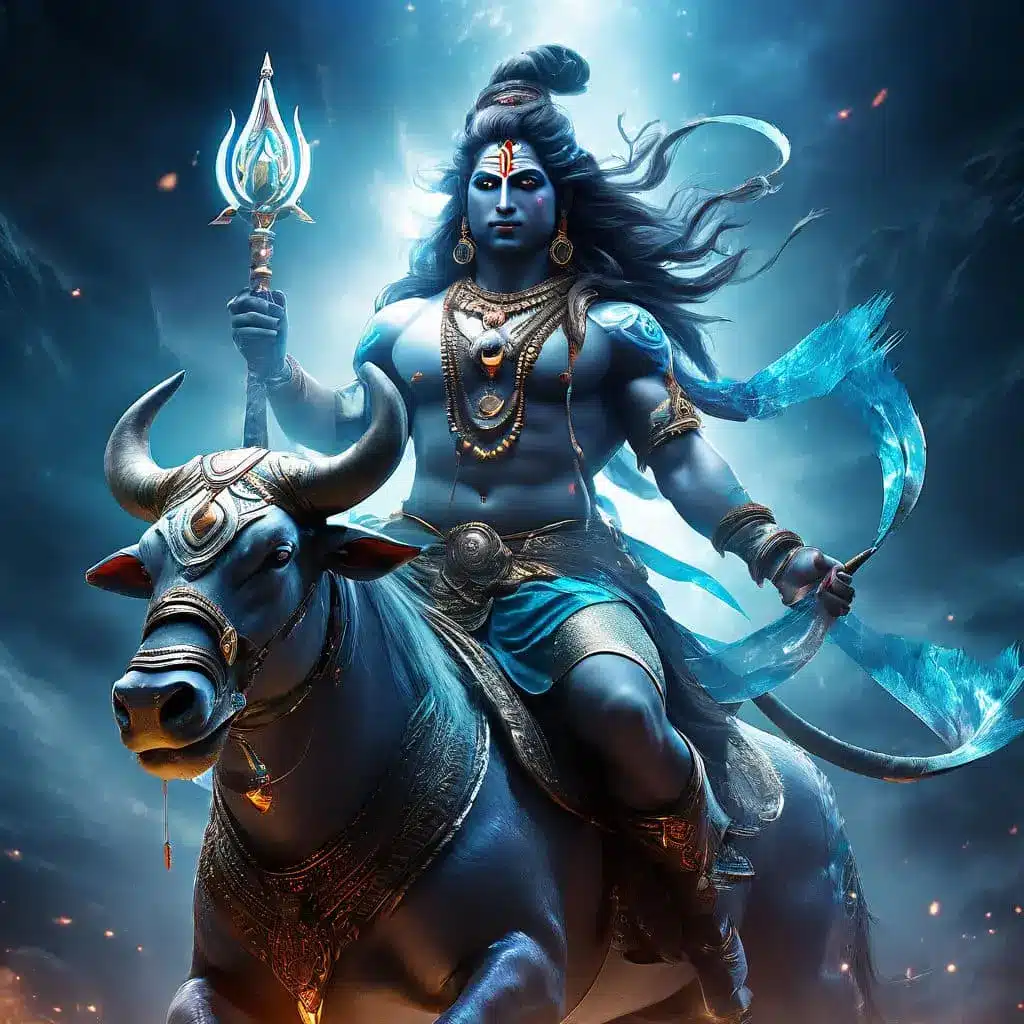
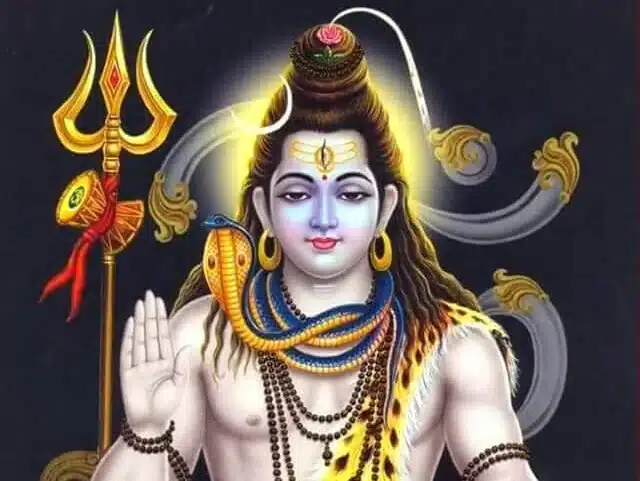
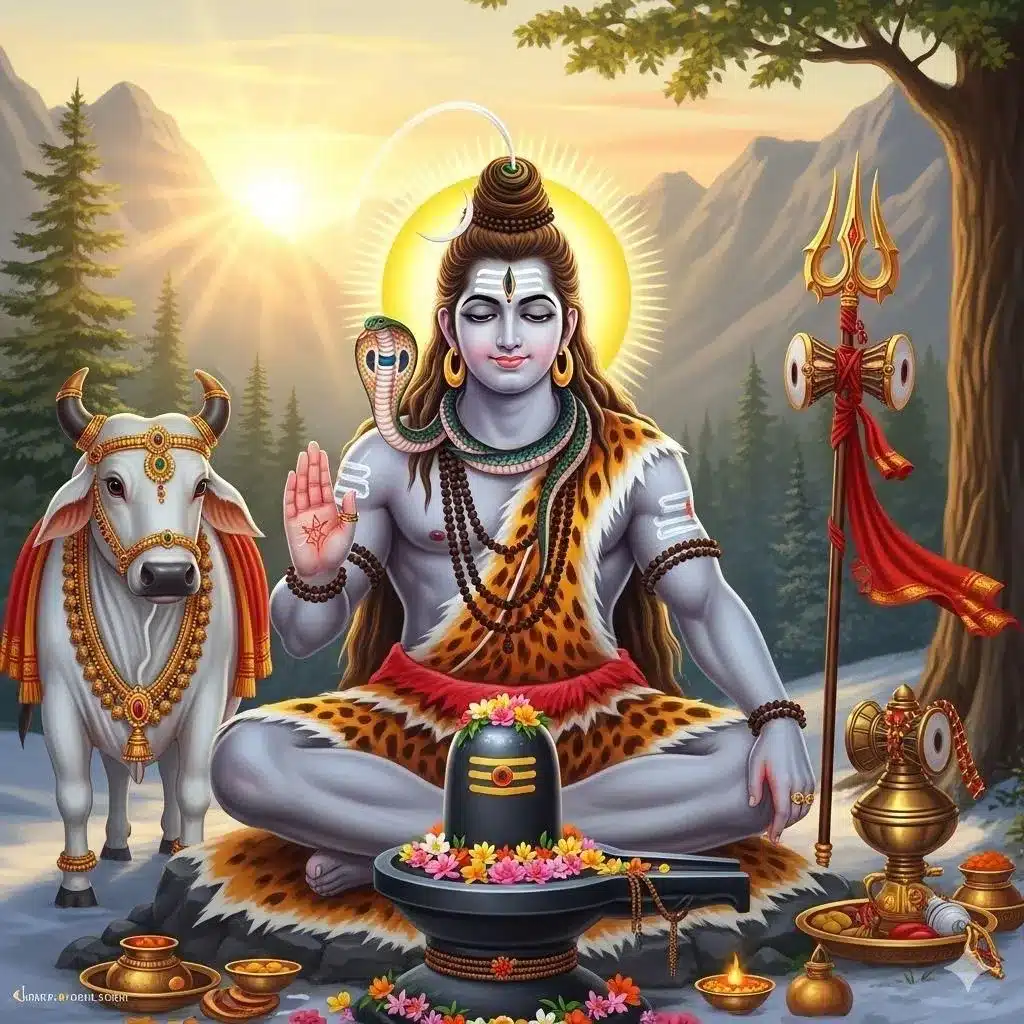
Prayer to Lord Shiva 1. O Lord! What boons can you give me,Thyself being a pauper with a begging bowl,Going from house to house to beg your daily food;Seeing Thee at a distance, each cries Lo! our food is finished.With depicted misery and hunger writ on your face,You walk and wend your weary way in thiswealthy world,With none to feed you or your family,How can I expect gifts from one so low and abject? 2. Whenever I come to Thee for offering my praises,The bull in front nods its horns to plunge them in me,The venomous snake hissing fire keeps me away,The Ganges at the top, sprouts its coldest driblets on me,The filthy smell of bones and sharp Trisulturn me out sick with fear,The tiger and elephant skins bespeak your forest-life,Who will come and praise Thee as their Lord GodAnd sing Thy glories of which you have none? 3. People have sung of Thine extreme feeblenessThat one gave a hit on your back with his bow-stick,Another used his cane with unerring aim on your limbs,A third kicked you with his sandal-decked foot,A fourth hit you with stones from a distance,All these were emboldened in their acts of scant respect.Because Thou hast neither father nor motherWho will come to your rescue and punish the slighters?

Prayer to Lord Shiva Read Post »

Swami Sivananda in calm side profile image
Bhakti Yoga, Swami Sivananda

Prayers to Lord Hari

Prayers to Lord Hari HEAR MY HUMBLE PRAYER When Gajendra was in trouble,You ran barefooted;When Prahlada was in distress,You came out of the pillar;When Draupadi was in affliction,You gave her infinite cloth.Why have You not heard my cry?The crocodile of lust has caught hold of me,The lust-Hiranyakashipu is attacking me,The anger-Dussasana is assaulting me,Please come to my rescue!Don’t delay a minute.O Lord with lotus eyes,O Lord of the Gopis,O Father of the three worlds,O destroyer of Kamsa,O Brother of Balarama,O Home of the worlds,O Slayer of Madhu!Just hear my humble prayer. HARI IS THE REAL FATHER I claim Lord Hari onlyAs my ownMine is Lord Narayana,None else;Father or mother or brotherIs not mine.They are my enemies,They are obstacles in the path;I abandoned all kith and kin.Prahlada left his father,Vibhishana his brother Ravana,Bali abandoned his Guru,The Gopis their husbands,Bharata left his mother.Relationship with HariIs alone true and happy;Hari is the real father and mother.Lord’s grace has lighted my path;The company of saintsHas elevated me:Solitude is a blessing.Meditation on the Ganges bankHas opened Vaikuntha’s door;I drink the nectar of Prem,I move about happily. WAKE UP, O LORD! The morning star is up,The day has dawned, O Lord,The sun is rising,The lotus is opening,Birds are singing,The dew-drops are drying,Devotees are waiting,Please wake up, O Narayana!And bless us.Just as the lion comes out,From its den joyfully,So also come out, O Lord Hari,Of Thy bed room,And direct Thy gaze on us,We are waiting;We are longing to beholdThy effulgent face.We have comePure in heartTo Thy holy presence;We stand before your sanctorum:We are servitors.Glory unto Thy feet!We adore Thee this early dawn;Grant us faith and devotion:Let our minds be attachedTo Thy lotus feet,Let us serve Thee for ever. INCOMPARABLE HARI I seek refuge in Lord HariBy whom the world is created,In whom it dissolves;Who is the first cause,Who is the greatest Lord;Who has no beginning, middle or end,Who is Himself all,Who is self-born.Lord Hari is incomparable,Even the Vedas cannot fathom Him;In wisdom He is the father of Brihaspati;In wealth He is the husband of Lakshmi;In beauty He is the creator of Cupid;In rulership He is the Lord of the Three worlds;In power He is the Lord of Indra;In brilliance He is the Sun of suns;In preceptorship He is the world’s first Guru;In heroism He is a terror of the Asuras;In peace He is the Lord of the Rishis;In purity He is the creator of Ganges;In godliness He is the God of gods;In love He is the source of Radha;In perfection He is Perfection itself;In freedom He is the Mukti-Dhama itself;In independence He is the Kaivalya Pada itself.Glory to Hari, the Lord of Lords! IT IS ALL THY GRACE O Madhava! O Keshava,By the sword of Thy graceI have cut off all my bonds;I am free, I am blissful,All desires have disappeared.Now I aspire for nothingBut Thy blessed feet;I have lost my thoughtsIn Thee, O Narayana.Thou hast cut the chainsOf my Sanchita Karma.Thy grace has saved me.Thou hast enthroned ThyselfIn my heart now;All my fears have vanished.Thou hast entered into meAnd possessed my entire being.I have not doneAny hard and long TapasFor such a great blessing.I have not practisedPanchagni TapasOr Chandrayana Vrata.I have not served devotees,I have not done Tirtha Yatra.Crores of prostrations unto Thee,O Hari, O Narayana,Hail Divine Grace! MY KING AND VICEROY My Lord Hari is the real King;He is the King of kings;He is the Viceroy of Viceroys.I am the servant of this Divine King;He is the Divine Majesty of Majesties,He is the Ruler of the Three worlds,He is the foremost Sovereign,He is the Emperor of emperors.Terrestrial Viceroy is selfish,He is a mortal being;But my Divine ViceroyIs Immortal and unselfish.Earthly Viceroy is the servant of the king;But my Viceroy is the Master of masters.Earthly Viceroy will retireAfter five years;But my Viceroy is the Eternal Ruler.O Hidden Viceroy of Viceroys.Salutations unto Thee!O Giver of boons.Lover of devotees,The Light of the world,The inner Effulgence,Prostrations unto Thee!Lift me up from this Samsara. OBEISANCE TO NARAYANA I bow to Lord Narayana,Who witnesses all phenomena,Who is free from all blemishes,Who is self-luminous,Who is the Supreme Soul,Who presides over all,Who is an ocean of mercy,Who is the source of Jiva.I prostrate to Lord Hari,Who is the cause of all,Who has for Himself no cause,Who brings misery to an end,Who is salvation itself,Who is the shelter for allWho has endless powers,Who is the source of Vedas.I salute Mukunda,Who has Chinmaya body,Who enlightens the devotees,Who is the best of all,Who is Purushottama,Who is the Consort of Lakshmi,Who is the Emperor of the three worlds,Who was compassionateTowards Gajendra. O LORD! HEAR MY PRAYER O Lord Hari All-merciful!Just hear my humble prayer:I decided to buildA lovely model cityIn my heart,And to bring Satsanga,Viveka, devotion, Brahmacharya,Japa, Kirtan, Prayer,To dwell there.But this mind is very mischievous;I am keeping quiet:I do not speak a word to him.He is violently attacking meOf his own accord;He is aggressive;He puts many obstaclesIn my sincere attempts.I raised the four wallsAnd put four windows;He came and pulled them down.Again I built the wallsAfter putting a strong foundation;I used cement this time:Still he broke them down.Perhaps it may beWar-quality cement;I cannot help this:When can I get Portland now?For everything there is permit;It is impossible to get permit.It is at the mercy of someWho are suffering from piles,Swelling and elephantiasis head.This is all Thy LilaLokavattu lila kaivalyam.He makes a threat to meThat he will bring his whole armyOf hypocrisy, pride, lust.And kill Satsanga and others,In the twinkling of an eyeWhat shall I do now?I cannot live without Thy grace!Save me! Protect me!Take this mind with Thee:This is only Thy Maya’s product.Let me remain at easeAnd succeed in my attempt.This time I will useThe best divine cementR. P. M. BrandRati, Prema and Mahabhava.Glory unto Thee!O Adhokshaja!Protector of three worlds. THY IMMEASURABLE COMPASSION O Lord! Thou art the protectorOf the helpless;Thy compassion is immeasurable.Thy greatness is beyond comparison.I am full of defectsAnd yet you have not picked holes in me;You have forgiven me,You have elevated me.I am a mere child,I am without intuition,I am without knowledge,I
Prayers to Lord Hari Read Post »

images 44
Bhakti Yoga, Swami Sivananda

Prayer

Prayer by Swami Sivananda As children, we pray to our parents, elders and guardians at the time of our need: we seek their help, their guidance. When we grow into adolescence, we learn to pray to ourselves to our latent abilities and strength: we try to be self-supported without being dependent on others’ aid. But there is a limitation to this prayer. When we feel that we are in need of something else which is beyond our capacity, which is not always humanly possible, we resign ourselves to God, and pray for His help, for His guidance. Evidently, we feel His response: an all potent Inner Force that listens to our prayers and fulfils our wish the moment we are a little sincere and faithful. As for the devotee he resigns himself to God, surrendering his ego at His feet; he forgets all about the world and thinks of nothing else but God alone who would surely save him, and who alone is able to help and guide him. He communes his will with God’s and acts as per His guidance. There is no sense of individuality or doership in him: he knows God’s Will is his will, and must act up to it. Does that mean that he is shorn of Purushartha? Certainly not. For, he negates himself and resigns to the Lord; to him flows the divine grace instantly; his nature is divinised; and so, he naturally exerts himself in the right direction. Indeed, the very act of self-surrender is the Purushartha of the highest order. Whereas, for a Vedantin, his prayer is essentially the prayer to the Self within to Himself to the cosmic consciousness that is immanent in all. At his initial stage, he considers his prayer as a sort of desire either earthly or spiritual, either with motive or without motive. Then, when he sufficiently advances in his Sadhana, he considers his (so-called) desire as his will which finally opens his intuitive spiritual sight and becomes one with the Cosmic Will. H.P. Blavatsky views prayer as such. According to Ghazali, the Muslim mystic, prayer has three stages: verbal, mental and when merging with the Lord’s Will. At the first stage, the devotee sings the glory of God, chants His praise and pours out his anguish of heart in melodious hymns. Secondly when the mind becomes calm, when the outgoing senses have been restrained by sustained practices, when the mind cannot be easily affected by the evil influences, prayer becomes mental: there no physical effort is needed. At the third stage, when the mind gets concentrated in the Divine when it loses its outward attractions and becomes serene, devoid of desires or cravings, the prayer becomes automatic, natural and habitual: it reaches its highest stage. The Lord’s Will becomes his own will. For, God who is invoked by his prayer, merges in his mind in his will; there is no self-consciousness for him, he abides in the Lord, his mind being entirely saturated with Him: he perceives nothing external, nor anything internal; he even forgets that he is praying to the Lord, that he is absorbed in the Lord’s Willa vague sense of duality. But he has only one -experience his oneness with the Lord. Prayer is full of emotions: deep, serene emotions, marrowed with sincerity. But when it is more of an emotional, natural than of an actual sincerity, it becomes rather jejunical, and therefore, ineffective. It is here we do not receive direct response from God. Prayer has its consequences the nature of its response mainly depending upon the inner nature of the person who prays, his temperament and his object in view, his requirements, and his faith and sincerity the sine qua non of prayer. Sometimes our main object of prayer becomes selfish, grossly earthly, unreasonable and irrational. We crave for our selfish ends, for the fulfilment of our material desires. At times, we even venture to pray to meet our evil wish. It is here we experience its negative consequence. Essentially, prayer should be selfless as far as possible. We should first pray for the good of others, for welfare and peace of the world and for our own spiritual evolution; we should pray for the eradication of our evil qualities, for wisdom and knowledge, for goodness and saintliness. SLOKA Asato Ma Sat GamayaTamaso Ma JyotirgamayaMrityor Ma Amritam Gamaya Lead me on from unreal to Real, from darkness to Light, from mortality to Immortality. This is the best prayer; the prayer for the Light, for the Truth, for Immortality. The foremost prayer of an aspirant should be for the removal of his ignorance. His goal is to realise the Truth and to free himself from the meshes of those that are unreal. His goal is to realise his essential divine nature. At times even sincere prayer is not responded to. This however, should never be allowed to mar our faith or sincerity or to discourage and depress us; but should be considered as a necessity, to test our sincerity, our serenity and faith in God. At times this irresponse is often repeated. The devotee gets bewildered; he begins to lose his faith in God; and sometimes he is diverted from the Path. Indeed, it is here that we have to show our patience, our steadfastness and faith in His grace. Often God tests us with severest trials. But does it mean that He is unkindHe does not wish to pay heed to our prayers? Obviously not. It is only a test, which the aspirant must pass through. His faith may not be strong enough; his dross of mind might not have been cleaned yet; his heart might not have become pure yet. How can he strengthen his faith? How can he cleanse the dross of his mind and purify his heart? It is only through tests, trials and tribulations. Just as gold is purified by passing it through the crucible several times, so also the heart must become pure, the faith

Prayer Read Post »

Swami Sivananda Collage of portraits picture
Bhakti Yoga, Swami Sivananda

Atma-Nivedana

Atma-Nivedana by Swami Sivananda Atma-Nivedana is self-surrender. In Vishnu-Sahasranama it is said: The heart of one who has taken refuge in Vasudeva, who is wholly devoted to Vasudeva, gets entirely purified, and he attains Brahman, the Eternal. The devotee offers everything to God, including his body, mind and soul. He keeps nothing for himself. He loses even his own self. He has no personal and independent existence. He has given up himself for God. He has become part and parcel of God. God takes care of him and God treats him as Himself. Grief and sorrow, pleasure and pain, the devotee treats as gifts sent by God and does not attach himself to them. He considers himself as a puppet of God and as an instrument in the hands of God. He does not feel egoistic, for he has no ego. His ego has gone over to God. It is not his duty to take care of his wife, children etc., for he himself has no independent existence apart from God. God will take care of all. He knows how to lead the world in the right path. One need not think that he is born to lead the world. God is there who will look to everything which man cannot even dream of. He has no sensual craving, for he has no body as it is offered to God. He does not love or adore his body for it is God’s business to see to it. He only feels the presence of God and nothing else. He is fearless, for God is helping him at all times. He has no enemy for he has given himself up to God who has no enemies or friends. He has no anxiety for he has attained everything by attaining the grace of God. He has not even the thought of salvation; rather he does not want salvation even, he merely wants God and nothing but God. He is satisfied with the love of God for by that there is nothing that is not attained. What is there to be attained, when God has sent His grace upon the devotee? The devotee does not want to become sugar but taste sugar. There is pleasure in tasting sugar, but not in becoming sugar itself. So the devotee feels that there is supreme joy more in loving God than becoming God. God shall take complete care of the devotee. I am Thine, says the devotee. This self-surrender is Absolute Love for God exclusively. There is nothing but God-consciousness in the devotee. Even against his own wishes, the devotee shall become one with God and lose his individuality. This is the law of being. The Highest Truth is Absoluteness and the soul rises above through different states of consciousness until it attains Absolute Perfection when it becomes identical with God. This is the culmination of all aspiration and love. There are innumerable verses in the Bhagavadgita and the Bhagavata establishing the truth that self-surrender is the only way to attain the Supreme. Krishna teaches Arjuna that self-surrender, total and exclusive, alone can give him peace and relieve him from all sins. One who studies the Bhagavadgita and the Srimad-Bhagavata will come to know what great importance is stressed upon total self-surrender. For self-surrender is the annihilation of individual consciousness and the attainment of Absolute Consciousness. This is equal to Nirvikalpa-Samadhi or Brahma-Sakshatkara. The devotee flies to the state of the highest Mahabhava and merges himself in God. The wave subsides in the ocean. The spark becomes one with fire. The ray is absorbed into the sun. The mind merges in the Atman. The individual loses himself in the Absolute. The devotee becomes one with God. Worldly consciousness vanishes into Universal Consciousness. Man becomes God and the mortal becomes Immortal. Whatever belongs to God becomes the belonging of the highest devotee. All his sins are destroyed. He has no duties to perform. He is mere Apta-Kama or perfected soul. He is the most blessed. To him the whole world appears as mere Bliss. There is only the manifestation of Supreme Love. The Gopis and Bali Chakravarti practised this love. The Gopis lost themselves in Krishna. Bali, the king, offered his self to the Lord. The Gopis lost themselves in God-consciousness and attained the Supreme.

Atma-Nivedana Read Post »

swami sivananda Vintage photo of guru teaching disciples by riverside image
Bhakti Yoga, Swami Sivananda

Sakhya Bhakti

Sakhya Bhakti by Swami Sivananda Sakhya-Bhava is the cultivation of the friend-sentiment with God. The inmates of the family of Nandagopa cultivated this Bhakti. Arjuna cultivated this kind of Bhakti. The Bhagavata says: Oh, how wonderful is the fortune of the people of Vraja of cowherd Nanda whose dear friend is the perfect, eternal Brahman of Absolute Bliss! To be always with the Lord, to treat Him as one’s own dear relative or a friend belonging to one’s own family, to be in His company at all times, to love Him as one’s own Self, is Sakhya-Bhava of Bhakti-Marga. The devotee of Sakhya-Bhava takes up with eagerness any work of the Lord leaving aside even the most important and urgent and pressing work, assuming an attitude of neglect towards personal work, and totally concerning himself with the love of the Lord. How do friends, real friends love in this world? What an amount of love they possess between one another? Such a love is developed towards God instead of towards man. Physical love is turned into spiritual love. There is a transformation of the mundane into the Eternal. The devotee considers all his actions as merely nothing, though he has done really a superhuman act. He always does what may please God in all respects. He considers all as God. He treats every being of the world as his own relative or friend. He treats everyone as belonging to himself. There is no selfishness, no hatred, no separateness in him. He becomes one with all in feeling. He loves all, for all are his friends. All is God. And God is the Supreme Friend of his. He is always satisfied with what is ordained by God. He is supremely joyful if anything of his own comes to the service of God. He feels that God has similar powers over his belongings as he has got himself. He moves with God and treats God as not a dignified, terrifying, hard task master, but a friend, sweet and loving. He longs to see God. He does not want to leave the Lord even for a moment. He says, My Lord! My Beloved! How can I live without Thee? My Dear! Where are You? And loses himself in the Love of his Beloved. He considers that his existence and the existence of what belongs to him is fruitful only if it is useful in the service of God, for he cannot live without God. To live without God is an impossibility. God is the innermost and the dearest of friends. All friends may desert a person, but God will never desert His devotees. He loves you even if you do not love Him. The devotee feels himself merged in the ocean of joy on seeing, touching or thinking of the Beloved. Mere hearing of His Name kindles the devotee’s love for God. He jumps and sings in ecstasy. He is overwhelmed with joy when anybody brings a message of the Beloved. He feels anguish at his separation from the Beloved. He is ever expecting to meet his Beloved. These are some of the characteristics of a Bhakta who follows the Sakhya-Bhava. Vibhishana, Sugriva, Uddhava, Arjuna, Sudama, Sridama and the playmates of the Lord in Vraja are the examples of devotees who cultivated the friend-sentiment of Bhakti.

Sakhya Bhakti Read Post »

Swami Sivananda poster with spiritual teachings image
Bhakti Yoga, Swami Sivananda

Dasya Bhakti

Dasya Bhakti by Swami Sivananda Dasya Bhakti is the love of God through servant-sentiment. To serve God and carry out His wishes, realising His virtues, nature, mystery and glory, considering oneself as a slave of God, the Supreme Master, is Dasya Bhakti. Serving and worshipping the Murtis in temples, sweeping the temples, meditating on God and mentally serving Him like a slave, serving the saints and the sages, serving the devotees of God, serving poor and sick people who are forms of God, is also included in Dasya Bhakti. To follow the words of scriptures, to act according to the injunctions of the Vedas, considering them to be direct words of God, is Dasya Bhakti. Association with and service of love-intoxicated devotees and service of those who have knowledge of God is Dasya Bhakti. The purpose behind Dasya Bhakti is to be ever with God in order to offer services to Him and win His Divine Grace and attain thereby immortality. Arjuna prays with a sentiment of a slave, a servant and a disciple, in order to get the grace of Lord Krishna. O Lord! I am Your disciple. I have taken refuge in You. Teach me. This should be the Bhava of a Bhakta. He should completely give himself up to God and should not retain any personal reservations with him. Ananya-Bhakti is total relinquishment of the self to God. Lakshmana, Hanuman, Angada, etc., cultivated this Dasya-Bhava of Bhagavad-Bhakti. Lakshmana could not even speak to Rama at times in his extreme love for Rama and the humiliation of his self before Rama. Hanuman is a towering example of Divine Seva to the Lord. He spent his whole life in serving Lord Rama. Angada did not want to leave Rama even at the latter’s request and prayed to Lord Rama that he would serve Him at all times, that he would do even the most menial of services for the sake of Lord Rama. These devotees were of an exceptional type and it is very difficult to develop such a Bhakti as was possessed by Hanuman, Lakshmana or Angada. The heart has to be purified, the mind has to be thinned out, desires have to be annihilated. It is then that the devotee feels his real Love for God. Before such a purification, the love of God becomes coloured with earthliness and does not bear the expected fruit. Total surrender is the ideal of Dasya Bhakti. The Dasa or the servant loses nothing but gains everything through the service of God either in His Transcendental or His Immanent aspect.

Dasya Bhakti Read Post »

images 41
Bhakti Yoga, Swami Sivananda

Vandana

Vandana by Swami Sivananda Vandana is prayer and prostration. Humble prostration touching the earth with the eight limbs of the body (Sashtanga-Namaskara), with faith and reverence, before a form of God, or prostrations to all beings knowing them to be the forms of the One God, and getting absorbed in the Divine Love of the Lord is termed prostration to God. The Bhagavata says: The sky, air, fire, water, earth, stars, planets, the cardinal points (directions), trees, rivers, seas and all living beings constitute the body of Sri Hari. The devotee should bow before everything in absolute devotion, thinking that he is bowing before God Himself. Lord Krishna says to Uddhava: Giving no attention to those who laugh in ridicule, forgetting the body and insensible to shame, one should prostrate and bow down to all beings, even to the dog, the ass, the Chandala and the cow. All is Myself, and nothing is but Myself. Arjuna does prostration to Krishna in a most beautiful manner: Salutation to You from the front, salutation to You from behind, salutation to You from every side! O All! Immeasurable in strength, You pervade all. You are all! The object or purpose of Devotion is to realise God through exclusive love. The Mahabharata says: There is nothing which is more auspicious than Bhagavan Vasudeva, there is nothing more purifying than Vasudeva, and there is no Deva, worthy of being worshipped higher than Vasudeva. He who offers his salutations to Vasudeva suffers no afflictions. Bhishma says: Even one bend of the head to Lord Sri Krishna is equal in merit to the completion of ten horse-sacrifices. The latter does not bring about Liberation, but the former makes one God Himself. Akrura practised this kind of Bhakti, i.e., Vandana Bhakti. His story is given in the Srimad-Bhagavata. The Bhagavata says: Overwhelmed with devout love, Akrura quickly jumped down from the chariot and fell prostrate like a pole at the feet of Balarama and Sri Krishna. In the Mahabharata it is told that the old warrior Bhishma offered his salutation to the Lord in a voice choked with deep emotion and Sri Krishna immediately favoured him with the light of Divine Knowledge, Having thus offered his prayer to the Lord, Bhishma whose mind was wholly absorbed in God, said, ‘Salutation to Krishna’ and bowed his head to Him. Learning the depth of Bhishma’s devotion, through His power of Yoga, Sri Hari, Madhava, bestowed upon Bhishma the light of Divine Knowledge which illuminates the three worlds. The ego or Ahamkara is effaced out completely through devout prayer and prostration to God. The Divine grace descends upon the devotee and man becomes God.

Vandana Read Post »

Swami Sivananda seated with devotees indoors image
Bhakti Yoga, Swami Sivananda

Archana

Archana by Swami Sivananda Archana is worship of the Lord. Those who perform the worship of Vishnu in this world, attain the immortal and blissful state of Moksha, thus says the Vishnu-Rahasya. Worship can be done either through an image or a picture or even a mental form. The image should be one appealing to the mind of the worshipper. Worship can be done either with external materials or merely through an interior Bhava or strong feeling. The latter one is an advanced form of worship which only men of purified intellect can do. Worship should be done according to the rules laid down in the Varnashrama-Dharma or in the case of advanced devotees worship can be done in any manner they like. The purpose of worship is to please the Lord, to purify the heart through surrender of the ego and love of God. Serving the poor people and worshipping saints is also worship of the Virat-Svarupa of the Lord. The Lord appears in all forms. He is everything. The scriptures declare that the Lord alone appears as the sentient and the insentient beings. The devotee should have Narayana-Bhava or Isvara-Bhava in all beings. He should consider all creatures, down even to the worm, as merely God. This is the highest form of worship. Worship is generally done through the Tantrik or the Vaidika method. It can be done either in a temple or in one’s own house, or even at any place outside. The object of worship is sincere devotion and real surrender for the sake of union with the Lord. During worship the mind of the devotee should always be concentrated on the form of the Lord. It should think of His attributes, His Infinite Nature, Bliss, Immortality, etc. It should not think of earthly things. The Bhog offered to the Lord during worship is actually taken away by Him when it is offered with sincere feeling. There are cases where devotees with burning love for God offered food to God and God actually appeared before them in His Supreme form and partook of the food offered to Him. These are rare cases, but it must be known that true devotees are very rare in this world. Devotees like Prithu and Ambarisha practised this kind of Bhakti, i.e., Archana or worship of the Lord. Their stories are found in the Srimad-Bhagavata. The Lord appeared before Prithu, the first king of the world, and gave him His blessings. The Lord protected Ambarisha and gave him Emancipation. They were immersed in the love of God and they wanted nothing but God. They did not crave for worldly things from God but wanted only His grace. They wanted to please God and serve God. Nothing else did they want. Such should be the devotion of all Bhaktas of selfless motive. Offerings to God need not necessarily be rich and costly things. What did the lord of elephants (Gajendra) offer? Only a flower from the tank. Draupadi offered a vegetable leaf and Sabari some wild plums. But the Lord was pleased. It is the feeling of love for God that God takes into account and not the material that is offered. He is pleased even with leaves and mere water.

Archana Read Post »

Swami Sivananda meditating on Pranayama book cover image
Bhakti Yoga, Swami Sivananda

Padasevana

Padasevana by Swami Sivananda Padasevana is serving the Lord’s feet. Actually this can be done only by Lakshmi or Parvati. No mortal being has got the fortune to practise this method of Bhakti for the Lord is not visible to the physical eyes. But it is possible to serve the image of God in idols and better still, taking the whole humanity as God. This is Padasevana. Padasevana is service of the sick. Padasevana is service of the poor. Padasevana is service of the whole humanity at large. The whole universe is only Virat-Svarupa. Service of the world is service of the Lord. Service of the Lord’s feet can be done through formal worship to Murtis or idols in temples or to a mental image of God.- Observing the sacred feet of the Lord again and again with devotional and eager eyes, worshipping them and serving them, sipping the sacred water with which the Lord’s feet have been washed, worshipping the wooden sandals of the Lord, meditating on them and praying to them, taking the dust of the Lord’s feet and applying it to the forehead, washing the heart with the dust of the Lord’s feet, respecting the holy shrines and places of pilgrimage, and places where God incarnated Himself for the good of humanity, regarding the Ganga as directly flowing from the feet of the Lord, worshipping, bathing in and drinking of such divine water of the Ganga all these are different forms of serving the Lord’s feet. This kind of devotion destroys all worldly attachments and allows the mind to exclusively think of God. Bharata served the sandals of the feet of Sri Rama. What a great devotion! He kept them on the throne and worshipped them as representing Sri Rama Himself. He ruled the kingdom in the name of Sri Rama’s sandals, himself acting as only the servant of Rama. This is Padasevana Bhakti. Ahalya felt her life fulfilled, having obtained the dust of Lord’s feet. Srimad-Bhagavata says: He who has taken shelter in the feet of the Lord, which is the refuge of saints and full of blessedness, for him the ocean of worldly existence becomes as shallow as the hoof-mark of a calf. The Supreme State is already attained by him. Worldly miseries and difficulties do not appear before him. Sri Lakshmidevi is enjoying this practice of devotion and she is ever serving the feet of Lord Hari. Lord Vishnu is resting His feet on the lap of Sri Lakshmidevi and she is the example of one engaged in Padasevana-Bhakti.

Padasevana Read Post »