















Hari Om

Menu

state wise

75f8a05d2f6e78eddf8e7ef154f9f6ab
state wise

Mandirs in Jharkhand

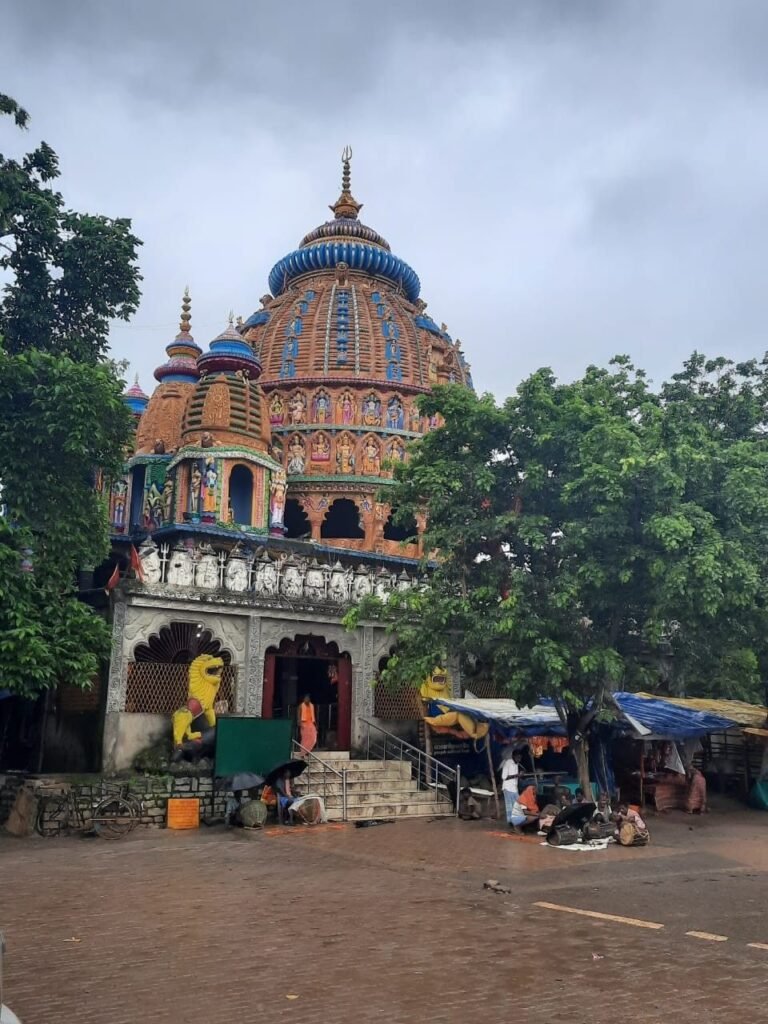
Mandirs in Jharkhand Jharkhand, located in eastern India, is a land of dense forests, rolling hills, and mineral wealth, but it is also rich in spiritual and religious heritage. The state is home to numerous Hindu temples, or mandirs, that reflect centuries of devotion, culture, and architectural ingenuity. Many of these temples are tied to ancient legends, Shakti worship, and regional traditions, making Jharkhand a notable pilgrimage destination for devotees from across India. One of the most famous temples in Jharkhand is the Baidyanath Dham in Deoghar. Also known as Baba Dham, it is one of the twelve Jyotirlingas of Lord Shiva, making it an extremely sacred site for Shaivites. The temple attracts millions of devotees, especially during the month of Shravan, when pilgrims undertake rigorous journeys on foot to offer water, milk, and prayers to the Shiva Linga. The temple’s rich architecture, intricate carvings, and spiritual energy make it one of the most revered sites in India. Another significant shrine is the Jagannath Mandir in Ranchi. Dedicated to Lord Jagannath, this temple is a center for Vaishnavite worship and celebrates the famous Rath Yatra, drawing large crowds every year. The temple’s architecture, colorful idols, and festive celebrations make it a focal point of devotion in the state capital. The Parasnath Hill Temples, located in Giridih district, are part of the sacred Jain pilgrimage sites but also have historical connections with Hindu worship. The hills are dotted with several temples dedicated to Lord Shiva and local deities. Pilgrims climb the hill to perform rituals and seek blessings, and the panoramic views from the top add to the spiritual experience. The Pahari Mandir in Ranchi is another popular temple dedicated to Lord Shiva. Perched atop a hill, it offers a serene environment for devotees and panoramic views of the city. The temple is especially crowded during Maha Shivratri, when thousands of devotees gather to perform rituals, offer prayers, and participate in cultural festivities. Temples in Jharkhand

Mandirs in Jharkhand Read Post »
89d1deabf670bcc0c3d3f79061ea9f61
state wise

Mandirs in Haryana

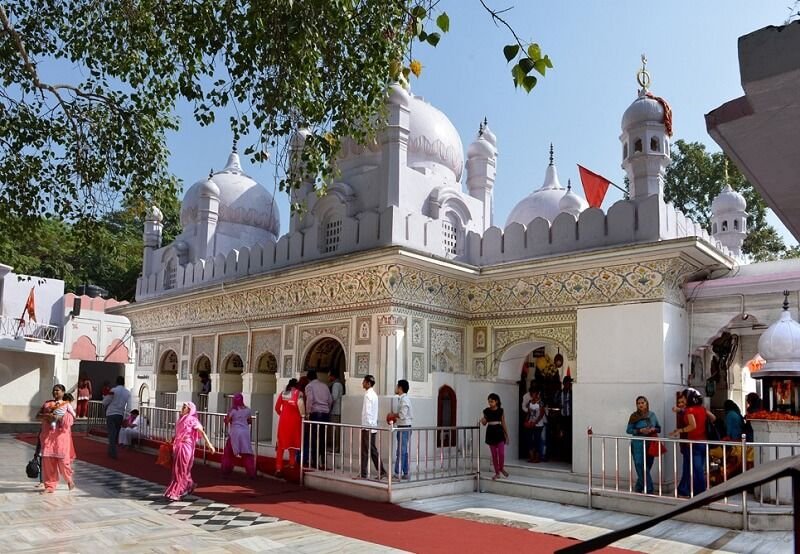
Mandirs in Haryana Haryana, located in northern India, is a state rich in spiritual heritage and historical significance. Known for its connection to the Mahabharata and ancient Vedic traditions, Haryana is home to numerous mandirs dedicated to Lord Krishna, Shiva, Hanuman, and other deities. These temples not only serve as centers of devotion but also preserve the cultural, mythological, and architectural legacy of the region. One of the most famous temples in Haryana is the Baba Mastnath Temple in Rohtak. Dedicated to Baba Mastnath, a revered yogi and saint, this temple is a major pilgrimage site for devotees seeking blessings and spiritual guidance. The temple complex is known for its annual fair, which coincides with Makar Sankranti, attracting thousands of devotees who participate in religious rituals, cultural programs, and community feasts. The Sheetla Mata Mandir in Gurgaon is another prominent temple. Dedicated to Goddess Sheetla Mata, who is believed to protect devotees from diseases and epidemics, the temple is especially crowded during the festival of Sheetla Ashtami. Devotees visit the temple to offer prayers and perform rituals to seek the blessings of the goddess for health and well-being. Kurukshetra, one of the most historically and spiritually significant cities in Haryana, hosts several important temples. The Brahma Sarovar and nearby Sannihit Sarovar are sacred water bodies surrounded by temples, where pilgrims perform rituals for ancestors. The Jyotisar Temple, located in Kurukshetra, marks the spot where Lord Krishna delivered the Bhagavad Gita to Arjuna on the battlefield of Kurukshetra. This temple is visited by thousands of devotees and spiritual seekers, making it a hub of Hindu pilgrimage. Temples in Haryana

Mandirs in Haryana Read Post »

177042365a90dbd7744b6c5dd4a26b63
state wise

Mandirs in Gujrat

Mandirs in Gujrat Goa, widely celebrated for its beaches and Portuguese heritage, is also home to a rich Hindu spiritual tradition. Though a significant portion of Goa’s population is Christian due to centuries of colonial influence, Hinduism has remained an integral part of Goan culture. The state is dotted with numerous mandirs that range from ancient village shrines to grand temples, reflecting centuries of devotion, art, and architecture. These temples are centers of spiritual life, community gatherings, and cultural festivals, keeping alive traditions that predate colonial rule. One of the most famous temples in Goa is the Shri Manguesh Temple, located in Priol village of Ponda taluka. Dedicated to Lord Shiva in his form as Mangesh, this temple is one of the largest and most visited in the state. Its architecture is distinctive, featuring a seven-story deepstambha (lamp tower), beautifully carved wooden pillars, and a large inner sanctum where the deity resides. The temple celebrates Maha Shivratri with grandeur, attracting thousands of devotees who come to offer prayers, participate in processions, and witness traditional rituals. Another prominent shrine is the Shri Shantadurga Temple in Kavlem, Ponda. Dedicated to Goddess Shantadurga, an incarnation of Durga who mediates between Vishnu and Shiva, this temple is known for its intricate stone carvings and expansive courtyard. Festivals like Navaratri are celebrated with vibrant rituals, music, and dance, making it a focal point for devotion and community participation. The Shri Mahalaxmi Temple in Bandora is another ancient temple, dedicated to Goddess Mahalaxmi, the goddess of wealth and prosperity. The temple is believed to be several centuries old and has a beautifully designed sanctum along with ornate wooden carvings. The Diwali festival here is celebrated with immense devotion, as thousands of devotees gather to seek blessings for prosperity and well-being. In addition to these, the Shri Nagueshi Temple and the Shri Ramnathi Temple are notable for their historical and spiritual significance. The Ramnathi Temple, located in Salcete taluka, is a complex with multiple shrines dedicated to various deities including Lord Rama, Hanuman, and Ganesh. Its festivals, especially Rama Navami, attract devotees from across Goa and neighboring states. Goa also has many smaller village temples dedicated to local deities, reflecting a blend of tribal traditions and Hindu practices. Temples such as the Shri Mahadev Mandir in Tambdi Surla, one of the oldest stone temples in Goa, showcase Kadamba-era architecture with detailed carvings and serene surroundings. This temple, nestled in a forested valley, is dedicated to Lord Shiva and is a major attraction for both devotees and history enthusiasts. Temples in Gujrat

Mandirs in Gujrat Read Post »

c272d93e7f9ca6aa0cdf9c58560a19d2
state wise

Mandirs in Goa

Mandirs in Goa Goa, widely celebrated for its beaches and Portuguese heritage, is also home to a rich Hindu spiritual tradition. Though a significant portion of Goa’s population is Christian due to centuries of colonial influence, Hinduism has remained an integral part of Goan culture. The state is dotted with numerous mandirs that range from ancient village shrines to grand temples, reflecting centuries of devotion, art, and architecture. These temples are centers of spiritual life, community gatherings, and cultural festivals, keeping alive traditions that predate colonial rule. One of the most famous temples in Goa is the Shri Manguesh Temple, located in Priol village of Ponda taluka. Dedicated to Lord Shiva in his form as Mangesh, this temple is one of the largest and most visited in the state. Its architecture is distinctive, featuring a seven-story deepstambha (lamp tower), beautifully carved wooden pillars, and a large inner sanctum where the deity resides. The temple celebrates Maha Shivratri with grandeur, attracting thousands of devotees who come to offer prayers, participate in processions, and witness traditional rituals. Another prominent shrine is the Shri Shantadurga Temple in Kavlem, Ponda. Dedicated to Goddess Shantadurga, an incarnation of Durga who mediates between Vishnu and Shiva, this temple is known for its intricate stone carvings and expansive courtyard. Festivals like Navaratri are celebrated with vibrant rituals, music, and dance, making it a focal point for devotion and community participation. The Shri Mahalaxmi Temple in Bandora is another ancient temple, dedicated to Goddess Mahalaxmi, the goddess of wealth and prosperity. The temple is believed to be several centuries old and has a beautifully designed sanctum along with ornate wooden carvings. The Diwali festival here is celebrated with immense devotion, as thousands of devotees gather to seek blessings for prosperity and well-being. In addition to these, the Shri Nagueshi Temple and the Shri Ramnathi Temple are notable for their historical and spiritual significance. The Ramnathi Temple, located in Salcete taluka, is a complex with multiple shrines dedicated to various deities including Lord Rama, Hanuman, and Ganesh. Its festivals, especially Rama Navami, attract devotees from across Goa and neighboring states. Goa also has many smaller village temples dedicated to local deities, reflecting a blend of tribal traditions and Hindu practices. Temples such as the Shri Mahadev Mandir in Tambdi Surla, one of the oldest stone temples in Goa, showcase Kadamba-era architecture with detailed carvings and serene surroundings. This temple, nestled in a forested valley, is dedicated to Lord Shiva and is a major attraction for both devotees and history enthusiasts. Mandirs in Goa

Mandirs in Goa Read Post »

b23d0cb42fbf1310b69bfb0f081e2638
state wise

Mandirs in Delhi

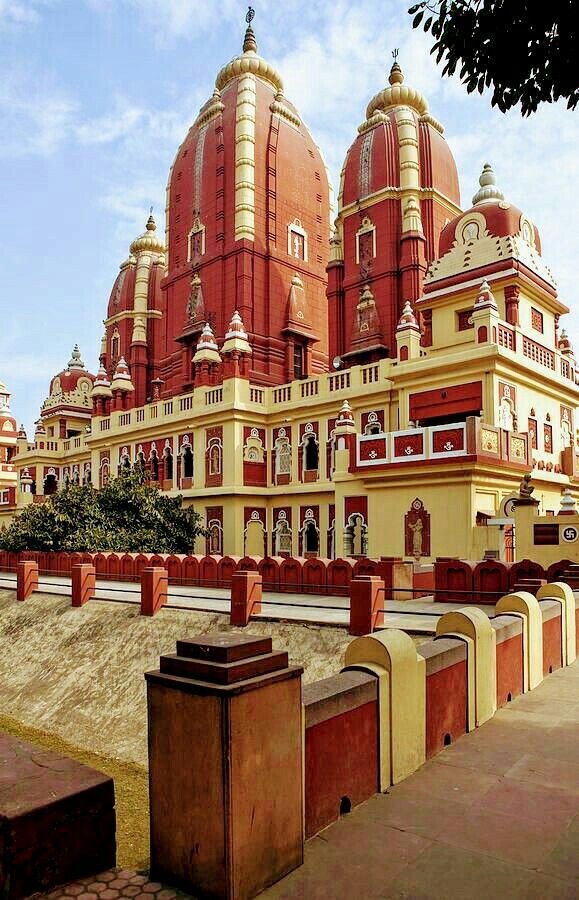
Mandirs in Delhi Delhi, the capital of India, is not only the political center of the nation but also a hub of spirituality and religious heritage. The city is home to a diverse population, and its Hindu temples, or mandirs, reflect centuries of devotion, culture, and architectural brilliance. From ancient shrines that date back to the medieval period to modern temples serving the local community, Delhi’s mandirs are living centers of faith that attract devotees from all over India. One of the most famous temples in Delhi is the Akshardham Temple, located on the banks of the Yamuna River. Dedicated to Bhagwan Swaminarayan, this temple is a modern architectural marvel, combining intricate carvings, sculptures, and exhibitions that depict India’s ancient art, culture, and spiritual heritage. The temple complex also houses the Yagnapurush Kund, which is one of the largest stepwells in the world, and it attracts millions of visitors and devotees every year. The exhibitions inside Akshardham narrate the life and teachings of Swaminarayan, making it both a spiritual and educational experience. The Birla Mandir, also known as Laxminarayan Temple, is another iconic shrine in Delhi. Built in 1939 by the industrialist Birla family, it is dedicated to Lord Vishnu (Narayana) and Goddess Lakshmi. The temple is renowned for its stunning architecture, including carved marble pillars and intricate sculptures depicting various scenes from Hindu mythology. During festivals like Diwali and Janmashtami, the temple becomes a vibrant hub of devotion, attracting thousands of worshippers. Another significant temple is the Hanuman Mandir near Connaught Place, which is one of the oldest Hanuman temples in the city. Devotees flock here to offer prayers for strength, courage, and protection. The temple is especially crowded on Hanuman Jayanti, when special rituals and devotional programs are conducted. The Kalkaji Mandir, dedicated to Goddess Kali, is a revered Shakti Peetha located in South Delhi. It is believed that this temple has existed for several centuries and that Goddess Kali’s presence protects the city from negative energies. The temple sees heavy footfall during Navaratri, when devotees come to offer prayers, perform aarti, and participate in rituals honoring the divine feminine energy. Delhi also houses the Iskcon Temple in East of Kailash, a major Vaishnavite center devoted to Lord Krishna and Radha. The temple is well known for its daily bhajans, kirtans, and cultural programs. Festivals like Janmashtami and Ratha Yatra are celebrated with immense fervor, bringing together thousands of devotees who participate in prayers, devotional singing, and community feasts. The Birla Mandir in Mandir Marg, also called the Temple of Laxmi Narayan, is another significant spiritual center that hosts thousands of devotees every day. The temple complex includes smaller shrines for other deities such as Lord Shiva, Ganesha, and Hanuman, making it a holistic center of worship. Smaller yet historically important temples dot the city as well. The Mangla Devi Temple in South Delhi, dedicated to Goddess Mangla, is an ancient shrine that attracts locals for daily worship. The Raj Ghat Hanuman Mandir and the Shri Digambar Jain Lal Mandir in Chandni Chowk are examples of how religious diversity is preserved, with temples serving both spiritual and social roles in the community. Delhi’s temples are not only places of worship but also centers of cultural activity. Festivals like Navaratri, Diwali, Janmashtami, Shivratri, and Rama Navami are celebrated with grandeur, including rituals, devotional music, and community gatherings. These celebrations maintain traditions and create a sense of unity among devotees, highlighting the importance of mandirs in the cultural fabric of the city.   Mandirs in Delhi

Mandirs in Delhi Read Post »

31388f74e73e1625dde92a6dd996fa30
state wise

Mandirs in Chhattisgarh

Mandirs in Chhattisgarh Chhattisgarh, often called the “Land of 36 Forts”, is a state in central India known for its dense forests, waterfalls, tribal culture, and rich spiritual heritage. Hinduism has a deep-rooted presence in Chhattisgarh, and the state is home to many ancient temples dedicated to Lord Shiva, Goddess Durga, Lord Vishnu, and other deities. The mandirs of Chhattisgarh are not only centers of worship but also showcase the state’s unique tribal and classical architecture, blending mythology, culture, and devotion. One of the most famous temples in Chhattisgarh is the Mahamaya Mandir in Bilaspur. Dedicated to Goddess Mahamaya, this temple is especially crowded during the Navaratri festival when devotees from across the region gather to offer prayers and participate in rituals. The temple is situated atop a hill, providing a serene environment for spiritual contemplation. The Bhoramdeo Temple, often referred to as the Khajuraho of Chhattisgarh, is located in the Kabirdham district. This ancient temple complex, dating back to the 7th-11th century CE, is dedicated to Lord Shiva and showcases intricate carvings of gods, goddesses, animals, and floral patterns. Bhoramdeo is famous for its erotic sculptures, similar to those in Khajuraho, and its unique Nagara-style architecture. The temple attracts both devotees and tourists interested in history and art. Another significant Shiva temple is the Danteshwari Mandir in Dantewada. Dedicated to Goddess Danteshwari, considered an incarnation of Shakti, this temple is one of the 52 Shakti Peethas in India. The goddess is believed to have emerged from a tooth (danta) of Goddess Sati, giving the temple its name. Pilgrims visit the Danteshwari Mandir during Chaitra Navaratri to seek blessings for prosperity, protection, and spiritual strength. The Rajivalochana Mandir in Rajim, near the confluence of the Mahanadi, Pairi, and Sondur rivers, is another important site. Dedicated to Lord Vishnu, it is famous for the annual Rajim Kumbh Mela, which draws thousands of devotees for ritual bathing and worship. The temple is also noted for its ancient carvings and traditional Chhattisgarhi architectural style. Temples in Chhattisgarh

Mandirs in Chhattisgarh Read Post »

93981581e4c263aca1dd8840c815fcf3
state wise

Mandirs in Bihar

Mandirs in Bihar Bihar, located in eastern India, is a land steeped in religious history and spiritual significance. Known primarily for its connection to Buddhism, Jainism, and Sikhism, Bihar is also home to some of the most revered Hindu temples in India. The state has been a center of learning, devotion, and pilgrimage for centuries, and its mandirs reflect both architectural brilliance and profound spiritual traditions. From ancient Shiva shrines to grand Shakti temples, Bihar attracts devotees and tourists alike seeking blessings, peace, and cultural experience. One of the most famous temples in Bihar is the Vishnupad Mandir in Gaya. Dedicated to Lord Vishnu, this temple is believed to house a footprint of the deity embedded in a rock. According to legend, Lord Vishnu placed his foot here to crush the demon Gayasura. The Vishnupad Mandir is a major center for performing Pind Daan, a ritual offering to ancestors, especially during the Pitru Paksha period. Pilgrims from all over India visit the temple to seek spiritual merit and blessings for their departed forefathers. Another important shrine is the Mundeshwari Temple, located in Kaimur district. Considered one of the oldest functional temples in India   , it is dedicated to Goddess Mundeshwari, a form of Shakti, and Lord Shiva. This temple, dating back to at least the 4th century CE, showcases early Nagara style architecture and has intricate carvings and sculptures. The temple is particularly crowded during Navaratri, when devotees come to honor the goddess with offerings, prayers, and cultural celebrations. The Baidyanath Dham, also known as Baba Dham, in Deoghar (bordering Jharkhand but historically linked with Bihar), is a sacred Jyotirlinga dedicated to Lord Shiva. This temple holds immense significance for Shaivites and is visited by millions of devotees, especially during the month of Shravan. Pilgrims undertake rigorous journeys on foot to offer water and milk to the Shiva Linga, seeking spiritual fulfillment and blessings. In Patna, the capital city, the Pataleshwar Mandir is dedicated to Lord Shiva and is renowned for its peaceful atmosphere amidst the bustling city. Another notable temple in Patna is the Mangalnath Temple, which holds importance for astrology-related rituals and is visited by devotees seeking planetary blessings. Bihar also houses several Shakti temples that attract devotees from across the country. The Tara Mandir and Panchmukhi Hanuman Mandir in various districts of Bihar are celebrated for their spiritual energy and vibrant festivals. During Durga Puja and Chhath Puja, these temples become hubs of devotion, where rituals, prayers, and cultural activities draw communities together. Temples in Bihar

Mandirs in Bihar Read Post »

7c13232e598fee3e6bd5be260dc2c9a0
state wise

Mandirs in Assam

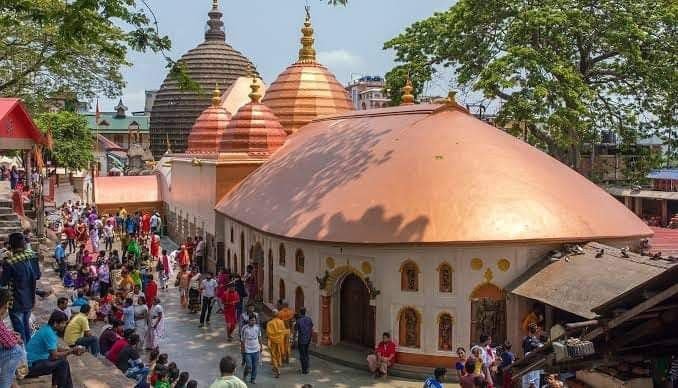
Mandirs in Assam Assam, often described as the gateway to Northeast India, is a land where nature’s beauty and spirituality blend together. Famous for the mighty Brahmaputra River, tea gardens, and vibrant culture, Assam also has a glorious spiritual tradition reflected in its mandirs and temples. The state is especially known for being home to one of the most important Shakti Peeths in India – the Kamakhya Temple – but beyond that, there are numerous other temples devoted to Shiva, Vishnu, Durga, and various local deities. These temples not only serve as sacred centers of faith but also stand as symbols of Assam’s history, mythology, and architecture. The Kamakhya Temple, located on the Nilachal Hills in Guwahati, is the most renowned mandir of Assam and one of the holiest sites for Shakti worshippers. Dedicated to Goddess Kamakhya, a form of Maa Shakti, this temple is counted among the 51 Shakti Peeths of India. According to legend, the yoni (womb) of Goddess Sati fell here, making it a powerful seat of feminine energy. The temple is unique because it does not house an idol; instead, a natural stone crevice is worshipped, symbolizing the goddess. The annual Ambubachi Mela, held here in June, attracts lakhs of devotees and ascetics from across India, celebrating the fertility of the earth and the divine feminine power. Another important temple is the Umananda Temple, located on Peacock Island in the middle of the Brahmaputra River in Guwahati. Dedicated to Lord Shiva, it is believed that Lord Shiva himself meditated here. The temple is small but extremely beautiful, and the journey to it by boat adds to its charm. During Maha Shivaratri, the temple becomes a hub of devotion, with thousands of pilgrims visiting to seek blessings. The Navagraha Temple, also situated in Guwahati, is a unique shrine dedicated to the nine planets (Navagrahas). This ancient temple reflects the importance of astrology and planetary worship in Hindu traditions. The temple’s domes are painted in different colors representing the nine celestial bodies, and devotees come here to perform rituals to reduce the malefic effects of planetary positions in their lives. In the Barpeta district, the Hayagriva Madhava Temple is a highly revered shrine dedicated to Lord Vishnu in the form of Hayagriva (the horse-headed incarnation). It is not only sacred for Hindus but is also respected by Buddhists, who believe that Lord Buddha attained Nirvana at this spot. The temple is also associated with the famous Doul Utsav (Holi festival), which is celebrated with vibrant colors, devotional songs, and rituals. The Maa Ugra Tara Temple, located in Guwahati, is another Shakti shrine where the fierce form of Goddess Tara is worshipped. This temple is considered a tantric site and attracts devotees seeking divine energy and spiritual power. Similarly, the Doul Govinda Temple, dedicated to Lord Krishna on the northern banks of the Brahmaputra, is an important Vaishnavite temple. During Janmashtami and Holi, thousands of devotees gather here to celebrate with immense joy and devotion. Temples in Assam

Mandirs in Assam Read Post »

f686ef55cd6e312c7f7fb8dd34ce76d2
state wise

Mandirs in Arunachal Pradesh

Mandirs in Arunachal Pradesh Arunachal Pradesh, known as the “Land of the Rising Sun”, is a state of breathtaking natural beauty, snow-capped mountains, and diverse tribal cultures. While the majority of the population follows indigenous faiths and Buddhism, Hinduism also has a deep-rooted presence in the state. Many sacred mandirs here are associated with legends from the Mahabharata, Ramayana, and ancient Vedic traditions. The temples of Arunachal Pradesh not only attract Hindu devotees but also reflect the blending of tribal customs with classical Hindu worship. One of the most famous shrines of the state is the Parasuram Kund, situated on the Brahmaputra plateau in the Lohit district. According to legend, this is the place where Sage Parasurama, after killing his mother under his father’s command, came to wash away his sins. He bathed in the holy waters of this kund (lake), and it is believed that anyone who takes a dip here is freed from sins. Every year, during Makar Sankranti, thousands of pilgrims from across India visit Parasuram Kund to take the holy dip and offer prayers. Another significant pilgrimage site is Malinithan Temple, located in the West Siang district. Dedicated to Goddess Durga in her form as Malini, this temple is associated with the story of Lord Krishna and Rukmini. According to tradition, when Krishna eloped with Rukmini, they were welcomed here by Goddess Durga. The temple is now in ruins, but its beautifully carved stone sculptures of deities, animals, and flowers reflect its ancient grandeur. Malinithan remains an important Shakti site and is a major attraction for devotees and historians alike. The Akashganga Temple, near Malinithan, is another holy site where a natural spring flows down from the mountains. It is considered sacred because it is believed that drops of Goddess Sati’s body fell here, making it part of the Shakti Peeth tradition. Devotees come here to collect the holy water, which is said to have purifying powers. Temples in Arunachal Pradesh

Mandirs in Arunachal Pradesh Read Post »

55ad69a4c7baa663547fc84306912b33
state wise

Mandirs in Andhra Pradesh

Mandirs in Andhra Pradesh Andhra Pradesh, situated along the southeastern coast of India, is one of the most spiritually rich states in the country, often referred to as the Land of Temples. It is home to countless mandirs dedicated to Lord Vishnu, Lord Shiva, Goddess Durga, and many other deities. These temples are not only places of devotion but also masterpieces of architecture, history, and culture that attract millions of pilgrims every year. The most renowned temple of Andhra Pradesh is the Sri Venkateswara Swamy Mandir in Tirumala, popularly known as Tirupati Balaji Temple. Dedicated to Lord Venkateswara, an incarnation of Vishnu, it is one of the richest and most visited temples in the world. Pilgrims from across the globe come here to seek the blessings of Balaji, and offering hair as a sign of surrender is a unique ritual performed here. The temple’s grandeur, rituals, and spiritual energy make it the crown jewel of Andhra Pradesh’s religious heritage. Another significant temple is the Kanaka Durga Mandir in Vijayawada, dedicated to Goddess Durga in her powerful form. Located on the Indrakeeladri Hill, it is one of the most revered Shakti Peethas of South India. The temple becomes the center of devotion during Dasara Navaratri, when thousands of devotees visit to offer prayers to the Goddess, who symbolizes strength, protection, and victory over evil. The Simhachalam Temple near Visakhapatnam is dedicated to Lord Varaha Narasimha, a combined form of Vishnu’s boar (Varaha) and man-lion (Narasimha) avatars. The deity here is covered with sandalwood paste throughout the year, and only on Akshaya Tritiya is the original idol revealed to devotees. This temple is considered one of the eighteen Narasimha Kshetras of India. In Anantapur district lies the Lepakshi Temple, dedicated to Lord Veerabhadra, a fierce form of Shiva. This temple is famous not only for its sanctity but also for its Vijayanagara-style architecture, detailed carvings, fresco paintings, and the legendary hanging pillar that amazes visitors with its engineering marvel. The temple is also associated with episodes from the Ramayana. The Srisailam Mallikarjuna Temple, located on the banks of the Krishna River, is one of the twelve Jyotirlingas of Lord Shiva and also a Shakti Peetha dedicated to Goddess Bhramaramba. This makes it one of the holiest sites in India, revered by both Shaivites and Shaktas. Pilgrims from all over the country visit Srisailam, especially during Shivratri. Temples in Andhra Pradesh

Mandirs in Andhra Pradesh Read Post »