












Hari Om

Menu

state wise

30b4ecd62b4b7458c86d6aba5f84529e 1
state wise

Mandirs in Tripura

Mandirs in Tripura Tripura, a small but culturally rich state in Northeast India, has a deep spiritual heritage reflected in its ancient mandirs. Influenced by both Hinduism and indigenous tribal traditions, the temples of Tripura are centers of devotion, art, and legend. The state is especially known for its Shakti temples, Vaishnavite shrines, and unique architectural styles blending local craftsmanship with Bengal and Manipur traditions. One of the most revered temples in Tripura is the Tripura Sundari Temple at Udaipur, also known as Matabari. This temple is one of the 51 Shakti Peethas of India, where the right foot of Goddess Sati is believed to have fallen. The sanctum houses a square-shaped idol of Goddess Kali, worshipped as Tripura Sundari, seated on the chest of Lord Shiva. It is considered the state’s holiest shrine, drawing thousands of devotees, especially during the annual Diwali Mela, when the temple becomes the heart of celebrations. Another important shrine is the Bhubaneswari Temple, built in the 17th century by Maharaja Govinda Manikya. Located on the banks of the Gomati River in Udaipur, this temple is dedicated to Goddess Bhuvaneswari. Its serene surroundings and elegant architecture inspired Nobel laureate Rabindranath Tagore, who mentioned it in his plays Rajarshi and Bisarjan. The Chaturdash Devta Temple, also in Udaipur, is unique as it enshrines the fourteen deities worshipped by the Tripuri kings. The temple is the center of the famous Kharchi Puja, a week-long festival held every July, where thousands gather to honor the state’s guardian deities with grand rituals, music, and fairs. The Jagannath Temple in Agartala is another significant Vaishnavite shrine, dedicated to Lord Jagannath along with Balabhadra and Subhadra. Its octagonal base and vibrant orange-yellow exterior make it stand out. The temple hosts an annual Rath Yatra, similar to Puri, attracting large numbers of devotees. In the heart of Agartala lies the Lakshmi Narayan Temple, built by King Birendra Kishore Manikya in the early 20th century. Dedicated to Lord Vishnu and Goddess Lakshmi, it is one of the most prominent Hindu temples in the state, especially during Janmashtami and Diwali celebrations. Another sacred place is the Fourteen Gods Temple (Chaturdasha Devata) near Old Agartala, closely associated with the royal family’s religious practices. It is linked with tribal traditions and showcases the fusion of Vedic Hinduism with local beliefs. The Uma Maheshwar Temple, also located in Udaipur, is dedicated to Lord Shiva and Goddess Parvati. Along with this, there are numerous smaller mandirs dedicated to Shiva, Vishnu, Hanuman, and Shakti scattered across the state, many of which were built under the patronage of the Manikya kings. In conclusion, the mandirs of Tripura highlight the state’s rich spiritual and cultural history. From the sacred Shakti Peeth of Tripura Sundari to the Vaishnavite devotion of Jagannath Temple, from the tribal-Hindu synthesis of Chaturdash Devta Temple to the elegance of Bhubaneswari Mandir, these shrines form the spiritual backbone of the state. They not only preserve ancient traditions but also serve as vibrant centers of community life, where devotion, art, and heritage come together in harmony. Temples in Tripura

Mandirs in Tripura Read Post »

ad8471163225badd096b2dc4d50b3726
state wise

Mandirs in Telangana

Mandirs in Telangana Telangana, a land blessed with a rich cultural legacy, is home to some of the most ancient and spiritually powerful temples of South India. With roots going back to the Satavahanas, Kakatiyas, Chalukyas, and other dynasties, the mandirs of Telangana reflect a blend of devotion, architecture, and history. The state is dotted with temples dedicated to Shiva, Vishnu, Durga, and local deities, which not only serve as sacred spaces but also as living centers of tradition, art, and community life. One of the most renowned temples in Telangana is the Yadadri Lakshmi Narasimha Swamy Temple, located near Hyderabad. Dedicated to Lord Narasimha, this temple is believed to fulfill the wishes of devotees who worship with faith. Recently renovated and expanded with grand architecture, it has become one of the most significant pilgrimage destinations in South India. Another iconic shrine is the Bhadrachalam Temple, dedicated to Lord Rama, situated on the banks of the Godavari River. This temple has immense significance as it is linked with the Ramayana. According to legend, it is the place where Lord Rama is believed to have stayed during his exile. The annual Sri Rama Navami festival is celebrated here with grandeur, drawing devotees from across the country. The Thousand Pillar Temple in Warangal is an architectural marvel built during the Kakatiya dynasty. Dedicated to Lord Shiva, Vishnu, and Surya, the temple is famous for its richly carved pillars, star-shaped structure, and fine stone carvings. It stands as a testimony to the artistic excellence of the Kakatiya rulers and continues to attract both pilgrims and history lovers. Another significant temple is the Jogulamba Temple in Alampur, dedicated to Goddess Jogulamba, one of the eighteen Shakti Peethas of India. The temple is part of the Navabrahma temples complex built on the banks of the Tungabhadra River, showcasing exquisite Chalukyan architecture. Jogulamba is worshipped here as the fierce form of Shakti, and the shrine is considered highly powerful. The Keesaragutta Temple, located near Hyderabad, is dedicated to Lord Shiva and is associated with the legend of Lord Rama, who is said to have installed the Shiva Lingam here after defeating Ravana. The temple attracts large crowds during Maha Shivaratri. Hyderabad is also home to the Birla Mandir, a beautiful modern temple built entirely of white marble on a hillock. Dedicated to Lord Venkateswara (Balaji), the temple offers a panoramic view of the city and has become a spiritual and cultural landmark. Similarly, the Chilkur Balaji Temple, popularly known as the “Visa Balaji Temple,” is dedicated to Lord Venkateswara. Devotees believe that sincere prayers here help fulfill their aspirations, especially related to overseas travel. Other notable temples include the Gnana Saraswati Temple at Basar, one of the few temples dedicated to Goddess Saraswati in India, where children are traditionally initiated into learning through the Akshara Abhyasam ritual. The Ramappa Temple, a UNESCO World Heritage Site, dedicated to Lord Shiva, is another gem of Kakatiya architecture, known for its intricate carvings and floating bricks used in construction. Temples in Telangana

Mandirs in Telangana Read Post »

dd1c94aed31d44340b62f1f115be7d78
state wise

Mandirs in Sikkim

Mandirs in Sikkim Sikkim, nestled in the lap of the Himalayas, is known across the world for its Buddhist monasteries, pristine landscapes, and spiritual serenity. However, alongside Buddhism, Hinduism also has a significant presence here, reflected in the mandirs spread across the state. These temples are visited not only by locals but also by pilgrims from across India, especially from neighboring states like West Bengal, Bihar, and Nepal. Many of them are dedicated to Lord Shiva, Hanuman, and Goddess Durga, and they coexist harmoniously with Buddhist monasteries, symbolizing the cultural unity of Sikkim. One of the most popular temples in Sikkim is the Kirateshwar Mahadev Mandir, located near Legship by the banks of the Rangit River. Dedicated to Lord Shiva, this ancient temple has deep mythological significance from the Mahabharata. According to legend, Arjuna meditated here and pleased Lord Shiva, who appeared before him in the form of a hunter (Kirata) to bless him with the Pashupatastra. Today, the temple is not only a major pilgrimage site but also a serene spot surrounded by nature. The temple complex also houses shrines of Goddess Durga and Lord Ganesha, making it spiritually diverse. Another important shrine is the Ganesh Tok Temple, perched on a hilltop near Gangtok. Dedicated to Lord Ganesha, the temple offers breathtaking panoramic views of the Kanchenjunga range. Devotees visit this mandir to seek blessings before starting new endeavors, and it is also a favorite stop for tourists exploring the capital city. The Hanuman Tok Temple, located around 12 km from Gangtok, is dedicated to Lord Hanuman. As per legend, Hanuman rested at this spot while carrying the Sanjeevani herb during the Ramayana war. Maintained by the Indian Army, the temple is beautifully kept and provides a peaceful atmosphere for worship. The hilltop location offers a spectacular view of Gangtok and the surrounding mountains, making it both a religious and scenic destination. Sikkim also has a remarkable temple complex called the Siddheshwara Dham (Char Dham), located on Solophok Hill near Namchi. Built to promote pilgrimage tourism, this complex houses a massive 108-foot statue of Lord Shiva in sitting posture and replicas of the twelve Jyotirlingas of India. It also features miniature versions of the Char Dhams—Badrinath, Dwarka, Jagannath, and Rameshwaram. This site has become one of the most important Hindu pilgrimage centers in Northeast India, attracting devotees from across the country. The Sai Mandir in Namchi is another prominent Hindu temple dedicated to Shri Shirdi Sai Baba. Surrounded by lush gardens and offering scenic views, this temple reflects the growing devotion to Sai Baba in Sikkim. Daily aarti and bhajans create a spiritual ambiance that draws both locals and tourists. Temples in Sikkim

Mandirs in Sikkim Read Post »

6252e2f0587d4c29f4685023335509a4
state wise

Mandirs in Punjab

Mandirs in Punjab Punjab, known as the land of five rivers, is deeply associated with Sikhism and Sufi traditions, yet it also has a rich presence of Hindu mandirs that reflect the state’s diverse spiritual and cultural heritage. Many of these mandirs are dedicated to Shiva, Vishnu, Durga, Hanuman, and local forms of deities, blending Vedic traditions with regional devotion. These sacred spaces stand as testimony to Punjab’s inclusive religious identity. One of the most famous temples of Punjab is the Durgiana Mandir in Amritsar. Architecturally similar to the Golden Temple, it is dedicated to Goddess Durga and also houses idols of Laxmi, Narayan, and Hanuman. The temple is especially vibrant during Navratri when thousands of devotees gather for prayers and festivities. Its marble architecture and sacred sarovar add to its divine aura. Another important shrine is the Kali Mata Mandir in Patiala, built by Maharaja Bhupinder Singh in the early 20th century. Dedicated to Goddess Kali, it is considered one of the most significant Shakti temples in Punjab. The annual Navratri celebrations here attract a huge crowd, and the temple is regarded as a powerful center of divine feminine energy. The Shiv Mandir in Amritsar is also a renowned temple, believed to have been established in the 19th century. Known for its mythological legends, the temple is a hub of devotion during Mahashivratri, when devotees offer milk, water, and bel leaves to Lord Shiva. In Ludhiana, the ISKCON Temple dedicated to Radha-Krishna spreads Vaishnavite devotion and is a popular spiritual and cultural center, especially during Janmashtami and Holi. Similarly, the Shri Radha Krishna Mandir in Jalandhar and the Geeta Mandir in Bathinda serve as important Vaishnavite centers of worship. The Chintpurni Mandir in Hoshiarpur district is also a revered Shakti shrine dedicated to Mata Chintpurni, believed to fulfill the wishes of devotees who visit with a pure heart. Pilgrims often visit this temple as part of the circuit of Shakti Peethas in northern India. Punjab is also home to ancient Shiva temples like the Mukteshwar Mahadev Mandir in Pathankot, located along the banks of the Ravi River. This temple is associated with the Pandavas from the Mahabharata, who are believed to have meditated here during their exile. The scenic natural surroundings of this temple add to its sanctity. Another notable shrine is the Shri Sheetla Mata Mandir in Ludhiana, where the goddess is worshipped as a protector against diseases and misfortunes. Devotees throng this temple during Sheetala Ashtami. Mandirs in Punjab

Mandirs in Punjab Read Post »

7f5d6e89c65ce81d2a792ba2a4a05090
state wise

Mandirs in Odisha

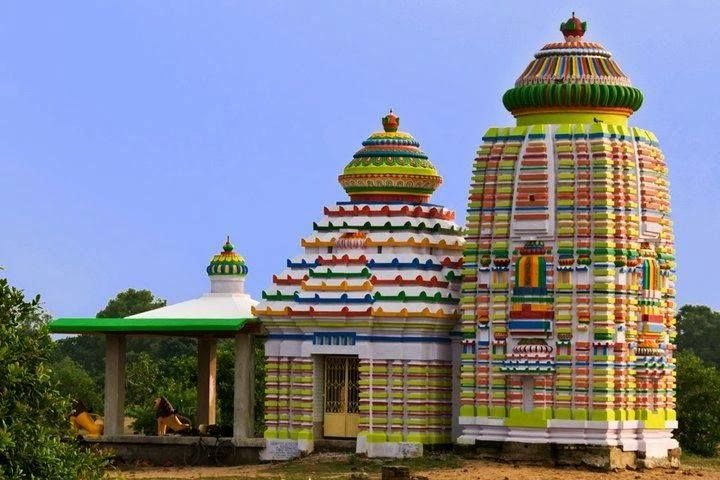
Mandirs in Odisha Odisha, the land of ancient Kalinga, is one of India’s richest regions in terms of temple heritage and sacred traditions. Often called the “Temple State of India”, Odisha is home to some of the most iconic mandirs that stand as masterpieces of spirituality, history, and architecture. From the grand temples of Bhubaneswar and Puri to hidden shrines in villages, the mandirs of Odisha are living symbols of devotion and culture. At the heart of Odisha’s spiritual identity is the Jagannath Temple in Puri, one of the Char Dhams of Hinduism. Dedicated to Lord Jagannath (a form of Lord Vishnu/Krishna), along with Balabhadra and Subhadra, this temple is among the most revered in the world. The temple is famous for the Ratha Yatra (Chariot Festival), where the three deities are taken out in grand wooden chariots, witnessed by millions of devotees. The temple’s rituals and offerings, particularly the Mahaprasad cooked in clay pots, carry deep spiritual and cultural meaning. Another gem of Odisha is the Lingaraja Temple in Bhubaneswar, dedicated to Lord Shiva. Built in the 11th century, this temple represents the pinnacle of Kalinga-style architecture. The towering spire, elaborate carvings, and sacred tank (Bindusagar) make it one of the most magnificent Shiva temples in India. Bhubaneswar itself is called the “City of Temples” because of its countless shrines, including the Mukteswara Temple, known as the “Gem of Odisha Architecture,” and the Rajarani Temple, celebrated for its sculptural beauty. The Konark Sun Temple, a UNESCO World Heritage Site, is another jewel of Odisha. Built in the 13th century by King Narasimhadeva I, this temple is shaped like a colossal chariot of the Sun God, Surya, with intricately carved stone wheels and horses. Although partly in ruins, the temple remains a symbol of Odisha’s artistic genius and is a major pilgrimage and cultural site. The Konark Dance Festival held here every year brings alive the connection between devotion and art. Odisha is also home to several important Shakti Peethas and Devi temples. The Maa Tara Tarini Temple near Berhampur, located on the banks of the Rushikulya River, is one of the four major Shakti Peethas of India. Thousands of devotees visit this temple, especially during Chaitra Mela. The Maa Samaleswari Temple in Sambalpur is another significant Shakti shrine, worshipped as the presiding goddess of Western Odisha. The Maa Mangala Temple in Kakatpur is believed to be closely associated with the Jagannath Temple, as priests traditionally seek the goddess’s blessings before carving new idols of the Puri deities. Temples in Odisha

Mandirs in Odisha Read Post »

a5ae47a731d53412fa4e02fd765997a7
state wise

Mandirs in Manipur

Mandirs in Manipur Manipur, often called the “Jewel of the East”, is not only known for its scenic landscapes, dance traditions, and martial arts but also for its temples that reflect a unique blend of Hinduism, indigenous Meitei traditions, and Vaishnavism. The arrival of Hinduism in the region, particularly Vaishnavism during the reign of King Pamheiba (Garib Niwaz) in the 18th century, shaped much of the religious and cultural identity of Manipur. Many mandirs in the state are dedicated to Lord Krishna, Lord Vishnu, Radha, and various forms of Devi, alongside local deities worshipped in Sanamahi tradition. One of the most prominent temples in Manipur is the Shree Govindajee Temple, located in Imphal, close to the royal palace. This temple is dedicated to Lord Govindajee, a form of Lord Krishna, and is one of the most sacred Vaishnavite shrines in Northeast India. The temple has simple yet elegant architecture with a large golden dome, twin domes, and a spacious courtyard. Daily rituals and bhajans here are deeply rooted in Vaishnava traditions, and during Janmashtami and Holi, the temple becomes the epicenter of devotion and celebration. The Sanamahi Temple in Imphal is another significant shrine, dedicated to Lord Lainingthou Sanamahi, one of the principal deities in the traditional Meitei religion (Sanamahism). This temple showcases the deep-rooted indigenous faith of Manipur, which coexists with Hinduism. Devotees gather here especially during the Sajibu Nongma Panba (Manipuri New Year) festival. The Shree Krishna Temple in Brahmapur Guru Aribam Leikai is also a famous site of worship, where Krishna Janmashtami is celebrated with grandeur, drawing devotees from across the state. Similarly, the ISKCON Temple in Imphal, dedicated to Lord Krishna and Radha, is an important center for Gaudiya Vaishnavism. It organizes kirtans, discourses, and cultural programs, keeping alive the Bhakti traditions that connect Manipur with Bengal and Vrindavan. Another notable shrine is the Sri Hanuman Thakur Temple situated in Imphal. Built during the reign of King Garib Niwaz, this temple is dedicated to Lord Hanuman and is revered as a guardian deity. The Nityananda Temple, also in Imphal, is dedicated to Lord Nityananda, a companion of Chaitanya Mahaprabhu, reflecting the strong Gaudiya Vaishnava influence in Manipur. Temples in Manipur

Mandirs in Manipur Read Post »

5ebbad329abf2e7e22b3cee68902508d
state wise

Mandirs in Maharashtra

Mandirs in Maharashtra Maharashtra, a land of saints, warriors, and rich cultural traditions, is also one of the most spiritually vibrant states of India. The state is dotted with thousands of mandirs ranging from ancient rock-cut caves and Jyotirlingas to grand Shakti Peethas and modern temples. These mandirs are not just centers of worship but also custodians of Maharashtra’s devotional traditions, which are deeply influenced by the Bhakti movement and saints like Sant Dnyaneshwar, Sant Tukaram, Sant Namdev, and Sant Eknath. One of the most sacred places in Maharashtra is the Trimbakeshwar Temple, located near Nashik. It is one of the twelve Jyotirlingas of Lord Shiva and is considered extremely holy because it is the origin of the sacred Godavari River. The temple enshrines three lingas representing Brahma, Vishnu, and Shiva, making it unique among Jyotirlingas. Pilgrims believe that visiting Trimbakeshwar cleanses one of sins and grants moksha. The temple also plays a central role in rituals related to Pitru Karmas (ancestral rites). Another major Jyotirlinga in Maharashtra is the Bhimashankar Temple, located in the Sahyadri hills near Pune. Surrounded by dense forests and wildlife, this temple is not only a sacred Shiva shrine but also a popular trekking destination. According to legend, it marks the spot where Lord Shiva defeated the demon Tripurasura. The temple’s Nagara-style architecture and natural beauty make it a spiritually uplifting site. The Grishneshwar Temple, located near Ellora Caves in Aurangabad, is another Jyotirlinga of Lord Shiva. Built in red basalt stone, it is one of the last Jyotirlingas in the list of twelve and has a serene and divine aura. Its proximity to the UNESCO World Heritage Site of Ellora adds historical and cultural significance. Maharashtra is also blessed with revered Shakti Peethas. The Tulja Bhavani Temple in Tuljapur is one of the 51 Shakti Peethas and holds immense significance for devotees of Goddess Durga. Goddess Bhavani is believed to have been the kuldevi (family deity) of the Bhonsle clan, including Chhatrapati Shivaji Maharaj, who sought her blessings before battles. Similarly, the Mahalakshmi Temple in Kolhapur is another prominent Shakti Peeth, dedicated to Goddess Mahalakshmi, worshipped here as Ambabai. The temple attracts lakhs of pilgrims during Navratri and Kartik Ekadashi. The Siddhivinayak Temple in Mumbai is one of the most visited temples in India, dedicated to Lord Ganesha. People from all walks of life, including celebrities, politicians, and common devotees, come here to seek the blessings of Ganapati Bappa. The temple’s Tuesday darshan is especially popular, and it is believed that prayers offered here never go unanswered. Another famous Ganesha shrine is the Ashtavinayak Temples, a group of eight ancient temples in Maharashtra dedicated to different forms of Ganesha. Completing the Ashtavinayak yatra is considered highly auspicious. Temples in Maharashtra

Mandirs in Maharashtra Read Post »

ab0083df2c8ad4c5b0bbf395a630d235
state wise

Mandirs in Madhya Pradesh

Mandirs in Madhya Pradesh Madhya Pradesh, often called the Heart of India, is a land steeped in history, culture, and spirituality. The state is home to some of the most magnificent temples of India, ranging from ancient rock-cut shrines and classical Nagara-style temples to revered jyotirlingas and Shakti Peeths. These mandirs are not only places of devotion but also masterpieces of architecture that narrate the stories of dynasties, deities, and faith. One of the most important pilgrimage centers in Madhya Pradesh is the Mahakaleshwar Jyotirlinga in Ujjain. Dedicated to Lord Shiva, it is one of the twelve Jyotirlingas and is considered supremely sacred. The temple stands on the banks of the Shipra River and is unique because the Shiva Linga here is swayambhu (self-manifested). The early morning Bhasma Aarti, where the deity is worshipped with sacred ash, draws thousands of devotees every day. Ujjain is also famous for the Kal Bhairav Mandir and is one of the sites of the Kumbh Mela, further enhancing its religious significance. Another Jyotirlinga in Madhya Pradesh is the Omkareshwar Temple, located on an island shaped like the sacred “Om” symbol in the Narmada River. Dedicated to Lord Shiva, this temple is a blend of natural beauty and spiritual power. Pilgrims believe that a visit to Omkareshwar grants liberation from the cycle of birth and death. Alongside Omkareshwar, the island also houses the Mamleshwar Temple, adding to the spiritual aura of the place. The Khajuraho Temples in Chhatarpur district are among the most famous temple groups in India, recognized as a UNESCO World Heritage Site. Built by the Chandela dynasty between the 9th and 11th centuries, these temples are masterpieces of Nagara-style architecture. Though Khajuraho is globally known for its intricate erotic sculptures, the carvings also depict gods, celestial beings, dancers, animals, and daily life, symbolizing the harmony of spiritual and worldly existence. Temples like the Kandariya Mahadev Temple dedicated to Lord Shiva, and the Lakshmana Temple dedicated to Lord Vishnu, are among the most visited. Madhya Pradesh is also home to the Chaturbhuj and Ram Raja Mandir in Orchha. The Ram Raja Temple is unique because Lord Rama is worshipped here as a king, complete with royal honors like guards and salutes. The temple holds immense importance for devotees, and daily rituals are performed with grandeur. Orchha also houses magnificent temples like the Chaturbhuj Temple and Lakshmi Narayan Temple, known for their murals and blend of temple and fort architecture. The Bhojeshwar Temple in Bhojpur, near Bhopal, is dedicated to Lord Shiva and is often called the “Somnath of the East.” It houses one of the largest Shiva Lingas in India, carved out of a single stone. Though incomplete, the temple’s massive structure and unique architectural design reveal the grandeur of King Bhoja’s vision. The Chausath Yogini Temple in Morena is another notable shrine. Dedicated to the sixty-four Yoginis, it is one of the few surviving Yogini temples in India. Built in circular form, it is said to have inspired the design of the Indian Parliament building. This temple reflects the Tantric traditions that once flourished in the region. Another sacred site is the Pitambara Peeth in Datia, dedicated to Goddess Baglamukhi, one of the ten Mahavidyas. Devotees visit this temple to seek blessings for victory over obstacles, protection from negative forces, and spiritual power. The temple is a powerful Shakti Peeth and attracts devotees from across the country. Madhya Pradesh also has several other important temples like the Birla Mandir in Bhopal, Annapurna Temple in Indore, Kaal Bhairav Temple in Ujjain, Jata Shankar Cave Temple in Pachmarhi, and the Gopeshwar Temple in Narmadapuram. The state’s forests and hills are dotted with smaller shrines dedicated to local deities, Shiva, Vishnu, Hanuman, and Devi, reflecting the deep-rooted faith of rural communities. Festivals play a vital role in temple life across Madhya Pradesh. During Mahashivratri, temples like Mahakaleshwar, Omkareshwar, and Bhojeshwar witness grand celebrations. Navaratri is marked with devotion in Shakti temples like Pitambara Peeth. Janmashtami in Ujjain and Ram Navami in Orchha are celebrated with vibrant processions, devotional music, and traditional dances. The Khajuraho Dance Festival also highlights the cultural fusion of temple heritage and classical arts. Temples in Madhya Pradesh

Mandirs in Madhya Pradesh Read Post »

6fcb1e3f60c10b5d0972c258deaaefbe
state wise

Mandirs in Kerala

Mandirs in Kerala Kerala, often called God’s Own Country, is not only famous for its serene backwaters, lush greenery, and cultural traditions but also for its ancient temples that embody devotion, art, and history. The mandirs of Kerala stand as timeless symbols of the state’s spiritual depth, where rituals, architecture, and festivals blend seamlessly with everyday life. Unlike the towering gopurams of Tamil Nadu, Kerala’s temples reflect a unique architectural style suited to the region’s climate — sloping tiled roofs, wooden carvings, granite sanctums, and sacred ponds for rituals. One of the most iconic temples in Kerala is the Sree Padmanabhaswamy Temple in Thiruvananthapuram, dedicated to Lord Vishnu. It is one of the 108 Divya Desams (sacred Vishnu temples) and depicts the deity reclining on the serpent Ananta. The temple is world-famous not only for its sanctity but also for its immense hidden treasure discovered in underground vaults, making it one of the richest temples on earth. The temple’s Dravidian-style gopuram, elaborate festivals like Laksha Deepam, and strict traditional rituals preserve its ancient glory. Another major spiritual center is the Guruvayur Temple, located in Thrissur district. Dedicated to Lord Krishna, worshipped here as Guruvayurappan, the temple is often referred to as Bhooloka Vaikuntha (Heaven on Earth). It is one of the most visited pilgrimage centers in South India, attracting devotees from across the country. The temple is also famous for the Guruvayur Devaswom Elephant Sanctuary, where elephants offered to the deity are cared for. Festivals like Guruvayur Ekadashi and Janmashtami are celebrated with grandeur, drawing lakhs of pilgrims. The Sabarimala Temple, nestled in the dense forests of Pathanamthitta district, is one of the most significant pilgrimage centers in India. Dedicated to Lord Ayyappa, this temple is unique because it is open to devotees only during specific periods—Mandala season (November–January) and the first days of every Malayalam month. Pilgrims undertake a rigorous 41-day vrata (austerities) before trekking through forests to reach the shrine. The chant of “Swamiye Saranam Ayyappa” echoes across the hills during the season, creating a powerful spiritual atmosphere. The Vaikom Mahadeva Temple in Kottayam is one of the oldest and most revered Shiva temples in Kerala. It is closely associated with the legendary Vaikom Satyagraha (1924–25), a historic movement that fought for the right of lower-caste communities to enter temples. The temple is an important center of Shaivism and celebrates Vaikom Ashtami with much devotion and festivities. Another Shiva temple of great significance is the Ettumanoor Mahadeva Temple, also in Kottayam district. This temple is famous for its mural paintings and the annual Ezharaponnana Ezhunallathu festival, where seven and a half golden elephants (life-sized figures) are brought out in procession. Devotees believe that Lord Shiva resides here in a highly powerful form, blessing all those who worship with sincerity. Temples in Kerala

Mandirs in Kerala Read Post »

c7730ce95800a330fc55415f30c10055
state wise

Mandirs in Karnataka

Mandirs in Karnataka Karnataka, a state in southern India, is renowned for its majestic temples that reflect centuries of devotion, art, and architecture. From intricately carved stone temples of the Hoysala dynasty to grand Dravidian-style shrines and sacred cave mandirs, Karnataka’s temple landscape showcases the spiritual essence of the region. The mandirs here are dedicated to a wide range of deities including Lord Shiva, Vishnu, Durga, Ganesha, and Hanuman, and are closely tied to legends, dynasties, and cultural traditions. One of the most famous temples in Karnataka is the Udupi Sri Krishna Mandir, located in Udupi. This temple is dedicated to Lord Krishna and is one of the holiest pilgrimage centers for Vaishnavites. The unique feature of this temple is the darshan of the deity through a small window called Kanakana Kindi. Devotees believe that Krishna granted darshan to his ardent devotee, Kanaka Dasa, through this very window. The temple is a vibrant hub of rituals, bhajans, and festivals like Krishna Janmashtami, which is celebrated with great devotion and grandeur. Another prominent shrine is the Murudeshwar Temple, located on the coast of the Arabian Sea in Uttara Kannada district. Dedicated to Lord Shiva, the temple is famous for its towering 123-feet statue of Lord Shiva, one of the tallest in the world. The temple stands against the backdrop of the sea and offers a breathtaking view. It is associated with the legend of the Atma Linga, linking it to the Ramayana and the story of Ravana’s devotion to Lord Shiva. The Gokarna Mahabaleshwar Temple is another highly revered Shiva temple in Karnataka. Situated in Gokarna, this temple enshrines the Atma Linga of Lord Shiva and is considered as sacred as the Kashi Vishwanath Jyotirlinga. Devotees believe that a pilgrimage to Kashi is incomplete without visiting Gokarna. The temple is surrounded by pristine beaches, making it both a spiritual and scenic destination. Karnataka is also famous for the Hoysala temples, built during the Hoysala dynasty between the 11th and 14th centuries. The Chennakesava Temple in Belur and the Hoysaleswara Temple in Halebidu are masterpieces of Hoysala architecture. Dedicated to Lord Vishnu and Lord Shiva respectively, these temples are adorned with intricate carvings depicting mythological stories, celestial beings, animals, and dancers. The detailed sculptures make them not only places of worship but also living museums of Indian art and culture. The Chamundeshwari Temple in Mysuru is dedicated to Goddess Chamundeshwari, a fierce form of Durga who is believed to have slain the demon Mahishasura. Perched atop Chamundi Hills, the temple is a significant Shakti Peeth and attracts thousands of devotees. During the famous Dasara Festival in Mysuru, the temple becomes the focal point of celebrations, with grand processions, rituals, and cultural performances. In Bengaluru, the capital city of Karnataka, temples like the ISKCON Sri Radha Krishna Mandir and the Dodda Ganesha Temple are highly popular. The ISKCON temple is one of the largest in the world, with modern architecture blended with traditional elements, serving as a center for devotion, education, and cultural activities. The Dodda Ganesha Temple houses a massive idol of Lord Ganesha, drawing devotees daily for blessings. Another important temple is the Kotilingeshwara Temple in Kolar district, known for having one of the largest Shiva Lingas in the world, surrounded by millions of smaller lingas installed by devotees over the years. The temple is a unique testimony to the devotion and collective faith of millions of pilgrims. Karnataka is also home to the Dharmasthala Manjunatha Temple, located in Dakshina Kannada. Dedicated to Lord Shiva in the form of Manjunatha, the temple is unique because it is managed by a Jain family but follows Hindu rituals, symbolizing harmony between different faiths. The temple is also renowned for its charitable activities, free food distribution, and social service. The Badami Cave Temples, carved into cliffs, are another spiritual and architectural wonder. These cave temples, dating back to the 6th century, are dedicated to Lord Shiva, Vishnu, and Jain Tirthankaras. The exquisite carvings, rock-cut sculptures, and serene ambiance make them an iconic part of Karnataka’s temple heritage. Smaller but equally significant temples are scattered throughout the state. These include the Banashankari Temple in Badami, Ranganathaswamy Temple in Srirangapatna, Kollur Mookambika Temple in Udupi district dedicated to Goddess Mookambika, and the Male Mahadeshwara Temple in Chamarajanagar. Each of these temples holds deep religious and cultural significance, with legends and festivals associated with them. Festivals in Karnataka’s temples are celebrated with grandeur, bringing together devotees from across the country. Events like Maha Shivratri, Navaratri, Ugadi, Krishna Janmashtami, and Dasara see temples decorated with flowers, lights, and vibrant cultural programs. Rituals such as abhishekas, bhajans, and chariot processions make the spiritual atmosphere lively and engaging. Temples in Karnataka

Mandirs in Karnataka Read Post »