























Hari Om

Menu

Mandir in Jammu & Kashmir

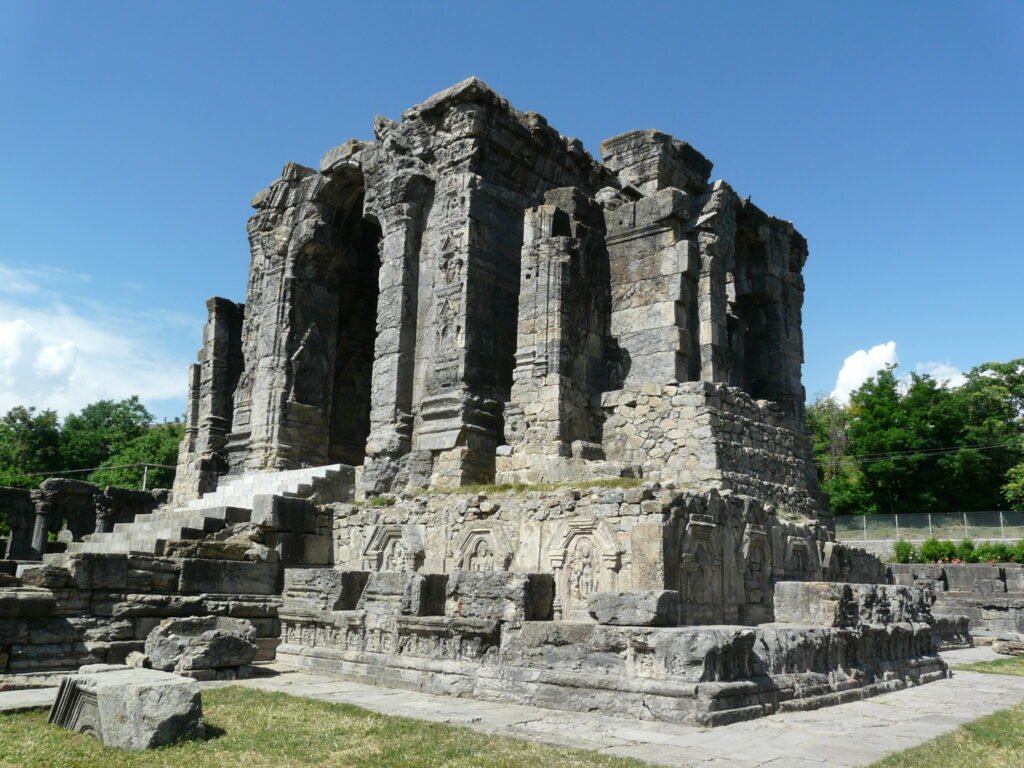
Martand Sun Temple Central shrine 6133772365
All Surya Mandir, Mandir in Jammu & Kashmir

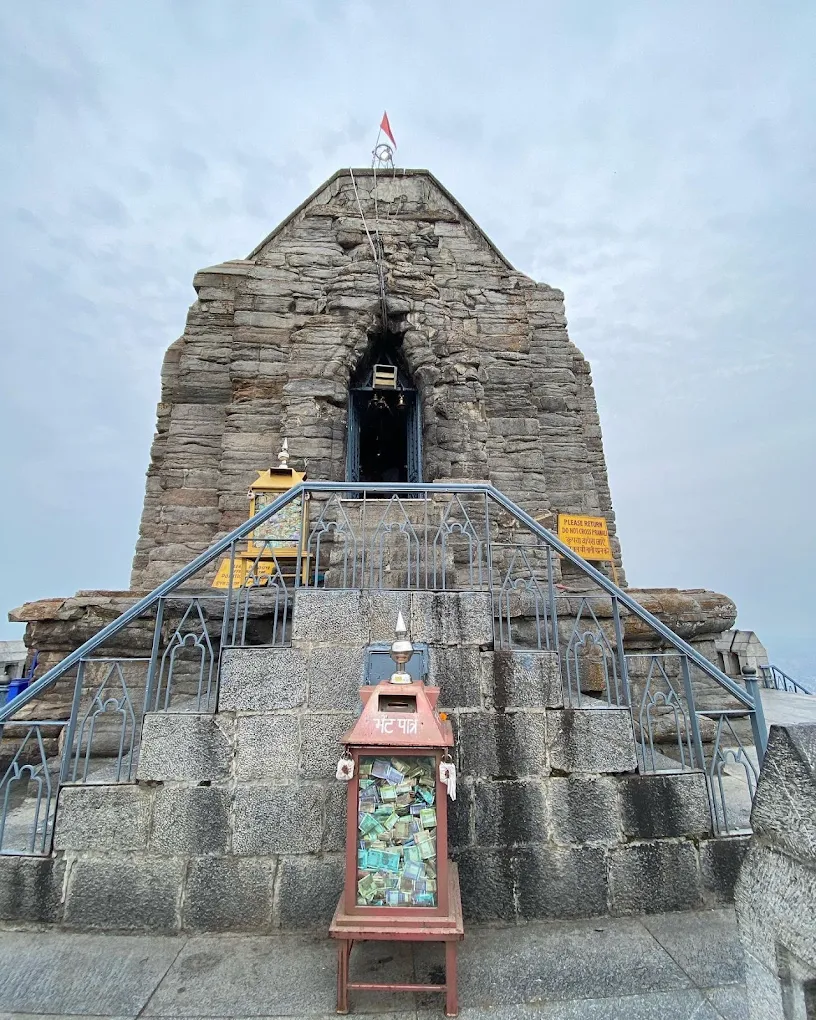
Martand Sun Temple

Built in the 8th century CE by King Lalitaditya Muktapida of the Karkota dynasty, it is one of the most significant examples of early Kashmiri temple architecture.Although now in ruins, the grandeur of its design, carvings and layout make it a major heritage monument. Architecture of the Temple The temple is built on a plateau (a karewa) offering a commanding view of surrounding Kashmir Valley. The layout: a large courtyard (quadrangular) of about 220 feet in length and 142 feet in breadth. It had a colonnaded peristyle (a ring of columns around the courtyard) and originally about 84 (some sources say 86) pillars. The central shrine (sanctum) was in the middle of the courtyard, on a raised platform, approached by steps. Features of ornamentation include carvings of Hindu deities, river goddesses Ganga & Yamuna, motifs of flora, flying Gandharvas, etc. The entrance to the temple complex is from the western side, matching temple‑architecture norms in the r How to Reach to Temple Nearest airport: Srinagar International Airport (SXR), approx 50‑70 km from Anantnag. Nearest railway station: Anantnag Railway Station is closest; larger networks connect through major junctions. By road: From Srinagar or within Kashmir Valley, take the highway / road to Anantnag, then local roads to Mattan / Martand temple. It is about 9 km from Anantnag town. Local transport: taxis / shared jeeps from Anantnag; road conditions may vary depending on weather & season. Temple Timings Temple Location

Martand Sun Temple Read Post »
unnamed 2025 10 04T142723.703
All Surya Mandir, Mandir in Jammu & Kashmir

Dakshinaarka Sun Temple

It is revered both for its mystical/legendary associations and for being a place of pilgrimage and spiritual retreat. Architecture of the Temple The temple structure includes a courtyard with three shikharas (temple spires), two are modern and one ancient. There is a tall pink arched gateway at entrance, with stairs made of white marble, with railings. Flooring includes marble and mosaic in the verandah, with a long verandah (corridor) leading to cave entrance. The entrance to the cave is under a dome (Gumband), which is ribbed and adorned; the dome entrance shows paintings with Mughal and Dogra style influence, especially floral motifs. The ceiling of dome and niches are decorated in style akin to Jammu school of painting (19th century) with colours like indigo etc. How to Reach to Temple Location: On Circular Road in Jammu city, about 2‑4 kilometres from Raghunath Bazar, on the bank of River Tawi. By Road: It is accessible by auto‐rickshaw, taxi or local transport from city centre. Being close to major area of Jammu, reaching via road is easy. By Train/Air: Jammu Tawi Railway Station is nearest railway hub. Jammu Airport is the air access. From there local transport to the temple. (Exact distances depend on your starting location in Jammu.) — this is typical for temples in city. Temple Timings Temple Location

Dakshinaarka Sun Temple Read Post »

unnamed 30
All Surya Mandir, Mandir in Jammu & Kashmir

Shankaracharya Temple

Traditionally, it’s considered Kashmir’s oldest temple, with origins possibly dating back to 371 BCE, attributed to King Gopaditya. Its hill was known as Gopadri. Architecture of the Temple Style: Built in Rekha Deula style of Kalinga architecture, similar to temples in Odisha, especially modeled somewhat like the Jagannath Temple style. Material & Sculpture: The main idol (mulavirata) is carved out of a single, finely polished black granite stone. In this single stone also embedded are the figures of Pingala and Mathara (door keepers, Dvarapalas), the sages Sanaka & Sanandana holding chatra (umbrellas), the chariot with seven horses, and Aruna as the charioteer. Entrance Gates and Five Doors: The temple has five entrance gates. The design ensures alignment of sunlight through these gates on particular days, focusing sunlight to the idol’s feet Other features: The temple includes mandapas, Pushkarini (temple pond), place for Kesha Mundanam (tonsuring) etc. There are smaller shrines around. Some renovations by local devotees in later periods. How to Reach to Temple By Road / Public Transport: Arasavalli village is very close to Srikakulam town (about 1 km east). Buses and local transport from Srikakulam are available. By Train: Nearest railway station is Srikakulam Road Railway Station. By Air: The nearest airport is Visakhapatnam International Airport, which is approx 125‑130 km away. From there one can take road/rail transport to Srikakulam and then to Arasavalli. Temple Timings Temple Location

,

Shankaracharya Temple Read Post »

unnamed 29
Mandir in Jammu & Kashmir

Ranbireshwar Temple

It was constructed in 1883 by Maharaja Ranbir Singh of the Dogra dynasty as part of his vision to transform Jammu into a “City of Temples,” reminiscent of Kashi (Varanasi). Architecture of the Temple The structure features a multi-storied elevation—worshippers ascend to the topmost floor where the sanctum is located The sanctum houses a towering Shiva Lingam (~8 feet tall) fashioned from a single black marble block—the largest in North India. Twelve crystal (Sphatik) Lingams (15–38 cm tall) flank the main deities, symbolizing the 12 Jyotirlingas, accompanied by over 125,000 miniature lingams (from Narmada stone) embedded on gallery slabs. The courtyard features a majestic brass Nandi (~1000 kg) and life-size images of Shiva, Parvati, Ganesha, and Kartikeya. Architecturally, the temple reflects a blend of Dogra, Mughal, and Kashmiri styles, with ornate pillars, tiled floors, marble accents, and a prominent spire visible across the cityscape How to Reach to Temple By Road: Centrally located on Shalimar Road—easily reachable by local buses, autos, or taxis; nearby parking available. By Rail: Just ~3–5 km from Jammu Tawi Railway Station, well connected by local transport . By Air: Around 7–8 km from Jammu Airport (Satwari)—reachable via taxi or local bus. Temple Timings Temple Location

Ranbireshwar Temple Read Post »

b785435b3aaf033f7e8a1a4b8136e4ed
Mandir in Jammu & Kashmir, Shakti Peeth

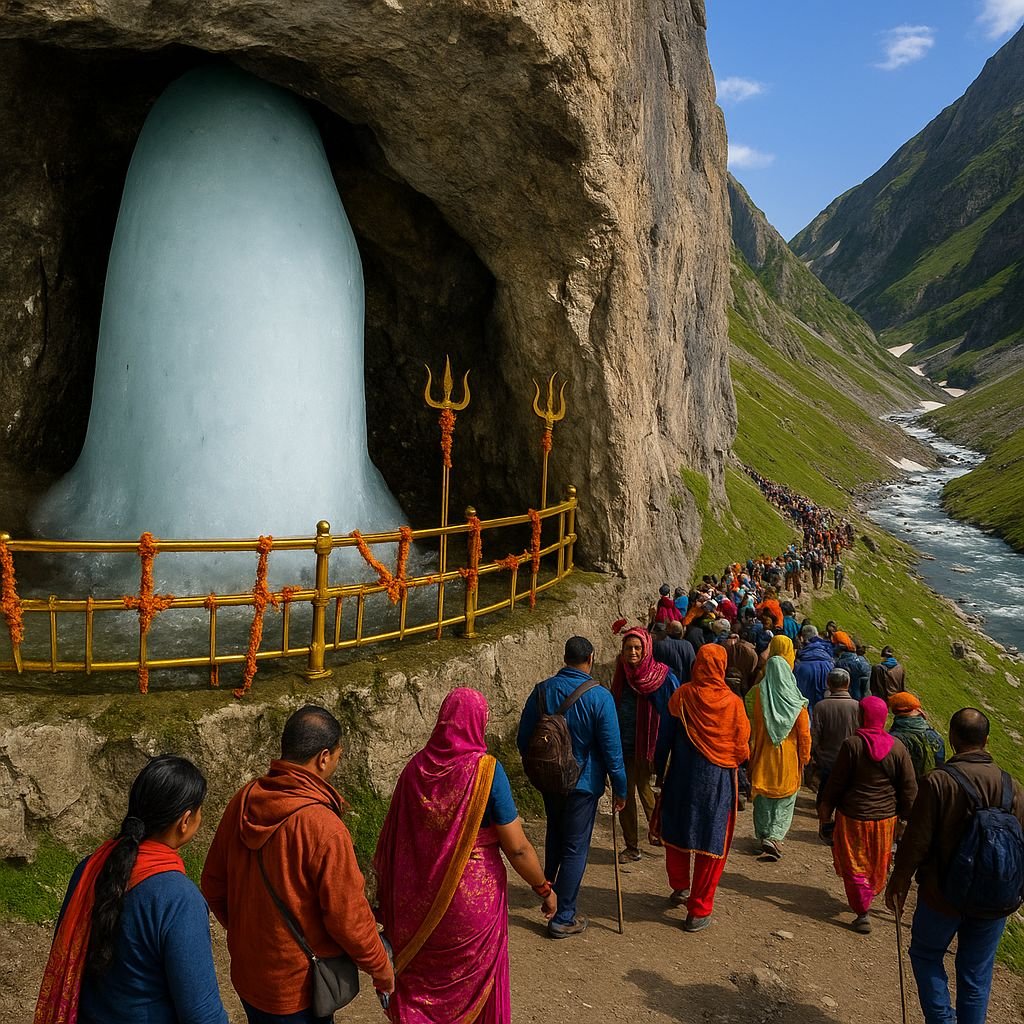
Amarnath Cave Temple

At Shriparvata, it is believed that Goddess Sati’s right anklet (or hips, as per some versions) fell here. Architecture of the Temple The temple complex is built in Dravidian style with towering gopurams, stone-carved pillars, and intricate sculptures. The Bhramaramba Temple is located to the rear of the Mallikarjuna shrine and is slightly elevated. It has a serene atmosphere, surrounded by hills and forests of the Nallamala range. How to Reach to Temple Temple Timings Temple Location

Amarnath Cave Temple Read Post »

Mata Vaishno Devi Katra Jammu and Kashmir 1 TemplePurohit.com
Famous Durga Temple, Mandir in Jammu & Kashmir

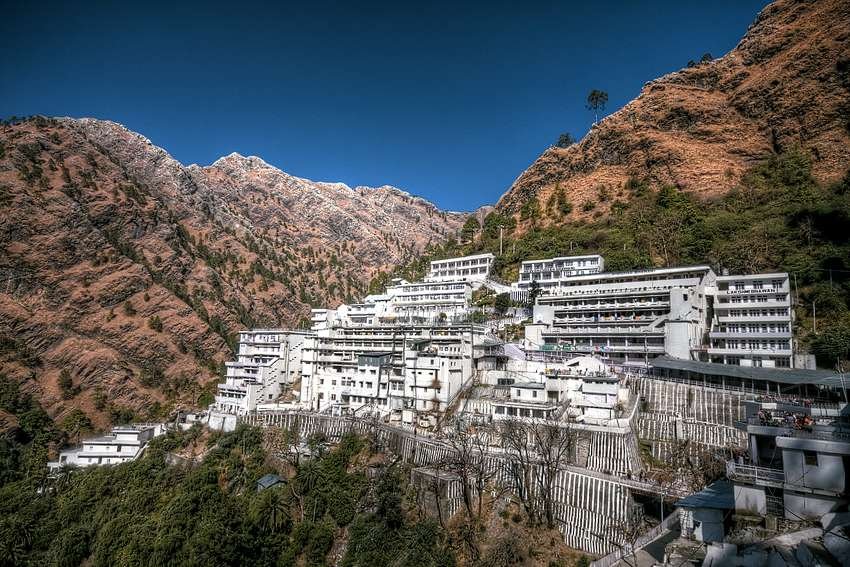
Mata Vaishno Devi Temple

The temple attracts millions of pilgrims every year and is considered one of the holiest Shakti Peethas in India. Architecture of the Temple The entire temple area and path have been designed keeping ecological sustainability in mind, with solar lighting, rainwater harvesting, and green zones.. The Holy Cave (Garbh Griha): The main sanctum is a natural rock cave, about 98 feet long, located at an altitude of approximately 5,200 feet. Inside the cave, three natural rock formations (Pindis) represent the three goddesses—Maha Kali, Maha Lakshmi, and Maha Saraswati. These are self-manifested and not man-made idols. Darshani Darwaza: This is the main entrance to the yatra route and marks the beginning of the spiritual journey. It is said that the Goddess first revealed herself at this point. Bhawan Complex: The temple complex at Bhawan includes the main shrine, queue halls, cloakrooms, medical facilities, and accommodation blocks for pilgrims. The entire complex has been modernized by the Shri Mata Vaishno Devi Shrine Board (SMVDSB) with improved infrastructure for crowd management and safety. Pathway and Tunnel Systems: Due to the high number of pilgrims, new tunnels and parallel paths have been constructed to facilitate smoother entry and exit. The new cave route is used during peak times or difficult weather, while the original cave is opened during lean periods for traditional darshan. How to Reach to Temple Temple Timings The Mata Vaishno Devi shrine is open 24 hours a day, 7 days a week, throughout the year Temple Location

Mata Vaishno Devi Temple Read Post »

Shriparvata Shakti Peeth
Mandir in Jammu & Kashmir

Shriparvata Temple

At Shriparvata, it is believed that Goddess Sati’s right anklet (or hips, as per some versions) fell here. Architecture of the Temple The temple complex is built in Dravidian style with towering gopurams, stone-carved pillars, and intricate sculptures. The Bhramaramba Temple is located to the rear of the Mallikarjuna shrine and is slightly elevated. It has a serene atmosphere, surrounded by hills and forests of the Nallamala range. The outer structure reflects Dogra-style architecture, simple yet traditional. How to Reach to Temple Temple Timings Temple Location

Shriparvata Temple Read Post »

Peer Kho Cave Temple Jammu
Mandir in Jammu & Kashmir

Peer Kho Cave Temple

The temple enshrines a self-manifested (swayambhu) Shivling. Architecture of the Temple The temple is built within a natural cave, giving it a mystical and serene atmosphere. Inside, there is a naturally formed Shivling, with small shrines dedicated to other deities as well. The interiors of the cave remain cool and peaceful throughout the year. The outer structure reflects Dogra-style architecture, simple yet traditional. How to Reach to Temple Temple Timings Temple Location

Peer Kho Cave Temple Read Post »