




















Hari Om

Menu

Mandir

5dfa42fa1df057d3d6ad76c50be8a536
state wise

Mandirs in Himachal Pradesh

Mandirs in Himachal Pradesh Himachal Pradesh, often called “Dev Bhoomi” (Land of the Gods), is home to countless ancient mandirs nestled in the Himalayas. These temples are deeply rooted in local traditions, myths, and folklore, making them important not only for worship but also for preserving the spiritual culture of the region. Almost every village in Himachal has its own local deity and temple, showing the deep devotion of the people. Some of the most famous temples include the Jwala Devi Temple and Chintpurni Temple in Kangra, both important Shakti Peethas. The Hidimba Devi Temple in Manali, surrounded by cedar forests, is dedicated to Hidimba from the Mahabharata. The Naina Devi Temple in Bilaspur and Chamunda Devi Temple in Kangra are also major Shakti shrines, attracting pilgrims from all over India. Equally important are Shiva temples like the Baijnath Temple, known for its beautiful Nagara-style architecture, and the Maheshwari Temple in Chamba. The Bhima Kali Temple in Sarahan is unique for its wooden Himachali architecture, while the Vashisht Temple near Manali is known for its hot water springs. Collectively, these mandirs make Himachal Pradesh a vibrant spiritual hub amidst the natural beauty of the Himalayas. Temples in Himachal Pradesh

Mandirs in Himachal Pradesh Read Post »

Taming the Mind
state wise

Mandirs In Rajisthan

Mandirs in Rajisthan Rajasthan, the land of kings, is also known for its rich spiritual heritage and magnificent temples that reflect unique architecture and devotion. From ancient stone carvings to grand marble structures, these mandirs are not only centers of worship but also living symbols of art and culture. Many of them were built by Rajput rulers and wealthy merchants, showcasing a blend of spirituality and royal patronage. Among the most famous temples, the Dilwara Jain Temples at Mount Abu stand out for their exquisite marble carvings, often considered among the finest in the world. The Brahma Temple in Pushkar is unique as it is one of the very few temples in India dedicated to Lord Brahma. The Eklingji Temple near Udaipur, dedicated to Lord Shiva, is a significant pilgrimage site for devotees. Other notable shrines include Karni Mata Temple in Deshnok (famed for its sacred rats) and Mehandipur Balaji Temple, renowned for its rituals of healing and exorcism. Apart from these, Rajasthan is dotted with heritage mandirs like the Ambika Mata Temple in Jagat, called the “Khajuraho of Rajasthan” for its sculptures, and the Ranakpur Jain Temple, dedicated to Lord Adinath, which is a masterpiece of marble architecture. These temples not only draw devotees but also historians, architects, and tourists, making Rajasthan a sacred land where faith and artistry go hand in hand.

Mandirs In Rajisthan Read Post »

8213ee9f36238df91619f73e559269e6
state wise

Mandir’s In Uttar Pradesh

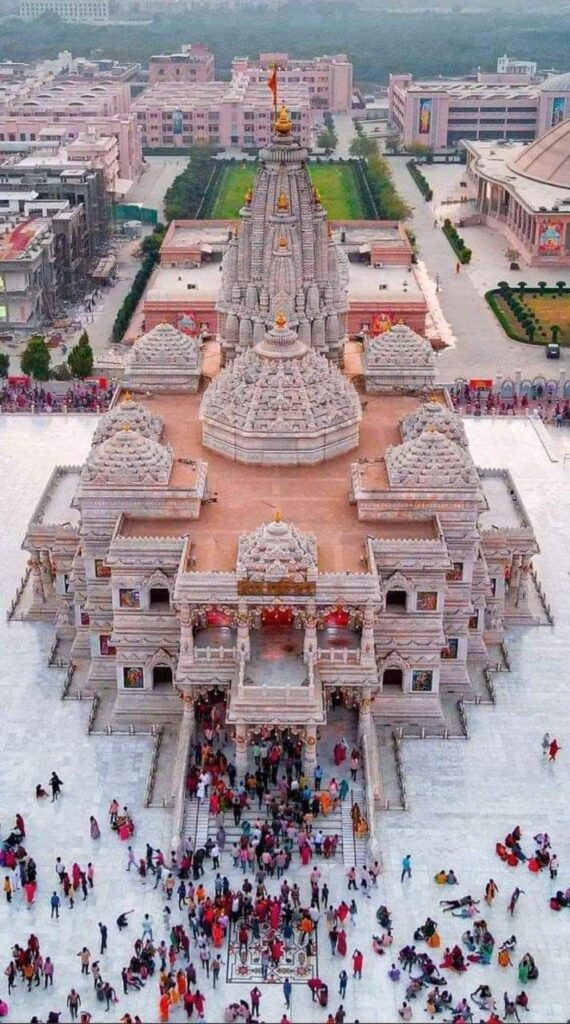
Mandir’s In Uttar Pradesh Uttar Pradesh, a state with immense religious significance, is home to several sacred Hindu temples that draw millions of devotees annually. The Kashi Vishwanath Temple in Varanasi, dedicated to Lord Shiva, is one of the twelve Jyotirlingas and a major spiritual center for Hindus. Situated on the banks of the Ganga, it has been a hub for centuries of devotion, rituals, and pilgrimages. Another important temple is the Sankat Mochan Hanuman Temple, also in Varanasi, famous for its powerful spiritual atmosphere and association with Hanuman worship. Ayodhya, the legendary birthplace of Lord Rama, hosts several revered temples, including the Hanuman Garhi Temple and the Kanak Bhawan, dedicated to Lord Rama and Goddess Sita. The Tulsi Manas Mandir, built at the site where sage Tulsidas wrote the Ramcharitmanas, attracts devotees for its spiritual and cultural significance. In Mathura and Vrindavan, associated with Lord Krishna, the Sri Krishna Janmabhoomi Temple and Banke Bihari Temple are major pilgrimage spots, celebrated for their vibrant festivals and devotional practices. Other notable temples in Uttar Pradesh include the Jagannath Temple in Lucknow, the Vishram Ghat Temple in Mathura, and the Garh Mukteshwar Temple, each reflecting the state’s rich religious heritage and architectural diversity. Pilgrims from across India visit these shrines not only for worship but also to experience the deep-rooted spiritual traditions, rituals, and festivals that have been preserved for centuries. Uttar Pradesh thus stands as a significant center of Hindu devotion, blending history, faith, and culture. Temple’s In Uttar Pradesh

Mandir’s In Uttar Pradesh Read Post »

feef9b493162fedea8cb015700280994
state wise

Mandir’s In Tamil Nadu

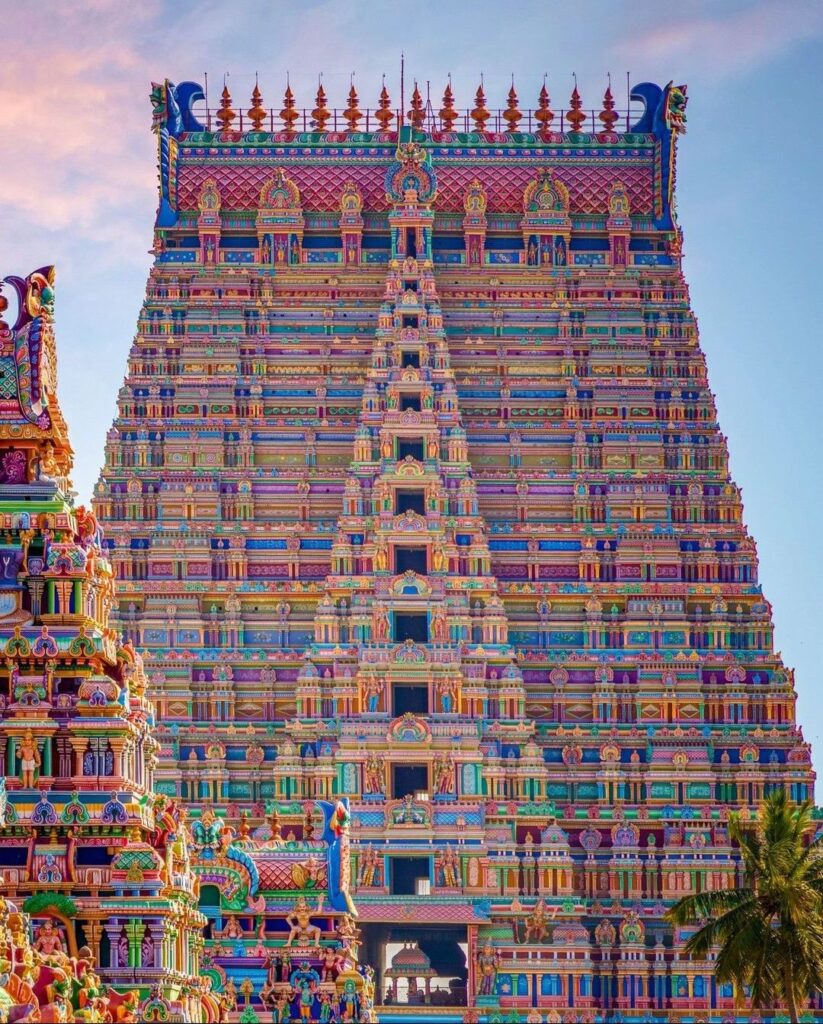
Mandir’s In Tamil Nadu Tamil Nadu, often called the Land of Temples, is home to thousands of ancient and magnificent shrines that reflect the region’s rich Dravidian architecture and deep spiritual traditions. Among the most renowned is the Meenakshi Amman Temple in Madurai, dedicated to Goddess Meenakshi (a form of Parvati) and Lord Sundareswarar (Shiva). With its towering gopurams, intricate carvings, and vibrant sculptures, it is not just a religious site but also a masterpiece of South Indian art and culture. Another important temple is the Brihadeeswarar Temple in Thanjavur, built by Raja Raja Chola I in the 11th century and a UNESCO World Heritage site. Dedicated to Lord Shiva, this grand temple is known for its massive vimana (tower) and exquisite Chola-era frescoes and sculptures. Similarly, the Ramanathaswamy Temple at Rameswaram is one of the 12 Jyotirlingas of Lord Shiva and also a major pilgrimage site in the Char Dham Yatra, famous for its long corridors and carved pillars. Tamil Nadu is also known for the Kapaleeshwarar Temple in Chennai, dedicated to Lord Shiva, and the Sri Ranganathaswamy Temple at Srirangam, one of the largest temple complexes in the world devoted to Lord Vishnu. Each temple in the state, whether coastal, hilltop, or in bustling towns, preserves centuries-old traditions, festivals, and rituals, making Tamil Nadu a living showcase of India’s temple heritage. Temple’s In Tamil Nadu

Mandir’s In Tamil Nadu Read Post »

Mata Vaishno Devi Katra Jammu and Kashmir 1 TemplePurohit.com
state wise

Mandir’s in Jammu & Kashmir

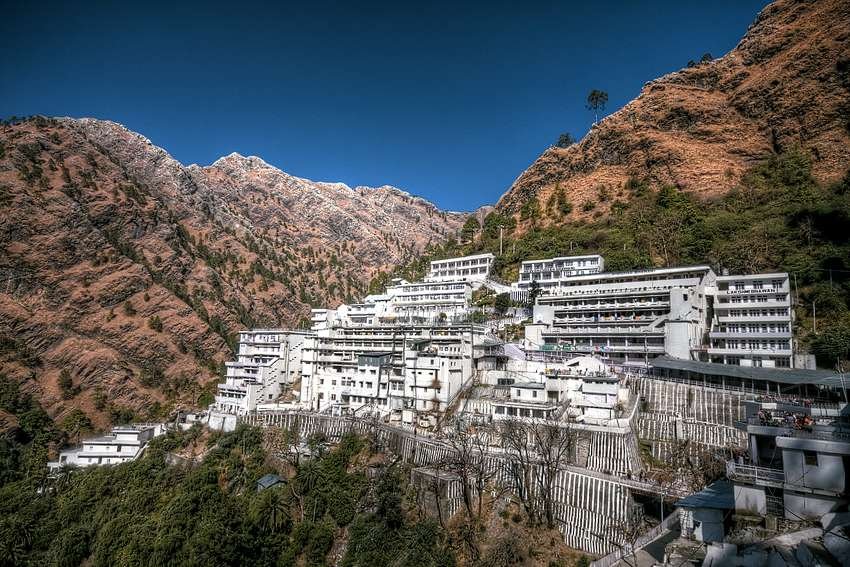
Mandir’s in Jammu & Kashmir Jammu & Kashmir, known for its breathtaking landscapes, is also home to several ancient and revered temples that attract pilgrims from across India. The Vaishno Devi Temple in Katra, Jammu, is one of the most visited Hindu shrines in the country. Situated at an altitude of around 5,200 feet in the Trikuta Mountains, the temple is dedicated to Goddess Vaishno Devi, an incarnation of Goddess Shakti. Pilgrims undertake a trek of approximately 12 km from Katra town to reach the sanctum, where the goddess’s holy presence is believed to reside in a natural rock formation. Apart from Vaishno Devi, Jammu city hosts the Raghunath Temple, dedicated to Lord Rama. This historic temple complex, constructed in the 19th century, showcases intricate architecture with a blend of Mughal and traditional Hindu designs. Another significant temple in Jammu is the Bahu Temple, perched on the banks of the Tawi River. Dedicated to Goddess Kali, this temple is known for its ancient stone carvings and the sacred garden surrounding it, which adds to the spiritual ambience. In the Kashmir Valley, notable temples include the Amarnath Cave Temple, an important pilgrimage site for Lord Shiva devotees. Located at an altitude of over 3,800 meters, the temple houses the naturally forming Shiva Lingam made of ice, which attracts thousands during the annual Amarnath Yatra. Other temples in the valley, such as the Shankaracharya Temple in Srinagar, offer panoramic views of the Dal Lake and city, while holding immense historical and spiritual significance. These temples reflect the rich cultural and religious heritage of Jammu & Kashmir, blending devotion with the region’s natural beauty. Mandir’s Of Jammu & Kashmir

Mandir’s in Jammu & Kashmir Read Post »

unnamed 2025 09 13T162706.260
Famous Shiva Temple, Mandirs in Tamil Nadu, Navgrah temple

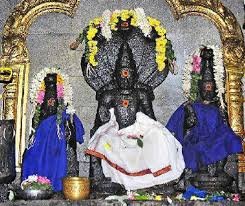
Keezhperumpallam Temple – Ketu

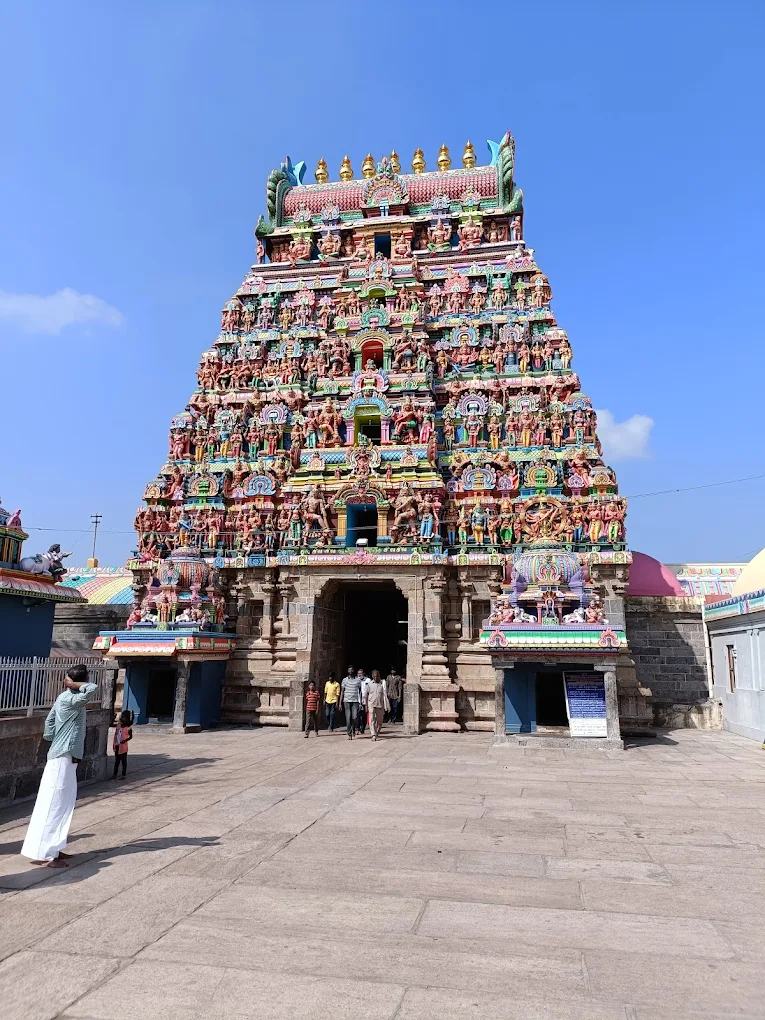
Even though the temple’s main deity (Moolavar) is Lord Shiva as Naganathaswamy, the Ketu shrine is significant; devotees offer worship to Ketu first before entering the main sanctum. Architecture of the Temple The temple has a 2‑tiered Rajagopuram (main gateway tower). It has two prakarams (precincts) surrounding the sanctum. Lord Shiva (Naganathaswamy) is the main deity (Moolavar). The Ketu idol/shrine is in a special prakaram (north prakaram) and Ketu faces west. The temple is located close to the Cauvery delta region; near river, near Poompuhar (ancient coastal town). How to Reach to Temple By Road: Keezhperumpallam is about 2 km from Poompuhar. Also, connected via road from towns like Mayiladuthurai and Sirkazhi. By Rail: Nearest major railway station is Mayiladuthurai (~25‑30 km away). By Air: The nearest airports are Trichy or maybe Madurai depending on your route/distance; however, not extremely close. Temple Timings Temple Location

Keezhperumpallam Temple – Ketu Read Post »

536e46618c551b1303de84ee58e617e4
Mandirs in Andhra Pradesh, Sai Mandir, state wise

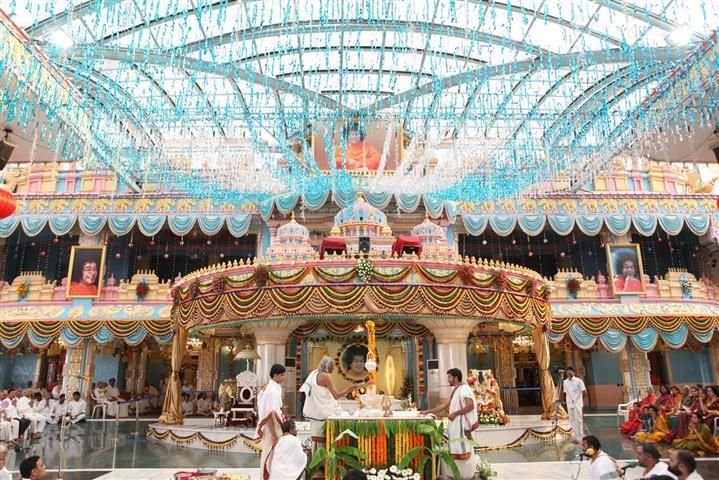
Prasanthi Nilayam Temple

Bhagavan Sri Sathya Sai Baba (1926–2011) was a spiritual leader and humanitarian known for his message of love, unity, and selfless service. He emphasized “Love All, Serve All” and encouraged people to lead a life of truth, righteousness, peace, and non-violence. Baba performed numerous social service activities, including building hospitals, schools, and water supply projects for the needy Architecture of the Temple The architecture of Prasanthi Nilayam Temple is a unique blend of simplicity, functionality, and spiritual symbolism, designed to foster an atmosphere of peace, devotion, and introspection. Unlike traditional Indian temples that are heavily adorned with carvings and sculptures, this temple embraces a minimalistic and serene aesthetic, reflecting the teachings of Sri Sathya Sai Baba, which emphasize inner purity over external grandeur. The main prayer hall, known as the Sai Kulwant Hall, is a massive structure that can accommodate thousands of devotees at once. Its spacious design ensures excellent acoustics for bhajans, prayers, and spiritual discourses, allowing devotees to feel connected to the divine. The temple complex is surrounded by beautifully landscaped gardens, walking paths, and meditation spaces, which encourage quiet reflection and a direct connection with nature. Natural light, open spaces, and airy corridors are integral to the design, creating a calming and uplifting environment. Decorative elements are subtle and symbolic, focusing on universal spiritual themes rather than ornate embellishments. How to Reach to Temple By Air:The nearest airport is Sri Sathya Sai Airport in Puttaparthi, which has limited flights. The closest major airports are Bengaluru (Bangalore) International Airport – around 180 km, and Hyderabad International Airport – around 350 km. From these airports, you can hire a taxi or take a bus to Puttaparthi. By Train:The nearest railway station is Sri Sathya Sai Prasanthi Nilayam Railway Station, well-connected to major cities like Bengaluru, Chennai, and Hyderabad. From the station, the temple is just a few kilometers away and accessible by auto-rickshaw or taxi. By Road:Puttaparthi is well-connected by road. Regular buses and private taxis operate from nearby cities like Bengaluru, Hyderabad, Tirupati, and Anantapur. National Highway NH42 and state highways make road travel convenient. Local Transport:Within Puttaparthi, auto-rickshaws, taxis, and electric vehicles are available to reach the temple and other ashram facilities. Walking inside the ashram is also pleasant due to well-laid pathways and gardens. Temple Timings Temple Location

Prasanthi Nilayam Temple Read Post »

images 2025 09 13T161434.293
Mandirs in Tamil Nadu, Navgrah temple, Some hidden gems

Thirunageswaram Temple – Rahu

The presiding deity is Lord Shiva as Naganatha Swamy, and his consort Giri Gujambikai. The temple also houses a separate shrine for Rahu Bhagavan along with his two consorts Nagakanni and Nagavalli. Architecture of the Temple The temple is built in Dravidian style with multiple prakarams and gopurams (gateway towers). There are four major gateways (gopurams) along the four sides, enclosing the outermost prakaram. The temple compound walls surround these. In the second precinct there is the Rahu shrine (Rahu sannidhi) in a specific corner, and mandapams (pillared halls) with ornate pillars, some in Nayak style. The hall in the path to main shrine has pillars with yali motifs (mythical creatures). There is a hundred pillar hall (100 pillars), particularly in the tank side / southern side of temple; large mandapams and a water head with four mandaps are noted. is also considered sacred and medicinal. How to Reach to Temple By Road: Thirunageswaram is approximately 6‑7 km from Kumbakonam. It lies on the bus route to Karaikal. Frequent buses are available from Kumbakonam. By Train: Thirunageswaram has its own small railway station connected via Kumbakonam, Mayiladuthurai etc. Or one can travel by train to Kumbakonam and then by road. By Air: The nearest major airport is Tiruchirapalli (Trichy) International Airport (around ~100‑km or more) from Thirunageswaram. Temple Timings Temple Location

Thirunageswaram Temple – Rahu Read Post »

sri mullaivananathar sri garbarakshambigai amman temple 1476951600 800x552 1
Famous Shiva Temple, Mandirs in Tamil Nadu, Navgrah temple, Some hidden gems

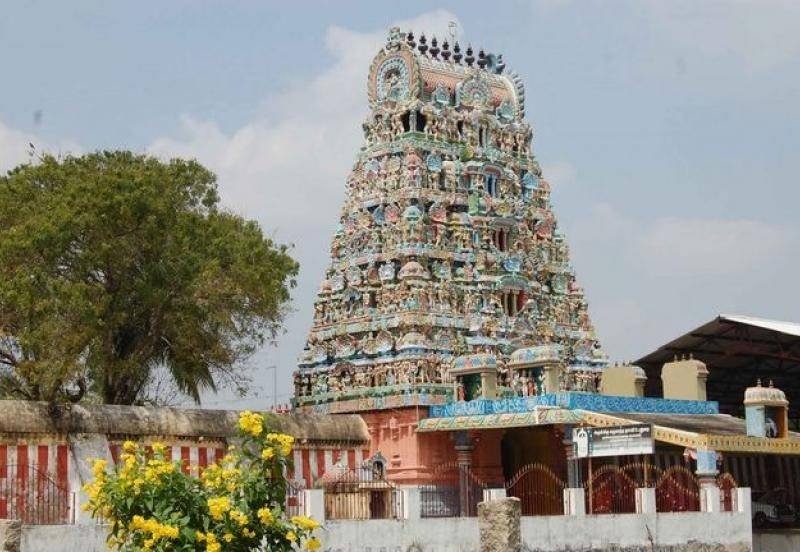
Thirunallar Shani Temple – Saturn (Shani)

This is one of the Navagraha temples, specifically associated with Lord Shani (Saturn). Devotees visit here from across the country seeking relief from Shani’s adverse effects. Architecture of the Temple The architecture is traditional Dravidian style, with a large rajagopuram (gateway tower), mandapams (pillared halls), and multiple shrines. Main shrine is for Dharbaranyeswarar, a form of Lord Shiva. There is also a separate sanctum/shrine for Lord Shani (Saturn). The sacred tank Nala Theertham is inside the temple premises. The tank is important both in legend and ritual — devotees take bath before worship. Idols and images of various deities in the corridors include Shiva, Parvati, and many other gods and sages. Also statues or representations of King Nala too. How to Reach to Temple By Road: Thirunallar is about 7 km from Karaikal. Buses and taxis are available from Karaikal. By Rail: The nearest railway station is Karaikal Railway Station (~6 km). Also larger stations like in Mayiladuthurai, etc., serve people who then travel by road. By Air: Nearest airports include Tiruchirapalli (Trichy) and possibly Pondicherry; travel by road or rail from there. Temple Timings Temple Location

Thirunallar Shani Temple – Saturn (Shani) Read Post »

T 500 584
Mandirs in Tamil Nadu, Navgrah temple, Some hidden gems

Vaitheeswaran Koil – Mars (Mangal)

Shiva is worshipped here as Vaidyanathar or Vaitheeswaran — “The Divine Healer” (Vaidya = doctor, Ishvara = lord). Architecture of the Temple The temple is built in Dravidian style. It has a five‑tiered main gopuram (rajagopuram) plus two inner gopurams. Large precincts (prakarams). The main shrine (garbhagriha) holds the self‑manifested Shiva Lingam facing west, which is somewhat unusual (many temples have deities facing east). There is a shrine of Thaiyal Nayagi (the consort goddess) in the second precinct. Neem (margosa) tree (Sthala Vriksha) inside temple grounds, believed to have medicinal properties. Temple has multiple mandapams (pillared halls), sculpture work, metal images of deities such as Nataraja, Angaraka etc. is also considered sacred and medicinal. How to Reach to Temple Located in Vaitheeswaran Koil village, between Sirkazhi and Mayiladuthurai in Tamil Nadu. By road: There are frequent bus services from nearby towns such as Chidambaram, Mayiladuthurai, Kumbakonam. It’s well connected. By train: Nearest railway stations are Mayiladuthurai, Chidambaram, etc. Also, there is a small local station at Vaitheeswaran Koil. By air: The nearest airports are Tiruchirapalli (Trichy) (domestic) and possibly Chennai for international flights; travellers then go by road/rail. Temple Timings Temple Location

Vaitheeswaran Koil – Mars (Mangal) Read Post »