Hari Om

Menu

Mandir

images 51 1
Mandir in West Bengal, state wise

Shri Sravani Devi Shaktipeeth Temple

The presiding deity is Goddess Sravani (Sravani Devi) and she is worshipped along with Lord Bhairava in the form of Sarvananda. This holy Shaktipeeth is identified by many scholars and spiritual texts to be located in Khirgram, Bardhaman district, West Bengal, though some interpretations also associate it with nearby regions. Architecture of the Temple Temple Timings Temple Location

Shri Sravani Devi Shaktipeeth Temple Read Post »

8effc9763041c40c9f7c115e494cbc42
Mandirs in Delhi, state wise

Laxminarayan Temple, Delhi

The sanctum of mysticism. The Amarnath Caves are situated at an altitude of 3,888 meters. The mystical Amarnath shrine is like no other temple, because here, both the abode and the Shivalinga are created by nature, and not man. Holy Amarnath Dham Amarnath caves hold Hindu beliefs in Lord Shiva from 5000 years. It is 40 m (130 ft) high and 90 ft long cave in Himalayan glacial valley. Ice incrustation hererepresents Shiva in the form of Shivlinga. The shape and size of it changes with phases of the moon. Geographically, the Holy Amarnath Dham is positioned in a narrow gauge at the farthest side of Lidder valley. It is elevated at a height of 3,888 meters above sea level and is located about 141 km East of Srinagar, and, merely 46km away from Pahalgam. The Amarnath Cave Temple stands as a revered Hindu shrine, drawing countless pilgrims annually to its sacred grounds. Nestled amidst the Himalayas, it holds profound significance as one of the holiest Lord Shiva shrines in Hindu mythology. The cave’s unique feature lies in the naturally formed Shivling, created by the continuous melting of ice from the cave’s ceiling onto the floor, symbolizing Lord Shiva’s presence. Pilgrims from all corners of the globe embark on the arduous journey of the Amarnath Yatra, organized by the Shri Amarnath Ji Shrine Board, to seek the divine blessings of Lord Shiva. Temple Timings Temple Location

Laxminarayan Temple, Delhi Read Post »

sarvashail maa temple
Shakti Peeth

Shri Sarvashail Devi Temple

although references vary slightly due to regional interpretations. At this sacred site, Goddess Sati’s neck is said to have fallen, and she is worshipped here as Sundari or Sarabeshwari, with Lord Bhairav in the form of Sundaranand or Sharvanand. Architecture of the Temple The temple architecture reflects a blend of Dravidian style with intricate carvings, pillars, and a sanctum that houses the idol of Goddess Sarvashail Devi. The surroundings of the temple are serene, often nestled amidst hills or forests, which adds to the spiritual ambiance. The temple may feature ornamental gopurams (gateways), detailed sculptures of deities, and a central sanctum adorned with lamps, bells, and sacred symbols. Temple Timings Temple Location

Shri Sarvashail Devi Temple Read Post »

images 8
Shakti Peeth

Shri Dakshayani Temple

Shri Dakshayani Shaktipeeth Temple, located in Kanchipuram, Tamil Nadu, is one of the 51 sacred Shakti Peethas in Hinduism. It is believed that the neck of Goddess Sati fell at this spot after her self-immolation and the subsequent grief-stricken wanderings of Lord Shiva. The temple is dedicated to Goddess Dakshayani, a form of Sati, and is an important pilgrimage site for devotees of Shakti, symbolizing divine feminine energy and spiritual strength. Holy Dakshayani Temple The Magadha Shakti Peeth, commonly known today as the Patan Devi Temple, is one of the 51 sacred Shakti Peethas spread across the Indian subcontinent. According to Hindu mythology, these Peethas were formed where parts of Goddess Sati’s body fell when Lord Shiva wandered in grief after her self-immolation. It is believed that Sati’s right thigh fell at this site, making it a powerful place of divine feminine energy. The goddess worshipped here is known as Sarvanandkari (one who brings joy to all), and the temple holds immense religious importance for followers of Shaktism and Tantra traditions. The temple’s roots trace back to ancient Magadha, one of the earliest and most powerful kingdoms in Indian history. The capital of Magadha was Pataliputra, modern-day Patna, and it served as a center of religious, political, and cultural activity for centuries. Temple Timings Temple Location


Shri Dakshayani Temple Read Post »

download 3
Shakti Peeth

Shri Magadha Temple

Magadha Shakti Peeth, also known as Patan Devi Temple, is one of the most sacred Shakti Peethas in India, located in the ancient city of Patna (formerly Pataliputra), the heart of the historic Magadha kingdom. According to legend, it is the divine spot where the right thigh of Goddess Sati fell, making it a powerful center of Shakti worship. The temple is dedicated to Maa Sarvanandkari, a fierce and benevolent form of the goddess who is believed to bring joy and protection to her devotees. Revered for centuries, this temple stands as a symbol of spiritual energy, resilience, and feminine power, drawing pilgrims and seekers from across India, especially during Navratri and other festivals. Locally, she is worshipped with the heartfelt chant: “Jai Maa Patneshwari!” Holy Magadha Temple The Magadha Shakti Peeth, commonly known today as the Patan Devi Temple, is one of the 51 sacred Shakti Peethas spread across the Indian subcontinent. According to Hindu mythology, these Peethas were formed where parts of Goddess Sati’s body fell when Lord Shiva wandered in grief after her self-immolation. It is believed that Sati’s right thigh fell at this site, making it a powerful place of divine feminine energy. The goddess worshipped here is known as Sarvanandkari (one who brings joy to all), and the temple holds immense religious importance for followers of Shaktism and Tantra traditions. The temple’s roots trace back to ancient Magadha, one of the earliest and most powerful kingdoms in Indian history. The capital of Magadha was Pataliputra, modern-day Patna, and it served as a center of religious, political, and cultural activity for centuries. Temple Timings Temple Location

Shri Magadha Temple Read Post »

jagat ambika mata temple udaipur rajasthan
Shakti Peeth, Famous Durga Temple

Shri Ambika Devi Temple

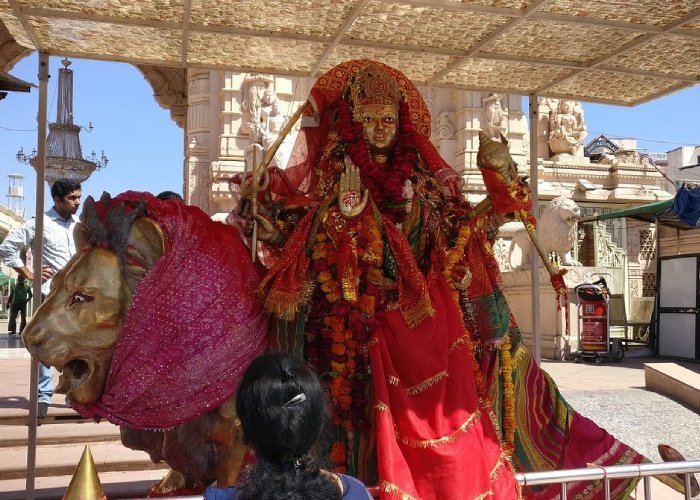
यह मंदिर धार्मिक दृष्टि से महत्वपूर्ण है, खासकर प्रमुख त्योहारों जैसे नवरात्रि, दिवाली और मकर संक्रांति के दौरान। इन समयों में, देवी अम्बिका के आशीर्वाद की प्राप्ति के लिए बड़ी संख्या में भक्त यहां आते हैं। शरद पूर्णिमा, राम नवमी और सोमवती अमावस्या भी यहां पूजा के महत्वपूर्ण अवसर हैं। नवरात्रि, जो साल में दो बार मनाई जाती है, इस समय भक्त उपवासी रहते हैं और विशेष अनुष्ठान करते हैं। महाशिवरात्रि भी यहां एक महत्वपूर्ण त्योहार है, जब भगवान शिव को दूध और बिल्व पत्र से अभिषेक किया जाता है। नवरात्रि और महाशिवरात्रि के दौरान विशेष पूजा और यज्ञ भी आयोजित किए जाते हैं। Ambika Mata Mandir – Jagat (Rajasthan) Ambika Mata Mandir is located in Jagat, about 40 km from Udaipur. The temple is within a cleft in a huge rock. This ancient temple’s exact origins are not known but is said to have been renovated in 961 CE. This is confirmed from a number of inscriptions found on rocks. The temple is built in what is known as the Maru – Gurjara style of architecture. It was probably built in the 7th or the 8th century CE. The temple is under the supervision and care of the Archaeological Survey of India (ASI), but puja is still done. The temple was dedicated to Ambika Mata as the Goddess of Shakti (Power). In the sanctum is a remarkably well preserved Murti of the Goddess beautifully adorned with silk garments and jewellery. The five cornered temple is by any definition, a work of art and a labour of love. The best part is that the sculptures, carvings and other decorations are in good shape after all these centuries. The temple is enclosed by a fort-like wall which has 16 turrets (Small towers)  and a conical roof. The walls are adorned with exquisite carvings of Devis – Devtas, heavenly musicians (Gandharvas), dancers (Apsaras) and much more. It has been designed to look like the celestial abode of God, but on Earth. Most of the sculptures here are of Devi Brahmani, Lakshmi Mata and Ambika Mata (Durga). The prayer Hall (Sabha Mandapa) has sculptures of Lord Ganesh in panels. Temple Timings Temple Location

Shri Ambika Devi Temple Read Post »

Shri Gayatri Devi Shaktipeeth Temple devotional india
Shakti Peeth, Some hidden gems

Shri Gayatri Devi Temple

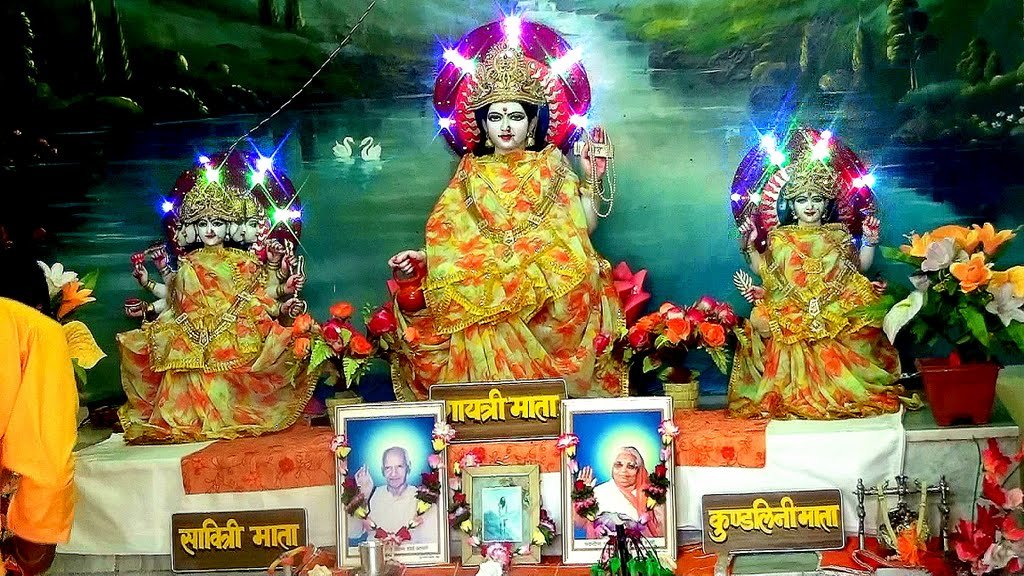
The place, where Goddess Sati’s two manivedikas – wrists fell, is known as Manivedika Temple and the Icon, installed later in the temple is called Gayatri Devi. There are two idols here, one is of Devi Sati and called as Gayatri. The other idol in the temple is of Lord Shiva Known as the Sarvananda (the one who makes everyone happy). Meaning of Gayatri is Saraswati. Saraswati is the goddess of Knowledge in Hindu culture. This temple is considered as the ideal place for Gayatri Mantra sadhana. The temple is constructed on a hill and made of stones on which various idols of gods and Goddess are engraved. The art and architecture of the temple is commendable and the huge pillars show the grandness of this holy structure. Significance of the Gayatri Temple in Pushkar: Shakti Peeth: This temple is one of the 51 Shakti Peeths, sacred places where parts of Sati’s body are said to have fallen after her self-immolation. In this case, the wrists are believed to have landed here.  Gayatri and Brahma: The temple is linked to the story of Lord Brahma and his wives, Gayatri and Savitri. It is said that Gayatri cursed Brahma to be worshipped only in Pushkar, leading to the temple’s significance as a place where Brahma and Gayatri are worshipped together.  Spiritual Importance: Pushkar is known for its spiritual atmosphere, with the Brahma Temple and the sacred Pushkar Lake adding to its sanctity. The Gayatri Temple is a part of this spiritual landscape.  Associated with a Temple Story: According to legend, Brahma dropped a lotus flower which created Pushkar Lake, and the temple is linked to the creation of the lake. The Gayatri temple is one of the many temples in the area, and it is considered sacred and revered by devotees.  Temple Timings Temple Location

Shri Gayatri Devi Temple Read Post »

ambaji shaktipeeth gujrat
Shakti Peeth, Famous Durga Temple

Shri Ambaji Devi Temple

The sanctum of mysticism. The Amarnath Caves are situated at an altitude of 3,888 meters. The mystical Amarnath shrine is like no other temple, because here, both the abode and the Shivalinga are created by nature, and not man. Holy Amarnath Dham This temple is one of the 51 Shaktipeeths of Mother.  According to the Puranas, wherever the pieces of the sati, the clothes or the ornaments held, have fallen, wherever Shaktipeeth came into existence. They are called the most sacred shrines. These shrines are spread across the entire Indian subcontinent. According to mythology, Goddess Sati gave her life by jumping into the fire of Havan organised by her father King Daksheshwara. When Lord Shiva was running around the earth carrying her body then Lord Vishnu divided the body in 51 parts using his Sudarshan chakra. Out of those 51 parts, from which the ‘Heart’ of Sati fell to this place. All the festivals are celebrated in Ambaji Shakti Peeth, especially in the festival of Durga Puja and Navaratri, special puja is organized. During these festivals, some people keep fasting (do not eat food) as a respect and dedication to God’s worship. In the days of the festival, the temple is decorated with flowers and lights. The spiritual atmosphere of the temple provides peace to the heart and mind of the devotees. Temple Timings Temple Location

Shri Ambaji Devi Temple Read Post »

images 2026 03 05T130441.045
Shakti Peeth

Shri Savitri Temple

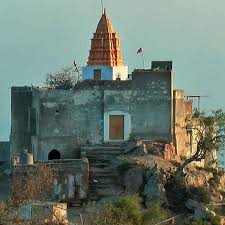
Crowned atop the Ratnagiri Hill, the Savitri Mata Temple overlooks the sacred town of Pushkar.A place where myth meets devotion, this hilltop shrine is dedicated to Goddess Savitri, the symbol of strength, resolve, and divine femininity. Climb the 970 steps or glide up by ropeway—the journey is steep, but the view and blessings are worth every breath Holy Savitri Temple Perched majestically atop the rugged Ratnagiri Hill, the Savitri Mata Temple stands as a beacon of devotion and spiritual strength overlooking the sacred town of Pushkar. This hilltop shrine is dedicated to Goddess Savitri, the embodiment of unwavering marital devotion and feminine power. Pilgrims undertake a challenging ascent of nearly 1,000 steep steps or opt for a modern ropeway to reach the temple, making the journey itself an act of penance and faith. From the summit, breathtaking panoramic views of the Pushkar Lake, surrounding hills, and the town below reward the devotees’ efforts, creating a serene and uplifting atmosphere. The temple’s origins are deeply rooted in Hindu mythology. According to legend, Goddess Savitri, known for her devotion and courage, cursed Lord Brahma for marrying Goddess Gayatri before her during a sacred ritual. She then ascended Ratnagiri Hill, where she transformed into the hill itself, symbolizing strength and sacrifice. The existing temple structure, dating back to the 17th century and rebuilt in the early 20th century, houses idols of Savitri along with Saraswati and Gayatri, reflecting a rich tapestry of divine feminine energies. Temple Timings Temple Location

Shri Savitri Temple Read Post »

maa thiripura malini temple
Shakti Peeth

Shri Tripurmalini Devi Temple

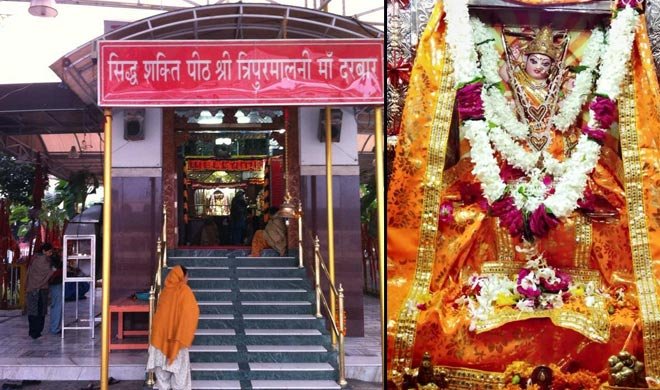
Navaratri that falls two times in a year- one in the month of March is among the major festival celebrated here. Navaratri is celebrated for over 9 days, with some people not eating any type of food that is derived from the soil for these nine days. Special ceremonies and rituals are carried during these days. Another festival that is celebrated with great enthusiasm is the ‘Shivaratri’ and during this day, people keep fast, pour milk on the Shiv Lingam and offers ‘Bail’ (A type of fruit) to the god idol. Architecture and Temple Structure The Tripurmalini Shakti Peeth temple showcases a blend of traditional and modern architectural styles. The main shrine houses the idol of Goddess Tripurmalini, adorned with vibrant colors and intricate carvings. Key features of the temple include: 1. A grand entrance gate (gopuram) with detailed sculptures 2. Spacious courtyards for devotees to gather and meditate 3. Intricate wall carvings depicting scenes from Hindu mythology 4. A sacred water tank (kund) for ritual bathing 5. Separate shrines for Lord Shiva and other deities The temple complex also houses a Dharamshala for pilgrims to stay and a community kitchen (langar) that serves free meals to visitors. Temple Timings Temple Location

Shri Tripurmalini Devi Temple Read Post »