













Hari Om

Menu

Glory of Bharat

55988bce1a96948ef35ddc54f6c99bf2
Glory of Bharat

Narmada – The Holy River

Narmada – The Holy River Mythological Significance 1. Birth of the Narmada River According to Hindu mythology, the Narmada River emerged from the sweat of Lord Shiva during his cosmic dance, the Tandava. This act symbolizes the river’s divine origin, making it an embodiment of Shiva’s dynamic energy and cosmic power. The river is often depicted as a purifier, akin to Shiva’s role in cleansing and transforming the universe. 2. The Legend of the Shivalinga The Narmada is renowned for its natural Shivalingas, called Banalingas, which are smooth, egg-shaped stones found along its riverbed. These Banalingas are believed to have formed naturally through the river’s sacred waters and are considered highly auspicious for Shiva worship. The legend states that these stones are blessed by Shiva himself, imbued with his divine energy, and hence are used in temples and homes for worship. 3. Union of Narmada and Shiva There is a popular legend that describes the Narmada’s eternal devotion to Lord Shiva. It is said that Narmada, personified as a goddess, longed to marry Shiva. However, due to certain circumstances, she remained unmarried, continuing to flow through the land, blessing it with fertility and purity. This tale reinforces her role as a divine consort and an eternal devotee of Shiva, symbolizing an unbroken bond of love and devotion. Spiritual Practices and Pilgrimage 1. Narmada Parikrama One of the most significant spiritual practices associated with the Narmada River is the Narmada Parikrama, a pilgrimage involving the circumambulation of the river from its source to its mouth and back. This arduous journey, covering over 2,600 km, is performed by devotees on foot and can take several months to complete. Key Highlights: – Sacred Journey: The pilgrimage is a profound act of devotion and penance, believed to cleanse sins and bestow spiritual merit. – Temples Along the Route: Numerous Shiva temples, ashrams, and ghats (riverbanks) are situated along the Parikrama path, providing spiritual rest and reflection points for pilgrims. 2. Shiva Temples on Narmada’s Banks Several renowned Shiva temples are situated along the banks of the Narmada, making the river a significant axis of Shiva worship. Notable among these are: – Omkareshwar Temple: Located on the Mandhata Island in the Narmada, this Jyotirlinga temple is a major pilgrimage site. – Maheshwar Temple: Known for its architectural beauty and spiritual ambiance, Maheshwar is another important Shiva temple on the riverbank. – Amarkantak Temple: At the source of the Narmada, the Amarkantak Temple marks the river’s divine origin and is a revered pilgrimage site. 3. Rituals and Festivals – Holy Dip : Bathing in the Narmada is considered highly auspicious, believed to purify the body and soul, similar to taking a dip in the Ganges. Narmada Jayanti : Celebrated with great devotion, this festival marks the birth anniversary of the Narmada River, featuring special rituals, prayers, and processions in honor of the river and Shiva. Ecological and Cultural Importance 1. Nurturing the Land The Narmada River is a vital source of water for agriculture, drinking, and various ecological systems in central India. Its basin supports diverse flora and fauna, making it a crucial ecological artery for the region. 2. Cultural Legacy The river’s cultural significance is reflected in various literary works, folklore, and art. It has inspired numerous poets, saints, and artists, symbolizing purity, resilience, and divine grace. The Narmada’s banks are dotted with ancient temples, historical monuments, and cultural heritage sites that illustrate its long-standing importance in Indian civilization. 3. Shiva’s Blessings and Protection The Narmada is often invoked for protection and prosperity, reflecting Shiva’s role as a guardian deity. Rituals performed on its banks are believed to invoke Shiva’s blessings for safeguarding against misfortune and enhancing spiritual well-being. Conclusion The Narmada River and Lord Shiva share a timeless bond, deeply rooted in mythology, spirituality, and cultural heritage. As the “daughter of Shiva,” the Narmada embodies the essence of purity, transformation, and divine energy, mirroring Shiva’s cosmic functions. Pilgrimages, temples, and rituals along the Narmada reflect a vibrant tapestry of devotion, blending ecological reverence with spiritual practice. For devotees and pilgrims, the Narmada is not just a river but a sacred conduit to Shiva’s divine presence, offering a path to spiritual elevation, purification, and connection with the eternal. As the river continues to flow, it perpetuates the legacy of Shiva’s grace and the enduring spirituality of Indian tradition. Narmada is one of the 3 main rivers in India that flows westwards into the Arabian Sea, the other two being Tapti and Mahi. It is the fifth largest river in the Indian sub-continent and the third largest of the rivers flowing entirely within India. Narmada River Narmada has its source at the Narmada Kund of the Amarkantak Plateau of the Bilaspur district of Chhattisgarh, and flows through Madhya Pradesh, Maharashtra and Gujarat. The river flows for 1300 kms, before draining into Arabian Sea. Narmada Kund, Amarkantak One of the specialties of this river is that it flows through a rift valley, between the Vindhya and Satpura range. It is also one of those major rivers that doesn’t form any delta. Narmada –names, legends and importance Narmada means “that which gives pleasure”. It is also known as Rewa, meaning, “swift”, due to the swiftness of its water currents. Narmada and Adi Shankara Adi Shankara once calmed the raging waters of Narmada River, using his kamandalu, to save his Guru Govinda Bhagavatpada, who was immersed in dhyana, meditation at a cave nearby.

Narmada – The Holy River Read Post »

d78e80905c7071ae9879cb70a3375a6f
Glory of Bharat

Self Realised Masters of Bharat

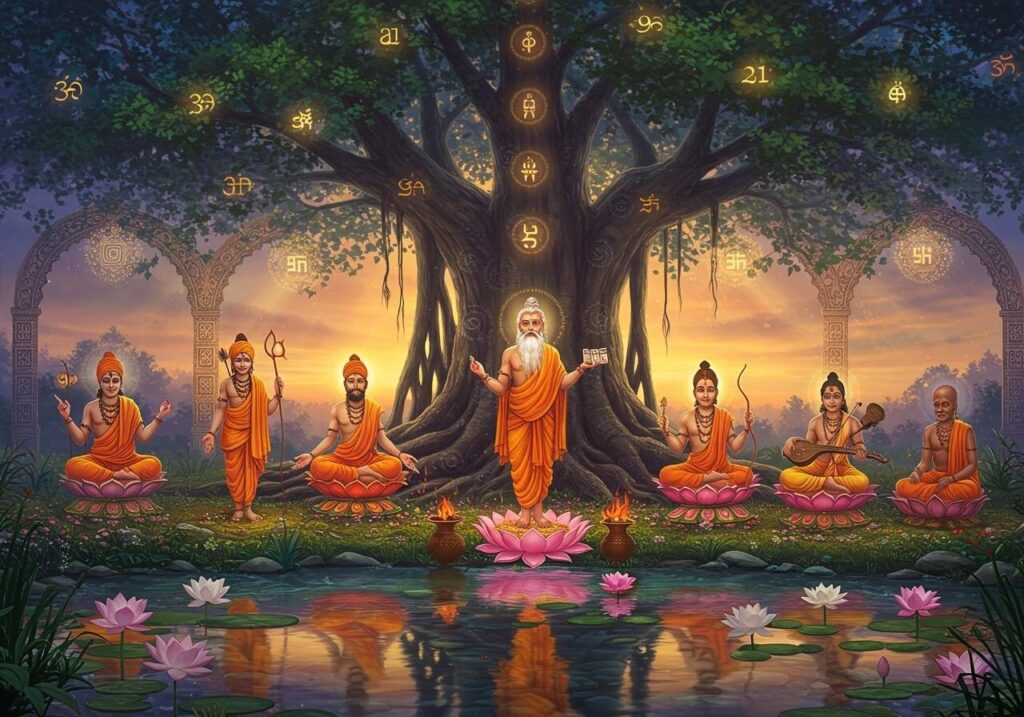
Self Realised Masters Of Bharat – Will Be – God Exists Self-Realised Masters of Bharat stand as luminous beacons of eternal wisdom, guiding humanity toward the highest truth that lies within. From ancient times to the present day, Bharat has been the sacred soil where countless sages, rishis, yogis, and saints have walked, each embodying profound inner realisation and unparalleled spiritual radiance. Their lives are living testimonies of the supreme truth that the Divine is not a distant reality, but the very essence of one’s own being. These masters did not merely teach philosophy; they lived the highest knowledge. Through deep tapasya, unwavering devotion, and complete surrender of the ego, they attained the state of Self-Realisation — the direct experience of the immutable, blissful Self that is beyond birth, death, and duality. Their presence carried a transformative power, capable of awakening seekers to their own inner divinity. Whether it was Adi Shankaracharya re-establishing Advaita Vedanta, Bhagavan Ramana Maharshi revealing the path of self-inquiry, Sri Ramakrishna demonstrating God-realisation through every path, or Nisargadatta Maharaj proclaiming the truth of the “I Am,” each master expressed the same eternal wisdom through their unique personality and approach. They lived with complete simplicity, free from attachment, desire, and fear, radiating compassion to all beings. Their words cut through layers of ignorance, pointing directly to the essence of consciousness. Many of them renounced worldly comforts, wandering as monks or remaining immersed in meditation, while others lived amidst society yet untouched by it. Regardless of their external lives, their inner state was one of unbroken bliss, silence, and clarity. Their teachings continue to inspire millions, offering timeless guidance to seekers longing for peace, purpose, and liberation. In their presence, many experienced profound calmness and spontaneous inner awakening, as if the very atmosphere around them vibrated with divine energy. These realised beings remind us that spiritual greatness is not confined to scriptures or temples; it is a living reality attainable by anyone who sincerely seeks truth. They show that real freedom comes not from external achievements but from mastery over the mind, dissolution of the ego, and abiding in one’s true nature. Even after leaving their physical bodies, their teachings, ashrams, and sacred places remain vibrant centers of transformation. The Self-Realised Masters of Bharat continue to illuminate the path for humanity, proving again and again that the divine spark within every individual is waiting to be discovered, and that the journey to God is ultimately a journey to one’s own Self.

Self Realised Masters of Bharat Read Post »

1634124270
Glory of Bharat

Tantras and Their Significance

Tantras and Their Significance Tantra Explained by Sri Swami Sivananda Maharaj Tantra Yoga had been one of the potent powers for the spiritual regeneration of the Hindus. When practised by the ignorant, unenlightened, and unqualified persons, it has led to certain abuses; and there is no denying that some degraded forms of Saktism have sought nothing but magic, immorality, and occult powers. An example of the perverted expression of the truth, a travesty of the original practices, is the theory of the five Makaras (Pancha Makaras);-Madya or wine, Mamsa or flesh, Matsya or fish, Mudra or symbolical acts, and Maithuna or coition. The esoteric meaning of these five Makaras is: “Kill egoism, control flesh, drink the wine of God-intoxication, and have union with Lord Siva”. Tantra explains (Tanoti) in great detail the knowledge concerning Tattva (Truth or Brahman) and Mantra (mystic syllables). It saves (Trayate). Hence it is called Tantra. The Tantras are not books of sorcery, witchcraft, magic spells, and mysterious formulae. They are wonderful scriptures. All persons without the distinctions of caste, creed, or colour may draw inspiration from them and attain spiritual strength, wisdom, and eternal bliss. Mahanirvana and Kularnava Tantras are the important books in Tantra Sastra. Yoga Kundalini Upanishad of Krishna Yajurveda, Jabala Darsana, Trisikha Brahmana, and Varaha Upanishad are useful for getting knowledge of Kundalini Sakti and the methods to awaken it and take it to Sahasrara Chakra at the crown of the head. The Tantra is, in some of its aspects, a secret doctrine. It is a Gupta Vidya. You cannot learn it from the study of books. You will have to get the knowledge and practice from the practical Tantrikas, the Tantric Acharyas and Gurus who hold the key to it. The Tantric student must be endowed with purity, faith, devotion, dedication to Guru, dispassion, humility, courage, cosmic love, truthfulness, non-covetousness, and contentment. Absence of these qualities in the practitioner means a gross abuse of Saktism. The Sakti Tantra is Advaita Vada. It proclaims that Paramatman (Supreme Soul) and Jivatman (individual soul) are one. The Saktas accept the Vedas as the basic scriptures. They recognise the Sakta-Tantras as texts expounding the means to attain the goal set forth in the Vedas. Tantra Yoga lays special emphasis on the development of the powers latent in the six Chakras, from Muladhara to Ajna. Kundalini Yoga actually belongs to Tantric Sadhana which gives a detailed description about this serpent-power and the Chakras (plexus). Entire Tantric Sadhana aims at awakening Kundalini, and making her to unite with Lord Sadasiva, in the Sahasrara Chakra. Methods adopted to achieve this end in Tantric Sadhana are Japa of the Name of the Mother, prayer, and various rituals. Guru and Diksha (Initiation) Yoga should be learnt from a Guru (spiritual preceptor). And this is true all the more in the case of Tantra Yoga. It is the Guru who will recognise the class to which the aspirant belongs and prescribe suitable Sadhana. The Guru is none other than the Supreme Divine Mother Herself, descended into the world in order to elevate the aspirant. As one lamp is lit at the flame of another, so the divine Sakti consisting of Mantra is communicated from Guru to the disciple. The disciple fasts, observes Brahmacharya, and gets the Mantra from the Guru. Initiation tears the veil of mystery and enables the disciple to grasp the hidden truth behind scriptures’ texts. These are generally veiled in mystic language. You cannot understand them by self-study. Self-study will only lead you to greater ignorance. The Guru only will give you, by Diksha (initiation), the right perspective in which to study the scriptures and practise Yoga. Qualifications of a Disciple The qualifications of the disciple are purity, faith, devotion, dispassion, truthfulness, and control of the senses. He should be intelligent and a believer in Vedas. He must abstain from injury to all beings. He must be vigilant, diligent, patient, and persevering. He must be ever doing good to all. All Sadhana should be done under the personal direction of a Guru or spiritual teacher. Tantra Sadhana Bhuta Suddhi is an important Tantric rite. It means purification of the five elements of which the body is composed. The Sadhaka (aspirant) dissolves the sinful body and makes a new divine body. He infuses into the body the life of the Devi. Nyasa is a very important and powerful Tantric rite. It is placing of the tips of the fingers of the right hand on various parts of the body, accompanied by Mantra. In Kavacha the one Brahman is invoked by different names in order to protect different parts of the body. For example, Parabrahman is thought of as in the Sahasrara Padma in the head. The Supreme Lord is meditated upon in the heart. Protector of the world, Vishnu is invoked to protect the throat, so that the aspirant may utter the Mantras of his Ishta Devata. Mudra is ritual of manual gestures. Mudra gives pleasure to the Devatas. There are 108 Mudras. In welcoming (Avahana) the Devata an appropriate gesture is made. In making offering (Arghya) Matsya Mudra is made. The right hand is placed on the back of the left and the two thumbs are extended finlike on each side of the hands. Similarly, there are Mudras for the various acts done during the worship. Yantra takes the place of the image. It is an object of worship. Yantra is a diagram, drawn on paper. It is engraved on a metal sheet also. A Yantra is appropriated to a specific Devata only. Various Yantras are peculiar to each Devata. They are various designs according to the object of worship. Yantra is the body of the Devata. All the Yantras have a common edging called Bhupura. They have a quadrangular figure with four doors, which encloses and separates the Yantra from the external world. The Sadhaka first meditates upon the Devata or Deity and then arouses the Devata in himself. He then communicates the Divine presence thus

Tantras and Their Significance Read Post »

a9960d78477d1fcc603e5ee8a511fca7
Glory of Bharat

Glory of Bhramuhurat

Glory of Bhramuhurat O Aspirants! Get up at Brahmamuhurta and practise meditation. Do not fail at any cost. Brahmamuhurta is the morning period from 3.30 a.m. to 5.30 a.m. It is very favourable for meditation. The mind is quite refreshed after good sleep. It is quite calm and serene. There is the preponderance of Sattva or purity in the mind at this time. In the atmosphere also, Sattva predominates at this period. The mind is like a blank sheet of paper or a clean tablet and comparatively free from worldly Samskaras or impressions at this period. Raga-Dvesha currents have not yet deeply entered the mind. The mind can be moulded very easily at this period in any way you like. You can charge the mind now easily with divine thoughts. Further, all the Yogis, Paramahamsas, Sannyasins, aspirants and the Rishis of the Himalayas start their meditation at this period and send their vibrations throughout the world. You will be immensely benefited by their spiritual currents. Meditation will come by itself without any effort. It is a terrible spiritual loss for you if you do not utilise the period in divine contemplation and if you snore at this time. Do not become a Kumbhakarna. Become a Yogi like Jnana Deva. In the winter it is not necessary that you should take a cold bath. A mental bath will suffice. Imagine and feel, “I am taking a bath now in the sacred Triveni at Prayaga or Manikarnika at Benares.” Remember the pure Atman. Repeat the formula, “I am ever pure Soul.” This is the most powerful wisdom-bath in Jnana-Ganga. This is highly purifying. It burns all sins. Answer the calls of nature quickly. Cleanse the teeth quickly. Do not waste much time in cleansing the teeth and taking bath. Be quick. Hurry up. Get ready soon. The Brahmamuhurta will pass away quickly. You must utilise this precious time in Japa and meditation. Wash the face, hands and feet quickly. Dash cold water on the face and top of the head. This will cool the brain and the eyes. Sit in Siddha, Padma or Sukha Asana. Try to climb the supreme height of Brahman, the peak of divine glory and splendour. If you are not in the habit of getting up early, have an alarm timepiece. Once the habit is established, there will be no difficulty. The subconscious mind will become your willing and obedient servant to wake you up at the particular time. If you are a subject of chronic constipation, you can drink a tumbler of cold water or lukewarm water as soon as you get up after cleansing the teeth. This is Usha-Pana treatment in the science of Hatha Yoga. This will give you a good motion. You can drink Triphala water also. Soak two Harad (Myrobalan), two Amalaka and two Thannikkai in a tumblerful of cold water at night. Drink the water in the morning after cleansing the teeth. You can keep a ready powder of these three drugs and put one or two teaspoonfuls in the water. Cultivate the habit answering the calls of nature as soon as you get up from bed. If you suffer from incurable, old constipation, due to old sins, do meditation as soon as you get up. You can answer the calls of nature after finishing your morning meditation with the help of a cup of hot milk. As soon as you get up from bed, do Japa and meditation. This is important. After finishing your Japa and meditation, you can take to the practice of Asana, Pranayama and study of the Gita and other religious books. Every Sandhya time, or dusk, is also favourable for meditation. During Brahmamuhurta and dusk, Sushumna Nadi flows readily. You will enter into deep meditation and Samadhi without much effort when Sushumna-Nadi flows. That is the reason why Rishis, Yogis and scriptures speak very highly of these two periods of time. When the breath flows through both nostrils, know that the Sushumna is working. Whenever the Sushumna functions, sit for meditation and enjoy the inner peace of Atman or Soul. Repeat some Divine Stotras or hymns or Guru Stotras or chant OM twelve times, or do Kirtan for five minutes before you start your Japa and meditation. This will quickly elevate your mind and drive off laziness and sleepiness. Do Sirshasana or Sarvangasana or any Asana for five minutes. Do Pranayama for five minutes. This also will make you quite fit for the practice of meditation and removes laziness and sleepy condition. O Man! It is Brahmamuhurta now! Do not snore. Do not roll in the bed. Throw away the blanket. Get up, start your meditation vigorously, and enjoy the eternal bliss of the Inner Self.

Glory of Bhramuhurat Read Post »

f1f24205dca3d5a1d587bb7d4358914e 1
Glory of Bharat

The Character of Women of Bharat

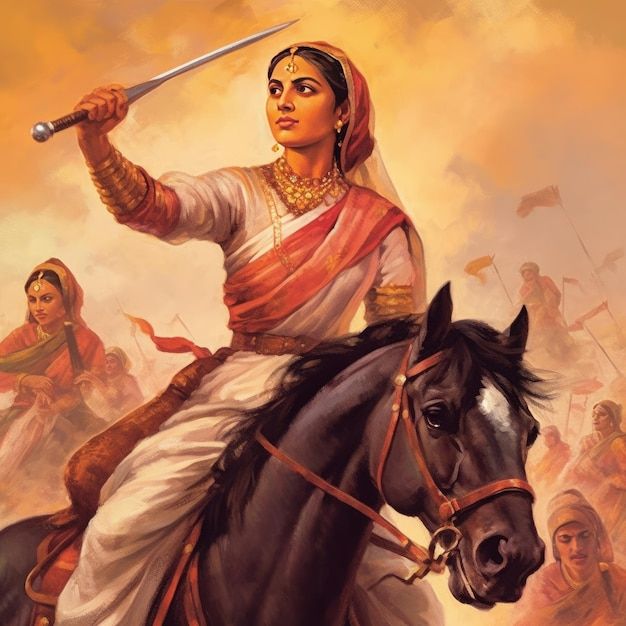
The Character Of Women Of Bharat  will be Character – Jewel of Woman  Nowadays, the desires in us are on the excessive side. Anger increases such desires further. People who harbour desires and anger will only come to grief. What greater truth can I convey to you, good people, who are gathered here. The place was the banks of river Yamuna. The atmosphere was peaceful and beautiful. One could hear the singing of the murali in the cool air. Radha entered the sand dunes with a pot in her hand. Having placed the pot on the ground, she began listening to the enchanting soft music of the murali and she stood stiff as a stick shedding tears of sorrow. After some time, she heard someone calling, “Radha, Radha.” Instantly she opened her eyes and looked all around. It was a place where there were no other human beings. She then sat down and told herself that there may be places where there are no human beings, but there can be no place where Krishna was not present. She decided that the call was from Krishna. She proclaimed, “What I could play; I have played, what I could sing; I have sung. From time immemorial, I undertook to play different parts, I had participated in different acts and now it is enough. I wore clothes that may be described as anger and desire. I also wore jewels that may be described as attachments and moha. I wore anklets that may be described as greed. I heard about the blame and blemish that came because of this. My mind also supported my actions and provided the background music to my drama. What may be described as company of some bad people sometimes, provided the rhythm and the beat. Attachment and ego have been keeping time. With so many ancillaries, my drama has come to an end. For some time I was performing my drama on water and at other times, I performed the same on the earth. These attachments and human foibles have been responsible for my inability to put my whole life at the lotus feet of my Lord. Like a parrot which runs to a cotton fruit thinking it to be a mango fruit and gets disappointed, I looked at these worldly desires and attractions, mistaking them for something good and wasted my life in disappointment. Krishna! It is enough, this drama of mine should now come to an end. I am requesting you to take my life and merge me in you. In earlier times, I used to take the name Dhara. Now, I am called Radha.” This creation has three attributes. One is its feminine nature. In the word Stree, there are three letters Sa, Ta and Ra. Sa signifies sathwik guna and T a signifies thamasik guna. The third letter Ra is the symbol of rajasik guna. For a stree, the letter Sa is the first letter and the sathwik guna is thus the most essential. Forbearance, humility, and obedience are the three essential qualities that go with this guna. The next important one is the thamo guna. Fear, humbleness and shyness are qualities which are associated with this guna. Contrary to this, we see that where the sathwik and thamasik gunas should be present, features like courage, independence and the desire to take decisions freely are appearing. These features are to be found in some women and are becoming more pronounced in the Kali Yuga. In fact the Kali Yuga was just beginning at that time. She said that when the qualities of courage, freedom and independence of action are beginning to be seen in women, she would not like to continue living. Whereas for men, there is only one home, a woman has two homes. It is the duty of women to bring reputation to the house in which they are born and to hold high the honour of the homes into which they go. But the reputations of both the houses are being brought down to some extent because of independence of action among women. Krishna: it is unusual to refer to a woman as ‘abala’ or a weak person. This should not be interpreted by saying that she is always subservient to a man. It should not mean that she is supreme only in the kitchen. The reputation of the entire home and even a whole nation depends on the women. However, in the background of the culture of Bharath, women have a specified place in certain rituals and in the giving away of some ceremonial gifts and it is in this background that they are referred to as being ‘abala.’ When Harischandara was giving away the kingdom, Chandramati had a role to play. While giving away gifts, the wife also should be a party to it. Otherwise, it will not be a good gift. She is therefore given a prominent place and described as Ardhangi. We will take another instance. When Ramachandra wanted to perform the Aswamedha Yaga, he could not do so, because Sita was not with him. They had to create a golden idol of Sita to satisfy the requirement of her presence. In that manner, whenever a Yagna is performed, according to tradition, the wife must also be sitting along with the husband and then only the ritual will be completed. In that context, the husband and wife are referred to as Somadeva and Somadevi respectively. Because of a situation, where such rituals cannot be undertaken by a woman alone, she has been referred to as an “abala”. One cannot interpret this word by saying that a woman is weak in regard to mental or physical stamina. Divinity shines resplendently in the entire universe,and the universe is encompassed by divinity.There is an intimate and inseparable relationshipbetween God and the universe.Listen to this truth, Oh valorous sons of Bharat!

The Character of Women of Bharat Read Post »

Shri Sathya Sai Baba divine smiling blessing pictureb
Glory of Bharat

The Rut – Solitary Bracing Anecdote (The Rut)

The Rut – Solitary Bracing Anecdote There was once a time in my life I use to dream Civing wealthy, pampered by world of illusions Regaling over. all the sights of delusive beauty Declaring my cognitive identity as Bliss Tainted Thoughts purveying my heart, as leeches feeding on animals Making it extensively gross Hardened by calamities, soften by accomplishments Revealing the meaning of existence in disparaging ways Deceived by the truth in me I came across a crossroad Assumingly deceptive, were all the paths for me But fortunately, to my perplexity A striking light showed me the way. It was making a point to turn back (U) Ultimately the beginning Characterized with a little faith 1 took the turn in a dilemma”. “Dumbstruck at What I found, while traveling back Was flawlessly my patch of transformation? It was the eternal supreme, the infinitely expanded Cord In every nook 1 saw. I saw only and only him 1 saw his glowing stream of radiance everywhere Waiting for me to call for him Waiting for service like a humble attendant Waiting for me to remember him at any point of my struggles Witnessing all the anguish, sorrow, pains mutely Just waiting for my first step, towards him Oh Realizing! How a big fool was 171 But fortuitously found the Golden path To all the glory, one aspires for Concluding Apologetically. I was COST “Justly! Denying the sun’ won’t make it disappear! As aptly declared by Swami: “Believe Me. My child. I am closer to you than even the closest For 1 will reach you even quicker than a thought My vehicle has the wheels of Your awakening your yearning-you’re calling And your unshakable faith ‘Inspiration duly carved with Sri Sathya Sai Baba’s bountiful love and affection.-Swami’s Reflection

The Rut – Solitary Bracing Anecdote (The Rut) Read Post »

Rishis in Hinduism An Exploration of Ancient Sages.jpeg 1
Glory of Bharat

The Eternal Religion – Sanathan Dharam (Glory of Sanathan Dharam)

The Eternal Religion – Sanathan Dharam by Swami Sivananda Introduction Hinduism is the religion of the Hindus. It is the oldest of all living religions. Hinduism is not a man-made religion. It was not founded by any single person. It is not based on a set of dogmas preached by a particular set of teachers. It was not started as a system, like Islam or Christianity. It is the product of the seers of the Vedas. It was developed from age to age by the teachings of Avataras, Rishis, Vedas, the Upanishads, the Gita and the Itihasas. It will exist as long as the world lasts. There is a peculiar, mysterious spiritual force that is ingrained in the heart of every Hindu. Hinduism is also known by the names Sanatana Dharma and Vaidika Dharma. Sanatana Dharma means eternal religion, the Ancient Law. Vaidika Dharma means the religion of the Vedas. The Vedas are the foundational scriptures of Hinduism. A Religion of Freedom Hinduism allows absolute freedom to the rational mind of man. Hinduism never demands any undue restraint upon the freedom of human reason, the freedom of thought, feeling and will of man. Hinduism is a religion of freedom. It allows the widest freedom in matters of faith and worship. It allows absolute freedom to the human reason and heart with regard to questions such as the nature of God, soul, creation, form of worship, and goal of life. It does not force anybody to accept particular dogmas or forms of worship. It allows everybody to reflect, investigate, enquire and cogitate. Hence, all sorts of religious faiths, various forms of worship or Sadhana, diverse kinds of rituals and customs, have found their honourable place side by side within Hinduism, and are cultured and developed in harmonious relationship with one another. Hinduism, unlike other religions, does not dogmatically assert that the final emancipation is possible only through its means and not through any other. It is only a means to an end, and all means which will ultimately lead to the end are equally approved. The religious hospitality of Hinduism is proverbial. Hinduism is extremely catholic and liberal. This is the fundamental feature of Hinduism. Hinduism pays respects to all religions. It does not revile any other religions. It accepts and honours truth, wherever it may come from and whatever garb it may put on. Hindu Mythology In every religion, there are three parts, viz., philosophy, mythology and ritual. Philosophy is the essence of religion. It sets forth its basic principles or fundamental doctrines or tenets, the goal, and the means of attaining it. Mythology explains and illustrates philosophy by means of legendary lives of great men or of supernatural beings. Ritual gives a still more concrete form of philosophy so that everyone may understand it. Ritual consists of forms and ceremonies. Mythology is a part of every religion. Mythology is concretized philosophy. Mythology is the science which investigates myths or fables or legends founded on remote events, especially those made in the early period of a people’s existence. Mythology inspires the readers through precepts and laudable examples, and goads them to attain perfection or the highest ideal. The abstract teachings and subtle ideas are made highly interesting through the garb of stories, parables, legends, allegories and narratives. The sublime and abstract philosophical ideas and ideals of Hinduism are taken straight to the heart of the masses through impressive stories. Mythology is slightly mixed up with a little history. It is difficult to make a fine distinction between history and mythology. There are great truths behind the ancient mythology of Hinduism. You cannot ignore a thing simply because it has a garb of mythology. Do not argue. Keep your intellect at a reasonable distance when you study mythology. Intellect is a hindrance. It will delude you. Give up arrogance, vanity. Cultivate love for imagery. Sit like a child and open your heart freely. You will comprehend the great truths revealed by mythology. You will penetrate into the hearts of the Rishis and sages who wrote the mythology. You will really enjoy mythology now. You study geography through maps. There is no real country or town in a map, but it helps you to know a great deal about the different countries. Similar is the case with myths. You can grasp the subtle, philosophical truths through myths only. The object of myth and legend is merely to lure the mind to the truths of religion. The Glory of Sanathan Dharam by Bhagavan Sri Sathya Sai Baba  The Religion Sanatana Dharma, “The Law Eternal”, is the more appropriate or rather the accurate name for the religion which is now known as “Hinduism”. The word Hinduism is not the original name for the religion. It  is a name aquired in later historic times, while the religion has been in existence since timeless beginning. This religion has its roots in the “Vedas” which are scriptures of the highest wisdom and  which  originated with creation itself. It was not a founded religion, it was based on revelations directly from God himself to the seers during  their transcendental and intuitive communion with the Divine. It  was the  Dharma and code of life for men of Bharat or  Aryavarta from times immemorial, i.e., from even  the pre-historic and most antique ages. The religion was used to be known as “Vaidika Dharma” or “Vedanta”, as it has the Vedas for its authority and source (Vedokhilo Dharma Mulam); it is also called Sanatana Dharma as it delineates and embodies values and doctrines which are of eternal validity. Sanatana Dharma stands for “Rita” – the majesty of moral and  spirtual law.  It looks upon the whole universe as being under the purview  of a moral law and subserving to the supremacy of God, its creator. Times may change, ages may roll by, continents may rise and disappear, but values of life like truth, love, compassion, one’s duty to mother, father, preceptor and to fellow beings, and the eternal reality of

The Eternal Religion – Sanathan Dharam (Glory of Sanathan Dharam) Read Post »

1738317189434
Glory of Bharat

POLITICS AND SPIRITUALITY will be Inner Government 

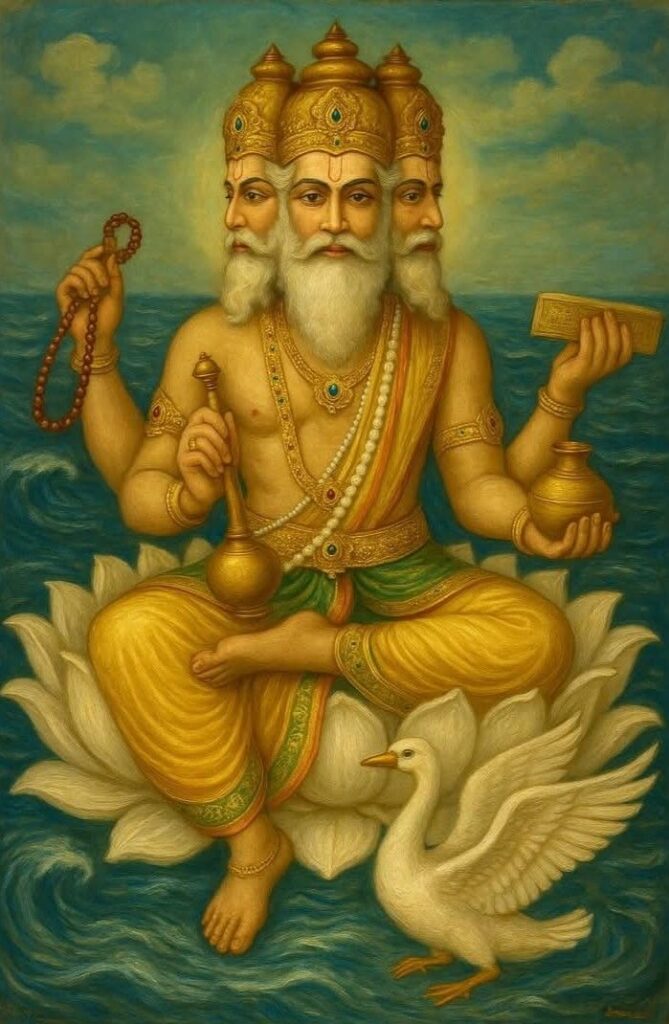
POLITICS AND SPIRITUALITY will be Inner Government  by Swami Sivananda Salutations to the Para Brahman who is the substratum for the Inner Government, who is the Supreme Head of the Inner Government, and who is the Supreme Purusha in the celestial hierarchy and who is an embodiment of Knowledge and Bliss. He Who dwells within this world, Who is within this world, Whom the world does not know, Whose body is this world, Who rules the world from within is thy innermost Self, Inner Ruler, Immortal. He is the Supreme Head of the Inner Government. He Who dwells in the body, Who is within this body, Whom the body does not know, Whose body is this body, Who rules the body from within is thy innermost Self, Inner Ruler. He Who dwells in the eyes, Who is within the eyes, Whom the eyes do not know, Whose body is the eyes, Who rules the eyes from within, know Him to be the Supreme Head of the Inner Government. He Who dwells in the ears, Who is within the ears, Whom the ears do not know, Whose body is the ears, Who rules the ears from within, know Him to be the Supreme Head of the Inner Government. He Who dwells in the mind, Who is within the mind, Whom the mind does not know, Whose body is the mind, Who rules the mind from within, know Him to be the Supreme Head of the Inner Government. He Who dwells in the Prana, Who is within the Prana, Whom the Prana does not know, Whose body is the Prana, Who rules the Prana from within, know Him to be the Supreme Head of the Inner Government. He Who dwells in the Buddhi, Who is within the Buddhi, Whom the Buddhi does not know, Whose body is the Buddhi, Who rules the Buddhi from within, know Him to be the Supreme Head of the Inner Government. Just as there is a Government in all countries to govern the nation and maintain law and order, so also there is an Inner Government to maintain law and order in this universe. The inner marvellous Government has Satyam as their banner, Dharma (righteousness) as their seal, Omkara as the band, discrimination as the coat-of-arms and dispassion as the shield. This is an eternal Government. They have one unchanging policy, viz., of helping the aspirants to attain Self-realisation. They do not thirst for annexing dominions. Their treasure is inexhaustible. Their dominion is illimitable and boundless. Their wealth consists of supreme peace, eternal bliss, perennial joy, everlasting satisfaction and divine knowledge or Upanishadic wisdom. The head of a Government is either a President, or a dictator, or a king or a Maharaja. The head of the Inner Government is Isvara or the Supreme Lord Who assumes three forms, viz., Brahma or Hiranyagarbha for the purpose of creation, Vishnu for the purpose of maintenance or preservation and Rudra for the purpose of dissolution or destruction, Who is the Antaryamin or Inner Ruler and the spiritual director. Above Isvara is Para Brahman Who is the silent witness and supreme head. By His command the earth and the sky stand apart. By His command the sun and the moon always rotate as the flaming fire-brand. By His command the rivers and the seas do not over-step the limits. By His command the seasons, solstices and the years do not transgress. By His command Karmas and their performers and their fruits do not likewise go beyond their appointed time. By His command the sky, the sun and the moon stand in their respective places. This whole universe evolved from the Brahman moves in the highest Brahman. That Brahman is a great terror, like an uplifted thunderbolt. Those who know this become immortal. From fear of Brahman fire burns; from fear of Him the sun shines; from fear of Him Indra and Vayu and Death, run. There is perfect justice in the administration of the Inner Government. The Devatas obtain their status according to their merit and righteous actions. The Lord is assisted by the eight Lokapalas or guardians of the quarters. They are Indra, Varuna, Agni, Yama, Nirriti, Marut, Kubera and Isana. Yama, Varuna, Indra, Brihaspati and Surya are the Chief Ministers of this Lord of the Inner Government. They have a subtle fiery body. They can assume any form at their will. They are endowed with great powers. The eight Vasus, the eleven Rudras, the twelve Adityas also do their own part in the administration of the Inner Government. Indra is at the head of the Devas. Anyone who has got the qualification can become an Indra or attain Indrahood. Indrahood is a status in the celestial hierarchy. The blowing of winds, the rising of the sun, the change in Ritus or seasons, the fall of rain and their stoppage are all governed by the Devatas or gods. There is the celestial hierarchy of gods. There are series of successive terms of different rank. Suppose there be a youth, a good youth, well versed in the scriptures, well-disciplined, resolute and very strong. Suppose his is all this earth full of wealth. This is one human bliss. A hundredfold of the bliss of human beings is the unit measure of the bliss of human Gandharvas. A hundredfold of the bliss of human Gandharvas is the unit measure of the bliss of celestial Gandharvas. A hundredfold of the bliss of Devas is the unit measure of the bliss of gods known as Karma Devas. A hundredfold of the bliss of Karma Devas is the unit measure of the bliss of Indra. A hundredfold of the bliss of Indra is the bliss of Brihaspati. A hundredfold of the bliss of Brihaspati is the bliss of Prajapati. A hundredfold of the bliss of Prajapati is the unit measure of the bliss of Brahma. The bliss of Brahma is but an atom when compared to the bliss of the Supreme Lord of the Inner

POLITICS AND SPIRITUALITY will be Inner Government  Read Post »