


















Hari Om

Menu

Shiva Avatar,

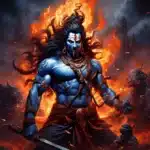
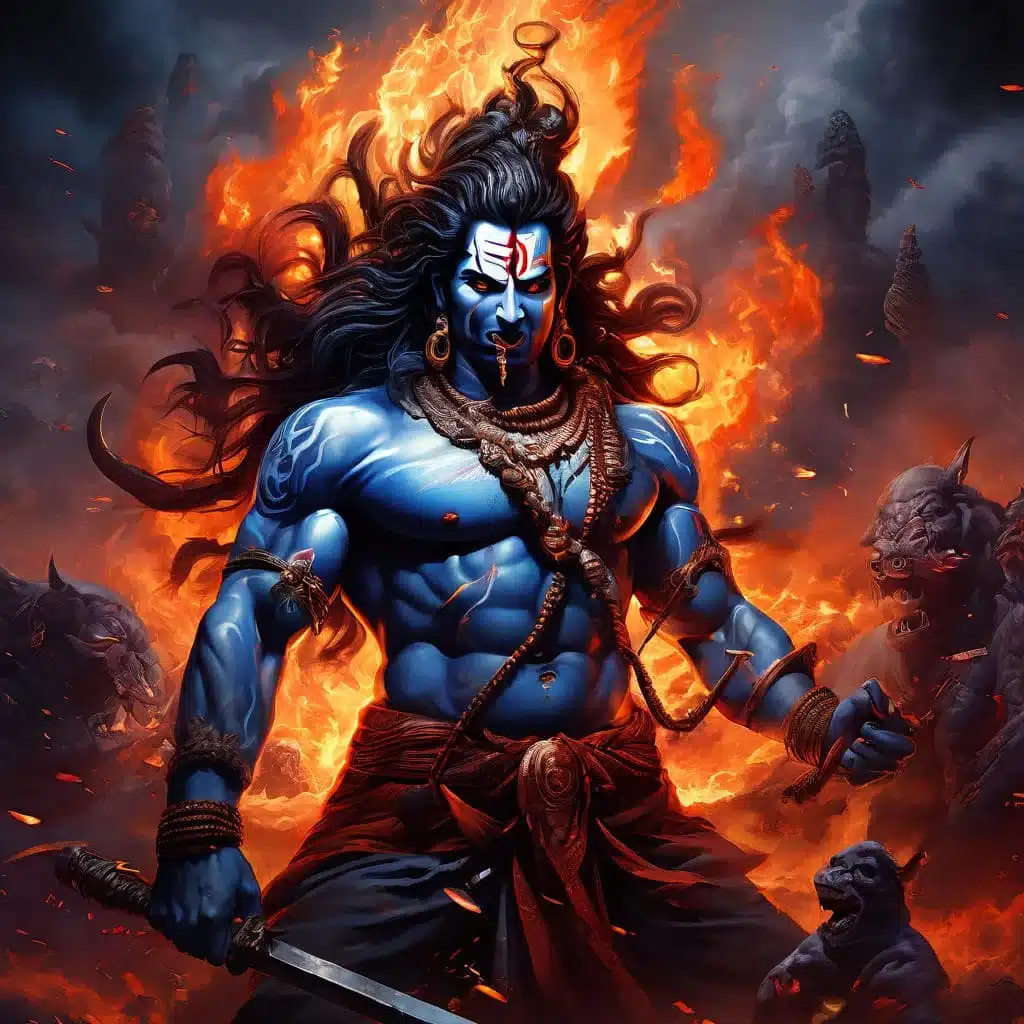
Lord Shiva Fierce blue-skinned Shiva standing amid flames holding weapons image
11 rudra avatars of lord shiva

Chand Avatar Of Lord Shiva

Chand Avatar Chand Avatar of Lord Shiva The Chand Avatar of Lord Shiva is a sacred manifestation connected with divine brilliance, cosmic balance, and the control of time and emotions. In Hindu mythology, Lord Shiva is often associated with the Chand (Moon), which he wears on his head in the form of a crescent. Because of this divine association, Shiva is also known as Chandrashekhara, meaning “the one who holds the moon on his head.” This form of Shiva symbolizes calmness, wisdom, and the balance of cosmic energies. The Chand Avatar represents the aspect of Shiva that controls the rhythms of nature, including the cycles of time, seasons, and life itself. The moon, placed on Shiva’s matted hair, shows that even celestial bodies and cosmic forces are under the control of the Supreme Lord. Through the Chand Avatar, Lord Shiva demonstrates his role as the protector of cosmic order and the giver of peace and spiritual illumination to his devotees. Meaning of Chand in Hindu Tradition The word “Chand” or “Chandra” in Sanskrit refers to the Moon, which has great significance in Hindu philosophy and mythology. The moon symbolizes coolness, calmness, purity, and the cycle of time. It influences tides, natural rhythms, and even human emotions. When the moon is associated with Lord Shiva, it represents the idea that Shiva controls the flow of time and the cycles of creation. The waxing and waning of the moon symbolize the constant change that occurs in the universe. By placing the moon on his head, Shiva shows that he is beyond time and change, while still governing the cosmic order. The Chand Avatar therefore reflects Shiva’s power over the universe and his ability to maintain harmony within it. The Story Behind Shiva Wearing the Moon One of the most famous legends connected with the Chand Avatar involves Chandra, the Moon God, and the curse placed upon him. According to ancient scriptures, Chandra married the 27 daughters of King Daksha, who represent the 27 lunar constellations (Nakshatras). However, Chandra loved one of his wives, Rohini, more than the others and neglected the rest. The other wives complained to their father Daksha, who became angry and cursed Chandra to lose his brightness and gradually fade away. As the curse took effect, the moon began to lose its light, causing darkness and imbalance in the universe. Chandra then prayed to Lord Shiva for help and performed deep penance to seek forgiveness and protection. Moved by Chandra’s devotion, Lord Shiva partially removed the curse and placed the moon upon his own head. This allowed the moon to regain its light and continue its cycle of waxing and waning. From that moment, Shiva became known as Chandrashekhara, the lord who carries the moon. This story symbolizes divine compassion, forgiveness, and the restoration of cosmic balance. Symbolism of the Moon on Shiva’s Head The presence of the moon in the Chand Avatar carries deep symbolic meaning. It represents several spiritual and cosmic truths. Control Over Time The moon is closely linked with the measurement of time in Hindu tradition. By wearing the moon, Shiva demonstrates that he is the master of time (Mahakaal) and stands beyond its influence. Calmness and Peace The cool light of the moon symbolizes peace, tranquility, and emotional balance. Shiva’s association with the moon reminds devotees to cultivate calmness and clarity in their lives. Cycles of Life The waxing and waning of the moon represent the cycle of birth, growth, decline, and renewal. This reflects the eternal cycle of creation and destruction that Shiva governs. Divine Knowledge The moon’s bright light symbolizes spiritual wisdom and enlightenment. In this form, Shiva guides devotees toward knowledge and self-realization. Role and Purpose of the Chand Avatar The Chand Avatar represents Shiva’s role as the protector of cosmic harmony and the giver of peace. By controlling the moon and its cycles, Shiva maintains the balance of nature and ensures the proper functioning of time and seasons. This avatar also teaches the importance of humility and devotion. The story of Chandra shows that even powerful celestial beings must remain humble and seek divine guidance. Through the Chand Avatar, Shiva demonstrates that sincere prayer and devotion can bring forgiveness, healing, and spiritual growth. Spiritual Significance for Devotees For devotees, the Chand Avatar of Lord Shiva carries deep spiritual meaning. It reminds people that the divine has the power to bring peace to the mind and stability to life. Just as the moon brings coolness to the night, Shiva’s blessings bring calmness to the human heart. Meditating on Shiva as Chandrashekhara is believed to help individuals overcome emotional disturbances, stress, and confusion. It encourages balance between the mind and spirit. The moon on Shiva’s head also symbolizes that true wisdom lies in controlling the restless mind, just as Shiva controls the moon and the forces of nature. Worship and Devotional Importance In many temples dedicated to Lord Shiva, the image of Shiva with the crescent moon is a central symbol. Devotees worship this form especially during Monday (Somvar), which is considered sacred to both the moon and Lord Shiva. During festivals such as Mahashivaratri, devotees remember Shiva’s cosmic forms and seek his blessings for peace, prosperity, and spiritual growth. The Chand Avatar inspires devotees to live a balanced life, remain calm in difficult situations, and maintain faith in divine guidance. Conclusion The Chand Avatar of Lord Shiva represents divine peace, cosmic balance, and the control of time and natural cycles. By wearing the moon on his head, Shiva demonstrates his supreme authority over the universe and his compassionate nature toward devotees. This form of Shiva teaches valuable lessons about humility, devotion, and emotional balance. The cool light of the moon reminds us that even in darkness, divine guidance is always present. For millions of devotees, the Chand Avatar symbolizes the calm and compassionate presence of Lord Shiva, who protects the universe and leads humanity toward wisdom, peace, and spiritual enlightenment. 🙏

Chand Avatar Of Lord Shiva Read Post »

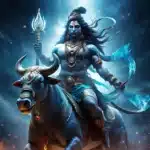
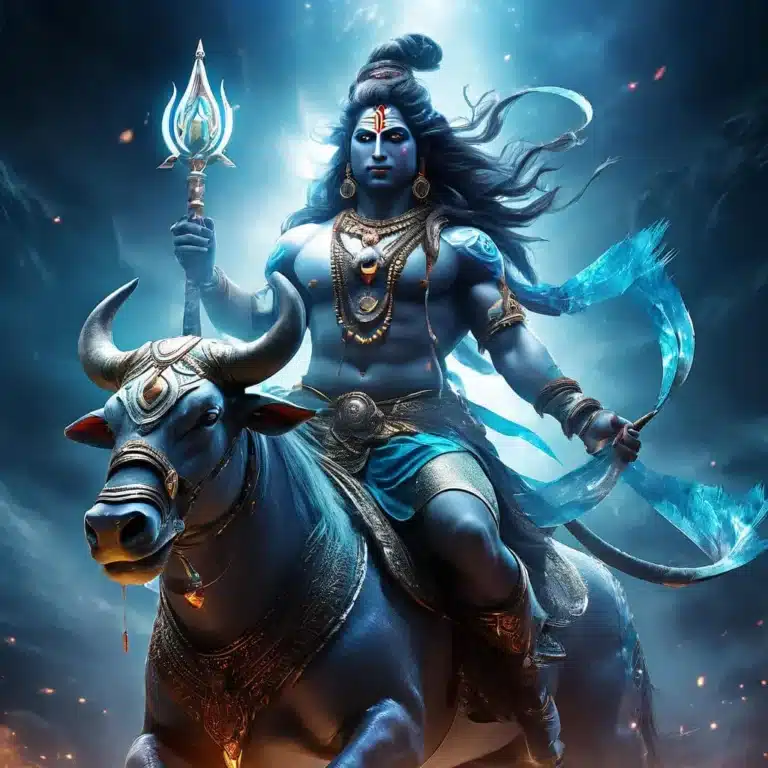
Lord Shiva riding Nandi holding trident image
11 rudra avatars of lord shiva

Shambhu Avatar of Lord Shiva

Shambhu Avatar Shambhu Avatar of Lord Shiva Shambhu is one of the most sacred and beautiful names of Lord Shiva. The word Shambhu means the source of happiness, peace, and auspiciousness. In Hindu tradition, Lord Shiva is worshipped in many forms and manifestations, and Shambhu represents His compassionate, benevolent, and divine nature. This form of Shiva reminds devotees that the Supreme Lord is not only the destroyer of evil but also the giver of grace, wisdom, inner peace, and spiritual liberation. Meaning of Shambhu The name Shambhu is derived from Sanskrit, where “Sham” means peace, welfare, or auspiciousness, and “Bhu” means the one who creates or brings forth. Thus, Shambhu is the one who brings peace, joy, and well-being to the universe. This name highlights Shiva as the compassionate protector who blesses His devotees with spiritual strength, removes suffering, and guides souls toward truth and enlightenment. Shambhu as an Avatar of Lord Shiva When devotees speak of Shambhu Avatar of Lord Shiva, they refer to Shiva in His divine and auspicious aspect. In this form, He appears as the eternal Lord who is full of mercy, simplicity, and supreme power. Shambhu is the Lord who responds to sincere devotion, accepts even the simplest offerings, and showers blessings upon all beings without discrimination. He is often seen as the form of Shiva who grants peace to troubled hearts and destroys ignorance through divine knowledge. Spiritual Significance of Shambhu The form of Shambhu teaches that true divinity is rooted in compassion, purity, and inner stillness. Lord Shiva as Shambhu inspires devotees to rise above anger, ego, attachment, and fear. He represents the calmness that exists beyond worldly chaos. Worshipping Shambhu helps seekers develop devotion, self-control, humility, and faith. This form also reminds us that God is both powerful and gentle, capable of destroying negativity while nurturing goodness in the hearts of devotees. Symbolism of Shambhu Shambhu is often associated with sacred symbols of Lord Shiva such as the trident, crescent moon, Ganga flowing from His matted hair, blue throat, and third eye. Each of these symbols carries deep meaning. The trident represents control over mind, body, and soul. The moon signifies peace and balance. The river Ganga symbolizes purity and divine flow. The blue throat reflects sacrifice for the welfare of the world, and the third eye stands for spiritual wisdom that destroys illusion. In the form of Shambhu, all these symbols come together to express Shiva’s complete divinity. Worship of Shambhu Devotees worship Shambhu with deep reverence through prayers, chanting of “Om Namah Shivaya”, offering water, milk, bilva leaves, flowers, and meditation. Mondays, Mahashivaratri, and the holy month of Shravan are especially important for Shiva worship. Those who pray to Shambhu with sincerity believe that He removes obstacles, grants inner peace, and protects them from negativity. His worship is simple yet profound, showing that pure devotion matters more than external display. Lessons from Shambhu Avatar The Shambhu form of Shiva teaches many timeless lessons. It teaches us to remain calm in difficulties, to act with compassion, to destroy inner negativity, and to seek truth above worldly distractions. It also shows that real strength lies in peace, self-mastery, and surrender to the Divine. For spiritual seekers, Shambhu is a reminder that God is always present to guide, purify, and uplift the soul. Conclusion Shambhu Avatar of Lord Shiva is a deeply spiritual and auspicious form that represents peace, grace, compassion, and divine power. He is the source of welfare for the world and the protector of all sincere devotees. By remembering and worshipping Shambhu, one can find strength in difficult times, purity in thought, and progress on the path of spirituality. Lord Shiva as Shambhu continues to inspire millions with His timeless message of peace, devotion, and liberation.

Shambhu Avatar of Lord Shiva Read Post »

Lord Shiva meditating in Himalayas with Nandi image
11 rudra avatars of lord shiva

Bhava Avatar Of Lord Shiva

Bhava Avatar Bhava Avatar of Lord Shiva The Bhava Avatar of Lord Shiva is one of the sacred manifestations associated with the many divine forms of Shiva described in Hindu scriptures. In ancient Vedic and Puranic traditions, Bhava is considered one of the important names and forms of Rudra, the powerful and compassionate aspect of Lord Shiva. The word “Bhava” comes from Sanskrit and generally means existence, creation, emotions, or the source of life. In this form, Lord Shiva represents the origin of life and the divine force that sustains all beings in the universe. The Bhava Avatar highlights Shiva’s role not only as a destroyer but also as a creator and protector of life. It emphasizes the idea that the same divine power responsible for destruction also nurtures and sustains the world. Through this form, Shiva expresses his compassionate nature and his connection to every living being in creation. Meaning of Bhava in Hindu Philosophy In Hindu philosophy, the term Bhava carries deep spiritual meaning. It refers to the state of existence or the process of becoming. Everything in the universe — living beings, nature, and cosmic forces — arises from this divine existence. As Bhava, Lord Shiva represents the origin and essence of all life. This form reminds devotees that Shiva is not only a powerful cosmic force but also the source of creation and the essence present in every being. The Bhava Avatar symbolizes the continuous cycle of birth, growth, transformation, and renewal that takes place in the universe. Bhava also represents divine emotions and spiritual devotion. In devotional traditions, the word is used to describe the deep feeling of love, surrender, and connection between a devotee and the divine. Thus, Shiva as Bhava embodies both the cosmic creator and the compassionate lord who responds to devotion. Bhava as One of the Forms of Rudra In the Vedic scriptures, particularly in the Yajurveda and other ancient texts, Lord Shiva is described through several names such as Bhava, Sharva, Rudra, Pashupati, and Mahadeva. These names represent different aspects of the same supreme divine power. Among these, Bhava is associated with the life-giving and sustaining energy of Shiva. While some forms of Rudra represent fierce and destructive forces, Bhava reflects the gentler and nurturing side of the divine. In this form, Shiva is seen as the lord of all living beings, guiding them through the cycles of existence and helping them achieve spiritual liberation. Bhava reminds devotees that Shiva’s presence exists in every part of the universe, from the smallest creature to the vast cosmic systems. Symbolism and Characteristics of the Bhava Avatar The Bhava Avatar represents the creative and sustaining energy of Lord Shiva. In symbolic representations, Shiva in this form is often associated with nature, life, and the eternal flow of existence. Several elements connected with Lord Shiva also reflect the meaning of Bhava: The Ganga flowing from Shiva’s hair symbolizes the flow of life and purity that nourishes the world. The crescent moon on his head represents the cycles of time and the continuous rhythm of creation. The serpent around his neck symbolizes control over fear, death, and hidden energies. The Trishula (trident) represents the three fundamental aspects of existence — creation, preservation, and destruction. These symbols remind devotees that life is a divine gift sustained by the eternal presence of Shiva. Role and Purpose of the Bhava Avatar The Bhava Avatar emphasizes Shiva’s role as the giver and sustainer of life. While Shiva is often known for his destructive aspect, this form highlights the deeper truth that destruction and creation are part of the same cosmic process. The main purposes of the Bhava Avatar include: Supporting the existence of all living beings Maintaining the natural balance of the universe Encouraging spiritual devotion and inner transformation Guiding souls toward liberation (moksha) Through this form, Shiva teaches that life itself is sacred and that every being carries a spark of the divine within them. Spiritual Significance of Bhava The Bhava Avatar holds great importance in spiritual practice and devotion. It teaches that the divine presence exists in every moment of life and every aspect of creation. By recognizing this truth, devotees can develop a deeper sense of respect for all living beings and the natural world. This form also emphasizes the importance of bhava (devotional feeling) in spiritual practice. In many Hindu traditions, sincere devotion and emotional connection with the divine are considered powerful paths to spiritual realization. When devotees worship Shiva with true bhava — meaning pure love and surrender — they experience inner peace, spiritual growth, and a deeper connection with the divine. Bhava in Devotional Traditions In many Shaivite traditions, the name Bhava is used in prayers and hymns dedicated to Lord Shiva. Devotees often chant sacred mantras and names of Shiva to express their devotion and gratitude. One well-known example is the Rudram prayer, where Shiva is praised through multiple divine names, including Bhava. These prayers highlight the belief that Shiva exists everywhere — in nature, in living beings, and in the universe itself. Through devotion to Bhava, followers seek blessings for protection, prosperity, spiritual wisdom, and liberation. Conclusion The Bhava Avatar of Lord Shiva represents the divine force of existence, life, and spiritual devotion. In this form, Shiva is not only the destroyer of evil but also the source and sustainer of all creation. The meaning of Bhava reminds us that every living being and every aspect of the universe is connected to the divine presence of Shiva. This avatar teaches that life is sacred and that spiritual growth comes through devotion, awareness, and understanding the deeper truth of existence. By worshipping Shiva as Bhava, devotees learn to see the divine in all things and develop a deeper connection with the eternal source of life. 🙏

Bhava Avatar Of Lord Shiva Read Post »

Lord Shiva blessing with trident and serpent image
11 rudra avatars of lord shiva

Ahirbudhnya Avatar Of Lord Shiva

Ahirbudhnya Avatar Ahirbudhnya Avatar of Lord Shiva The Ahirbudhnya Avatar of Lord Shiva is a powerful and mysterious manifestation described in ancient Hindu scriptures, particularly in the Vedas and Puranas. In this form, Lord Shiva represents the deep, hidden cosmic power that exists within the universe. The name Ahirbudhnya comes from Sanskrit, where “Ahir” means serpent or cosmic serpent and “Budhnya” means the deep foundation or the bottom of the ocean. Together, the name symbolizes the serpent of the deep cosmic waters, representing the hidden forces that sustain and control the universe. Ahirbudhnya is considered one of the eleven Rudras, the fierce and divine manifestations of Lord Shiva that govern powerful cosmic energies. This avatar highlights Shiva’s connection with the mysterious depths of existence, the unseen energies of nature, and the protection of cosmic balance. Meaning and Origin of Ahirbudhnya The origin of the Ahirbudhnya Avatar can be traced back to Vedic literature, especially the Rigveda and later texts like the Shiva Purana and other Puranas. In these sacred texts, Ahirbudhnya is described as a powerful Rudra deity who resides in the depths of the cosmic ocean and controls hidden spiritual energies. The symbolism of a serpent in the deep waters is very significant in Hindu philosophy. Serpents often represent cosmic energy, wisdom, and hidden power. In the form of Ahirbudhnya, Lord Shiva is seen as the guardian of the mysterious forces that exist beneath the surface of creation. Just as the deep ocean hides many unknown mysteries, this avatar represents the invisible energies that support the universe. It teaches that not all divine power is visible; much of it operates silently in the background to maintain cosmic harmony. Appearance and Symbolism In descriptions found in ancient texts, the Ahirbudhnya Avatar is associated with the imagery of a cosmic serpent dwelling in the depths of the ocean or the foundation of the universe. This form represents the immense spiritual power hidden within the cosmic waters. The serpent symbolizes infinite energy, protection, and transformation. In Hindu tradition, serpents (Nagas) are often connected with divine knowledge and spiritual awakening. In this avatar, Shiva is seen as the controller of these mystical energies. The deep ocean represents the unconscious and hidden layers of existence. It symbolizes the unknown dimensions of the universe where divine forces operate beyond human understanding. Ahirbudhnya thus represents the foundation of cosmic stability, ensuring that the universe remains balanced. This avatar also symbolizes the connection between creation, preservation, and destruction, the three fundamental aspects of cosmic existence. As the lord of hidden energies, Shiva in this form governs forces that shape the universe in subtle ways. Role and Purpose of the Ahirbudhnya Avatar The Ahirbudhnya Avatar plays an important role in maintaining cosmic order and balance. As one of the Rudra forms, Shiva manifests as Ahirbudhnya to control the powerful energies that exist beneath the visible universe. The main purposes of this avatar include: Protecting the cosmic foundations of the universe Controlling hidden spiritual and natural energies Maintaining balance between different forces of creation Guiding the transformation of cosmic cycles This form also symbolizes the idea that the universe is supported by deep spiritual forces that remain unseen but are always active. Lord Shiva, through the Ahirbudhnya Avatar, governs these forces and ensures that the cosmic system continues to function smoothly. Spiritual Significance The Ahirbudhnya Avatar carries profound spiritual meaning for devotees and seekers of knowledge. It teaches that the universe is much deeper than what we can perceive with our senses. Beneath the surface of physical reality lies a vast ocean of divine energy and consciousness. For spiritual practitioners, this avatar represents the awakening of hidden inner power. Just as the cosmic serpent symbolizes energy within the universe, it also represents the inner spiritual energy within every human being. In yogic philosophy, this concept is often connected with Kundalini energy, which is described as a coiled serpent resting at the base of the spine. When awakened through spiritual practice, this energy leads to enlightenment and higher consciousness. Thus, the Ahirbudhnya Avatar reminds devotees that true spiritual power lies within the depths of the soul, waiting to be awakened through devotion, meditation, and self-realization. Ahirbudhnya in Hindu Tradition Although the Ahirbudhnya Avatar is not as widely worshipped as other popular forms of Lord Shiva, it holds significant importance in Vedic and Shaivite traditions. Scholars and spiritual teachers often interpret this avatar as a representation of the mysterious and infinite nature of Shiva. Some ancient rituals and philosophical teachings reference Ahirbudhnya as a guardian of the cosmic waters and hidden spiritual knowledge. Devotees who study deeper aspects of Hindu philosophy often meditate on this form to understand the mystical dimensions of the universe and divine consciousness. Conclusion The Ahirbudhnya Avatar of Lord Shiva represents the hidden and mysterious forces that exist within the depths of the universe. As a manifestation of Rudra, this avatar symbolizes cosmic energy, protection, and the unseen power that maintains the stability of creation. Through this form, Lord Shiva teaches that the universe is supported by divine forces that operate beyond human perception. The symbolism of the cosmic serpent and the deep ocean reminds us that spiritual truth often lies beneath the surface, waiting to be discovered. For devotees and spiritual seekers, the Ahirbudhnya Avatar is a powerful reminder of the infinite depth of divine wisdom and the hidden energies that sustain the universe. By understanding and meditating on this form of Shiva, one can gain deeper insight into the mysteries of existence and the eternal presence of the Supreme Divine.

Ahirbudhnya Avatar Of Lord Shiva Read Post »

Lord Shiva seated in meditation with trident
11 rudra avatars of lord shiva

Ajapaad Avatar Of Lord Shiva

Ajapaad Avatar Ajapaad Avatar of Lord Shiva The Ajapaad (or Ajaikapada) Avatar of Lord Shiva is a powerful and mysterious manifestation described in ancient Hindu scriptures. This form of Shiva is associated with cosmic stability, divine energy, and the protection of the universe. The name Ajapaad comes from the Sanskrit words “Aja” meaning unborn or eternal and “Pada” meaning foot or support. Together, it symbolizes the eternal divine force that supports and sustains the universe. Ajapaad is often identified with Ajaikapada Rudra, one of the eleven Rudras mentioned in the Vedas and Puranas. In this form, Lord Shiva represents the cosmic pillar of strength that holds the universe in balance and protects it from chaos. Meaning and Origin of Ajapaad Avatar The Ajapaad Avatar is deeply connected to the Vedic tradition and appears in texts such as the Rigveda, Shiva Purana, and other ancient scriptures. In these texts, Ajaikapada Rudra is described as a divine being with immense spiritual power and a unique form symbolizing cosmic stability. The term Ajaikapada literally means “the one with a single foot.” This unusual form is symbolic rather than literal. It represents the axis or central pillar of the universe, indicating that all cosmic energy is supported by one ultimate divine force — Lord Shiva. In Hindu philosophy, this avatar reflects the idea that the universe rests on a single eternal truth, and that truth is the supreme consciousness represented by Shiva. Appearance and Symbolism The Ajapaad Avatar is often depicted as a divine form with one leg or foot, symbolizing the cosmic axis (Axis Mundi) that connects heaven, earth, and the underworld. This form represents stability, balance, and the foundation of existence. In some descriptions, Ajapaad appears as a radiant and powerful Rudra form surrounded by divine flames or cosmic energy. The single foot symbolizes that the entire universe stands on the foundation of divine consciousness. Other symbolic elements associated with this avatar include: Divine fire representing transformation and purification Cosmic energy showing Shiva’s control over creation and destruction Spiritual balance representing harmony in the universe This form emphasizes that even though the universe appears vast and complex, it ultimately rests on one supreme power. Role and Purpose of the Ajapaad Avatar The Ajapaad Avatar represents Lord Shiva’s role as the supporter and stabilizer of cosmic order. Whenever the balance of the universe is threatened by chaos or imbalance, this form of Shiva acts as the divine force that restores harmony. This avatar is also linked to natural forces, particularly lightning and storms, symbolizing the immense energy present in nature. In Vedic traditions, Ajaikapada Rudra was sometimes worshipped as a deity connected with powerful natural phenomena. The primary purposes of the Ajapaad Avatar include: Maintaining cosmic balance Protecting the universe from instability Representing the eternal foundation of existence Guiding spiritual seekers toward higher consciousness Spiritual Significance The Ajapaad Avatar carries deep philosophical meaning in Hindu spirituality. It teaches that all creation ultimately depends on one divine truth. Just as the universe stands on a single cosmic support, spiritual life also requires a strong foundation in faith and awareness. This avatar reminds devotees that the divine presence is always supporting the universe and guiding it toward harmony. It also symbolizes the importance of inner stability and spiritual discipline in human life. Meditating on this form of Shiva is believed to bring balance, clarity, and spiritual strength to devotees. Ajapaad Avatar in Hindu Worship Although the Ajapaad form is not as widely worshipped as other forms of Shiva, it holds great importance in Vedic traditions and Shaivism. Scholars and spiritual practitioners recognize it as one of the sacred manifestations of Rudra. Some temples and rituals dedicated to the Ekapaada form of Shiva reflect this ancient belief. Devotees who study Vedic philosophy often meditate on this form to understand the deeper cosmic nature of Lord Shiva. Conclusion The Ajapaad Avatar of Lord Shiva represents the eternal foundation of the universe and the divine force that maintains cosmic balance. As Ajaikapada Rudra, Shiva symbolizes the single pillar upon which all existence stands. This avatar teaches profound spiritual lessons about unity, stability, and the ultimate truth that supports the universe. For devotees and spiritual seekers, the Ajapaad Avatar serves as a reminder that behind the complexity of the cosmos lies one eternal and divine consciousness — Lord Shiva himself.

Ajapaad Avatar Of Lord Shiva Read Post »

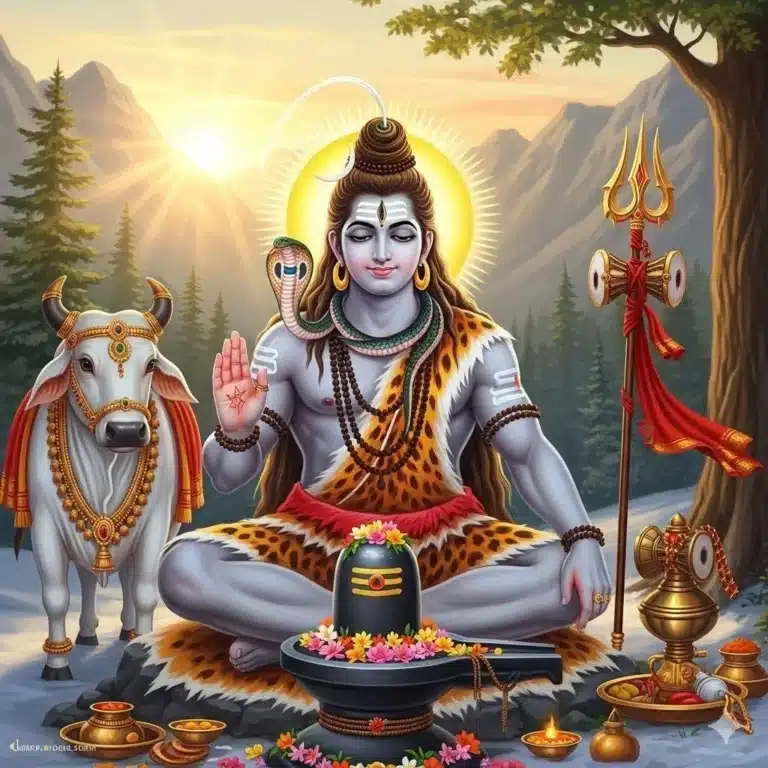
har har mahadev Lord Shiva meditating beside Shiva Lingam with Nandi bull, trident, and mountains at sunrise image
11 rudra avatars of lord shiva

Shastra Avatar Of Lord Shiva

Shastra Avatar Shastra Avatar Of Lord Shiva In Hindu mythology, Lord Shiva is known to manifest in many divine forms and avatars to protect the universe and maintain cosmic balance. Among these manifestations, the Shastra Avatar of Lord Shiva is associated with divine power, protection, and the destruction of evil forces. The word “Shastra” in Sanskrit means weapon or sacred instrument of power, symbolizing the authority and strength used to protect righteousness (dharma). This avatar represents Shiva as the divine warrior who uses sacred weapons and spiritual power to defeat negative energies and restore harmony in the universe. Meaning of Shastra Avatar The Shastra Avatar symbolizes the aspect of Lord Shiva that embodies divine protection and justice. In this form, Shiva is depicted as holding powerful weapons such as the Trishula (trident), Parashu (axe), Damaru, and other celestial weapons. These weapons are not only instruments of physical destruction but also represent the removal of ignorance, ego, and evil from the world. Each weapon carried by Shiva has deep symbolic meaning. The Trishula, for example, represents the destruction of the three impurities—ego, ignorance, and attachment. Through the Shastra Avatar, Shiva demonstrates that divine power is sometimes necessary to defeat evil forces and restore peace. Appearance and Characteristics In the Shastra Avatar, Lord Shiva is usually described as having a powerful and fierce appearance. His body is covered with sacred ash, symbolizing detachment from worldly desires. He wears a tiger-skin garment, which represents victory over animal instincts and uncontrolled desires. His matted hair (jata) holds the holy river Ganga, showing his role as the protector of life. The crescent moon on his head symbolizes control over time, while the serpent around his neck represents mastery over fear and death. In this avatar, Shiva often appears with multiple arms carrying divine weapons, signifying his readiness to protect the universe from evil and injustice. Purpose of the Shastra Avatar The primary purpose of the Shastra Avatar is to destroy demonic forces and protect devotees. According to many Hindu scriptures, whenever powerful demons threaten the balance of the universe, the divine energy of Shiva manifests in warrior-like forms to defeat them. This avatar also symbolizes that spiritual strength must sometimes be combined with courage and action. Lord Shiva teaches that righteousness should always be defended against injustice and oppression. Spiritual Significance The Shastra Avatar holds deep spiritual meaning for devotees. It reminds people that the battle between good and evil is not only external but also internal. The weapons of Shiva symbolize the tools needed to overcome negative qualities within ourselves such as anger, greed, pride, and ignorance. Devotees believe that worshipping Lord Shiva in his Shastra form provides protection, courage, and inner strength. It inspires individuals to stand for truth and follow the path of dharma even in difficult situations. Conclusion The Shastra Avatar of Lord Shiva represents the powerful and protective aspect of the Supreme God. In this form, Shiva uses divine weapons to destroy evil forces and maintain balance in the universe. This avatar teaches that while peace and compassion are important, the protection of righteousness sometimes requires strength and determination. For devotees, the Shastra Avatar serves as a reminder that divine power is always present to protect those who follow the path of truth and devotion. Through faith in Lord Shiva, one can gain the courage and wisdom needed to overcome both worldly challenges and inner struggles.

Shastra Avatar Of Lord Shiva Read Post »

Lord Shiva standing on mountain peak image
11 rudra avatars of lord shiva

Vilohita Avatar Of Lord Shiva

Vilohita Avatar Vilohita Avatar of Lord Shiva Vilohita Avatar is one of the powerful and deeply symbolic forms of Lord Shiva. This form of Mahadev is associated with divine radiance, fiery energy, strength, sacrifice, and spiritual transformation. The name Vilohita carries the sense of a deep red, crimson, or blood-hued appearance, which gives this form a striking and intense spiritual identity. In Hindu symbolism, red is not only the color of force and vitality, but also of tapas, sacrifice, divine energy, and transformative power. In this way, Vilohita Avatar reveals Lord Shiva as a radiant force who burns away impurity and energizes the path of spiritual awakening. Though this form may appear fierce or intense, its meaning is not negative. Vilohita Shiva represents the divine power that transforms life, destroys spiritual darkness, and awakens inner strength. It is a form that combines energy and wisdom, intensity and purification, power and transcendence. Meaning of Vilohita Avatar The word Vilohita is generally understood as meaning very red, deep crimson, or intensely radiant in a red form. When associated with Lord Shiva, this name points to a form glowing with fiery force and divine vitality. It represents the active, energetic, and transformative aspect of Mahadev. In spiritual symbolism, red often stands for power, life-force, sacrifice, austerity, and energy in motion. Therefore, Vilohita Avatar is not just a color-based description. It is a philosophical and devotional image of Shiva as the one who radiates force, burns away impurities, and brings change through divine will. This form teaches that spiritual growth is not always quiet and gentle. Sometimes it comes as intensity, discipline, purification, and the fire of transformation. Spiritual Nature of Vilohita Shiva Vilohita Shiva reflects the dynamic and fiery side of Lord Shiva. While some forms of Shiva are serene, meditative, and cool like the Himalayas, Vilohita expresses heat, force, and active divine energy. This form reminds devotees that Shiva is not only the silent ascetic, but also the cosmic power behind transformation, purification, and the destruction of inner darkness. Vilohita Avatar can also be understood as the form of Shiva that energizes the spiritual seeker. Many people remain trapped in laziness, confusion, attachment, fear, or spiritual weakness. Vilohita Shiva represents the divine energy that shakes the soul awake. He burns stagnation, inspires courage, and pushes the devotee toward truth and inner discipline. This form also teaches that divine energy is not separate from divine wisdom. The fire of Shiva does not destroy blindly. It destroys only what obstructs spiritual growth. In that way, Vilohita Avatar is fierce, but deeply compassionate. Symbolism of Vilohita Avatar Vilohita Avatar carries rich symbolic meaning. The first and most obvious symbol is the red color, which represents divine power, life-force, vitality, sacrifice, and transformation. Red is also linked with energy in action. In this form, Shiva is not passive. He is the active force that changes, purifies, and elevates. Another key symbol is fire. Fire destroys, but it also purifies. It consumes what is impure and leaves what is essential. Vilohita Shiva, like sacred fire, burns away ego, ignorance, negativity, and spiritual dullness. He teaches that purification often requires intensity. This form also symbolizes sacrifice and tapas. The red hue may be understood as the color of austerity, effort, and spiritual heat. Vilohita Shiva reminds devotees that progress on the spiritual path requires sincerity, self-discipline, and the willingness to let go of lower tendencies. Vilohita Avatar also symbolizes life-energy under divine control. Human beings possess energy, desire, and passion, but without wisdom these can become destructive. Shiva in this form teaches that true power must be purified and directed toward truth, devotion, and liberation. Vilohita Avatar in Spiritual Understanding In a deeper spiritual sense, Vilohita Avatar represents Shiva as the transforming fire within existence. Creation, preservation, and destruction are all part of the cosmic cycle, and Shiva is deeply connected with the process through which old forms are dissolved so that higher truth may emerge. Vilohita expresses this dissolving and renewing force. This form can also be seen as the burning energy of consciousness itself. Spiritual awakening is not merely intellectual. It is often a process of inner burning, in which attachment, pride, fear, and ignorance are gradually destroyed. Vilohita Shiva stands for that sacred inner fire. He is the force that does not allow the soul to remain asleep forever. From a devotional point of view, Vilohita Avatar teaches that divine grace may appear as energy, challenge, purification, and transformation. What feels intense in life is not always harmful. Sometimes it is the action of grace removing illusion and preparing the soul for a higher state of awareness. Appearance and Depiction of Vilohita Shiva Vilohita Shiva is generally imagined as radiant, glowing, and spiritually intense. His form may be visualized with a deep red or crimson aura, symbolizing fiery energy and divine force. Like other forms of Shiva, he may be associated with matted hair, sacred ash, serpents, rudraksha beads, and the trident. But what especially defines this form is the sense of burning vitality and transformative power. In devotional imagination, Vilohita Shiva is majestic, powerful, and awe-inspiring. His appearance may suggest both wrath against negativity and grace toward the sincere devotee. He is fierce in purpose, yet compassionate in essence. For the pure-hearted, this form does not inspire fear, but reverence and strength. Spiritual Significance of Vilohita Avatar The spiritual significance of Vilohita Avatar lies in its message of transformation through divine energy. This form teaches that ignorance cannot always be removed through softness alone. Sometimes it must be burned away through discipline, truth, and intense inner effort. Vilohita Shiva inspires the seeker to become spiritually awake, courageous, and sincere. This form also teaches purification. The mind is often clouded by ego, anger, fear, desire, and attachment. Vilohita Shiva helps burn these inner impurities and prepares the devotee for higher awareness. He reveals that spiritual life is not only about comfort and blessing, but also about purification and self-mastery. Vilohita Avatar also reminds devotees

Vilohita Avatar Of Lord Shiva Read Post »

Lord Shiva meditating on mountain at sunset image
11 rudra avatars of lord shiva

Virupaksha Avatar Of Lord Shiva

Virupaksha Avatar Virupaksha Avatar of Lord Shiva Virupaksha Avatar of Lord Shiva is one of the most profound and majestic forms of Mahadev, filled with spiritual symbolism and divine mystery. The name Virupaksha is deeply associated with Shiva as the Lord whose vision goes beyond ordinary sight. In this form, Lord Shiva is understood as the all-seeing one, the knower of hidden truths, and the divine power who looks beyond appearance into the deepest reality of existence. Virupaksha Avatar represents wisdom, transcendence, spiritual insight, and the destruction of illusion. This form of Shiva is not limited to external beauty or worldly symmetry. Instead, it reveals that divine vision is beyond human standards and beyond superficial appearances. Virupaksha is the Lord who sees the past, present, and future, and whose gaze penetrates ignorance, ego, and illusion. For devotees, this avatar is a reminder that true knowledge comes not from outward sight alone, but from inner awakening and divine perception. Meaning of Virupaksha Avatar The word Virupaksha is made up of two Sanskrit elements. Vi can imply special, distinct, or beyond the ordinary, while Aksha means eyes. The name is often interpreted as the one with extraordinary eyes, the one with unusual vision, or the Lord whose eyes see beyond all forms. In many spiritual understandings, Virupaksha refers to Shiva as the deity of transcendent sight. This name also connects naturally with Shiva’s famous third eye, which is not merely a physical feature but a symbol of higher consciousness. Through this eye, Shiva perceives what ordinary beings cannot perceive. He sees truth beyond illusion, essence beyond form, and eternity beyond temporary existence. Therefore, Virupaksha Avatar is not simply a form with unusual eyes, but a revelation of divine wisdom and cosmic awareness. Spiritual Nature of Virupaksha Shiva Virupaksha Avatar reflects the aspect of Lord Shiva that is inwardly awakened, spiritually all-knowing, and beyond worldly limitations. Shiva in this form is the witness of the universe. He sees every action, every thought, and every hidden movement of existence. Nothing is concealed from Virupaksha, because he is the consciousness that pervades all things. This form also teaches that the Divine does not judge based on outer form or social appearance. Virupaksha Shiva sees the truth within. He sees devotion behind silence, ego behind beauty, and purity behind simplicity. In this way, the form carries a powerful lesson for spiritual seekers: what matters most is not how things appear on the outside, but what they truly are within. Virupaksha is also connected with detachment. Because Shiva sees through the illusions of the material world, he remains untouched by them. He is the master of maya, not its servant. His vision cuts through the distractions that keep the soul bound to ignorance. Symbolism of Virupaksha Avatar The symbolism of Virupaksha Avatar is deep and transformative. The most important symbol is divine vision. This form represents the ability to see things as they truly are. Most human beings see only names, forms, labels, and surface-level reality. Virupaksha Shiva sees the inner essence. He sees the soul beneath the body, truth beneath the story, and permanence beyond change. Another important symbolism is the third eye of wisdom. Shiva’s third eye represents insight, intuition, and spiritual awakening. It is the eye that burns desire, ignorance, and falsehood. In the Virupaksha form, this power of insight becomes central. The avatar teaches that spiritual progress depends on awakening the inner eye and seeing beyond illusion. Virupaksha Avatar also symbolizes the destruction of maya, the deceptive appearance of worldly life. Human beings often become trapped by external beauty, temporary success, pride, fear, and attachment. Virupaksha Shiva reminds devotees that these are passing shadows. The one who develops higher vision can move beyond confusion and come closer to liberation. Finally, this form symbolizes universal witness consciousness. Shiva as Virupaksha is the silent knower who watches the unfolding of existence. He is present in every being and yet remains beyond all limitation. This makes the avatar deeply meaningful in meditation and spiritual contemplation. Virupaksha Avatar and the Third Eye One of the strongest associations of Virupaksha Avatar is with the third eye of Lord Shiva. In Hindu tradition, Shiva’s third eye is the eye of higher awareness and spiritual fire. When opened, it destroys ignorance and reveals the real nature of things. This eye is not associated with ordinary sight, but with wisdom that transcends the senses. Virupaksha Avatar expresses this principle in a complete way. It shows Shiva as the one whose vision is not dependent on outward appearances. He sees beyond time, beyond space, and beyond illusion. This is why he is often regarded as a Lord of yogis, sages, and seekers who wish to develop inner sight. The third eye also represents spiritual discipline. It opens when the mind is purified, when desire is controlled, and when awareness becomes steady. In this way, Virupaksha Shiva not only embodies divine insight but also inspires the seeker to cultivate their own inner clarity. Appearance and Depiction of Virupaksha Shiva Virupaksha Shiva is usually understood less through material ornamentation and more through symbolic presence. However, as a form of Lord Shiva, he may be depicted with matted hair, the crescent moon, sacred ash, serpents, rudraksha beads, and the trident. His eyes, especially the third eye, are central to his identity. They represent more than vision; they represent consciousness itself. In devotional imagination, Virupaksha Shiva may appear calm, majestic, and deeply meditative, yet filled with immense inner power. His expression suggests that he sees everything, understands everything, and remains beyond all confusion. This makes the form both awe-inspiring and deeply reassuring for devotees. Spiritual Significance of Virupaksha Avatar The spiritual significance of Virupaksha Avatar lies in its teaching that true vision is inner vision. Most suffering comes from misunderstanding reality. People become attached to what is temporary, afraid of what is unreal, and proud of what has no lasting foundation. Virupaksha Shiva destroys this confusion by bringing higher awareness. This form encourages devotees to

Virupaksha Avatar Of Lord Shiva Read Post »

Lord Shiva holding giant mace Warrior image
11 rudra avatars of lord shiva

Bhima Avatar Of Lord Shiiva

Bhima Avatar Bhima Avatar of Lord Shiva Bhima Avatar of Lord Shiva is regarded as a fierce, powerful, and awe-inspiring form of Mahadev. The word Bhima means terrible, mighty, formidable, or extremely powerful. In this form, Lord Shiva represents divine strength, fearless protection, destruction of evil, and the unstoppable force of righteousness. Bhima Avatar reveals Shiva as the cosmic power that rises whenever arrogance, adharma, and demonic forces threaten the balance of the universe. Though this form appears intense and fearsome, its deeper purpose is compassionate, because it exists to protect devotees and restore dharma. Meaning of Bhima Avatar The name Bhima reflects majesty, strength, and overwhelming power. When associated with Lord Shiva, it points to a form that cannot be resisted by negative forces. Bhima Avatar is not merely a frightening appearance, but a spiritual symbol of divine force in action. It shows that Shiva is not only the silent yogi immersed in meditation, but also the mighty protector who destroys evil when necessary. This form teaches that divine power is not cruel by nature. Instead, it becomes fierce only when it is needed to remove injustice, protect purity, and defend the cosmic order. Bhima Shiva stands for the truth that when darkness grows too strong, the Divine manifests with force and authority. Nature of Bhima Avatar Bhima Avatar expresses the dynamic, warrior-like energy of Lord Shiva. In many devotional interpretations, this form reflects Shiva’s ability to face the most dangerous, destructive, and arrogant forces in creation. Bhima Shiva is unshaken by fear, unaffected by opposition, and absolute in his purpose. His presence symbolizes courage, divine wrath against evil, and supreme control over destructive energies. At the same time, Bhima Avatar is not separate from Shiva’s compassionate nature. His fierceness is directed only toward ignorance, cruelty, ego, and adharma. For devotees, this form brings reassurance. It tells them that no matter how powerful evil may appear, the strength of Mahadev is infinitely greater. Symbolism of Bhima Avatar The symbolic meaning of Bhima Avatar is very deep. First, it represents immense spiritual and cosmic power. This is the force that destroys negativity and protects the path of truth. Bhima Shiva shows that divine energy can be both peaceful and fierce, depending on what the situation demands. Second, Bhima Avatar symbolizes fearlessness. Lord Shiva in this form teaches devotees to rise above fear, weakness, and hesitation. He becomes the source of inner courage and firmness. Third, this form symbolizes protection. Bhima Shiva stands as the guardian of devotees and the destroyer of harmful forces. He reminds us that the Divine does not remain passive in the presence of injustice. Fourth, Bhima Avatar symbolizes the destruction of ego. Many demonic beings in Hindu sacred narratives represent pride, greed, cruelty, and spiritual blindness. Shiva’s fierce forms destroy not only outer evil, but also the inner enemies that live within the human mind. Bhima Avatar in Shaiva Understanding In Shaiva tradition, fierce forms of Lord Shiva often appear to destroy darkness and restore spiritual balance. Bhima Avatar can be understood in this wider sense as a manifestation of Shiva’s terrible greatness. He is the one before whom all arrogance falls, all false power is broken, and all unrighteousness is brought to an end. This form reflects the truth that divine compassion sometimes takes the shape of forceful correction. Bhima Shiva may also be contemplated as the immense power of time, dissolution, and justice. Just as time destroys all things that are temporary, Shiva in his Bhima form destroys all falsehood and impurity. For this reason, the form is spiritually meaningful not only at the outer level of mythology, but also at the inner level of self-transformation. Appearance and Depiction of Bhima Shiva Bhima Avatar is generally imagined as majestic, fierce, and immensely powerful. In devotional descriptions, he may be shown with a commanding presence, blazing eyes, matted hair, sacred ash on the body, serpents as ornaments, and powerful weapons such as the trident. His form may radiate overwhelming strength and divine authority. Sometimes his expression is wrathful, not because of anger in the ordinary sense, but because he embodies the force that destroys evil without hesitation. This powerful imagery is meant to awaken reverence and courage in the devotee. Bhima Shiva is not terrifying to the pure-hearted. For them, he is a protector, guardian, and source of divine strength. Spiritual Significance of Bhima Avatar The spiritual significance of Bhima Avatar lies in its message that truth must be defended and weakness must be overcome. This form teaches that spiritual life is not only about peace and devotion, but also about courage, discipline, and the willingness to confront darkness. Bhima Shiva helps devotees understand that the path to truth sometimes requires great inner strength. This form also teaches that evil, whether external or internal, should not be underestimated. Anger, greed, jealousy, pride, fear, and ignorance are powerful inner enemies. Bhima Avatar of Shiva represents the force that can destroy these tendencies. He gives devotees the strength to resist negativity and remain steady in righteousness. For seekers, Bhima Shiva becomes a reminder that divine grace also appears as strength. When life becomes difficult, when injustice rises, or when inner weakness becomes overwhelming, the devotee can turn to Bhima Avatar as the embodiment of fearless divine support. Lessons of Bhima Avatar for Devotees Bhima Avatar offers many meaningful lessons. It teaches that one should never surrender to fear, because the strength of the Divine is always greater than the strength of evil. It reminds us that real power should be used for protection, not domination. It shows that anger becomes sacred only when it is free from selfishness and directed toward the destruction of injustice and ignorance. This form also teaches inner discipline. Every person must face their own demons, such as ego, attachment, and harmful desires. Bhima Shiva inspires the devotee to fight these weaknesses with determination. His message is that spiritual growth requires not only faith, but also bravery and firmness. In modern life,

Bhima Avatar Of Lord Shiiva Read Post »

Lord Shiva Artistic portrait of Lord Shiva with closed eyes image
11 rudra avatars of lord shiva

Pingala Avatar Of Lord Shiva

Pingala Avatar Of Lord Shiva Pingala Avatar of Lord Shiva Pingala Avatar of Lord Shiva is regarded as a powerful and radiant form of Mahadev, filled with spiritual depth and symbolic meaning. The word Pingala is often understood as referring to a tawny, reddish-golden, or fiery hue, suggesting brilliance, energy, ascetic power, and divine light. In this form, Lord Shiva is associated with strength, inner awakening, tapas, and the burning away of ignorance. Pingala Avatar reflects Shiva not only as the destroyer of evil, but also as the awakener of consciousness and the source of inner transformation. Meaning of Pingala Avatar The name Pingala carries rich spiritual significance. In Sanskrit usage, it can describe something golden-brown, reddish, sun-like, or glowing with fiery energy. When applied to Lord Shiva, Pingala Avatar points to a form filled with heat, radiance, austerity, and divine force. This is not merely an outer description of appearance, but also an inner symbol of spiritual fire. Pingala Shiva represents the energy that burns impurities, destroys darkness, and inspires the seeker toward higher awareness. This form can also be understood in a yogic sense. In spiritual traditions, Pingala is linked with the Pingala Nadi, the solar channel in the subtle body that represents dynamism, vitality, action, and pranic force. Because Lord Shiva is the master of yoga, the Pingala form may also be seen as a representation of awakened spiritual energy and disciplined inner power. Spiritual Nature of Pingala Shiva Pingala Avatar expresses the fiery side of Shiva’s divine presence. While some forms of Shiva are calm, meditative, and compassionate, Pingala shows him as radiant, intense, and active. This form reflects the force that removes stagnation and laziness from the mind. It awakens courage, discipline, and spiritual alertness. Pingala Shiva is like the inner flame that pushes a devotee beyond ignorance and toward truth. In many devotional interpretations, this form reminds worshippers that spiritual growth requires energy, sincerity, and tapas. Divine grace is important, but one must also cultivate strength, focus, and purity. Pingala Avatar stands as a symbol of that transforming energy. Symbolism of Pingala Avatar The symbolic meaning of Pingala Avatar is profound. Its fiery color and force suggest divine power in motion. This form symbolizes the burning of ego, desires, confusion, and negativity. Just as fire purifies metal, Pingala Shiva purifies the heart and mind of the devotee. He destroys lower tendencies and helps awaken higher understanding. Pingala Avatar is also linked with light and clarity. Darkness often symbolizes ignorance, fear, and illusion, while radiant light represents wisdom and truth. In this form, Lord Shiva becomes the blazing presence that removes inner darkness. He teaches that the path to liberation is not passive. It requires spiritual effort, discipline, and readiness to face one’s weaknesses. At another level, Pingala also symbolizes balance between stillness and action. Shiva is often known as the great yogi seated in deep meditation, but he is also the cosmic force behind movement, change, and transformation. Pingala Avatar reflects this active spiritual energy. Pingala Avatar in Yogic Understanding One of the most meaningful ways to understand Pingala Avatar is through yoga. In yogic philosophy, the human subtle body contains channels of energy known as nadis. Among them, Ida, Pingala, and Sushumna are especially important. Pingala Nadi is associated with the sun, heat, vitality, logic, activity, and outward expression. It complements Ida Nadi, which is linked with the moon, coolness, intuition, and inwardness. Because Shiva is Adiyogi, the first yogi, Pingala Avatar may be seen as a divine expression of solar force and awakened prana. In this sense, it represents the power that energizes spiritual practice and helps the seeker move toward balance and awakening. When Pingala energy is purified and harmonized, the individual gains strength, clarity, and disciplined awareness. Thus, Pingala Shiva can be understood as the lord of inner energy and conscious action. Appearance and Depiction of Pingala Shiva In descriptive and symbolic imagery, Pingala Shiva may be imagined with a fiery aura, radiant complexion, glowing eyes, and an intense ascetic presence. His form may suggest heat, brilliance, and spiritual force. As with other forms of Shiva, he may be associated with matted hair, sacred ash, serpents, rudraksha beads, and divine weapons such as the trident. However, what especially defines Pingala Avatar is not ornamentation alone, but the feeling of blazing energy and divine radiance. This is a form that inspires reverence rather than fear alone. It is fierce in its power, but that fierceness is directed toward purification, awakening, and protection of dharma. Pingala Shiva stands as the fire of tapas, the radiance of knowledge, and the heat of transformation. Spiritual Significance of Pingala Avatar The spiritual significance of Pingala Avatar lies in its message of inner awakening. This form teaches that ignorance cannot be removed without effort, and that divine truth must be approached with sincerity and strength. Pingala Shiva inspires the devotee to rise above weakness, laziness, confusion, and attachment. He brings energy to spiritual life and pushes the seeker toward discipline and self-mastery. This form also teaches the importance of purification. Before higher wisdom can be realized, the mind and heart must be cleansed of selfish tendencies. Pingala Avatar is that cleansing force. He does not merely bless from a distance; he transforms from within. His energy is both demanding and compassionate, because it leads the soul toward liberation. For yogis and spiritual aspirants, Pingala Shiva represents the active power needed for meditation, austerity, mantra japa, breath control, and focused devotion. He is the source of the fire that keeps spiritual practice alive.

Pingala Avatar Of Lord Shiva Read Post »


