













Hari Om

Menu

Avatar

lordbhairavnew
Shiva Avatar,

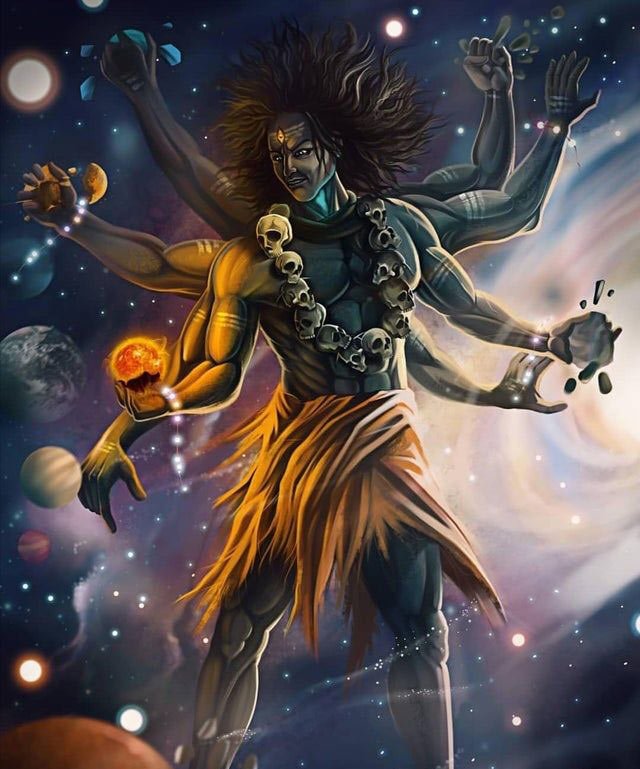
Bhairava Avatar of Lord Shiva

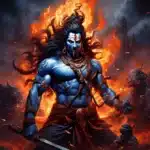
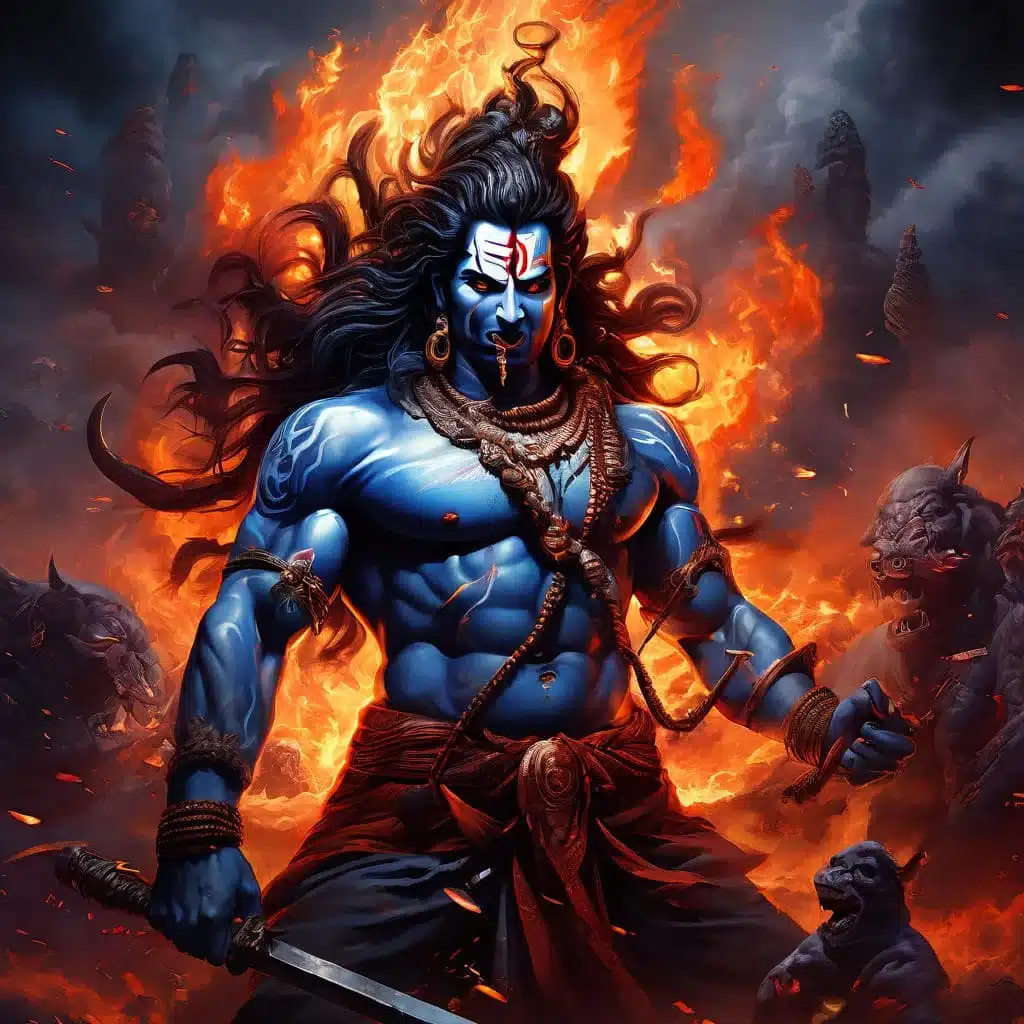
Bhairava is often depicted as a fearsome figure with a dark complexion, wild hair, and several terrifying features like multiple heads, eyes, and carrying weapons such as a sword, trident, or a drum. He is also shown with a dog as his vahana (vehicle), symbolizing his connection to the forces of protection and dissolution. Mythological Significance of Bhairava Avatar The Bhairava Avatar has a deep and significant origin in Hindu mythology. There are several stories related to this form of Lord Shiva, but one of the most famous ones involves the curse of Brahma and the creation of Bhairava. The Curse of Brahma and the Birth of Bhairava: According to the legend, Lord Brahma, the creator of the universe, once became arrogant and took pride in his position. In a conversation with his consort Saraswati, he claimed that he was the supreme deity and that no one was above him. In response, Lord Shiva grew furious and appeared before Brahma and his consort in his fierce Bhairava form. To teach Brahma a lesson about humility and the importance of acknowledging the supreme power of Shiva, Bhairava severed one of Brahma’s five heads, cursing him to only have four. This act of destruction symbolized the importance of surrendering to the divine will and reminded Brahma of the power and supremacy of Lord Shiva. Symbolism of Bhairava Avatar The Bhairava Avatar of Lord Shiva represents several important aspects: Justice and Power: Bhairava’s role in punishing Brahma and teaching him humility underscores the concept of divine justice. Bhairava is the embodiment of divine law, and his actions are always in line with restoring balance in the universe. Destruction of Evil and Ignorance: Bhairava’s role in destruction is not about annihilation for the sake of chaos, but for the removal of ignorance, negativity, and evil forces. His terrifying form signifies the destruction of ignorance that binds human consciousness to the material world. Protection: Bhairava is also a protector deity. His fierce appearance and actions show that sometimes one must face fear head-on to remove it. Bhairava protects the world from forces that seek to disturb cosmic order. Time and the Eternal: Bhairava is often associated with time (Kala) and eternity. As time is a great destroyer, Bhairava symbolizes the eternal cycle of creation, preservation, and destruction. Worship of Bhairava Avatar Mantras of the Divine Avatar ॐ भूभव्य भवमोक्षे भैरवाय नमः।ॐ ह्लीं ह्लीं ह्लीं भैरवाय स्वाहा। Om, I bow to Bhairava, the ultimate force of destruction and liberation,Om Hleem Hleem Hleem, salutations to Bhairava. Aarti of the Divine Avatar ॐ जय भैरव महाक्रूर महाप्रभुनमः शिवाय नमतां शरण्याय।कालरात्रि रूपिणं जगत्संहारिणंरक्षाक्षय नररुपिणं प्रणमामि॥ धन्य हैं भक्त जो भैरव की पूजा करते हैंसर्व संकटों का नाश पाते हैं।शिव रूप में भैरव ने दिया मार्गसत्य, धर्म और न्याय का पालन करने का॥ उज्जैन के भैरव, काशी के भैरवहर शहर में उनका वास है।धन, विद्या, शक्ति की प्राप्ति होउनकी पूजा से सुख और शांति का लाभ हो॥ Famous Shiva Temple

, ,

Bhairava Avatar of Lord Shiva Read Post »
Ashwatthama Son of Drona
Shiva Avatar,

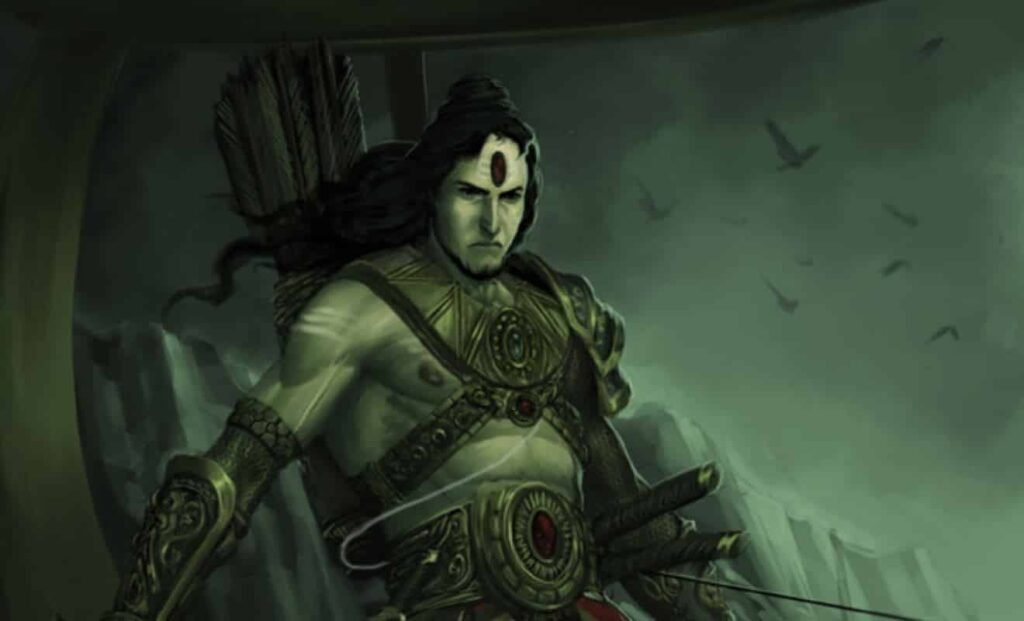
Ashwatthama Avatar of Lord Shiva

However, in some traditions, Ashwatthama is also connected to Lord Shiva as an avatar or manifestation, specifically when Shiva took the form of Ashwatthama to destroy evil forces and teach the importance of righteousness. The Ashwatthama Avatar showcases the blend of divine power, curse, and redemption. Mythological Significance of Ashwatthama Avatar The mythological story of Ashwatthama is mostly centered around his role in the Mahabharata. After the end of the Kurukshetra war, Ashwatthama, fueled by anger and thirst for vengeance, commits a heinous act by killing the sleeping sons of the Pandavas, hoping to eliminate the Kuru lineage. As a punishment for his crime, he is cursed by Lord Krishna to roam the earth for eternity, suffering from the torment of his sins. The curse symbolizes the consequences of pride and the importance of understanding dharma (righteousness). Ashwatthama’s story represents the tragic consequences of actions that go against the laws of dharma. In the context of Ashwatthama Avatar of Lord Shiva, it is believed that Lord Shiva took the form of Ashwatthama in the aftermath of the war to show the divine will behind karma and justice. While Ashwatthama as a mortal is trapped in his curse, Lord Shiva’s connection to him represents the embodiment of divine power, justice, and redemption. Symbolism of Ashwatthama Avatar The Ashwatthama Avatar of Lord Shiva symbolizes several deeper aspects: Role of Teacher and Protector: As a warrior and a student of Dronacharya, Ashwatthama represents knowledge and power. Shiva’s connection to this avatar also emphasizes the role of the divine as a protector and teacher of wisdom. Divine Justice: Ashwatthama’s curse, in a way, reflects Lord Shiva’s role as the dispenser of justice. While Ashwatthama himself is punished for his actions, the avatar of Lord Shiva embodies the balance between divine will and karmic consequences. Power of Vengeance and Redemption: Ashwatthama’s story illustrates the destructive power of vengeance. Lord Shiva, by taking the form of Ashwatthama, shows the fine line between retribution and the need for spiritual redemption. Immortality and Suffering: Ashwatthama’s curse to live for eternity, bearing the consequences of his actions, mirrors the suffering of being disconnected from divine grace. Shiva’s avatar symbolizes the eternal nature of the soul and the suffering that results from going against divine laws. Worship of Ashwatthama Avatar Mantras of the Divine Avatar ॐ अश्वत्थमाय नमः।ॐ ह्लीं ह्लीं ह्लीं अश्वत्थमाय स्वाहा। Om, I bow to Ashwatthama,Om Hleem Hleem Hleem, salutations to Ashwatthama. Aarti of the Divine Avatar ॐ जय अश्वत्थमाय महाक्रूरायधर्म के रक्षक महाप्रभु।शिव रूप में अवतार लियाशक्ति के साथ न्याय को स्थापित किया॥ धन्य हैं भक्त जो अश्वत्थमाय के रूप मेंशिव की पूजा करते हैं और पाते हैं शक्ति।धर्म की रक्षार्थ अश्वत्थमाय का रूप लियाजो निष्ठा से सत्य का पालन करते हैं॥ अश्वत्थमाय की महिमा को समझोजो हमें धर्म, शक्ति और न्याय का पाठ सिखाते हैं।शिव के रूप में उन्होंने दिया संसार कोधर्म का संदेश और सत्य का पालन॥ Famous Shiva Temple

, ,

Ashwatthama Avatar of Lord Shiva Read Post »

Ashtamukha Gandaberunda Sharabha Shiva Avatar Lord Narasimha 800x531 1
Shiva Avatar,

Sharabha Avatar of Lord Shiva

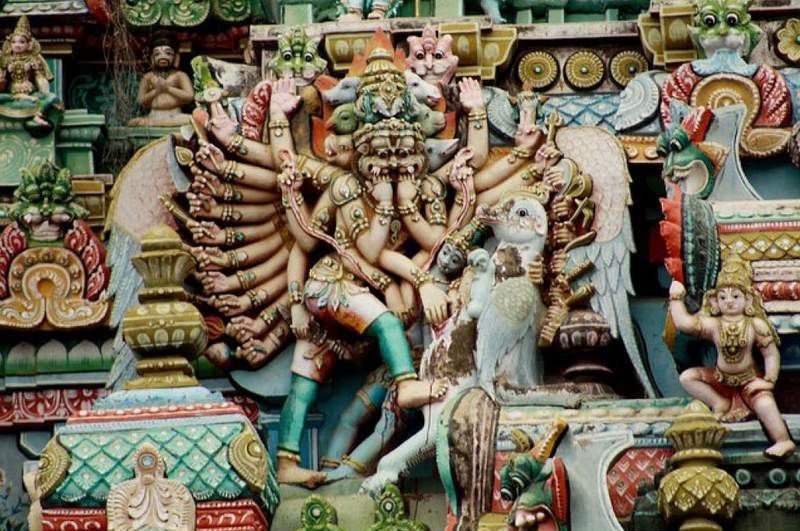
The Sharabha Avatar is primarily described in the Shiva Purana, where it is revealed that Lord Shiva took this form to subdue the mighty Vishnu’s Narasimha Avatar, a half-lion, half-man form. It was a battle of power and supremacy between two divine forces, which illustrates that Shiva’s power is unparalleled and can surpass all other deities. Mythological Significance of Sharabha Avatar The legend of the Sharabha Avatar begins with the Narasimha Avatar of Lord Vishnu, a fierce lion-headed figure who emerged to defeat the demon king Hiranyakashipu. Narasimha’s power was immense, and he was unstoppable. As Narasimha continued his rampage, the gods became worried about his uncontrollable wrath. To restore balance and stop Narasimha from causing further destruction, Lord Shiva manifested in his Sharabha form. Sharabha, in his lion-like avatar, subdued Narasimha, demonstrating the supremacy of Shiva’s energy. The legend indicates that Narasimha, although immensely powerful, had to bow to Shiva’s divine might. This form of Shiva is thus considered to be a manifestation of supreme power that is capable of calming even the most intense forces. Symbolism of Sharabha Avatar The Sharabha Avatar is deeply symbolic in several ways: Unity of Animal and Divine Energy: Sharabha’s hybrid nature signifies the harmonious balance between different aspects of nature. The combination of lion (strength) and bird (freedom, transcendence) shows how all energies of the universe work in tandem. Supremacy of Shiva: The Sharabha form indicates Shiva’s ultimate supremacy. It shows that no matter how powerful other divine beings are, Lord Shiva is the most powerful and has the strength to subdue even the fiercest of forms. Destruction and Protection: Like other avatars of Lord Shiva, Sharabha represents the dual roles of creation and destruction. While it is a destructive force, it also brings protection and restores balance in the universe. Balance of Power: The clash between Sharabha and Narasimha symbolizes the importance of balance in the universe. The divine need not destroy everything in its path to preserve order; sometimes, the overpowering force is needed to restore peace. Worship of Sharabha Avatar Mantras of the Divine Avatar ॐ श्री शारभाय नमः।ॐ ह्लीं शारभाय महाक्रूराय नमः। Om, I bow to Sharabha,Om Hleem Sharabhaya Mahakrooraya Namah Aarti of the Divine Avatar ॐ जय शारभ शंकर महाक्रूर महाप्रभुरक्षात्मक शारभ जयंते शारभ।नरसिंह संग्रामे लीनो हरि रूपी शारभ।विनाशक शारभ जयति शारभ॥ धन्य हैं वो भक्त जो शारभ रूपी देवताकी पूजा करते हैं और पाते हैं शक्ति और बल।रक्षात्मक शक्ति से शारभ उनकी रक्षा करेंहर संकट में वो शारभ की महिमा को समझें॥ शिव के रूप में शारभ ने किया नरसिंह का संहारशिव की शक्ति से हुआ जगत में संजीवनी प्रहार।शारभ के रूप में एक महाशक्ति को पहचाना,उसकी महिमा से संकट सरेगा सभी का॥ Famous Shiva Temple

, ,

Sharabha Avatar of Lord Shiva Read Post »
11a747abcb54b09bb80fe0955564ead1
Shiva Avatar,

Veerabhadra Avatar of Lord Shiva

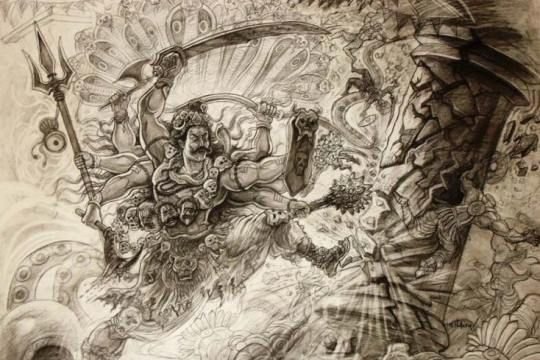
Veerabhadra is depicted as a formidable warrior with a fierce expression, carrying weapons such as a sword, trident, and shield. His role in the mythology is significant, as he was born to destroy the sacrifice performed by King Daksha, who insulted Lord Shiva and disrespected his wife, Sati. Mythological Significance of Veerabhadra Avatar The story of Veerabhadra is primarily found in the “Daksha Yajna” episode of the Vishnu Purana and Shiva Purana. According to the myth, King Daksha, the father of Sati, organized a grand yajna (sacrifice) but deliberately did not invite his daughter and her husband, Lord Shiva. This act of disrespect enraged Sati, who, unable to bear the insult, sacrificed herself in the yajna fire. In response to Sati’s death, Lord Shiva was consumed by grief and rage. From the matted locks of Shiva’s hair, a fierce being named Veerabhadra emerged. Veerabhadra was created to destroy the yajna and avenge Sati’s death. He and his army of fierce warriors ravaged Daksha’s sacrifice, decapitated Daksha, and brought an end to his arrogant defiance of Lord Shiva. Eventually, the gods intervened, and Daksha’s head was replaced with that of a goat, restoring his life, but he was forever humbled by his actions. Symbolism of Veerabhadra Avatar The Veerabhadra Avatar represents several key themes: Fierce Power & Courage: Veerabhadra’s image is that of a fearless warrior, showing the strength that one can derive from righteous anger. He represents the power that comes from standing up against oppression and injustice. Divine Wrath & Justice: Veerabhadra’s violent form symbolizes divine anger against unrighteousness. This avatar shows that when justice is violated, it must be restored, regardless of the consequences. Protection of Devotees: In his incarnation as Veerabhadra, Lord Shiva punishes those who harm his devotees or desecrate sacred practices. It shows the depth of Shiva’s love for his followers and his commitment to their protection. Destruction & Rebirth: The act of destruction by Veerabhadra is also seen as a form of cleansing and renewal. Destruction, in Shiva’s worldview, is a necessary step for the creation of something new. Worship of Veerabhadra Avatar Mantras of the Divine Avatar ॐ वीरभद्राय नमः।ॐ ह्लीं ह्लीं ह्लीं वीरभद्राय स्वाहा। Om, I bow to Veerabhadra,Om Hleem Hleem Hleem, salutations to Veerabhadra Aarti of the Divine Avatar ॐ जय वीरभद्राय महाक्रूरायशिवरूपाय पराक्रमाय।विग्रहाय महादेवायकान्तारं शत्रु विनाशकाय॥ चरणाम्बुजं भजे वीरभद्रंभक्तवत्सलं महाशक्तिम्।कान्तारं शत्रु विनाशकंविजयवर्धनं जय वीरभद्रम्॥ वीरभद्र का रूप है अद्भुतजो रक्ष करता है भस्मशरीर।निजस्वरूप का दर्शन करकेमिलते हैं हम सुख और शांति। Famous Shiva Temple

, ,

Veerabhadra Avatar of Lord Shiva Read Post »
Nandikeshvara
Shiva Avatar,

Nandi Avatar of Lord Shiva

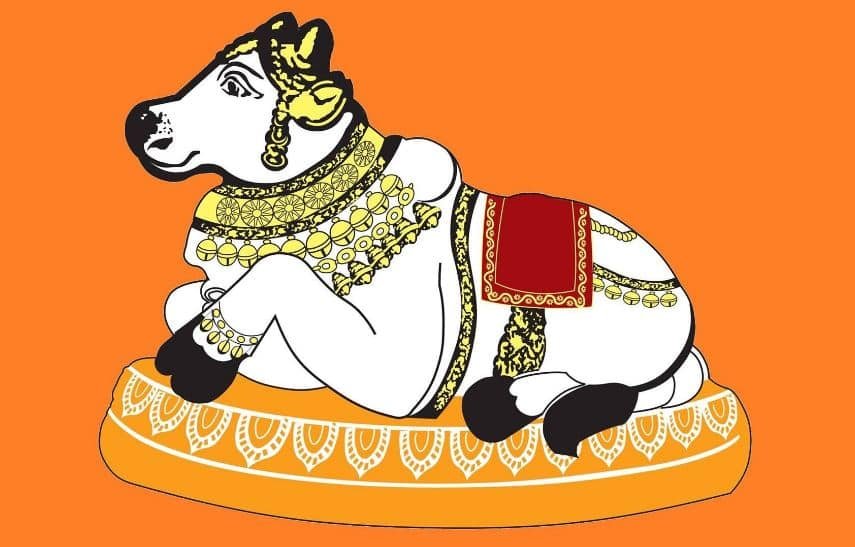
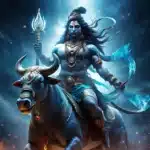
Nandi’s role in Shiva’s mythology is incredibly significant—he is not just a mount, but also a devoted follower and protector of the Lord. It is said that Nandi’s unwavering faith and devotion to Lord Shiva made him one of the most powerful divine beings. Mythological Significance of Nandi Avatar In Hindu mythology, Nandi’s origins are fascinating. According to some legends, Nandi was a sage named Shilada, who performed penance to receive a boon from Lord Shiva. Pleased with his devotion, Lord Shiva blessed Shilada with a son, who would be an incarnation of Nandi. Nandi is therefore considered a son of Shiva, born to serve and protect the Lord. In other traditions, it is believed that Nandi is a manifestation of Lord Shiva’s power itself—his divine form transformed into the bull to serve Shiva. Nandi represents qualities like loyalty, purity, and strength, and in many temples, he is seen seated outside the main sanctum, always facing the deity of Lord Shiva, symbolizing his eternal devotion. Nandi’s Role and Symbolism Nandi symbolizes many important qualities: Vehicle of Lord Shiva: As Shiva’s mount, Nandi is a symbol of carrying the divine energy and truth to all corners of the world. Devotion & Loyalty: Nandi’s devotion to Lord Shiva is legendary. He is often seen with his head bowed down, symbolizing humility and submission to the divine will. Strength & Protection: Nandi is a protector, guarding the entrance to Shiva temples. His strength and power ensure that no evil forces can enter the sanctum. Divine Messenger: Nandi is also a messenger of Lord Shiva. In certain stories, he conveys messages and blessings from Shiva to his devotees. Worship of Nandi Avatar Mantras of the Divine Avatar ॐ नमो नंदीश्वराय महादेवाय नमः।ॐ हुम हुम फट् स्वाहा। Om, I bow to Nandi, the Lord of Shiva,Om Hum Hum Phat Swaha (an invocation for spiritual success and protection). Aarti of the Divine Avatar ॐ जय जय नन्दीश्वर प्रभुतेरी महिमा अपार।शिव के रूप में समायातेरे नैनों में संसार॥ धन्य हैं नन्दी तेराजो शिव के व्रत में बसा।धन्य हैं वो भक्तजो तुझसे आशीर्वाद पाते॥ विघ्न विनाशक हैं तुमसकल संकट हरने वाले।हमारे दिल में बसे हो तुमशिव के प्यारे दुलारे॥ Famous Shiva Temple

, ,

Nandi Avatar of Lord Shiva Read Post »
piplad avatar
Shiva Avatar,

Piplaad Avatar of Lord Shiva

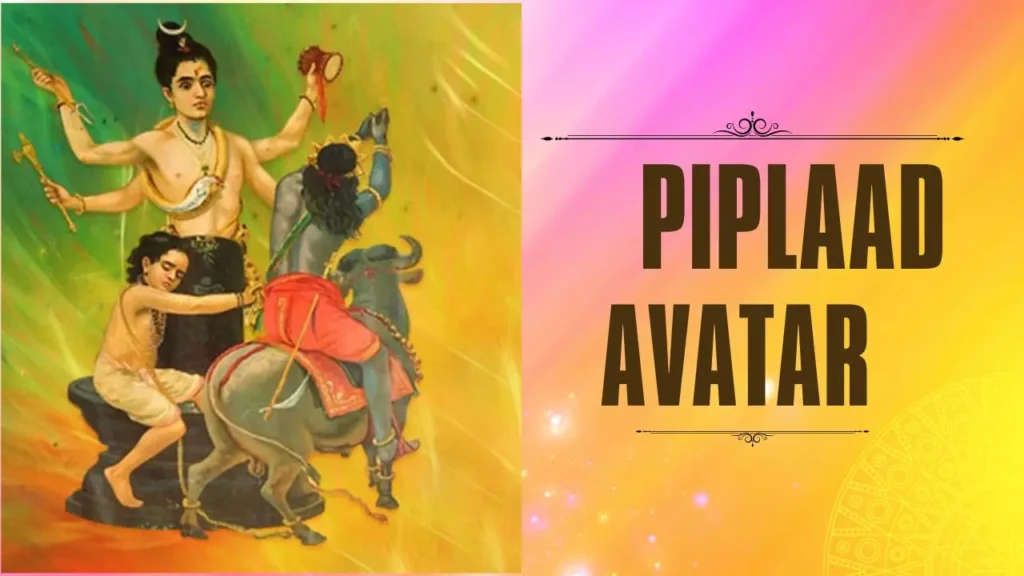
Piplaad is sometimes depicted as a child or a young boy carrying the divine power of Lord Shiva, representing the innocence, purity, and power of the deity in its youthful form. Mythological Significance of Piplaad Avatar According to some stories, Piplaad is considered to be the son of Lord Shiva and Mother Parvati. It is said that Piplaad Avatar was born when the world was suffering under the rule of demons. To protect the Earth and its beings, Lord Shiva took this divine form. He is believed to be a strong yet compassionate figure who intervened during troubling times, bringing peace and prosperity to the world. Piplaad is also known for his immense powers to fight evil forces and is considered to be the divine protector, safeguarding devotees and punishing wrongdoers. Symbolism of Piplaad Avatar Rituals and Worship of Piplaad Avatar Mantras of the Divine Avatar ॐ पिप्लादाय विद्महेमहादेवाय धीमहितन्नो शिवः प्रचोदयात्। Om, we meditate upon the child-like form of Lord Shiva (Piplaad),May the supreme Lord Shiva inspire and enlighten us. Aarti of the Divine Avatar ॐ जय पिप्लाद महादेवजगतनाथ सुत रक्षकविघ्न विनाशक शंकरसकल लोक के पालक। शिव शंकर शंकर महादेवआध्यात्मिक रक्षक महादेवसकल जगत के अन्नदाताकल्याणकारी रक्षक पिप्लाद। ॐ जय पिप्लाद महादेवपिप्लाद स्वरूपेण जगत मेंरखें हर प्राणी को शांति और सुखमहादेव की कृपा से दूर हो सब दुःख। Famous Shiva Temple

, ,

Piplaad Avatar of Lord Shiva Read Post »

Sage Vyasa Mahabharata
Vishnu Avatar

Vyasa Avatar

History and Origin of Vyasa Avatar In Hinduism, Vyasa is considered one of the most revered sages and is often described as the compiler of the Vedas and the author of several important scriptures, including the Mahabharata, Puranas, and Vedanta. Vyasa is also known as Krishna Dvaipayana Vyasa (his full name), and he is considered a direct incarnation of Lord Vishnu, specifically sent to organize the knowledge of the cosmos and preserve it for future generations. The Birth of Vyasa: Vyasa was born to the sage Parashara and a fisherwoman named Satyavati. His birth was divine, as his father was a sage of high repute and his mother a woman of humble birth. Vyasa’s birth is significant in the sense that it symbolizes the bringing together of spiritual wisdom and worldly knowledge, transcending the boundaries of caste and social status. Role and Purpose of Vyasa Avatar Vyasa’s primary role was to organize and preserve sacred knowledge for the benefit of humanity. This involved several important tasks: Spreading Knowledge: As the epitome of wisdom, Vyasa’s task was not only to compile sacred texts but also to pass down the knowledge to future generations. He played a key role in ensuring that knowledge was preserved and transmitted without distortion. Compiling the Vedas: Vyasa’s most significant contribution was organizing the Vedas into four parts—Rigveda, Yajurveda, Samaveda, and Atharvaveda. He divided the massive body of Vedic knowledge into more accessible portions to make it easier for future generations to study, understand, and pass on. Composing the Mahabharata: Vyasa is also credited with composing the Mahabharata, one of the two greatest epics in Hindu literature. The Mahabharata is not just an epic story, but also a repository of spiritual wisdom, covering topics such as dharma (righteousness), karma (action), bhakti (devotion), and yoga (spiritual discipline). The epic includes the Bhagavad Gita, a key scripture in Hindu philosophy. Writing the Puranas: In addition to the Vedas and Mahabharata, Vyasa is said to have authored the Puranas, a vast genre of texts that encompass mythology, cosmology, genealogy, and the history of the universe, gods, and sages. These texts are critical to understanding the divine and cosmic principles in Hinduism. Vyasa Avatar’s Significance Mantras of the Divine Avatar ॐ नमो भगवते व्यासाय,वेदान्तवेद्याय च।वेदव्यासाय शान्ताय,सर्ववेदस्वरूपिणे। This prayer calls upon Vyasa as the embodiment of all the Vedas and as a peaceful sage who brings spiritual knowledge to the world. Aarti of the Divine Avatar जय श्री व्यास भगवाने,सभी शास्त्रों के रचनाकार।वेदों का ज्ञान देने वाले,धर्म की राह दिखाने वाले। महाभारत के लेखक आप,संसार को सही दिशा दिखाते।ज्ञान का अक्षय स्रोत हो आप,हम सभी को ज्ञान से भरते। ॐ श्री व्यासाय नमः। Famous Vishnu Temple

, , ,

Vyasa Avatar Read Post »

Hayagreeva devotional india
Vishnu Avatar

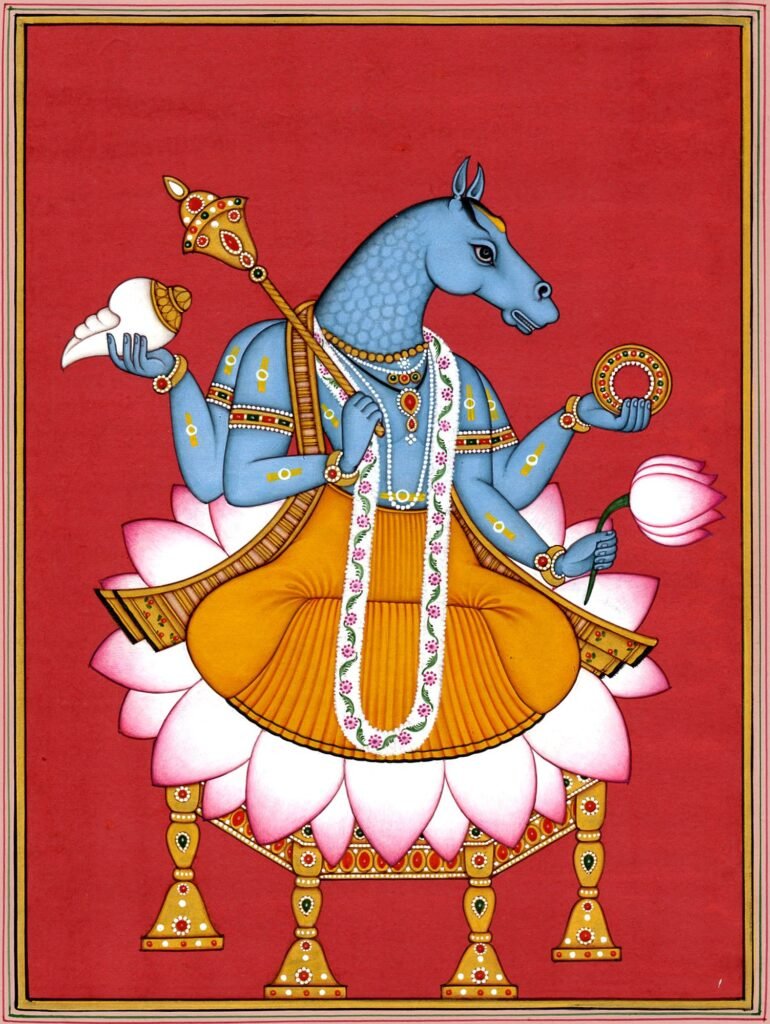
Hayagreeva Avatar

History and Origin of Hayagreeva Avatar The Hayagreeva Avatar is primarily associated with the restoration of Vedic knowledge and the preservation of sacred texts. The story of Hayagreeva comes from the Puranas, especially the Vishnu Purana, and it features an unusual tale of an avatar with the head of a horse. The Demon Hayagreeva: In this story, the demon Hayagreeva (not to be confused with Vishnu’s incarnation) is said to have stolen the Vedas (the ancient texts of Hinduism) from the gods. Hayagreeva, a demon with the head of a horse, had gained immense power, and through his evil might, he managed to capture the Vedas, which are the primary sources of divine knowledge. As the Vedas are the foundation of dharma, morality, and spiritual wisdom, their theft caused chaos and imbalance in the world. The gods were unable to retrieve them, and therefore, the entire cosmic order was disturbed. Significance of Hayagreeva Avatar The Hayagreeva Avatar has specific symbolic meanings and emphasizes the following important concepts: Divine Wisdom: Vishnu’s incarnation as Hayagreeva emphasizes the importance of wisdom and education in achieving liberation (moksha). Hayagreeva is seen as the patron deity of education, knowledge, and learning. He is often invoked by students, scholars, and those seeking spiritual knowledge. Preservation of Knowledge: One of the most important aspects of the Hayagreeva Avatar is the restoration of divine knowledge, particularly the Vedas. In Hinduism, the Vedas are considered the highest form of knowledge, and their preservation is vital for the maintenance of dharma (cosmic law) and spiritual wisdom. Defeating Ignorance: Hayagreeva, as a demon, represents ignorance, which keeps people away from divine wisdom. The avatar symbolizes the triumph of knowledge over ignorance and light over darkness. By restoring the Vedas, Vishnu reinstates the path to truth, self-realization, and divine wisdom. Horse Symbolism: The horse is a symbolic representation of speed, intelligence, and strength. By taking the form of a horse-headed being, Vishnu not only restores the knowledge of the Vedas but also signifies that knowledge is both powerful and swift in overcoming obstacles. Teachings of Hayagreeva Avatar Mantras of the Divine Avatar ॐ ह्लीं हयग्रीवाय विद्महेसर्वज्ञानाय धीमहितन्नो हयग्रीवः प्रचोदयात्। This is a more detailed mantra that invokes Hayagreeva and asks for divine guidance in the pursuit of wisdom and knowledge. It is commonly recited by students or those involved in scholarly endeavors. Aarti of the Divine Avatar ॐ जय श्री हयग्रीवाय,विद्या वत्सलाय।ज्ञान रूपी अमृत से,हर दिल को करें शुद्ध। हयग्रीव, हयग्रीव, गुरु रूपी अवतार,सार्वभौम जगत में तू है महिमा अपार।ज्ञान के मार्ग में तू कर दे हमें सहाय,सकल शास्त्रों में ज्ञान का प्रकाश। Famous Vishnu Temple

, , ,

Hayagreeva Avatar Read Post »

mohini avatar of vishnu
Vishnu Avatar

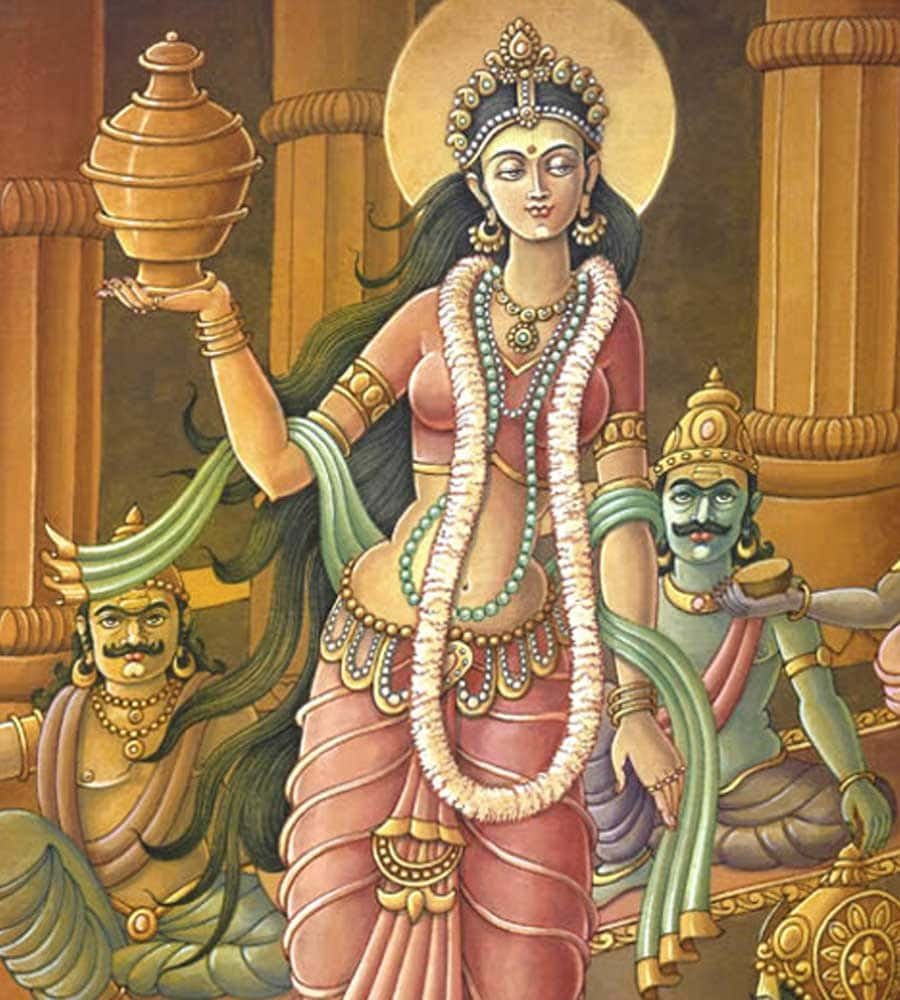
Mohini Avatar

History and Origin of Mohini Avatar The Mohini Avatar primarily appears in two important stories: The Churning of the Ocean (Samudra Manthan) and the story of Bhasmasura, where Lord Vishnu takes the form of a beautiful woman to accomplish divine goals. The Churning of the Ocean (Samudra Manthan): Using her charm and beauty, Mohini captivated the demons and distracted them long enough for the gods to drink the Amrit, ensuring that they retained immortality and strength. Samudra Manthan, the churning of the Ocean of Milk, is one of the most famous events in Hindu mythology. Both the gods (Devas) and demons (Asuras) participated in this churning to obtain the Amrit (nectar of immortality). When the Amrit emerged from the ocean, both the Devas and the Asuras desired to claim it. In a battle for possession, the Asuras tricked the gods and began consuming the Amrit themselves. To prevent the demons from gaining immortality and overpowering the gods, Lord Vishnu assumed the form of Mohini, a mesmerizingly beautiful woman. The Bhasmasura Story: The demon Bhasmasura received a boon from Lord Shiva, which granted him the power to turn anyone into ashes by placing his hand on their head. Bhasmasura, intoxicated by his newfound power, wanted to test it on Lord Shiva himself. In fear of his life, Shiva fled and sought the help of Lord Vishnu. To save Shiva and the gods, Vishnu took the form of Mohini, a beautiful woman, and approached Bhasmasura. She seduced him with her charm and persuaded him to demonstrate his power. As Bhasmasura danced in front of her, Mohini suggested that he place his hand on his own head as a part of the dance. When Bhasmasura did so, he was instantly reduced to ashes by his own power, thus saving Lord Shiva and the gods. Significance of Mohini Avatar Mantras of the Divine Avatar ॐ श्री मोहिनि देवाय नमः।Om Shri Mohini Devaya Namah. Aarti of the Divine Avatar ॐ जय श्री मोहिनी देवी,सकल संसार को मोहिनी।समुद्र मंथन में तुम्हें पाया,अमृत का नेत्र से पाई। विष्णु रूप में जग में आई,देवी मोहिनी संग सलाई।ध्यान से कीजिये ध्यान,मोहिनी के दर्शन में मिलें आराम। Famous Vishnu Temple

, , ,

Mohini Avatar Read Post »

dhanvantri ji devotioanal
Vishnu Avatar

Dhanvantari Avatar

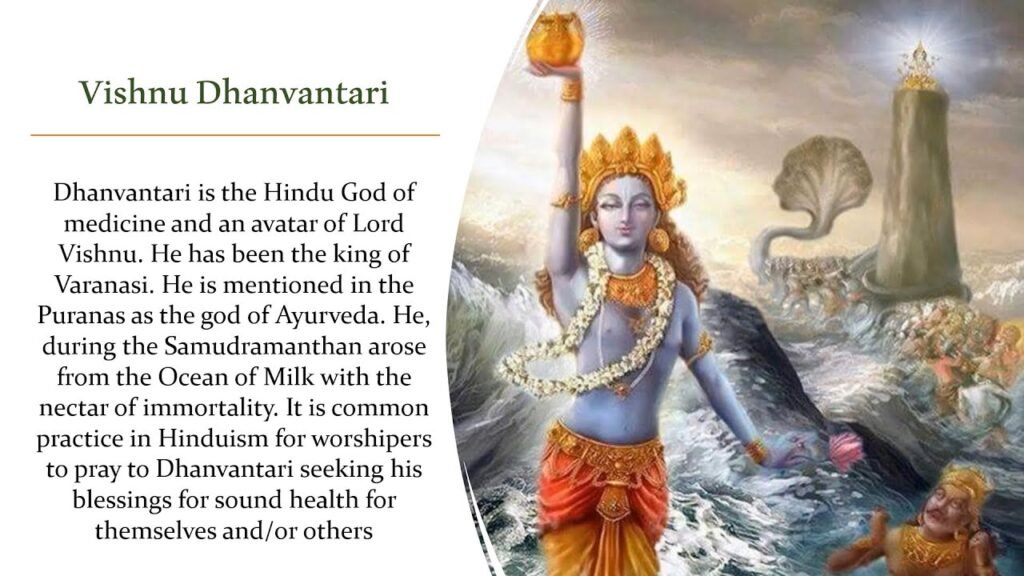
History and Origin of Dhanvantari Avatar The Dhanvantari Avatar is believed to have appeared during the Churning of the Ocean (Samudra Manthan), an event that is one of the most well-known stories in Hindu mythology. According to the myth, the gods (Devas) and the demons (Asuras) churned the Ocean of Milk (Kshir Sagar) to obtain the Nectar of Immortality (Amrit). During this churning, many precious items and beings emerged from the ocean, including Dhanvantari, who was seen holding the Amrit Kalash (the pot of nectar), as well as various medical herbs and elixirs. Dhanvantari is specifically associated with the gift of health and medicine. It is said that he appeared with a leprosy cure, herbal medicines, and Ayurveda, symbolizing his divine role in healing and ensuring the well-being of all living beings. The Story of Dhanvantari Avatar The Samudra Manthan (Churning of the Ocean) is the key event in which Dhanvantari was born. Here is a brief outline of the story: The Healing Role: Dhanvantari’s role was to ensure the well-being of all living beings. After emerging from the ocean, he provided divine cures and medicinal knowledge to the gods and humans. His appearance marks the beginning of the practice of Ayurveda, and it is said that through him, Vishnu gave humans the gift of healing. The Churning of the Ocean: The Devas and Asuras, in their quest for Amrit (the nectar of immortality), churned the Ocean of Milk. This event was initiated to obtain the nectar to make themselves immortal and more powerful than the Asuras. During the churning, various divine objects emerged, including Lakshmi (the goddess of wealth), Airavata (the divine elephant), and Dhanvantari, the divine physician. The Emergence of Dhanvantari: From the ocean, Dhanvantari emerged, holding the Amrit Kalash (the pot of nectar) in one hand and a leprosy cure in the other, along with medicinal herbs and life-giving potions. He was surrounded by a divine aura and displayed an image of complete health and vitality. Dhanvantari and Ayurveda: Along with the nectar, Dhanvantari also brought with him the science of Ayurveda, which is the divine system of medicine that promotes health, longevity, and well-being. He is thus considered the father of Ayurveda and a symbol of health and healing in Hindu mythology. Significance of Dhanvantari Avatar Mantras of the Divine Avatar ॐ नमो भगवते दंञ्वन्तरये अमृत कलश हस्ताय सर्व रोग नाशाय सर्व आयुर दायिनि मङ्गलाय। Om Namo Bhagavate Dhanvantarye Amrita Kalasha Hastaya Sarva Roga Nashaya Sarva Ayu Dāyini Mangalaaya. Aarti of the Divine Avatar ॐ जय श्री दंञ्वन्तरि भगवान,आयुर्वेद के देवता भगवान।सभी रोगों का नाश करें,स्वास्थ्य का आशीर्वाद दें। *विष्णु रूप में भगवान तुम Famous Vishnu Temple

, , ,

Dhanvantari Avatar Read Post »