Kapali Avatar Of Lord Shiva
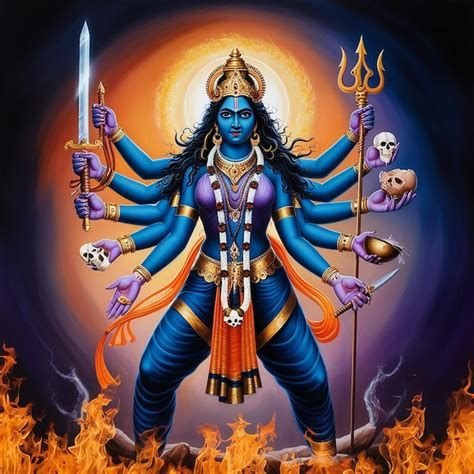
Kapali Avatar of Lord Shiva Kapali Avata Of Lord Shiva is one of the most powerful, mysterious, and spiritually intense forms of Lord Shiva. The word Kapali comes from the Sanskrit word Kapala, meaning skull. In this form, Shiva is associated with the skull, which symbolizes the impermanence of the physical body, the destruction of ego, and the ultimate truth beyond life and death. Though this form may appear fierce and fearsome, its deeper message is highly spiritual and transformative. Kapali Shiva teaches that worldly pride, attachment, and identity are temporary, while divine truth alone is eternal. Meaning of Kapali Avatar The name Kapali reflects Lord Shiva’s connection with the skull, an object that carries deep symbolic meaning in Hindu philosophy. The skull reminds devotees that human life is temporary and that the body will eventually return to dust. By holding the skull, Shiva reveals that he is beyond physical existence and beyond the illusions that bind ordinary beings. Kapali Avatar is therefore not merely a terrifying form, but a deeply philosophical one. It reminds seekers to look beyond the outer world and turn inward toward self-realization, humility, and spiritual awakening. Story of Kapali Avatar Kapali Avatar is most often connected with the well-known story of Lord Shiva cutting off one of Brahma’s heads. According to traditional accounts, Brahma, the creator, became arrogant because of his role in creation. In some versions of the story, he developed excessive pride and considered himself supreme. To destroy this ego and restore cosmic order, Lord Shiva appeared and severed Brahma’s fifth head. However, since Brahma was a divine being, Shiva incurred the sin known as Brahmahatya Dosha. As a result, the severed skull remained stuck to Shiva’s hand. After this event, Shiva wandered through the worlds as a renunciant, carrying the skull and begging for alms. In this wandering state, he came to be known as Kapali. This form of Shiva is also closely related to Bhikshatana, the mendicant aspect of Shiva. It is believed that Shiva was finally freed from this karmic burden in the sacred city of Kashi, where the skull detached from his hand. This place is often associated with Kapal Mochan, a holy site linked with purification and liberation. Symbolism of Kapali Shiva Kapali Avatar is full of spiritual symbolism. The severed skull represents the fall of ego, especially the ego born from knowledge, power, status, and pride. By cutting Brahma’s head, Shiva demonstrates that even the highest position in the universe loses value when arrogance takes over. The skull also serves as a reminder of mortality. It teaches that the body, beauty, fame, and worldly achievements are temporary. In this way, Kapali Shiva invites devotees to focus on what is eternal rather than what is perishable. This form also symbolizes renunciation. Shiva, though the supreme Lord, roams as an ascetic and beggar, showing that spiritual greatness lies not in possession or display, but in detachment and inner freedom. Kapali Avatar reveals that true wisdom begins when pride ends. It is a form that strips away illusion and forces the devotee to confront life’s deepest truths. Appearance and Depiction of Kapali Avata Of Lord Shiva In artistic and devotional depictions, Kapali Shiva is often shown as a fierce ascetic. He may be seen holding a skull or skull bowl, wearing matted locks, smeared with sacred ash, and adorned with serpents or rudraksha beads. Sometimes his appearance is connected with cremation grounds, bones, and symbols of impermanence. These features are not meant only to inspire fear, but to reveal Shiva’s mastery over death, time, and the material world. Kapali Avatar stands beyond all social boundaries and worldly definitions, expressing the raw and liberating truth of existence. Kapali Avatar and Bhikshatana Kapali Avatar is deeply connected with the Bhikshatana form of Lord Shiva. After severing Brahma’s head, Shiva is said to have wandered from place to place as a beggar, carrying the skull as his begging bowl. This imagery creates a profound spiritual lesson. The great cosmic Lord, who is worshipped by gods and sages, appears as a humble wanderer. Through this, Shiva teaches that humility is greater than pride and that renunciation is more powerful than possession. Kapali and Bhikshatana together express the idea that real freedom comes when the soul rises above ego, attachment, and fear. Spiritual Significance of Kapali Avatar The spiritual importance of Kapali Avatar is immense. This form teaches that ego is one of the greatest obstacles on the path of truth. Whether the ego comes from knowledge, position, success, or spiritual achievement, it must be dissolved before true realization can arise. Kapali Shiva also teaches the law of karma. Even divine stories show that every action has consequences, and purification comes through humility, repentance, and transformation. For seekers, Kapali Avatar is a reminder that spiritual life is not only about comfort, beauty, and blessings. It is also about confronting uncomfortable truths such as death, impermanence, responsibility, and the false self. This is why Kapali Shiva is especially meaningful in deeper Shaiva, tantric, and ascetic traditions, where spiritual growth often involves transcending fear and illusion. Connection of Kapali Avatar with Kashi Kashi, also known as Varanasi, holds a special place in the story of Kapali Shiva. Tradition says that it was in Kashi that Shiva was finally released from Brahmahatya Dosha and the skull fell from his hand. This sacred event made Kashi a powerful symbol of purification and moksha. The site associated with this liberation is called Kapal Mochan, and it is regarded as spiritually significant in Shaiva tradition. This connection strengthens the association of Kapali Avatar with inner cleansing, karmic release, and final liberation. Lessons of Kapali Avatar for Devotees Kapali Avatar offers many timeless lessons for devotees and spiritual seekers. It teaches that pride must be abandoned, because no worldly role or achievement is permanent. It reminds us that the body is temporary and that true life begins when one seeks the eternal. It shows that repentance and purification are necessary parts
Kapali Avatar Of Lord Shiva Read Post »