Hari Om

Menu

Adi Shankaracharya

images 2026 02 18T164702.765
Adi Shankaracharya, Swami Sivananda

Matsyasana (Fish Pose)

Matsyasana (Fish Pose) As this Asana will help one to float on water easily with Plavini Pranayama, it is called fish pose or Matsyasana. TECHNIQUE Spread a blanket and sit on Padmasana by keeping the right foot over the left thigh and the left foot over the right thigh. Then lie flat on the back. Rest the head on the crossed forearms. This is one variety. Stretch the head back so that the top of your head rests on the ground firmly on one side and the buttocks only on the other, thus making a bridge or an arch of the trunk. Place the hands on the thighs or catch the toes with the hands. You will have to give a good twisting to the neck. This variety is more efficacious than the former one. The benefits that you derive from this variety are a hundred times more than what you get in the previous variety. Fatty persons with thick calves, who find it difficult to have Padmasana (foot-lock) may simply sit in the ordinary way and then practise this Asana. Practise the Padmasana first. Make it firm, easy and steady. Then take to Matsyasana. Do this Asana for 10 seconds to start with and increase it to 10 minutes. When you have finished the Asana, slowly release the head with the help of the hands and get up. Then unlock the foot-lock. You must practise this Asana soon after Sarvangasana. It will relieve stiffness of the neck and any crampy condition of the cervical region caused by long practice of Sarvangasana. This gives natural massage as it were or shampooing to the congested parts of the neck and shoulders. Further, it affords the maximum benefits of Sarvangasana. It supplements Sarvangasana. As the larynx or wind-box and trachea (wind-pipe) are thrown open widely, this Asana helps deep breathing. The apices of the lungs which are located just behind and above the clavicular bone (or collar bone in common parlance), receive proper air and sufficient supply of pure oxygen. The cervical and upper dorsal nerves are nourished with a good quantity of blood and toned properly. The endocrine glands, viz., pituitary and pineal, that are located in the brain are stimulated and toned also. These glands play a vital part in the physiological functioning of the various systems of the body. BENEFITS Matsyasana is the destroyer of many diseases. It removes constipation. It brings down the accumulated faecal matter to the rectum. It is useful in asthma, consumption, chronic bronchitis, etc., on account of the deep breathing.

Matsyasana (Fish Pose) Read Post »

Read Bhagavad Gita Chapter 3
stotram

Vishnu Shatpadi Stotram

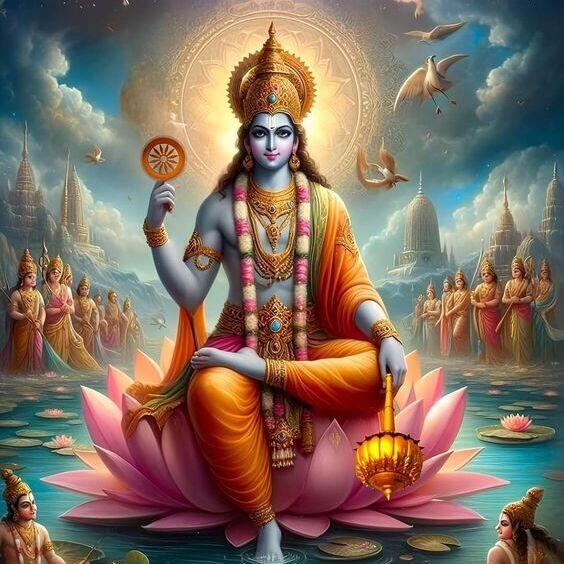
Vishnu Shatpadi Stotram श्रीविष्णोः शतनामस्तोत्रम्श्री गणेशाय नमः ।नारद उवाच । ॐ वासुदेवं हृषीकेशं वामनं जलशायिनम् ।जनार्दनं हरि कृष्णं श्रीवक्षं गरुडध्वजम् ॥ १॥ śrī gaṇeśāya namaḥnārada uvācaoṃ vāsudevaṃ hṛṣīkeśaṃ vāmanaṃ jalaśāyinamjanārdanaṃ hari kṛṣṇaṃ śrīvakṣaṃ garuḍadhvajam Salutations to Lord Ganesha. Narada says: I worship Vāsudeva, Hṛṣīkeśa, Vāmana, the one who rests on cosmic waters, Janārdana, Hari, Kṛṣṇa, the one whose chest is adorned by Lakshmi, and the one who bears Garuda as his banner. वाराहं पुण्डरीकाक्षं नृसिंहं नरकान्तकम् ।अव्यक्तं शाश्वतं विष्णुमनन्तमजमव्ययम् ॥ २॥ vārāhaṃ puṇḍarīkākṣaṃ nṛsiṃhaṃ narakāntakamavyaktaṃ śāśvataṃ viṣṇum anantam ajam avyayam I worship Vārāha, the lotus-eyed Lord, Nṛsiṃha the destroyer of evil, the unmanifest, the eternal Vishnu, infinite, unborn and imperishable. नारायणं गदाध्यक्षं गोविन्दं कीर्तिभाजनम् ।गोवर्धनोद्धरं देवं भूधरं भुवनेश्वरम् ॥ ३॥ nārāyaṇaṃ gadādhyakṣaṃ govindaṃ kīrtibhājanamgovardhanoddharaṃ devaṃ bhūdharaṃ bhuvaneśvaram I worship Nārāyaṇa, wielder of the mace, Govinda worthy of all glory, the Lord who lifted Govardhana, supporter of the Earth and ruler of all worlds. वेत्तारं यज्ञपुरुषं यज्ञेशं यज्ञवाहकम् ।चक्रपाणिं गदापाणिं शङ्खपाणिं नरोत्तमम् ॥ ४॥ vettāraṃ yajñapuruṣaṃ yajñeśaṃ yajñavāhakamcakrapāṇiṃ gadāpāṇiṃ śaṅkhapāṇiṃ narottamam I worship the knower of sacrifices, the supreme sacrificial being, the Lord of yajñas, bearer of the discus, mace and conch, the best among beings. वैकुण्ठं दुष्टदमनं भूगर्भं पीतवाससम् ।त्रिविक्रमं त्रिकालज्ञं त्रिमूर्तिं नन्दिकेश्वरम् ॥ ५॥ vaikuṇṭhaṃ duṣṭadamanaṃ bhūgarbhaṃ pītavāsasamtrivikramaṃ trikālajñaṃ trimūrtiṃ nandikeśvaram I worship Vaikuṇṭha, destroyer of the wicked, essence of the Earth, clad in yellow garments, Trivikrama, knower of past-present-future, embodiment of the Trinity. रामं रामं हयग्रीवं भीमं रौद्रं भवोद्भवम् ।श्रीपतिं श्रीधरं श्रीशं मङ्गलं मङ्गलायुधम् ॥ ६॥ rāmaṃ rāmaṃ hayagrīvaṃ bhīmaṃ raudraṃ bhavodbhavamśrīpatiṃ śrīdharaṃ śrīśaṃ maṅgalaṃ maṅgalāyudham I worship Rāma, Hayagrīva, the mighty and fierce Lord, source of creation, consort of Lakshmi, bearer of prosperity, eternally auspicious. दामोदरं दमोपेतं केशवं केशिसूदनम् ।वरेण्यं वरदं विष्णुमानन्दं वसुदेवजम् ॥ ७॥ dāmodaraṃ damopetaṃ keśavaṃ keśisūdanamvareṇyaṃ varadaṃ viṣṇum ānandaṃ vasudevajam I worship Dāmodara bound by love, Keśava slayer of Keśī, the most excellent, giver of boons, blissful Vishnu, son of Vasudeva. हिरण्यरेतसं दीप्तं पुराणं पुरुषोत्तमम् ।सकलं निष्कलं शुद्धं निर्गुणं गुणशाश्वतम् ॥ ८॥ hiraṇyaretasaṃ dīptaṃ purāṇaṃ puruṣottamamsakalaṃ niṣkalaṃ śuddhaṃ nirguṇaṃ guṇaśāśvatam I worship the radiant, ancient, supreme being, all-pervading yet formless, pure, beyond attributes yet source of eternal qualities. हिरण्यतनुसङ्काशं सूर्यायुतसमप्रभम् ।मेघश्यामं चतुर्बाहुं कुशलं कमलेक्षणम् ॥ ९॥ hiraṇyatanusaṅkāśaṃ sūryāyutasamaprabhammeghaśyāmaṃ caturbāhuṃ kuśalaṃ kamalekṣaṇam I worship the golden-hued Lord, radiant as a thousand suns, dark as rain clouds, four-armed, skillful, lotus-eyed. ज्योतीरूपमरूपं च स्वरूपं रूपसंस्थितम् ।सर्वज्ञं सर्वरूपस्थं सर्वेशं सर्वतोमुखम् ॥ १०॥ jyotīrūpamarūpaṃ ca svarūpaṃ rūpasaṃsthitamsarvajñaṃ sarvarūpasthaṃ sarveśaṃ sarvatomukham I worship the luminous yet formless Lord, manifesting in all forms, all-knowing, ruler of all, present everywhere. ज्ञानं कूटस्थमचलं ज्ञानदं परमं प्रभुम् ।योगीशं योगनिष्णातं योगिनं योगरूपिणम् ॥ ११॥ jñānaṃ kūṭasthamacalaṃ jñānadaṃ paramaṃ prabhumyogīśaṃ yoganiṣṇātaṃ yoginaṃ yogarūpiṇam I worship the eternal knowledge, giver of wisdom, supreme Lord, master of yogis, embodiment of yoga. ईश्वरं सर्वभूतानां वन्दे भूतमयं प्रभुम् ।इति नामशतं दिव्यं वैष्णवं खलु पापहम् ॥ १२॥ īśvaraṃ sarvabhūtānāṃ vande bhūtamayaṃ prabhumiti nāmaśataṃ divyaṃ vaiṣṇavaṃ khalu pāpaham I bow to the Lord of all beings. These divine hundred names of Vishnu destroy all sins. व्यासेन कथितं पूर्वं सर्वपापप्रणाशनम् ।यः पठेत्प्रातरुत्थाय स भवेद्वैष्णवो नरः ॥ १३॥ vyāsena kathitaṃ pūrvaṃ sarvapāpapraṇāśanamyaḥ paṭhet prātarutthāya sa bhaved vaiṣṇavo naraḥ Narrated by Vyasa, whoever recites it in the morning becomes a true devotee of Vishnu. सर्वपापविशुद्धात्मा विष्णुसायुज्यमाप्नुयात् ।चान्द्रायणसहस्राणि कन्यादानशतानि च ॥ १४॥ sarvapāpaviśuddhātmā viṣṇusāyujyam āpnuyāt Purified of all sins, one attains union with Vishnu. गवां लक्षसहस्राणि मुक्तिभागी भवेन्नरः ।अश्वमेधायुतं पुण्यं फलं प्राप्नोति मानवः ॥ १५॥ gavāṃ lakṣasahasrāṇi muktibhāgī bhavennaraḥaśvamedhāyutaṃ puṇyaṃ phalaṃ prāpnoti mānavaḥ The devotee gains merit equal to countless gifts and sacrifices. इति श्रीविष्णुपुराणे विष्णुशतनामस्तोत्रं सम्पूर्णम् । Description Vishnu Shatpadi Stotram – Introduction The Sri Vishnu Shatpadi (śrīviṣṇuṣaṭpadī) is a revered Sanskrit stotra (hymn) dedicated to Lord Vishnu, the preserver and protector in Hinduism. Composed by the illustrious philosopher and saint, Sri Shankaracharya, this hymn comprises six verses (ṣaṭpadī) that encapsulate deep spiritual insights and expressions of devotion. In this stotra, devotees invoke Lord Vishnu to dispel ignorance, calm the mind, and cultivate compassion. Each verse serves as a heartfelt plea for divine assistance in overcoming the trials and tribulations of worldly existence. The hymn highlights the unity between the devotee and the divine, emphasizing that the relationship with Lord Vishnu transcends superficial distinctions. Recited with reverence, the Sri Vishnu Shatpadi is often chanted during spiritual practices and rituals, fostering a sense of peace and surrender. Through its melodic verses, the stotra invites practitioners to deepen their connection with the divine and to seek refuge in the compassionate nature of Lord Vishnu.


Vishnu Shatpadi Stotram Read Post »

vishnua4 hd
stotram

Vishnu Shatanama Stotram

Vishnu Shatanama Stotram श्रीविष्णोः शतनामस्तोत्रम्श्री गणेशाय नमः ।नारद उवाच । ॐ वासुदेवं हृषीकेशं वामनं जलशायिनम् ।जनार्दनं हरि कृष्णं श्रीवक्षं गरुडध्वजम् ॥ १॥ śrī gaṇeśāya namaḥnārada uvācaoṃ vāsudevaṃ hṛṣīkeśaṃ vāmanaṃ jalaśāyinamjanārdanaṃ hari kṛṣṇaṃ śrīvakṣaṃ garuḍadhvajam Salutations to Lord Ganesha. Narada says: I worship Vāsudeva, Hṛṣīkeśa, Vāmana, the one who rests on cosmic waters, Janārdana, Hari, Kṛṣṇa, the one whose chest is adorned by Lakshmi, and the one who bears Garuda as his banner. वाराहं पुण्डरीकाक्षं नृसिंहं नरकान्तकम् ।अव्यक्तं शाश्वतं विष्णुमनन्तमजमव्ययम् ॥ २॥ vārāhaṃ puṇḍarīkākṣaṃ nṛsiṃhaṃ narakāntakamavyaktaṃ śāśvataṃ viṣṇum anantam ajam avyayam I worship Vārāha, the lotus-eyed Lord, Nṛsiṃha the destroyer of evil, the unmanifest, the eternal Vishnu, infinite, unborn and imperishable. नारायणं गदाध्यक्षं गोविन्दं कीर्तिभाजनम् ।गोवर्धनोद्धरं देवं भूधरं भुवनेश्वरम् ॥ ३॥ nārāyaṇaṃ gadādhyakṣaṃ govindaṃ kīrtibhājanamgovardhanoddharaṃ devaṃ bhūdharaṃ bhuvaneśvaram I worship Nārāyaṇa, wielder of the mace, Govinda worthy of all glory, the Lord who lifted Govardhana, supporter of the Earth and ruler of all worlds. वेत्तारं यज्ञपुरुषं यज्ञेशं यज्ञवाहकम् ।चक्रपाणिं गदापाणिं शङ्खपाणिं नरोत्तमम् ॥ ४॥ vettāraṃ yajñapuruṣaṃ yajñeśaṃ yajñavāhakamcakrapāṇiṃ gadāpāṇiṃ śaṅkhapāṇiṃ narottamam I worship the knower of sacrifices, the supreme sacrificial being, the Lord of yajñas, bearer of the discus, mace and conch, the best among beings. वैकुण्ठं दुष्टदमनं भूगर्भं पीतवाससम् ।त्रिविक्रमं त्रिकालज्ञं त्रिमूर्तिं नन्दिकेश्वरम् ॥ ५॥ vaikuṇṭhaṃ duṣṭadamanaṃ bhūgarbhaṃ pītavāsasamtrivikramaṃ trikālajñaṃ trimūrtiṃ nandikeśvaram I worship Vaikuṇṭha, destroyer of the wicked, essence of the Earth, clad in yellow garments, Trivikrama, knower of past-present-future, embodiment of the Trinity. रामं रामं हयग्रीवं भीमं रौद्रं भवोद्भवम् ।श्रीपतिं श्रीधरं श्रीशं मङ्गलं मङ्गलायुधम् ॥ ६॥ rāmaṃ rāmaṃ hayagrīvaṃ bhīmaṃ raudraṃ bhavodbhavamśrīpatiṃ śrīdharaṃ śrīśaṃ maṅgalaṃ maṅgalāyudham I worship Rāma, Hayagrīva, the mighty and fierce Lord, source of creation, consort of Lakshmi, bearer of prosperity, eternally auspicious. दामोदरं दमोपेतं केशवं केशिसूदनम् ।वरेण्यं वरदं विष्णुमानन्दं वसुदेवजम् ॥ ७॥ dāmodaraṃ damopetaṃ keśavaṃ keśisūdanamvareṇyaṃ varadaṃ viṣṇum ānandaṃ vasudevajam I worship Dāmodara bound by love, Keśava slayer of Keśī, the most excellent, giver of boons, blissful Vishnu, son of Vasudeva. हिरण्यरेतसं दीप्तं पुराणं पुरुषोत्तमम् ।सकलं निष्कलं शुद्धं निर्गुणं गुणशाश्वतम् ॥ ८॥ hiraṇyaretasaṃ dīptaṃ purāṇaṃ puruṣottamamsakalaṃ niṣkalaṃ śuddhaṃ nirguṇaṃ guṇaśāśvatam I worship the radiant, ancient, supreme being, all-pervading yet formless, pure, beyond attributes yet source of eternal qualities. हिरण्यतनुसङ्काशं सूर्यायुतसमप्रभम् ।मेघश्यामं चतुर्बाहुं कुशलं कमलेक्षणम् ॥ ९॥ hiraṇyatanusaṅkāśaṃ sūryāyutasamaprabhammeghaśyāmaṃ caturbāhuṃ kuśalaṃ kamalekṣaṇam I worship the golden-hued Lord, radiant as a thousand suns, dark as rain clouds, four-armed, skillful, lotus-eyed. ज्योतीरूपमरूपं च स्वरूपं रूपसंस्थितम् ।सर्वज्ञं सर्वरूपस्थं सर्वेशं सर्वतोमुखम् ॥ १०॥ jyotīrūpamarūpaṃ ca svarūpaṃ rūpasaṃsthitamsarvajñaṃ sarvarūpasthaṃ sarveśaṃ sarvatomukham I worship the luminous yet formless Lord, manifesting in all forms, all-knowing, ruler of all, present everywhere. ज्ञानं कूटस्थमचलं ज्ञानदं परमं प्रभुम् ।योगीशं योगनिष्णातं योगिनं योगरूपिणम् ॥ ११॥ jñānaṃ kūṭasthamacalaṃ jñānadaṃ paramaṃ prabhumyogīśaṃ yoganiṣṇātaṃ yoginaṃ yogarūpiṇam I worship the eternal knowledge, giver of wisdom, supreme Lord, master of yogis, embodiment of yoga. ईश्वरं सर्वभूतानां वन्दे भूतमयं प्रभुम् ।इति नामशतं दिव्यं वैष्णवं खलु पापहम् ॥ १२॥ īśvaraṃ sarvabhūtānāṃ vande bhūtamayaṃ prabhumiti nāmaśataṃ divyaṃ vaiṣṇavaṃ khalu pāpaham I bow to the Lord of all beings. These divine hundred names of Vishnu destroy all sins. व्यासेन कथितं पूर्वं सर्वपापप्रणाशनम् ।यः पठेत्प्रातरुत्थाय स भवेद्वैष्णवो नरः ॥ १३॥ vyāsena kathitaṃ pūrvaṃ sarvapāpapraṇāśanamyaḥ paṭhet prātarutthāya sa bhaved vaiṣṇavo naraḥ Narrated by Vyasa, whoever recites it in the morning becomes a true devotee of Vishnu. सर्वपापविशुद्धात्मा विष्णुसायुज्यमाप्नुयात् ।चान्द्रायणसहस्राणि कन्यादानशतानि च ॥ १४॥ sarvapāpaviśuddhātmā viṣṇusāyujyam āpnuyāt Purified of all sins, one attains union with Vishnu. गवां लक्षसहस्राणि मुक्तिभागी भवेन्नरः ।अश्वमेधायुतं पुण्यं फलं प्राप्नोति मानवः ॥ १५॥ gavāṃ lakṣasahasrāṇi muktibhāgī bhavennaraḥaśvamedhāyutaṃ puṇyaṃ phalaṃ prāpnoti mānavaḥ The devotee gains merit equal to countless gifts and sacrifices. इति श्रीविष्णुपुराणे विष्णुशतनामस्तोत्रं सम्पूर्णम् ।

Vishnu Shatanama Stotram Read Post »

Siva 600 1
stotram

Margabandhu Stotram

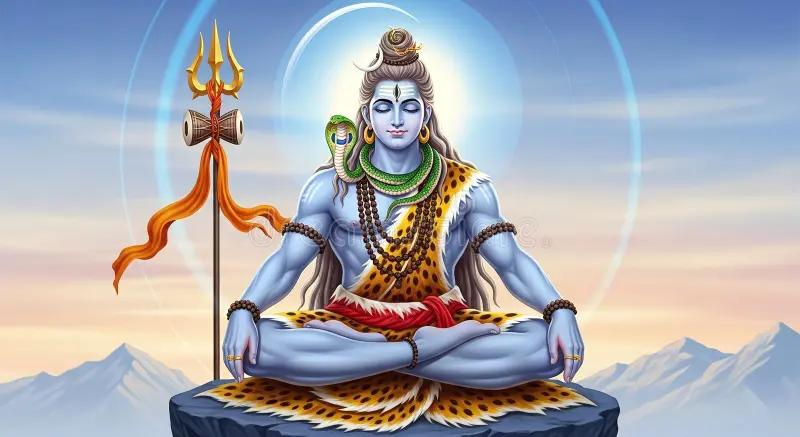
Margabandhu Stotram Description This great Stotra Rathna was written by Appayya Deekshitha(1520-1593). He was one of the great interpreter of Advaitha Sidhantha after Adi Sankara. This stotra is written in praise of the Lord Margabandhu of Virinchipuram, near Vellore of South Arcot district of Tamil Nadu. शंभो महादेव देव शिव शंभो महादेव देवेश शंभोशंभो महादेव देवśaṃbho mahādeva deva śiva śaṃbho mahādeva deveśa śaṃbhośaṃbho mahādeva devaProstrations to He who blesses us with prosperity, Prostrations to the greatest God, Prostrations to the abode of peace, Prostrations to Him, who blesses us with riches, And Prostrations to Him who is the God of Gods. फालावनम्रकिरीटं फालनेत्रार्चिषा दग्ध पञ्चेषुकीटम्।शूलाहतारातिकूटं शुद्धमर्धेन्दुचूडं भजे मार्गबन्धुम् ॥ शंभो…phālāvanamrakirīṭaṃ phālanetrārciṣā dagdha pañceṣukīṭam.śūlāhatārātikūṭaṃ śuddhamardhenducūḍaṃ bhaje mārgabandhum ॥ śaṃbho…I pray to that friend of the path, who wears a crown on his head, who kills his enemies by his trident, who wears a crescent moon that showers nectar, who burnt by the fire of his eyes on his forehead the god of love with five arrows. अङ्गे विराजद्भुजङ्गं अभ्रगंगातरंगाभिरामोत्तमांगम्।ओंकारवाटी कुरंग सिद्धसंसेवितं भजे मार्गबन्धुम् ॥ शंभो…aṅge virājadbhujaṅgaṃ abhra gaṃgā taraṃgābhi rāmottamāṃgam.oṃkāravāṭī kuraṃga siddha saṃsevitaṃ bhaje mārgabandhum ॥ śaṃbho…I pray to that friend of the path, whose limbs are adorned by a snake, whose head is beautified by the celestial Ganga, who is like a deer in the garden of Omkara, whose feet are worshipped by perfected sages. नित्यं चिदानंदरूपं निह्नताशेष लोकेश वैरिप्रतापम्।कार्तस्वरागेन्द्रचापं कृत्तिवासं भजे दिव्य सन्मार्गबन्धुम् ॥ शंभो…nityaṃ cidānaṃdarūpaṃ nihnatāśeṣa lokeśa vairipratāpam.kārtasvarāgendra cāpaṃ kṛttivāsaṃ bhaje divya sanmārgabandhum ॥ śaṃbho…I pray to that friend of the divine path, who is eternal, whose form is consciousness, bliss and truth, who destroyed completely the pride of Indra’s enemy, who used Mount Meru as his bow, and who wears garments of bark. कन्दर्पदर्पघ्नमीशं कालकण्ठं महेशं महाव्योमकेशम्।कुन्दाभदन्तं सुरेशं कोटिसूर्यप्रकाशं भजे मार्गबन्धुम् ॥ शंभो…kandarpa darpaghnamīśaṃ kālakaṇṭhaṃ maheśaṃ mahāvyomakeśam.kundābhadantaṃ sureśaṃ koṭisūryaprakāśaṃ bhaje mārgabandhum ॥ śaṃbho…I pray to that friend of the path, who destroyed the pride of the god of love, who has a blue throat, whose matted hair is the vast sky, whose teeth shine like jasmine flowers, and whose brilliance equals millions of suns. मन्दारभूतेरुदारं मन्दरागेन्द्रसारं महाघौर्यदूरम्।सिन्धूरदूरप्रचारं सिन्धुराजातिधीरं भजे मार्गबन्धुम् ॥ शंभो…mandārabhūterudāraṃ mandarāgendrasāraṃ mahāghauryadūram.sindhūra dūra pracāraṃ sindhurājātidhīraṃ bhaje mārgabandhum ॥ śaṃbho…I pray to that friend of the path, who is more generous than the wish-fulfilling tree, who is the strength of Mount Mandara, who is very dear to Goddess Gauri, whose redness surpasses vermilion, and who is steadier than the Lord of the oceans. अप्पय्ययज्वेन्द्रगीतं स्तोत्रराजं पठेद्यस्तु भक्त्या प्रयाणे।तस्यार्थसिद्धिं विधत्ते मार्गमध्येऽभयं चाशुतोषी महेशः ॥ शंभो…appayyayajvendragītaṃ stotrarājaṃ paṭhedyastu bhaktyā prayāṇe.tasyārthasiddhiṃ vidhatte mārgamadhye’bhayaṃ cāśutoṣī maheśaḥ ॥ śaṃbho…This king of hymns composed by Appayya Yajvendra, when recited with devotion during a journey, grants fulfillment of desires, protection on the path, and quickly pleases Lord Mahesha. Description This great Stotra Rathna was written by Appayya Deekshitha(1520-1593). He was one of the great interpreter of Advaitha Sidhantha after Adi Sankara. This stotra is written in praise of the Lord Margabandhu of Virinchipuram, near Vellore of South Arcot district of Tamil Nadu.

Margabandhu Stotram Read Post »

Sharada 1 1
stotram

Sharada Stotram

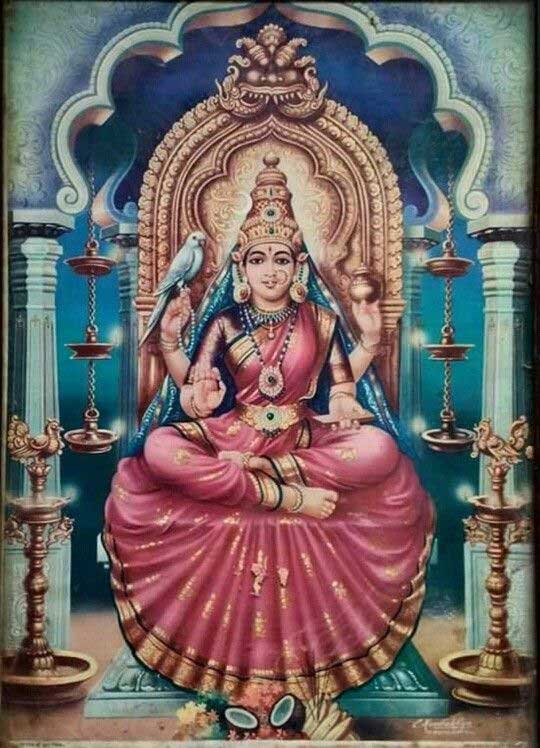
Sharada Stotram नमस्ते शारदे देवि काश्मीरपुरवासिनि।त्वामहं प्रार्थये नित्यं विद्यादानं च देहि मे ॥१॥namaste śārade devi kāśmirapuravāsini ।tvāmaham prārthaye nityam vidyādānam ca dehi me || 1 ||Obeisance to Thee, O effulgent Sarada, worshipped in the City of Kashmir, I always beseech Thee to vouchsafe to me Pure Knowledge. या श्रद्धा धारणा मेधा वाग्देवी विधिवल्लभा।भक्तजिह्वाग्रसदना शमादिगुणदायिनी ॥२॥yā śraddhā dhāraṇā medhā vāgdevi vidhivallabhā |bhaktajihvāgrasadana śamādigunadāyinī || 2 ||You are faith, memory, intelligence, the divinity of speech, the spouse of the creator Brahma. You grace the devotee’s speech and bestow inner peace and all other excellences. नमामि यामिनी नाथलेखालङ्कृतकुन्तलाम्।भवानी भवसन्तापनिर्वापणसुधानदीम् ॥३॥namāmi yāminī nāthalekhālaṅkṛtakuntalām ।bhavānīṃ bhavasantāpanirvāpaṇasudhānadīm || 3 ||I bow down to Bhavani, adorned with ear-ornaments flashing like lightning, the river of nectar that extinguishes the torments of worldly existence. भद्रकाल्यै नमो नित्यं सरस्वत्यै नमो नमः।वेदवेदाङ्गवेदान्तविद्यास्थानेभ्य एव च ॥४॥bhadrakālyai namo nityaṃ sarasvatyai namo namaḥ |veda vedāṅga vedānta vidyāsthānebhya eva ca || 4 ||Constant salutations to Thee, O Beneficent Mother. You are the foundation of the Vedas, the Vedāṅgas, Vedānta, and all branches of learning. Salutations to You, O Goddess of Learning. ब्रह्मस्वरूपा परमा ज्योतिरूपा सनातनी।सर्वविद्याधिदेवी या तस्यै वाण्यै नमो नमः ॥५॥brahmasvarūpā paramā jyotirūpā sanātanī |sarvavidyādhidevī yā tasyai vāṇyai namo namaḥ || 5 ||O Mother, You are the embodiment of Brahman, the supreme, eternal divine light. You preside over all forms of knowledge. Salutations to You, O Goddess of Learning. यया विना जगत्सर्वं शश्वज्जीवन्मृतं भवेत्।ज्ञानाधिदेवी या तस्यै सरस्वत्यै नमो नमः ॥६॥yayā vinā jagatsarvaṃ śaśvajjīvanmṛtaṃ bhavet |jñānādhidevī yā tasyai sarasvatyai namo namaḥ || 6 ||Without You, the entire world would seem lifeless. You are the presiding deity of knowledge. Salutations to You, O Goddess Saraswati. यया विना जगत्सर्वं मूकमुन्मत्तवत्सदा।या देवी वागधिष्ठात्री तस्यै वाण्यै नमो नमः ॥७॥yayā vinā jagatsarvaṃ mūkamunmattavatsadā |yā devī vāgadhiṣṭhātrī tasyai vāṇyai namo namaḥ || 7 ||Without You, the world would be mute and mad. You are the presiding deity of speech. Salutations to You, O Goddess of Speech. Description Sharada is another name of Saraswathi Devi. In Sringeri Temple in Karnataka, the goddess is worshiped as Sharada Devi. Composed by Sri Sridhara Swami of Chincholi, Karnataka.

Sharada Stotram Read Post »

00c8100d10a765c7b2de2476a0763eb3
stotram

Totakashtakam

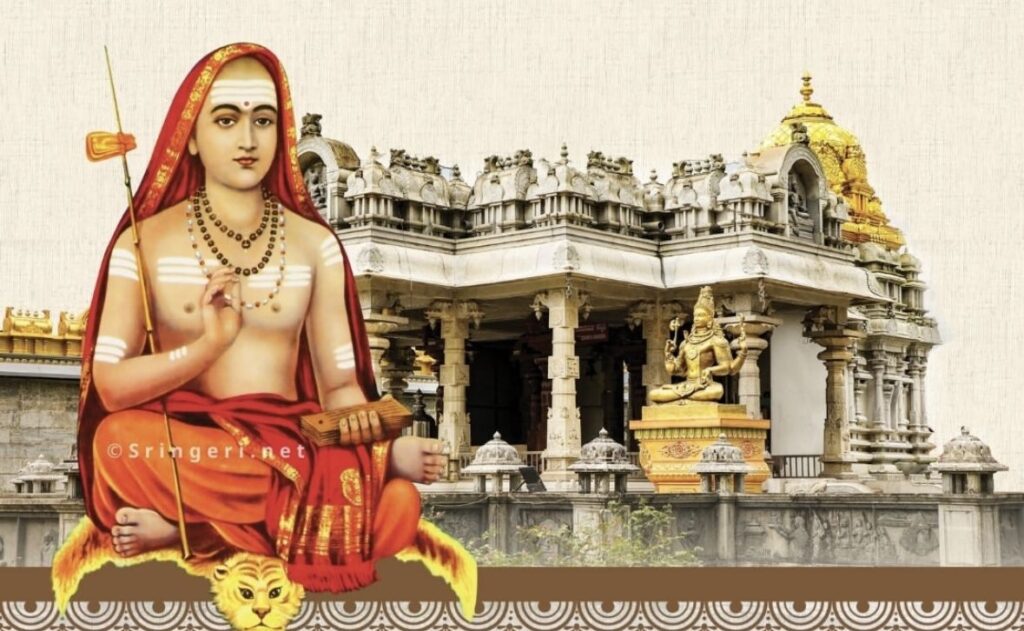
Totakashtakam विदिताखिलशास्त्रसुधाजलधेमहितोपनिषत् कथितार्थनिधे ।हृदये कलये विमलं चरणंभव शंकर देशिक मे शरणम् ॥ १॥ viditākhilaśāstrasudhājaladhemahitopaniṣat kathitārthanidhe .hṛdaye kalaye vimalaṃ caraṇaṃbhava śaṃkara deśika me śaraṇam .. 1.. O thou, the knower of all the milk-Ocean of scriptures! The expounder of the topics of the great Upanisadic treasure-trove! On thy faultless feet I meditate in my heart. Be thou my refuge O master, Sankara. करुणावरुणालय पालय मांभवसागरदुःखविदूनहृदम् ।रचयाखिलदर्शनतत्त्वविदंभव शंकर देशिक मे शरणम् ॥ २॥ karuṇāvaruṇālaya pālaya māṃbhavasāgaraduḥkhavidūnahṛdam .racayākhiladarśanatattvavidaṃbhava śaṃkara deśika me śaraṇam .. 2.. O the Ocean of compassion! Save me whose heart is tormented by the misery of the sea of birth! Make me understand the truths of all the schools of philosophy! Be thou my refuge, O master, Sañkara. भवता जनता सुहिता भवितानिजबोधविचारण चारुमते ।कलयेश्वरजीवविवेकविदंभव शंकर देशिक मे शरणम् ॥ ३॥ bhavatā janatā suhitā bhavitānijabodhavicāraṇa cārumate .kalayeśvarajīvavivekavidaṃbhava śaṃkara deśika me śaraṇam .. 3.. By thee the masses have been made happy, O thou who hast a noble intellect, skilled in the inquiry into self-knowledge! Enable me to understand the wisdom relating to god and the soul. Be thou my refuge, O master, Sañkara. भव एव भवानिति मे नितरांसमजायत चेतसि कौतुकिता ।मम वारय मोहमहाजलधिंभव शंकर देशिक मे शरणम् ॥ ४॥ bhava eva bhavāniti me nitarāṃsamajāyata cetasi kautukitā .mama vāraya mohamahājaladhiṃbhava śaṃkara deśika me śaraṇam .. 4.. Knowing that thou art verily the supreme lord, there arises overwhelming bliss in my heart. Protect me from the vast ocean of delusion. Be thou my refuge, O master, Sankara. सुकृतेऽधिकृते बहुधा भवतोभविता समदर्शनलालसता ।अतिदीनमिमं परिपालय मांभव शंकर देशिक मे शरणम् ॥ ५॥ sukṛte’dhikṛte bahudhā bhavatobhavitā samadarśanalālasatā .atidīnamimaṃ paripālaya māṃbhava śaṃkara deśika me śaraṇam .. 5.. Desire for the insight into unity through thee will spring only when virtuous deeds are performed in abundance and in various directions. Protect this extremely helpless person. Be thou my refuge, O master, Sañkara. जगतीमवितुं कलिताकृतयोविचरन्ति महामहसश्छलतः ।अहिमांशुरिवात्र विभासि गुरोभव शंकर देशिक मे शरणम् ॥ ६॥ jagatīmavituṃ kalitākṛtayovicaranti mahāmahasaśchalataḥ .ahimāṃśurivātra vibhāsi gurobhava śaṃkara deśika me śaraṇam .. 6.. O teacher! For saving the world the great assume various forms and wander in disguise. Of them, thou shinest like the sun. Be thou my refuge, O master, Sañkara. गुरुपुंगव पुंगवकेतन तेसमतामयतां नहि कोऽपि सुधीः ।शरणागतवत्सल तत्त्वनिधेभव शंकर देशिक मे शरणम् ॥ ७॥ gurupuṃgava puṃgavaketana tesamatāmayatāṃ nahi ko’pi sudhīḥ .śaraṇāgatavatsala tattvanidhebhava śaṃkara deśika me śaraṇam .. 7.. O the best of teachers! The Supreme lord having the bull as banner! None of the wise is equal to thee! Thou who art compassionate to those who have taken refuge! The treasure-trove of truth! Be thou my refuge, O master Sankara. विदिता न मया विशदैककलान च किंचन काञ्चनमस्ति गुरो ।द्रुतमेव विधेहि कृपां सहजांभव शंकर देशिक मे शरणम् ॥ ८॥ viditā na mayā viśadaikakalāna ca kiṃcana kāñcanamasti guro .drutameva vidhehi kṛpāṃ sahajāṃbhava śaṃkara deśika me śaraṇam .. 8.. Not even a single branch of knowledge has been understood by me correctly. Not even the least wealth do I possess, O teacher. Bestow on me quickly thy natural grace. Be thou my refuge, O master Sañkara. Description The Toṭakāṣṭakam was composed by Giri (an enlightened disciple) in praise of his Guru Adi Sankara. Literally, it means a rhyme of eight (Sanskrit: aṣṭa) verses (ślokas) composed by Toṭaka. The poem’s meter is anapestic tetrameter, with four feet of unstressed-unstressed-stressed syllables (laghu-laghu-guru characters) per line, and four lines per stanza.This work is called Thōtakāshtakam because it consists of eight verses (ashtakam) and it is written by Thōtakachārya, one of the famous disciples of Adi Sankaracharya. Thōtakacharya is given as an ideal example for a disciple who gets everything merely by the grace of the teacher. According to the story, Thōtakachārya was a very dull disciple of Sankaracharya. The other disciples like Padmapada, Sureshwara, Hasthāmalaka etc were great in scholarship. It seems that they looked down upon Thōtakacharya because he could not grasp the Shastras well. Per the Mādhavīya Śankaravijayam, when Adi Shankara was at Sringeri, he met a boy named Giri. Adi Shankara accepted the boy as his disciple. Giri was a hard-working and loyal servant of his Guru, Adi Shankara, though he did not appear bright to the other disciples. One day, Giri was washing his Guru’s clothes, when Adi Shankara sat down to begin a lesson on Advaita Vedanta. He however did not start the lesson saying he was waiting for Giri to come back from his chores. At this, another shishya, Padmapada pointed to a wall and said that teaching Giri would be the same as teaching this wall (a dumb object). It seems that Sankaracharya wanted to humble them and also Sankaracharya was pleased with the devotion of Giri who was serving him. Sankaracharya did not say anything but kept waiting. Then the disciple came bringing the clothes and drying them. At that time, he was singing this song glorifying the greatness of his teacher Sankara. They thought Giri was an illiterate person not knowing Sanskrit and incapable of composing anything. Hearing this, all other disciples were wonderstruck. By mere Sankalpa, it is said that Sankaracharya gave all knowledge to him. This verse happens to be in a special Sanskrit metre known as Thōtaka Vruttam. So this particular metre is called Thōtaka metre. Thus Giri got the name Thōtakachary, after the metre. His Pūrvāshrama name was something else and he got the name Thōtaka after this metre. Therefore, this work is called Thōtakāshtakam due to two reasons. One reason is that it is in Thōtakä metre and the other reason being that it is composed by Thōtakacharya. Thōtakacharya has not written many works or many are not available for us. There is another work by Thōtaka. It is an advanced treatise on Vēdanta known as Shruti Sara Samuddharanam which literally means extracting the essence of the Vedas. It is a work consisting of 174 or 178 verses in which Thōtakā analyzes the Mahāvākyam ‘Tatvamasi‘ and he establishes Jīvātma Paramātma Aikyam logically and he refutes all other systems of philosophy. This Shruti Sära Samuddharanam also is in Thōtaka metre. At the end of Shruti Sara Samuddharanam work, there is a Mangala Sloka on Lord Vishnu. That Mangala Sloka alone

Totakashtakam Read Post »

392719870 Insights on Shiva Purana 1 1
Adi Shankaracharya, stotram

Siva Aparadha Ksamapana Stotram

Siva Aparadha Ksamapana Stotram The Śiva Aparādha Kṣamāpanā Stotram is a sacred hymn dedicated to Lord Śiva, composed with the purpose of seeking forgiveness for one’s sins, mistakes, and offenses committed knowingly or unknowingly. The term “Aparādha Kṣamāpanā” literally means “forgiveness of offenses,” and this stotram is considered a powerful means to cleanse the mind, heart, and soul from the negative karmic effects of one’s actions. It emphasizes the compassionate and merciful nature of Lord Śiva, who forgives the faults of his devotees when approached with sincere repentance, humility, and devotion. Reciting this stotram with faith and concentration is believed to remove obstacles, reduce guilt, and free the devotee from fear, grief, and suffering caused by past misdeeds. It also encourages introspection, helping devotees recognize their faults and motivating them to cultivate virtues like truthfulness, self-discipline, and moral integrity. Through its recitation, the devotee develops a deeper connection with the divine, gaining confidence that no matter the mistakes, sincere devotion and surrender can bring purification and spiritual protection. In essence, the Śiva Aparādha Kṣamāpanā Stotram teaches that Lord Śiva is the ultimate source of mercy, forgiveness, and redemption. It reassures devotees that spiritual growth is possible even after lapses, as long as one approaches the divine with humility, devotion, and an earnest desire to transform oneself. The stotram serves as both a spiritual practice and a moral guide, reminding the devotee that forgiveness and compassion, when received from the Lord, lead to inner peace, purification of karma, and the path toward liberation.

Siva Aparadha Ksamapana Stotram Read Post »

5b949bf4717a32ee4d511e07f32e909b 1
Adi Shankaracharya, stotram

Govinda Astakam Stotram

Govinda Astakam The Govinda Ashtakam is a beautiful and soul-enriching hymn consisting of eight verses (ashtakam) in praise of Lord Govinda, a beloved name of Lord Krishna, who is none other than Lord Vishnu in his most accessible and endearing form. “Govinda” means the protector of cows, but it also has deeper meanings: one who gives pleasure to the senses and the soul, and the knower of all beings. The Govinda Ashtakam is traditionally attributed to Adi Shankaracharya, the great spiritual master and proponent of Advaita Vedanta. While Shankaracharya is known for his profound philosophical works, his hymns like the Govinda Ashtakam reflect his immense devotional heart, showing that knowledge (jnana) and devotion (bhakti) are not separate but beautifully intertwined. This hymn glorifies the Lord not just as the Supreme Reality, but also as the playful cowherd of Vrindavan, whose pastimes charm the hearts of devotees. Each verse of the Govinda Ashtakam highlights a unique aspect of Krishna’s divine personality — his beauty, his leelas (divine pastimes), his protection of devotees, and his transcendental nature. The language is poetic and lyrical, filled with imagery that captivates the mind and melts the heart. For instance, the Lord is described with lotus eyes, a smiling face, a crown adorned with peacock feathers, and hands that play the flute — all classical symbols associated with Krishna. He is the one who lifts the Govardhana Hill, dances with the gopis, and destroys evil with a smile. These depictions are not merely poetic—they are meditations for the devotee to internalize the presence of the Lord in the heart. A unique aspect of the Govinda Ashtakam is its refrain, which reaffirms that “He alone is my Lord, my shelter, my eternal refuge — Govinda!” This repeated invocation reinforces the mood of surrender (śaraṇāgati) and dependence on God as the only permanent anchor in a world of impermanence. The Govinda Ashtakam also brings out the rasa (emotional flavor) of madhurya bhakti — the sweet and intimate love of Krishna. He is not just worshipped in fear or awe but loved as a friend, child, or beloved. In fact, it is this sweetness and intimacy that draws devotees closer to Govinda more than his majesty or cosmic powers. Reciting or listening to the Govinda Ashtakam is believed to bring peace, devotion, and a deep inner connection to the Lord. It is often sung during the early morning hours, especially on days sacred to Krishna like Janmashtami, Gopashtami, or Ekadashi. The rhythm, beauty, and emotion of the hymn make it a cherished part of Vaishnava devotional practice. In conclusion, the Govinda Ashtakam is more than just a hymn — it is a devotional offering, a spiritual meditation, and a pathway to divine love. Through these eight gems of praise, the devotee is gently guided from external worship toward internal realization — discovering that Govinda is not only in temples or scriptures, but eternally present in the heart that loves and surrenders.

Govinda Astakam Stotram Read Post »

maxresdefault 1
Adi Shankaracharya, stotram

Daksinamurty Varnamala Stotram

Daksinamurty Varnamala Stotram The Daksinamurty Varnamala Stotram is a profound hymn dedicated to Lord Daksinamurthy, a form of Lord Shiva revered as the ultimate guru and embodiment of supreme wisdom. Lord Daksinamurthy is depicted sitting under a banyan tree, facing south, teaching in absolute silence. This silent teaching symbolizes that true knowledge and spiritual enlightenment often transcend words; it is realized through introspection, meditation, and inner awakening. The stotram itself is structured as a “Varnamala,” or garland of syllables, each praising the Lord’s attributes and reflecting the subtle energies of wisdom, serenity, and detachment. Reciting this stotram allows devotees to connect with the divine teacher within, removing ignorance and cultivating insight. Lord Daksinamurthy is considered the destroyer of darkness (avidya) and the guide to self-realization. Devotees believe that by meditating on his form and chanting these verses, they can develop mental clarity, intuitive understanding, and a disciplined mind, which are essential for spiritual growth and liberation. The practice highlights the importance of the guru-shishya tradition, where wisdom is transmitted not just through words, but through presence, guidance, and personal experience. Beyond intellectual knowledge, the stotram fosters spiritual virtues such as patience, humility, detachment, and inner peace. The visualization of Lord Daksinamurthy sitting calmly under the banyan tree reminds the devotee of the power of contemplation and reflection, teaching that worldly distractions must be transcended to attain true understanding. Through regular recitation, the devotee gradually experiences a deeper connection with the self and the divine, gaining insight into the unity of existence and the eternal truth beyond the material world. In essence, the Daksinamurty Varnamala Stotram is not merely a hymn but a spiritual practice. It encourages devotion, meditation, and the pursuit of wisdom, illustrating that the greatest knowledge comes from the heart and mind, guided by the divine teacher within. By embracing this practice, seekers can achieve intellectual, spiritual, and emotional harmony, paving the way toward liberation, enlightenment, and the realization of the self as one with the Supreme.

Daksinamurty Varnamala Stotram Read Post »

Hari Stuti
Adi Shankaracharya, stotram

Hari Stuti Stotram

Hari Stuti Hari Stuti is a deeply devotional hymn praising Lord Hari, another sacred name for Lord Vishnu, the preserver and sustainer in the Hindu trinity (Trimurti). “Hari” means the one who removes — particularly, the one who removes ignorance, fear, sin, and suffering. Hari Stuti literally means “Praise of Lord Hari” and is often recited by devotees to invoke divine blessings, inner peace, and spiritual strength. There are multiple versions and compositions titled “Hari Stuti” in various languages — Sanskrit, Hindi, Kannada, Telugu, Marathi, and Tamil — each reflecting the region’s devotional tradition, but all focused on the loving adoration of Lord Vishnu or Krishna. The essence of any Hari Stuti is devotion (bhakti) — it sees God not merely as a cosmic ruler but as a compassionate father, mother, friend, and protector. Typically composed by saints, poets, or Acharyas, these hymns highlight the divine qualities of Hari — his mercy, his beauty, his strength, his role in upholding dharma, and his readiness to respond to the heartfelt prayers of his devotees. Lord Hari is often praised through his various avatars, such as Rama, Krishna, Narasimha, and Vamana, each of which serves as a divine intervention in times of crisis. In the Hari Stuti, these incarnations are glorified not only for their victories over demons and evil but for their unmatched compassion and protection offered to the devotees. For instance, in praising Narasimha, the hymn might recall how Hari protected the child devotee Prahlada from his tyrannical father, showing that even the smallest act of devotion does not go unnoticed. The language of the Stuti is often poetic and rhythmic, filled with metaphors and similes that elevate the mind and heart — likening Lord Hari’s eyes to lotus petals, his smile to the moonlight, and his feet to a sheltering boat that carries the soul across the ocean of samsara (worldly suffering). A recurring theme in most versions of Hari Stuti is surrender (śaraṇāgati) — the devotee confesses their helplessness before worldly temptations and asks the Lord to guide them, protect them, and ultimately liberate them. It is this tone of humility and love that makes Hari Stuti not just a poem but a sadhana (spiritual practice). Chanting or singing Hari Stuti regularly is believed to bring mental clarity, emotional calm, and spiritual elevation. In temples, homes, and satsangs, this hymn serves as a way to invoke Lord Hari’s presence, particularly during the early morning, at dusk, or on special days like Ekadashi and Vaikuntha Ekadashi, which are dedicated to Vishnu worship. In essence, Hari Stuti is not merely a praise of God’s greatness, but a tender expression of divine love, longing, and trust. It reminds the devotee that Hari is ever near — not distant in the heavens, but dwelling within the heart — always ready to remove ignorance and shine the light of truth. By reciting or listening to this hymn with faith, one aligns with divine will, and the restless mind finds peace in the embrace of the eternal Lord.

Hari Stuti Stotram Read Post »