Bhagavad Gita all chapter
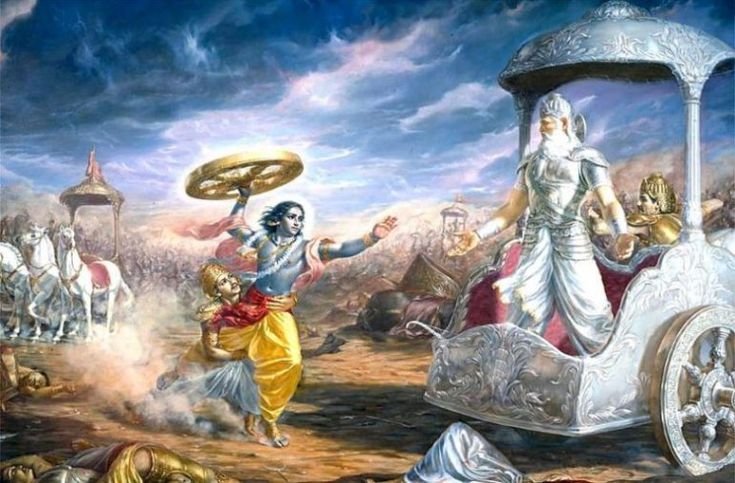
Bhagavad Gita - The Setting of the Kurukshetra War

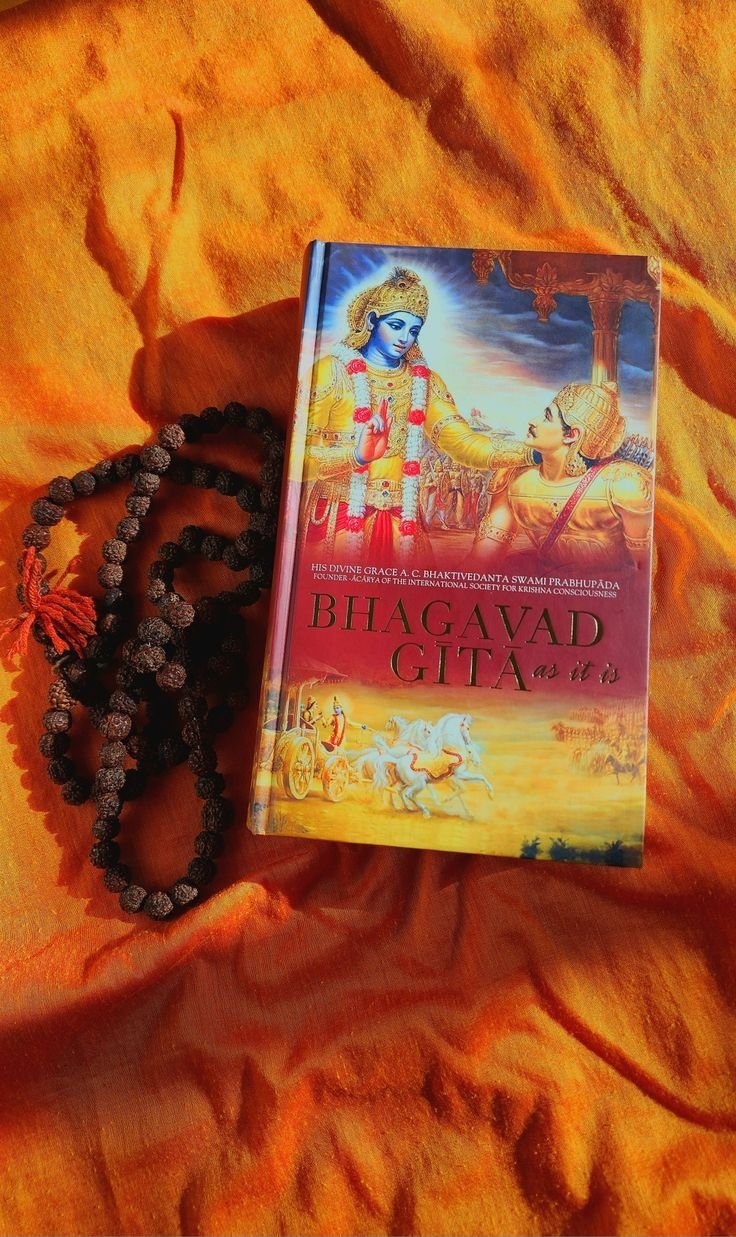
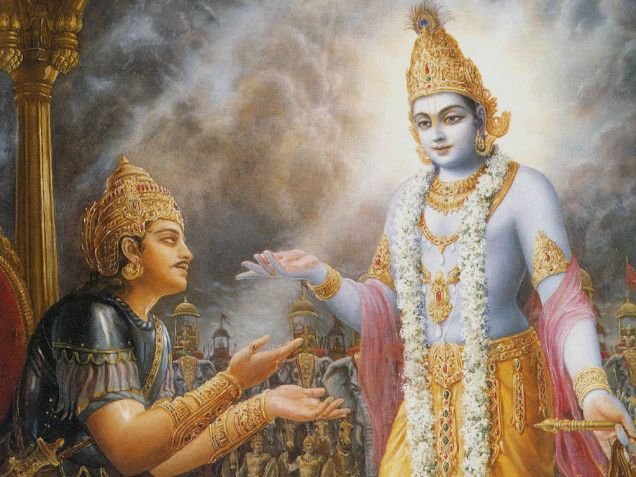
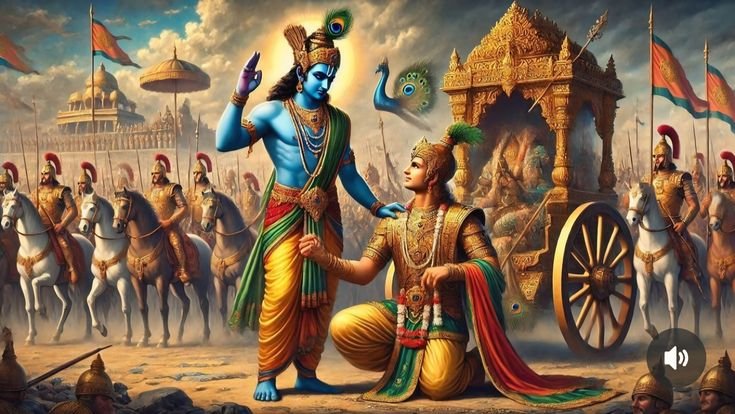
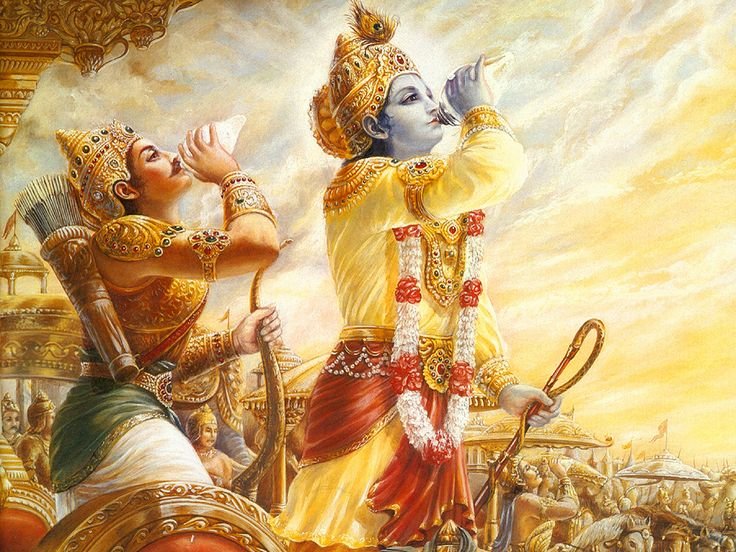
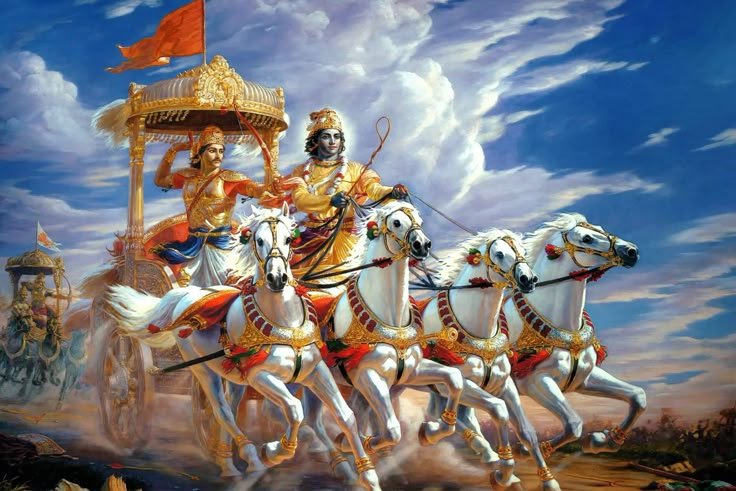
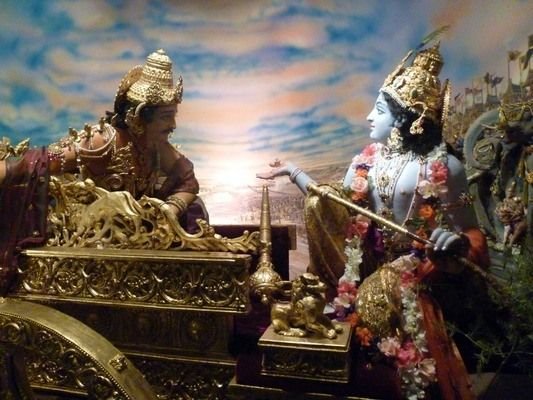
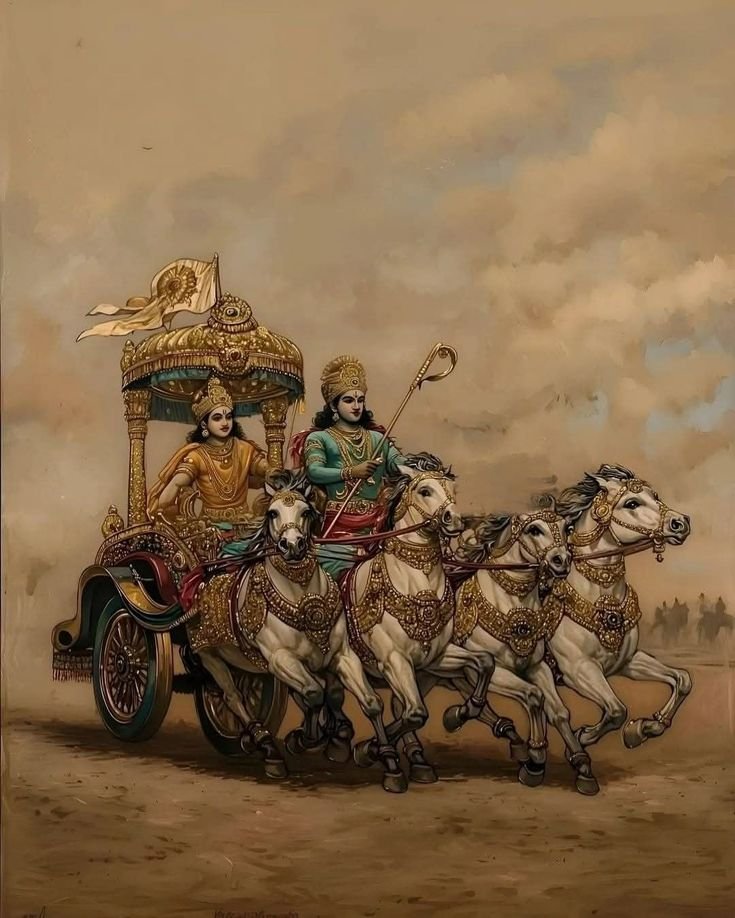
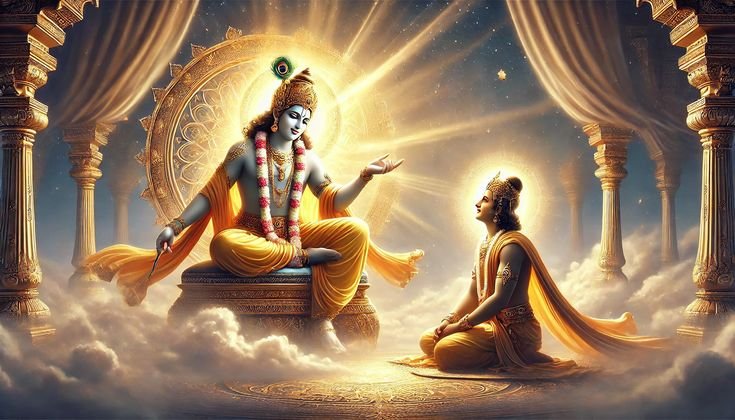
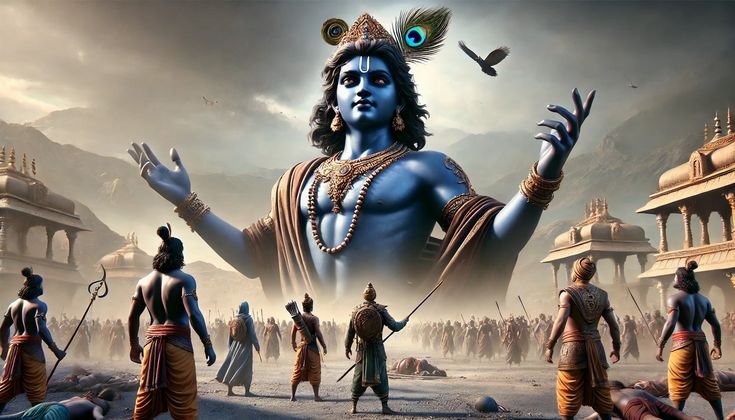
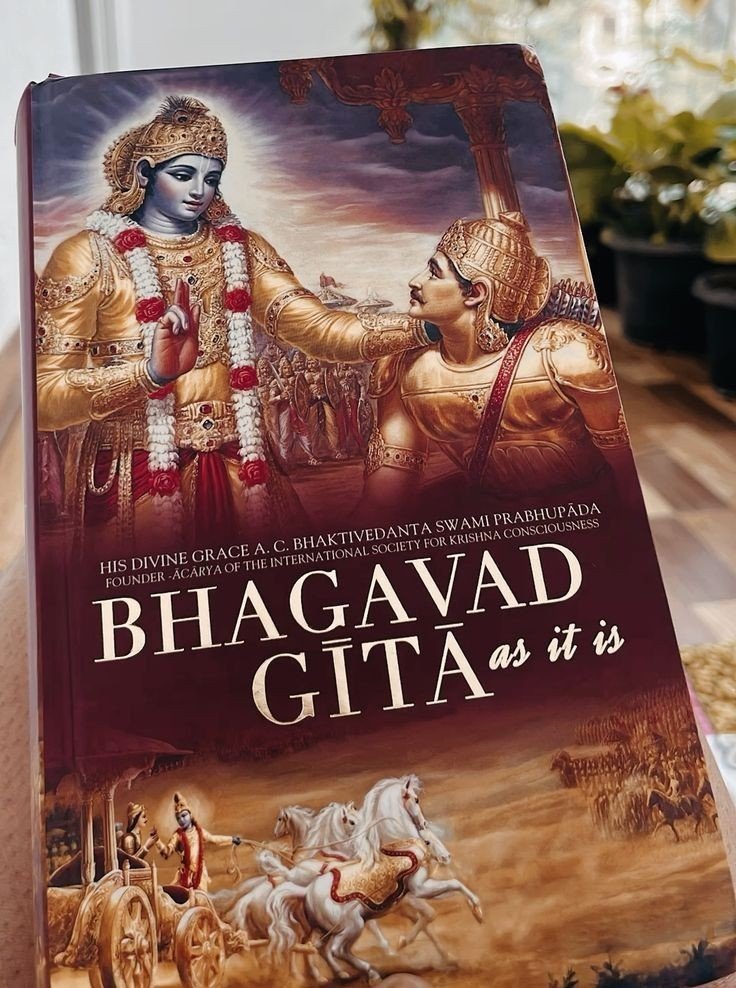
The Bhagavad Gita is one of the most sacred and profound scriptures of India, forming a part of the great epic Mahabharata. It is presented as a dialogue between Lord Krishna and the warrior prince Arjuna on the battlefield of Kurukshetra. Faced with the dilemma of fighting against his own relatives, teachers, and friends, Arjuna falls into despair and refuses to fulfill his duty as a warrior. In response, Krishna reveals to him the eternal wisdom of life, dharma, and the true purpose of existence. The Gita addresses the fundamental questions of human life—what is right action, how to overcome sorrow, and how to attain liberation from the cycle of birth and death.
The teachings of the Bhagavad Gita are universal and timeless. It emphasizes that selfless action performed without attachment leads to spiritual growth, and that devotion to the Divine is the highest path to freedom. It introduces various yogas—Karma Yoga (the path of action), Jnana Yoga (the path of knowledge), and Bhakti Yoga (the path of devotion)—showing that all lead to the ultimate realization of the Self. The Gita’s message is one of courage, balance, and surrender to the Divine will. It continues to inspire people across the world, not just as a religious text, but as a guide for righteous living, inner st
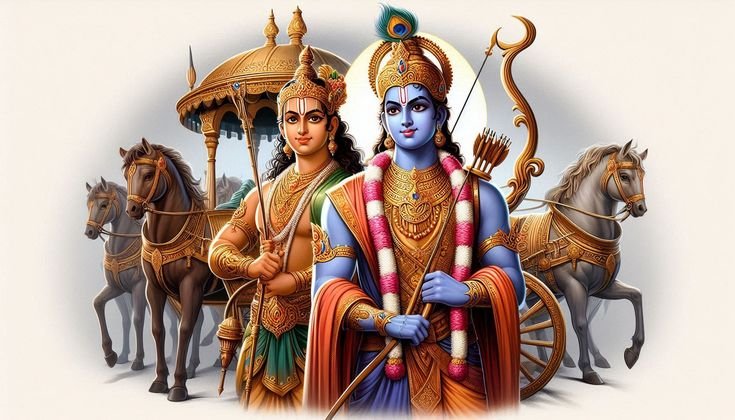
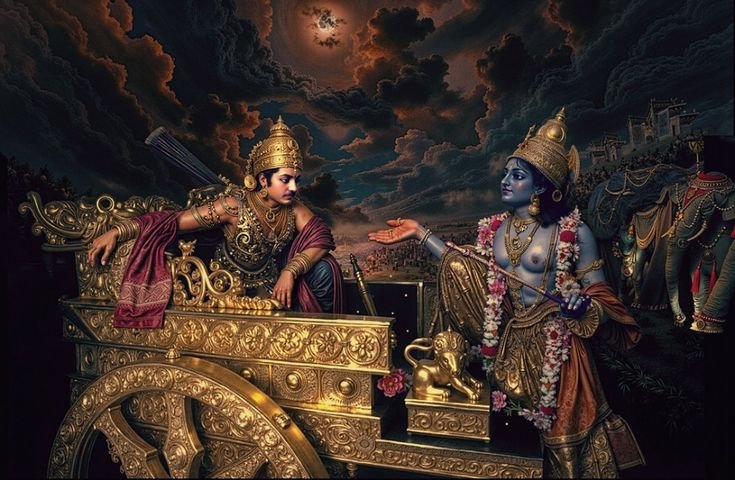
The Bhagavad Gita is often described as a spiritual dialogue that addresses the eternal conflict between doubt and duty. Standing between two great armies, Arjuna represents the human soul caught in confusion, fear, and sorrow. Krishna, as the divine charioteer, symbolizes the higher consciousness that guides the individual towards truth. Their conversation goes beyond the battlefield, offering wisdom that applies to every stage of human life. The Gita teaches that life itself is a battlefield, where one must rise above weakness, confront challenges, and act with clarity of purpose.
One of the central teachings of the Gita is the concept of selfless action. Krishna advises that one must perform duties not for personal gain, but as an offering to the Divine. By surrendering the fruits of action, the mind becomes free from anxiety and remains at peace. This principle, known as Karma Yoga, helps individuals live in the world without being bound by it. The Gita also highlights Jnana Yoga, the path of knowledge, where a seeker understands the eternal nature of the soul, and Bhakti Yoga, the path of devotion, where love for the Divine becomes the highest form of worship.
The Gita further explains the nature of the soul (Atman), teaching that it is eternal, unborn, and indestructible. Bodies may perish, but the soul neither dies nor is destroyed. This truth gives strength to face life’s changes with equanimity. Krishna also reveals his cosmic form, the Vishvarupa, to demonstrate that the Divine pervades all of creation, sustaining and guiding the universe. This vision emphasizes that the divine presence is not limited to one form or one place, but is infinite and all-encompassing.
Ultimately, the Bhagavad Gita concludes with the message of complete surrender. Krishna declares that when one abandons all doubts, renounces ego-driven desires, and takes refuge in the Divine, true liberation (Moksha) is attained. This surrender is not weakness, but the highest form of strength, where one unites with the eternal truth. Because of its depth and universality, the Gita is revered not only as a religious scripture but also as a philosophical guide, offering timeless wisdom for personal growth, inner peace, and harmony in the world. length, and spiritual awakening.