Ashtottara Shatanamavali refers to the sacred chanting of 108 holy names of a deity. Each name describes a divine quality, power, or form of the Lord, and chanting them is considered a powerful spiritual practice. These names are usually arranged in a rhythmic flow, making the recitation devotional, peaceful, and uplifting.
The chanting of Ashtottara Shatanamavali helps devotees connect deeply with the divine by remembering the Lord’s virtues such as compassion, purity, strength, protection, and wisdom. Every name is a reminder of the infinite nature of God and inspires devotees to cultivate similar qualities in their own lives.
It is often recited during pujas, archana, homams, temple rituals, and daily worship. The practice purifies the mind, brings inner calm, removes negative vibrations, and fills the surroundings with divine energy. Many families chant it regularly to seek blessings, health, prosperity, and spiritual growth.
In essence, Ashtottara Shatanamavali is a beautiful devotional offering—108 names that help the devotee express love, gratitude, and surrender to the divine while experiencing peace, devotion, and spiritual elevation.
Ashtottaranamavali refers to the sacred recitation of 108 divine names of a deity in Hindu worship. The term is derived from two Sanskrit words: Ashtottara, meaning 108, and Namavali, meaning a garland or series of names. In Hindu devotional traditions, chanting Ashtottaranamavali is a powerful way for devotees to praise the qualities, virtues, and divine powers of gods and goddesses.
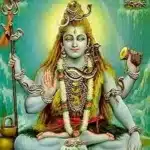
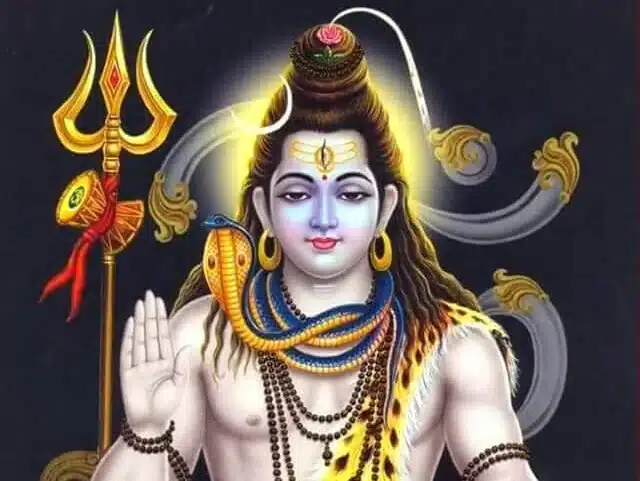

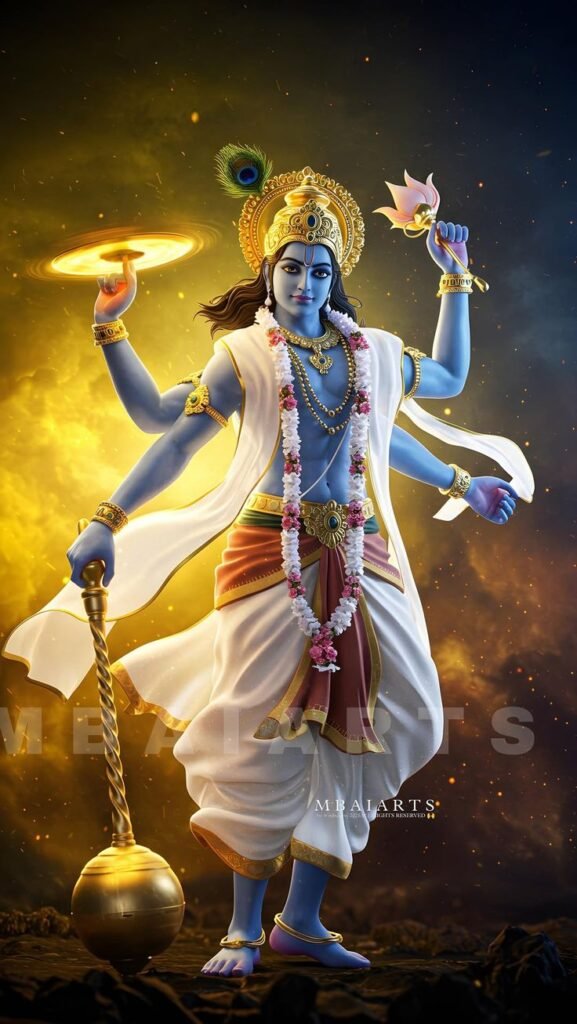
Each name in the Ashtottaranamavali carries a special spiritual meaning and represents a unique attribute of the deity being worshipped. Devotees commonly chant the 108 names of Lord Ganesha, Lord Shiva, Lord Vishnu, Goddess Lakshmi, Goddess Durga, and many other deities during prayers, temple rituals, and home pujas. These names glorify the divine and help devotees meditate on the sacred qualities of God.
The number 108 is considered highly sacred in Hinduism. It symbolizes completeness and spiritual harmony. Many spiritual practices are connected to this number, such as the 108 beads of a japa mala used during mantra chanting and meditation. Because of this spiritual significance, reciting 108 names of a deity is believed to bring divine blessings and spiritual purification.
During the chanting of Ashtottaranamavali, devotees often perform a ritual known as Archana. In this practice, flowers, sacred leaves, or rice grains are offered to the deity while each name is recited. Each name usually begins with the sacred syllable “Om” and ends with “Namah,” which means “I bow with reverence.” This ritual expresses devotion, humility, and surrender to the divine.
The practice of chanting Ashtottaranamavali offers many spiritual benefits. It helps calm the mind, remove negative thoughts, and strengthen devotion. Regular chanting creates a positive atmosphere and helps devotees feel closer to the divine presence. It also encourages meditation on divine virtues such as compassion, wisdom, strength, and protection.
Another important aspect of Ashtottaranamavali is that it helps devotees focus their mind during prayer. Instead of simply performing rituals mechanically, chanting the 108 names allows the devotee to reflect on the deeper spiritual meaning of each name and the qualities it represents.
Even today, Ashtottaranamavali remains an important part of Hindu devotional practices in temples, homes, and spiritual gatherings. It connects devotees with the divine through sacred sound and heartfelt devotion.
By chanting Ashtottaranamavali, devotees experience spiritual peace, divine grace, and a deeper connection with the gods and goddesses they worship.