


Hari Om

Menu

February 2026

0043db3a40fee56e9e2c6685f5c3242e
Puja Vidhi

Pitru Paksha Vidhi

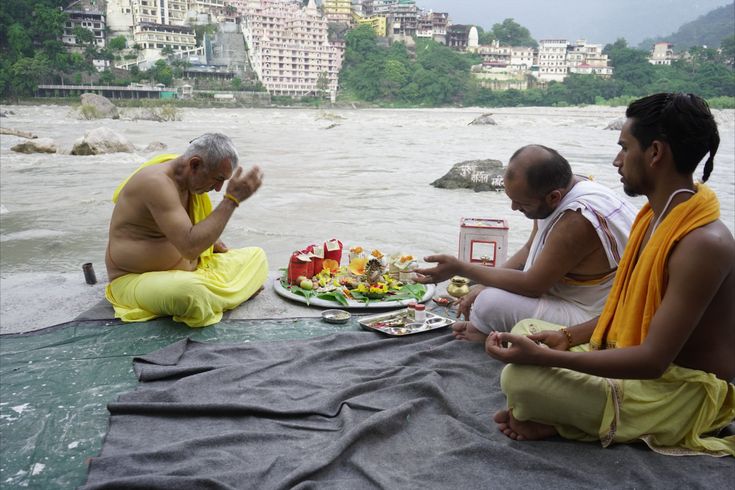
Pitru Paksha Vidhi – Traditional Method to Perform Shradh In the Hindu calendar, Pitru Paksha—a sacred fortnight dedicated to honoring ancestors—holds immense spiritual importance. During this time, families perform Shradh rituals to express gratitude, seek blessings, and ensure the peace of their departed souls. However, the true value of this observance lies in following the correct Vidhi (procedure). If you are wondering “What is the proper way to perform Shradh according to tradition?” this detailed guide will walk you step-by-step through the authentic Vedic method, ensuring the ritual’s spiritual purpose is fulfilled. Understanding Pitru Paksha and Shradh Vidhi Pitru Paksha falls in the Krishna Paksha (waning phase of the moon) in the month of Bhadrapada (or Ashwin, depending on regional calendars). The Shradh Vidhi is a structured ritual that involves offerings of food (Pinda), water (Tarpan), and prayers to the ancestors. The purpose is twofold: To repay the Pitru Rin (ancestral debt) as mentioned in scriptures.To seek their guidance and blessings for the family’s well-being. Without following the proper Vidhi, the ritual risks becoming incomplete, potentially failing to bring the intended spiritual merit. Spiritual Significance of Performing Shradh Correctly Ancient texts like the Garuda Purana and Mahabharata emphasize that precision in ritual steps directly impacts the outcome. Performing Shradh in the right way ensures: Peace for the departed soulsRemoval of Pitru Dosha (ancestral imbalances in the horoscope)Family prosperity and protectionBlessings for progeny and lineage continuity Skipping steps or doing them incorrectly can lead to partial benefits or even inauspicious results. Preparations Before Pitru Paksha Shradh A successful Shradh starts with thoughtful preparation. 3.1 Choosing the Right Tithi Perform Shradh on the death anniversary tithi of the ancestor during Pitru Paksha.If unsure of the tithi, conduct it on Sarva Pitru Amavasya (the last day of Pitru Paksha). 3.2 Arranging the Puja Space Select a clean and quiet location in the home or a sacred riverbank.Spread darbha grass or a clean mat for seating. 3.3 Gathering Samagri (Puja Materials) Common items include: Black sesame seedsBarley flourCooked rice and lentilsDarbha grassFlowers, incense, and ghee lampsPinda ingredients (rice, barley, black sesame seeds, honey, milk, ghee)A photo or symbolic representation of ancestors 3.4 Purification of the Performer The main karta (performer) should bathe, wear clean clothes (preferably dhoti), and maintain a sattvic mindset. Step-by-Step Traditional Shradh Vidhi The procedure may vary slightly by region, but the following steps reflect the most widely accepted Vedic method. 4.1 Sankalp (Resolution) Sit facing south (direction of ancestors).Place the puja materials before you.Hold water in your right hand and make a vow to perform Shradh for the named ancestors, mentioning gotra and tithi. 4.2 Pinda Daan Prepare rice balls (Pinda) mixed with black sesame seeds, barley flour, honey, and ghee.Offer them on a banana leaf or plate.Place darbha grass beneath each Pinda.Chant mantras invoking the ancestors to accept the offering. 4.3 Tarpan (Water Offering) Mix water with black sesame seeds, darbha grass, and barley.Offer the water three times while chanting the names of the ancestors.Ensure the water flows towards the south. 4.4 Brahmin Bhojan Invite Brahmins to partake in a meal prepared with purity and devotion.Serve dishes that include rice, lentils, vegetables, and sweets.Offer dakshina and clothes to the Brahmins after the meal. 4.5 Pinda Visarjan After the rituals, immerse the remaining Pindas in a flowing river or sacred water body. 4.6 Prarthana and Blessing Seeking End the ritual with prayers, seeking forgiveness for any errors and blessings for the family’s peace and prosperity. Regional Variations in Shradh Vidhi While the essence remains the same, regional traditions add unique elements: North India: Focus on elaborate Brahmin bhojan and mantra recitations from the Yajurveda.Bengal: Incorporates specific offerings like kochur shaak and lau-er ghanto.South India: Performs Shradh alongside Tila Tarpanam in temples or near water bodies.Maharashtra: Emphasizes panchpind shradh involving five Pindas for different ancestral levels. Common Mistakes to Avoid Even well-intentioned performers sometimes make errors: Performing rituals on the wrong tithiUsing impure or leftover food for offeringsSkipping Brahmin bhojan due to time constraintsFacing the wrong direction during offeringsIgnoring the correct pronunciation of mantras To avoid these, always consult a knowledgeable pandit and prepare well in advance. Benefits of Following the Correct Vidhi When performed with devotion and accuracy, Shradh offers: Liberation (moksha) for the ancestorsRemoval of Pitru Dosha from the family horoscopeProsperity and good health for descendantsProtection from unforeseen misfortunesSpiritual satisfaction and inner peace Performing Shradh Without a Pandit In certain situations—such as living abroad or lacking access to a priest—you can still perform Shradh at home: Follow a simplified version: Sankalp → Pinda Daan → Tarpan → Prayer.Watch verified online guides or book virtual assistance from a qualified priest.Maintain devotion and purity; intention matters as much as precision. The Importance of Tarpan in Shradh Vidhi Tarpan is not merely symbolic—it is the act of quenching the spiritual thirst of ancestors. The combination of water, sesame, and mantras channels offerings to the Pitru Loka. Skipping or incorrectly performing Tarpan can diminish the benefits of the ritual. Pitru Paksha Shradh Vidhi for NRIs For Non-Resident Indians: Many temples in India offer online Shradh services.You can book a pandit remotely and join via live video.Alternatively, perform the ritual at a local Hindu temple abroad. Scriptural References for Shradh Vidhi The procedures are mentioned in: Garuda Purana – Emphasizes liberation of souls.Vishnu Purana – Details on correct offerings.Mahabharata (Anushasana Parva) – Significance of feeding Brahmins.Dharma Shastras – Guidelines for auspicious timings.

Pitru Paksha Vidhi Read Post »
6a78b6a90a04e3a9ca2c7a62f8fa83c8
Puja Vidhi

Dwadshis Puja Vidhi

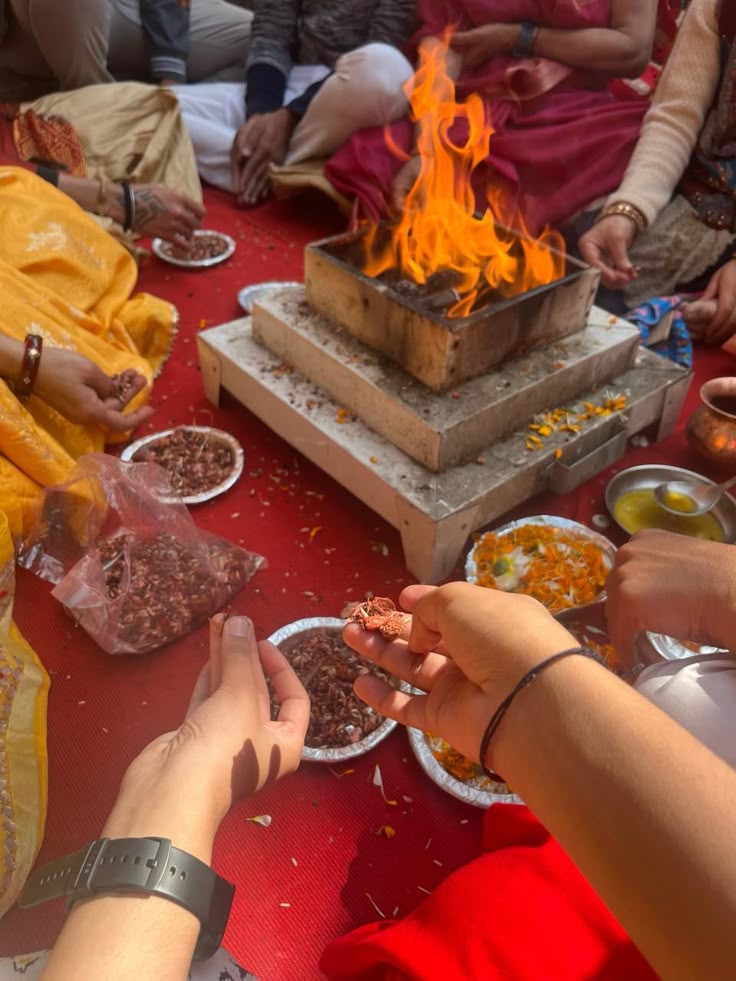
Dwadshis Puja Vidhi “Dwadashi” refers to the twelfth day of the lunar fortnight in the Hindu calendar. While every Dwadashi is used for breaking the Ekadashi fast, two specific observances—Ksheerabdi Dwadashi and Govatsa Dwadashi—have unique puja rituals.  1. Ksheerabdi Dwadashi (Tulsi Puja)  Observed during the month of Kartika, this day celebrates Lord Vishnu waking from his four-month cosmic sleep and his symbolic marriage to the Tulsi plant.  2. Govatsa Dwadashi (Vasu Baras) Celebrated primarily in Maharashtra and Gujarat, this day is dedicated to the worship of cows and their calves.  General Dwadashi Parana (Breaking Fast)  If you are observing a standard Dwadashi after an Ekadashi fast:

Dwadshis Puja Vidhi Read Post »

2091590650c9f5b935df753b1f251968
Krishna

Vasudevasutam Devam

Vasudevasutam Devam वसुदेवसुतं देवं कंसचाणूरमर्दनम् ।देवकी परमानन्दं कृष्णं वंदे जगद्गुरुम् ।। vasudevasutaṃ devaṃ kaṃsacāṇūramardanam .devakī paramānandaṃ kṛṣṇaṃ vaṃde jagadgurum .. Son of Vasudeva, divine lord, the killer of Kamsa and Chaanura, the cause of supreme happiness of mother Devaki, we bow to Krishna, the Guru (teacher) of the universe. Description This is a prayer to Lord Krishna, as the Guru of the entire universe. It is the beginning verse of Krishnashtakam. This verse describes the four important people in the life of Sri Krishna who would soon reveal himself as the Jagad Guru. Those four individuals are Vasudeva and Devaki (his parents), Kamsa (His maternal uncle and evil adversary since birth) and Chanura, a formidable and evil wrestler. Krishna was separated from his parents at birth, had to deal with Kamsa who was out to kill him by any means possible and fight with and defeat Chanura when he was a mere boy. It was an intense struggle for survival since birth which was the preparation ground for the Lord and Guru of the Universe. Vasudeva = Vasudeva, Sri Krishna’s father; Sutam = to the son (Sutaha = son); Devam = to the Lord/God; Kamsa = Kamsa, Krishna’s maternal uncle or mama; Chanoora = Chanoora, a wrestler in Kamsa’s court; Mardanam = to the one who killed; Devaki = Devaki, Krishna’s mother; Parama = immense; Anandam = to the one who caused joy; Krishnam = to Lord Krishna; Vande = I bow upon/I salute or namaskar; Jagat = world; Gurum = to the teacher.

Vasudevasutam Devam Read Post »

770e2ad072641b1fe8446701155aba8f
Puja Vidhi

Ekadashi Puja Vidhi

Ekadashi Puja Vidhi The Shravana Putrada Ekadashi is one of the 24 Ekadashis that occur every year, on the 11th day of Shukla Paksha, the waxing Moon phase, in the month of Shravan , according to the Hindu calendar, which corresponds to July-August in the Gregorian calendar. The Shravana Putrada Ekadashi is also popularly known as Pavitropana Ekadashi and Pavitra Ekadashi. There are two Putrada Ekadashis in a year; the other one is Pausha Putrada Ekadashi, which falls in the Shukla Paksha of Pausha Maas (December-January). Dedicated to Lord Vishnu , the Ekadashi Vrat (fast) on Shravana Putrada Ekadashi is usually observed by both husband and wife in married couples.It is a powerful Vrat to observe for receiving the blessings of begetting a son and offspring and for the fulfillment of material desires. Devotees believe that observing this fast with sincerity and devotion can bring prosperity and happiness to their families. Many also use this occasion to seek spiritual growth and strengthen their connection with Lord Vishnu. Shravana Putrada Ekadashi 2026: Date and Time (Tithi) Shravana Putrada Ekadashi on Sunday, August 23, 2026 On 24 th Aug, Parana Time – 01:57 PM to 04:28 PM On Parana Day Hari Vasara End Moment – 10:49 AM Ekadashi Tithi Begins – 02:00 AM on Aug 23, 2026 Ekadashi Tithi Ends – 04:18 AM on Aug 24, 2026 The fast must be broken after sunrise on the day following Ekadashi. It is important to note that one should break the fast (Parana) within the Dwadashi Tithi. Dwadashi ends at 04:18 AM on 24th Aug, 2026. Another important consideration is that one must not break the fast-during Hari Vasara, which is the first quarter of Dwadashi. The best time to break the fast is Pratah Kala (morning). Shravana Putrada Ekadashi Vrat Significance The Shravana Putrada Ekadashi Vrat/fast is observed from the dawn of Ekadashi to the next day, Dwadashi. The Vrat is powerful and, when observed with sincerity, it blesses childless couples with progeny, especially with a son. The term Putrada means ‘giver of a son.’ Both the Pausha and Shravana Putrada Ekadashi fulfill the desires of devotees who wish to have a male child and are highly favorable for married couples facing challenges in having a child. The Shravana Putrada Ekadashi Vrat is usually observed by both husband and wife. Observing this meritorious Ekadashi dissolves sins and secures a place for devotees at the feet of Lord Vishnu in His abode. Following all the rules and regulations, observing the fast, and worshipping Lord Shridhara/Vishnu brings unimaginable blessings and adds to the spiritual merits earned by devotees. The Shravana Putrada Ekadashi Vrat bestows good health, material contentment, peace, good luck, happiness, abundance, and the protection of Lord Vishnu. Shravana Putrada Ekadashi Vrat Katha The story of Shravana Putrada Ekadashi, or Pavitropana Ekadashi, is found in the Bhavishya Purana, in which Lord Krishna narrates it to King Yudhishthira to explain the importance of this auspicious Ekadashi. The powerful King Mahijit of Mahishmati had everything and was loved by his subjects because of his compassionate behavior. However, he was in distress because he did not have any offspring. He wanted a son as his successor and wished to experience the happiness of being a father. He performed various Yajnas and rituals to be blessed with a child, a son who would eventually succeed to his throne. However, nothing worked. Disheartened, he wondered why he was childless despite his good conduct and living. He shared his feelings with his subjects in his court. Seeing their pious king’s sadness, the subjects went to the jungle to find wise Sages/Rishis who would be able to give a solution to their king. In the jungle, the subjects came across the wise sage Rishi Lomesh, who heard them and understood the misery of King Mahijit. Rishi Lomesh, with his psychic abilities, found out why the king was childless. He disclosed to the subjects that King Mahijit was a merchant in his previous life. Once, while travelling a long distance, he felt thirsty and went to a pond to drink water. There, he saw a cow and calf drinking water from the pond and chased them away to drink the water himself. The cow and her calf were very thirsty and had to go away without quenching their thirst. Sage Lomesh informed them that this sin had prevented the king from having a child. The eager subjects of King Mahijit asked Rishi Lomesh for a solution for their king. The wise sage told them that King Mahijit and his queen should observe the Vrat on the Shravan Shukla Paksha Ekadashi, called Shravana Putrada Ekadashi, which would free him from this sin and bless him with a son. He also told the subjects to keep a fast on the auspicious Shravana Putrada Ekadashi and on Dwadashi, transferring all the fruits earned by observing the Vrat to their king so that it would rid him of his misery. The subjects of King Mahijit told the king what Rishi Lomesh had said and advised. King Mahijit and his wife observed the Shravana Putrada Ekadashi Vrat with devotion to Lord Vishnu. His subjects observed the fast with sincerity and transferred their ‘punya’ to their king. The sin of King Mahijit was removed and, soon after the Shravana Putrada Ekadashi fast, he was blessed with a son by the grace of Lord Vishnu. Shravana Putrada Ekadashi Presiding Deity Lord Shridhar is the presiding deity of Shravana Putrada Ekadashi. Shridhar is one of the names of Lord Vishnu, which means consort of Goddess Lakshmi. Goddess Lakshmi is also called Shri or Shree. The image of Lord Shridhar is depicted in the same way as Lord Vishnu, with a Shankh, Chakra, Gada, and Padma held in His four hands. Worshipping Lord Shridhar on the auspicious Shravana Putrada Ekadashi with devotion and pure intention brings miraculous blessings and protection from the Lord. Shravana Putrada Ekadashi Vrat Vidhi / How to do Putrada Ekadashi Vrat? The meritorious Shravana Putrada Ekadashi Vrat starts early in the morning on Ekadashi day and lasts until the next day’s Prana time when the fast can be

Ekadashi Puja Vidhi Read Post »

44444
Krishna

Tvameva Mata

Tvameva Mata त्वमेव माता च पिता त्वमेवत्वमेव बंधुश्च सखा त्वमेव ।त्वमेव विद्या द्रविणम् त्वमेवत्वमेव सर्वं मम देव देव । tvameva mātā ca pitā tvameva .tvameva bandhuśca sakhā tvamevatvameva vidyā draviṇaṃ tvameva .tvameva sarvaṃ mama devadeva .. You are the mother, you are the father, you are the relative, you are the friend, you are education, you are wealth, you are everything for me, O Lord, O Lord. Description Morning prayer. Queen Gandhari says to Lord Krishna that he is everything – mother, father, relations, friend, knowledge and wealth.

Tvameva Mata Read Post »

16f15101d31db656a81d458acb25c35f
Puja Vidhi

Amavasya Puja Vidhi

Amavasya Puja Vidhi Take a bath and wear clean clothes before starting the puja.Sit facing East or North in a calm and clean place.Light a diya (oil lamp) and incense sticks.Place flowers, fruits, rice grains, and water near the deity or photo of Lord Shiva or Goddess Lakshmi. First, take a Sankalp (vow) in your heart to perform the puja with devotion. Chant “Om Gan Ganapataye Namah” to remove obstacles. Offer water or milk to Lord Shiva and chant “Om Namah Shivaya.” For Pitru Tarpan, face South and offer water mixed with black sesame seeds while remembering your ancestors. Chant “Om Pitṛbhyo Namah” or “Om Swadha Namah.” After that, pray to Goddess Lakshmi for peace and prosperity by chanting “Om Shreem Mahalakshmyai Namah.” End the puja with a silent prayer for the well-being of everyone. Happy AmavasyaOm Namah Shivaya 🙏

Amavasya Puja Vidhi Read Post »

22222222222222222
Krishna

Pandurang Ashtakam

Pandurang Ashtakam महायोगपीठे तटे भीमरथ्यांवरं पुण्डरीकाय दातुं मुनीन्द्रैः ।समागत्य तिष्ठन्तमानन्दकन्दंपरब्रह्मलिङ्गं भजे पाण्डुरङ्गम् ॥१॥ mahāyogapīṭhe taṭe bhīmarathyāṃvaraṃ puṇḍarīkāya dātuṃ munīndraiḥ .samāgatya tiṣṭhantamānandakandaṃparabrahmaliṅgaṃ bhaje pāṇḍuraṅgam ..1.. (Salutations to Sri Panduranga) in the seat of great yoga (maha yoga peetha) (i.e. at Pandharpur) by the bank of river Bheemarathi (has come Panduranga),(he has come) to give boons to Pundarika; (he has come) along with the great munis,having arrived he is standing like a source of great bliss (of parabrahman),i worship that Panduranga, who is the veritable image (lingam) of parabrahman. तडिद्वाससं नीलमेघावभासंरमामन्दिरं सुन्दरं चित्प्रकाशम् ।वरं त्विष्टिकायां समन्यस्तपादंपरब्रह्मलिङ्गं भजे पाण्डुरङ्गम् ॥२॥ taḍidvāsasaṃ nīlameghāvabhāsaṃramāmandiraṃ sundaraṃ citprakāśam .varaṃ tviṣṭikāyāṃ samanyastapādaṃparabrahmaliṅgaṃ bhaje pāṇḍuraṅgam ..2.. (Salutations to Sri Panduranga) whose garments are shining like lightning streaks against his blue cloud-like shining form,whose form is the temple of devi Ramaa (devi Lakshmi), beautiful, and a visible manifestation of consciousness,who is the most excellent and an embodiment of boon-giving (for the devotees), but (is now) standing on a brick placing both his feet on it,I worship that Panduranga, who is the veritable image (Lingam) of parabrahman. प्रमाणं भवाब्धेरिदं मामकानांनितम्बः कराभ्यां धृतो येन तस्मात् ।विधातुर्वसत्यै धृतो नाभिकोशःपरब्रह्मलिङ्गं भजे पाण्डुरङ्गम् ॥३॥ pramāṇaṃ bhavābdheridaṃ māmakānāṃnitambaḥ karābhyāṃ dhṛto yena tasmāt .vidhāturvasatyai dhṛto nābhikośaḥparabrahmaliṅgaṃ bhaje pāṇḍuraṅgam ..3.. (Salutations to Sri Panduranga) the measure of the ocean of worldly existence is (up to) this (much only) for my (devotees), …by holding his waist with his hands, he seems to say that,who is holding the (lotus) flower cup for the vidhata (Brahma) himself to dwell,I worship that Panduranga, who is the veritable image (Lingam) of parabrahman. स्फुरत्कौस्तुभालङ्कृतं कण्ठदेशेश्रिया जुष्टकेयूरकं श्रीनिवासम् ।शिवं शान्तमीड्यं वरं लोकपालंपरब्रह्मलिङ्गं भजे पाण्डुरङ्गम् ॥४॥ sphuratkaustubhālaṅkṛtaṃ kaṇṭhadeśeśriyā juṣṭakeyūrakaṃ śrīnivāsam .śivaṃ śāntamīḍyaṃ varaṃ lokapālaṃparabrahmaliṅgaṃ bhaje pāṇḍuraṅgam ..4.. (Salutations to Sri Panduranga) whose neck is adorned with a sparkling kaustubha gem,(and) whose armlets are loved by sri (i.e. filled with the splendour of sri); who himself is an abode of sri,who is praised for his auspicious tranquility (on one hand) and as a great protector (on the other hand),I worship that Panduranga, who is the veritable image (Lingam) of parabrahman. शरच्चन्द्रबिम्बाननं चारुहासंलसत्कुण्डलाक्रान्तगण्डस्थलाङ्गम् ।जपारागबिम्बाधरं कञ्जनेत्रंपरब्रह्मलिङ्गं भजे पाण्डुरङ्गम् ॥५॥ śaraccandrabimbānanaṃ cāruhāsaṃlasatkuṇḍalākrāntagaṇḍasthalāṅgam .japārāgabimbādharaṃ kañjanetraṃparabrahmaliṅgaṃ bhaje pāṇḍuraṅgam ..5.. (Salutations to Sri Panduranga) whose face reflects the splendour of the autumn moon and has a captivating smile (playing over it),(and) whose cheeks are possessed by the beauty of the shining ear-rings dancing over it,whose lips have the colour of hibiscus and appearance of bimba fruits; (and) whose eyes are as beautiful as the lotus,I worship that Panduranga, who is the veritable image (Lingam) of parabrahman. किरीटोज्ज्वलत्सर्वदिक्प्रान्तभागंसुरैरर्चितं दिव्यरत्नैरनर्घैः ।त्रिभङ्गाकृतिं बर्हमाल्यावतंसंपरब्रह्मलिङ्गं भजे पाण्डुरङ्गम् ॥६॥ kirīṭojjvalatsarvadikprāntabhāgaṃsurairarcitaṃ divyaratnairanarghaiḥ .tribhaṅgākṛtiṃ barhamālyāvataṃsaṃparabrahmaliṅgaṃ bhaje pāṇḍuraṅgam ..6.. (Salutations to Sri Panduranga) the radiance of whose crown illuminates all the directions,who is worshipped by the suras (devas) with the most precious divine gems,who stands in the beautiful tri-bhanga posture (bent at three places) adorned with peacock feathers and garlands,I worship that Panduranga, who is the veritable image (Lingam) of parabrahman. विभुं वेणुनादं चरन्तं दुरन्तंस्वयं लीलया गोपवेषं दधानम् ।गवां वृन्दकानन्ददं चारुहासंपरब्रह्मलिङ्गं भजे पाण्डुरङ्गम् ॥७॥ vibhuṃ veṇunādaṃ carantaṃ durantaṃsvayaṃ līlayā gopaveṣaṃ dadhānam .gavāṃ vṛndakānandadaṃ cāruhāsaṃparabrahmaliṅgaṃ bhaje pāṇḍuraṅgam ..7.. (Salutations to Sri Panduranga) who has manifested (taking a form by his own free-will) but in essence who pervades everywhere; similarly the melodious sound of whose flute (manifests itself and) wanders about pervading everywhere,who by his own leela (divine sport) put on the dress of a gopa (cowherd boy), …… and gave great joy to the herd of cows (and cowherd boys in vrindavana with the melodious sound of his flute) and his beautiful smile,I worship that Panduranga, who is the veritable image (Lingam) of parabrahman. अजं रुक्मिणीप्राणसञ्जीवनं तंपरं धाम कैवल्यमेकं तुरीयम् ।प्रसन्नं प्रपन्नार्तिहं देवदेवंपरब्रह्मलिङ्गं भजे पाण्डुरङ्गम् ॥८॥ ajaṃ rukmiṇīprāṇasañjīvanaṃ taṃparaṃ dhāma kaivalyamekaṃ turīyam .prasannaṃ prapannārtihaṃ devadevaṃparabrahmaliṅgaṃ bhaje pāṇḍuraṅgam ..8.. (Salutations to Sri Panduranga) who is without birth and who enlivens the life of devi rukmini (by his love),who is the one supreme abode of kaivalya in the (fourth) state of turiya,who is gracious to his devotees, and removes the distress of those who seek his refuge; who is the deva of the devas (god of the gods).I worship that Panduranga, who is the veritable image (Lingam) of parabrahman. स्तवं पाण्डुरङ्गस्य वै पुण्यदं येपठन्त्येकचित्तेन भक्त्या च नित्यम् ।भवाम्भोनिधिं तेऽपि तीर्त्वान्तकालेहरेरालयं शाश्वतं प्राप्नुवन्ति ॥९॥ stavaṃ pāṇḍuraṅgasya vai puṇyadaṃ yepaṭhantyekacittena bhaktyā ca nityam .bhavāmbhonidhiṃ te’pi tīrtvāntakāleharerālayaṃ śāśvataṃ prāpnuvanti ..9.. (Salutations to Sri Panduranga) this stava (eulogy) of Sri Panduranga which confers punya (auspiciousness, merit), those who …… recite with one-pointed devotion, everyday, …… will indeed cross the ocean of samsara in the end, …… and attain the eternal abode of hari. Description Shri Pandurang ashtakam (Pandurangashtakam) Stotra is a very beautiful creation of Shri Adi Shankaracharya. Lord Vithal, or Panduranga Vittala, is an incarnation of Lord Vishnu and is worshipped in the world famous Pandarpur Rukmini Vithal Temple at Pandarpur in Maharashtra. One who chants Shri Pandurang ashtakam (Pandu)

Pandurang Ashtakam Read Post »

c0552e265702fabb3fe465f20b065dd5
Krishna

Narayana Kavacham

Narayana Kavacham ॐ श्रीगणेशाय नमः ।ॐ नमो नारायणाय ।अङ्गन्यासः –ॐ ॐ नमः पादयोः ।ॐ नं नमः जानुनोः ।ॐ मों नमः ऊर्वोः ।ॐ नां नमः उदरे ।ॐ रां नमः हृदि ।ॐ यं नमः उरसि ।ॐ णां नमः मुखे ।ॐ यं नमः शिरसि ॥ oṃ śrīgaṇeśāya namaḥ .oṃ namo nārāyaṇāya .aṅganyāsaḥ –oṃ oṃ namaḥ pādayoḥ .oṃ naṃ namaḥ jānunoḥ .oṃ moṃ namaḥ ūrvoḥ .oṃ nāṃ namaḥ udare .oṃ rāṃ namaḥ hṛdi .oṃ yaṃ namaḥ urasi .oṃ ṇāṃ namaḥ mukhe .oṃ yaṃ namaḥ śirasi .. Salutations to Lord Ganesha.Salutations to Lord Nārāyaṇa (Vishnu).Om Om Salutations to the feet.Om Naṃ Salutations to the knees.Om Moṃ Salutations to the thighs.Om Nāṃ Salutations to the abdomen.Om Rāṃ Salutations to the heart.Om Yaṃ Salutations to the chest.Om Ṇāṃ Salutations to the mouth.Om Yaṃ Salutations to the head. करन्यासःॐ ॐ नमः दक्षिणतर्जन्याम् ।ॐ नं नमः दक्षिणमध्यमायाम् ।ॐ मों नमः दक्षिणानामिकायाम् ।ॐ भं नमः दक्षिणकनिष्ठिकायाम् ।ॐ गं नमः वामकनिष्ठिकायाम् ।ॐ वं नमः वामानामिकायाम् ।ॐ तें नमः वाममध्यमायाम् ।ॐ वां नमः वामतर्जन्याम् ।ॐ सुं नमः दक्षिणांगुष्ठोर्ध्वपर्वणि ।ॐ दें नमः दक्षिणांगुष्ठाय पर्वणि ।ॐ वां नमः वामांगुष्ठोर्ध्वपर्वणि ।ॐ यं नमः वामांगुष्ठाय पर्वणि ॥ oṃ oṃ namaḥ dakṣiṇatarjanyām .oṃ naṃ namaḥ dakṣiṇamadhyamāyām .oṃ moṃ namaḥ dakṣiṇānāmikāyām .oṃ bhaṃ namaḥ dakṣiṇakaniṣṭhikāyām .oṃ gaṃ namaḥ vāmakaniṣṭhikāyām .oṃ vaṃ namaḥ vāmānāmikāyām .oṃ teṃ namaḥ vāmamadhyamāyām .oṃ vāṃ namaḥ vāmatarjanyām .oṃ suṃ namaḥ dakṣiṇāṃguṣṭhordhvaparvaṇi .oṃ deṃ namaḥ dakṣiṇāṃguṣṭhāya parvaṇi .oṃ vāṃ namaḥ vāmāṃguṣṭhordhvaparvaṇi .oṃ yaṃ namaḥ vāmāṃguṣṭhāya parvaṇi .. Om Om Salutations to the right thumb.Om Naṃ Salutations to the right middle finger.Om Moṃ Salutations to the right ring finger.Om Bhaṃ Salutations to the right little finger.Om Gaṃ Salutations to the left little finger.Om Vaṃ Salutations to the left ring finger.Om Teṃ Salutations to the left middle finger.Om Vāṃ Salutations to the left thumb.Om Suṃ Salutations to the upper joint of the right thumb.Om Deṃ Salutations to the joint of the right thumb.Om Vāṃ Salutations to the upper joint of the left thumb.Om Yaṃ Salutations to the joint of the left thumb. विष्णुषडक्षरन्यासःॐ ॐ नमः हृदये ।ॐ विं नमः मूर्धनि ।ॐ षं नमः भ्रुवोर्मध्ये ।ॐ णं नमः शिखायाम् ।ॐ वें नमः नेत्रयोः ।ॐ नं नमः सर्वसन्धिषु ।ॐ मः अस्त्राय फट् प्राच्याम् ।ॐ मः अस्त्राय फट् आग्नेयाम् ।ॐ मः अस्त्राय फट् दक्षिणस्याम् ।ॐ मः अस्त्राय फट् नैरृत्ये ।ॐ मः अस्त्राय फट् प्रतीच्याम् ।ॐ मः अस्त्राय फट् वायव्ये ।ॐ मः अस्त्राय फट् उदीच्याम् ।ॐ मः अस्त्राय फट् ऐशान्याम् ।ॐ मः अस्त्राय फट् ऊर्ध्वायाम् ।ॐ मः अस्त्राय फट् अधरायाम् ॥ oṃ oṃ namaḥ hṛdaye .oṃ viṃ namaḥ mūrdhani .oṃ ṣaṃ namaḥ bhruvormadhye .oṃ ṇaṃ namaḥ śikhāyām .oṃ veṃ namaḥ netrayoḥ .oṃ naṃ namaḥ sarvasandhiṣu .oṃ maḥ astrāya phaṭ prācyām .oṃ maḥ astrāya phaṭ āgneyām .oṃ maḥ astrāya phaṭ dakṣiṇasyām .oṃ maḥ astrāya phaṭ nairṛtye .oṃ maḥ astrāya phaṭ pratīcyām .oṃ maḥ astrāya phaṭ vāyavye .oṃ maḥ astrāya phaṭ udīcyām .oṃ maḥ astrāya phaṭ aiśānyām .oṃ maḥ astrāya phaṭ ūrdhvāyām .oṃ maḥ astrāya phaṭ adharāyām .. Om Om Salutations to the heart.Om Viṃ Salutations to the top of the head.Om Ṣaṃ Salutations to the middle of the eyebrows.Om Ṇaṃ Salutations to the tuft of hair.Om Veṃ Salutations to the eyes.Om Naṃ Salutations to all the joints.Om Maḥ Astrāya Phaṭ to the east.Om Maḥ Astrāya Phaṭ to the southeast.Om Maḥ Astrāya Phaṭ to the south.Om Maḥ Astrāya Phaṭ to the southwest.Om Maḥ Astrāya Phaṭ to the west.Om Maḥ Astrāya Phaṭ to the northwest.Om Maḥ Astrāya Phaṭ to the north.Om Maḥ Astrāya Phaṭ to the northeast.Om Maḥ Astrāya Phaṭ upwards.Om Maḥ Astrāya Phaṭ downwards. Narayana Kavachamअथ श्रीनारायणकवचम् ।राजोवाच ।यया गुप्तः सहस्राक्षः सवाहान्रिपुसैनिकान् ।क्रीडन्निव विनिर्जित्य त्रिलोक्या बुभुजे श्रियम् ॥ १॥ atha śrīnārāyaṇakavacam .rājovāca .yayā guptaḥ sahasrākṣaḥ savāhānripusainikān .krīḍanniva vinirjitya trilokyā bubhuje śriyam .. 1.. Now begins the Narayana Kavacham.The king Parikshit said:By which protection, the thousand-eyed Lord Vishnu defeated his enemies and enjoyed the wealth of the three worlds as if in play. भगवंस्तन्ममाख्याहि वर्म नारायणात्मकम् ।यथाऽऽततायिनः शत्रून् येन गुप्तोऽजयन्मृधे ॥ २॥ bhagavaṃs tan mamākhyāhi varma nārāyaṇātmakam .yathā”tatāyinaḥ śatrūn yena gupto’jayanmṛdhe .. 2.. O Bhagavan, please tell me the armor that is the essence of Narayana,By which, protected, the enemies of the one who is steadfast were defeated in battle. श्रीशुक उवाच ।वृतः पुरोहितस्त्वाष्ट्रो महेन्द्रायानुपृच्छते ।नारायणाख्यं वर्माह तदिहैकमनाः श‍ृणु ॥ ३॥ śrīśuka uvāca .vṛtaḥ purohitastvāṣṭro mahendrāyānupṛcchate .nārāyaṇākhyaṃ varmāha tadihaikamanāḥ śṛṇu .. 3.. Sri Sukadeva said: King Indra, the leader of the demigods, inquired about the armor known as Narayana-kavaca from Visvarupa, who was engaged by the demigods as their priest. Please hear Visvarupa’s reply with great attention. विश्वरूप उवाच ।धौताङ्घ्रिपाणिराचम्य सपवित्र उदङ्मुखः ।कृतस्वाङ्गकरन्यासो मन्त्राभ्यां वाग्यतः शुचिः ॥ ४॥ नारायणमयं वर्म सन्नह्येद्भय आगते ।पादयोर्जानुनोरूर्वोरुदरे हृद्यथोरसि ॥ ५॥ मुखे शिरस्यानुपूर्व्यादोङ्कारादीनि विन्यसेत् ।ॐ नमो नारायणायेति विपर्ययमथापि वा ॥ ६॥ viśvarūpa uvāca .dhautāṅghripāṇirācamya sapavitra udaṅmukhaḥ .kṛtasvāṅgakaranyāso mantrābhyāṃ vāgyataḥ śuciḥ .. 4.. nārāyaṇamayaṃ varma sannahyedbhaya āgate .pādayorjānunorūrvorudare hṛdyathorasi .. 5.. mukhe śirasyānupūrvyād oṅkārādīni vinyaset .oṃ namo nārāyaṇāyeti viparyayamathāpi vā .. 6.. Visvarupa said: If some form of fear arrives, one should first wash his hands and legs clean and then perform acamana by chanting this mantra: om apavitrah pavitro va sarvavastham gato ‘pi va. yah smaret pundarikaksam sa bahyabhyantarah sucih. sri-visnu sri-visnu sri-visnu. Then one should touch kusa grass and sit gravely and silently, facing north. When completely purified, one should touch the mantra composed of eight syllables to the eight parts of his body and touch the mantra composed of twelve syllables to his hands. Thus, in the following manner, he should bind himself with the Narayana coat of armor. First, while chanting the mantra composed of eight syllables [om namo narayanaya], beginning with the pranava, the syllable om, one should touch his hands to eight parts of his body, starting with the two feet and progressing systematically to the knees, thighs, abdomen, heart, chest, mouth and head. Then one should chant the mantra in reverse, beginning from the last syllable [ya], while touching the parts of his body in the reverse order. These two processes are known as utpatti-nyasa and samhara-nyasa respectively. करन्यासं ततः कुर्याद्द्वादशाक्षरविद्यया ।प्रणवादियकारान्तमङ्गुल्यङ्गुष्ठ पर्वसु ॥ ७॥ karanyāsaṃ tataḥ kuryāddvādaśākṣaravidyayā .Praṇavādiyakārāntam aṅgulyaṅguṣṭha parvasu .. 7.. Then one should chant the mantra composed of twelve

Narayana Kavacham Read Post »

161019fe09587a8d527d82dd4ab250f7
Krishna

Nandakumar Ashtakam

Nandakumar Ashtakam सुन्दरगोपालम् उरवनमालं नयनविशालं दुःखहरम् ।वृन्दावनचन्द्रमानन्दकन्दं परमानन्दं धरणिधरम् ॥वल्लभघनश्यामं पूर्णकामम् अत्यभिरामं प्रीतिकरम् ।भज नन्दकुमारं सर्वसुखसारं तत्त्वविचारं ब्रह्मपरम् ॥१॥ sundaragopālam uravanamālaṃ nayanaviśālaṃ duḥkhaharam .vṛndāvanacandramānandakandaṃ paramānandaṃ dharaṇidharam ..vallabhaghanaśyāmaṃ pūrṇakāmam atyabhirāmaṃ prītikaram .bhaja nandakumāraṃ sarvasukhasāraṃ tattvavicāraṃ brahmaparam ..1.. (Salutations to Sri Nandakumara) who is the beautiful gopala of Vrindavana, with vanamala (garland of forest flowers) hanging on his chest and with large eyes captivating everyone; whose very form removes the sufferings of his devotees,who is the bright moon of Vrindavana, and a source of immense joy; who is the embodiment of supreme bliss himself and bears the earth within him,who is the most beloved ghanashyama (literally dark-coloured), who is self-satisfied by being absorbed within his own divine nature, and extremely pleasing, inspiring love and affection from all,worship that Nandakumara, the essence of all joy, by reflecting on his divine essence (which is) of the nature of supreme brahman. सुन्दरवारिजवदनं निर्जितमदनम् आनन्दसदनं मुकुटधरम् ।गुञ्जाकृतिहारं विपिनविहारं परमोदारं चीरहरम् ॥वल्लभपटपीतं कृतउपवीतं करनवनीतं विबुधवरं ।भज नन्दकुमारं सर्वसुखसारं तत्त्वविचारं ब्रह्मपरम् ॥२॥ sundaravārijavadanaṃ nirjitamadanam ānandasadanaṃ mukuṭadharam .guñjākṛtihāraṃ vipinavihāraṃ paramodāraṃ cīraharam ..vallabhapaṭapītaṃ kṛtaüpavītaṃ karanavanītaṃ vibudhavaraṃ .bhaja nandakumāraṃ sarvasukhasāraṃ tattvavicāraṃ brahmaparam ..2.. (Salutations to Sri Nandakumara) who has a beautiful face like the lotus flower which subdues the pride of even madana (god of love) in beauty, who is an abode of joy, and who wears a crown on his head,who wears a garland made of gunja berries and wanders in the groves with the gopis; who is extremely generous and also extremely playful, stealing the clothes of the gopis,who is beloved of all and loves to wear yellow garments; who wears the sacred thread; who stole butter during childhood and held it in his hand and who is the supreme god,worship that Nandakumara, the essence of all joy, by reflecting on his divine essence (which is) of the nature of supreme brahman. शोभितमुखधूलं यमुनाकूलं निपट_अतूलं सुखदतरम् ।मुखमण्डितरेणुं चारितधेनुं वादितवेणुं मधुरसुरम् ॥वल्लभमतिविमलं शुभपदकमलं नखरुचिअमलं तिमिरहरं ।भज नन्दकुमारं सर्वसुखसारं तत्त्वविचारं ब्रह्मपरम् ॥३॥ śobhitamukhadhūlaṃ yamunākūlaṃ nipaṭa_atūlaṃ sukhadataram .mukhamaṇḍitareṇuṃ cāritadhenuṃ vāditaveṇuṃ madhurasuram ..vallabhamativimalaṃ śubhapadakamalaṃ nakharuciamalaṃ timiraharaṃ .bhaja nandakumāraṃ sarvasukhasāraṃ tattvavicāraṃ brahmaparam ..3.. (Salutations to Sri Nandakumara) whose face is adorned with the dust of the shore of yamuna river in Vrindavana; such a matchless adornment (of dust) gives great joy to the devotees,who, with the adornment of dust on his face, wanders about with the cows in Vrindavana playing melodious tunes in his flute,who is the beloved of the devotees and stainless pure divinity, whose lotus feet is a source of auspicious blessings, and the splendour of whose pure toe-nails remove the darkness within (the heart of devotees).worship that Nandakumara, the essence of all joy, by reflecting on his divine essence (which is) of the nature of supreme brahman. शिरमुकुटसुदेशं कुञ्चितकेशं नटवरवेशं कामवरम् ।मायाकृतमनुजं हलधर_अनुजं प्रतिहतदनुजं भारहरम् ॥वल्लभव्रजपालं सुभगसुचालं हितमनुकालं भाववरं ।भज नन्दकुमारं सर्वसुखसारं तत्त्वविचारं ब्रह्मपरम् ॥४॥ śiramukuṭasudeśaṃ kuñcitakeśaṃ naṭavaraveśaṃ kāmavaram .māyākṛtamanujaṃ haladhara_anujaṃ pratihatadanujaṃ bhāraharam ..vallabhavrajapālaṃ subhagasucālaṃ hitamanukālaṃ bhāvavaraṃ .bhaja nandakumāraṃ sarvasukhasāraṃ tattvavicāraṃ brahmaparam ..4.. (Salutations to Sri Nandakumara) who has a crown well-decorating his head, from which curly locks flow down; who has assumed the dress of a dancing actor and the beauty of that form excels the god of love,who has assumed a human form through his power of maya, and became the younger brother of Haladhara (Balaram); who checked the demons and removed the weight of sins from the earth,who is the beloved protector of vraja, bringing good fortune to the people and guiding them well; who is always a benefactor of everyone and feels deeply for his devotees.worship that Nandakumara, the essence of all joy, by reflecting on his divine essence (which is) of the nature of supreme brahman. इन्दीवरभासं प्रकटसुरासं कुसुमविकासं वंशिधरम् ।हृतमन्मथमानं रूपनिधानं कृतकलगानं चित्तहरम् ॥वल्लभमृदुहासं कुञ्जनिवासं विविधविलासं केलिकरं ।भज नन्दकुमारं सर्वसुखसारं तत्त्वविचारं ब्रह्मपरम् ॥५॥ indīvarabhāsaṃ prakaṭasurāsaṃ kusumavikāsaṃ vaṃśidharam .hṛtamanmathamānaṃ rūpanidhānaṃ kṛtakalagānaṃ cittaharam ..vallabhamṛduhāsaṃ kuñjanivāsaṃ vividhavilāsaṃ kelikaraṃ .bhaja nandakumāraṃ sarvasukhasāraṃ tattvavicāraṃ brahmaparam ..5.. (Salutations to Sri Nandakumara) who shine like the blossom of a blue lotus and manifests his divine plays like the blossom of the flowers, holding the divine flute in his hand,who takes away the pride of manmatha through his repository of beauty, and playing melodious music with his flute, steals the heart of all,who is extremely dear to all and has a gentle smile; who dwells in the grooves of Vrindavana and plays various divine plays with the gopis.worship that Nandakumara, the essence of all joy, by reflecting on his divine essence (which is) of the nature of supreme brahman. अतिपरप्रवीणं पालितदीनं भक्ताधीनं कर्मकरम् ।मोहनमतिधीरं फणिबलवीरं हतपरवीरं तरलतरम् ॥वल्लभव्रजरमणं वारिजवदनं हलधरशमनं शैलधरं ।भज नन्दकुमारं सर्वसुखसारं तत्त्वविचारं ब्रह्मपरम् ॥६॥ atiparapravīṇaṃ pālitadīnaṃ bhaktādhīnaṃ karmakaram .mohanamatidhīraṃ phaṇibalavīraṃ hataparavīraṃ taralataram ..vallabhavrajaramaṇaṃ vārijavadanaṃ haladharaśamanaṃ śailadharaṃ .bhaja nandakumāraṃ sarvasukhasāraṃ tattvavicāraṃ brahmaparam ..6.. (Salutations to Sri Nandakumara) who is very skillful and wise, and protects the distressed; who is under the control of his devotees and performs his duties in a steady manner,who is very captivating as well as composed, and who with his elder brother Balavira (i.e. Balarama), the incarnation of serpent Shesha, killed mighty enemies; who is also extremely playful,who is very dear to the gopis of vraja and delights them with his lotus-like face; who pacifies the anger of Haladhara (i.e. Balarama) and lifted the Govardhana mountain.worship that Nandakumara, the essence of all joy, by reflecting on his divine essence (which is) of the nature of supreme brahman. जलधरद्युतिअङ्गं ललितत्रिभङ्गं बहुकृतरङ्गं रसिकवरम् ।गोकुलपरिवारं मदनाकारं कुञ्जविहारं गूढतरम् ॥वल्लभव्रजचन्द्रं सुभगसुछन्दं कृतआनन्दं भ्रान्तिहरं ।भज नन्दकुमारं सर्वसुखसारं तत्त्वविचारं ब्रह्मपरम् ॥७॥ jaladharadyutiaṅgaṃ lalitatribhaṅgaṃ bahukṛtaraṅgaṃ rasikavaram .gokulaparivāraṃ madanākāraṃ kuñjavihāraṃ gūḍhataram ..vallabhavrajacandraṃ subhagasuchandaṃ kṛtaānandaṃ bhrāntiharaṃ .bhaja nandakumāraṃ sarvasukhasāraṃ tattvavicāraṃ brahmaparam ..7.. (Salutations to Sri Nandakumara) whose body has the splendour of rain-clouds and bends in three-parts in playful attitude, who performed many plays and is a great rasika (one who delight in rasa or love plays),who treats the entire gokula as a great family, and with his beautiful form which is like Madana (god of love), moves about in the grooves of vraja performing his divine plays; who is also very mysterious,who is the beloved moon of vraja, bringing good fortune to all, and

Nandakumar Ashtakam Read Post »

467ab0af51c72098ae27565c49e72950
Krishna

Namo Brahmanya Devaya

Namo Brahmanya Devaya नमो ब्रह्मण्य देवाय गोब्राह्मण हिताय च ।जगत् हिताय कृष्णाय गोविंदाय नमो नमः ॥ namo brahmaṇya devāya gobrāhmaṇa hitāya ca .jagat hitāya kṛṣṇāya goviṃdāya namo namaḥ .. Salutation to the brahma-swarupa for the welfare of the devas, cows and brahmins. Salutation again and again to the benefactor of the universe, Krishna and Govinda. Description Prayer to Krishna

Namo Brahmanya Devaya Read Post »