













Hari Om

Menu

February 2026

guru4
Guru, Stotra

Guru Stotram

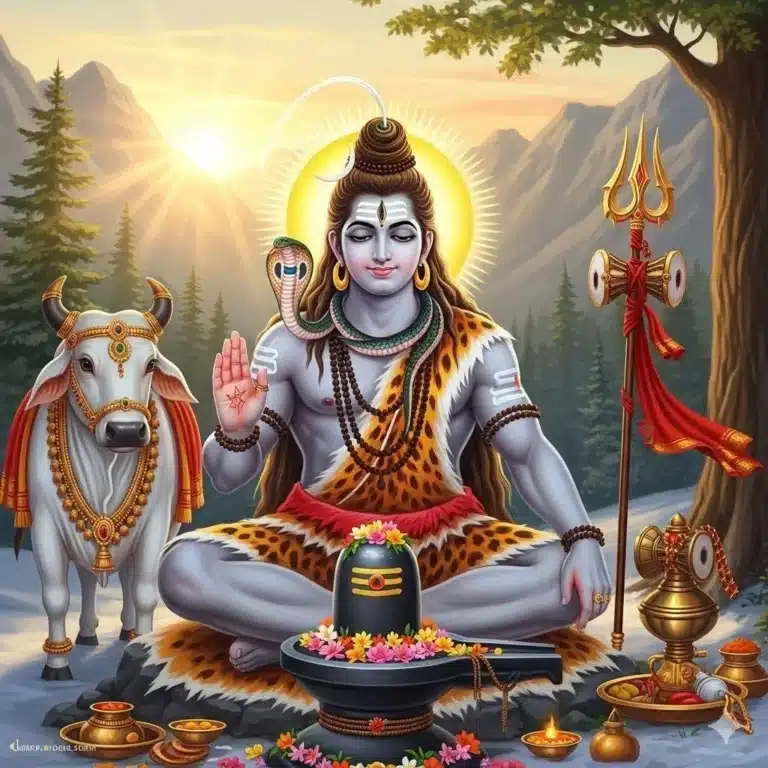
Guru Stotram अखण्ड-मण्डलाकारं व्याप्तं येन चराचरम्।तत्पदं दर्शितं येन तस्मै श्री गुरवे नमः॥१॥ akhaṇḍa-maṇḍalākāraṃ vyāptaṃ yena carācaram.tatpadaṃ darśitaṃ yena tasmai śrī gurave namaḥ..1.. Salutations are to that guru who showed me the abode, the one who is to be known, whose form is the entire universe and by whom all the movable and immovable are pervaded. अज्ञान-तिमिरान्धस्य ज्ञानाञ्जन-शलाकया।चक्षुरुन्मीलितं येन तस्मै श्री गुरवे नमः ॥२॥ ajñāna-timirāndhasya jñānāñjana-śalākayā.cakṣurunmīlitaṃ yena tasmai śrī gurave namaḥ ..2.. Salutations are to that guru who opened the eye of one blind due to the darkness (cover) of ignorance with a needle coated with the ointment of knowledge. गुरुर्ब्रह्मा गुरुर्विष्णुः गुरुर्देवो महेश्वरः ।गुरुरेव परं ब्रह्म तस्मै श्री गुरवे नमः॥३॥ gururbrahmā gururviṣṇuḥ gururdevo maheśvaraḥ .gurureva paraṃ brahma tasmai śrī gurave namaḥ..3.. Salutations to that guru who is the creator, sustainer and destroyer, who is the limitless one. स्थावरं जङ्गमं व्याप्तं यत्किञ्चित् सचराचरम्।तत्पदं दर्शितं येन तस्मै श्री गुरवे नमः॥४॥ sthāvaraṃ jaṅgamaṃ vyāptaṃ yatkiñcit sacarācaram.tatpadaṃ darśitaṃ yena tasmai śrī gurave namaḥ..4.. Salutations are to that guru who showed me the one to be known, who permeates whatever is movable, immovable, sentient or insentient. चिन्मयं व्यापि यत्सर्व त्रैलोक्यं सचराचरम्।तत्पदं दर्शितं येन तस्मै श्री गुरवे नमः॥५॥ cinmayaṃ vyāpi yatsarva trailokyaṃ sacarācaram.tatpadaṃ darśitaṃ yena tasmai śrī gurave namaḥ..5.. Salutations to that teacher who showed me (by teaching) the one to be known, who is but awareness and who is the pervader of all three worlds comprising the sentient and insentient. सर्व-श्रुति-शिरोरत्न- विराजित-पदाम्बुजः।वेदान्ताम्बुज-सूर्यो यः तस्मै श्री गुरवे नमः॥६॥ sarva-śruti-śiroratna- virājita-padāmbujaḥ.vedāntāmbuja-sūryo yaḥ tasmai śrī gurave namaḥ..6.. Salutations are to that guru who is the sun to the lotus of Vedanta and whose lotus feet are made radiant by the jewel of all srutis (Upanishads). चैतन्यः शाश्वतः शान्तः व्योमातीतो निस्अनः।बिन्दु-नाद-कलातीतः तस्मै श्री गुरवे नमः ॥७॥ caitanyaḥ śāśvataḥ śāntaḥ vyomātīto nisanaḥ.bindu-nāda-kalātītaḥ tasmai śrī gurave namaḥ ..7.. Salutations are to that guru who is awareness, changeless (beyond time), who is peace, beyond space, pure (free from likes and dislikes), and who is beyond the manifest and the unmanifest (Nada, Bindu, etc.). ज्ञान-शक्ति-समारूढः तत्त्वमाला-विभूषितः।भुक्ति-मुक्ति-प्रदाता च तस्मै श्री गुरवे नमः॥८॥ jñāna-śakti-samārūḍhaḥ tattvamālā-vibhūṣitaḥ.bhukti-mukti-pradātā ca tasmai śrī gurave namaḥ..8.. Salutations are to that guru who is rooted in knowledge that is power, adorned with the garland of truth and who is the bestower of the joy of liberation. अनेक-जन्म-सम्प्राप्त- कर्म-बन्ध-विदाहिने।आत्मज्ञान-प्रदानेन तस्मै श्री गुरवे नमः॥९॥ aneka-janma-samprāpta- karma-bandha-vidāhine.ātmajñāna-pradānena tasmai śrī gurave namaḥ..9..ug Salutations are to that guru who by bestowing the knowledge of the self burns up the bondage created by accumulated actions of innumerable births. शोषणं भव-सिन्धोश्च ज्ञापनं सार-सम्पदः ।गुरोः पादोदकं सम्यक् तस्मै श्री गुरवे नमः ॥ १० ॥ śoṣaṇaṃ bhava-sindhośca jñāpanaṃ sāra-sampadaḥ .guroḥ pādodakaṃ samyak tasmai śrī gurave namaḥ .. 10 .. Salutations are to that guru; the perennial flow of wisdom from the one rooted in the vision of the sruti, dries up totally to ocean of transmigration (samsara) and reveals the essence of all wealth (the freedom of want). न गुरोरधिकं तत्त्वं न गुरोरधिकं तपः।तत्त्वज्ञानात् परं नास्ति तस्मै श्री गुरवे नमः॥११॥ na guroradhikaṃ tattvaṃ na guroradhikaṃ tapaḥ.tattvajñānāt paraṃ nāsti tasmai śrī gurave namaḥ..11.. There is nothing superior to knowledge of truth, nothing higher than the truth, and there is no purifying austerity better than the truth; salutations to that guru. मन्नाथः श्रीजगन्नाथः मद्गुरुः श्री जगद्गुरुः ।मदात्मा सर्वभूतात्मा तस्मै श्री गुरवे नमः ॥ १२॥ mannāthaḥ śrījagannāthaḥ madguruḥ śrī jagadguruḥ .madātmā sarvabhūtātmā tasmai śrī gurave namaḥ .. 12.. Prostrations to that guru who is the lord of the universe, my teacher, who is the teacher of the universe, who is the self in me, and the self in all beings. गुरुरादिरनादिश्च गुरुः परमदैवतम्।गुरोः परतरं नास्ति तस्मै श्री गुरवे नमः॥ १३॥ gururādiranādiśca guruḥ paramadaivatam.guroḥ parataraṃ nāsti tasmai śrī gurave namaḥ.. 13.. Salutations are to that guru who is the beginning and the beginningless, who is the highest deity and to whom there is none superior. त्वमेव माता च पिता त्वमेव । त्वमेव बन्धुश्च सखा त्वमेवत्वमेव विद्या द्रविणं त्वमेव । त्वमेव सर्वं मम देवदेव ॥ १४॥ tvameva mātā ca pitā tvameva . tvameva bandhuśca sakhā tvamevatvameva vidyā draviṇaṃ tvameva . tvameva sarvaṃ mama devadeva .. 14.. O god of all gods, you alone are my mother, father, kinsman, friend, the knowledge and wealth. You are everything to me. Description Guru stotram is a selection of 14 verses from the Guru Geeta, found in Skanda Purana. It is a conversation between Lord Shiva & Parvati on the glory of the Guru. Gu – Darkness. Ru – Remover.

Guru Stotram Read Post »

guru3
Guru

Guru Sishya Parampara

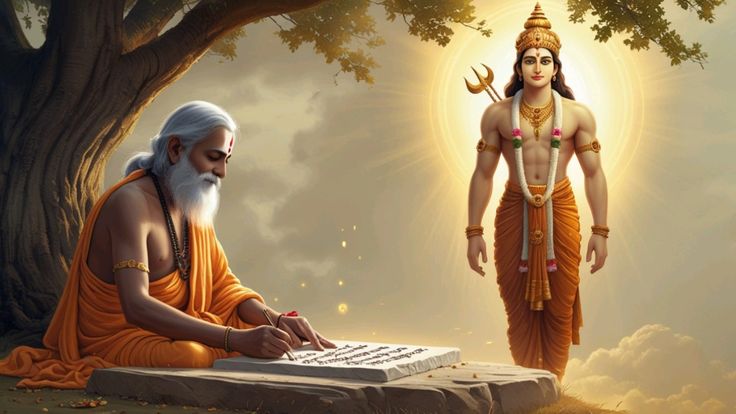
Guru Sishya Parampara सदाशिव-समारम्भां शङ्कराचार्य-मध्यमाम्।अस्मदाचार्य-पर्यन्तां वन्दे गुरु-परम्पराम्॥१॥ sadāśiva-samārambhāṃ śaṅkarācārya-madhyamām.asmadācārya-paryantāṃ vande guru-paramparām..1.. Salutation to the lineage starting with lord Sadasiva, with Adi Sankara in the middle and continuing up to my immediate teacher. नमोऽस्तु ते व्यास विशालबुद्धे फुल्लारविन्दायतपत्रनेत्र।येन त्वया भारततैलपूर्णः प्रज्चालितो ज्ञानमयः प्रदीपः ॥२॥ namo’stu te vyāsa viśālabuddhe phullāravindāyatapatranetra.yena tvayā bhāratatailapūrṇaḥ prajcālito jñānamayaḥ pradīpaḥ ..2.. Obeisance to thee, O Vyasa, of might intellect, with eyes large as a petal of a fully blossomed Lotus, and it was by thee the lamp of wisdom was lit filled with the oil that is Mahabharata श्रुति-स्मृति-पुराणानाम् आलयं करुणालयम्।नमामि भगवत्पाद- शङ्करं लोकशङ्करम्॥३॥ śruti-smṛti-purāṇānām ālayaṃ karuṇālayam.namāmi bhagavatpāda- śaṅkaraṃ lokaśaṅkaram..3.. I bow at the feet of the Lord in the form of Sri Sankarācārya, who is the blessing for the humanity, who is the shrine for the śruti, the smrti and the purana, and, who is the abode of compassion. शङ्करं शङ्कराचार्य केशवं बादरायणम्।सूत्र-भाष्य-कृती वन्दे भगवन्तौ पुनः पुनः॥४॥ śaṅkaraṃ śaṅkarācārya keśavaṃ bādarāyaṇam.sūtra-bhāṣya-kṛtī vande bhagavantau punaḥ punaḥ..4.. Salutations again and again to Lord Siva in the form of Śrī Śankarācārya and Lord Vişnu in the form of Veda Vyasa (badarāyana), who were the authors of sutra and bhāṣya. गुरुर्ब्रह्मा गुरुर्विष्णुः गुरुर्देवो महेश्वरः।गुरुः साक्षात् परं ब्रह्म तस्मै श्रीगुरवे नमः॥५॥ gururbrahmā gururviṣṇuḥ gururdevo maheśvaraḥ.guruḥ sākṣāt paraṃ brahma tasmai śrīgurave namaḥ..5.. Guru is Brahma, Vishnu and Mahesha, in fact guru is Prabrahma himself, the Brahman, the Absolute. Salutations to such guru. श्रीचिन्मय-यतीशस्य गुरुं वन्दे तपोवनम्।तं हिमवद्-विभूतिं वै ज्ञान-वैराग्य-रूपिणम्॥६॥ śrīcinmaya-yatīśasya guruṃ vande tapovanam.taṃ himavad-vibhūtiṃ vai jñāna-vairāgya-rūpiṇam..6.. समस्त-जन-कल्याणे निरतं करुणामयम् ।नमामि चिन्मयं देवं सद्गुरुं ब्रह्मविद्वरम्॥७॥ samasta-jana-kalyāṇe nirataṃ karuṇāmayam .namāmi cinmayaṃ devaṃ sadguruṃ brahmavidvaram..7.. I salute, Shri Chinmaya, the noble teacher, the best of the knowers of Brahman (the highest Reality), and who full of compassion, is ever engaged in the welfare of all people. Description Guru-Sishya Parampara is the teacher-disciple lineage. Being a civilization that respects experiential knowledge, we hold high respect for the teacher of such knowledge. Below is commentary for selected verses: sadāśiva-samārambhāṃ śaṅkarācārya-madhyamām.asmadācārya-paryantāṃ vande guru-paramparām Salutation to the lineage starting with lord Sadasiva, with Adi Sankara in the middle and continuing up to my immediate teacher. Being a civilization that respects experiential knowledge, we hold high respect for the teacher of such knowledge. Guru is said to be worthy of such respect and unwavering trust of the disciple, since he takes the responsibility for molding the disciple into what he should be. The disciple that follows Guru’s word with faith, is supposed to be assured of reaching the goals (sometimes irrespective of the personal merit of the teacher). The Advaita Guru-Paramparā (“Lineage of Gurus in Non-dualism”) is the traditional list (parampara) of divine, Vedic and historical teachers of Advaita Vedanta. It begins with the Daiva-paramparā, the gods; followed by the Ṛṣi-paramparā, the Vedic seers; and then the Mānava-paramparā, with the historical teachers Gaudapada and Shankaracharya, and four of Shankara’s pupils. Of the five contemporary acharyas, the heads of the five Advaita mathas, four acharyas trace their lineage to those four pupils and one to Adi Shankara himself. Deva, Rsi and Manav ParamparāThe Advaita guru-paramparā (Lineage of Gurus in Non-dualism) begins with the mythological time of the Daiva-paramparā, followed by the vedic seers of the Ṛṣi-paramparā, and the Mānava-paramparā of historical times and personalities: Daiva-paramparāNārāyaṇaPadmabhuva (Brahmā) Ṛṣi-paramparāVaśiṣṭhaŚaktiParāśaraVyāsaŚuka Mānava-paramparāGauḍapādaGovinda bhagavatpādaŚankara bhagavatpāda, and then Shankara’s four disciplesPadmapādaHastāmalakaToṭakaVārtikakāra (Sureśvara) and others Each Yuga has its own gurus or Acharyas: In the Satya or Krata Yuga: Lord Narayana and Lord Brahma.In the Treta Yuga: Vasishta Maharishi, Śakti Maharṣi and Parashara Maharishi.In the Dvapara Yuga: Veda Vyasa and Sri Shuka AcharyaIn the Kali Yuga: Sri Gaudapada Acharya, Govinda Bhagavatpadacharya, Shri Shankarāchārya, and the subsequent lineage. Jagadgurus of the four Advaita MathasAccording to tradition, Sankara organised a section of the Ēkadaṇḍisannyāsins into the Dashanami Sampradaya, establishing four mathas in north, west, east, and south India, to facilitate the teaching of Advaita Vedanta, and maintain the dharma. He entrusted his four disciples to each of these four mathas. Some of the famous and current Mathadhipatis titled ‘Sankaracharyas’ are listed below: Sringeri Sharada PeethamSri Sacchidananda Shivabhinava Narasimha Bharathi Mahaswami, Jagadguru of Sringeri Sharada Peetham (1865–1912); initiated many into Adi Shankaracharya’s philosophy including Sacchidanandendra Saraswati- founder of Adhyatma Prakashana Karyalaya; known as “Abhinava Shankara” because of his many tours around Bharatvarsha spreading the Advaita Vedanta philosophy and Hindu Dharma Sri Chandrashekhara Bharathi Mahaswami, Jagadguru of Sringeri Sharada Peetham (1912–1954). Sri Abhinavavidya Tirtha Mahaswamiji, Jagadguru of Sringeri Sharada Peetham (1954–1989); A great Yogi and master of scriptures. In His many tours of Bharatvarsha and also Nepal He established many maths, shrines and temples. Sri Bharathi Tirtha Mahaswami, Jagadguru of Sringeri Sharada Peetham (1989- ); A sage and present Jagadguru of Shringeri Peetha, Sringeri, Karnataka. Jyotir MathSwaroopanand Saraswati Govardhan PeethamKalika Pitha This famous sloka lists the essential Advaita Guru parampara as follows: Sada Shiva SamarambhamSankaracharya MadhyamamAsmat aacharya ParyanthamVande Guru Paramparaa Which translates as: Beginning with lord Sadashiva,With Sankaracharya in the middle,And till my acharya,I bow to the tradition of teachers For more information please visit this wikipedia article. śrutismrtipurāṇānam alayam karunālayamnamāmi bhagavatpadam sankaram lokaśankaram. I bow at the feet of the Lord in the form of Sri Sankarācārya, who is the blessing for the humanity, who is the shrine for the śruti, the smrti and the purana, and, who is the abode of compassion. In this verse, there is a statement of fact: Sri Sankara is srutismrtipurananam alayam. A shrine, a temple, is called alaya. Also any place where a sacred thing is kept is an alaya. Books are sacred, so a library is called pustakalaya. Sri Sankaracarya is an alaya of sruti-smrti-puranas. Sruti is all the Vedas, the karmakanda as well as the last portion of the Vedas known as Vedanta. Since sruti has come down to us through the rishis, there is no authorship (apaurusheyatvam), whereas, smrti has authorship. The kalpa-sutras are a development of the statements of the smrti, written by people who had a status similar to the one the rishis enjoyed. They knew about rituals, values, dharma, etc. All the dharma-sastras come under smrti. Even itihasa is called smrti. It is a combination of history and poetry, unlike Indian history, that is half history and half fiction! The purana appears on a bigger canvas. Its

Guru Sishya Parampara Read Post »

guru1
Guru

Guru Paduka Stotram

Guru Paduka Stotram अनन्तसंसार समुद्रतार नौकायिताभ्यां गुरुभक्तिदाभ्याम् ।वैराग्यसाम्राज्यदपूजनाभ्यां नमो नमः श्रीगुरुपादुकाभ्याम् ॥ 1 ॥ anantasaṃsāra samudratāra naukāyitābhyāṃ gurubhaktidābhyām ।vairāgyasāmrājyadapūjanābhyāṃ namo namaḥ śrīgurupādukābhyām ॥ 1 ॥ Salutations to the sandals of my Guru,Which is a boat, which helps me,cross the endless ocean of life,Which endows me, with the sense of devotion to my Guru,And by worship of which, I attain the dominion of renunciation. कवित्ववाराशिनिशाकराभ्यां दौर्भाग्यदावां बुदमालिकाभ्याम् ।दूरिकृतानम्र विपत्ततिभ्यां नमो नमः श्रीगुरुपादुकाभ्याम् ॥ 2 ॥ kavitvavārāśiniśākarābhyāṃ daurbhāgyadāvāṃ budamālikābhyām ।dūrikṛtānamra vipattatibhyāṃ namo namaḥ śrīgurupādukābhyām ॥ 2 ॥ Salutations to the sandals of my Guru,Which is the ocean of knowledge, resembling the full moon,Which is the water, which puts out the fire of misfortunes,And which removes distresses of those who prostrate before it. नता ययोः श्रीपतितां समीयुः कदाचिदप्याशु दरिद्रवर्याः ।मूकाश्र्च वाचस्पतितां हि ताभ्यां नमो नमः श्रीगुरुपादुकाभ्याम् ॥ 3 ॥ natā yayoḥ śrīpatitāṃ samīyuḥ kadācidapyāśu daridravaryāḥ ।mūkāśrca vācaspatitāṃ hi tābhyāṃ namo namaḥ śrīgurupādukābhyām ॥ 3 ॥ Salutations to the sandals of my Guru,Which make those who prostrate before it,Possessors of great wealth, even if they are very poor,And which makes even dumb people in to great orators. नालीकनीकाश पदाहृताभ्यां नानाविमोहादि निवारिकाभ्याम् ।नमज्जनाभीष्टततिप्रदाभ्यां नमो नमः श्रीगुरुपादुकाभ्याम् ॥ 4 ॥ nālīkanīkāśa padāhṛtābhyāṃ nānāvimohādi nivārikābhyām ।namajjanābhīṣṭatatipradābhyāṃ namo namaḥ śrīgurupādukābhyām ॥ 4 ॥ Salutations to the sandals of my Guru,Which attracts us, to lotus like feet of our Guru,Which cures us, of the unwanted desires,And which helps fulfill the desires of those who salute. नृपालि मौलिव्रजरत्नकान्ति सरिद्विराजत् झषकन्यकाभ्याम् ।नृपत्वदाभ्यां नतलोकपङ्कते: नमो नमः श्रीगुरुपादुकाभ्याम् ॥ 5 ॥ nṛpāli maulivrajaratnakānti saridvirājat jhaṣakanyakābhyām ।nṛpatvadābhyāṃ natalokapaṅkate: namo namaḥ śrīgurupādukābhyām ॥ 5 ॥ Salutations to the sandals of my Guru,Which shine like gems on the crown of a king,Which shine like a maid in the crocodile infested stream,And which make the devotees attain the status of a king. पापान्धकारार्क परम्पराभ्यां तापत्रयाहीन्द्र खगेश्र्वराभ्याम् ।जाड्याब्धि संशोषण वाडवाभ्यां नमो नमः श्रीगुरुपादुकाभ्याम् ॥ 6 ॥ pāpāndhakārārka paramparābhyāṃ tāpatrayāhīndra khageśrvarābhyām ।jāḍyābdhi saṃśoṣaṇa vāḍavābhyāṃ namo namaḥ śrīgurupādukābhyām ॥ 6 ॥ Salutations to the sandals of my Guru,Which is like a series of Suns, driving away the dark sins,Which is like the king of eagles, driving away the cobra of miseries,And which is like a terrific fire drying away the ocean of ignorance. शमादिषट्क प्रदवैभवाभ्यां समाधिदान व्रतदीक्षिताभ्याम् ।रमाधवान्ध्रिस्थिरभक्तिदाभ्यां नमो नमः श्रीगुरुपादुकाभ्याम् ॥ 7 ॥ śamādiṣaṭka pradavaibhavābhyāṃ samādhidāna vratadīkṣitābhyām ।ramādhavāndhristhirabhaktidābhyāṃ namo namaḥ śrīgurupādukābhyām ॥ 7 ॥ Salutations to the sandals of my Guru,Which endows us, with the glorious six qualities like sham,Which gives the students ,the ability to go in to eternal trance,And which helps to get perennial devotion to the feet of Vishnu. स्वार्चापराणाम् अखिलेष्टदाभ्यां स्वाहासहायाक्षधुरन्धराभ्याम् ।स्वान्ताच्छभावप्रदपूजनाभ्यां नमो नमः श्रीगुरुपादुकाभ्याम् ॥ 8 ॥ svārcāparāṇām akhileṣṭadābhyāṃ svāhāsahāyākṣadhurandharābhyām ।svāntācchabhāvapradapūjanābhyāṃ namo namaḥ śrīgurupādukābhyām ॥ 8 ॥ Salutations to the sandals of my GuruWhich bestows all desires of the serving disciples,Who are ever involved in carrying the burden of serviceAnd which helps the aspirants to the state of realization. कामादिसर्प व्रजगारुडाभ्यां विवेकवैराग्य निधिप्रदाभ्याम् ।बोधप्रदाभ्यां दृतमोक्षदाभ्यां नमो नमः श्रीगुरुपादुकाभ्याम् ॥ 9 ॥ kāmādisarpa vrajagāruḍābhyāṃ vivekavairāgya nidhipradābhyām ।bodhapradābhyāṃ dṛtamokṣadābhyāṃ namo namaḥ śrīgurupādukābhyām ॥ 9 ॥ Salutations to the sandals of my GuruWhich is the Garuda, which drives away the serpent of passion,Which provides one, with the treasure of wisdom and renunciation,Which blesses one, with enlightened knowledge,And blesses the aspirant with speedy salvation. Description Guru Paduka Stotram is a very powerful chant that glorifies the “Padukas (Sandals) of the Guru, which are symbolically represented as “the boat to help cross the endless ocean of life.” This chant enables one to become receptive to the Guru’s Grace. Guru Paduka Stotram is a very powerful chant that glorifies the “Padukas (Sandals) of the Guru, which are symbolically represented as “the boat to help cross the endless ocean of life.” This chant enables one to become receptive to the Guru’s Grace. Composed by Sri Adi Shankaracharya over a thousand years ago, Guru Paduka Stotram is a well-known sanskrit chant expressing the importance of the Guru’s grace for any seeker. The Guru Paduka Stotram honours the presence of a Guru in one’s life. This hymn praises the many qualities of a learned master and how a seeker’s life transforms under a master’s guidance.Adi Shankaracharya while walking on the banks of the river Narmada in search of his spiritual master, saw the padukas or sandals of Sri Govind Bhagavatpada outside a cave and immediately recognized them as those belonging to who was to be his Guru. Having found the Guru that he had been searching for, he was filled with abundant joy. He beheld the sandals of his Guru for the first time. And in an outpouring of devotion, he recited the Guru Paduka Stotram. THE IMPORTANCE OF WORSHIPING THE GURU PADUKAS Reason 1: Padukas & Self-KnowledgeOne Paduka represents the Truth or Self-Knowledge in which the Master is established, which lies dormant in our hearts and to which we have to awaken. The other Paduka is the symbol of awakening other people. Just as a lit candle, lights up other candles, the Master too has realized the Truth and His life is spent in awakening others. When we worship the Padukas, we worship the Supreme Truth or Self-Knowledge. This Truth is in our own hearts as Consciousness, which is the All-Pervasive, Omnipotent, Omnipresent, Omniscient Reality, which we also call Ishwara. Even though we are yet to realize the Truth, by worshipping the Padukas we pray that we may wake up and awaken others. The great Swami Chinmayananda explained the significance of the pada-puja/paduka puja as follows:“Just as a Shiva Linga represents Shiva and Shaligrama represents Vishnu, in the same way, the feet of the Teacher represent to the students, not the feet, but the underlying concept. What we are invoking is Brahman, the Lord. But we cannot go directly to Him. We want a symbol. At this time, there is no symbol more sacred than the feet/Padukas of the teacher.” Reason 2: Padukas & HumilityAnother question that may strike us is How can I realize this Truth? What is required to know it? Self-Knowledge is the direct means to Know the Truth. To attain

Guru Paduka Stotram Read Post »

8e76daeca82e58ea02dd581a477b3ba6
Puja Vidhi

Chhath Puja Vidhi

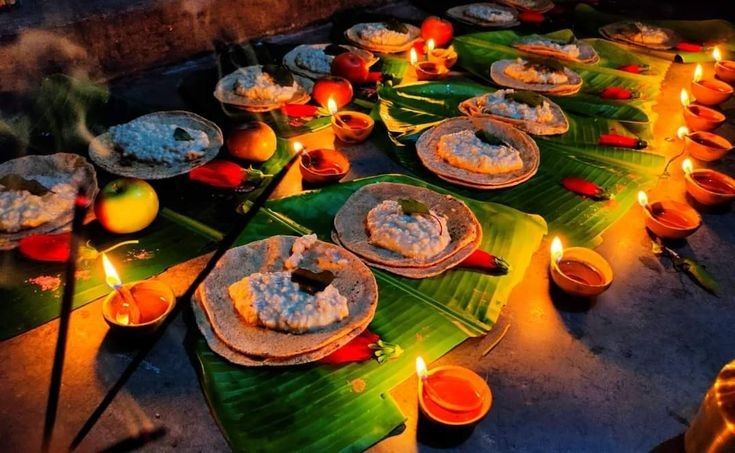
Chhath Puja Vidhi: How to do Chhath Puja perfectly at home How to prepare the home and self for Chhath Puja and conduct it perfectly. Chhath Puja is an ancient ritual to worship the sun. The auspicious day for this particular prayer falls 6 days after Diwali, hence it is called Chhath puja, for Chhath means six. Despite that the prayer is said to predate the time of the Ramayana. Sita and Ram performed it after their 14 years of exile.RitualsThe prayer is a four day prayer which is traditionally performed at the banks of the Ganga.One day before the puja begins, one must preferably take a dip in the river Ganga to purify themselves, bringing some water home for furthur rituals.On the first day they must clean their house and surroundings well, using a bit of the gangajal to purify it furthur and purify themselves as well. They must fast, only taking in one meal in the day. Every corner of the house and every item used in the house should be purified.On the second day, they must fast for the whole day, taking in no food or water. After sunset they must pray to the sun and the moon, offering the traditional prasad to family and friends as prasad and only then can they break their fast.The traditional prasad is chapati and kheer, though some include bananas as well. The third day is the main day. They must again worship the setting sun. It is advised they go to the river bank, reaching here before sunset along with other family and friends participating in the puja so they can pray together. As the festival falls on a dark moon, the main sources of light will be man made as many gather to pray at the shore. This adds to the camraderie of the prayer.There must be some arrangements for shelter overnight at the river shore, if one doesn’t live close enough for on the last day, they must be at the river bank at sunrise, to pray to the rising sun. They can break their fast after the prayer and the puja will be complete.Note for Chhath Puja foodEven when breaking one’s fast, one must follow a few rules. The food has to be vegetarian, with no salt, onion and garlic.Traditional prasad is thekua, a biscuit made of wheat flour with butter, coconut and jaggery, Kheer, rice pudding, and laddoos made out of rice grit, and sugarcane, sweet lime and banana.The prasad can only be prepared after the kitchen is purified and no one who hasn’t had a bath is allowed in the kitchen. The one preparing prasad must not only have had a bath but also abstain from food and wearing stitched clothes

Chhath Puja Vidhi Read Post »

7a5fe059c124557160957112b294fe48
Puja Vidhi

Goverdhan Puja Vidhi

Goverdhan Puja Vidhi Govardhan Puja, also known as Annakut, is a sacred Hindu festival celebrated on the fourth day of Diwali. The festival commemorates the divine leela of Shri Krishna, who lifted the mighty Govardhan Hill to protect the people of Vrindavan from the wrath of Indra Dev. It is a celebration of gratitude and humility, reminding devotees that nature and divine grace together sustain life. On this day, devotees honour Govardhan Hill, cows, and Shri Krishna by offering prayers, preparing a variety of vegetarian dishes, and performing rituals that symbolize devotion and thankfulness. The festival is especially significant in Mathura, Vrindavan, Gokul, and the Braj region, where Krishna spent his childhood, but it is also celebrated with devotion across India. At its core, Govardhan Puja teaches that true prosperity lies in harmony with nature, respect for animals, and surrender to the divine. By worshipping Shri Krishna as Giriraj (the lifter of Govardhan Hill), devotees express their faith in his eternal protection and blessings. Govardhan Puja 2026: Date, Time & Muhurat In 2026, Govardhan Puja will be celebrated on Monday, November 9, 2026 . Devotees will perform rituals in the morning and evening muhurat, offering gratitude to Shri Krishna, Govardhan Hill, and cows. Govardhan Puja on Monday, November 9, 2026 Govardhan Puja Sayankala Muhurat – 03:46 PM to 06:02 PM Duration – 02 Hours 16 Mins Dyuta Krida on Tuesday, November 10, 2026 Pratipada Tithi Begins – 12:31 PM on Nov 09, 2026 Pratipada Tithi Ends – 02:00 PM on Nov 10, 2026 Special Note: As per ancient Hindu texts, if the moon rises or is visible during the stipulated Govardhan Puja Shubh Muhurat, the puja should be performed on the next day. Govardhan Puja Vrat Katha In the sacred land of Vrindavan, the villagers once prepared a grand yajna to honor Indra Dev, the god of rains. Young Shri Krishna, seeing the preparations, asked Mother Yashoda about the rituals. She explained that the people worshipped Indra to ensure timely rains and fertile harvests. Hearing this, Krishna gently questioned the need to worship Indra. He reminded the villagers that their cows, crops, and lives were actually sustained by Govardhan Hill, which provided fresh grass, herbs, and pure water. Krishna taught that true gratitude should be directed toward nature and Govardhan, not Indra. Moved by Krishna’s wisdom, the villagers decided to worship Govardhan Hill instead of Indra. They prepared a grand Annakut (mountain of food) with countless vegetarian dishes and offered it with devotion to Govardhan. Shri Krishna Himself revealed a divine form, accepting the offerings and blessing the people. When Indra learned of this, he became furious. Blinded by pride, he unleashed torrential rains and storms upon Vrindavan, determined to punish the villagers. Thunder roared, lightning struck, and floods threatened to destroy their homes and cattle. Terrified, the villagers ran to Krishna for protection. Smiling with compassion, Krishna lifted the mighty Govardhan Hill on his little finger, holding it like an umbrella. Under its shelter, the people of Vrindavan, along with their cows and belongings, remained safe and dry. For seven continuous days and nights, Krishna stood firm, shielding His devotees from Indra’s wrath. Realizing Krishna’s divinity and his own arrogance, Indra eventually stopped the storm. Overcome with shame, he came before Krishna to seek forgiveness. Along with Surabhi, the celestial cow, Indra performed an abhishek (ritual bathing) of Krishna with milk and sacred waters. From that day, Krishna was given the name Govinda, protector of the cows and provider of prosperity. Since then, devotees celebrate Govardhan Puja each year by preparing Annakut, offering 56 varieties of food (Chappan Bhog), worshipping cows, and expressing gratitude to Shri Krishna, Govardhan Hill, and nature for sustaining life. How to Perform Govardhan Puja (Vidhi) Govardhan Puja is performed with deep devotion as an expression of gratitude to Shri Krishna, Govardhan Hill, cows, and nature. The rituals may vary slightly across regions, but the essence remains the same. Here are the key steps: 1. Making the Govardhan Mound 2. Offering Chappan Bhog (56 Dishes) 3. Worshipping Cows (Godhan Puja) 4. Mantra Japa & Meditation Recite the Hare Krishna Mahamantra:Hare Krishna, Hare Krishna, Krishna Krishna, Hare HareHare Rama, Hare Rama, Rama Rama, Hare Hare Meditate on Shri Krishna’s Govardhan Leela, surrendering with faith and gratitude. 5. Visiting Temples & Aarti Govardhan Puja History The history of Govardhan Puja, also known as Annakut, stretches back over five thousand years to the Dwapara Yuga and is closely tied to the divine childhood pastimes (leelas) of Shri Krishna. Its roots are found in the Bhagavata Purana, Vishnu Purana, and other sacred texts, which describe how this festival came to be. In Vrindavan, the simple cowherd community depended on rains for their crops and cattle. Out of tradition, they offered prayers and sacrifices to Indra Dev, the king of the heavens and god of rains. But the young Krishna, barely seven years old, questioned this practice. He taught that it was not Indra but Govardhan Hill and nature itself that sustained them- providing grass for the cows, fertile soil for crops, and pure water. Persuaded by Krishna’s wisdom, the villagers shifted their devotion from Indra to Govardhan Hill. Angered at being ignored, Indra unleashed a devastating storm to punish them. To protect His devotees, Krishna lifted Govardhan Hill on His little finger and held it aloft like an umbrella for seven days and nights. All the people and animals of Vrindavan took shelter beneath the hill, safe from Indra’s fury. Finally, realizing Krishna’s divinity as none other than Bhagwan Vishnu Himself, Indra bowed down, his pride shattered. Along with Surabhi, the celestial cow, he performed an abhishek (ritual bathing) of Krishna, glorifying Him as Govinda — the protector of cows and provider of prosperity. Since that miraculous event, devotees have celebrated Govardhan Puja every year, offering Annakut (a mountain of food) to Krishna and Govardhan Hill in gratitude. Over time, this tradition spread far beyond Vrindavan and became an integral part of the Diwali festivities across India. At its heart, Govardhan Puja is not only a commemoration of Krishna’s divine leela but also a timeless lesson in humility, gratitude, and harmony

Goverdhan Puja Vidhi Read Post »

guru12
Guru

Guru Brahma

Guru Brahma गुरुर्ब्रह्मा गुरुर्विष्णुः गुरुर्देवो महेश्वरः ।गुरुः साक्षात् परब्रह्म तस्मै श्री गुरवे नमः ॥ gururbrahmā gururviṣṇuḥ gururdevo maheśvaraḥ .guruḥ sākṣāt parabrahma tasmai śrī gurave namaḥ .. The guru is Brahmā, the guru is Vişņu, the guru is Maheśvara (Śiva), the guru is the self-revealing limitless Brahman. Salutations to that revered guru. Description This is the Guru Mantra or Guru Maha Mantra. The true meaning of Guru is “one who dispels darkness of ignorance”. “Gu” means “darkness of ignorance” and “Ru” means “one who removes”. This Shloka refers to the Guru as none other than Brahma – The creator, Vishnu – The sustainer and Shiva – The destroyer, since the Guru creates, sustains knowledge and destroys ignorance. By doing so he liberates the disciple from the ocean of samsara, from the trap of Maya, thereby attaining Moksha. For this, we bow down with utter humility and total gratitude to the Guru. Another meaning of the word Guru is “one who is beyond attributes and forms”. Gu stands for Gunaatheetha – one who transcends the three Gunas (Satva, Rajas and Thamas); Ru stands for Rupavarjitha – one who is formless. The One who is beyond all attributes and forms is none other than the Supreme Self (the Brahman) who is resident within each of us. Word by Word meaning of Guru Brahma Shloka Guru: Dispeller of Darkness; Gu=Darkness, Ru=RemoverBrahma: Creator; of Self-Knowlege, making us realize the Godliness in us.Vishnu: Preserver; Preserving such Self-Knowledge.Deva: God.Maheshwara: Destroyer; Of Ignorance.Saakshaat: Self/Himself.ParaBrahma: The Supreme Power, Lord; Consciousness, Self.Tasmai: To him/To such.Sri: Holy, splendorous.Namaha: Salutations. As Bhagavan Ramana Maharshi famously said: The Guru is the Self. The Guru is both ‘external’ and ‘internal’. From the ‘exterior’ he gives a push to the mind to turn inward; from the ‘interior’ He pulls the mind towards the Self and helps in the quieting of the mind. That is Guru’s grace. There is no difference between God, Guru and the Self. And when asked as to how does one find a Guru, he said the following: God, who is immanent, in His grace takes pity on the loving devotee and manifests Himself as the Guru according to the devotee’s development. The devotee thinks that He is an individual and expects a relationship as between two physical bodies. But the Guru, who is God or the Self incarnate, works from within, helps the person to see the error of his ways and guides him in the right path until he realizes the Self within. Therefore, all that the disciple has to do is this: He has only to act up to the words of the Guru and work within. The Guru is both ‘within’ and ‘without’, so He creates conditions to drive you inward and at the same time prepares the ‘interior’ to drag you to the Centre. Thus, He gives a push from ‘without’ and exerts a pull from ‘within’, so that you may be fixed at the Centre. Another Shlokam that glorifies the Guru as none other than Iswara or the Self, is Ishwaro Guru Atmeti Excerpt from the book ‘Prayer Guide’ by Swami Dayananda SaraswatiOnly the truth element is taken into account because the Guru teaches that you are Brahman, you are limitless. When he teaches that you are limitless, he does not mean,“I am limited; you are limitless.” In fact, you are limitless, and he is limitless. The limitless is Brahma, the limitless is Visnu, the limitless is Rudra, or Siva, and the limitless is you. Everything is this limitless Brahman. So, when we praise the Guru, the human element is just completely absorbed in the total. You either relegate the human element to the background, or you absorb it into the total. It is the total that is worshipped. In that way, the Guru, the person with a human body who teaches, becomes a kind of an altar of worship, but what is being invoked is the Lord. When you worship the form of Sri Daksinamurti in the temple, it is not the form you are worshipping, but the Lord. You invoke and worship the Lord in a particular form. Similarly, when you praise the person who teaches you and for whom you have sraddha, it is not the individual person you praise, but the teaching itself, for what he teaches is not separate from him. Praise of the Guru is praise for the truth of the teaching.

Guru Brahma Read Post »

9e9ca2f825df8a7d48a194d4619b59f9
Puja Vidhi

Dhanteras Puja Vidhi

Dhanteras Puja Vidhi Dhanteras opens the Diwali season with a focus on wealth, health, and spiritual renewal. The day honors Goddess Lakshmi for prosperity and Lord Dhanvantari for well-being, blending material success with inner balance. In 2026 the festival falls on Friday, November 6, 2026 , with the Dhantrayodashi 2026 rituals beginning on the evening of 5th November and continuing into the next night. Families prepare for Lakshmi puja on Dhanteras by decorating their homes, lighting lamps, and setting up altars to invite abundance. The extended muhurta is ideal for the traditional Dhanteras gold purchase 2026, a practice believed to attract lasting fortune while marking the start of joyful Diwali celebrations. What is Dhanteras? (Meaning & Origin) Dhanteras marks the first day of Diwali and is dedicated to both material prosperity and lasting health. The name combines the Sanskrit words Dhan, meaning wealth, and Teras, meaning the thirteenth day, pointing to its observance on the thirteenth lunar day of the Kartik month. It signals the start of the festival of lights and is considered one of the most auspicious days for inviting fortune into the home. The origin of Dhanteras reaches back to the Samudra Manthan, the cosmic churning of the Ocean of Milk by devas and asuras to obtain amrit, the nectar of immortality. During this event Goddess Lakshmi emerged holding the promise of abundance, while Lord Dhanvantari, the Dhanvantari avatar of Vishnu and Father of Ayurveda, rose carrying the amrit kalash filled with the nectar of eternal health. Their appearance established Dhanteras as a day honoring both wealth and wellbeing. Devotees worship Goddess Lakshmi for prosperity, Kubera as the keeper of treasures, and Lord Dhanvantari for protection from disease. Families perform Lakshmi and Kubera puja along with Dhanvantari puja vidhi, light lamps, and chant Dhanvantari mantra for health to seek blessings of financial stability and robust vitality. These observances make Dhanteras a festival where spiritual harmony and worldly success come together at the very start of Diwali. Dhanteras 2026 Date and Muhurat Dhanteras Puja on Friday, November 6, 2026 Dhanteras Puja Muhurat – 05:33 PM to 07:24 PM Duration – 01 Hour 51 Mins Yama Deepam on Friday, November 6, 2026 Pradosh Kaal – 05:06 PM to 07:48 PM Vrishabha Kaal – 05:33 PM to 07:24 PM Trayodashi Tithi Begins – 09:00 PM on Nov 05, 2026 Trayodashi Tithi Ends – 09:17 PM on Nov 06, 2026 On this evening the Sun will be in Libra and the Moon will transit Virgo, creating a balanced planetary alignment that supports both wealth and health rituals. This combination is viewed as favorable for inviting prosperity and ensuring stability for the months ahead. During the puja muhurat devotees light lamps, perform Lakshmi and Kubera puja, and observe Dhanvantari puja vidhi for health and vitality. The time is also ideal for a Dhanteras gold or silver purchase, bringing auspicious energy and attracting long term prosperity as the Diwali festival begins. Significance of Dhanteras Wealth and Prosperity Dhanteras significance and importance lie in its power to invite abundance and secure financial well-being. The name joins Dhan, meaning wealth, with Teras, the thirteenth lunar day, marking it as the ideal time to attract fortune. Devotees worship Goddess Lakshmi and Kubera and follow Dhanteras remedies for wealth and prosperity, such as purchasing gold, silver, or new utensils to draw positive energy and long term growth. The glow of new valuables is believed to strengthen household prosperity and set a blessed tone for the Diwali 2026 first day Dhanteras. Health and Longevity The festival also celebrates Lord Dhanvantari, the Dhanvantari avatar of Vishnu and eternal Father of Ayurveda. His emergence with the amrit kalash during the Samudra Manthan makes this day a sacred occasion for health and vitality. Families perform Dhanvantari puja vidhi Dhanteras and chant healing mantras while observing National Ayurveda Day on Dhanteras, which promotes natural medicine and the balance of mind, body, and spirit. These rituals honor the divine healer and are believed to strengthen immunity and extend life. Protection and Light Yama Deep Daan Dhanteras is another key custom that brings protection and peace. In the evening families light thirteen earthen lamps at entrances or courtyards and pray to Yama, the deity of death, to safeguard loved ones from untimely harm. The light of the diyas is said to dispel darkness, create a shield of divine energy, and invite harmony into the home. Family Bonding and Spiritual Enrichment Dhanteras also fosters family unity and spiritual awareness. Homes are cleaned and decorated with rangoli, and relatives gather to perform collective prayers and share festive meals. These shared acts of devotion strengthen love and gratitude while preparing households for the joyous days of Diwali. Together these practices highlight the complete meaning of Dhanteras, blending prosperity, health, protection, and inner fulfillment in a single sacred celebration. Legends and Stories Behind Dhanteras Samudra Manthan One of the oldest and most important legends of Dhanteras begins with the Samudra Manthan, the churning of the cosmic Ocean of Milk. The devas and asuras joined forces to obtain amrit, the nectar of immortality, using the Mandara mountain as a churning rod and the serpent Vasuki as the rope. From the swirling ocean emerged many treasures, but the most celebrated were Goddess Lakshmi, who embodies wealth and abundance, and Lord Dhanvantari, the Dhanvantari avatar of Vishnu and Father of Ayurveda. Lord Dhanvantari appeared carrying the sacred amrit kalash filled with the nectar of eternal life, along with a conch, chakra, and healing herbs. His emergence established the link between Dhanteras and both material prosperity and lasting health, inspiring devotees to honor Goddess Lakshmi for fortune and Lord Dhanvantari for vitality through Dhanvantari puja vidhi Dhanteras and related rituals. King Hima and Yama Deep Daan Another famous narrative explains the practice of Yama Deep Daan Dhanteras. King Hima’s horoscope foretold that he would die from a snakebite on the fourth night after his marriage. His young bride refused to accept this fate. On the predicted night she spread her gold ornaments and silver coins in a glittering heap at the doorway and lit countless lamps throughout the house. She entertained her husband with songs and stories to keep him awake. When Yama,

Dhanteras Puja Vidhi Read Post »

e420bf28f4d9acfc000e3aba99866eb6
Puja Vidhi

Vijayadashami Puja Vidhi

Vijayadashami: Meaning, Rituals, History, and Spiritual Significance Vijayadashami, also popularly known as Dussehra, is one of the most significant Hindu festivals celebrated across India. The word “Vijayadashami” translates to “the tenth day of victory.” It marks the triumph of righteousness over wickedness, virtue over vice, and light over darkness. This festival, which falls on the tenth day of the Hindu lunar month of Ashwin, comes right after the nine-day celebration of Navratri and Durga Puja. The beauty of Vijayadashami lies in its diversity of celebrations. In some regions, it is observed to honor Lord Rama’s victory over Ravana, while in others, it signifies Goddess Durga’s triumph over the demon Mahishasura. No matter how it is celebrated, the essence remains the same: the eternal message that good always prevails over evil. In this comprehensive blog post, we will explore the meaning, history, rituals, regional celebrations, and spiritual significance of Vijayadashami. We will also answer frequently asked questions and shed light on why this festival remains one of the most revered occasions in Hindu tradition. The Meaning of Vijayadashami The term “Vijayadashami” comes from two Sanskrit words—Vijaya (victory) and Dashami (tenth day). It represents the day when victory was achieved over evil forces. The festival is deeply symbolic, urging people to rise above negativity, embrace righteousness, and live with courage and truth. Vijayadashami is not only about remembering divine victories but also about reminding ourselves of the inner battles we must fight—against greed, pride, anger, and ignorance. The Mythological Significance 1. Victory of Lord Rama In northern India, Vijayadashami celebrates Lord Rama’s victory over the ten-headed demon king Ravana, who had abducted Goddess Sita. This tale is immortalized in the Ramayana. Effigies of Ravana, along with his brothers Meghnath and Kumbhkaran, are burned to symbolize the destruction of evil. 2. Triumph of Goddess Durga In eastern India, particularly West Bengal, Vijayadashami marks the end of Durga Puja, where Goddess Durga defeated the buffalo demon Mahishasura after a nine-day battle. On this day, the goddess is bid farewell with grand immersion processions (Visarjan), symbolizing her return to her divine abode. 3. Victory of Arjuna in Mahabharata In some traditions, Vijayadashami is associated with Arjuna’s victory in the Mahabharata. It is believed that he retrieved his weapons hidden in a Shami tree on this day and defeated the Kauravas. For this reason, the Shami Puja is performed in some regions. Rituals of Vijayadashami Vijayadashami is celebrated with devotion, joy, and grandeur across India. The rituals vary according to regions but share the same spirit of victory. Morning Prayers and Puja Devotees start the day with prayers, chanting mantras, and offering flowers and sweets to deities. Special pujas are performed in homes and temples to seek blessings. Ramlila and Ravana Dahan In northern India, the Ramlila—a dramatic enactment of Lord Rama’s life—is staged over the days of Navratri. On Vijayadashami, it concludes with the burning of huge effigies of Ravana, Meghnath, and Kumbhkaran, accompanied by fireworks and cheers. Durga Visarjan In Bengal, Odisha, and Assam, grand processions accompany the immersion of Durga idols in rivers or seas. Married women perform Sindoor Khela (smearing of vermilion) as part of the farewell ritual. Shami Puja and Ayudha Puja In Karnataka, Tamil Nadu, and Andhra Pradesh, people perform Ayudha Puja, where tools, vehicles, and instruments are cleaned, decorated, and worshipped, acknowledging them as sources of livelihood. In Maharashtra, the Shami tree is worshipped, and its leaves are exchanged as symbols of gold and prosperity. Golu and Saraswati Puja In Tamil Nadu and Kerala, Vijayadashami is associated with Vidyarambham—a ritual where children are initiated into learning by writing their first letters. It signifies the goddess Saraswati’s blessings for wisdom and knowledge. Regional Celebrations of Vijayadashami India’s cultural diversity is beautifully reflected in the different ways Vijayadashami is celebrated. The Spiritual Significance of Vijayadashami Vijayadashami goes beyond rituals and festivities. Spiritually, it signifies: Conquering inner demons: Just as Rama and Durga fought external demons, devotees are reminded to conquer inner weaknesses like anger, envy, and ignorance. Balance of power: The festival emphasizes the balance between destruction of evil and the preservation of righteousness. Renewal and hope: Immersion of idols signifies the cycle of creation and dissolution, reminding us of life’s impermanence. Gratitude and humility: Rituals like Ayudha Puja reflect respect for tools and resources that sustain life. Vijayadashami in Modern Times In contemporary times, Vijayadashami continues to thrive with even greater enthusiasm. Modern pandals, themed Ramlila performances, global celebrations by Indian diaspora, and digital live streaming of rituals make the festival accessible to all. However, its core message remains unchanged: the eternal victory of good over evil. In a fast-paced world filled with challenges, Vijayadashami serves as a reminder that truth and righteousness always prevail.

Vijayadashami Puja Vidhi Read Post »

f04beedc467a1e7c406e2323581dba3e
Guru

Guru Ashtakam

Guru Ashtakam शरीरं सुरूपं तथा वा कलत्रं ।यशश्चारु चित्रं धनं मेरुतुल्यम् ।मनश्चेन्न लग्नं गुरोरङ्घ्रिपद्मे ।ततः किं ततः किं ततः किं ततः किम् ॥ १ ॥ śarīraṁ surūpaṁ tathā vā kalatraṁ |yaśaścāru citraṁ dhanaṁ mērutulyam |manaścēnna lagnaṁ gurōraṅghripadmē |tataḥ kiṁ tataḥ kiṁ tataḥ kiṁ tataḥ kim || 1 || Even if one possesses a beautiful body, a lovely spouse, wonderful fame, and wealth equal to Mount Meru (immense wealth) – if one’s mind is not devoted to the lotus feet of the Guru (spiritual teacher), then what is the use? What is the use? What is the use? What is the use? कलत्रं धनं पुत्रपौत्रादि सर्वं ।गृहं बान्धवाः सर्वमेतद्धि जातम् ।मनश्चेन्न लग्नं गुरोरङ्घ्रिपद्मे ।ततः किं ततः किं ततः किं ततः किम् ॥ २ ॥ kalatraṁ dhanaṁ putrapautrādi sarvaṁ |gr̥haṁ bāndhavāḥ sarvamētaddhi jātam |manaścēnna lagnaṁ gurōraṅghripadmē |tataḥ kiṁ tataḥ kiṁ tataḥ kiṁ tataḥ kim || 2 || Even if one has a spouse, wealth, sons, grandsons and everything else, a home, and relatives – even if all these have been attained – if one’s mind is not devoted to the lotus feet of the Guru, then what is the use? What is the use? What is the use? What is the use? षडङ्गादिवेदो मुखे शास्त्रविद्या ।कवित्वादि गद्यं सुपद्यं करोति ।मनश्चेन्न लग्नं गुरोरङ्घ्रिपद्मे ।ततः किं ततः किं ततः किं ततः किम् ॥ ३ ॥ ṣaḍaṅgādivēdō mukhē śāstravidyā |kavitvādi gadyaṁ supadyaṁ karōti |manaścēnna lagnaṁ gurōraṅghripadmē |tataḥ kiṁ tataḥ kiṁ tataḥ kiṁ tataḥ kim || 3 || Even if one masters the Vedas with their six branches, has all scriptural knowledge on their tongue, and can compose beautiful prose and poetry – if one’s mind is not devoted to the lotus feet of the Guru, then what is the use? What is the use? What is the use? What is the use? विदेशेषु मान्यः स्वदेशेषु धन्यः ।सदाचारवृत्तेषु मत्तो न चान्यः ।मनश्चेन्न लग्नं गुरोरङ्घ्रिपद्मे ।ततः किं ततः किं ततः किं ततः किम् ॥ ४ ॥ vidēśēṣu mānyaḥ svadēśēṣu dhanyaḥ |sadācāravr̥ttēṣu mattō na cānyaḥ |manaścēnna lagnaṁ gurōraṅghripadmē |tataḥ kiṁ tataḥ kiṁ tataḥ kiṁ tataḥ kim || 4 | “I am honoured in other lands and I am prosperous in my homeland; in the paths of righteous conduct there is none who surpasses me”, thus one may think; yet – if one’s mind is not devoted to the lotus feet of the Guru, then what is the use? What is the use? What is the use? What is the use? क्षमामण्डले भूपभूपालबृन्दैः ।सदा सेवितं यस्य पादारविन्दम् ।मनश्चेन्न लग्नं गुरोरङ्घ्रिपद्मे ।ततः किं ततः किं ततः किं ततः किम् ॥ ५ ॥ kṣamāmaṇḍalē bhūpabhūpālabr̥ndaiḥ |sadā sēvitaṁ yasya pādāravindam |manaścēnna lagnaṁ gurōraṅghripadmē |tataḥ kiṁ tataḥ kiṁ tataḥ kiṁ tataḥ kim || 5 || Even if one’s feet are constantly served/attended to by crowds of kings and emperors across the entire earth – if one’s mind is not devoted to the lotus feet of the Guru (gurōraṅghripadmē), then what is the use? What is the use? What is the use? What is the use? यशो मे गतं दिक्षु दानप्रतापा-ज्जगद्वस्तु सर्वं करे यत्प्रसादात् ।मनश्चेन्न लग्नं गुरोरङ्घ्रिपद्मे ।ततः किं ततः किं ततः किं ततः किम् ॥ ६ ॥ yaśō mē gataṁ dikṣu dānapratāpā-jjagadvastu sarvaṁ karē yatprasādāt |manaścēnna lagnaṁ gurōraṅghripadmē |tataḥ kiṁ tataḥ kiṁ tataḥ kiṁ tataḥ kim || 6 || Even if one’s fame has spread in all directions through charitable acts and prowess, and by whose grace all the world’s things are in one’s hand/control – if one’s mind is not devoted to the lotus feet of the Guru, then what is the use? What is the use? What is the use? What is the use? न भोगे न योगे न वा वाजिराजौ ।न कान्तामुखे नैव वित्तेषु चित्तम् ।मनश्चेन्न लग्नं गुरोरङ्घ्रिपद्मे ।ततः किं ततः किं ततः किं ततः किम् ॥ ७ ॥ na bhōgē na yōgē na vā vājirājau |na kāntāmukhē naiva vittēṣu cittam |manaścēnna lagnaṁ gurōraṅghripadmē |tataḥ kiṁ tataḥ kiṁ tataḥ kiṁ tataḥ kim || 7 || Even if one’s mind is not attached to pleasures, nor to yoga, nor to the finest horses, nor to the face of the beloved, nor even to wealth – if one’s mind is still not devoted to the lotus feet of the Guru, then what is the use? What is the use? What is the use? What is the use? अरण्ये न वा स्वस्य गेहे न कार्ये ।न देहे मनो वर्तते मे त्वनर्घ्ये ।मनश्चेन्न लग्नं गुरोरङ्घ्रिपद्मे ।ततः किं ततः किं ततः किं ततः किम् ॥ ८ ॥ araṇyē na vā svasya gēhē na kāryē |na dēhē manō vartatē mē tvanarghyē |manaścēnna lagnaṁ gurōraṅghripadmē |tataḥ kiṁ tataḥ kiṁ tataḥ kiṁ tataḥ kim || 8 || Even if one’s mind does not dwell in the forest (solitude), nor in one’s home, nor in duties, nor in this priceless body – if one’s mind is still not devoted to the lotus feet of the Guru, then what is the use? What is the use? What is the use? What is the use? गुरोरष्टकं यः पठेत्पुण्यदेही ।यतिर्भूपतिर्ब्रह्मचारी च गेही ।लभेद्वाञ्छितार्थं पदं ब्रह्मसञ्ज्ञं ।गुरोरुक्तवाक्ये मनो यस्य लग्नं ॥ gurōraṣṭakaṁ yaḥ paṭhētpuṇyadēhī |yatirbhūpatirbrahmacārī ca gēhī |labhēdvāñchitārthaṁ padaṁ brahmasañjñaṁ |gurōruktavākyē manō yasya lagnaṁ || One who recites these eight verses in praise of the Guru – be they a renunciate, a king, a spiritual student, or a householder – will attain their desired goals and the supreme state of Brahman (enlightenment), if their mind remains firmly fixed on the Guru’s teachings. Description The Guru Ashtakam is a Sanskrit hymn composed by Adi Shankaracharya, the 8th-century Indian philosopher and saint who consolidated the doctrine of Advaita Vedanta. In the Vedantic tradition, the word ‘Guru’ has dual significance – while it refers to the physical form of the teacher who imparts knowledge, it ultimately points to the Supreme Self (Brahman) that the teacher embodies. The Guru is seen as the manifestation of the ultimate truth, the bridge between the apparent and the real, who awakens the disciple to their own true nature. “Ashtakam” means “eight verses,” and this composition consists of eight verses followed by a ninth verse describing the benefits of reciting

Guru Ashtakam Read Post »

e8d6a7d3610a1d6e6efa689027d67230
Puja Vidhi

Navratri Pooja Vidhi

Navratri Pooja Vidhi Ghat (Kalash) Sthapana (First day of Navratri) 1. First take the wide clay patra (the one which would be used to keep the Kalash) to sow the Barley seeds. Spread the first layer of the soil into the patra and then spread the barley seeds. Now add the second layer of the soil and seeds. In second layer grains should be spread near the periphery of the patra. Now spread the third and final layer of the soil into the patra. If needed add little water to the patra to set the soil.2. Now tie the sacred thread (mouli) on the neck of the Kalash and fill it up with the pure water & Gangajal up to the neck. Drop Betel Nut (Supari), few drops of scent (Itra), Haldi Gaanth, Akshat and few coins into the water. Keep 5 leaves of Ashoka or Mango at the edge of the Kalash before covering it with the lid. Fill the lid with raw rice (Sabut Chawal) provided.3. Now take the coconut (Nariyal) and wrap it with the red cloth given. Fasten the coconut and red cloth with the sacred thread.4. Now keep the coconut on top of the Kalash. At last put the Kalash in the center of the wide patra.5. Now invoke Goddess Durga and request Her to accept your prayers and to oblige you by residing into the Kalash for nine days.6. Now show the lamp (Deepak) to the Kalash and all deities invoked in it. After lamp offering, light Incense sticks & Dhoop cone and offer it to the Kalash, followed by flowers and scent. Finally offer Naivedhya (Prashad) i.e. fruits and sweets to the Kalash. Chowki Sthapna (First day of Navratri) 1. Put chaowki at the right side of the Kalash.2. Spread the red cloth on chowki.3. Place idol or picture of Goddess Durga on the chowki.4. Offer Chandan Tilak on Goddess’s forhead.5. Put on Red Chunary & Garland (Mala) over Godess idol or picture6. Also place Pataka (Flag) on temple or Chowki Navratri Daily Pooja Vidhi 1. Take small clay patra (Agyari / Dhooni Patra)2. Add a burning cow dung cake (Upla) to the patra, pour a little ghee & hawan samagri over that & set it to fire with the help of camphor.3. Worship flame (Agni) and Durga picture with roli-akshat and show the lighten lamp, Incense sticks & Dhoop Cone to them.4. Offer Loung Joda (2 Cloves) with Batasha, Paan, Betel Nut (Supari), Kamalgatta, Guggal, Caradamom, Scent to the flame (Agni)5. You can also offer some Guggal Lovan Powder to the flame.6. Offer Naivedhya (Prashad) Panch – Meva / sweet / fruits to the flame7. Now Read Durga Saptshati, Navratri Durga pooja book and at last do Durga Arti.

Navratri Pooja Vidhi Read Post »