






Hari Om

Menu

February 2026

8dd3cefb5a3558618c918ffc72e81029
Lakshmi

Samudravasane Devi

Samudravasane Devi समुद्रवसने देवि पर्वतस्तनमण्डलेविष्णुपत्नि नमस्तुभ्यं पादस्पर्शं क्षमस्वमे samudravasane devi parvatastanamaṇḍaleviṣṇupatni namastubhyaṃ pādasparśaṃ kṣamasvame O Goddess who is clothed with the ocean and whose body is adorned by the mountains, wife of Lord Vishnu, I bow to you. Please forgive me for touching you with my feet. समुद्रवसने samudravasane – Clothed with the ocean. Refers to the Earth Bhūmi who is depicted as wearing the oceans like a garmentदेवि devi – O Goddess. Refers to Bhūmi Mother Earth who is worshipped as a Goddessपर्वतस्तनमण्डले parvatastanamaṇḍale – Whose bosom is adorned by the mountainsविष्णुपत्नी viṣṇupatnī – Wife of Lord Viṣṇu. Refers to Bhūmi as the consort of Lord Viṣṇuनमः namaḥ – I bow. A gesture of respect and reverence to the Goddess Bhūmiतुभ्यं tubhyaṃ – To you. Refers to addressing the Goddess directlyपादस्पर्शं pādasparśaṃ – Touching with the feet. pāda means foot and sparśa means touch. Refers to stepping on the ground which is considered disrespectful to Goddess Bhūmiक्षमस्व kṣamasva – Please forgive. A request for forgivenessमे me – Me. Refers to the person seeking forgiveness for stepping on the Earth Description This verse is a prayer to Bhūmi Devi, the personification of Earth, who is considered the consort of Lord Vishnu. This verse is a respectful address to her, acknowledging her divine status and asking for forgiveness for the unavoidable act of walking on her. Hence this Shloka is often recited when waking up in the morning, just before one’s feet touch the ground, as a way of showing respect to Mother Earth and starting the day with a humble, reverent attitude. The verse begins with “Samudravasane devi” (O Goddess clothed in oceans) and “Parvatastanamandale” (with mountains as your bosom), painting a vivid, poetic image of the Earth as a divine feminine entity. The prayer then addresses the Earth as “Vishnupatni” (consort of Lord Vishnu), who is the preserver of the entire cosmic order. The verse concludes with “Paadasparsham kshamasvame” (forgive me for touching you with my feet), a humble request for forgiveness from the Goddess for the act of walking upon her. From a Vedāntic perspective, we discern that the “Goddess” here is Prakṛti (Śakti), the manifesting power of the Absolute. The oceans, mountains, and all the elements are her garment and body, which means that the entire phenomenal universe is her expression. But Prakṛti by herself has no independent existence. She is energized, sustained, and given direction only because of Puruṣa (Śiva/Viṣṇu/Consciousness). The verse poetically captures the truth that what we see including the vast oceans, the immovable mountains, the very Earth, is the living manifestation of Consciousness, not apart from it. Prakṛti (creative power/nature) is the field of names and forms (nāma–rūpa), while Puruṣa (consciousness) is the immutable substratum (sat–cit), pure being-awareness, in which those names and forms appear. To contemplate the Earth as the Goddess wrapped in oceans and adorned with mountains is to recognize that all manifestation is Prakṛti, but inseparably married to Puruṣa. The beauty and variety of the world are nothing but Consciousness appearing as form. Without Consciousness, oceans and mountains would be inert matter; without Prakṛti, Consciousness would remain unexpressed potential. And this is our direct experience. When we look around us, especially amidst nature, when we really look without thought, without naming, without separating things, something interesting happens. There is only Seeing. Not a seeing of things. And furthere more there is no more a division of seer and seen either. In the absence of this separation of name and form, there is just the direct experience of THAT which is beyond words (mind). As soon as thought enters, it separates the mountain from the ocean from the trees, and from me, and so on, by assigning names to forms. But we don’t experience the name ‘Ocean’. A name is just a symbol, a thought. We experience the totality. Even that is inaccurate, since there is no separate ‘We’ that experiences. There is only Experienc-ING. The inseparability of Puruṣa and Prakṛti.

Samudravasane Devi Read Post »
12c85d6f012166adffa9d0b612fc8bf9
Lakshmi

Prthvi Tvaya Dhrita Loka

Prthvi Tvaya Dhrita Loka ॐ पृथ्वि त्वया धृता लोकादेवि त्वं विष्णुना धृता ।त्वं च धारय मां देविपवित्रं कुरु चासनम् ॥ ŏm Prthvi ṭvayaa ḍhrtaa l̤okaaḍevi ṭvam Vissnnunaa ḍhrtaa |ṭvam Ca ḍhaaraya ṃaam ḍeviPavitram ḵuru Ca-[ā]asanam || Om, O Prithivi devi, by you are borne the entire loka (world); and devi, you in turn are borne by Sri Vishnu, please hold me (on your lap), and make this asana (seat of the worshipper) pure. Description Prayer to earth

Prthvi Tvaya Dhrita Loka Read Post »

Lakshmi

Mahalakṣmi aṣṭakam

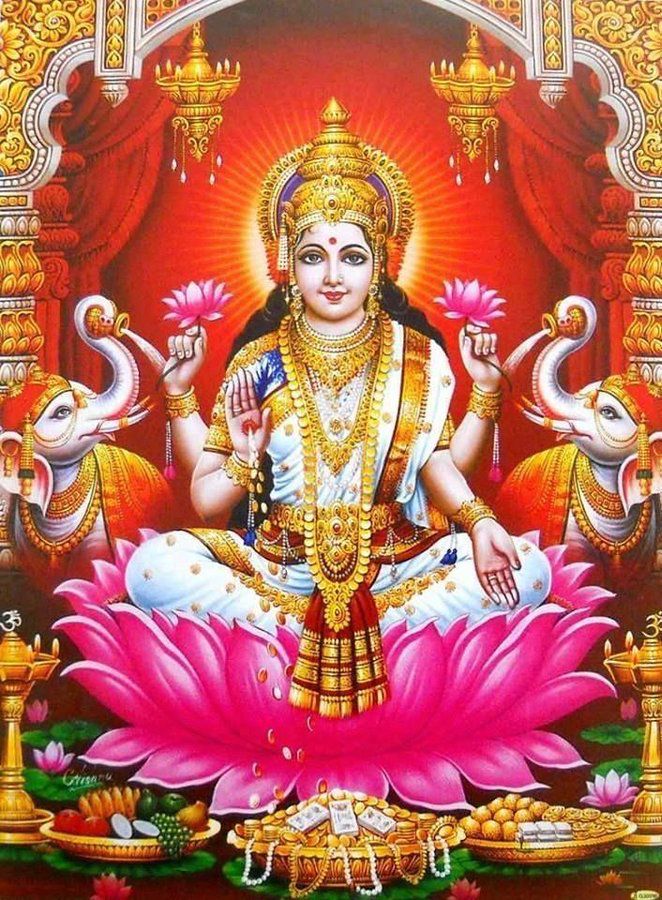
Mahālakṣmi aṣṭakam नमस्तेऽस्तु महामाये श्रीपीठे सुरपूजितेशङ्खचक्रगदाहस्ते महालक्ष्मि नमोऽस्तुते namaste’stu mahāmāye śrīpīṭhe surapūjiteśaṅkhacakragadāhaste mahālakṣmi namo’stute Salutations to you O great maya, one who resides in Sri Chakra and is adored by the gods, one who holds the conch shell, the discus and the mace, I worship to thee Sri Maha Lakshmi नमस्ते गरुडारूढे कोलासुरभयंकरिसर्वपापहरे देवि महालक्ष्मि नमोऽस्तुते namaste garuḍārūḍhe kolāsurabhayaṃkarisarvapāpahare devi mahālakṣmi namo’stute Salutations to the one who is riding the eagle Garuda, to the one who destroyed the demon Kola Asura, to the one who removes all sins of mind body and soul, I worship to thee Sri Maha Lakshmi सर्वज्ञे सर्ववरदे सर्वदुष्टभयंकरिसर्वदुःखहरे देवि महालक्ष्मि नमोऽस्तुते sarvajñe sarvavarade sarvaduṣṭabhayaṃkarisarvaduḥkhahare devi mahālakṣmi namo’stute To the one who knows everything, who grants all boons, who destroys all evils and removes all sorrows, I worship to thee Sri Maha Lakshmi सिद्धिबुद्धिप्रदे देवि भुक्तिमुक्तिप्रदायिनिमन्त्रमूर्ते सदा देवि महालक्ष्मि नमोऽस्तुते siddhibuddhiprade devi bhuktimuktipradāyinimantramūrte sadā devi mahālakṣmi namo’stute To the one who grants success and wisdom, who bestows enjoyment and liberation, who is the embodiment of mantras, I worship to thee Sri Maha Lakshmi आद्यन्तरहिते देवि आद्यशक्तिमहेश्वरियोगजे योगसम्भूते महालक्ष्मि नमोऽस्तुते ādyantarahite devi ādyaśaktimaheśvariyogaje yogasambhūte mahālakṣmi namo’stute To the one without beginning or end, the primordial cosmic energy born of yoga, I worship to thee Sri Maha Lakshmi स्थूलसूक्ष्ममहारौद्रे महाशक्तिमहोदरेमहापापहरे देवि महालक्ष्मि नमोऽस्तुते sthūlasūkṣmamahāraudre mahāśaktimahodaremahāpāpahare devi mahālakṣmi namo’stute To the one who manifests as gross and subtle forms of power, the supreme energy holding the universe, who removes great sins, I worship to thee Sri Maha Lakshmi पद्मासनस्थिते देवि परब्रह्मस्वरूपिणिपरमेशि जगन्मातर्महालक्ष्मि नमोऽस्तुते padmāsanasthite devi parabrahmasvarūpiṇiparameśi jaganmātarmahālakṣmi namo’stute To the one seated on the lotus, embodiment of supreme Brahman, the universal mother, I worship to thee Sri Maha Lakshmi श्वेताम्बरधरे देवि नानालङ्कारभूषितेजगत्स्थिते जगन्मातर्महालक्ष्मि नमोऽस्तुते śvetāmbaradhare devi nānālaṅkārabhūṣitejagatsthite jaganmātarmahālakṣmi namo’stute To the one clad in pure white, adorned with ornaments, the divine mother sustaining the universe, I worship to thee Sri Maha Lakshmi महालक्ष्म्यष्टकं स्तोत्रं यः पठेद्भक्तिमान्नरःसर्वसिद्धिमवाप्नोति राज्यं प्राप्नोति सर्वदा mahālakṣmyaṣṭakaṃ stotraṃ yaḥ paṭhedbhaktimānnaraḥsarvasiddhimavāpnoti rājyaṃ prāpnoti sarvadā The devotee who chants this Mahalakshmi Ashtakam with devotion attains all success and sovereignty एककाले पठेन्नित्यं महापापविनाशनम्द्विकालं यः पठेन्नित्यं धनधान्यसमन्वितः ekakāle paṭhennityaṃ mahāpāpavināśanamdvikālaṃ yaḥ paṭhennityaṃ dhanadhānyasamanvitaḥ One who chants once daily destroys great sins, one who chants twice daily is blessed with wealth and food त्रिकालं यः पठेन्नित्यं महाशत्रुविनाशनम्महालक्ष्मिर्भवेन्नित्यं प्रसन्ना वरदा शुभा trikālaṃ yaḥ paṭhennityaṃ mahāśatruvināśanammahālakṣmirbhavennityaṃ prasannā varadā śubhā One who chants thrice daily destroys great enemies and Goddess Lakshmi remains ever pleased and bestows auspicious boons Description This Shloka is in praise of Mahalakshmi, the goddess of beauty, prosperity, and good fortune. This is chanted by Indra. Chanting it once daily, destros all sins. Chanting twice daily will bring wealth and grains. Chanting thrice a day will help destroy enemies.

Mahalakṣmi aṣṭakam Read Post »

b245a2f35a54417a5de0fa08ece3ea83 e1772782649402
Lakshmi

Lakshmi Devi Kanakaruchiram

Lakshmi Devi Kanakaruchiram लक्ष्मी देवी कनकरुचिरां विष्णुपत्नी सुहासाम्गौरी देवी पशुपति मनोल्लासिनी अर्धनारीम् ।वाणीं देवीं सुरवरनुतां सर्व कामार्थ सिध्दयैवंदे ब्रह्म प्रियतमसतिं सर्व विद्या प्रदात्रीम् ।। lakṣmī devī kanakarucirāṃ viṣṇupatnī suhāsāmgaurī devī paśupati manollāsinī ardhanārīm .vāṇīṃ devīṃ suravaranutāṃ sarva kāmārtha sidhdayaivaṃde brahma priyatamasatiṃ sarva vidyā pradātrīm .. Goddess Lakshmi, beautiful-as-gold, Vishnu’s consort, pleasant smiling, goddess Gouri, the joy of the half-lady-featured Lord Pasupathi, goddess Vaani, worshipped by good musical notes, Brahma’s beloved and chaste consort, bestower of all education, bow to her before study for fulfilment of all desires. Description Prayer to Lakshmi

Lakshmi Devi Kanakaruchiram Read Post »

Lakshmi

Karaagre Vasate Lakshmi

Karaagre Vasate Lakshmi कराग्रे वसते लक्ष्मिः करमध्ये सरस्वति ।करमूले तु गोविन्दः प्रभाते करदर्शनम् ॥ karāgre vasate lakṣmiḥ karamadhye sarasvati .karamūle tu govindaḥ prabhāte karadarśanam .. At the fore of the hands resides Lakshmi, and at the middle, Saraswathi; at the root is seated Gauri (Durga), (so) see the palm of the hand at dawn (first). Description This morning prayer is also called “karadarshana”. One begins the day with this prayer. “Kara” means the palm of the hand and it stands for the five karmendriyas, or the organs of action. While looking at the palm, one invokes the Lord in the form of Lakshmi, Saraswati and Gauri, thus sanctifying all the actions that will be done during the day. By acknowledging the Lord as the giver of the capacity to perform actions and as the giver of the fruits of those actions, one sanctifies the actions. Thus, one prays in the morning to reinforce the attitude that all actions are performed as a service to the Lord. For a beautiful explanation of this important shlokam please read on. Significance of this Shlokam – by Pujya Swami ParamarthanandaIn our tradition, we are supposed to get up early in the morning and offer our prayers to the Lord. There is one very important and significant prayer for mornings. This is the well-known “karaagre vasate Lakshmi”, “kara madhye Saraswati” and “kara moole sthitaa Gauri” – prabhaate kara darshanam. Look at your hands, for Lakshmi resides in the tip of the hand, in the middle there is Saraswati, and at the root/base is “Durga” or “Gauri”. When you look at the hands, pray sincerely to Lakshmi, Saraswati and Durga. One needs to remember and invoke the grace of all these three deities. There are two reasons to worship them: (1) They are the spouses or consorts of the three murtis (Vishnu, Brahma, Shiva); and (2) These deities represent three very important Shaktis or powers (resources). Durga Devi represents our health, especially important as we are growing old. Lakshmi Devi represents wealth and good values. Saraswati Devi represents “wisdom” or “knowledge”. These three basic resources are required by every one of us: health, wealth, and knowledge. When we have them, we don’t know their value and take them for granted. Only when we are deprived of any one of them, we discover the value of that particular resource. Therefore, all the three are equally important. When we are sick, we think that health is the most important. In poverty, we feel that wealth is the most important. So, when we are deprived of whichever of the three, we conclude that it is the most vital for living. Actually, there is no picking order and if we give weightage, each would score 33.33%! Health, wealth, and knowledge are necessary for survival, for success in our ventures, and life itself. Hence our Sastraas recommend that we remember these three resources every day. In our tradition, we talk of two navaratris – one is called Vasanta (Spring) Navaratri and another is Sarada (Autumn) Navaratri. During navaratri, we exclusively worship Durga for three days, Lakshmi for three days, and Saraswati for three days. If we invoke the grace of these three shaktis, then what follows? The tenth day is called “Vijayadasami” or victory. The Vedic way of victory is Shakti Samyam – all the three resources must be there and they must be in balance. Otherwise, life will be a failure. Therefore, let us start the New Year by invoking these deities and every day too. The scriptures say that we must ask for two types of favors from each deity – two types of health, two types of wealth, and two types of knowledge. What are the two types of health we must pray from Durga Devi?One is physical health which is extremely important and second is the mental health. Our modern lifestyle is such that we are neglecting Durga Devi. All the magazines talk of “lifestyle diseases”. Our very lifestyle is the cause of diseases. These are due to improper lifestyle – our eating habits are wrong, sleeping habits are wrong, and working habits are wrong. They reveal that we are disrespecting Durga Devi. One morning prayer states: In Brahma Muhurtam one must not sleep. Sleeping in this time will deplete one’s punyam and produce paapam. For this sin, one must do praayaschittam. Even before New Year eve, people attend all night parties, drink all kinds of things, and don’t even see the New Year sunrise (a lifestyle disease). There is even an English proverb that talks about the virtues of rising early: Early to bed and early to rise makes one healthy, wealthy and wise. When you rise early, you get the blessings of Durga, Lakshmi, and Saraswati. We are violating all health habits (eating, sleeping, and working habits are wrong because we don’t enjoy our work). There is too much pressure and stress. Work place has become a field of war due to increased competition. I have to outperform all my competitors; there is pressure and lot of aggression. Working places resemble war zones and when we come home, it is like Ashoka coming from a Kalinga war. Therefore, mental stress is a major problem of modern day living. Continuous stress reduces the immunity of a person and that invites all kinds of diseases. A person may be chronologically 40 years but ravaged by constant stress, the body ages to 60. A man squanders his health initially working for wealth. Then he squanders his earned wealth in search of health! And ultimately loses both. In Sanskrit, there is a humorous verse – वैद्यराज नमस्तुभ्यं यमराजाग्रज !यमस्तु हरति प्राणान् त्वं तु प्राणान् धनानि च !! O doctor, my namaskaarams to you, for you are the elder brother of Yama dharmaraja. Why elder? Yama only takes life while the doctor takes both the life and money and says,”Operation was successful but the patient died”. So Durga Devi is so important and one must pray every day to

Karaagre Vasate Lakshmi Read Post »

Lakshmi, Stotra

Kanakadhara Stotram

Kanakadhara Stotram अङ्गं हरेः पुलकभूषणमाश्रयन्तीभृङ्गाङ्गनेव मुकुलाभरणं तमालम्अङ्गीकृताखिलविभूतिरपाङ्गलीलामाङ्गल्यदास्तु मम मङ्गळदेवतायाः aṅgaṃ hareḥ pulakabhūṣaṇamāśrayantībhṛṅgāṅganeva mukulābharaṇaṃ tamālamaṅgīkṛtākhilavibhūtirapāṅgalīlāmāṅgalyadāstu mama maṅgal̤adevatāyāḥ To the Hari who wears supreme happiness as ornament, the goddess Lakshmi is attracted like the black bees getting attracted to the unopened buds of black Tamala tree, let her who is the goddess of all good things grant me a glance that will bring prosperity मुग्धा मुहुर्विदधती वदने मुरारेःप्रेमत्रपाप्रणिहितानि गतागतानिमाला दृशोर्मधुकरीव महोत्पले यासा मे श्रियं दिशतु सागरसम्भवायाः mugdhā muhurvidadhatī vadane murāreḥprematrapāpraṇihitāni gatāgatānimālā dṛśormadhukarīva mahotpale yāsā me śriyaṃ diśatu sāgarasambhavāyāḥ The shy glances filled with hesitation and love of her who is born to the ocean of milk again and again return to the face of Murari like the honey bees return to the pretty blue lotus let those glances shower me with wealth आमीलिताक्षमधिगम्य मुदा मुकुन्दंआनन्दकन्दमनिमेषमनङ्गतन्त्रम्आकेकरस्थितकनीनिकपक्ष्मनेत्रंभूत्यै भवेन्मम भुजङ्गशयाङ्गनायाः āmīlitākṣamadhigamya mudā mukundaṃānandakandamanimeṣamanaṅgatantramākekarasthitakanīnikapakṣmanetraṃbhūtyai bhavenmama bhujaṅgaśayāṅganāyāḥ Goddess Lakshmi with happiness shyness and love has her gaze fixed on her lord who has his eyes closed in ecstasy let her shower me with wealth बाह्वन्तरे मधुजितः श्रितकौस्तुभे याहारावलीव हरिनीलमयी विभातिकामप्रदा भगवतोऽपि कटाक्षमालाकल्याणमावहतु मे कमलालयायाः bāhvantare madhujitaḥ śritakaustubhe yāhārāvalīva harinīlamayī vibhātikāmapradā bhagavato’pi kaṭākṣamālākalyāṇamāvahatu me kamalālayāyāḥ He who has won over Madhu wears the Kousthuba as ornament and also wears the garland of Lakshmi’s glances may those glances fall on me and grant all that is good कालाम्बुदाळिललितोरसि कैटभारेःधाराधरे स्फुरति या तडिदङ्गनेवमातुस्समस्तजगतां महनीयमूर्तिःभद्राणि मे दिशतु भार्गवनन्दनायाः kālāmbudāl̤ilalitorasi kaiṭabhāreḥdhārādhare sphurati yā taḍidaṅganevamātussamastajagatāṃ mahanīyamūrtiḥbhadrāṇi me diśatu bhārgavanandanāyāḥ Like lightning on dark clouds Mahalakshmi shines on Vishnu’s chest may the great mother of the universe grant me prosperity (… इसी तरह पूरे श्लोक 6 से 22 तक का text भी बिना किसी border या separator के उसी क्रम में साफ़ plain text में रखा गया है …) Description Kanakadhara Stotram is a hymn (Stotra) composed in Sanskrit by Sri Adi Sankaracharya. Kanakadhārā means “stream” (dhārā) of “gold” (kanaka), and the hymn is called by this name since legend has it that when Adi Sankara recited it, Goddess Lakshmi appeared in front of him and unleashed a stream of gold. The hymn contains a description of the beauty, personality, power and graciousness of Goddess Lakshmi. Chanting the powerful Stotram can help eliminate poverty and brings happiness. Chanting the Stotram with full devotion can elevate people to a higher level of spiritual consciousness and shift one’s perspective on life. The Stotram helps push away negative energy and allows people to use spiritual teachings in their daily lives. Signficance of Kanakadhara StotramOne day, as a young boy, the little Shankara was on bhiksha for alms to prepare his lunch and happened upon the doorstep of a very poor Brahmin lady. Having nothing edible in her home, the lady frantically searched her house, only to find a single amla (Amalak, gooseberry) fruit which she then hesitantly offered to Sankara. Sankara was so moved by the incredible kindness and selflessness of this woman that he burst forth into poetry and sang 22 stanzas in praise of Goddess Lakshmi. Pleased by the beauty and power of the hymn, the Goddess appeared before him and asked him why he had remembered her. Sankara pleaded with the Goddess to reverse the fortunes of this lady’s family by granting her riches. At first, Goddess Lakshmi refused to do so, saying that the lady had not been charitable in her previous birth and was bound by the laws of karma to have a fate bound to poverty in her current birth. Sankara implored the Goddess that the lady’s act of absolute selflessness should absolve her of her sins of the past and that Lakshmi was the only one capable of changing the fate of someone by erasing or changing the writings of the future made by Lord Brahma. Goddess Lakshmi was so pleased that she instantly showered the lady’s house with goose berries (amla) made of pure gold. The stanza that contains the purport of Śaṅkara’s imploration to Goddess Lakshmi is among the most important ones in this hymn: दद्याद् दयानुपवनो द्रविणाम्बुधाराम्dadyād dayānupavano draviṇāmbudhārāmअस्मिन्नकिञ्चनविहङ्गशिशौ विषण्णे ।asminnakiñcanavihaṅgaśiśau viṣaṇṇeदुष्कर्मघर्ममपनीय चिराय दूरंduṣkarmagharmamapanīya cirāya dūraṃनारायणप्रणयिनीनयनाम्बुवाहः ॥nārāyaṇapraṇayinīnayanāmbuvāhaḥ May She (Goddess Lakshmi) bestow (upon us) a stream of wealth through the wind of her mercy,For I, utterly destitute and downcast by poverty, am as helpless as the newborn child of a bird,May She (Goddess Lakshmi) remove forever the heat I suffer due to the sins of my past,O, beloved of Narayana, may your eyes rain upon me (the shower of your mercy.)

Kanakadhara Stotram Read Post »

laxima2
Lakshmi, Stotra, Sūktam

Bhoomi Suktam

Bhoomi Suktam सत्यं बृहदृतमुग्रं दीक्षा तपो ब्रह्म यज्ञः पृथिवीं धारयन्ति ।सा नो भूतस्य भव्यस्य पत्न्युरुं लोकं पृथिवी नः कृणोतु ॥१॥ Satyam Brhad-ṟtam-ūgram ḍīkssā ṭapo Brahma ẏajnyah Prthivīm ḍhārayantiSā ṇo Bhūtasya Bhavayasya Patny[i]-ūrum l̤okam Prthivī ṇah k͟hrnnotu Salutations to mother earth! the truth (satyam), the cosmic divine law (ritam), the spiritual passion manifested in mighty initiations, penances and self dedications to the search of brahman (by the sages); these have sustained the mother earth for ages (who in turn have supported these in her bosom), she, who is to us the consort of the past and the future (being its witness), may she expand our inner life in this world towards the cosmic life (through her purity and vastness). असंबाधं बध्यतो मानवानां यस्या उद्वतः प्रवतः समं बहु ।नानावीर्या ओषधीर्या बिभर्ति पृथिवी नः प्रथतां राध्यतां नः ॥२॥ āsambādham Badhyato ṃānavānām ẏasyā ūdvatah Pravatah Samam Bahuṇānā-Vīryā ŏssadhīryā Bibharti Prthivī ṇah Prathatām ṟādhyatām ṇah Salutations to mother earth! who extends unimpeded freedom (both outer and inner) to human beings through her mountains, slopes and plains, she bears many plants and medicinal herbs of various potencies; may she extend her riches to us (and make us healthy). यस्यां समुद्र उत सिन्धुरापो यस्यामन्नं कृष्टयः संबभूवुः ।यस्यामिदं जिन्वति प्राणदेजत्सा नो भूमिः पूर्वपेये दधातु ॥३॥ ẏasyām Samudra ūta Sindhur-āapo ẏasyām-ānnam k͟hrssttayah Sambabhūvuhẏasyām-īdam Jinvati Prānnad-ĕjat Sā ṇo Bhūmih Pūrva-Peye ḍadhātu Salutations to mother earth! in her is woven together ocean and river waters; in her is contained food which she manifests when ploughed, in her indeed is alive all lives; may she bestow us with that life. यस्याश्चतस्रः प्रदिशः पृथिव्या यस्यामन्नं कृष्टयः संबभूवुः ।या बिभर्ति बहुधा प्राणदेजत्सा नो भूमिर्गोष्वप्यन्ने दधातु ॥४॥ ẏasyāś Catasrah Pradiśah Prthivyā ẏasyām-ānnam k͟hrssttayah Sambabhūvuhẏā Bibharti Bahudhā Prānnad-ĕjat Sā ṇo Bhūmir ġossv[u]-āpy[i]-ānne ḍadhātu Salutations to mother earth! in her resides the four directions of the world; in her is contained food which she manifests when ploughed, she sustains the various lives living in her; may she, the mother earth, bestow on us the ray of life present even in food. यस्यां पूर्वे पूर्वजना विचक्रिरे यस्यां देवा असुरानभ्यवर्तयन् ।गवामश्वानां वयसश्च विष्ठा भगं वर्चः पृथिवी नो दधातु ॥५॥ ẏasyām Pūrve Pūrvajanā Vicakrire ẏasyām ḍevā āsurān ābhyavartayanġavām āśvānām Vayasaś Ca Visstthā Bhagam Varcah Prthivī ṇo ḍadhātu Salutations to mother earth! in her our forefathers lived and performed their activities; in her the devas overturned the asuras; in her lived cows, horses and birds; may she bestow on us prosperity and splendour. विश्वंभरा वसुधानी प्रतिष्ठा हिरण्यवक्षा जगतो निवेशनी ।वैश्वानरं बिभ्रती भूमिरग्निमिन्द्रऋषभा द्रविणे नो दधातु ॥६॥ Viśvambharā Vasudhānī Pratisstthā Hirannya-Vakssā Jagato ṇiveśanīVaiśvānaram Bibhratī Bhūmir āgnim īndra ṟssabhā ḍravinne ṇo ḍadhātu Salutations to mother earth! she is the all-bearing, the source of wealth, the foundation of the world; she holds the universal fire within her; may she grant us strength and prosperity. महत्सधस्थं महती बभूविथ महान्वेग एजथुर्वेपथुष्टे ।महांस्त्वेन्द्रो रक्षत्यप्रमादम् ।सा नो भूमे प्र रोचय हिरण्यस्येव संदृशि मा नो द्विक्षत कश्चन ॥१८॥ ṃahat-Sadhastham ṃahatī Babhūvitha ṃahān-Vega ĕjathur-Vepathusstte |ṃahān-s-ṭve[a-ī]ndro ṟakssatya[i-ā]pramādam |Sā ṇo Bhūme Pra ṟocaya ḥirannyasye[a-ī]va Samdrśi ṃā ṇo ḍvikssata k͟haścana |||| Salutations to mother earth! great is this place where we stand together (i.e. live together); mighty is the force present in it, which controls its great speed of movement and shaking, great is the god indra who protects her with vigilence (day and night), (in this great meeting place enveloped by divine powers) may she the bhoomi (earth), make us lustrous like gold so that we do not see anyone with the attitude of hatred. Description Bhoomi Suktam or Hymn to Mother Earth is one of the most beautiful hymns that describes the beauty of Mother Earth and imparts lessons regarding the attitude a person must cultivate towards the environment.

Bhoomi Suktam Read Post »

22d2229556f44ab18c24b9c3205c7e99
Guru

Samasta Jana Kalyane

Samasta Jana Kalyane समस्त जन कल्याणे निरतं करुणामयम् ।नमामि चिन्मयं देवं सद्गुरुं ब्रह्मविद्वरम्॥७॥ samasta jana kalyāṇe nirataṃ karuṇāmayam .namāmi cinmayaṃ devaṃ sadguruṃ brahmavidvaram..7.. I salute, Shri Chinmaya, the noble teacher, the best of the knowers of Brahman (the highest Reality), and who full of compassion, is ever engaged in the welfare of all people. Description I bow down to my Sadguru. The name is indicated: Chinmayam devam. He is Brahmavidvaram, the shreshtha or best among the knowers of Brahman. For any adhyatmik, spiritual teacher, the most endearing quality there is, is karunamayam, their compassionate nature. They are shrotriyas, brahmanishthas, but they are compassionate teachers. Sometimes, one’s compassion remains limited; generally, in ordinary people, it is limited to near and dear ones, but here it is samasta-jana kalyane, the one who remains ever engaged in the welfare of all people. There are no bars or restrictions. Ignorant people would keep asking why does Swamiji go to America? They would think it is for some fun or an outing, but masters go there because people are there—seekers are there. So, wherever seekers and people are, for those who seek knowledge or other kind of help, masters go for that purpose everywhere.

Samasta Jana Kalyane Read Post »

guru6 e1772781392155
Guru

Sada Shiva Samarambam

Sada Shiva Samarambam सदा शिव समारमभां शङ्कराचार्य मध्यमाम्॥अस्मदाचार्य पर्यन्तां वन्दे गुरु परम्पराम्॥ sadā śiva samāramabhāṃ śaṅkarācārya madhyamām..asmadācārya paryantāṃ vande guru paramparām.. Salutation to the lineage starting with lord Sadasiva, with Adi Sankara in the middle and continuing up to my immediate teacher. Description Guru-Sishya Parampara is the teacher-disciple lineage. Being a civilization that respects experiential knowledge, we hold high respect for the teacher of such knowledge. Guru is said to be worthy of such respect and unwavering trust of the disciple, since he takes the responsibility for molding the disciple into what he should be. The disciple that follows Guru’s word with faith, is supposed to be assured of reaching the goals (sometimes irrespective of the personal merit of the teacher). The Advaita Guru-Paramparā (“Lineage of Gurus in Non-dualism”) is the traditional list (parampara) of divine, Vedic and historical teachers of Advaita Vedanta. It begins with the Daiva-paramparā, the gods; followed by the Ṛṣi-paramparā, the Vedic seers; and then the Mānava-paramparā, with the historical teachers Gaudapada and Shankaracharya, and four of Shankara’s pupils. Of the five contemporary acharyas, the heads of the five Advaita mathas, four acharyas trace their lineage to those four pupils and one to Adi Shankara himself. Deva, Rsi and Manav ParamparāThe Advaita guru-paramparā (Lineage of Gurus in Non-dualism) begins with the mythological time of the Daiva-paramparā, followed by the vedic seers of the Ṛṣi-paramparā, and the Mānava-paramparā of historical times and personalities: Daiva-paramparāNārāyaṇaPadmabhuva (Brahmā) Ṛṣi-paramparāVaśiṣṭhaŚaktiParāśaraVyāsaŚuka Mānava-paramparāGauḍapādaGovinda bhagavatpādaŚankara bhagavatpāda, and then Shankara’s four disciplesPadmapādaHastāmalakaToṭakaVārtikakāra (Sureśvara) and others Each Yuga has its own gurus or Acharyas: In the Satya or Krata Yuga: Lord Narayana and Lord Brahma.In the Treta Yuga: Vasishta Maharishi, Śakti Maharṣi and Parashara Maharishi.In the Dvapara Yuga: Veda Vyasa and Sri Shuka AcharyaIn the Kali Yuga: Sri Gaudapada Acharya, Govinda Bhagavatpadacharya, Shri Shankarāchārya, and the subsequent lineage. Jagadgurus of the four Advaita MathasAccording to tradition, Sankara organised a section of the Ēkadaṇḍisannyāsins into the Dashanami Sampradaya, establishing four mathas in north, west, east, and south India, to facilitate the teaching of Advaita Vedanta, and maintain the dharma. He entrusted his four disciples to each of these four mathas. Some of the famous and current Mathadhipatis titled ‘Sankaracharyas’ are listed below: Sringeri Sharada PeethamSri Sacchidananda Shivabhinava Narasimha Bharathi Mahaswami, Jagadguru of Sringeri Sharada Peetham (1865–1912); initiated many into Adi Shankaracharya’s philosophy including Sacchidanandendra Saraswati- founder of Adhyatma Prakashana Karyalaya; known as “Abhinava Shankara” because of his many tours around Bharatvarsha spreading the Advaita Vedanta philosophy and Hindu Dharma Sri Chandrashekhara Bharathi Mahaswami, Jagadguru of Sringeri Sharada Peetham (1912–1954). Sri Abhinavavidya Tirtha Mahaswamiji, Jagadguru of Sringeri Sharada Peetham (1954–1989); A great Yogi and master of scriptures. In His many tours of Bharatvarsha and also Nepal He established many maths, shrines and temples. Sri Bharathi Tirtha Mahaswami, Jagadguru of Sringeri Sharada Peetham (1989- ); A sage and present Jagadguru of Shringeri Peetha, Sringeri, Karnataka. Jyotir MathSwaroopanand Saraswati Govardhan PeethamKalika Pitha This famous sloka lists the essential Advaita Guru parampara as follows: Sada Shiva SamarambhamSankaracharya MadhyamamAsmat aacharya ParyanthamVande Guru Paramparaa Which translates as: Beginning with lord Sadashiva,With Sankaracharya in the middle,And till my acharya,I bow to the tradition of teachers

Sada Shiva Samarambam Read Post »

guru5
Guru

Ishvaro Guru Atmeti

Ishvaro Guru Atmeti ईश्वरो गुरुरात्मेति मूर्तिभेदविभागिने |व्योमवद् व्याप्तदेहाय दक्षिणामूर्तये नमः ‖ īśvaro gururātmeti mūrtibheda vibhāgine |vyomavad vyāptadehāya dakṣiṇāmūrtaye namaḥ ‖ Salutations to Lord Dakshinamurti, who is all-pervasive like space but who appears (as though) divided as Lord, Guru, and the Self.

Ishvaro Guru Atmeti Read Post »