Hari Om

Menu

February 2026

maditation
Prayers by Bhagavan Sri Sathya Sai Baba

Sri Sathya Sai Jyoti Meditation

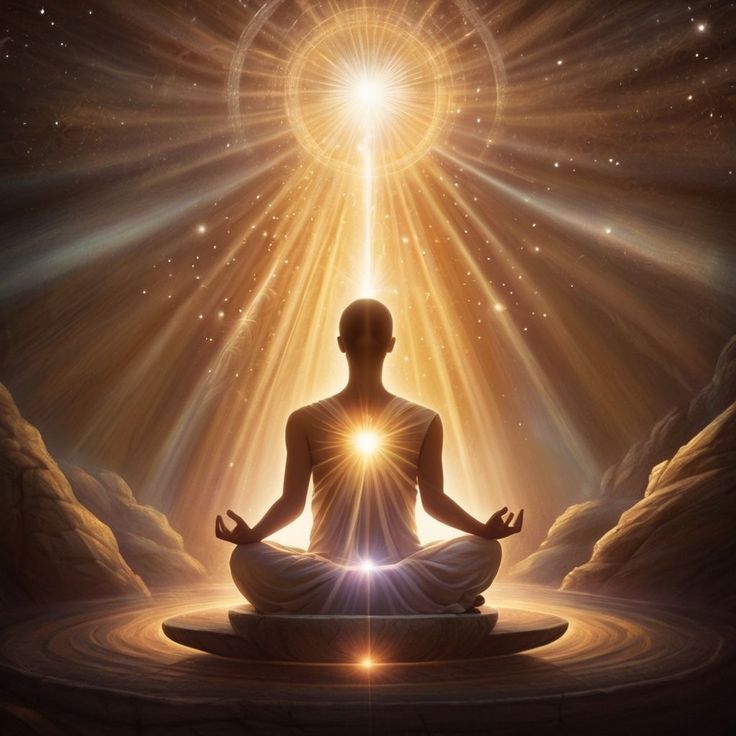
Meditation – Preparing for Meditation A guide to Bhagawan’s teachings on Meditation Offering the flower of love to the Lord Meditation is a process that takes place beyond the senses. Between the concentration at the sensory level and meditation that is above the senses, there is a borderline where chintana (contemplation) takes place. Contemplation is the second half of chit (intellect), whose other function is discrimination between right and wrong. An illustration will make this clear. There is a rose plant, with branches, leaves, flowers, and thorns. Locating the place where there is a flower calls for concentration. At this stage, we are concerned only with locating the flower. But the flower has to be plucked without touching the thorns. Love is the flower. Lust is the thorn. There is no rose without a thorn. How to get at the flower of Love without touching the thorn of lust is the problem. This is where contemplation is needed. Having plucked the flower, how shall we use it? By offering it to the Divine. Meditation means offering the flower of love to the Divine. In the rose plant of our body, there is the rose of pure and sacred Love emitting the fragrance of good qualities. Below the rose, however, there are thorns in the form of sensual desires. The purpose of meditation is to separate the rose of selfless love from the senses and offer it to the Lord. Concentration, contemplation, and meditation Concentration is below senses; meditation is beyond senses. We must travel from below senses to beyond senses. So, when we set out from what is below senses through concentration, we reach the stage of contemplation. And when we cross the boundaries of contemplation, we reach the area of meditation. So there are three stages, concentration, contemplation, and meditation. Concentration can be compared to the state of “One you think you are”. “One others think you are” is contemplation. Meditation enables us to recognize the state of “One you really are”. Forgetting the feeling of body identification Supposing you sit for meditation, closing your eyes. However, the mind goes on wandering everywhere. You try to bring it back to the starting point. It is all a practice. It is only when the wavering mind is stilled that meditation is possible. This process of making the mind steady is called concentration. Meditation is possible only after concentration. The proper order is concentration, contemplation and meditation. If someone claims that he is meditating the moment he sits, it should not be believed. That is an artificial exercise, not meditation. Real meditation is forgetting oneself totally. It is forgetting dehātma bhāva (the feeling of identification with the body) completely. One has to totally give up attachment to the senses. Then only the mind will be steady. Experience of Oneness with God In meditation, there are three aspects: the one who is doing the meditation (i.e. the subject), the object of meditation (i.e. God), and the act or process (i.e. the rapport that the subject is trying to establish with the object). Proper meditation or the culmination of meditation occurs when the three factors —meditator, object of meditation, and act of meditation– coalesce and merge into one. In the state of meditation, the meditator, the object of his meditation and the process of meditation have fallen away and there is only One, and that One is God. All that may change has fallen away, and That Thou Art (“Tat Twaṃ Asi”) is the state that exists. It is an experience of unity (without the meditator being conscious of himself). [Conversations with Sathya Sai Baba: by Dr.John Hislop] Sathya Sai Baba’s Words on the Importance of Meditation Teaching Meditation Can anyone teach meditation? Can anyone train another in meditation? Or claim to train? It may be possible to teach a person the posture, the pose, the position of the legs, feet, or hands, neck, head or back, the style of breathing, or its speed. But meditation is a function of the inner man; it involves deep subjective quiet, the emptying of the mind and filling oneself with the Light that emerges from the divine Spark within. This is a discipline that no textbook can teach and no class can communicate. Pray for guidance from within You need not rely on another for success in mediation and soft repetition of the name (dhyāna and japa) and await contact with some sage in order to get from him a mantra for recitation. Pray to the God within, and you will receive guidance. Schedule for Meditation Regular, sincere and steady practice Train yourself to waken when Brāhma-muhūrta begins—that is to say, at 3.00 a.m. You may require an alarm clock at first for the job; but soon, the urge for meditation (dhyāna) will rouse you. Do not take a bath before you sit for meditation, for the ritual of the bath will arouse the senses and you will be too full of pulls in different directions for the process of meditation to succeed. Regularity, sincerity, steadiness–these will reward you with success. Half an hour in the morning, and half an hour in the evening Brāhma-muhūrta means early morning, between 3 – 6 a.m. It means that the senses are quiet, not yet agitated by the day and the mind is quiet from sleep. But the hour should not be taken and changed around, taking one time today and another time tomorrow. A half-hour in the morning and a half-hour in the evening is enough for sitting meditation. [Conversations with Sathya Sai Baba –by Dr.John Hislop] [Editor: However, it is not something that one does by sitting for a couple of minutes or hours. Contemplation of the Lord should be always at all places. Sri Ramana Maharshi was once asked, “How long should one practice meditation? 15 or 30 or 45 minutes or an hour?’ His reply was, ‘You should continue doing it till you forget that you are meditating. As long as you are conscious (physically aware) that you are meditating, it is no meditation at all.” The consciousness of body and mind and

Sri Sathya Sai Jyoti Meditation Read Post »
download 5
Prayers by Bhagavan Sri Sathya Sai Baba

Vibhuti Prayer

Vibhuti – Sacred Ash Prayer Paramam Pavithram Baba Vibhuthim Paramam Vichithram Leela Vibhuthim Paramartha Ishtartha Moksha Pradanam Baba Vibhuthim Idham Ashrayami (Sai) * The Vibhuti Mantra was originally sung as a bhajan (devotional song). The 3rd line was composed as ‘Paramartha Ishtartha Moksha Pradatham’. Please see video for details. Sacred, Holy and Supreme is Baba’s Vibhuthi Pouring forth in endless stream His play of Vibhuthi So auspicious is its might it grants Liberation Baba’s Vibhuthi its power protects me (Sai) Sacred Ash, Miraculous, Baba’s Creation Flowing From His Blessed Hand, Holy Creation Granting Us The Greatest Wealth, God’s Divine Protection Beloved Baba, Grant Us Liberation La Verdad Y El Amor Brotan De Tu Palma Como el Brillo Del SolIlumina El Alba Siempre Dando A La Vida, Nuevas Esperanzas Brindanos Tu Gracia, Dulce Sai Baba This prayer is usually repeated thrice, or until the entire congregation receives the sacred ash.

Vibhuti Prayer Read Post »

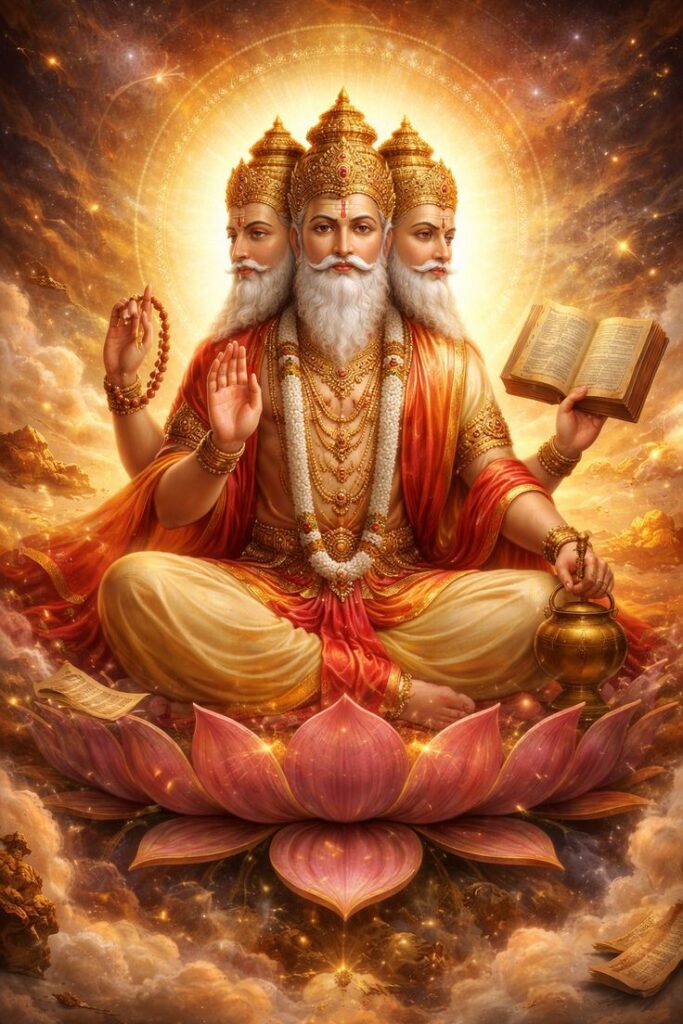
Lord Brahma with four faces sitting on lotus photo
Prayers by Bhagavan Sri Sathya Sai Baba

Food Prayer

Food Prayer – Bramharpanam Bramhavir Food Prayers are chanted to offer the food to God consecrate it before partaking. Prayer Oh Lord, Thou art the food, Thou art the enjoyer of the food, Thou art the giver and preparer of the food. Along with the inward and outward breaths You are the digestive fire that digests all types of food. We offer to You, all that we consume. Brahmarpanam Brahmahavir Brahmagnou Brahmanahutam Brahmaivatena Gantavyam Brahmakarma Samadhina Meaning The act of offering is God. The offering is God.By God it is offered into the Fire of God.
God is That which is to be attained by himwho performs action pertaining to God. – Bhagavad Geeta, Chapter 4, Verse 24 Aham Vaishvanaro Bhutva Praninam Dehamashritaha Pranapana Samayuktaha Pachamyannam Chaturvidham Meaning I reside as Vaishvanaro, the digestive power, in every living being.I keep in balance the Prana (life breath) and Apana (downward moving air).I digest and assimilate the four types of food partaken by every living being. – 
Bhagavad Geeta, Chapter 15, Verse 14

Food Prayer Read Post »

HARI OM TAT SAT
Prayers by Bhagavan Sri Sathya Sai Baba

Om Tat Sat

Om Tat Sat Om Tat Sat Sri Narayana TuPurushothama Guru TuSiddha Buddha Tu, Skanda VinayakaSavita Pavaka Tu, Savita Pavaka Tu Brahma Mazda Tu, Yahva Shakthi TuYeshu Pitha Prabhu TuRudra Vishnu Tu, Rama Krishna TuRahim Tao Tu, Rahim Tao Tu Vasudeva Go Vishwa Roopa TuChidananda Hari TuAdvitiya Tu Akala NirbhayaAtma Linga Shiva Tu (Sai) (3) Om, Thou art that, You are Narayana, God in the form of man;You are the embodiment of perfection and the perfect teacher.You are the enlightened Buddha; You are Subrahmanya and Ganesha, the remover of obstacles;You are the Sun-fire that destroys the darkness of ignorance.You are Brahma, the Creator; Mazda, the Great One. You are Jehovah, and Divine Mother, the creative Energy.You are Jesus, our Lord, Holy Father.You are Rudra, the Transformer, and Vishnu, the Preserver; You are Rama and Krishna;You are Rahim, all kindness, always giving and expanding; You are the Tao.You are Vasudeva, the Sustenance of all, omnipotent and omnipresent;You are Hari, destroyer of illusion, the blissful Spirit.You are unparallelled and one without a second, beyond time and fearless of adversities;You are Shiva, the atma lingam, symbol of the formless Absolute.

Om Tat Sat Read Post »

eebcc9265ba0f73c2bf441ef1bf8e7fe
Prayers by Bhagavan Sri Sathya Sai Baba

Omkaram

Omkaram Significance of ‘OM’ Oms in Swami’s Voice Although there are many letters and words, the fundamental aksharam (letter), which has primacy of place, is the Omkara. ‘Om ithyekaksharam Brahma (the single letter OM is Brahman Itself)’, says the Geetha. All other letters and words are linguistic creations. They do not possess the unique sacredness and divine character of ‘OM.’ The special significance of ‘OM’ is not generally recognised or understood. The Manthra Shasthra (ancient scripture related to sacred formulas) has laid emphasis on the letter ‘OM’. Omkara has no form. It is the manifestation of Brahman as sound. It is present in all creation. It is effulgent. It is in all speech. It is ever blissful. It is Parathparamyee (embodiment of the Supreme). It is Mayamayee (the repository of illusory power). It is Shreemayee (embodiment of prosperity). The Omkara is the only sound that has these eight divine attributes, according to the Manthra Shasthra. Bhagawan advices starting the day with Omkaram chanting – OM (x 21). He further enunciates: The Pranava (primeval sound OM) recital is one form of such spiritual effort. It is laid down at Prashaanthi Nilayam that the early dawn recital of Om should be done twenty one times. This number is not arbitrarily fixed; it has a significance of its own. We have the five karmendhriyas (senses of action) and the five jnaanendhriyas (senses of perception); we have also praanas (the five vital energies or airs) to sustain us. Then we have the five koshas (sheaths), enclosing the Divine Spark that is the Reality. These total up to twenty. Hence the recitation of Om twenty one times purifies and clarifies all these twenty components and makes man the twenty-first entity, ready for the final merger with Reality. The Jeevathathwam (life-principle) merges with Parathathwam (the Supreme Reality). The jeevathathwam may be pictured as a rider on the twenty-headed horse. Finally, you end the Pranava recital with the recital of ‘shaanthi’ three times. That completes the process of clarification and purification. The first call for shaanthi (peace chant) is for the purity of the aadhibhouthik (body) part of the Self. The second call is for the purity of the aadhidhaivik (the mind). The third is for the purification of the aadhyaathmik (the spirit). This Pranava recital will tone you up, calm all agitations in the mind and quicken the downpour of Grace.

Omkaram Read Post »

jagat guru adi shankracharya devotional 1
Prakarana Grantha

Ashtavakra Gita

Ashtavakra Gita अथ श्रीमदष्टावक्रगीता प्रारभ्यते ॥जनक उवाच ॥कथं ज्ञानमवाप्नोति कथं मुक्तिर्भविष्यति ।वैराग्यं च कथं प्राप्तमेतद् ब्रूहि मम प्रभो ॥ १-१॥ atha śrīmadaṣṭāvakragītā prārabhyate ..janaka uvāca ..kathaṃ jñānamavāpnoti kathaṃ muktirbhaviṣyati .vairāgyaṃ ca kathaṃ prāptametad brūhi mama prabho .. 1-1.. Janaka said: “How is knowledge attained? How does liberation come about? How is dispassion achieved? Please tell me this, O Lord.” अष्टावक्र उवाच ॥मुक्तिमिच्छसि चेत्तात विषयान् विषवत्त्यज ।क्षमार्जवदयातोषसत्यं पीयूषवद् भज ॥ १-२॥ aṣṭāvakra uvāca ..muktimicchasi cettāta viṣayān viṣavattyaja .kṣamārjavadayātoṣasatyaṃ pīyūṣavad bhaja .. 1-2.. Aṣṭāvakra said: “If you desire liberation, O child, abandon the sense objects like poison, and cultivate forgiveness, sincerity, compassion, contentment, and truth as if they were nectar.” न पृथ्वी न जलं नाग्निर्न वायुर्द्यौर्न वा भवान् ।एषां साक्षिणमात्मानं चिद्रूपं विद्धि मुक्तये ॥ १-३॥ na pṛthvī na jalaṃ nāgnirna vāyurdyaurna vā bhavān .eṣāṃ sākṣiṇamātmānaṃ cidrūpaṃ viddhi muktaye .. 1-3.. You are not the earth, nor the water, nor the fire, nor the air, nor the space. Know the Self as the witness to all these, which is of the nature of consciousness, and attain liberation. यदि देहं पृथक् कृत्य चिति विश्राम्य तिष्ठसि ।अधुनैव सुखी शान्तो बन्धमुक्तो भविष्यसि ॥ १-४॥ yadi dehaṃ pṛthak kṛtya citi viśrāmya tiṣṭhasi .adhunaiva sukhī śānto bandhamukto bhaviṣyasi .. 1-4.. If you detach yourself from the body and rest in consciousness, you will immediately be happy, peaceful, and free from bondage. न त्वं विप्रादिको वर्णो नाश्रमी नाक्षगोचरः ।असङ्गोऽसि निराकारो विश्वसाक्षी सुखी भव ॥ १-५॥ na tvaṃ viprādiko varṇo nāśramī nākṣagocaraḥ .asaṅgo’si nirākāro viśvasākṣī sukhī bhava .. 1-5.. You are neither the caste (Brahmin, etc.), nor the stage of life, nor anything perceivable by the senses. You are unattached, formless, the witness of the universe. Be happy. धर्माधर्मौ सुखं दुःखं मानसानि न ते विभो ।न कर्तासि न भोक्तासि मुक्त एवासि सर्वदा ॥ १-६॥ dharmādharmau sukhaṃ duḥkhaṃ mānasāni na te vibho .na kartāsi na bhoktāsi mukta evāsi sarvadā .. 1-6.. Righteousness and unrighteousness, pleasure and pain, belong to the mind, not to you. You are neither the doer nor the enjoyer. Indeed, you are ever free. एको द्रष्टासि सर्वस्य मुक्तप्रायोऽसि सर्वदा ।अयमेव हि ते बन्धो द्रष्टारं पश्यसीतरम् ॥ १-७॥ eko draṣṭāsi sarvasya muktaprāyo’si sarvadā .ayameva hi te bandho draṣṭāraṃ paśyasītaram .. 1-7.. You are the one witness of everything and are ever free. Your only bondage is that you see the seer as separate. अहं कर्तेत्यहंमानमहाकृष्णाहिदंशितः ।नाहं कर्तेति विश्वासामृतं पीत्वा सुखं चर ॥ १-८॥ ahaṃ kartetyahaṃmānamahākṛṣṇāhidaṃśitaḥ .nāhaṃ karteti viśvāsāmṛtaṃ pītvā sukhaṃ cara .. 1-8.. Bitten by the great black serpent of egoism in the form of ‘I am the doer,’ drink the nectar of the conviction ‘I am not the doer’ and be happy. एको विशुद्धबोधोऽहमिति निश्चयवह्निना ।प्रज्वाल्याज्ञानगहनं वीतशोकः सुखी भव ॥ १-९॥ eko viśuddhabodho’hamiti niścayavahninā .prajvālyājñānagahanaṃ vītaśokaḥ sukhī bhava .. 1-9.. With the fire of the certainty that ‘I am pure consciousness,’ burn down the dense forest of ignorance and be free from sorrow. Be happy. यत्र विश्वमिदं भाति कल्पितं रज्जुसर्पवत् ।आनन्दपरमानन्दः स बोधस्त्वं सुखं भव ॥ १-१०॥ yatra viśvamidaṃ bhāti kalpitaṃ rajjusarpavat .ānandaparamānandaḥ sa bodhastvaṃ sukhaṃ bhava .. 1-10.. Where this universe appears like an imagined rope-snake, there lies supreme bliss. You are that knowledge, so be happy. मुक्ताभिमानी मुक्तो हि बद्धो बद्धाभिमान्यपि ।किंवदन्तीह सत्येयं या मतिः सा गतिर्भवेत् ॥ १-११॥ muktābhimānī mukto hi baddho baddhābhimānyapi .kiṃvadantīha satyeyaṃ yā matiḥ sā gatirbhavet .. 1-11.. The one who thinks they are free is indeed free, and the one who thinks they are bound is indeed bound. As one thinks, so it becomes. This is the truth in the world. आत्मा साक्षी विभुः पूर्ण एको मुक्तश्चिदक्रियः ।असङ्गो निःस्पृहः शान्तो भ्रमात्संसारवानिव ॥ १-१२॥ ātmā sākṣī vibhuḥ pūrṇa eko muktaścidakriyaḥ .asaṅgo niḥspṛhaḥ śānto bhramātsaṃsāravāniva .. 1-12.. The Self is the witness, all-pervading, full, one, free, consciousness, and inactive. It is unattached, desireless, and peaceful. Yet, due to delusion, it appears as though involved in the cycle of birth and death. कूटस्थं बोधमद्वैतमात्मानं परिभावय ।आभासोऽहं भ्रमं मुक्त्वा भावं बाह्यमथान्तरम् ॥ १-१३॥ kūṭasthaṃ bodhamadvaitamātmānaṃ paribhāvaya .ābhāso’haṃ bhramaṃ muktvā bhāvaṃ bāhyamathāntaram .. 1-13.. Realize the Self as the unchanging, non-dual consciousness. Giving up the illusion of the ‘I’ and delusion, recognize both the external and internal worlds as mere appearances. देहाभिमानपाशेन चिरं बद्धोऽसि पुत्रक ।बोधोऽहं ज्ञानखड्गेन तन्निकृत्य सुखी भव ॥ १-१४॥ dehābhimānapāśena ciraṃ baddho’si putraka .bodho’haṃ jñānakhaḍgena tannikṛtya sukhī bhava .. 1-14.. For a long time, you have been bound by the noose of attachment to the body, O child. Cut it off with the sword of knowledge, ‘I am consciousness,’ and be happy. निःसङ्गो निष्क्रियोऽसि त्वं स्वप्रकाशो निरञ्जनः ।अयमेव हि ते बन्धः समाधिमनुतिष्ठसि ॥ १-१५॥ niḥsaṅgo niṣkriyo’si tvaṃ svaprakāśo nirañjanaḥ .ayameva hi te bandhaḥ samādhimanutiṣṭhasi .. 1-15.. You are unattached, actionless, self-illuminating, and pure. Your only bondage is that you practice concentration. त्वया व्याप्तमिदं विश्वं त्वयि प्रोतं यथार्थतः ।शुद्धबुद्धस्वरूपस्त्वं मा गमः क्षुद्रचित्तताम् ॥ १-१६॥ tvayā vyāptamidaṃ viśvaṃ tvayi protaṃ yathārthataḥ .śuddhabuddhasvarūpastvaṃ mā gamaḥ kṣudracittatām .. 1-16.. The entire universe is pervaded by you and strung in you like beads on a string. You are pure, awakened consciousness. Do not fall into small-mindedness. निरपेक्षो निर्विकारो निर्भरः शीतलाशयः ।अगाधबुद्धिरक्षुब्धो भव चिन्मात्रवासनः ॥ १-१७॥ nirapekṣo nirvikāro nirbharaḥ śītalāśayaḥ .agādhabuddhirakṣubdho bhava cinmātravāsanaḥ .. 1-17.. Be without expectation, unchanging, complete, calm-minded, having profound wisdom, and unshaken. Let your only inclination be towards pure consciousness. साकारमनृतं विद्धि निराकारं तु निश्चलम् ।एतत्तत्त्वोपदेशेन न पुनर्भवसम्भवः ॥ १-१८॥ sākāramanṛtaṃ viddhi nirākāraṃ tu niścalam .etattattvopadeśena na punarbhavasambhavaḥ .. 1-18.. Know that form is unreal and the formless is unchanging. With this instruction in truth, the cycle of rebirth will not arise for you again. यथैवादर्शमध्यस्थे रूपेऽन्तः परितस्तु सः ।तथैवाऽस्मिन् शरीरेऽन्तः परितः परमेश्वरः ॥ १-१९॥ yathaivādarśamadhyasthe rūpe’ntaḥ paritastu saḥ .tathaivā’smin śarīre’ntaḥ paritaḥ parameśvaraḥ .. 1-19.. Just as a reflection appears within and all around a mirror, so does the Supreme Lord pervade within and all around this body. एकं सर्वगतं व्योम बहिरन्तर्यथा घटे ।नित्यं निरन्तरं ब्रह्म सर्वभूतगणे तथा ॥ १-२०॥ ekaṃ sarvagataṃ vyoma bahirantaryathā ghaṭe .nityaṃ nirantaraṃ brahma sarvabhūtagaṇe tathā .. 1-20.. Just as the one space exists inside and outside a pot, so too does the eternal, uninterrupted Brahman pervade all beings. जनक

Ashtavakra Gita Read Post »

adi shankas 3
Prakarana Grantha

Aparokshanubhuti

Aparokshanubhuti ।।श्रीः।।।।अपरोक्षानुभूतिः।।श्रीहरिं परमानन्दमुपदेष्टारमीश्वरम्।व्यापकं सर्वलोकानां कारणं तं नमाम्यहम्।।1।। ..Śrīḥ….Aparokṣānubhūtiḥ..Śrīhariṃ paramānandamupadeṣṭāramīśvaram.Vyāpakaṃ sarvalokānāṃ kāraṇaṃ taṃ namāmyaham..1.. 1. I bow down to Him – to Sri Hari (the destroyer of ignorance), the Supreme Bliss, the First Teacher, Ishwara, the All-pervading One and the Cause of all Lokas (the universe). अपरोक्षानुभूतिर्वै प्रोच्यते मोक्षसिद्धये।सद्भिरेषा प्रयत्नेन वीक्षणीया मुहुर्मुहुः।।2।। Aparokṣānubhūtirvai procyate mokṣasiddhaye.Sadbhireṣā prayatnena vīkṣaṇīyā muhurmuhuḥ..2.. 2. Herein is expounded (the means of attaining to) Aparokshanubhuti (Self-Realization) for the acquisition of final liberation. Only the pure in heart should constantly and with all effort meditate upon the truth herein taught. स्ववर्णाश्रमधर्मेण तपसा हरितोषणात्।साधनं प्रभवेत्पुंसां वैराग्यादिचतुष्टयम्।।3।। Svavarṇāśramadharmeṇa tapasā haritoṣaṇāt.Sādhanaṃ prabhavetpuṃsāṃ vairāgyādicatuṣṭayam..3.. 3. The four preliminary qualifications (the means to the attainment of knowledge), such as Vairagya (dispassion) and the like, are acquired by men by propitiating Hari (the Lord), through austerities and the performance of duties pertaining to their social order and stage in life. ब्रह्मादिस्थावरान्तेषु वैराग्यं विषयेष्वनु।यथैव काकविष्ठायां वैराग्यं तद्धि निर्मलम्।।4।। Brahmādisthāvarānteṣu vairāgyaṃ viṣayeṣvanu.Yathaiva kākaviṣṭhāyāṃ vairāgyaṃ taddhi nirmalam..4.. 4. The indifference with which one treats the excreta of a crow – such an indifference to all objects of enjoyment from the realm of Brahma to this world (in view of their perishable nature), is verily called pure Vairagya. नित्यमात्मस्वरूपं हि दृश्यं तद्विपरीतगम्।एवं यो निश्चयः सम्यग्विवेको वस्तुनः स वै।।5।। Nityamātmasvarūpaṃ hi dṛśyaṃ tadviparītagam.Evaṃ yo niścayaḥ samyagviveko vastunaḥ sa vai..5.. 5. Atman (the seer) in itself is alone permanent, the seen is opposed to it (ie., transient) – such a settled conviction is truly known as discrimination. सदैव वासनात्यागः शमोऽयमिति शब्दितः।निग्रहो बाह्यवृत्तीनां दम इत्यभिधीयते।।6।। Sadaiva vāsanātyāgaḥ śamo’yamiti śabditaḥ.Nigraho bāhyavṛttīnāṃ dama ityabhidhīyate..6.. 6. Abandonment of desires at all times is called Shama and restraint of the external functions of the organs is called Dama. विषयेभ्यः परावृत्तिः परमोपरतिर्हि सा।सहनं सर्वदुःखानां तितिक्षा सा शुभा मता।।7।। Viṣayebhyaḥ parāvṛttiḥ paramoparatirhi sā.Sahanaṃ sarvaduḥkhānāṃ titikṣā sā śubhā matā..7.. 7. Turning away completely from all sense-objects is the height of Uparati, and patient endurance of all sorrow or pain is known as Titiksha which is conducive to happiness. निगमाचार्यवाक्येषु भक्तिः श्रद्धेति विश्रुता।चित्तैकाग्र्यं तु सल्लक्ष्ये समाधानमिति स्मृतम्।।8।। Nigamācāryavākyeṣu bhaktiḥ śraddheti viśrutā.Cittaikāgryaṃ tu sallakṣye samādhānamiti smṛtam..8.. 8. Implicit faith in the words of the Vedas and the teachers (who interpret them) is known as Shraddha, and concentration of the mind on the only object Sat (i.e., Brahman) is regarded as Samadhana. संसारबन्धनिर्मुक्तिः कथं स्यान्मे दयानिधे।इति या सुदृढा बुद्धिर्वक्तव्या सा मुमुक्षुता।।9।। Saṃsārabandhanirmuktiḥ kathaṃ syānme dayānidhe.Iti yā sudṛḍhā buddhirvaktavyā sā mumukṣutā..9.. 9. When and how shall I, O Lord, be free from the bonds of this world (i.e., births and deaths) – such a burning desire is called Mumukshuta. उक्तसाधनयुक्तेन विचारः पुरुषेण हि।कर्तव्यो ज्ञानसिद्ध्यर्थमात्मनः शुभमिच्छता।।10।। Uktasādhanayuktena vicāraḥ puruṣeṇa hi.Kartavyo jñānasiddhyarthamātmanaḥ śubhamicchatā..10.. 10. Only that person who is in possession of the said qualification (as means to Knowledge) should constantly reflect with a view to attaining Knowledge, desiring his own good. नोत्पद्यते विना ज्ञानं विचारेणान्यसाधनैः।यथा पदार्थभानं हि प्रकाशेन विना क्वचित्।।11।। Notpadyate vinā jñānaṃ vicāreṇānyasādhanaiḥ.Yathā padārthabhānaṃ hi prakāśena vinā kvacit..11.. 11. Knowledge is not brought about by any other means than Vichara, just as an object is nowhere perceived (seen) without the help of light. कोऽहं कथमिदं जातं को वा कर्तास्य विद्यते।उपादानं किमस्तीह विचारः सोऽयमीदृशः।।12।। Ko’haṃ kathamidaṃ jātaṃ ko vā kartāsya vidyate.Upādānaṃ kimastīha vicāraḥ so’yamīdṛśaḥ..12.. 12. Who am I ? How is this (world) created ? Who is its creator ? Of what material is this (world) made ? This is the way of that Vichara (enquiry). नाहं भूतगणो देहो नाहं चाक्षगणस्तथा।एतद्विलक्षणः कश्चिद्विचारः सोऽयमीदृशः।।13।। Nāhaṃ bhūtagaṇo deho nāhaṃ cākṣagaṇastathā.Etadvilakṣaṇaḥ kaścidvicāraḥ so’yamīdṛśaḥ..13.. 13. I am neither the body, a combination of the (five) elements (of matter), nor am I an aggregate of the senses; I am something different from these. This is the way of that Vichara. अज्ञानप्रभवं सर्वं ज्ञानेन प्रविलीयते।संकल्पो विविधः कर्ता विचारः सोऽयमीदृशः।।14।। Ajñānaprabhavaṃ sarvaṃ jñānena pravilīyate.Saṃkalpo vividhaḥ kartā vicāraḥ so’yamīdṛśaḥ..14.. 14. Everything is produced by ignorance, and dissolves in the wake of Knowledge. The various thoughts (modifications of Antahkarana) must be the creator. Such is this Vichara. एतयोर्यदुपादानमेकं सूक्ष्मं सदव्ययम्।यथैव मृद्धटादीनां विचारः सोऽयमीदृशः।।15।। Etayoryadupādānamekaṃ sūkṣmaṃ sadavyayam.Yathaiva mṛddhaṭādīnāṃ vicāraḥ so’yamīdṛśaḥ..15.. 15. The material (cause) of these two (i.e., ignorance and thought) is the One (without a second), subtle (not apprehended by the senses) and unchanging Sat (Existence), just as the earth is the material (cause) of the pot and the like. This is the way of that Vichara. अहमेकोऽपि सूक्ष्मश्च ज्ञाता साक्षी सदव्ययः।तदहं नात्र संदेहो विचारः सोऽयमीदृशः।।16।। Ahameko’pi sūkṣmaśca jñātā sākṣī sadavyayaḥ.Tadahaṃ nātra saṃdeho vicāraḥ so’yamīdṛśaḥ..16.. 16. As I am also the One, the Subtle, the Knower, the Witness, the Ever-Existent, and the Unchanging, so there is no doubt that I am “That” (i.e., Brahman). Such is this enquiry. आत्मा विनिष्कलो ह्येको देहो बहुभिरावृतः।तयोरैक्यं प्रपश्यन्ति किमज्ञानमतः परम्।।17।। Ātmā viniṣkalo hyeko deho bahubhirāvṛtaḥ.Tayoraikyaṃ prapaśyanti kimajñānamataḥ param..17.. 17. Atman is verily one and without parts, whereas the body consists of many parts; and yet the people see (confound) these two as one ! What else can be called ignorance but this ? आत्मा नियामकश्चान्तर्देहो नियम्यबाह्यकः।तयोरैक्यं प्रपश्यन्ति किमज्ञानमतः परम्।।18।। Ātmā niyāmakaścāntardeho niyamyabāhyakaḥ.Tayoraikyaṃ prapaśyanti kimajñānamataḥ param..18.. 18. Atman is the ruler of the body and is internal, the body is the ruled and is external; and yet, etc., आत्मा ज्ञानमयः पुण्यो देहो मांसमयोऽशुचिः।तयोरैक्यं प्रपश्यन्ति किमज्ञानमतः परम्।।19।। Ātmā jñānamayaḥ puṇyo deho māṃsamayo’śuciḥ.Tayoraikyaṃ prapaśyanti kimajñānamataḥ param..19.. 19. Atman is all consciousness and holy, the body is all flesh and impure; and yet, etc., आत्मा प्रकाशकः स्वच्छो देहस्तामस उच्यते।तयोरैक्यं प्रपश्यन्ति किमज्ञानमतः परम्।।20।। Ātmā prakāśakaḥ svaccho dehastāmasa ucyate.Tayoraikyaṃ prapaśyanti kimajñānamataḥ param..20.. 20. Atman is the (supreme) Illuminator and purity itself; the body is said to be of the nature of darkness; and yet, etc., आत्मा नित्यो हि सद्रूपो देहोऽनित्यो ह्यसन्मयः।तयोरैक्यं प्रपश्यन्ति किमज्ञानमतः परम्।।21।। Ātmā nityo hi sadrūpo deho’nityo hyasanmayaḥ.Tayoraikyaṃ prapaśyanti kimajñānamataḥ param..21.. 21. Atman is eternal, since it is Existence itself; the body is transient, as it is non-existence in essence; and yet etc., आत्मनस्तत्प्रकाशत्वं यत्पदार्थावभासनम्।नाग्न्यादिदीप्तिवद्दीप्तिर्भवत्यान्ध्यं यतो निशि।।22।। Ātmanastatprakāśatvaṃ yatpadārthāvabhāsanam.Nāgnyādidīptivaddīptirbhavatyāndhyaṃ yato niśi..22.. 22. The luminosity of Atman consists in the manifestation of all objects. Its luminosity is not like that of fire or any such thing, for (in spite of the

Aparokshanubhuti Read Post »