Hari Om

Menu

February 2, 2026

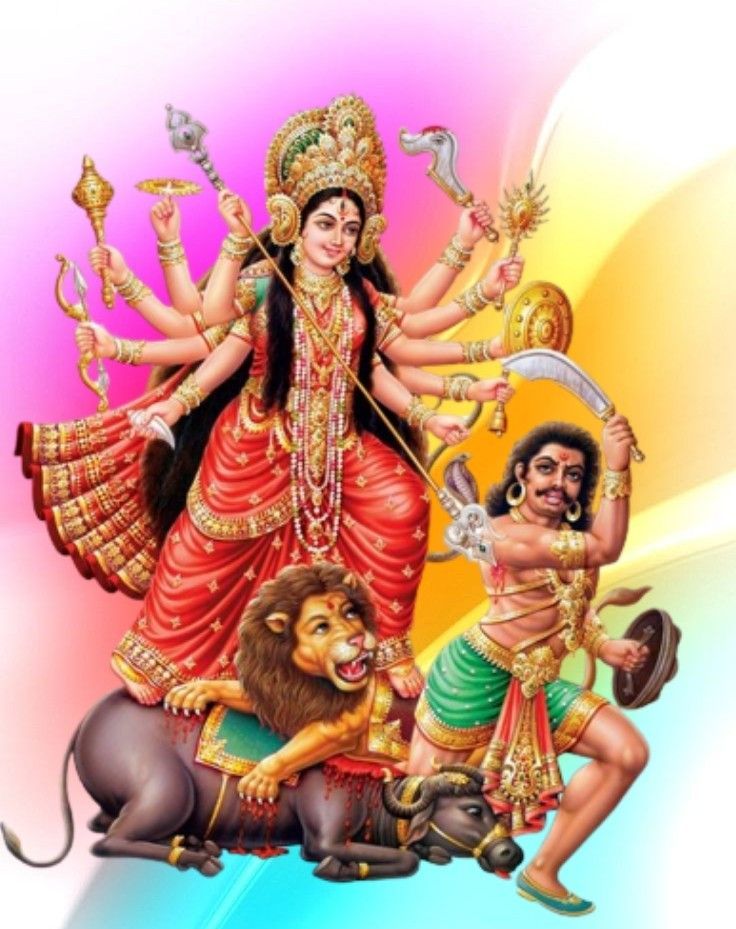
Goddess Durga slaying Mahishasura with lion and weapons image
Durga

Mahishasura Mardini Storam

Mahishasura Mardini Storam This is a prayer to the Goddess who killed Mahishasura. “The place where Sri Mahishasura Mardini Stotram is sung every day, I will always be present and never leave.”– The Devi’s proclamation in the 12th chapter of the Devi MahatmyamCommonly referred to as ‘Aigiri Nandini’, the Mahishasura Mardini Stotram holds immense significance especially during Navratri. This stotram is based on the Devi Mahatmyam and extols the different powers (shaktis) of the Devi. The Devi takes different forms of Durga, Lakshmi and Saraswati and destroys the demons – Madhu and Kaitabha, Mahishasura, and Sumbha and Nisumbha. Mahishasura Mardini Stotram is said to bring peace to the devotee and removes all fear and sadness. It drives away negative emotions like doubt, anger, ego and inertia. This stotram also removes obstacles from the path of the believer.

Mahishasura Mardini Storam Read Post »

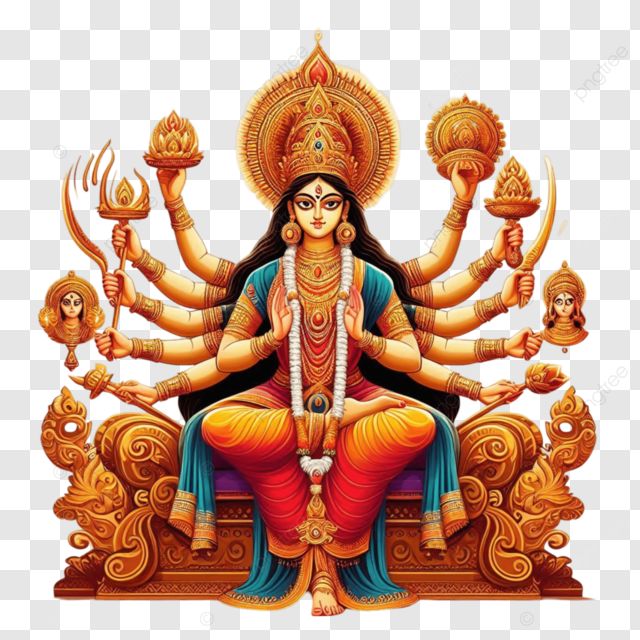
Multi-armed Goddess Durga seated with weapons and lamps image
Durga, Stotra

Keelaka Stotram

Keelaka Stotram मार्कण्डेय उवाचविशुद्धज्ञानदेहाय त्रिवेदीदिव्यचक्षुषे ।श्रेयः प्राप्तिनिमित्ताय नमः सोमार्धधारिणे ॥१॥ mārkaṇḍeya uvāca .oṃ viśuddhajñānadehāya trivedīdivyacakṣuṣe .śreyaḥprāptinimittāya namaḥ somārdhadhāriṇe .. 1 .. Sage Markandeya said: (I offer my salutations to the one) the essence of whose form is that of pure knowledge (of absolute consciousness) [vishuddha-jnana-dehaya] and whose three divine eyes form the three vedas [tri-vedi-divya-cakssusse],to imbibe that auspiciousness (of pure knowledge). I meditate on Shiva and Shakti in their conscious blissful form. I offer my salutations to Shiva who bears the half-of-soma (soma means moon) and also to Shakti who bears half-of-soma (in her body as ardhanareeswara. Soma here is Shiva). Therefore, she has the same qualities of Shiva, of visuddha jnana deha and trivedi divya cakssu. Keelaka is pin or nail. The conscious form of Shakti is pinned to all the mantras of devi mahatmyam as the underlying principle through the keelaka stotram. सर्वमेतद् विजानीयान्मन्त्राणामपि कीलकम् ।सोऽपि क्षेममवाप्नोति सततं जाप्यतत्परः ॥२॥ sarvametadvijānīyānmantrāṇāmapi kīlakam .so’pi kṣemamavāpnoti satataṃ japyatatparaḥ .. 2 .. All these hymns of Keelaka stotram, one should know, are indeed the keelaka (pin or nail) by which the mantras (of devi mahatmyan are pinned) (i.e. by which the underlying principle of the conscious form of devi are pinned), he who devotes himself to continuously chant these hymns, indeed attains tranquility of mind (i.e. he who continuously meditates on the conscious form of devi in the heart indeed attains tranquility of mind). सिद्ध्यन्त्युच्चाटनादीनि कर्माणि सकलान्यपि ।एतेन स्तुवतां देविं स्तोत्रवृन्देन भक्तितः ॥३॥ siddhyantyuccāṭanādīni karmāṇi sakalānyapi .etena stuvatāṃ devīṃ stotravṛndena bhaktitaḥ .. 3 .. He accomplishes uccatana (eradication of inner enemies) to the very root, and all related (spiritual) accomplishments, by extolling the devi with devotional fervour with this collection of hymns. न मन्त्रो नौषधं तत्र न किञ्चिदपि विद्यते ।विना जप्येन सिद्धयेत्तु सर्वमुच्चाटनादिकम् ॥४॥ na mantro nauṣadhaṃ tasya na kiñcidapi vidyate .vinā japyena siddhyettu sarvamuccāṭanādikam .. 4 .. There are no mantras (hymns) or ousadha (medicine) available, even a trace (which can accomplish uccatana), without chanting (any mantras) one accomplishes uccatana (eradication of inner enemies), all to its very root (by meditating on the conscious form of devi in the heart while reciting the devi mahatmyam).(here reciting devi mahatmyam is not like chanting any mantra to obtain the fruit of uccatana, but for meditation on the conscious form of devi and merging our ego in her.) समग्राण्यपि सेत्स्यन्ति लोकशङ्कामिमां हरः ।कृत्वा निमन्त्रयामास सर्वमेवमिदं शुभम् ॥५॥ samagrāṇyapi setsyanti lokaśaṅkāmimāṃ haraḥ .kṛtvā nimantrayāmāsa sarvamevamidaṃ śubham .. 5 .. People had this doubt, how can it be that everything is indeed accomplished (uccatana and other fruits) by reciting the devi mahatmyam which appears to be full of violence; Lord Shiva summoned and pinned the underlying principle of the conscious form of devi to all the mantras of devi mahatmyam; and having done that all this indeed became auspicious (i.e. now the violence in the battlefield became the auspicious force purging us from within). स्तोत्रं वै चण्डिकायास्तु तच्च गुह्यं चकार सः ।समाप्नोति स पुण्येन तां यथावन्निमन्त्रणाम् ॥६॥ stotraṃ vai caṇḍikāyāstu tacca guhyaṃ cakāra saḥ .samāpnoti sa puṇyena tāṃ yathāvannimantraṇām .. 6 .. That stotra of devi Chandika (i.e. Keelaka stotra), lord Shiva indeed made it hidden (behind every mantra of devi mahatmyam) thus making the conscious form of devi as the object of meditation, he achieves everything by her auspiciousness, when she is invoked in the right manner by meditating on her eternal conscious form. सोऽपि क्षेममवाप्नोति सर्वमेव न संशयः ।कृष्णायां वा चतुर्दश्यामष्टम्यां वा समाहितः ॥७॥ so’pi kṣemamavāpnoti sarvameva na saṃśayaḥ .kṛṣṇāyāṃ vā caturdaśyāmaṣṭamyāṃ vā samāhitaḥ .. 7 .. He indeed attains tranquility of mind and all other fruits, there is no doubt about it, he who meditates (on the devi) on Krishna paksha chaturdashi or ashtami of a month. ददाति प्रतिगृह्णाति नान्यथैषा प्रसीदति ।इत्थंरूपेण कीलेन महादेवेन कीलितम् ॥८॥ dadāti pratigṛhṇāti nānyathaiṣā prasīdati .itthaṃ rūpeṇa kīlena mahādevena kīlitam .. 8 .. While meditating on the conscious form of devi during recitation of devi mahatmyam, he should give himself in surrender to her lotus feet, and receive in return her grace; Otherwise she is not pleased (by mechanical recitation of devi mahatmyam bereft of devotion), in this manner, by the keela (pin of keelaka stotram) Mahadeva pinned the mantras of devi mahatmyam (making the meditation on the conscious form of devi the central theme). यो निष्कीलां विधायैनां चण्डीं जपति नित्यशः ।स सिद्धः स गणः सोऽथ गन्धर्वो जायते ध्रुवम् ॥९॥ yo niṣkīlāṃ vidhāyaināṃ caṇḍīṃ japati nityaśaḥ .sa siddhaḥ sa gaṇaḥ so’tha gandharvo jāyate dhruvam .. 9 .. He who after unpinning the keelaka makes her manifest (i.e. invokes her conscious form in the heart), and then recites the chandi, by constantly dwelling (on her conscious form), he becomes a siddha (spiritually accomplished), he becomes a gana (an attendent of the devi), he becomes a gandharva (celestial singer who glorifies the devi), truly. न चैवापाटवं तस्य भयं क्वापि न जायते ।नापमृत्युवशं याति मृते च मोक्षमाप्नुयात् ॥१०॥ na caivāpāṭavaṃ tasya bhayaṃ kvāpi na jāyate .nāpamṛtyuvaśaṃ yāti mṛte ca mokṣamāpnuyāt .. 10 .. He indeed does not become handicapped (prematurely) with major diseases; fear does not rise in him anywhere (which leads to unnecessary anxiety), he does not become victim of premature death; and after death attains moksha (liberation). ज्ञात्वा प्रारभ्य कुर्वीत ह्यकुर्वाणो विनश्यति ।ततो ज्ञात्वैव सम्पूर्णमिदं प्रारभ्यते बुधैः ॥११॥ jñātvā prārabhya kurvīta hyakurvāṇo vinaśyati .tato jñātvaiva sampūrṇamidaṃ prārabhyate budhaiḥ .. 11 .. Only after knowing (the keelakam), he should begin (reciting the devi mahatmyam); if not done in this manner, he is deprived (of the fruits of recitation), therefore only after knowing this fully (i.e. understanding the keelaka fully), the wise men begin reciting the devi mahatmyam. सौभाग्यादि च यत्किञ्चिद् दृश्यते ललनाजने ।तत्सर्वं तत्प्रसादेन तेन जप्यमिदं शुभम् ॥१२॥ saubhāgyādi ca yatkiñcid dṛśyate lalanājane .tatsarvaṃ tatprasādena tena japyamidaṃ śubham .. 12 .. Whatever good fortune, beauty, charm and the like are seen in women, all that is the result of your grace; Therefore women should chant this auspicious stotra and meditate on the auspicious form of the devi. शनैस्तु जप्यमानेऽस्मिन् स्तोत्रे सम्पत्तिरुच्चकैः ।भवत्येव समग्रापि ततः प्रारभ्यमेव तत् ॥१३॥ śanaistu

Keelaka Stotram Read Post »

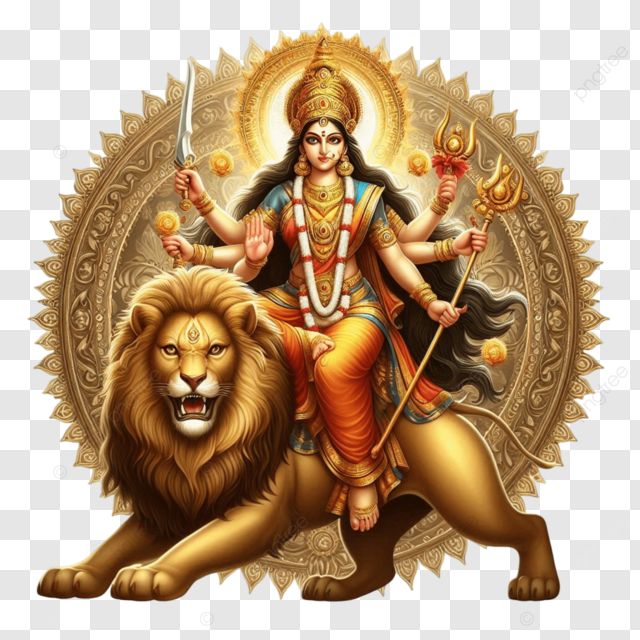
Maa Durga on lion with weapons and golden halo image
Durga

Kalika Ashtakam

Kalika Ashtakam ध्यानगलद्रक्तमुण्डावलीकण्ठमालामहोघोररावा सुदंष्ट्रा कराला ।विवस्त्रा श्मशानालया मुक्तकेशीमहाकालकामाकुला कालिकेयम् ॥१॥ dhyānagaladraktamuṇḍāvalīkaṇṭhamālāmahoghorarāvā sudaṃṣṭrā karālā .vivastrā śmaśānālayā muktakeśīmahākālakāmākulā kālikeyam ..1.. (Salutations to devi Kalika) from her neck is hanging a garland of (severed) heads from which blood is dripping down,she is making a very terrific sound revealing her large teeth, and her appearance is extremely dreadful to look at,she is without any clothes and residing in the cremation ground; her hair is let loose and free (as is her entire appearance),her entire being is manifesting the great yearning to merge with mahakala (to take the devotees beyond samsara); she is Kalika, the great dark goddess. भुजेवामयुग्मे शिरोऽसिं दधानावरं दक्षयुग्मेऽभयं वै तथैव ।सुमध्याऽपि तुङ्गस्तना भारनम्रालसद्रक्तसृक्कद्वया सुस्मितास्या ॥२॥ bhujevāmayugme śiro’siṃ dadhānāvaraṃ dakṣayugme’bhayaṃ vai tathaiva .sumadhyā’pi tuṅgastanā bhāranamrālasadraktasṛkkadvayā susmitāsyā ..2.. (Salutations to devi Kalika) with her left pair of hands, she is holding a head and a sword (symbols of death), …and in like manner with her right pair of hands, she is depicting the vara (boon-giving) and abhaya (fearlessness) mudras (gestures) (assurance of taking the devotees to the world beyond death),her well-built middle torso is slightly bent with the weight of her lofty breasts,her pair of lips are shining with redness (the colour of blood), at the corner of which is playing a beautiful smile (of death). शवद्वन्द्वकर्णावतंसा सुकेशीलसत्प्रेतपाणिं प्रयुक्तैककाञ्ची ।शवाकारमञ्चाधिरूढा शिवाभिश्_चतुर्दिक्षुशब्दायमानाऽभिरेजे ॥३॥ śavadvandvakarṇāvataṃsā sukeśīlasatpretapāṇiṃ prayuktaikakāñcī .śavākāramañcādhirūḍhā śivābhiś_caturdikṣuśabdāyamānā’bhireje ..3.. (Salutations to devi Kalika) her pair of ear rings are displaying the symbols of corpse (death) and she is having a beautiful long hair,her shining girdle in the waist is made up of the (severed) joined hands of the dead,she is mounted on the platform of corpses; .. and jackals …from all four directions are making howling sounds (of terror); … and in the midst of all these is reigning Kalika, the great dark goddess. स्तुतिःविरञ्च्यादिदेवास्त्रयस्ते गुणास्त्रीन्समाराध्य कालीं प्रधाना बभूबुः ।अनादिं सुरादिं मखादिं भवादिंस्वरूपं त्वदीयं न विन्दन्ति देवाः ॥१॥ stutiḥvirañcyādidevāstrayaste guṇāstrīnsamārādhya kālīṃ pradhānā babhūbuḥ .anādiṃ surādiṃ makhādiṃ bhavādiṃsvarūpaṃ tvadīyaṃ na vindanti devāḥ ..1.. (Salutations to devi Kalika) viranchi (sri brahma) and the other devas of the trinity, by taking recourse to your three gunas, …and equally considering Kali as their aradhya (worshippable), have become the chief among the devas,you are without any beginning, you are the beginning of all devas (i.e. the primordial power giving birth to the devas), you are the beginning of all sacrifices (i.e. the primordial power to which all sacrificial oblations go), you are the beginning of all the worlds (i.e. the primordial power giving birth to the worlds),even the devas do not know your transcendental nature. जगन्मोहनीयं तु वाग्वादिनीयंसुहृत्पोषिणीशत्रुसंहारणीयम् ।वचस्तम्भनीयं किमुच्चाटनीयंस्वरूपं त्वदीयं न विन्दन्ति देवाः ॥२॥ jaganmohanīyaṃ tu vāgvādinīyaṃsuhṛtpoṣiṇīśatrusaṃhāraṇīyam .vacastambhanīyaṃ kimuccāṭanīyaṃsvarūpaṃ tvadīyaṃ na vindanti devāḥ ..2.. (Salutations to devi Kalika) you are the power enchanting the worlds, and (what more), you are the power proclaiming speech itself,you are the power which nourish the good-hearted, and you are the power which destroy the enemies (i.e. evil hearted),you are the power which can supress the speech, and what more, you are the power which can eradicate speech itself (i.e. destroy the vain pride of enemies),even the devas do not know your transcendental nature. इयं स्वर्गदात्री पुनः कल्पवल्लीमनोजास्तु कामान् यथार्थं प्रकुर्यात् ।तथा ते कृतार्था भवन्तीति नित्यंस्वरूपं त्वदीयं न विन्दन्ति देवाः ॥३॥ iyaṃ svargadātrī punaḥ kalpavallīmanojāstu kāmān yathārthaṃ prakuryāt .tathā te kṛtārthā bhavantīti nityaṃsvarūpaṃ tvadīyaṃ na vindanti devāḥ ..3.. (Salutations to devi Kalika) you can give heaven itself (i.e. great prosperity), and again like a wish-fulfilling creeper …fulfill the mind-born wishes uttered with true devotion,thus, to you the world is always grateful,even the devas do not know your transcendental nature. सुरापानमत्ता सुभक्तानुरक्तालसत्पूतचित्ते सदाविर्भवत्ते ।जपध्यानपूजासुधाधौतपङ्कास्वरूपं त्वदीयं न विन्दन्ति देवाः ॥४॥ surāpānamattā subhaktānuraktālasatpūtacitte sadāvirbhavatte .japadhyānapūjāsudhādhautapaṅkāsvarūpaṃ tvadīyaṃ na vindanti devāḥ ..4.. (Salutations to devi Kalika) you take great delight drinking the sura (liquor signifying transcendental bliss) and you are pleased with sincere devotees,within the heart shining with purity, you always manifest yourself, …the heart which is cleansed of impurities by the nectar of japa (repetition of god’s name), dhyana (meditation) and puja (worshipping god),even the devas do not know your transcendental nature. चिदानन्दकन्दं हसन् मन्दमन्दंशरच्चन्द्रकोटिप्रभापुञ्जबिम्बम् ।मुनीनां कवीनां हृदि द्योतयन्तंस्वरूपं त्वदीयं न विन्दन्ति देवाः ॥५॥ cidānandakandaṃ hasan mandamandaṃśaraccandrakoṭiprabhāpuñjabimbam .munīnāṃ kavīnāṃ hṛdi dyotayantaṃsvarūpaṃ tvadīyaṃ na vindanti devāḥ ..5.. (Salutations to devi Kalika) you are a form within the sky of consciousness of spiritual bliss and you make your presence felt by smiling gently (deep within),your form is like the moon in the autumn sky (of spiritual consciousness) which reflects the million rays contained within it,the sages and the enlightened feel your presence within the caves of their hearts,even the devas do not know your transcendental nature. महामेघकाली सुरक्तापि शुभ्राकदाचिद् विचित्राकृतिर्योगमाया ।न बाला न वृद्धा न कामातुरापिस्वरूपं त्वदीयं न विन्दन्ति देवाः ॥६॥ mahāmeghakālī suraktāpi śubhrākadācid vicitrākṛtiryogamāyā .na bālā na vṛddhā na kāmāturāpisvarūpaṃ tvadīyaṃ na vindanti devāḥ ..6.. (Salutations to devi Kalika) you are black like the great cloud and also deep red, and again white,sometimes you assume various forms through your yogamaya,you are neither a small girl, nor an old woman, and also not of any age filled with love desires (i.e. youth),even the devas do not know your transcendental nature. क्षमस्वापराधं महागुप्तभावंमया लोकमध्ये प्रकाशिकृतं यत् ।तव ध्यानपूतेन चापल्यभावात्स्वरूपं त्वदीयं न विन्दन्ति देवाः ॥७॥ kṣamasvāparādhaṃ mahāguptabhāvaṃmayā lokamadhye prakāśikṛtaṃ yat .tava dhyānapūtena cāpalyabhāvātsvarūpaṃ tvadīyaṃ na vindanti devāḥ ..7.. (Salutations to devi Kalika) please forgive my mistake (if any), (because) your great hidden nature …has been revealed by me in the midst of the world,it has been revealed by the childlike nature (within me) which has been made pure by meditation on you,even the devas do not know your transcendental nature. यदि ध्यानयुक्तं पठेद् यो मनुष्यस्_तदा सर्वलोके विशालो भवेच्च ।गृहे चाष्टसिद्धिर्मृते चापि मुक्तिःस्वरूपं त्वदीयं न विन्दन्ति देवाः ॥८॥ yadi dhyānayuktaṃ paṭhed yo manuṣyas_tadā sarvaloke viśālo bhavecca .gṛhe cāṣṭasiddhirmṛte cāpi muktiḥsvarūpaṃ tvadīyaṃ na vindanti devāḥ ..8.. (Salutations to devi Kalika) if any person reads this with meditative devotion, …then he will become great in all the worlds,in the house (i.e. while living in this world) he will get the eight siddhis, and

Kalika Ashtakam Read Post »

Multi-armed Goddess Durga icon with trident and halo image
Stotra, Sūktam

Durga Suktam

Durga Suktam दुर्गासूक्तम्॥ अथ दुर्गा सूक्तम् ॥ओम् ॥ जा॒तवे॑दसे सुनवाम॒ सोम॑ मरातीय॒तो निद॑हाति॒ वेदः॑ ।स नः॑ पर्-ष॒दति॑ दु॒र्गाणि॒ विश्वा॑ ना॒वेव॒ सिन्धु॑-न्दुरि॒ता-ऽत्य॒ग्निः ॥ durgāsūktam.. atha durgā sūktam ..ōm ॥ jā̠tavē̍dasē sunavāma̠ sōma̍ marātīya̠tō nida̍hāti̠ vēda̍ḥ ।sa na̍ḥ par-ṣa̠dati̍ du̠rgāṇi̠ viśvā̍ nā̠vēva̠ sindhu̍-nduri̠tā-‘tya̠gniḥ ॥ We offer oblations of Soma unto Agni. May he burn those who are against us. May that Agni lead us beyond all difficulties, like a boatman takes his boat across a river. ताम॒ग्निव॑र्णा॒-न्तप॑सा ज्वल॒न्तीं-वैँ॑रोच॒नी-ङ्क॑र्मफ॒लेषु॒ जुष्टा᳚म् ।दु॒र्गा-न्दे॒वीग्ं शर॑णम॒ह-म्प्रप॑द्ये सु॒तर॑सि तरसे॒ नमः॑ ॥ tāma̠gniva̍rṇā̠-ntapa̍sā jvala̠ntīṃ vai̍rōcha̠nī-ṅka̍rmapha̠lēṣu̠ juṣṭā̎m ।du̠rgā-ndē̠vīgṃ śara̍ṇama̠ha-mprapa̍dyē su̠tara̍si tarasē̠ nama̍ḥ ॥ I take refuge in that Goddess, who has the lusture of fire, who is radiant due to her penance, who gives the fruits of all actions, and who is difficult to obtain. O Durga, we bow to you who are skilled in making us cross all difficulties. अग्ने॒ त्व-म्पा॑रया॒ नव्यो॑ अ॒स्मान्​थ्स्व॒स्तिभि॒रति॑ दु॒र्गाणि॒ विश्वा᳚ ।पूश्च॑ पृ॒थ्वी ब॑हु॒ला न॑ उ॒र्वी भवा॑ तो॒काय॒ तन॑याय॒ शं​योँः ॥ agnē̠ tva-mpā̍rayā̠ navyō̍ a̠smān​thsva̠stibhi̠rati̍ du̠rgāṇi̠ viśvā̎ ।pūścha̍ pṛ̠thvī ba̍hu̠lā na̍ u̠rvī bhavā̍ tō̠kāya̠ tana̍yāya̠ śaṃyōḥ ॥ Oh Agni! You are worthy of all praise. Lead us safely beyond all difficulties. May our land and our earth be abundant. Bless our children and their children with happiness. विश्वा॑नि नो दु॒र्गहा॑ जातवेद॒-स्सिन्धु॒न्न ना॒वा दु॑रि॒ता-ऽति॑पर्-षि ।अग्ने॑ अत्रि॒वन्मन॑सा गृणा॒नो᳚-ऽस्माक॑-म्बोध्यवि॒ता त॒नूना᳚म् ॥ viśvā̍ni nō du̠rgahā̍ jātavēda̠-ssindhu̠nna nā̠vā du̍ri̠tā-‘ti̍par-ṣi ।agnē̍ atri̠vanmana̍sā gṛṇā̠nō̎-‘smāka̍-mbōdhyavi̠tā ta̠nūnā̎m ॥ O destroyer of all difficulties! Rescue us from difficulties, just as one crosses a river by means of a boat. O Agni! Protect our bodies vigilantly like Atri (who is concerned with the welfare of all beings). पृ॒त॒ना॒ जित॒ग्ं॒ सह॑मानमु॒ग्रम॒ग्निग्ं हु॑वेम पर॒माथ्स॒धस्था᳚त् ।स नः॑ पर्-ष॒दति॑ दु॒र्गाणि॒ विश्वा॒ क्षाम॑द्दे॒वो अति॑ दुरि॒ता-ऽत्य॒ग्निः ॥ pṛ̠ta̠nā̠ jita̠gṃ̠ saha̍mānamu̠grama̠gnigṃ hu̍vēma para̠māthsa̠dhasthā̎t ।sa na̍ḥ par-ṣa̠dati̍ du̠rgāṇi̠ viśvā̠ kṣāma̍ddē̠vō ati̍ duri̠tā-‘tya̠gniḥ ॥ We invoke Agni from the highest assembly, who charges and vanquishes his enemies and is fearsome. May that Agni protect us and lead us beyond all that is transient, all difficulties, and all sins. प्र॒त्नोषि॑ क॒मीड्यो॑ अध्व॒रेषु॑ स॒नाच्च॒ होता॒ नव्य॑श्च॒ सत्सि॑ ।स्वाञ्चा᳚-ऽग्ने त॒नुव॑-म्पि॒प्रय॑स्वा॒स्मभ्य॑-ञ्च॒ सौभ॑ग॒माय॑जस्व ॥ pra̠tnōṣi̍ ka̠mīḍyō̍ adhva̠rēṣu̍ sa̠nāchcha̠ hōtā̠ navya̍ścha̠ satsi̍ ।svāñchā̎-‘gnē ta̠nuva̍-mpi̠praya̍svā̠smabhya̍-ñcha̠ saubha̍ga̠māya̍jasva ॥ O Agni! You who are adored in sacrifices multiply our joy. You are present in the sacrifices and are always laudable. Grant us happiness thinking of us as your own body. Bring us good fortune from all corners. गोभि॒र्जुष्ट॑मयुजो॒ निषि॑क्त॒-न्तवे᳚न्द्र विष्णो॒रनु॒सञ्च॑रेम ।नाक॑स्य पृ॒ष्ठम॒भि सं॒​वँसा॑नो॒ वैष्ण॑वीं-लोँ॒क इ॒ह मा॑दयन्ताम् ॥ gōbhi̠rjuṣṭa̍mayujō̠ niṣi̍kta̠-ntavē̎mdra viṣṇō̠ranu̠sañcha̍rēma ।nāka̍sya pṛ̠ṣṭhama̠bhi sa̠ṃvasā̍nō̠ vaiṣṇa̍vīṃ lō̠ka i̠ha mā̍dayantām ॥ O all-pervading Indra who is unattached ! We shall follow you blessed with cattle and happiness. May those who live in the upper reach of the heavens bless me with the world of Vishnu in this life. ओ-ङ्का॒त्या॒य॒नाय॑ वि॒द्महे॑ कन्यकु॒मारि॑ धीमहि ।तन्नो॑ दुर्गिः प्रचो॒दया᳚त् ॥ ō-ṅkā̠tyā̠ya̠nāya̍ vi̠dmahē̍ kanyaku̠māri̍ dhīmahi ।tannō̍ durgiḥ prachō̠dayā̎t ॥ We perceive the daughter of Katyayana; we meditate on that young virgin. May that Durga inspire us (to reach that goal). इति दुर्गा सूक्तम् ॥ॐ शान्तिः शान्तिः शान्तिः ॥ iti durgā sūktam ..oṃ śāntiḥ śāntiḥ śāntiḥ .. Om peace peace peace. Durga Suktam – Introduction The Durga Suktam is a Vedic hymn found in the Maha Narayana Upanishad, primarily addressed to Agni (the god of fire) as a representation of the Divine Mother Durga’s fiery, active energy. Its meaning is a prayer for protection from life’s difficulties, with Agni being asked to “carry us across” all obstacles like a ferryman carries a boat across a river. Chanting the Suktam is believed to bestow inner strength, prosperity, and connection to the Supreme Shakti, leading to the removal of fears and negativity. Key Aspects of the Durga Suktam:Invocation of Agni: The hymns are directed towards Agni, who symbolizes purposeful action and the power to overcome adversity. Durga’s Fiery Form: Agni is seen as a manifestation of Durga’s divine, fiery energy, a form that is both destructive to evil and protective to the righteous. Symbolism of Durga: The word “Durga” itself means “difficult to cross” or “fort,” representing the difficult obstacles and shortcomings that imprison the mind. A Prayer for Crossing Difficulties: The core message is a plea to be carried over the “ocean of worldly existence” by a divine force that obliterates obstacles. Connection to Shakti: The Suktam seeks the grace of the Supreme Shakti (divine feminine power) to gain protection, inner strength, and spiritual progress. Benefits of Chanting:Protection from Obstacles: Chanting provides protection from the difficulties that beset the path of life. Inner Strength and Clarity: It helps in gaining inner strength, mental clarity, and the ability to face challenging situations. Prosperity and Well-being: The hymn aims to bless homes, lands, children, and future generations with peace and prosperity. Spiritual Connection: It connects the chanter to the Divine Mother and allows for the experience of divine love.

Durga Suktam Read Post »

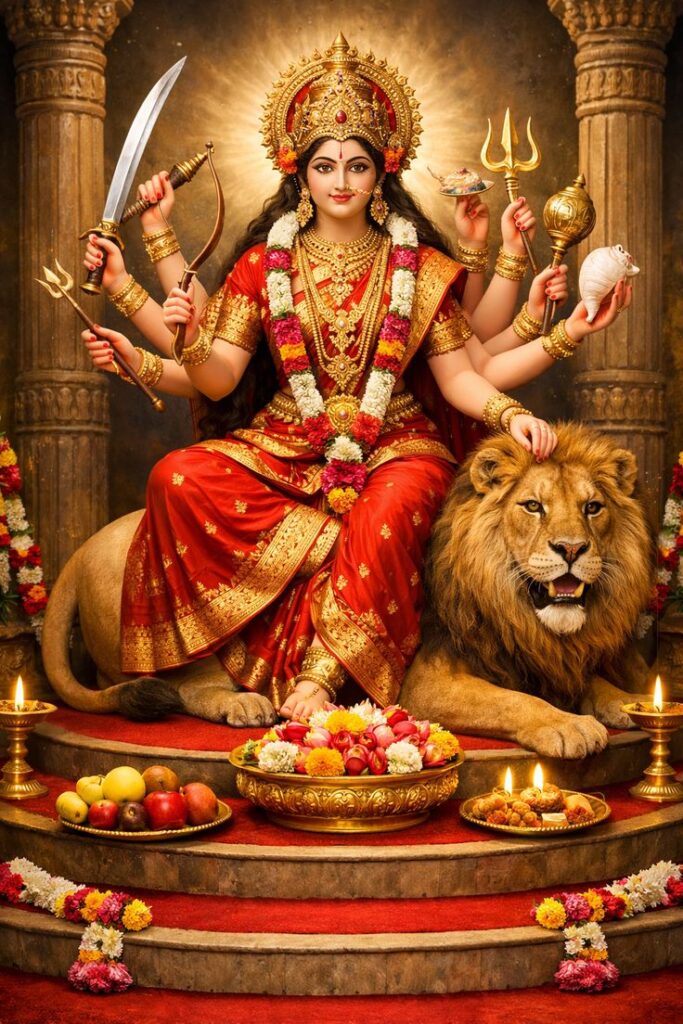
Goddess Durga seated with lion holding weapons and conch image
Durga

Durga Devi Kavacham

Durga Devi Kavacham श्रीदुर्गादेविकवचम्श्रीगणेशाय नमः । śrīdurgādevikavacamśrīgaṇeśāya namaḥ . ईश्वर उवाच ।श‍ृणु देवि प्रवक्ष्यामि कवचं सर्वसिद्धिदम् ।पठित्वा पाठयित्वा च नरो मुच्येत सङ्कटात् ॥ १ ॥ īśvara uvāca .śṛṇu devi pravakṣyāmi kavacaṃ sarvasiddhidam .paṭhitvā pāṭhayitvā ca naro mucyeta saṅkaṭāt .. 1 .. अज्ञात्वा कवचं देवि दुर्गामन्त्रं च यो जपेत् ।स नाप्नोति फलं तस्य परं च नरकं व्रजेत् ॥ २ ॥ ajñātvā kavacaṃ devi durgāmantraṃ ca yo japet .sa nāpnoti phalaṃ tasya paraṃ ca narakaṃ vrajet .. 2 .. इदं गुह्यतमं देवि कवचं तव कथ्यते ।गोपनीयं प्रयत्नेन सावधानवधारय ॥ ३ ॥ idaṃ guhyatamaṃ devi kavacaṃ tava kathyate .gopanīyaṃ prayatnena sāvadhānavadhāraya .. 3 .. उमादेवी शिरः पातु ललाटे शूलधारिणी ।चक्षुषी खेचरी पातु कर्णौ चत्वरवासिनी ॥ ४ ॥ umādevī śiraḥ pātu lalāṭe śūladhāriṇī .cakṣuṣī khecarī pātu karṇau catvaravāsinī .. 4 .. सुगन्धा नासिके पातु वदनं सर्वधारिणी । सर्वसाधिनीजिह्वां च चण्डिकादेवी ग्रीवां सौभद्रिका तथा ॥ ५ ॥ sugandhā nāsike pātu vadanaṃ sarvadhāriṇī . sarvasādhinījihvāṃ ca caṇḍikādevī grīvāṃ saubhadrikā tathā .. 5 .. अशोकवासिनी चेतो द्वौ बाहू वज्रधारिणी ।कण्ठं पातु महावाणी जगन्माता स्तनद्वयम् ॥ ६ ॥ aśokavāsinī ceto dvau bāhū vajradhāriṇī .kaṇṭhaṃ pātu mahāvāṇī jaganmātā stanadvayam .. 6 .. हृदयं ललितादेवी उदरं सिंहवाहिनी ।कटिं भगवती देवी द्वावूरू विन्ध्यवासिनी ॥ ७ ॥ hṛdayaṃ lalitādevī udaraṃ siṃhavāhinī .kaṭiṃ bhagavatī devī dvāvūrū vindhyavāsinī .. 7 .. महाबला च जङ्घे द्वे पादौ भूतलवासिनी ।एवं स्थिताऽसि देवि त्वं त्रैलोक्ये रक्षणात्मिका ।रक्ष मां सर्वगात्रेषु दुर्गे देवि नमोऽस्तुते ॥ ८ ॥ mahābalā ca jaṅghe dve pādau bhūtalavāsinī .evaṃ sthitā’si devi tvaṃ trailokye rakṣaṇātmikā .rakṣa māṃ sarvagātreṣu durge devi namo’stute .. 8 .. इत्येतत्कवचं देवि महाविद्या फलप्रद ।यः पठेत्प्रातरुत्थाय स हि तीर्थफलं लभेत् ॥ ९ ॥ ityetatkavacaṃ devi mahāvidyā phalaprada .yaḥ paṭhetprātarutthāya sa hi tīrthaphalaṃ labhet .. 9 .. यो न्यसेत् कवचं देहे तस्य विघ्नं न क्वचित् ।भूतप्रेतपिशाचेभ्यो भयं तस्य न विद्यते ॥ १० ॥ yo nyaset kavacaṃ dehe tasya vighnaṃ na kvacit .bhūtapretapiśācebhyo bhayaṃ tasya na vidyate .. 10 .. ॥ इति श्रीकुब्जिकातन्त्रे दुर्गाकवचं सम्पूर्णम् ॥ .. iti śrīkubjikātantre durgākavacaṃ sampūrṇam .. Durga Devi Kavacham – Introduction The Durga Devi Kavacham is a sacred protective hymn dedicated to Goddess Durga, where “kavacham” literally means “armour.” This powerful prayer serves as spiritual protection for devotees, with the opening verse establishing its purpose: “Listen, O Goddess, I shall recite this kavacham which grants all accomplishments. By reciting or teaching it, a person is freed from all troubles.” The text is a means of spiritual empowerment and divine intervention against life’s difficulties. Structurally, the kavacham follows the traditional format of protective mantras by systematically invoking Goddess Durga’s protection for different parts of the body and various aspects of life. Each verse typically calls upon specific names and forms of the goddess while requesting her divine shield against negative forces, creating a comprehensive spiritual armor. The hymn weaves together devotional praise with practical appeals for protection. The Durga Devi Kavacham is a sacred protective hymn dedicated to Goddess Durga, where “kavacham” literally means “armour.” This powerful prayer serves as spiritual protection for devotees, with the opening verse establishing its purpose: “Listen, O Goddess, I shall recite this kavacham which grants all accomplishments. By reciting or teaching it, a person is freed from all troubles.” The text is a means of spiritual empowerment and divine intervention against life’s difficulties. Structurally, the kavacham follows the traditional format of protective mantras by systematically invoking Goddess Durga’s protection for different parts of the body and various aspects of life. Each verse typically calls upon specific names and forms of the goddess while requesting her divine shield against negative forces, creating a comprehensive spiritual armor. The hymn weaves together devotional praise with practical appeals for protection. The kavacham holds particular significance in devotional practice and is commonly recited during Navaratri festivals, times of personal crisis, daily spiritual routines, and before important undertakings. Regular recitation creates a protective energy field around the practitioner, combining the power of sacred sound with heartfelt devotion. This text exemplifies Durga’s role as the protective mother deity who not only shields her children from harm but also empowers them with strength and wisdom to overcome life’s challenges, making it a cornerstone of Devi worship and personal spiritual protection.

Durga Devi Kavacham Read Post »

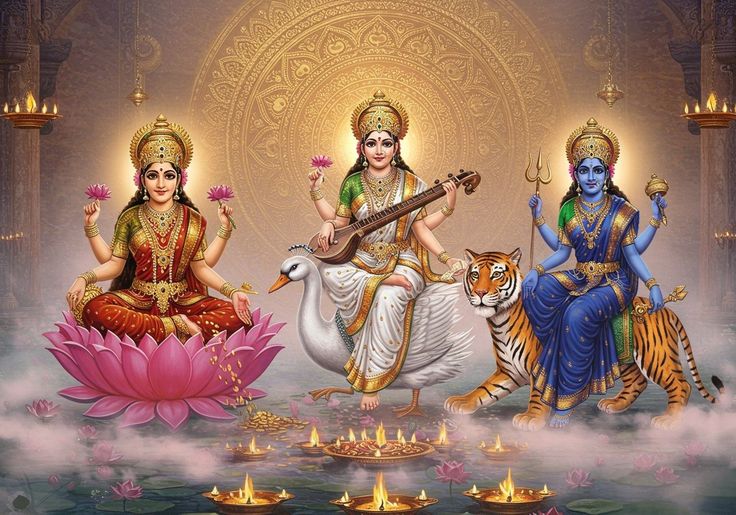
Goddess Lakshmi Saraswati Durga seated together with lotus swan tiger image
Durga

Durga Chalisa

Durga Chalisa नमो नमो दुर्गे सुख करनी।नमो नमो दुर्गे दुःख हरनी॥१॥ namo namo durge sukha karanī.namo namo durge duḥkha haranī..1.. निरंकार है ज्योति तुम्हारी।तिहूँ लोक फैली उजियारी॥२॥ niraṃkāra hai jyoti tumhārī.tihūm̐ loka phailī ujiyārī..2.. शशि ललाट मुख महाविशाला।नेत्र लाल भृकुटि विकराला॥३॥ śaśi lalāṭa mukha mahāviśālā.netra lāla bhṛkuṭi vikarālā..3.. रूप मातु को अधिक सुहावे।दरश करत जन अति सुख पावे॥४॥ rūpa mātu ko adhika suhāve.daraśa karata jana ati sukha pāve..4.. तुम संसार शक्ति लै कीना।पालन हेतु अन्न धन दीना॥५॥ tuma saṃsāra śakti lai kīnā.pālana hetu anna dhana dīnā..5.. अन्नपूर्णा हुई जग पाला।तुम ही आदि सुन्दरी बाला॥६॥ annapūrṇā huī jaga pālā.tuma hī ādi sundarī bālā..6.. प्रलयकाल सब नाशन हारी।तुम गौरी शिवशंकर प्यारी॥७॥ pralayakāla saba nāśana hārī.tuma gaurī śivaśaṃkara pyārī..7.. शिव योगी तुम्हरे गुण गावें।ब्रह्मा विष्णु तुम्हें नित ध्यावें॥८॥ śiva yogī tumhare guṇa gāveṃ.brahmā viṣṇu tumheṃ nita dhyāveṃ..8.. रूप सरस्वती को तुम धारा।दे सुबुद्धि ऋषि मुनिन उबारा॥९॥ rūpa sarasvatī ko tuma dhārā.de subuddhi ṛṣi munina ubārā..9.. धरयो रूप नरसिंह को अम्बा।परगट भई फाड़कर खम्बा॥१०॥ dharayo rūpa narasiṃha ko ambā.paragaṭa bhaī phār̤akara khambā..10.. रक्षा करि प्रह्लाद बचायो।हिरण्याक्ष को स्वर्ग पठायो॥११॥ rakṣā kari prahlāda bacāyo.hiraṇyākṣa ko svarga paṭhāyo..11.. लक्ष्मी रूप धरो जग माहीं।श्री नारायण अंग समाहीं॥१२॥ lakṣmī rūpa dharo jaga māhīṃ.śrī nārāyaṇa aṃga samāhīṃ..12.. क्षीरसिन्धु में करत विलासा।दयासिन्धु दीजै मन आसा॥१३॥ kṣīrasindhu meṃ karata vilāsā.dayāsindhu dījai mana āsā..13.. हिंगलाज में तुम्हीं भवानी।महिमा अमित न जात बखानी॥१४॥ hiṃgalāja meṃ tumhīṃ bhavānī.mahimā amita na jāta bakhānī..14.. मातंगी अरु धूमावति माता।भुवनेश्वरी बगला सुख दाता॥१५॥ mātaṃgī aru dhūmāvati mātā.bhuvaneśvarī bagalā sukha dātā..15.. श्री भैरव तारा जग तारिणी।छिन्न भाल भव दुःख निवारिणी॥१६॥ śrī bhairava tārā jaga tāriṇī.chinna bhāla bhava duḥkha nivāriṇī..16.. केहरि वाहन सोह भवानी।लांगुर वीर चलत अगवानी॥१७॥ kehari vāhana soha bhavānī.lāṃgura vīra calata agavānī..17.. कर में खप्पर खड्ग विराजै।जाको देख काल डर भाजै॥१८॥ kara meṃ khappara khaḍga virājai.jāko dekha kāla ḍara bhājai..18.. सोहै अस्त्र और त्रिशूला।जाते उठत शत्रु हिय शूला॥१९॥ sohai astra aura triśūlā.jāte uṭhata śatru hiya śūlā..19.. नगरकोट में तुम्हीं विराजत।तिहुँलोक में डंका बाजत॥२०॥ nagarakoṭa meṃ tumhīṃ virājata.tihum̐loka meṃ ḍaṃkā bājata..20.. शुम्भ निशुम्भ दानव तुम मारे।रक्तबीज शंखन संहारे॥२१॥ śumbha niśumbha dānava tuma māre.raktabīja śaṃkhana saṃhāre..21.. महिषासुर नृप अति अभिमानी।जेहि अघ भार मही अकुलानी॥२२॥ mahiṣāsura nṛpa ati abhimānī.jehi agha bhāra mahī akulānī..22.. रूप कराल कालिका धारा।सेन सहित तुम तिहि संहारा॥२३॥ rūpa karāla kālikā dhārā.sena sahita tuma tihi saṃhārā..23.. परी गाढ़ सन्तन पर जब जब।भई सहाय मातु तुम तब तब॥२४॥ parī gār̤ha santana para jaba jaba.bhaī sahāya mātu tuma taba taba..24.. अमरपुरी अरु बासव लोका।तब महिमा सब रहें अशोका॥२५॥ amarapurī aru bāsava lokā.taba mahimā saba raheṃ aśokā..25.. ज्वाला में है ज्योति तुम्हारी।तुम्हें सदा पूजें नर-नारी॥२६॥ jvālā meṃ hai jyoti tumhārī.tumheṃ sadā pūjeṃ nara-nārī..26.. प्रेम भक्ति से जो यश गावें।दुःख दारिद्र निकट नहिं आवें॥२७॥ prema bhakti se jo yaśa gāveṃ.duḥkha dāridra nikaṭa nahiṃ āveṃ..27.. ध्यावे तुम्हें जो नर मन लाई।जन्म-मरण ताकौ छुटि जाई॥२८॥ dhyāve tumheṃ jo nara mana lāī.janma-maraṇa tākau chuṭi jāī..28.. जोगी सुर मुनि कहत पुकारी।योग न हो बिन शक्ति तुम्हारी॥२९॥ jogī sura muni kahata pukārī.yoga na ho bina śakti tumhārī..29.. शंकर आचारज तप कीनो।काम अरु क्रोध जीति सब लीनो॥३०॥ śaṃkara ācāraja tapa kīno.kāma aru krodha jīti saba līno..30.. निशिदिन ध्यान धरो शंकर को।काहु काल नहिं सुमिरो तुमको॥३१॥ niśidina dhyāna dharo śaṃkara ko.kāhu kāla nahiṃ sumiro tumako..31.. शक्ति रूप का मरम न पायो।शक्ति गई तब मन पछितायो॥३२॥ śakti rūpa kā marama na pāyo.śakti gaī taba mana pachitāyo..32.. शरणागत हुई कीर्ति बखानी।जय जय जय जगदम्ब भवानी॥३३॥ śaraṇāgata huī kīrti bakhānī.jaya jaya jaya jagadamba bhavānī..33.. भई प्रसन्न आदि जगदम्बा।दई शक्ति नहिं कीन विलम्बा॥३४॥ bhaī prasanna ādi jagadambā.daī śakti nahiṃ kīna vilambā..34.. मोको मातु कष्ट अति घेरो।तुम बिन कौन हरै दुःख मेरो॥३५॥ moko mātu kaṣṭa ati ghero.tuma bina kauna harai duḥkha mero..35.. आशा तृष्णा निपट सतावें।मोह मदादिक सब बिनशावें॥३६॥ āśā tṛṣṇā nipaṭa satāveṃ.moha madādika saba binaśāveṃ..36.. शत्रु नाश कीजै महारानी।सुमिरौं इकचित तुम्हें भवानी॥३७॥ śatru nāśa kījai mahārānī.sumirauṃ ikacita tumheṃ bhavānī..37.. करो कृपा हे मातु दयाला।ऋद्धि-सिद्धि दै करहु निहाला।३८॥ karo kṛpā he mātu dayālā.ṛddhi-siddhi dai karahu nihālā.38.. जब लगि जिऊँ दया फल पाऊँ।तुम्हरो यश मैं सदा सुनाऊँ॥३९॥ jaba lagi jiūm̐ dayā phala pāūm̐.tumharo yaśa maiṃ sadā sunāūm̐..39.. श्री दुर्गा चालीसा जो कोई गावै।सब सुख भोग परमपद पावै॥४०॥ śrī durgā cālīsā jo koī gāvai.saba sukha bhoga paramapada pāvai..40.. देवीदास शरण निज जानी।करहु कृपा जगदम्ब भवानी॥ devīdāsa śaraṇa nija jānī.karahu kṛpā jagadamba bhavānī.. Shri Durga Chalisa: A Divine Invocation and Its Meaning The Durga Chalisa is a popular devotional hymn of forty verses dedicated to Goddess Durga, who embodies divine energy, protection, and strength. It is written in Hindi/Awadhi. Reciting the Durga Chalisa invokes the Goddess’s blessings, granting the devotee protection, strength, and prosperity. The Durga Chalisa is a 40-verse hymn that celebrates the might and benevolence of Goddess Durga. Each verse contains a wealth of meaning, reflecting Durga’s multifaceted nature as the universal mother, the destroyer of evil, and the protector of the righteous. Reciting this, Chalisa is believed to invoke the divine energy needed to overcome obstacles, protect oneself from negativity, and live abundantly and joyfully. The Origins and Significance of Shri Durga Chalisa The origins of the Durga Chalisa can be traced back to medieval devotional traditions in India. Written in the vernacular, it evolved into a potent instrument that followers might use to establish a connection with the divine feminine spirit. Devidas praised many aspects of Durga in the Chalisa, which include her beauty, fury, nurturing, and protective functions. Who is Goddess Durga? Goddess Durga, frequently seen astride a lion, represents the ultimate manifestation of Shakti (divine energy). She is the formidable guardian of the universe and the benevolent mother who nurtures and bestows blessings on her believers. Durga is revered in multiple manifestations, including Kali, Saraswati, and Lakshmi, each symbolising distinct facets of cosmic energy. The Power of Reciting the Durga Chalisa The effectiveness of chanting the Durga Chalisa resides in linking the devotee with the divine essence of the Goddess. Chanting the Chalisa with dedication is believed to alleviate fear, eliminate impediments, and facilitate spiritual and material achievement. The recurrence of these verses generates a vibrational energy that promotes cognitive clarity and emotional resilience. Verse 1: Salutation to Goddess Durga “namō namō durgē sukha karanī । namō namō ambē duḥkha haranī ॥“ “I bow to

Durga Chalisa Read Post »

Goddess Durga riding tiger with multiple arms and weapons image
Durga, Sūktam

Devi Suktam

Devi Suktam ॐ अ॒हं रु॒द्रेभि॒र्वसु॑भिश्चराम्य॒हमा᳚दि॒त्यैरु॒त वि॒श्वदे᳚वैः ।अ॒हं मि॒त्रावरु॑णो॒भा बि॑भर्म्य॒हमि᳚न्द्रा॒ग्नी अ॒हम॒श्विनो॒भा ॥ १॥ oṃ a̱haṃ ru̱drebhi̱rvasu̍bhiścarāmya̱hamā̎di̱tyairu̱ta vi̱śvade̎vaiḥ .a̱haṃ mi̱trāvaru̍ṇo̱bhā bi̍bharmya̱hami̎ndrā̱gnī a̱hama̱śvino̱bhā .. 1.. I move along with Rudras, the Vasus, the Adityas, also with the Vishvadevas. I hold both Mitra and Varuna, both Indra and Agni, and both the Asvin brothers. अ॒हं सोम॑माह॒नसं᳚ बिभर्म्य॒हं त्वष्टा᳚रमु॒त पू॒षणं॒ भगम्᳚ ।अ॒हं द॑धामि॒ द्रवि॑णं ह॒विष्म॑ते सुप्रा॒व्ये॒ ए॒ ३॒॑ यज॑मानाय सुन्व॒ते ॥ २॥ a̱haṃ soma̍māha̱nasa̎ṃ bibharmya̱haṃ tvaṣṭā̎ramu̱ta pū̱ṣaṇa̱ṃ bhagam̎ .a̱haṃ da̍dhāmi̱ dravi̍ṇaṃ ha̱viṣma̍te suprā̱vye̱ e̱ 3̱̍ yaja̍mānāya sunva̱te .. 2.. I bear the pressed out Soma, also Tvashtri, Pushan and Bhaga. I grant wealth to the possessor of oblation, to the mindful institutor of sacrifice and to the performer of Soma sacrifice. अ॒हं राष्ट्री᳚ सं॒गम॑नी॒ वसू᳚नां चिकि॒तुषी᳚ प्रथ॒मा य॒ज्ञिया᳚नाम् ।तां मा᳚ दे॒वा व्य॑दधुः पुरु॒त्रा भूरि॑स्थात्रां॒ भूर्या᳚ वे॒शयन्᳚तीम् ॥ ३॥ a̱haṃ rāṣṭrī̎ sa̱ṃgama̍nī̱ vasū̎nāṃ ciki̱tuṣī̎ pratha̱mā ya̱jñiyā̎nām .tāṃ mā̎ de̱vā vya̍dadhuḥ puru̱trā bhūri̍sthātrā̱ṃ bhūryā̎ ve̱śayan̎tīm .. 3.. I am the Queen, the gatherer of vasus (treasures), knower of Brahman, the first (chief) of the object of yagna (worship). The gods have dispersed me in many places, having many abodes, causing me to pervade (or overpower) many. मया॒ सोऽअन्न॑मत्ति॒ यो वि॒पश्य॑ति॒ यः प्राणि॑ति॒ य ईं᳚ श‍ृ॒णोत्यु॒क्तम् ।अ॒म॒न्तवो॒मान्त उप॑क्षियन्ति श्रु॒धिश्रु॑त श्रद्धि॒वं ते᳚ वदामि ॥ ४॥ mayā̱ so’anna̍matti̱ yo vi̱paśya̍ti̱ yaḥ prāṇi̍ti̱ ya ī̎ṃ śṛ̱ṇotyu̱ktam .a̱ma̱ntavo̱mānta upa̍kṣiyanti śru̱dhiśru̍ta śraddhi̱vaṃ te̎ vadāmi .. 4.. He who eats food, he who sees, who breathes, who hears the spoken word does so through me alone. Even the non-perceivers of you dwell near me. Hear me! he who is capable of hearing me! I speak to you the credible. अ॒हमे॒व स्व॒यमि॒दं व॑दामि॒ जुष्टं᳚ दे॒वेभि॑रु॒त मानु॑षेभिः ।यं का॒मये॒ तं त॑मु॒ग्रं कृ॑णोमि॒ तं ब्र॒ह्माणं॒ तमृषिं॒ तं सु॑मे॒धाम् ॥ ५॥ a̱hame̱va sva̱yami̱daṃ va̍dāmi̱ juṣṭa̎ṃ de̱vebhi̍ru̱ta mānu̍ṣebhiḥ .yaṃ kā̱maye̱ taṃ ta̍mu̱graṃ kṛ̍ṇomi̱ taṃ bra̱hmāṇa̱ṃ tamṛṣi̱ṃ taṃ su̍me̱dhām .. 5.. I speak this myself, which is liked by both gods and men alike, whomever I wish, I make him powerful, well versed in knowledge, a sage and a wise one. अ॒हं रु॒द्राय॒ धनु॒रात॑नोमि ब्रह्म॒द्विषे॒ शर॑वे॒हन्त॒ वा उ॑ ।अ॒हं जना᳚य स॒मदं᳚ कृणोम्य॒हं द्यावा᳚पृथि॒वी आवि॑वेश ॥ ६॥ a̱haṃ ru̱drāya̱ dhanu̱rāta̍nomi brahma̱dviṣe̱ śara̍ve̱hanta̱ vā u̍ .a̱haṃ janā̎ya sa̱mada̎ṃ kṛṇomya̱haṃ dyāvā̎pṛthi̱vī āvi̍veśa .. 6.. The bow I stretch for the arrow for Rudra is for the purpose of killing the hater of Brahman. I do battle for people. I have pervaded heaven and earth. अ॒हं सु॑वे पि॒तर॑मस्य मू॒र्धन् मम॒ योनि॑र॒प्स्व (अ॒) १॒॑न्तः स॑मु॒द्रे ।ततो॒ विति॑ष्ठे॒ भुव॒नानु॒ विश्वो॒ तामूं द्यां व॒र्ष्मणोप॑स्पृशामि ॥ ७॥ a̱haṃ su̍ve pi̱tara̍masya mū̱rdhan mama̱ yoni̍ra̱psva (a̱) 1̱̍ntaḥ sa̍mu̱dre .tato̱ viti̍ṣṭhe̱ bhuva̱nānu̱ viśvo̱ tāmūṃ dyāṃ va̱rṣmaṇopa̍spṛśāmi .. 7.. I generate the father on the summit of this (sky). My source is in the waters, in the inner ocean. Thence, I spread among all living creatures, alongside the all-pervading, and with the vertex I touch that sky. अ॒हमे॒व वात॑ऽइव॒ प्रवा᳚म्या॒रभ॑माणा॒ भुव॑नानि॒ विश्वा᳚ ।प॒रो दि॒वा प॒रए॒ना पृ॑थि॒व्यै ताव॑ती महि॒ना सम्ब॑भूव ॥ ८॥ॐ शान्तिः॒ शान्तिः॒ शान्तिः॑ ॥ a̱hame̱va vāta̎iva̱ pravā̎myā̱rabha̍māṇā̱ bhuva̍nāni̱ viśvā̎ .pa̱ro di̱vā pa̱rae̱nā pṛ̍thi̱vyai tāva̍tī mahi̱nā samba̍bhūva .. 8..oṃ śānti̱ḥ śānti̱ḥ śānti̍ḥ .. I only breathe forth, like the wind, while holding together all living creatures. So great (vast) I have become possessing greatness that I am beyond heaven and this earth. Description Devi Suktam or the Vaak Sutam (Vak suktam) occurs in the 10th mandala of Rig Veda Samhita as suktam number 125. The seer of the mantra is vak, the daughter of rishi ambharnaa, resulting in the complete name vagambharni. The devata is also vagambharni, meaning that the seer completely identifies with the seen in this suktam. Various interpretations of the vak suktam have been given in the literature partly due to the fact that the verbs or nouns present could have multiple meanings. In this exposition, we tried to adhere to strict grammatical rules to somewhat narrow the choice of meanings.

Devi Suktam Read Post »

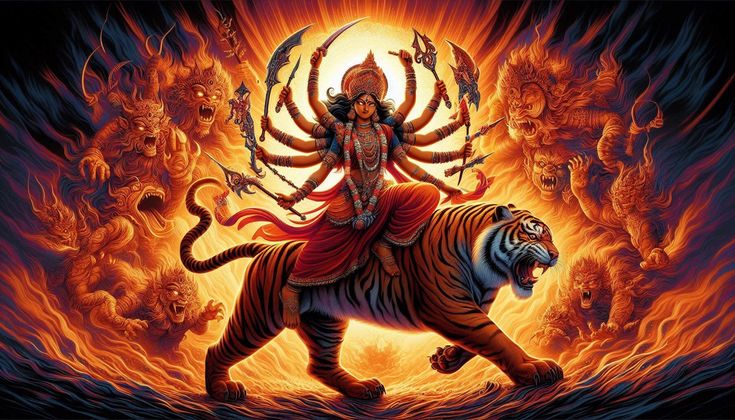
Fierce Goddess Durga riding tiger surrounded by flames image
Durga

Devi Kavacham

Devi Kavacham ॥ अथ देव्याः कवचम् ॥ॐ अस्य श्री चण्डीकवचस्य ॥ब्रह्मा ऋषिः । अनुष्टुप् छन्दः । चामुण्डा देवता ।अङ्गन्यासोक्तमातरो बीजम् । दिग्बन्ध देवतास्तत्त्वम् ।श्रीजगदम्बाप्रीत्यर्थे सप्तशती पाठाङ्गत्वेन जपे विनियोगः ॥ ॥ .. atha devyāḥ kavacam ..oṃ asya śrī caṇḍīkavacasya ..brahmā ṛṣiḥ . anuṣṭup chandaḥ . cāmuṇḍā devatā .aṅganyāsoktamātaro bījam . digbandha devatāstattvam .śrījagadambāprītyarthe saptaśatī pāṭhāṅgatvena jape viniyogaḥ .. .. ॐ नमश्चण्डिकायै ॥मार्कण्डेय उवाच ।ॐ यद्गुह्यं परमं लोके सर्वरक्षाकरं नृणाम् ।यन्न कस्यचिदाख्यातं तन्मे ब्रूहि पितामह ॥ १ ॥ oṃ namaścaṇḍikāyai ..mārkaṇḍeya uvāca .oṃ yadguhyaṃ paramaṃ loke sarvarakṣākaraṃ nṛṇām .yanna kasyacidākhyātaṃ tanme brūhi pitāmaha .. 1 .. ब्रह्मोवाच ।अस्ति गुह्यतमं विप्र सर्वभूतोपकारकम् ।देव्यास्तु कवचं पुण्यं तच्छृणुष्व महामुने ॥ २ ॥ brahmovāca .asti guhyatamaṃ vipra sarvabhūtopakārakam .devyāstu kavacaṃ puṇyaṃ tacchṛṇuṣva mahāmune .. 2 .. प्रथमं शैलपुत्री च द्वितीयं ब्रह्मचारिणी ।तृतीयं चन्द्रघण्टेति कूष्माण्डेति चतुर्थकम् ॥ ३ ॥ prathamaṃ śailaputrī ca dvitīyaṃ brahmacāriṇī .tṛtīyaṃ candraghaṇṭeti kūṣmāṇḍeti caturthakam .. 3 .. पञ्चमं स्कन्दमातेति षष्ठं कात्यायनीति च ।सप्तमं कालरात्रीति महागौरीति चाष्टमम् ॥ ४ ॥ pañcamaṃ skandamāteti ṣaṣṭhaṃ kātyāyanīti ca .saptamaṃ kālarātrīti mahāgaurīti cāṣṭamam .. 4 .. नवमं सिद्धिदात्री च नवदुर्गाः प्रकीर्तिताः ।उक्तान्येतानि नामानि ब्रह्मणैव महात्मना ॥ ५ ॥ navamaṃ siddhidātrī ca navadurgāḥ prakīrtitāḥ .uktānyetāni nāmāni brahmaṇaiva mahātmanā .. 5 .. अग्निना दह्यमानस्तु शत्रुमध्ये गतो रणे ।विषमे दुर्गमे चैव भयार्त्ताः शरणं गताः ॥ ६ ॥ agninā dahyamānastu śatrumadhye gato raṇe .viṣame durgame caiva bhayārttāḥ śaraṇaṃ gatāḥ .. 6 .. न तेषां जायते किंचिदशुभं रणसंकटे ।नापदं तस्य पश्यामि शोकदुःखभयं न हि ॥ ७ ॥ na teṣāṃ jāyate kiṃcidaśubhaṃ raṇasaṃkaṭe .nāpadaṃ tasya paśyāmi śokaduḥkhabhayaṃ na hi .. 7 .. यैस्तु भक्त्या स्मृता नूनं तेषां वृद्धिः प्रजायते ।ये त्वां स्मरन्ति देवेशि रक्षसे तान्न संशयः ॥ ८ ॥ yaistu bhaktyā smṛtā nūnaṃ teṣāṃ vṛddhiḥ prajāyate .ye tvāṃ smaranti deveśi rakṣase tānna saṃśayaḥ .. 8 .. प्रेतसंस्था तु चामुण्डा वाराही महिषासना ।ऐन्द्री गजसमारूढा वैष्णवी गरुडासना ॥ ९ ॥ pretasaṃsthā tu cāmuṇḍā vārāhī mahiṣāsanā .aindrī gajasamārūḍhā vaiṣṇavī garuḍāsanā .. 9 .. माहेश्वरी वृषारूढा कौमारी शिखिवाहना ।लक्ष्मीः पद्मासना देवी पद्महस्ता हरिप्रिया ॥ १० ॥ māheśvarī vṛṣārūḍhā kaumārī śikhivāhanā .lakṣmīḥ padmāsanā devī padmahastā haripriyā .. 10 .. श्वेतरूपधरा देवी ईश्वरी वृषवाहना ।ब्राह्मी हंससमारूढा सर्वाभरणभूषिता ॥ ११ ॥ śvetarūpadharā devī īśvarī vṛṣavāhanā .brāhmī haṃsasamārūḍhā sarvābharaṇabhūṣitā .. 11 .. इत्येता मातरः सर्वाः सर्वयोगसमन्विताः ।नानाभरणशोभाढ्या नानारत्नोपशोभिताः ॥ १२ ॥ ityetā mātaraḥ sarvāḥ sarvayogasamanvitāḥ .nānābharaṇaśobhāḍhyā nānāratnopaśobhitāḥ .. 12 .. दृश्यन्ते रथमारूढा देव्यः क्रोधसमाकुलाः ।शङ्खं चक्रं गदां शक्तिं हलं च मुसलायुधम् ॥ १३ ॥ dṛśyante rathamārūḍhā devyaḥ krodhasamākulāḥ .śaṅkhaṃ cakraṃ gadāṃ śaktiṃ halaṃ ca musalāyudham .. 13 .. खेटकं तोमरं चैव परशुं पाशमेव च ।कुन्तायुधं त्रिशूलं च शार्ङ्गमायुधमुत्तमम् ॥ १४ ॥ kheṭakaṃ tomaraṃ caiva paraśuṃ pāśameva ca .kuntāyudhaṃ triśūlaṃ ca śārṅgamāyudhamuttamam .. 14 .. दैत्यानां देहनाशाय भक्तानामभयाय च ।धारयन्त्यायुधानीत्थं देवानां च हिताय वै ॥ १५ ॥ daityānāṃ dehanāśāya bhaktānāmabhayāya ca .dhārayantyāyudhānītthaṃ devānāṃ ca hitāya vai .. 15 .. नमस्तेऽस्तु महारौद्रे महाघोरपराक्रमे ।महाबले महोत्साहे महाभयविनाशिनि ॥ १६ ॥ namaste’stu mahāraudre mahāghoraparākrame .mahābale mahotsāhe mahābhayavināśini .. 16 .. त्राहि मां देवि दुष्प्रेक्ष्ये शत्रूणां भयवर्द्धिनि ।प्राच्यां रक्षतु मामैन्द्री आग्नेय्यामग्निदेवता ॥ १७ ॥ trāhi māṃ devi duṣprekṣye śatrūṇāṃ bhayavarddhini .prācyāṃ rakṣatu māmaindrī āgneyyāmagnidevatā .. 17 .. दक्षिणेऽवतु वाराही नैरृत्यां खड्गधारिणी ।प्रतीच्यां वारुणी रक्षेद्वायव्यां मृगवाहिनी ॥ १८ ॥ dakṣiṇe’vatu vārāhī nairṛtyāṃ khaḍgadhāriṇī .pratīcyāṃ vāruṇī rakṣedvāyavyāṃ mṛgavāhinī .. 18 .. उदीच्यां पातु कौमारी ऐशान्यां शूलधारिणी ।ऊर्ध्वं ब्रह्माणि मे रक्षेदधस्ताद्वैष्णवी तथा ॥ १९ ॥ udīcyāṃ pātu kaumārī aiśānyāṃ śūladhāriṇī .ūrdhvaṃ brahmāṇi me rakṣedadhastādvaiṣṇavī tathā .. 19 .. एवं दश दिशो रक्षेच्चामुण्डा शववाहना ।जया मे चाग्रतः पातु विजया पातु पृष्ठतः ॥ २० ॥ evaṃ daśa diśo rakṣeccāmuṇḍā śavavāhanā .jayā me cāgrataḥ pātu vijayā pātu pṛṣṭhataḥ .. 20 .. अजिता वामपार्श्वे तु दक्षिणे चापराजिता ।शिखामुद्योतिनी रक्षेदुमा मूर्ध्नि व्यवस्थिता ॥ २१ ॥ ajitā vāmapārśve tu dakṣiṇe cāparājitā .śikhāmudyotinī rakṣedumā mūrdhni vyavasthitā .. 21 .. मालाधरी ललाटे च भ्रुवौ रक्षेद्यशस्विनी ।त्रिनेत्रा च भ्रुवोर्मध्ये यमघण्टा च नासिके ॥ २२ ॥ mālādharī lalāṭe ca bhruvau rakṣedyaśasvinī .trinetrā ca bhruvormadhye yamaghaṇṭā ca nāsike .. 22 .. शङ्खिनी चक्षुषोर्मध्ये श्रोत्रयोर्द्वारवासिनी ।कपोलौ कालिका रक्षेत्कर्णमूले तु शाङ्करी ॥ २३ ॥ śaṅkhinī cakṣuṣormadhye śrotrayordvāravāsinī .kapolau kālikā rakṣetkarṇamūle tu śāṅkarī .. 23 .. नासिकायां सुगन्धा च उत्तरोष्ठे च चर्चिका ।अधरे चामृतकला जिह्वायां च सरस्वती ॥ २४ ॥ nāsikāyāṃ sugandhā ca uttaroṣṭhe ca carcikā .adhare cāmṛtakalā jihvāyāṃ ca sarasvatī .. 24 .. दन्तान् रक्षतु कौमारी कण्ठदेशे तु चण्डिका ।घण्टिकां चित्रघण्टा च महामाया च तालुके ॥ २५ ॥ dantān rakṣatu kaumārī kaṇṭhadeśe tu caṇḍikā .ghaṇṭikāṃ citraghaṇṭā ca mahāmāyā ca tāluke .. 25 .. कामाक्षी चिबुकं रक्षेद्वाचं मे सर्वमङ्गला ।ग्रीवायां भद्रकाली च पृष्ठवंशे धनुर्धरी ॥ २६ ॥ kāmākṣī cibukaṃ rakṣedvācaṃ me sarvamaṅgalā .grīvāyāṃ bhadrakālī ca pṛṣṭhavaṃśe dhanurdharī .. 26 .. नीलग्रीवा बहिःकण्ठे नलिकां नलकूबरी ।स्कन्धयोः खड्गिनी रक्षेद्बाहू मे वज्रधारिणी ॥ २७ ॥ nīlagrīvā bahiḥkaṇṭhe nalikāṃ nalakūbarī .skandhayoḥ khaḍginī rakṣedbāhū me vajradhāriṇī .. 27 .. हस्तयोर्दण्डिनी रक्षेदम्बिका चाङ्गुलीषु च ।नखाञ्छूलेश्वरी रक्षेत्कुक्षौ रक्षेत्कुलेश्वरी ॥ २८ ॥ hastayordaṇḍinī rakṣedambikā cāṅgulīṣu ca .nakhāñchūleśvarī rakṣetkukṣau rakṣetkuleśvarī .. 28 .. स्तनौ रक्षेन्महादेवी मनःशोकविनाशिनी ।हृदये ललिता देवी उदरे शूलधारिणी ॥ २९ ॥ stanau rakṣenmahādevī manaḥśokavināśinī .hṛdaye lalitā devī udare śūladhāriṇī .. 29 .. नाभौ च कामिनी रक्षेद्गुह्यं गुह्येश्वरी तथा ।पूतना कामिका मेढ्रं गुदे महिषवाहिनी ॥ ३० ॥ nābhau ca kāminī rakṣedguhyaṃ guhyeśvarī tathā .pūtanā kāmikā meḍhraṃ gude mahiṣavāhinī .. 30 .. कट्यां भगवती रक्षेज्जानुनी विन्ध्यवासिनी ।जङ्घे महाबला रक्षेत्सर्वकामप्रदायिनी ॥ ३१ ॥ kaṭyāṃ bhagavatī rakṣejjānunī vindhyavāsinī .jaṅghe mahābalā rakṣetsarvakāmapradāyinī .. 31 .. गुल्फयोर्नारसिंही च पादपृष्ठे तु तैजसी ।पादाङ्गुलीषु श्री रक्षेत्पादाधस्तलवासिनी ॥ ३२ ॥ gulphayornārasiṃhī ca pādapṛṣṭhe tu taijasī .pādāṅgulīṣu śrī rakṣetpādādhastalavāsinī .. 32 .. नखान् दंष्ट्राकराली च केशांश्चैवोर्ध्वकेशिनी ।रोमकूपेषु कौबेरी त्वचं वागीश्वरी तथा ॥ ३३ ॥ nakhān daṃṣṭrākarālī ca keśāṃścaivordhvakeśinī .romakūpeṣu kauberī tvacaṃ vāgīśvarī tathā .. 33 .. रक्तमज्जावसामांसान्यस्थिमेदांसि पार्वती ।अन्त्राणि कालरात्रिश्च पित्तं च मुकुटेश्वरी ॥ ३४ ॥ raktamajjāvasāmāṃsānyasthimedāṃsi pārvatī .antrāṇi kālarātriśca pittaṃ ca mukuṭeśvarī .. 34 .. पद्मावती पद्मकोशे कफे चूडामणिस्तथा ।ज्वालामुखी नखज्वालामभेद्या सर्वसन्धिषु ॥ ३५ ॥ padmāvatī padmakośe kaphe cūḍāmaṇistathā .jvālāmukhī nakhajvālāmabhedyā sarvasandhiṣu .. 35 .. शुक्रं ब्रह्माणि मे रक्षेच्छायां छत्रेश्वरी तथा ।अहंकारं मनो बुद्धिं रक्षेन्मे धर्मधारिणी ॥ ३६ ॥ śukraṃ brahmāṇi me rakṣecchāyāṃ chatreśvarī tathā .ahaṃkāraṃ mano buddhiṃ rakṣenme dharmadhāriṇī .. 36 .. प्राणापानौ तथा व्यानमुदानं च समानकम् ।वज्रहस्ता च मे रक्षेत्प्राणं कल्याणशोभना ॥ ३७ ॥ prāṇāpānau tathā vyānamudānaṃ ca samānakam .vajrahastā ca me rakṣetprāṇaṃ kalyāṇaśobhanā .. 37 .. रसे रूपे च गन्धे च शब्दे स्पर्शे च योगिनी ।सत्त्वं रजस्तमश्चैव रक्षेन्नारायणी सदा ॥ ३८ ॥ rase rūpe ca

Devi Kavacham Read Post »

Maa Durga killing Mahishasura with lion mount and weapons image
Durga, Stotra

Devi Aparadha Kshamapana Stotram

Devi Aparadha Kshamapana Stotram न मत्रं नो यन्त्रं तदपि च न जाने स्तुतिमहोन चाह्वानं ध्यानं तदपि च न जाने स्तुतिकथाः ।न जाने मुद्रास्ते तदपि च न जाने विलपनंपरं जाने मातस्त्वदनुसरणं क्लेशहरणम् ॥१॥ ṇa ṃatram ṇo ẏantram ṭad-āpi Ca ṇa Jāne Stutim-āhoṇa Ca-[ā]ahvānam ḍhyānam ṭad-āpi Ca ṇa Jāne Stuti-k͟hathāh |ṇa Jāne ṃudrās-ṭe ṭad-āpi Ca ṇa Jāne VilapanamParam Jāne ṃātas-ṭvad-ānusarannam k͟hleśa-ḥarannam ||1|| (O Mother) neither your mantra, nor yantra (do I know); and alas, not even I know your stutI (eulogy),I do not know how to invoke you through dhyana (meditation); (and alas), not even I know how to simply recite your glories (stuti-katha),I do not know your mudras (to contemplate on you); (and alas), not even I know how to simply cry for you,However, one thing I know (for certain); by following you (somehow through rememberance however imperfectly) will take away all my afflictions (from my mind). विधेरज्ञानेन द्रविणविरहेणालसतयाविधेयाशक्यत्वात्तव चरणयोर्या च्युतिरभूत् ।तदेतत् क्षन्तव्यं जननि सकलोद्धारिणि शिवेकुपुत्रो जायेत क्वचिदपि कुमाता न भवति ॥२॥ Vidher-ājnyānena ḍravinna-Virahenna-ālasatayāVidheya-āśakyatvāt-ṭava Carannayoryā Cyutir-ābhūt |ṭad-ĕtat k͟hssantavyam Janani Sakalo[a-ū]ddhārinni ṣivek͟huputro Jāyeta k͟hvacid-āpi k͟humātā ṇa Bhavati ||2|| (O Mother) due to ignorance of the vidhis (injunctions of worship), and due to lack of wealth, as well as due to my indolent (lazy) nature, …it was not possible for me to serve your lotus feet; there have been failures on the performance of my duties (I admit that),(but) all these are pardonable (by you), O Mother; because you are the saviour of all, O Shivaa (auspicious mother),there can be Kuputra (fallen disobedient son turning away from mother), but there can never be Kumata (mother turning away from son permanently). पृथिव्यां पुत्रास्ते जननि बहवः सन्ति सरलाःपरं तेषां मध्ये विरलतरलोऽहं तव सुतः ।मदीयोऽयं त्यागः समुचितमिदं नो तव शिवेकुपुत्रो जायेत क्वचिदपि कुमाता न भवति ॥३॥ Prthivyām Putrās-ṭe Janani Bahavah Santi SaralāhParam ṭessām ṃadhye Virala-ṭaralo[a-ā]ham ṭava Sutah |ṃadīyo-[ā]yam ṭyāgah Samucitam-īdam ṇo ṭava ṣivek͟huputro Jāyeta k͟hvacid-āpi k͟humātā ṇa Bhavati ||3|| (O Mother) in this world, there are many many sons of yours who are simple-minded,however, among them I am a rare son of yours who is restless,because of this only, it is not proper for you to forsake me O Shivaa (auspicious mother),(because) there can be Kuputra (fallen disobedient son turning away from mother), but there can never be Kumata (mother turning away from son permanently). जगन्मातर्मातस्तव चरणसेवा न रचितान वा दत्तं देवि द्रविणमपि भूयस्तव मया ।तथापि त्वं स्नेहं मयि निरुपमं यत्प्रकुरुषेकुपुत्रो जायेत क्वचिदपि कुमाता न भवति ॥४॥ Jaganmātar-ṃātas-ṭava Caranna-Sevā ṇa ṟacitāṇa Vā ḍattam ḍevi ḍravinnam-āpi Bhūyas-ṭava ṃayā |ṭathā-[ā]pi ṭvam Sneham ṃayi ṇirupamam ẏat-Prakurussek͟huputro Jāyeta k͟hvacid-āpi k͟humātā ṇa Bhavati ||4|| O Jaganmata (mother of the world), O Mother, I have never served your lotus feet,neither have I offered, O Devi, abundant wealth at your lotus feet (during worship),inspite of this, you have maintained your motherly love towards me which is incomparable,(because) there can be Kuputra (fallen disobedient son turning away from mother), but there can never be Kumata (mother turning away from son permanently). परित्यक्ता देवा विविधविधसेवाकुलतयामया पञ्चाशीतेरधिकमपनीते तु वयसि ।इदानीं चेन्मातस्तव यदि कृपा नापि भवितानिरालम्बो लम्बोदरजननि कं यामि शरणम् ॥५॥ Parityaktā ḍevā Vividha-Vidha-Sevā-k͟hulatayāṃayā Pan.cāśīter-ādhikam-āpanīte ṭu Vayasi |īdānīm Cenmātas-ṭava ẏadi k͟hrpā ṇa-āpi Bhavitāṇirālambo l̤ambodara-Janani k͟ham ẏāmi ṣarannam ||5|| (O Mother) letting go (i.e. left or never undertaking) the various ritualistic worship services of the devas …by me, more than eighty five years of my life has passed,even at this moment (nearing death), if your grace do not descend, O Mother (who is) of the form of bliss-consciousness, …where will this niralamba (One without any support) seek refuge, O Lambodara JananI (mother of Lambodara or Ganesha). श्वपाको जल्पाको भवति मधुपाकोपमगिरानिरातङ्को रङ्को विहरति चिरं कोटिकनकैः ।तवापर्णे कर्णे विशति मनुवर्णे फलमिदंजनः को जानीते जननि जपनीयं जपविधौ ॥६॥ ṣvapāko Jalpāko Bhavati ṃadhupāko[a-ū]pama-ġirāṇirātangko ṟangko Viharati Ciram k͟hotti-k͟hanakaih |ṭava-āparnne k͟harnne Viśati ṃanu-Varnne Phalam-īdamJanah k͟ho Jānīte Janani Japanīyam Japa-Vidhau ||6|| (O Mother) a swapaka (a dog-eater or chandala) (from whose mouth nothing much comes out in terms of good speech) becomes jalpaka (talkative) with speech like a madhupaka (from whose mouth good speech comes out like honey) (by your grace),a ranka (poor and miserable) becomes niratanka (free from fear) forever, and moves about having obtained million gold (by your grace),O Aparna (another name of DevI Parvati), when your prayer (and glory) enter one’s ear (and sits in the heart), such is the result,(then) who among men can know, O Mother, the destiny which your holy japa can unfold? चिताभस्मालेपो गरलमशनं दिक्पटधरोजटाधारी कण्ठे भुजगपतिहारी पशुपतिः ।कपाली भूतेशो भजति जगदीशैकपदवींभवानि त्वत्पाणिग्रहणपरिपाटीफलमिदम् ॥७॥ Citā-Bhasmā-l̤epo ġaralam-āśanam ḍik-Patta-ḍharoJattā-ḍhārī k͟hanntthe Bhujaga-Pati-ḥārī Paśupatih |k͟hapālī Bhūteśo Bhajati Jagadīśai[a-ĕ]ka-PadavīmBhavāni ṭvat-Pānni-ġrahanna-Paripāttī-Phalam-īdam ||7|| (O Mother) (Lord Shankara), who is smeared with chitabhasma (ashes from the cremation ground), whose food is the poison, whose clothes are the directions, …who has matted hairs on his head, who wears the garland of the king of snakes around his neck; (inspite of all this he is called) PashupatI (the lord of the pashus or living beings),he carries a begging bowl of skull in his hand but is worshipped as Bhutesha (the lord of the bhutas or beings) and got the title of Jagadisha eka (One lord of the universe), …O Bhavani, all this is because of the result of your panI grahana (accepting your hand in marriage). न मोक्षस्याकाङ्क्षा भवविभववाञ्छापि च न मेन विज्ञानापेक्षा शशिमुखि सुखेच्छापि न पुनः ।अतस्त्वां संयाचे जननि जननं यातु मम वैमृडानी रुद्राणी शिव शिव भवानीति जपतः ॥८॥ ṇa ṃokssasya-[ā]akāngkssā Bhava-Vibhava-Vān.cā-[ā]pi Ca ṇa ṃeṇa Vijnyāna-āpekssā ṣaśi-ṃukhi Sukhe[a-ī]cca-āpi ṇa Punah |ātas-ṭvām Samyāce Janani Jananam ẏātu ṃama Vaiṃrddānī ṟudrānnī ṣiva ṣiva Bhavāni-īti Japatah ||8|| (O Mother) I do not have the desire for moksha (liberation); neither have I the desire for worldly fortune,neither do I long for worldly knowledge, O ShashI MukhI (the moon-faced one); I do not have the desire for enjoying the worldly comforts again,henceforth I implore you, O Mother, may you direct my life towards (the rememberance of your names),(the string of your holy names) MridanI RudranI Shiva Shiva Bhavani; may my future life be spent in performing japa of your holy names. नाराधितासि विधिना विविधोपचारैःकिं रुक्षचिन्तनपरैर्न कृतं वचोभिः ।श्यामे त्वमेव यदि किञ्चन मय्यनाथेधत्से


Devi Aparadha Kshamapana Stotram Read Post »

Fierce Goddess Durga with multiple arms holding weapons image
Durga, Stotra

Ayigiri Nandini

Ayigiri Nandini Pages related to Aigiri Nandini StotramSanskrit, English and MeaningVerse by Verse with Word meaningsChanting – English onlyChanting – Sanskrit only Note: In any of our pages, look for ‘Select/Change script’ on the top right. Here you can select the language to be displayed. Mahishasura Mardini Stotram The Mahishasura Mardini Stotram also known popularly as Aigiri Nandini, holds immense significance during Navratri. The word Mahisha means buffalo and Asura means Rakshasa or Demon. Composed by the great sage Adi Shankaracharya around 810 AD, this stotram is based on the Devi Mahatmyam and extols the different powers (shaktis) of the Devi. The Devi takes different forms of Durga, Lakshmi and Saraswati and destroys the demons – Madhu and Kaitabha, Mahishasura, and Sumbha and Nisumbha. For more information please scroll down. Mahishasura Mardini Stotram अयि गिरिनंदिनि नंदितमेदिनि विश्वविनोदिनि नंदनुतेगिरिवरविंध्यशिरोधिनिवासिनि विष्णुविलासिनि जिष्णुनुते ।भगवति हे शितिकण्ठकुटुंबिनि भूरिकुटुंबिनि भूरिकृतेजय जय हे महिषासुरमर्दिनि रम्यकपर्दिनि शैलसुते ॥ १॥ सुरवरवर्षिणि दुर्धरधर्षिणि दुर्मुखमर्षिणि हर्षरतेत्रिभुवनपोषिणि शंकरतोषिणि किल्बिषमोषिणि घोषरते ।दनुजनिरोषिणि दितिसुतरोषिणि दुर्मदशोषिणि सिन्धुसुतेजय जय हे महिषासुरमर्दिनि रम्यकपर्दिनि शैलसुते ॥ २॥ अयि जगदंब मदंब कदंबवनप्रियवासिनि हासरतेशिखरिशिरोमणि तुङ्गहिमालय श‍ृंगनिजालय मध्यगते ।मधुमधुरे मधुकैटभगंजिनि कैटभभंजिनि रासरतेजय जय हे महिषासुरमर्दिनि रम्यकपर्दिनि शैलसुते ॥ ३॥ अयि शतखण्ड विखण्डितरुण्ड वितुण्डितशुण्द गजाधिपतेरिपुगजगण्ड विदारणचण्ड पराक्रमशुण्ड मृगाधिपते ।निजभुजदण्ड निपातितखण्ड विपातितमुण्ड भटाधिपतेजय जय हे महिषासुरमर्दिनि रम्यकपर्दिनि शैलसुते ॥ ४ ॥ अयि रणदुर्मद शत्रुवधोदित दुर्धरनिर्जर शक्तिभृतेचतुरविचार धुरीणमहाशिव दूतकृत प्रमथाधिपते ।दुरितदुरीह दुराशयदुर्मति दानवदुत कृतान्तमतेजय जय हे महिषासुरमर्दिनि रम्यकपर्दिनि शैलसुते ॥ ५ ॥ अयि शरणागत वैरिवधुवर वीरवराभय दायकरेत्रिभुवनमस्तक शुलविरोधि शिरोऽधिकृतामल शुलकरे ।दुमिदुमितामर धुन्दुभिनादमहोमुखरीकृत दिङ्मकरेजय जय हे महिषासुरमर्दिनि रम्यकपर्दिनि शैलसुते ॥ ६ ॥ अयि निजहुङ्कृति मात्रनिराकृत धूम्रविलोचन धूम्रशतेसमरविशोषित शोणितबीज समुद्भवशोणित बीजलते ।शिवशिवशुम्भ निशुम्भमहाहव तर्पितभूत पिशाचरतेजय जय हे महिषासुरमर्दिनि रम्यकपर्दिनि शैलसुते ॥ ७ ॥ धनुरनुषङ्ग रणक्षणसङ्ग परिस्फुरदङ्ग नटत्कटकेकनकपिशङ्ग पृषत्कनिषङ्ग रसद्भटशृङ्ग हताबटुके ।कृतचतुरङ्ग बलक्षितिरङ्ग घटद्बहुरङ्ग रटद्बटुकेजय जय हे महिषासुरमर्दिनि रम्यकपर्दिनि शैलसुते ॥ ८ ॥ सुरललना ततथेयि तथेयि कृताभिनयोदर नृत्यरतेकृत कुकुथः कुकुथो गडदादिकताल कुतूहल गानरते ।धुधुकुट धुक्कुट धिंधिमित ध्वनि धीर मृदंग निनादरतेजय जय हे महिषासुरमर्दिनि रम्यकपर्दिनि शैलसुते ॥ ९ ॥ जय जय जप्य जयेजयशब्द परस्तुति तत्परविश्वनुतेझणझणझिञ्झिमि झिङ्कृत नूपुरशिञ्जितमोहित भूतपते ।नटित नटार्ध नटी नट नायक नाटितनाट्य सुगानरतेजय जय हे महिषासुरमर्दिनि रम्यकपर्दिनि शैलसुते ॥ १० ॥ अयि सुमनःसुमनःसुमनः सुमनःसुमनोहरकान्तियुतेश्रितरजनी रजनीरजनी रजनीरजनी करवक्त्रवृते ।सुनयनविभ्रमर भ्रमरभ्रमर भ्रमरभ्रमराधिपतेजय जय हे महिषासुरमर्दिनि रम्यकपर्दिनि शैलसुते ॥ ११ ॥ सहितमहाहव मल्लमतल्लिक मल्लितरल्लक मल्लरतेविरचितवल्लिक पल्लिकमल्लिक झिल्लिकभिल्लिक वर्गवृते ।शितकृतफुल्ल समुल्लसितारुण तल्लजपल्लव सल्ललितेजय जय हे महिषासुरमर्दिनि रम्यकपर्दिनि शैलसुते ॥ १२ ॥ अविरलगण्ड गलन्मदमेदुर मत्तमतङ्गजराजपतेत्रिभुवनभूषण भूतकलानिधि रूपपयोनिधि राजसुते ।अयि सुदतीजन लालसमानस मोहन मन्मथराजसुतेजय जय हे महिषासुरमर्दिनि रम्यकपर्दिनि शैलसुते ॥ १३ ॥ कमलदलामल कोमलकान्ति कलाकलितामल भाललतेसकलविलास कलानिलयक्रम केलिचलत्कल हंसकुले ।अलिकुलसङ्कुल कुवलयमण्डल मौलिमिलद्बकुलालिकुलेजय जय हे महिषासुरमर्दिनि रम्यकपर्दिनि शैलसुते ॥ १४ ॥ करमुरलीरव वीजितकूजित लज्जितकोकिल मञ्जुमतेमिलितपुलिन्द मनोहरगुञ्जित रञ्जितशैल निकुञ्जगते ।निजगणभूत महाशबरीगण सद्गुणसम्भृत केलितलेजय जय हे महिषासुरमर्दिनि रम्यकपर्दिनि शैलसुते ॥ १५ ॥ कटितटपीत दुकूलविचित्र मयुखतिरस्कृत चन्द्ररुचेप्रणतसुरासुर मौलिमणिस्फुर दंशुलसन्नख चन्द्ररुचेजितकनकाचल मौलिमदोर्जित निर्भरकुञ्जर कुम्भकुचेजय जय हे महिषासुरमर्दिनि रम्यकपर्दिनि शैलसुते ॥ १६ ॥ विजितसहस्रकरैक सहस्रकरैक सहस्रकरैकनुतेकृतसुरतारक सङ्गरतारक सङ्गरतारक सूनुसुते ।सुरथसमाधि समानसमाधि समाधिसमाधि सुजातरते ।जय जय हे महिषासुरमर्दिनि रम्यकपर्दिनि शैलसुते ॥ १७ ॥ पदकमलं करुणानिलये वरिवस्यति योऽनुदिनं सुशिवेअयि कमले कमलानिलये कमलानिलयः स कथं न भवेत् ।तव पदमेव परम्पदमित्यनुशीलयतो मम किं न शिवेजय जय हे महिषासुरमर्दिनि रम्यकपर्दिनि शैलसुते ॥ १८ ॥ कनकल सत्कलसिन्धुजलैरनुषिञ्चति तेगुणरङ्गभुवम्भजति स किं न शचीकुचकुम्भ तटीपरिरम्भसुखानुभवम् ।तव चरणं शरणं करवाणि नतामरवाणि निवासि शिवम्जय जय हे महिषासुरमर्दिनि रम्यकपर्दिनि शैलसुते ॥ १९ ॥ तव विमलेन्दुकुलं वदनेन्दुमलं सकलं ननु कूलयतेकिमु पुरुहूतपुरीन्दु मुखी सुमुखीभिरसौ विमुखीक्रियते ।मम तु मतं शिवनामधने भवती कृपया किमुत क्रियतेजय जय हे महिषासुरमर्दिनि रम्यकपर्दिनि शैलसुते ॥ २० ॥ अयि मयि दीनदयालुतया कृपयैव त्वया भवितव्यमुमेअयि जगतो जननी कृपयासि यथासि तथाऽनुमितासि रते ।यदुचितमत्र भवत्युररीकुरुतादुरुतापमपाकुरुतेजय जय हे महिषासुरमर्दिनि रम्यकपर्दिनि शैलसुते ॥ २१॥ Description Note: For a verse by verse chanting of Aigiri Nandini please click here . Mahishasura Mardini Stotram“The place where Sri Mahishasura Mardini Stotram is sung every day, I will always be present and never leave.”– The Devi’s proclamation in the 12th chapter of the Devi Mahatmyam The Mahishasura Mardini Stotram also known popularly as Aigiri Nandini, holds immense significance during Navratri. The word Mahisha means buffalo and Asura means Rakshasa or Demon. Composed by the great sage Adi Shankaracharya around 810 AD, this stotram is based on the Devi Mahatmyam and extols the different powers (shaktis) of the Devi. The Devi takes different forms of Durga, Lakshmi and Saraswati and destroys the demons – Madhu and Kaitabha, Mahishasura, and Sumbha and Nisumbha. Mahishasura Mardini Stotram is said to bring peace to the devotee and removes all fear and sadness. It drives away negative emotions like doubt, anger, ego and inertia. This stotram also removes obstacles from the path of the believer. One can listen to Ayigiri Nandini (click the audio link above) however reciting the chants are considered to be more powerful. The slaying of MahishasuraWhen the Devi destroyed the army of Mahishasura – the King of Demons, Chakshura, the mighty general decided to fight the Devi himself. But very soon, after a fierce battle, the Devi slaughtered him into hundreds of pieces. As soon as the valiant general of Mahishasura was slain, Chamara, the afflicter of the gods came forward mounted on an elephant to try his luck in the great battle. The Devi’s lion pounced upon the elephant and the two battled fiercely till the end. The lion then struck Chamara with his paw and killed him. Seeing his army being destroyed brutally by the Devi and her lion, Mahishasura took the form of a majestic and fierce Buffalo and terrified the troops of the Devi. Hitting some by muzzle, trampling some by his hooves, lashing at some with his tail, and tearing others with his horns. When he was done with the Devi’s army, Mahishasura rushed to slay the lion of the Devi. This enraged the Devi. Mahishasura, pounded the terrain with his hooves in rage, crushed the earth by his whirling speed and flooded the oceans. When the Devi saw Mahishasura advancing towards her in such rage, she was angered and flung her noose over the great asura and bound him. But Mahishasura soon relinquished his buffalo form and became a lion. When the Devi cut the head of his Lion form, he took a human form. The Devi slayed the human form too immediately, and then the evil Mahishasura took the form

Ayigiri Nandini Read Post »