Hari Om

Menu

January 2026

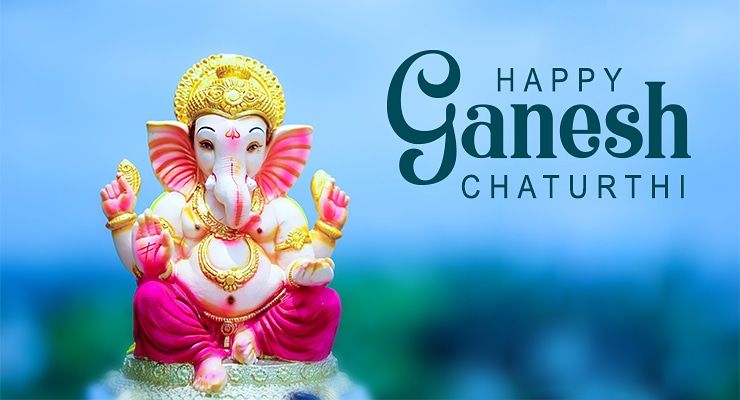
Lord Ganesha idol with text Happy Ganesh Chaturthi on blue background. image
Ganesha Mantra

Mooshika Vahana

Mooshika Vahana मूषिकवाहन मोदकहस्तचामरकर्ण विलम्बितसूत्र ।वामनरूप महेस्वरपुत्रविघ्नविनायक पाद नमस्ते ॥ mūṣikavāhana modakahastacāmarakarṇa vilambitasūtra .vāmanarūpa mahesvaraputravighnavināyaka pāda namaste .. Salutations to Sri Vighna Vinayaka, whose vehicle is the mouse and who has the modaka in his hand, whose large ears are like fans and who wears a long sacred thread, who is short in stature and is the son of Sri Maheswara (Lord Shiva), prostrations at the feet of Sri Vighna Vinayaka, the remover of the obstacles of his devotees Description This is one of the morning prayers, usually recited after Shuklambaradharam. Though seemingly simple words, this shloka has an intonation that makes you peaceful and feel that there is a greater force taking care of this universe which includes you. This shloka makes you feel that Lord Ganesha is very close to you. Children are served best when taught this shloka from young. Typically the word ‘Gajaananaa’ is added after each word in the Shloka. E.g. Mooshika Vahana Gajaananaa. Modhakahasta Gajaananaa. (There is a simple tune that helps when sung this way. Please look it up) Sri Swami Chinmayananda describes the symbolism of Lord Ganesha as follows: The Lord of Obstacles, Sri Vighneswara has four arms representing the four inner equipments, the Anthahakarana(Mind, Intellect, Memory and Ego).In one hand He has the ROPE and in the other He has an AXE. On the spiritual pilgrimage, all obstacles are created by the very subjective and objective worlds in the seeker himself. SriVighneswara chops them off with the AXE. He cuts off the attachments of His devotees to the world of plurality and thus ends all the consequent sorrows. He holds the attention of the seeker constantly towards the Higher, and pulls us nearer and nearer to the Truth and ultimately ties him down to the Highest Goal with the ROPE. With one hand, He blesses all His devotees and protects (ABHAYA) them from all obstacles on their spiritual path of seeking the Supreme, and with the other hand He feeds the seeker with MODAKA, representing the reward of the joys of sadhana — the “Joy of Experiencing the Reality”. The meaning of this Shloka Key Phrase: विघ्न विनायक पाद नमस्ते (Vigna Vinayaka Pada Namasthe) नम: + ते – Salutations to theeविनायक – विश्वस्य – All the universe (everything that IS)नायक:- one who is Lord of So, this phrase means – Salutations to thee who has conquered (is the Lord of) everything including challenges. Who is that?वामन रूप – One who is short in stature – someone who keeps his/her ego small, is humbleमहेश्वर पुत्र – One who has recognized that he/she is child of Maheshwara महेश्वर – the Supreme Being or ParabrahmamAs each of us is a child of the universal God, it applies to each one of us. We need to recognize and realize it. The confidence this recognition builds inside is amazing. चामर कर्ण – Fan-like ears.One who listens, takes in a lot more, understands a lot more about what’s going on around. विलम्बित सूत्र – सूत्र is truth/aphorism. विलम्बित is that which is connected.When you understand all the connected truths or in other words aligned with Dharma (truths) मोदक हस्त – One who has sweet on hand is also the one who gives it – attribute it as someone whose very presence is enjoyable. मूषिक वाहन – One who has a mouse as mount. The mouse is never still, it keeps running around. The mind is like a mouse, constantly flitting. Therefore He is the one who has the mind totally under his control – an attribute we all should pray and strive for. In summary, if one can control one’s mind, be nice in nature, listen carefully, be aligned to Dharma, keep the ego small, realize that one is the child of the Supreme Being, then, as a master of all including challenges, Salutations to Thee, Lord Vinayaka.
Mooshika Vahana Read Post »

Colorful Lord Ganesha idol with glowing lights in background. image
Ganesha Mantra

Ganesha Stavah

Ganesha Stavah श्री गणेशाय नमः ॥ब्रह्मविष्णुमहेश्वरा ऊचुः। अजं निर्विकल्पं निराकारमेकंनिरानन्दमानन्दमद्वैतपूर्णम्।परं निर्गुणं निर्विशेषं निरीहंपरब्रह्म-रूपं गणेशं भजेम ॥१॥ śrī gaṇeśāya namaḥ ..brahmaviṣṇumaheśvarā ūcuḥ. ajaṃ nirvikalpaṃ nirākāramekaṃ nirālambamadvaitamānandapūrṇam .paraṃ nirguṇaṃ nirviśeṣaṃ nirīhaṃ paraṃ brahmarūpaṃ gaṇeśaṃ bhajema .. 1.. Salutations to Lord Ganesha.Brahma, Vishnu, Maheshwara spoke thus: 1. Let us worship Lord Ganesha, the one who is unborn, beyond imagination, without definite form, beyond happiness, the absolute happiness, the one and only one, the best among the best, without material qualities, easily obtainable, desireless and the form of the Supreme. गुणातीतमाद्यं चिदानन्दरूपं चिदाभासकं सर्वगं ज्ञानगम्यम् ।मुनिध्येयमाकाशरूपं परेशं परं ब्रह्मरूपं गणेशं भजेम ॥ २॥ guṇātītamādyaṃ cidānandarūpaṃ cidābhāsakaṃ sarvagaṃ jñānagamyam .munidhyeyamākāśarūpaṃ pareśaṃ paraṃ brahmarūpaṃ gaṇeśaṃ bhajema .. 2.. 2. Let us worship Lord Ganesha, the one who is transcendental to the material modes of nature, the form of the supreme happiness, one who can be experienced through the mind, the all pervading, one who can be approached through knowledge, meditated by sages, the form of the sky, the best of all and the form of the Supreme. जगत्कारणं कारणाज्ञानहीनं सुरादिं सुखादिं युगादिं गणेशम् ।जगद्व्यापिनं विश्ववन्द्यं सुरेशं परं ब्रह्मरूपं गणेशं भजेम ॥ ३॥ jagatkāraṇaṃ kāraṇājñānahīnaṃ surādiṃ sukhādiṃ yugādiṃ gaṇeśam .jagadvyāpinaṃ viśvavandyaṃ sureśaṃ paraṃ brahmarūpaṃ gaṇeśaṃ bhajema .. 3.. 3. Let us worship Lord Ganesha, the one who is the cause for the existence of the Universe and the knowledge, Premier of the Gods, primal happiness, Lord of qualities, Lord of Deva group, one who pervades through the Universe, worshipped by the Universe, Lord of the Gods and the one who symbolizes the Supreme Brahman. रजोयोगतो ब्रह्मरूपं श्रुतिज्ञं सदा कार्यसक्तं हृदाऽचिन्त्यरूपम् ।जगत्कारकं सर्वविद्यानिधानं सदा ब्रह्मरूपं गणेशं नताः स्मः ॥ ४॥ rajoyogato brahmarūpaṃ śrutijñaṃ sadā kāryasaktaṃ hṛdā’cintyarūpam .jagatkārakaṃ sarvavidyānidhānaṃ sadā brahmarūpaṃ gaṇeśaṃ natāḥ smaḥ .. 4.. 4. Let us bow down to Lord Ganesha, the one who is beyond passion, the form of the Creator, knower of the Vedas, always with the actions, the form that is inconceivable by heart, cause for the existence of the Universe, responsible for all knowledge and the one who symbolizes the Supreme Brahman. सदा सत्त्वयोगं मुदा क्रीडमानं सुरारीन् हरन्तं जगत्पालयन्तम् ।अनेकावतारं निजाज्ञानहारं सदा विष्णुरूपं गणेशं नताः स्मः ॥ ५॥ sadā sattvayogaṃ mudā krīḍamānaṃ surārīn harantaṃ jagatpālayantam .anekāvatāraṃ nijājñānahāraṃ sadā viṣṇurūpaṃ gaṇeśaṃ natāḥ smaḥ .. 5.. 5. Let us salute Lord Ganesha, the one who is manifestation of the truth, blissful, appeased by the activities of people, one who is victorious over demons, governs the Universe, who takes many incarnations, carries the supreme knowledge and the form of Vishwarupa. तमोयोगिनं रुद्ररूपं त्रिनेत्रं जगद्धारकं तारकं ज्ञानहेतुम् ।अनेकागमैः स्वं जनं बोधयन्तं सदा शर्वरूपं गणेशं नताः स्मः ॥ ६॥ tamoyoginaṃ rudrarūpaṃ trinetraṃ jagaddhārakaṃ tārakaṃ jñānahetum .anekāgamaiḥ svaṃ janaṃ bodhayantaṃ sadā śarvarūpaṃ gaṇeśaṃ natāḥ smaḥ .. 6.. 6. Let us salute Lord Ganesha, controller of tamas, the form of destruction, one who has three eyes, destructor of the Universe, the carrier across the bonds of life, the cause of knowledge, preaches to many people who seek Him and the form of everything (Shiva). तमःस्तोमहारं जनाज्ञानहारं त्रयीवेदसारं परब्रह्मपारम् ।मुनिज्ञानकारं विदूरे विकारं सदा ब्रध्नरूपं गणेशं नताः स्मः॥ ७॥ tamaḥstomahāraṃ janājñānahāraṃ trayīvedasāraṃ parabrahmapāram .munijñānakāraṃ vidūre vikāraṃ sadā bradhnarūpaṃ gaṇeśaṃ natāḥ smaḥ.. 7.. 7. Let us salute Lord Ganesha, the one who removes tamas qualities, removes ignorance of people, the essence of the three Vedas, the essence of the Supreme, cause of knowledge in the sages, looks misshaped from distant and always the form of the Supreme. निजैरौषधैस्तर्पयन्तं करोघैः सुरौघान्कलाभिः सुधास्राविणीभिः ।दिनेशांशुसन्तापहारं द्विजेशं शशाङ्कस्वरूपं गणेशं नताः स्मः ॥ ८॥ nijairauṣadhaistarpayantaṃ karoghaiḥ suraughānkalābhiḥ sudhāsrāviṇībhiḥ .dineśāṃśusantāpahāraṃ dvijeśaṃ śaśāṅkasvarūpaṃ gaṇeśaṃ natāḥ smaḥ .. 8.. 8. Let us salute Lord Ganesha, the one who makes the plants happy by his rays, one who makes Gods happy by the tarpana of streams of nectar, one who cools down the heat of the Sun, the best of the Brahmins and the one who is the form of the Moon. प्रकाशस्वरूपं नभोवायुरूपं विकारादिहेतुं कलाकालभूतम् ।अनेकक्रियानेकशक्तिस्वरूपं सदा शक्तिरूपं गणेशं नताः स्मः ॥ ९॥ prakāśasvarūpaṃ nabhovāyurūpaṃ vikārādihetuṃ kalākālabhūtam .anekakriyānekaśaktisvarūpaṃ sadā śaktirūpaṃ gaṇeśaṃ natāḥ smaḥ .. 9.. 9. Let us salute Lord Ganesha, the one who is the form of light, the form of the sky, the form of wind, the cause for changes, one who supports the arts, cause for many activities, form of strength and the form of Shakti. प्रधानस्वरूपं महत्तत्त्वरूपं धरावारिरूपं दिगीशादिरूपम् ।असत्सत्स्वरूपं जगद्धेतुभूपं सदा विश्वरूपं गणेशं नताः स्मः ॥ १०॥ pradhānasvarūpaṃ mahattattvarūpaṃ dharāvārirūpaṃ digīśādirūpam .asatsatsvarūpaṃ jagaddhetubhūpaṃ sadā viśvarūpaṃ gaṇeśaṃ natāḥ smaḥ .. 10.. 10. Let us salute Lord Ganesha, the one who is important form of the nature, great form of qualities, wanders over the Earth, form of Lord of the directions, form of the existent and the non-existent, the cause for the Universe and always the form of the Universe. त्वदीये मनः स्थापयेदङ्घ्रियुग्मे जनो विघ्नसङ्घान्न पीडां लभेत ।लसत्सूर्यबिम्बे विशाले स्थितेऽयं जनो ध्वान्तबाधां कथं वा लभेत ॥ ११॥ tvadīye manaḥ sthāpayedaṅghriyugme jano vighnasaṅghānna pīḍāṃ labheta .lasatsūryabimbe viśāle sthite’yaṃ jano dhvāntabādhāṃ kathaṃ vā labheta .. 11.. 11. People who prostrate to your feet would be freed from obstacles. The one who is like the shining Sun who is vast, when you are present, how would people be subjected to darkness? वयं भ्रामिताः सर्वथाऽज्ञानयोगादलब्ध्वा तवाङ्घ्रिं बहून्वर्षपूगान् ।इदानीमवाप्तास्तवैव प्रसादात्प्रपन्नान्सदा पाहि विश्वम्भराद्य ॥ १२॥ vayaṃ bhrāmitāḥ sarvathā’jñānayogādalabdhvā tavāṅghriṃ bahūnvarṣapūgān .idānīmavāptāstavaiva prasādātprapannānsadā pāhi viśvambharādya .. 12.. 12. We, who are illusioned, always linked with ignorance, we have bowed down to your feet. The Supreme one, the one who has the manifestation of the Universe, it is because of your grace your feet are found, protect us. एवं स्तुतो गणेशस्तु सन्तुष्ठोऽभून्महामुने ।कृपया परयोपेतोऽभिधातुं तान् प्रचक्रमे ॥ १३॥ इति श्रीमद्-गर्ग ऋषिकृतो गणपतिस्तवः सम्पूर्णः ॥ evaṃ stuto gaṇeśastu santuṣṭho’bhūnmahāmune .kṛpayā parayopeto’bhidhātuṃ tān pracakrame .. 13.. iti śrīmad-garga ṛṣikṛto gaṇapatistavaḥ sampūrṇaḥ .. 13. O Great Sage! One who prays Lord Ganesha in the above mentioned way, is happy. By His grace, I begin to pray Him to obtain the Supreme knowledge. Thus ends the prayer to Lord Ganesha as recited by Garga Rishi. Description Ganesha Stavah or Ganapati Stavah is a set of 13 verses that

Ganesha Stavah Read Post »

Cute baby Ganesha sitting on golden cart with two mice beside. image
Ganesha Mantra

Ganesha Pancharathnam

Ganesha Pancharathnam मुदा करात्त मोदकं सदा विमुक्ति साधकं |कलाधरावतंसकं विलासिलोक रक्षकम् |अनायकैक नायकं विनाशितेभ दैत्यकं |नताशुभाशु नाशकं नमामि तं विनायकम् ‖ 1 ‖ mudā karātta modakaṃ sadā vimukti sādhakaṃ |kalādharāvataṃsakaṃ vilāsiloka rakṣakam |anāyakaika nāyakaṃ vināśitebha daityakaṃ |natāśubhāśu nāśakaṃ namāmi taṃ vināyakam ‖ 1 ‖ (Salutations to Sri Vinayaka) Who holds the divine joy in his hand as Modaka (a sweetmeat) and who always strives to accomplish the liberation of his devotees towards that divine Joy,Who Holds the digit of the moon as his ornament and with a joyful spirit protects the world,Who is without any master but is himself the only master for his devotees, and protects them by destroying the (inner) demons,To those who surrender to him, he destroys the inauspicious tendencies quickly; I salute Sri Vinayaka and surrender to him. नतेतराति भीकरं नवोदितार्क भास्वरं |नमत्सुरारि निर्जरं नताधिकापदुद्ढरम् |सुरेश्वरं निधीश्वरं गजेश्वरं गणेश्वरं |महेश्वरं तमाश्रये परात्परं निरन्तरम् ‖ 2 ‖ natetarāti bhīkaraṃ navoditārka bhāsvaraṃ |namatsurāri nirjaraṃ natādhikāpadudḍharam |sureśvaraṃ nidhīśvaraṃ gajeśvaraṃ gaṇeśvaraṃ |maheśvaraṃ tamāśraye parātparaṃ nirantaram ‖ 2 ‖ (Salutations to Sri Vinayaka) To those who do not bow down to god out of arrogance, he takes a frightening form; his benign however form is like a newly-risen sun,Who is always fresh without any decay, and is saluted reverentially by the devas and the devoted persons; who extricates those who surrender to him from difficult calamities,Who is the god of the devas (Sureshvara), who is the god of prosperity (nidhishvara), who is the god with an elephant face (gajeshvara) and who is the god of the ganas (celestial attendants) (Ganeshvara),Who is the great god (Maheshvara); to his refuge, who is superior than the best, i continually place myself in devotional surrender. समस्त लोक शङ्करं निरस्त दैत्य कुञ्जरं |दरेतरोदरं वरं वरेभ वक्त्रमक्षरम् |कृपाकरं क्षमाकरं मुदाकरं यशस्करं |मनस्करं नमस्कृतां नमस्करोमि भास्वरम् ‖ 3 ‖ samasta loka śaṅkaraṃ nirasta daitya kuñjaraṃ |daretarodaraṃ varaṃ varebha vaktramakṣaram |kṛpākaraṃ kṣamākaraṃ mudākaraṃ yaśaskaraṃ |manaskaraṃ namaskṛtāṃ namaskaromi bhāsvaram ‖ 3 ‖ (Salutations to Sri Vinayaka) Who is the auspicious power behind all the worlds and who removes the mighty (inner) demons,Whose huge body signifies prosperity and boon-giving and whose most excellent face reflects his imperishable nature.Who showers grace (kripakara), who showers forgiveness (kshamakara), who showers joy (mudakara) and who showers glory (yashaskara) to his devotees,Who bestows intelligence and wisdom (manaskara) to those who salute him with reverence; I salute his shining form. अकिञ्चनार्ति मार्जनं चिरन्तनोक्ति भाजनं |पुरारि पूर्व नन्दनं सुरारि गर्व चर्वणम् |प्रपञ्च नाश भीषणं धनञ्जयादि भूषणं |कपोल दानवारणं भजे पुराण वारणम् ‖ 4 ‖ akiñcanārti mārjanaṃ cirantanokti bhājanaṃ |purāri pūrva nandanaṃ surāri garva carvaṇam |prapañca nāśa bhīṣaṇaṃ dhanañjayādi bhūṣaṇaṃ |kapola dānavāraṇaṃ bhaje purāṇa vāraṇam ‖ 4 ‖ (Salutations to Sri Vinayaka) Who wipes out the sufferings of the destitutes who take his refuge; Who is the receptacle of the words of praises of the ancients,Who is the former son (the latter being kartikeya) of the enemy of tripurasuras (i.e. lord Shiva), and who chews down the pride and arrogance of the enemies of the devas,Who wields terrible power to destroy the delusion of the five elements constituting the world (from the mind of his devotees); who himself is adorned with the powers (behind the five elements) like fire etc,From whose cheeks flow down the juice of grace; salutations to him whose praise similarly flows down like juice from the puranas. नितान्त कान्ति दन्त कान्ति मन्त कान्ति कात्मजम् |अचिन्त्य रूपमन्त हीन मन्तराय कृन्तनम् |हृदन्तरे निरन्तरं वसन्तमेव योगिनां |तमेकदन्तमेव तं विचिन्तयामि सन्ततम् ‖ 5 ‖ nitānta kānti danta kānti manta kānti kātmajam |acintya rūpamanta hīna mantarāya kṛntanam |hṛdantare nirantaraṃ vasantameva yogināṃ |tamekadantameva taṃ vicintayāmi santatam ‖ 5 ‖ (Salutations to Sri Vinayaka) Whose beautiful form of ekadanta is very much dear to his devotees, and who is the son of the one (referring to lord Shiva) who put an end to (i.e. restrained) antaka (i.e. yama).Whose essential form is inconceivable and without any limit, and which cuts through the obstacles of his devotees,Who continually abides in the cave of the heart of the yogis.I continually reflect upon him, the ekadanta (another name of Sri Vinayaka). महागणेश पञ्चरत्नमादरेण योऽन्वहं |प्रजल्पति प्रभातके हृदि स्मरन् गणेश्वरम् |अरोगतामदोषतां सुसाहितीं सुपुत्रतां |समाहितायु रष्टभूति मभ्युपैति सोऽचिरात् ‖ mahāgaṇeśa pañcaratnamādareṇa yo’nvahaṃ |prajalpati prabhātake hṛdi smaran gaṇeśvaram |arogatāmadoṣatāṃ susāhitīṃ suputratāṃ |samāhitāyu raṣṭabhūti mabhyupaiti so’cirāt ‖ (Salutations to Sri Vinayaka) Those who read the great Ganesha Pancharatnam (five jewels in praise of Sri Ganesha) with devotionAnd utter this at dawn contemplating on Sri Ganeshvara in their heartsWill be free of diseases and vices, will get good spouses and good sons,And with it he will get long life and the eight powers soon. Description The composer, Guru Sri Adi Shankaracharya had praised the God Ganesha by presenting these five stanzas as five jewels, hence the name Maha Ganesha Pancharatnam.

Ganesha Pancharathnam Read Post »

Cute baby Ganesha in snowy village with penguins and glowing igloos. image
Ganesha Mantra

Ganesha Gayatri Mantra

Ganesha Gayatri Mantra ॐ एकदंताय विद्महे वक्रतुण्डाय धीमहितन्नो दंतिः प्रचोदयात् ekadantāya vidmahe vakratuṇḍāya dhīmahitanno dantiḥ pracodayāt We pray to the one-tusked one; we meditate on the one having a twisted trunk. May that Ganapati (one-tusked) inspire us (to meditate). Description Gaṇapati Gāyatrī: In the Gayatri of each form of God, there are the words vidmahe, dhimahi and tannaḥ pracodayāt. It is a prayer which means, ‘We meditate as we know You or have heard of You. May You enlighten us or inspire us.’ In between these words, three names specifying the particular form of God, to whom we pray and meditate upon are mentioned. In the case of Ganapati Gāyatrī, the names are eka-danta (one-tusked one), vakra-tuṇḍa (one with trunk turned towards the right or left – not straight) and danti – one with tusk. All three names refer to the elephant face of Ganapati. ‘O Lord Ganapati, we meditate on Your divine form as we have heard of You, do guide us on the right path, do inspire us to walk the spiritual path and do enlighten us with knowledge of Your true nature.’

Ganesha Gayatri Mantra Read Post »

Colorful baby Ganesha walking on rainbow stairs with Om symbol above. image
Ganesha Mantra

Ganesh Chathurthi – Significance

Ganesh Chathurthi – Significance Ganesh Chaturthi, also known as Vinayaka Chaturthi, or Vinayaka Chaviti is a Hindu festival celebrating the arrival of Lord Ganesh to earth from Kailash Parvat with his mother Goddess Parvati/Gauri. The festival is marked with the installation of Lord Ganesh’s clay murtis (idols) in homes and Puja is performed with the chanting of Vedic hymns, prayers, vrata (fasting). Prasāda including sweets such as modaka (believed to be a favourite of Lord Ganesha) are made and offered to the Lord. The festival ends on the tenth day after start, when the idol is immersed in a nearby body of water such as a river or sea, called visarjan. Ganapati means “Lord of the people” (gana-“Host, group of people”, pati-“father, Lord”) and is also known asGanesha Gana-Esha, again referring to a Lord (Isha) of the Host/People is another name for Ganapati.Ganesha, who is also known as the Lord of New Beginnings, is also worshipped as the Remover of Obstacles. It is believed that when the idol of the Ganesha is taken out for immersion, it also takes away with it the various obstacles of the house and these obstacles are destroyed along with the visarjan/nimajjanam (immersion). Chathurthi means the fourth day (Tithi) of both waxing and waning phase of any Lunar month in the Hindu calendar. STORY OF LORD GANESHA Ganesha is the younger son of Lord Shiva and Parvati. There are various stories behind his birth but two of them are the most common ones. According to the first story, Lord Ganesha was created by Parvati out of dirt from her body to guard her in the absence of Shiva. She gave him the task of guarding the entrance while she took a bath. In the meantime, Shiva returned home and Ganesha, who didn’t know who Shiva was, stopped him. This angered Shiva and he severed Ganesha’s head after a tiff between the two. Parvati was enraged when she came to know about this; Lord Shiva in turn, promised to get Ganesha back to life. The devas were sent to search for a child’s head facing north but they could only find an elephant’s head. Shiva fixed the elephant’s head on the child’s body, and that how Ganesha was born. The other popular story is that the Devas requested Shiva and Parvati to create Ganesha so that he can be a Vighnakarta (creator of obstacles) for rakshasas (demons), thus being a Vighnaharta (averter of obstacles) and helping Devas. BENEFITS OF PRAYING TO LORD GANESHA As Lord Ganesha is the remover of all obstacles, it is believed that devotees who pray to Ganesha are able to fulfil their wishes and desires. So, the main essence of Ganesh Chaturthi is that devotees who pray to him are set free of sins and it leads them on the path of knowledge and wisdom.

Ganesh Chathurthi – Significance Read Post »

Lord Ganesha seated on ornate throne in festive decorated temple. image
Ganesha Mantra, Stotra

Ganapati Stotram

Ganapati Stotram अगजानन-पद्माकं गजाननम्-अहर्निशम्।अनेकदंतं भक्तानाम् एकदन्तम्-उपास्महे ॥१॥ agajānana-padmākaṃ gajānanam-aharniśam.anekadantaṃ bhaktānām ekadantam-upāsmahe ..1.. As the rays from the lotus-face of Gauri (Devi Parvati) is always on her beloved son Gajanana (Who has the face of an Elephant),Similarly, the grace of Sri Ganesha is always on his devotees; Granting their many prayers; the devotees who with deep devotion worship the Ekadanta ( Who has a single tusk). शुक्लांबरधरं विष्णुं शशिवर्णं चतुर्भुजम्।प्रसन्नवदनं ध्यायेत् सर्व-विघ्नोपशान्तये ॥२॥ śuklāmbaradharaṃ viṣṇuṃ śaśivarṇaṃ caturbhujam.prasannavadanaṃ dhyāyet sarva-vighnopaśāntaye ..2.. We meditate on Sri Vishwaksena, who is wearing white clothes, who is all-pervading, who is bright in appearance like the moon and who is having four arms, who is having a compassionate and gracious face; Let us meditate on him to ward of all obstacles. वक्रतुण्ड महाकाय कोटिसूर्य-समप्रभ ।अविघ्नं कुरु मे देव सर्व-कार्येषु सर्वदा ॥३॥ vakratuṇḍa mahākāya koṭisūrya-samaprabha .avighnaṃ kuru me deva sarva-kāryeṣu sarvadā ..3.. Salutations to Sri Ganesha, who has a curved trunk, who has a large body and whose splendour is similar to million suns; O deva, please make my undertakings free of obstacles, by extending your blessings in all my work, always. गजाननं भूत-गणाधिसेवितंकपित्थ-जम्बू-फलसार-भक्षकम्। जलगाकनउमासुतं शोकविनाश-कारणंनमामि विघ्नेश्वर-पाद-पङ्कजम्॥४॥ gajānanaṃ bhūta-gaṇādhisevitaṃkapittha-jambū-phalasāra-bhakṣakam. jalagākanaumāsutaṃ śokavināśa-kāraṇaṃnamāmi vighneśvara-pāda-paṅkajam..4.. I reverentially salute the lotus-feet of Sri Vigneshwara. One who is having the face of an elephant, one who is served by the Bhutaganas (celestial attendants) and others, by whom is partaken the juice of kapittha (wood-apple) and jambu (rose-apple) fruits (offered by the devotees); Who is the son of devi Uma (devi Parvati), and the cause of the destruction of sorrows, I reverentially salute the lotus-feet of that Vighneshwara (the lord who removes the obstacles).

Ganapati Stotram Read Post »

Lord Ganesha seated with modak and blessing hand image
Ganesha Mantra

Ganapathi Atharvashirsha

Ganapathi Atharvashirsha ॐ भद्रं कर्णेभिः श‍ृणुयाम देवा ।भद्रं पश्येमाक्षभिर्यजत्राः ॥स्थिरैरङ्गैस्तुष्टुवाग्‍ँसस्तनूभिः ।व्यशेम देवहितं यदायुः ॥ॐ स्वस्ति न इन्द्रो वृद्धश्रवाः ।स्वस्ति नः पूषा विश्ववेदाः ॥स्वस्तिनस्तार्क्ष्यो अरिष्टनेमिः ।स्वस्ति नो बृहस्पतिर्दधातु ॥ॐ शांतिः । शांतिः ॥ शांतिः॥। śānti pāṭhaoṃ bhadraṃ karṇebhiḥ śṛṇuyāma devā .bhadraṃ paśyemākṣabhiryajatrāḥ .sthirairaṅgaistuṣṭuvāgṃ sastanūbhiḥ .vyaśema devahitaṃ yadāyuḥ .oṃ svasti na indro vṛddhaśravāḥ .svasti naḥ pūṣā viśvavedāḥ .svastinastārkṣyo ariṣṭanemiḥ .svasti no bṛhaspatirdadhātu .oṃ śāntiḥ śāntiḥ śāntiḥ .. O Deities! By ears may we hear what is auspicious; by eyes may we see what is auspicious; O Worshipped ones! With hale and hearty limbs may we live offering our praises (unto Thee). For the benefit of God may we live the entire span of life. May the ancient and famous Indra give blessings to us. May the all-knowing Sun give blessings to us. May the Lord of swift motion (Garuda), who removes our obstacles give blessings to us. May Brhaspati (Guru of deities) give blessings to us. Let there be peace, let there be peace, let there be peace.  उपनिषत् ॥ हरिः ॐ नमस्ते गणपतये ॥त्वमेव प्रत्यक्षं तत्त्वमसि ॥त्वमेव केवलं कर्ताऽसि ॥त्वमेव केवलं धर्ताऽसि ॥त्वमेव केवलं हर्ताऽसि ॥त्वमेव सर्वं खल्विदं ब्रह्मासि ॥त्वं साक्षादात्माऽसि नित्यम् ॥१॥ upaniṣathariḥ oṃ namaste gaṇapataye .tvameva pratyakṣaṃ tattvamasi .tvameva kevalaṃ kartā’si .tvameva kevalaṃ dhartā’si .tvameva kevalaṃ hartā’si .tvameva sarvaṃ khalvidaṃ brahmāsi .tvaṃ sākṣādātmā’si nityam. 1 Om. Prostration to Lord Ganapathi who is of the nature of OM. You alone are the direct essence of the statement ‘That thou art’. You alone indeed are the creator, sustainer and destroyer. You alone as Brahman are indeed all this. You are the directly experienced Self which is eternal. ॥ स्वरूप तत्त्व ॥ ऋतं वच्मि (वदिष्यामि) ॥ सत्यं वच्मि (वदिष्यामि) ॥ २॥अव त्वं माम् ॥ अव वक्तारम् ॥ अव श्रोतारम् ॥अव दातारम् ॥ अव धातारम् ॥अवानूचानमव शिष्यम् ॥अव पश्चात्तात् ॥ अव पुरस्तात् ॥अवोत्तरात्तात् ॥ अव दक्षिणात्तात् ॥अव चोर्ध्वात्तात् ॥ अवाधरात्तात् ॥सर्वतो मां पाहि पाहि समंतात् ॥ ३॥ svarūpa tattvaṛtaṃ vacmi (vadiṣyāmi) . satyaṃ vacmi (vadiṣyāmi) 2ava tvaṃ mām . ava vaktāram . ava śrotāram .ava dātāram . ava dhātāram .avānūcānamava śiṣyam .ava paścāttāt . ava purastāt .avottarāttāt . ava dakṣiṇāttāt .ava cordhvāttāt . avādharāttāt .sarvato māṃ pāhi pāhi samantāt. 3 I speak the Truth (as determined by the scriptures). I speak the Truth (as directly experienced and verified by myself). You please protect me. Please protect the speaker, the listener, the donor and the supporter. Please protect the teacher and the disciple. Please protect me from all four directions (east, west, north and south). Please protect me from the above and below. Please protect me totally from all directions. त्वं वाङ्मयस्त्वं चिन्मयः ॥त्वमानंदमयस्त्वं ब्रह्ममयः ॥त्वं सच्चिदानंदाद्वितीयोऽसि ॥त्वं प्रत्यक्षं ब्रह्मासि ॥त्वं ज्ञानमयो विज्ञानमयोऽसि ॥ ४॥ tvaṃ vāṅmayastvaṃ cinmayaḥ .tvamānandamayastvaṃ brahmamayaḥ .tvaṃ saccidānandādvitīyo’si .tvaṃ pratyakṣaṃ brahmāsi .tvaṃ jñānamayo vijñānamayo’si. 4 You are the embodiment of speech. You are the embodiment of Consciousness. You are the embodiment of Bliss. You are the embodiment of infinitude. You are non-dual Existence-Consciousness Bliss. You are the self-evident Brahman/Reality. You are the embodiment of knowledge and wisdom. सर्वं जगदिदं त्वत्तो जायते ॥सर्वं जगदिदं त्वत्तस्तिष्ठति ॥सर्वं जगदिदं त्वयि लयमेष्यति ॥सर्वं जगदिदं त्वयि प्रत्येति ॥त्वं भूमिरापोऽनलोऽनिलो नभः ॥त्वं चत्वारि वाक्पदानि ॥ ५॥ sarvaṃ jagadidaṃ tvatto jāyate .sarvaṃ jagadidaṃ tvattastiṣṭhati .sarvaṃ jagadidaṃ tvayi layameṣyati .sarvaṃ jagadidaṃ tvayi pratyeti .tvaṃ bhūmirāpo’nalo’nilo nabhaḥ .tvaṃ catvāri vākpadāni. 5 This entire world is born from You. This entire world exists because of You. This entire world merges in You. This entire world appears in You. You are the earth, water, fire, air and space (the world of matter). You are the four kinds of speech (the world of speech). त्वं गुणत्रयातीतः त्वमवस्थात्रयातीतः ॥त्वं देहत्रयातीतः ॥ त्वं कालत्रयातीतः ॥त्वं मूलाधारस्थितोऽसि नित्यम् ॥त्वं शक्तित्रयात्मकः ॥त्वां योगिनो ध्यायंति नित्यम् ॥त्वं ब्रह्मा त्वं विष्णुस्त्वं रुद्रस्त्वंइन्द्रस्त्वं अग्निस्त्वं वायुस्त्वं सूर्यस्त्वं चंद्रमास्त्वंब्रह्मभूर्भुवःस्वरोम् ॥ ६॥ tvaṃ guṇatrayātītaḥ tvamavasthātrayātītaḥ .tvaṃ dehatrayātītaḥ . tvaṃ kālatrayātītaḥ .tvaṃ mūlādhārasthito’si nityam .tvaṃ śaktitrayātmakaḥ .tvāṃ yogino dhyāyanti nityam .tvaṃ brahmā tvaṃ viṣṇustvaṃ rudrastvaṃindrastvaṃ agnistvaṃ vāyustvaṃ sūryastvaṃ caṃdramāstvaṃbrahmabhūrbhuvaḥsvarom. 6 You are beyond the three Gunas (qualities). You are beyond the three states of experience. You are beyond the three bodies. You are beyond the three periods of time.You are ever seated in the base (mūlādhāra). You are of the nature of the three-fold power. Yogis ever meditate on You.You are Brahmā, Visnu, Rudra, Indra, Fire, Air, Sun, Moon (divine deities). You are Brahman/Truth. You are the three worlds. ॥ गणेश मंत्र ॥ गणादिं पूर्वमुच्चार्य वर्णादिं तदनंतरम् ॥अनुस्वारः परतरः ॥ अर्धेन्दुलसितम् ॥ तारेण ऋद्धम् ॥एतत्तव मनुस्वरूपम् ॥ गकारः पूर्वरूपम् ॥अकारो मध्यमरूपम् ॥ अनुस्वारश्चान्त्यरूपम् ॥बिन्दुरुत्तररूपम् ॥ नादः संधानम् ॥संहितासंधिः ॥सैषा गणेशविद्या ॥ गणकऋषिः ॥ निचृद्गायत्रीच्छंदः ॥गणपतिर्देवता ॥ॐ गं गणपतये नमः ॥ ७॥ Gaṇeśa mantragaṇādiṃ pūrvamuccārya varṇādiṃ tadanaṃtaram .anusvāraḥ parataraḥ . ardhendulasitam . tāreṇa ṛddham .etattava manusvarūpam . gakāraḥ pūrvarūpam .akāro madhyamarūpam . anusvāraścāntyarūpam .binduruttararūpam . nādaḥ sandhānam .saṃhitāsandhiḥ .saiṣā gaṇeśavidyā . gaṇakaṛṣiḥ . nicṛdgāyatrīcchandaḥ .gaṇapatirdevatā .oṃ gaṃ gaṇapataye namaḥ. 7 One should first utter the first syllable ‘ga’ in the word ‘gana’ followed by ‘a’ the first of alphabets, add an ‘anusvāra’ (a nasal ‘m’ indicated by a dot above the line); then adorn it by a crescent (also a nasal), prefix ‘Om’ to it. And this represents (O Lord Ganapati!) Your terrestrial form (endowed with guëas). ‘Ga’ is the first form, ‘a’ is the middle form, ‘anusvāra’ is the subsequent form and the dot ‘bindu’ – a nasal denoted by crescent – is the concluding form; the sound ‘nāda’ is the intermediary and ‘samhitā sandhi’ is the close connection (of syllable).This is Ganeśa Vidyā. The Sage or Seer (of this mantra) is Ganaka, ‘nicrt gayatri’ is its metre. Ganapati is the deity (of this mantra).Salutation to (Lord) Ganapati! ॥ गणेश गायत्री ॥ एकदंताय विद्महे । वक्रतुण्डाय धीमहि ॥तन्नो दंतिः प्रचोदयात् ॥ ८॥ Gaṇeśa gāyatrīekadantāya vidmahe . vakratuṇḍāya dhīmahi .tanno dantiḥ pracodayāt. 8 We have heard about the one-tusked; we meditate on the one having a twisted trunk. May that Ganapati (one-tusked) inspire us (to meditate). ॥ गणेश रूप ॥ एकदंतं चतुर्हस्तं पाशमंकुशधारिणम् ॥रदं च वरदं हस्तैर्बिभ्राणं मूषकध्वजम् ॥रक्तं लंबोदरं शूर्पकर्णकं रक्तवाससम् ॥रक्तगंधानुलिप्तांगं रक्तपुष्पैः सुपूजितम् ॥भक्तानुकंपिनं देवं जगत्कारणमच्युतम् ॥आविर्भूतं च सृष्ट्यादौ प्रकृतेः पुरुषात्परम्

Ganapathi Atharvashirsha Read Post »

Decorated Ganesh Chaturthi pandal with multiple Ganesha idols and flowers. image
Ganesha Mantra

Gajananam Bhuta

Gajananam Bhuta गजाननं भूतगणादि सेवितंकपित्थजम्बूफलसार भक्षितम् ।उमासुतं शोकविनाशकारणंनमामि विघ्नेश्वर पादपङ्कजम् ॥ gajānanaṃ bhūtagaṇādi sevitaṃkapitthajambūphalasāra bhakṣitam .umāsutaṃ śokavināśakāraṇaṃnamāmi vighneśvara pādapaṅkajam .. I bow to you, the Lord with the face of an elephant (Gajanana), one who is served by the celestial attendants (Bhoota ganas) and other beings.The one who consumes the extract of Kapitha (wood apple) and Jambul fruits (Jamun).O the son of Goddess Uma, who is responsible for destroying all sorrows.I reverently bow to the lotus feet of Lord Vigneshwara (who removes all obstacles). Description The Gajananam Bhutaganadhi Sevitam mantra is one of the most loved morning prayers offered to Lord Ganesha, the God of Auspiciousness and Success. This prayer is also chanted before starting any new activity. Gajananam – Gaja means elephant and anan means face or mouth. The elephant faced god.Bhoota Ganadhi Sevitam – Bhuta means soul and gana means servants, meaning come to be served by Celestial Attendants or Followers.Kapittha Jambu Phalacharu Bhakshanam – means who Eats the Core of Kapittha (Wood Apple) and Jambu (Rose Apple) fruits.Uma Sutam – means son of Uma ( Parvati, wife of Lord Shiva and is also considered as adi shakti).Shoka Vinasha Karanam – means the one who can destroy all the reasons of the sadness.Namami Vigneshwara pada Pankajam – Namami means Bow or Prostrate; Vigneshwara pada Pankajam is the Lotus feet. I Prostrate at the Lotus-Feet of Vigneshwara (the God Who Removes Obstacles). Visit our Ganesh Chaturthi home page for more information, Pooja videos and popular Lord Ganesh songs all Ad-Free! Ganapati means “Lord of the people” (gana-“Host, group of people”, pati-“father, Lord”) and is also known asGanesha Gana-Esha, again referring to a Lord (Isha) of the Host/People.Lord Ganesha, who is known as the Lord of New Beginnings, is also worshipped as the Remover of Obstacles. Sri Swami Chinmayananda describes the symbolism of Lord Ganesha as follows: The Lord of Obstacles, Sri Vighneswara has four arms representing the four inner equipments, the Anthahakarana(Mind, Intellect, Memory and Ego).In one hand He has the ROPE and in the other He has an AXE. On the spiritual pilgrimage, all obstacles are created by the very subjective and objective worlds in the seeker himself. SriVighneswara chops them off with the AXE. He cuts off the attachments of His devotees to the world of plurality and thus ends all the consequent sorrows. He holds the attention of the seeker constantly towards the Higher, and pulls us nearer and nearer to the Truth and ultimately ties him down to the Highest Goal with the ROPE. With one hand, He blesses all His devotees and protects (ABHAYA) them from all obstacles on their spiritual path of seeking the Supreme, and with the other hand He feeds the seeker with MODAKA, representing the reward of the joys of sadhana — the “Joy of Experiencing the Reality”. Sri Sai Baba on Significance of Vinayaka WorshipBy Sri Sathya Sai Baba The following are a few more salient features of Ganesha’s symbolism that we ought to know 1. He is the first God to awaken in our consciousness and the first God to preside over our inner transformation. 2. As Vighneswara, the remover of obstacles, he removes ignorance, the biggest obstacle in our spiritual transformation. 3. Seated in the Muladhara chakra, he opens the blockages of inertia (tamas) present in the body and facilitates the passage of Kundalini and the free flow of spiritual energy. 4. As the harbinger of good, messenger of God and lord of the divinities, he fulfills the desires of his devotees and opens to them the doors of prosperity and abundance. 5. He is not only the son of Siva but also of Parvathi (nature). Since he is born out of their union, he personifies life, duality and manifestation in its diverse aspects. 5. His vehicle is the lowly mouse. His association with it symbolizes his lordship or control over fear, hesitation, weakness, doubt and nervousness, which the mouse symbolizes. He removes these obstacles to facilitate success and achievement for those who pray to him. 6. Lord Ganesha is the enjoyer of food. As the eater of various forms of food, he symbolizes Brahman, the ultimate recipient of all sacrificial offerings, In the body he symbolizes the individual Self, which is described in the Vedas as the enjoyer and the witness consciousness. 7. Lord Ganesha is the lord of Siva ganas. In the body, the ganas symbolize desires, thoughts and impulses. They are responsible for the instability and the modifications of the mind. They are also responsible for our distractions and failures in life. As their lord, Ganesha helps us in stabilizing our minds and experiencing peace and sameness. Lord Ganesha is our friend and benefactor in the fulfillment of the four aims of human life, namely duty (dharma), wealth (artha), enjoyment (kama) and liberation (moksha). He helps both the householders as well as the ascetics in realizing their goals. He is also described as a galactic god, who keeps balance among various worlds. He is the true son of God, Isvara, the Lord of the Universe.

Gajananam Bhuta Read Post »

Lord Ganesha idol emerging from dark background with blue smoke.
Ganesha Mantra

Agajanana Padmakam

Agajanana Padmakam अगजानन-पद्माकं गजाननम्-अहर्निशम्।अनेकदंतं भक्तानाम् एकदन्तम्-उपास्महे ॥१॥ agajānana-padmākaṃ gajānanam-aharniśam.anekadaṃtaṃ bhaktānām ekadantam-upāsmahe ..1.. We meditate day and night on the one-tusked one who is the sun for the lotus in the form of the face of Pārvatī, the one with the elephant face and the one who is the giver of all desired ends to his devotees.(Or)As the rays from the lotus-face of Gauri (Devi Parvati) is always on her beloved son Gajanana (Who has the face of an elephant), similarly, the Grace of Sri Ganesha is always on his devotees; granting their many prayers; the devotees who with deep devotion worship the ekadanta (one with a single tusk). Description Agajanana Padmarkam is a well-known sloka in praise of Lord Ganesha, the removal of all obstacles. The shloka says that Lord Ganesha is the giver of all (anekadam) to devotees who sincerely invoke him. Excerpt from the book ‘Prayer Guide’ by Swami Dayananda SaraswatiGajananam ekadantam aharnisam upasmahe. Gaja is elephant and anana means face. Gajanana is one who has the face of an elephant. Ekadanta is the one who has only one danta, tusk. Upasmahe means we meditate upon and aharnisam means day and night. We meditate day and night upon that one who has the face of an elephant, and who has one tusk. Agajanana-padmarkam is a compound word. That which is born is jah, jayate iti jah. Gah means that which goes, gacchati iti gah. Agah means that which does not move, na gacchati iti agah, parvata, mountain. The king of the mountain is parvata-raja. Agat jayate, then, is the one who is born of aga, the mountain king. This is Goddess Parvati. Parvati is called Agaja, Girija. In this context agajananam is agajayah ananam, the face of Goddess Parvati. This face of Parvati is likened to the lotus, padma, agajananam eva padmam. For a lotus to bloom, the presence of the sun is required. While the water-lily blooms in the wake of moon at night, the water-lotus blooms only when the sun is up. Arka means sun. So too Parvati’s lotus like face requires a sun to bloom, and this is Lord Ganesa. He is the one who is the sun, as it were, for the lotus that is the face of Goddess Parvati. When she sees Lord Ganesa, she is so happy that her face blossoms. Lord Ganesa is himself gajanana, who has the face of an elephant which is a symbol for all wisdom and all power. What is anekadantam? It is anekadam tam. The one who gives is dah, dadati iti dah. The one who gives ekam, one thing, is called ekadah, ekam dadati iti ekadah. Lord Ganesa is not the giver of only one thing. He is anekadah, the giver of all that you want; in the second case-ending, it is anekadam. He gives aneka: dharma, artha, kama, and moksha. You can get everything by his grace. Tam means him. Anekadam tam means unto that Lord whose grace will help you achieve everything. For whom is he anekadah? Bhaktanam, for his devotees, those who invoke him. We meditate upon this Lord Ganesa.

Agajanana Padmakam Read Post »

Lord Ganesha idol with golden background and colorful festive bokeh lights.
Ganesha Mantra

Gananamtva Ganapatim

Gananamtva Ganapatim ॐ गणानांत्वागणपतिंहवामहेकविं कवीनामुपमश्रवस्तमम् ।ज्येष्ठराजं ब्रह्मणां ब्रह्मणस्पतआ नः शृण्वन्नूतिभिः सीद सादनम् ॥ oṃ gaṇānāṃ tvā gaṇapatigṃ havāmahekaviṃ kavīnāmupamaśravastamam |jyeṣṭharājaṃ brahmaṇāṃ brahmaṇaspataā naḥ śṛṇvannūtibhiḥ sīda sādanam || Among the celestial attendants (Ganas), you are the Lord (Ganapathi), We offer sacrificial oblations to you.You are the wisest among the scholars. Your wisdom is known to be highest quality and incomparable for its glory.You are the eldest or foremost of the kings (referring to devas), the Lord of the sacred prayers, rituals and its performers.O Lord, come to us by hearing our hymns and be seated in this sacred sacrificial altar. Description This sacred mantra is usually chanted at the beginning of all Vedic chants. This mantra of Rig Veda 2.23.1 is addressed to Brihaspati/Brahmanaspati, and refers to Ganapati. This is a very powerful chant dedicated to Lord Ganesha, the remover of all obstacles. Ganesha or Ganapathi, undoubtedly, is the most popular among the Hindu gods. His popularity and worship extends to Buddhism and Jainism. He is worshiped not merely in India but in other parts of the world too. He is an ancient God. The earliest reference to Ganapathi appears in the second book of the Rig Veda in the rik starting with the above verse Ganaanaam tva Ganapati Gum Havamahe (RV 2.23.1). Ganapati means “leader of the people” (gana-“Host, group of people”, pati-“father, Lord”), i.e. Chief of the Ganas. It is explained that Ganapathi in this rik refers to Brahmanaspati, a Vedic divinity of the highest order, the leader of the heavenly bands and a sage (kavi) among sages (Jyeshta Rajam Brahmanam, Brahmanaspata).Ganesha is another name for Ganapati – Gana-Esha, again referring to a Lord (Isha) of the Hostthe remover of all obstacles.Ganaanaam of Ganas. GaNa refers to a group or collection of peopletvaa yougaNa-patim pati means Lord. So, Lord of the ganas.havaamahe aahvaamahe Hava means an oblation. Havaamahe means’ we offer our oblations.kavim poet (inspirer)kaviinaam of the poetsupama comparable. In this context, it means incomparableshravaha that which is famously heard as, glorytamam of the highest quality Oh Lord of all people, we offer our oblations! The inspirer of poets, famously heard of as incomparable and the highest Glory – Supreme jyeshhTha eldestraajam raaj means to shine. Devata also means one who shines. Raj here refers to devatasbramhaNaam that which is related to bramhan (absolute consciousness)bramhaNaha vedas and those who recite them.pate comes from patihi which means ‘lord’aa = come near!naha = usshRuNvann = hearinguutibhihi = out of your gracesiida = sitsaadanam dwelling Senior-most among the devatas, the Lord of the Vedas and the chanters. Hear us, grace us and be present in the seat of this altar

Gananamtva Ganapatim Read Post »