Hari Om

Menu

January 2026

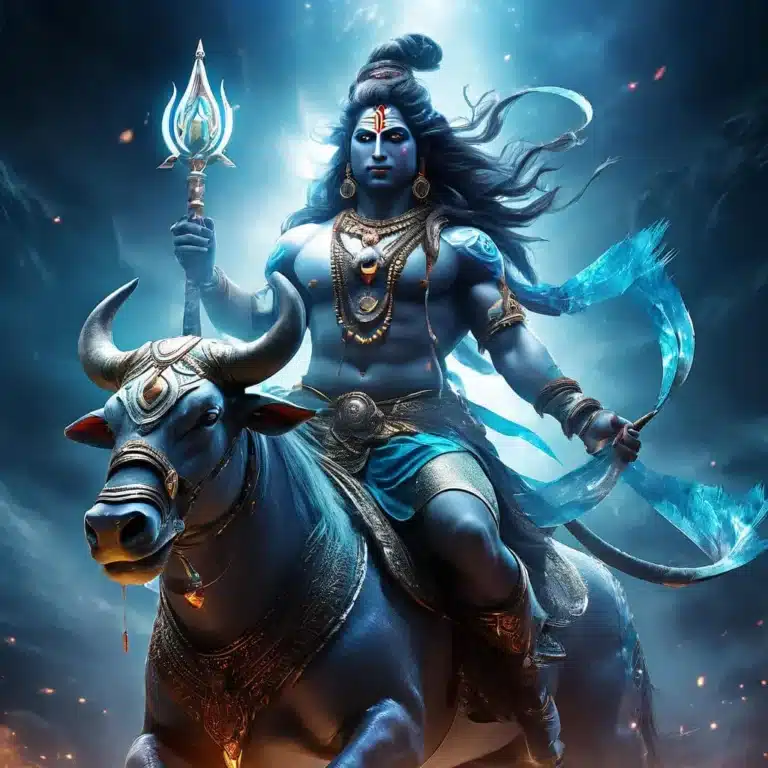
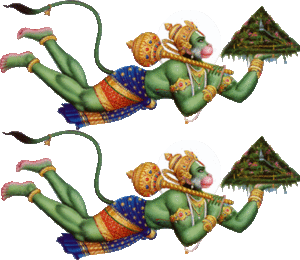
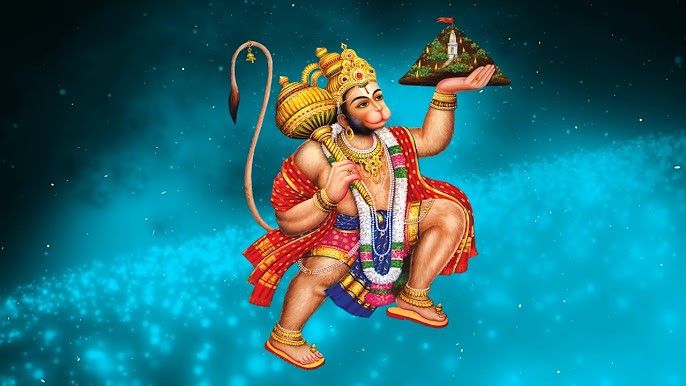
Lord Hanuman holding a mountain in hand against blue sky background. image
Hanuman mantras

Anjani Garbha Sambhuta

Anjani Garbha Sambhuta अंजनीगर्भ संभूत कपीन्द्र सचिवोत्तम ।रामप्रिय नमस्तुभ्यं हनुमन् रक्ष सर्वदा ॥ añjanīgarbha sambhūta kapīndra sacivottama .rāmapriya namastubhyaṃ hanuman rakṣa sarvadā .. I take refuge in Hanuman who was born from the womb of mother Anjani, and who was the most excellent minister of the king of monkeys (i.e. Sugriva), who is extremely dear to Sri Rama; I bow to you, O Hanuman, please protect me always.

Anjani Garbha Sambhuta Read Post »

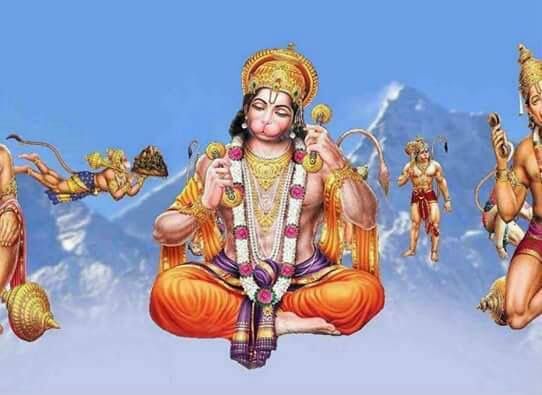
Hanuman meditating in center with other Hanuman forms flying around mountains. image
Hanuman mantras

Anjaneya Mati Patalananam

Anjaneya Mati Patalananam आंजनेय मति पाटलाननं कांचनादि कमनीय विग्रहम् ।पारिजात तरुमूलवासिनं भावयामि पवमान नंदनम् ॥ āṃjaneya mati pāṭalānanaṃ kāṃcanādi kamanīya vigraham .pārijāta tarumūlavāsinaṃ bhāvayāmi pavamāna naṃdanam .. Anjaneya, with his deep reddish face, with graceful posture like a golden mountain, resident at the base of the Parijata tree, I pray with respect to that pleasing son of Vayu. Description Prayer to Hanuman

Anjaneya Mati Patalananam Read Post »

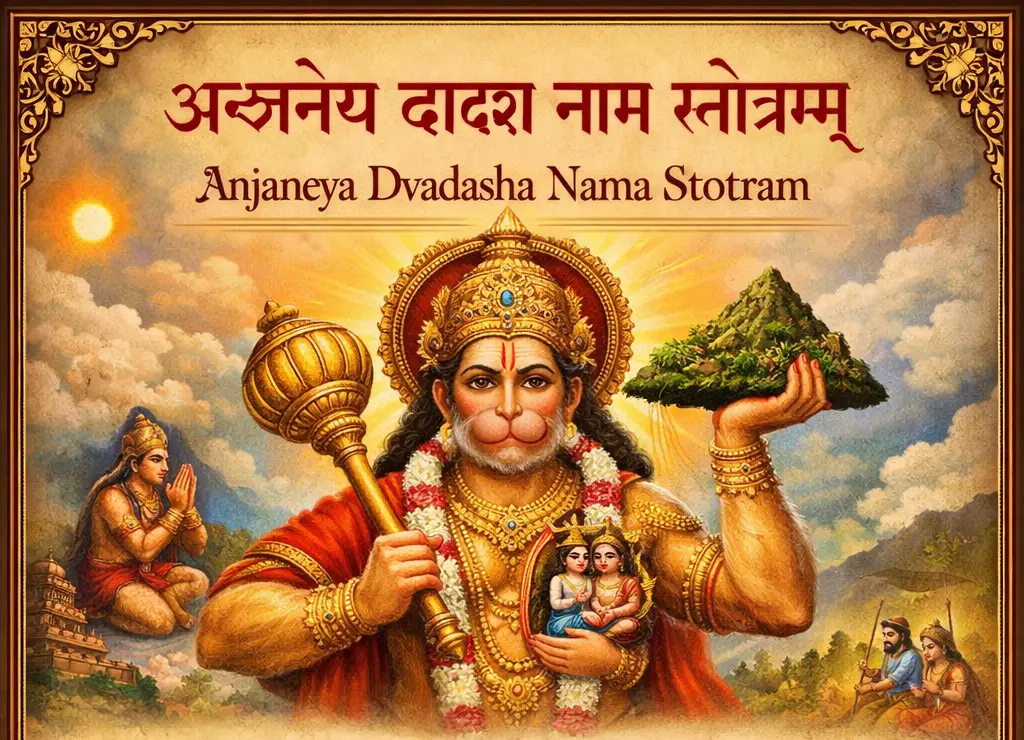
Lord Hanuman holding mountain and mace devotional poster image
Hanuman mantras

Anjaneya Dvadasha Nama Stotram

Anjaneya Dvadasha Nama Stotram हनुमानंजनासूनुः वायुपुत्रो महाबलः ।रामेष्टः फल्गुणसखः पिंगाक्षोऽमितविक्रमः ॥ १॥उदधिक्रमणश्चैव सीताशोकविनाशकः ।लक्ष्मण प्राणदाताच दशग्रीवस्य दर्पहा ॥ २॥द्वादशैतानि नामानि कपींद्रस्य महात्मनः ।स्वापकाले पठेन्नित्यं यात्राकाले विशेषतः ।तस्यमृत्यु भयंनास्ति सर्वत्र विजयी भवेत् ॥ hanumānaṃjanāsūnuḥ vāyuputro mahābalaḥ .rāmeṣṭaḥ phalguṇasakhaḥ piṃgākṣo’mitavikramaḥ .. 1..udadhikramaṇaścaiva sītāśokavināśakaḥ .lakṣmaṇa prāṇadātāca daśagrīvasya darpahā .. 2..dvādaśaitāni nāmāni kapīṃdrasya mahātmanaḥ .svāpakāle paṭhennityaṃ yātrākāle viśeṣataḥ .tasyamṛtyu bhayaṃnāsti sarvatra vijayī bhavet .. Hanuman, son of Anjana, offspring of Vayu, very strong, ever immersed in Rama, friend of Arjuna, reddish-eyed like a lion, a personality of unlimited valorous deeds, the crosser of the ocean, destroyer of Sita’s grief, life-giver to Lakshmana, one who crushed the pride and haughtiness of Ravana – these are the twelve names of the great leader of monkeys. Description Prayer to Hanuman. 12 names of Hanuman

Anjaneya Dvadasha Nama Stotram Read Post »

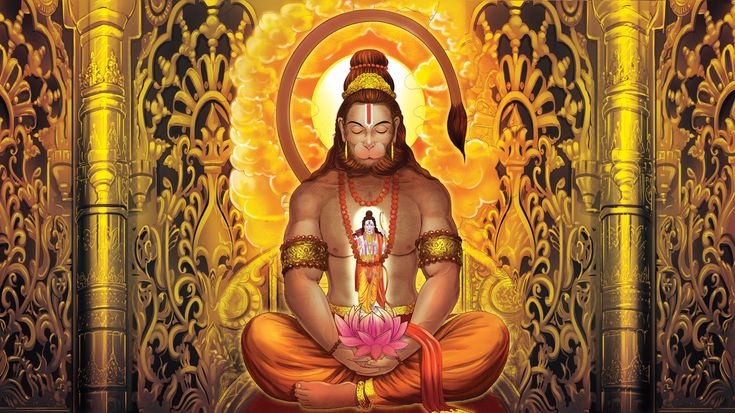
Hanuman meditating with lotus and Lord Ram visible in his heart. image
Hanuman mantras

Anjana Nandanam Viram

Anjana Nandanam Viram अंजना नंदनं वीरं जानकी शोकनाशनम् ।कपीशं अक्षहंतारं वंदे लंका भयंकरम् ॥ aṃjanā naṃdanaṃ vīraṃ jānakī śokanāśanam .kapīśaṃ akṣahaṃtāraṃ vaṃde laṃkā bhayaṃkaram .. The charmer of Anjana, the brave hero, the destroyer of the grief ofJanaki, the chief of monkeys, the controller of sensory organs, I salute that terror of Lanka. Description Anjana Nandanam Veeram is a popular Hanuman stotra addressed to Lord Hanuman, the mighty monkey Hindu God. Anjaneya is well known as the most important disciple of Lord Rama. He is also recoganised as the son of Lord Vayu. While some devotees worship him as the son of Lord Shiva himself. Those who meditate Hanuman Swamy by praying Anjaneya Stotram will be blessed with great strength, good health, courage and fearlessness

Anjana Nandanam Viram Read Post »

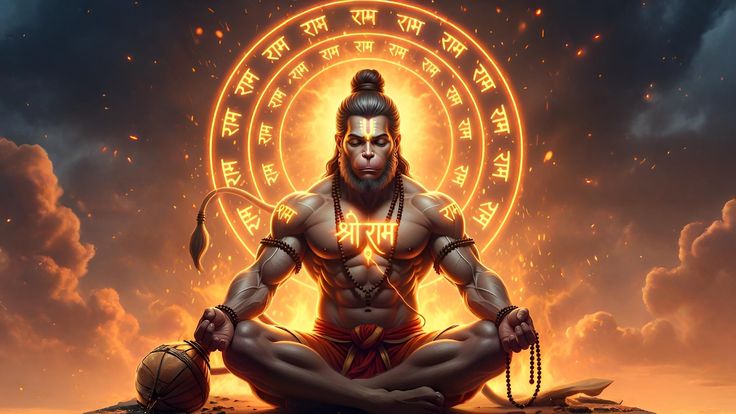
Meditating Hanuman with glowing Ram halo and “Shri Ram” on chest. picture
Hanuman mantras

Buddirbalam Yasodhairya

Buddirbalam Yasodhairya बुद्धिर्बलं यशोधैर्य निर्भयत्वमरोगता ।अजाढ्यं वाक्पटुःत्वंच हनुमत् स्मरणाद्भवेत् ॥ buddhirbalaṃ yaśodhairya nirbhayatvamarogatā .ajāḍhyaṃ vākpaṭuḥtvaṃca hanumat smaraṇādbhavet .. Intelligence, strength, fame, valour, fearlessness, freedom from ill-health, sharpness of wit, oratorial and conversational skills – all these will be begotten by meditation on Hanuman. Description He who meditates on Lord Hanuman, Would be blessed with knowledge, strength, Fame, courage, fearlessness, health, Tirelessness, mastery over words and many more. Word Meaning: बुद्धि (buddhi) – intelligence, बलम् (balam) – strength, यश् (yash) – fame, धैर्यम् (dhairyam) – courage, निर्भयत्वम् (nirbhayatvam) – fearlessness, अरोगताम् (arogatAm) – disease-free health, अजाड्यम् (ajADyam) – determination, वाक् पटुत्वम् च​ (vAk paTutvam ca) – and articulateness of speech, will all last forever (भवेत्, bhavet) if you meditate (स्मरणात् , smaraNAt) on Lord Hanuman (हनुमत्, hanumat) at all times.

Buddirbalam Yasodhairya Read Post »

om20
Asatoma Sadgamaya

Bhadram Karne

Bhadram Karne ॐ भद्रं कर्णेभिः शृणुयाम देवाः ।भद्रं पश्येमाक्षभिर्यजत्राः ।स्थिरैरङ्गैस्तुष्टुवागँसस्तनूभिः ।व्यशेम देवहितं यदायूः । स्वस्ति न इन्द्रो वृद्धश्रवाः ।स्वस्ति नः पूषा विश्ववेदाः ।स्वस्ति नस्ताक्षर्यो अरिष्टनेमिः ।स्वस्ति नो वृहस्पतिर्दधातु ॥ॐ शान्तिः शान्तिः शान्तिः ॥ oṃ bhadraṃ karṇebhiḥ śṛṇuyāma devāḥ .bhadraṃ paśyemākṣabhiryajatrāḥ .sthirair aṅgais tuṣṭuvāgam̐sas tanūbhiḥ .vyaśema devahitaṃ yadāyūḥ . svasti na indro vṛddhaśravāḥ .svasti naḥ pūṣā viśvavedāḥ .svasti nastākṣaryo ariṣṭanemiḥ .svasti no vṛhaspatirdadhātu ..oṃ śāntiḥ śāntiḥ śāntiḥ .. O devas, may we (always/only) hear what is auspicious with our ears,O gods/worthy of sacrifice, may we (always/only) see what is auspicious with our eyes;O gods/who are praised, may we reach/attain with steady limbs and bodies the life(span) that has been established by the gods. May Indra (of) exalted fame give us well being;May the omniscient Pūṣā give us well being;May Tārkṣya of indestructible wheel rims give us well being;May Bṛhaspati give us well being.Om, peace, peace, peace. ॐ OM : Supreme Parabrahman, manifested and unmanifestedभद्रं Bhadram : Good, auspiciousकर्णेभिः Karnebhih : With earsशृणुयाम Shrunuyaama : May we hearदेव Devaa : Shining ones or elevated beings on the Higher Emotional, Lower Mental and Higher Mental planesभद्रं Bhadram : Good, auspiciousपश्येमाक्षभि Pashyemaakshabhih : “Pashyemaa” means see or visualise and “Akshabhih” is with eyesर्यजत्राः Yajathraah : Those deserving worship, the Devasस्थिरैःअङ्गैः Sthirairangai (Sthirai-Angai) : Stable (and healthy) limbsतुष्टुवांसः Tushtuvaam-Sahah: Praying to Godतनूभिः Tanoobhi : By using the body (or bodies)व्यशेम Vyashema : May we attain or gainदेवहितं Deva-Hitam : Allotted by Presiding Devaयदायुः Yadaayuh : With in the given lifespanस्वस्ति नः Swasti nah : Bless usइन्द्रो Indro : Lord Indraवृद्धश्रवाः Vruddhashravaah : Long known and heard of or Ancient, and famousस्वस्ति नः Swasti nah : Grant or endow usपूषा Pooshaah : Lord Sunविश्ववेदाः Vishwa-Vedaah : Knower of the Universe or everythingस्वस्ति नः Swasti nah : Bless usतार्क्ष्य Taaksharya : Lord Vayuअरिष्टनेमिः Aristanemih : Protector from evil or from all harmस्वस्ति नः Swasti nah : Bless usबृहस्पति Bruhaspatih : Guru of Devasर्दधातु Dadhaatu : May give (intellectual wealth for Spiritual upliftment)शान्तिः Shanti, Shanti, Shanti hi : May there be peace Description The first part of the verse starting with Bhadram Karnebih … is a prayer to the gods for well-being, asking for the ability to hear and see auspicious things, to live a healthy life, and to engage in activities that are beneficial to the divine order. The prayer seeks the strength to fulfill one’s duties with stable and healthy limbs, living a life dedicated to good deeds. The second part starting with svasti na indro offers specific invocations to the gods for blessings. It asks for Indra, the god of strength and power, to grant prosperity and renown. Pūṣā, the all-knowing sun god, is called upon to bless with wisdom and guidance. Tārkṣya (Garuda) is invoked to protect from harm and negative forces, while Bṛhaspati, the guru of the gods, is asked to bestow wisdom and good fortune. In summary, the complete verse is a holistic prayer for physical, mental, and spiritual well-being, invoking various gods to bless the reciter with protection, knowledge, strength, and longevity. This peace invocation is from the Atharva Veda. This is a shanti mantra from the Mandukya Upanishad. It is also found in other Upanishads, like, Prashna and Mundaka Upanishad. It is an invocation for well-being, protection and obtaining knowledge for all and for fostering the ability in all to perceive, pickup and engage in only that which is good and utilize their time and capabilities optimally in contributing to humanity. The idea is that one offers up prayers to the gods, so that they may look favorably upon this study and grant that both student and teacher should remain healthy and alert for the duration. OM – is spoken at the outset of all prayers and scriptures both as an effective ‘name’ for God and as a symbol for the aim of the study – freedom from ignorance, i.e. enlightenment or mokSha. When chanted before an Upanishad, of course, it is also the very subject of the study, representing all states of consciousness and reality itself. bhadraM karNebhiH shRRiNuyAma devAH – Oh, Gods! May we hear auspicious (words – i.e. those words to come in what follows – shRRiNuyAma has the same root as shruti; shru means to hear from a teacher, study or learn). bhadraM pashyemAkShabhiryajatrAH – grant that we may see that which is auspicious, oh (Gods who are) worthy of worship (yajatra)! sthiraira~NgaistuShTuvA{m+}sastanUbhiH | vyashema devahitaM yadAyuH – grant us long lives (Ayus), with strong (sthira) limbs (a~nga) and bodies (tanU), (in order that we may) praise you! svasti na indro vRRiddhashravAH – may the great God Indra (vRRiddhhashravas literally means ‘possessed of great swiftness’) grant us (naH) good fortune (svasti)! svasti naH pUShA vishvavedAH – may the omniscient (vishvavedas) sun God grant us good fortune! (pUShA is another, less-common name for sUrya and should be understood as Ishvara) svasti nastArkShyo ariShTanemiH – May the limitless tArkShya grant us good fortune! “svasti” – means “well-being” or “blessings.” “naḥ” – means “for us” or “to us.” “tārkṣyaḥ” – has a couple of interpretations. It can refer to Garuda, the divine eagle and vehicle (vahana) of Lord Vishnu, often invoked for protection and strength. It can also refer to a mythical bird, or Vayu the powerful wind God, but in any case, the word retains a connotation of strength, protection, and speed.“ariṣṭa” – means “free from harm” or “safe.”“nemiḥ” – refers to the wheel or rim (sometimes symbolic of protection or defense). svasti no bRRihaspatirdadhAtu – May bRRihaspati afford (dadhAtu) us success. Om shAntiH shAntiH shAntiH – All prayers tend to end with these three words, which ask for freedom from obstacles to receiving the teaching. (shAnti means ‘peace’.) Obstacles may arise in three ways:1. From the gods, in the form of catastrophic and unavoidable events such as natural disasters. These are called Adhidaivika – related to or proceeding from supernatural or divine agents.2. From other humans who create problems or prevent us in some way. These are called Adhibhautika – related to created beings.3. From our own shortcomings, be it
Bhadram Karne Read Post »

om18
Asatoma Sadgamaya

Vang Me Manasi Pratisthita

Vang Me Manasi Pratisthita ॐ वाङ् मे मनसि प्रतिष्ठिता ।मनो मे वाचि प्रतिष्ठितम् ।आविराविर्म एधि ।वेदस्य म आणीस्थः ।श्रुतं मे मा प्रहासीःअनेनाधीतेनाहोरात्रान्सन्दधामि ।ऋतं वदिष्यामि ।सत्यं वदिष्यामि ।तन्मामवतु ।तद्वक्तारमवतु ।अवतु माम् ।अवतु वक्तारामवतु वक्तारम् ॥ॐ शान्तिः शान्तिः शान्तिः ॥ oṃ vāṅ me manasi pratiṣṭhitā .mano me vāci pratiṣṭhitam .āvirāvirma edhi .vedasya ma āṇīsthaḥ .śrutaṃ me mā prahāsīḥanena adhītena ahorātrān sandadhāmi .ṛtaṃ vadiṣyāmi .satyaṃ vadiṣyāmi .tanmāmavatu .tadvaktāramavatu .avatu mām .avatu vaktārāmavatu vaktāram ..oṃ śāntiḥ śāntiḥ śāntiḥ .. Let my speech be established in my mind, Let my mind be established in my speech, Let the knowledge of the self-manifest atman grow in me, Let my mind and speech be the support to experience the knowledge of the vedas, Let what is heard by me (from the Vedas) be not a mere appearance …But what is gained by studying day and night be retained, I speak about the divine truth, I speak about the absolute truth, May that protect me, May that protect the preceptor (teacher), May that protect me, May that protect the preceptor (teacher), May that protect the preceptor (teacher), Om Peace! Peace! Peace! Description This Shanti (Peace) invocation appears in the Aitareya Upanishad. This Peace Chant ends with the prayer for protection from the Tapatrayas (Threefold miseries) Adhyatmika (Body, Mind), Adhi Bhautika (Animals, other living Beings) and Adhi Daivika ( Natural calamities like Earthquake, Flood,Tsunami, etc.)

Vang Me Manasi Pratisthita Read Post »

om16
Asatoma Sadgamaya

Sham No Mitrah Sham

Sham No Mitrah Sham ॐ शं नो मित्रः शं वरुणः ।शं नो भवत्वर्यमा ।शं नो इन्द्रो बृहस्पतिः ।शं नो विष्णुरुरुक्रमः ।नमो ब्रह्मणे ।नमस्ते वायो ।त्वमेव प्रत्यक्षं ब्रह्मासि ।त्वामेव प्रत्यक्षं ब्रह्म वदिष्यामि ।ॠतं वदिष्यामि ।सत्यं वदिष्यामि ।तन्मामवतु ।तद्वक्तारमवतु ।अवतु माम् ।अवतु वक्तारम् ॥ॐ शान्तिः शान्तिः शान्तिः ॥ oṃ śaṃ no mitraḥ śaṃ varuṇaḥ .śaṃ no bhavatvaryamā .śaṃ no indro bṛhaspatiḥ .śaṃ no viṣṇururukramaḥ .namo brahmaṇe .namaste vāyo .tvameva pratyakṣaṃ brahmāsi .tvāmeva pratyakṣaṃ brahma vadiṣyāmi .ṝtaṃ vadiṣyāmi .satyaṃ vadiṣyāmi .tanmāmavatu .tadvaktāramavatu .avatu mām .avatu vaktāram ..oṃ śāntiḥ śāntiḥ śāntiḥ .. May Mitra be blissful to us. May Varuna be blissful to us. May Aryaman be blissful to us. May Indra and Brihaspati be blissful to us. May Vishnu, with long strides, be blissful to us. Salutation to Brahman. Salutation to you, O Vayu. You, indeed, are the immediate Brahman. You alone, I shall call the direct Brahman. I shall call you righteousness. I shall call you truth. May He protect me. May He protect the teacher. May He protect me. May He protect the teacher. Om, peace, peace, peace! Description Shamno Mitra, one of the Shanti mantras, is a Vedic era Sanskrit text from the Taittiriya Upanishad. Composed around the 6th Century and passed down orally and intact through the ages. A call for peace and oneness, It is chanted to calm the mind of the reciter and his or her environment. Shanti Mantras always end with “Shanti” which means “Peace”. This peace invocation is from the Yajur Veda.

Sham No Mitrah Sham Read Post »

om14
Asatoma Sadgamaya

Sarveshaam Svastirbhavatu

Sarveshaam Svastirbhavatu ॐ सर्वेशां स्वस्तिर्भवतु।सर्वेशां शान्तिर्भवतु।सर्वेशां पुर्णंभवतु।सर्वेशां मङ्गलंभवतु।ॐ शान्तिः शान्तिः शान्तिः॥ oṃ sarveśāṃ svastirbhavatu.sarveśāṃ śāntirbhavatu.sarveśāṃ purṇaṃbhavatu.sarveśāṃ maṅgalaṃbhavatu.oṃ śāntiḥ śāntiḥ śāntiḥ.. Aum, let there be well-being for all, let there be peace for all, let there be completeness for all, let there be auspiciousness for all. Description Prayer for benedictions. Jana Kalyana Shanti Mantra. The origin of this mantra is believed to be from the Bṛhadāraṇyaka Upaniṣads. This is an invocation for harmony and blessings for all of creation (Lokakshema).

Sarveshaam Svastirbhavatu Read Post »

om12
Asatoma Sadgamaya

Sarve Bhavantu Sukhinah

Sarve Bhavantu Sukhinah ॐ सर्वे भवन्तु सुखिनःसर्वे सन्तु निरामयाः ।सर्वे भद्राणि पश्यन्तुमा कश्चिद्दुःखभाग्भवेत् ।ॐ शान्तिः शान्तिः शान्तिः ॥ oṃ sarve bhavantu sukhinaḥsarve santu nirāmayāḥ .sarve bhadrāṇi paśyantumā kaścid duḥkha bhāgbhavet .oṃ śāntiḥ śāntiḥ śāntiḥ .. Let all be happy, let all be free from debilitation, let all see goodness, let there be no victims of sorrow. Description This shanti mantra is from Brihadaranyaka Upanishad.

Sarve Bhavantu Sukhinah Read Post »