





Hari Om

Menu

November 5, 2025

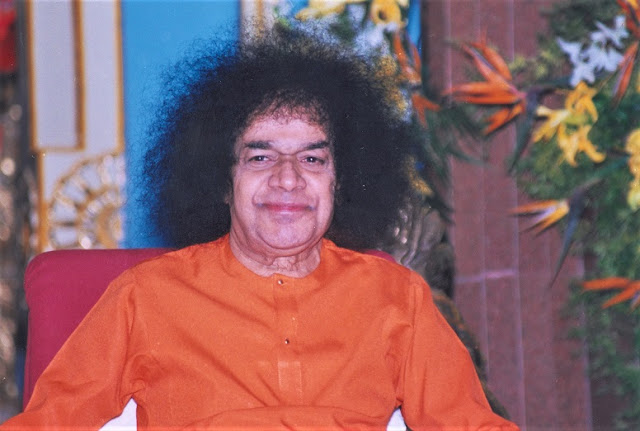
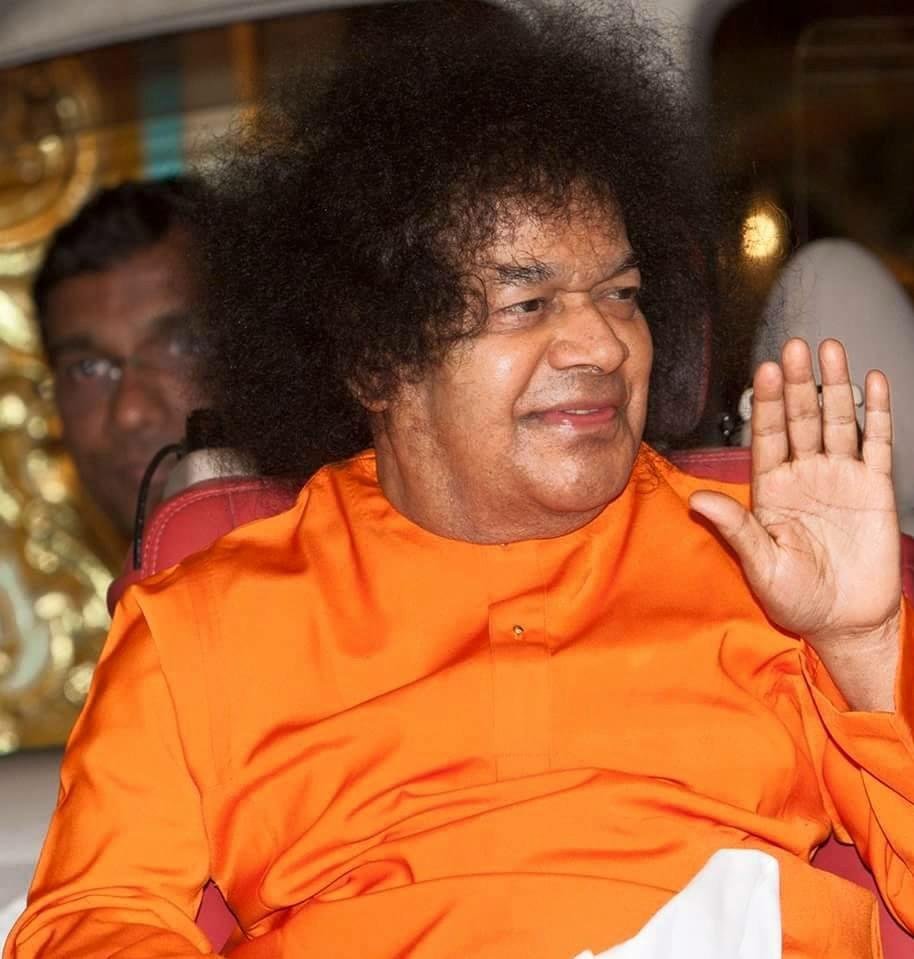
shri sathya sai baba Spiritual guru giving blessing gesture picture
His Life is His Message topics

Dharma

Divine Words of wisdom by Sathya Sai Baba – With Dharma 1. All our acts must be done righteously Your browser does not support the audio element. 1996-06-22 Document Download Audio Social Share Facebook Twitter Youtube Instagram Description Dharma, righteousness, is important for everything. The dharma should be with compassion. Therefore all the four objectives of life viz, ‘dharma’ righteousness, ‘artha’ wealth, ‘kama’ desires and ‘moksha’ liberation must commence with dharma. ‘Artha’, wealth is needed but it should be earned in righteous manner. ‘Kama’ desires must be fulfilled righteously. Therefore those that are attained with dharma have also the element of compassion.   2. When you lead life with Dharma, Artha and Kama in proper balance, you will attain Moksha Your browser does not support the audio element. 1983-10-08 Document Download Audio Social Share Facebook Twitter Youtube Instagram Description With the unison of the three aspects namely dharma, artha and kama, one naturally attains moksha, liberation. In marriage ceremony, the priest recites, “dharmecha, arthecha, kamecha naathicharami” “You shall follow your partner in dharmecha, righteousness, arthecha, in acquiring wealth, and in fulfilling desires, kamecha.” But the priest does not say anything about moksha, liberation. What is the reason? When the dharma, artha and kama are experienced through fair means, moksha is inevitable. But due to the influence of the kali, man keeps moksha alone in sight forgetting all about the dharma, artha and Kama. People are not experiencing the dharma, artha and Kama through proper means. One attains liberation when one experiences the three aspects through fair and proper means. How can one aspire to attain liberation, without experiencing the dharma, artha and Kama through righteous means? Hence one must seek artha, wealth through righteous means. With the wealth so earned, one must fulfil one’s desires. How should one experience the desires? It must be done so with righteousness. How should one earn the wealth? It must be earned with righteousness. It is said that the wealth without righteousness and desires without righteousness will not confer moksha, liberation. Dhanadhaanyamulu kaligi Dharma gunambunna, santhathi ledane chintha yundu, Vidyaadhikaari ayi virraveeguchunna Udyogamukoraku vethalanondu, Kootiki lekanu alladuchunnatti nirupedakendaro biddalunduru! One might have prosperity, material wealth and righteousness too, but is seized with sorrow of being childless, Being arrogant of high education one finds it difficult to find a job, A poor man labouring to make both ends meet has many children! What is the cause? When one does not experience in the proper way, these miseries arise. When one experiences the purushardhas namely the dharma, artha and kama in a proper way then, there will not be any scope for sorrow or troubles. It is food that governs these three aspects.   3. Dharma and Adharma Your browser does not support the audio element. 1999-11-19 Document Download Audio Social Share Facebook Twitter Youtube Instagram Description Embodiments of Love! The flux that you see in the world is the dance of Shiva. This is something which one cannot see, one cannot comprehend and understand. There are the waves of night and day, death and life which go on forever. It is something very natural that we have death and birth. Dharma (righteousness) and unrighteousness is also very natural. When dharma increases, naturally adharma declines. When unrighteousness increases, dharma naturally declines. The reason for dharma and adharma are men and women. Man is under delusion, because he cannot recognize the divinity within himself.  
Dharma Read Post »

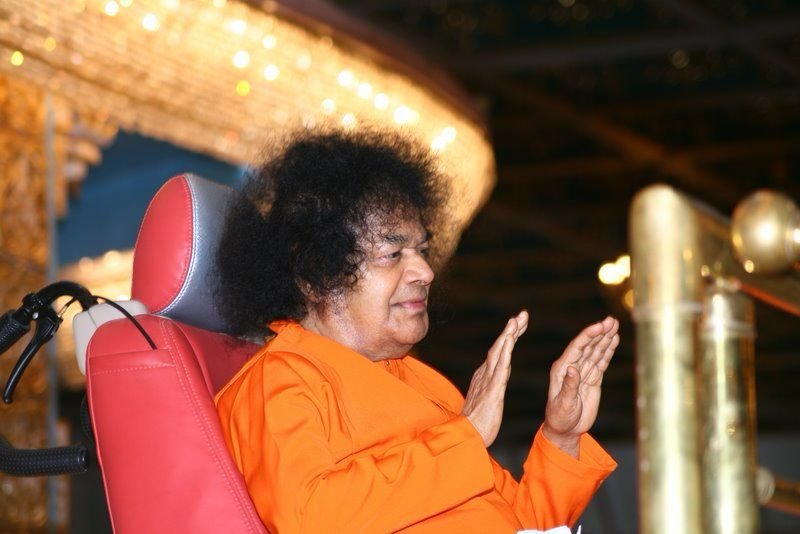
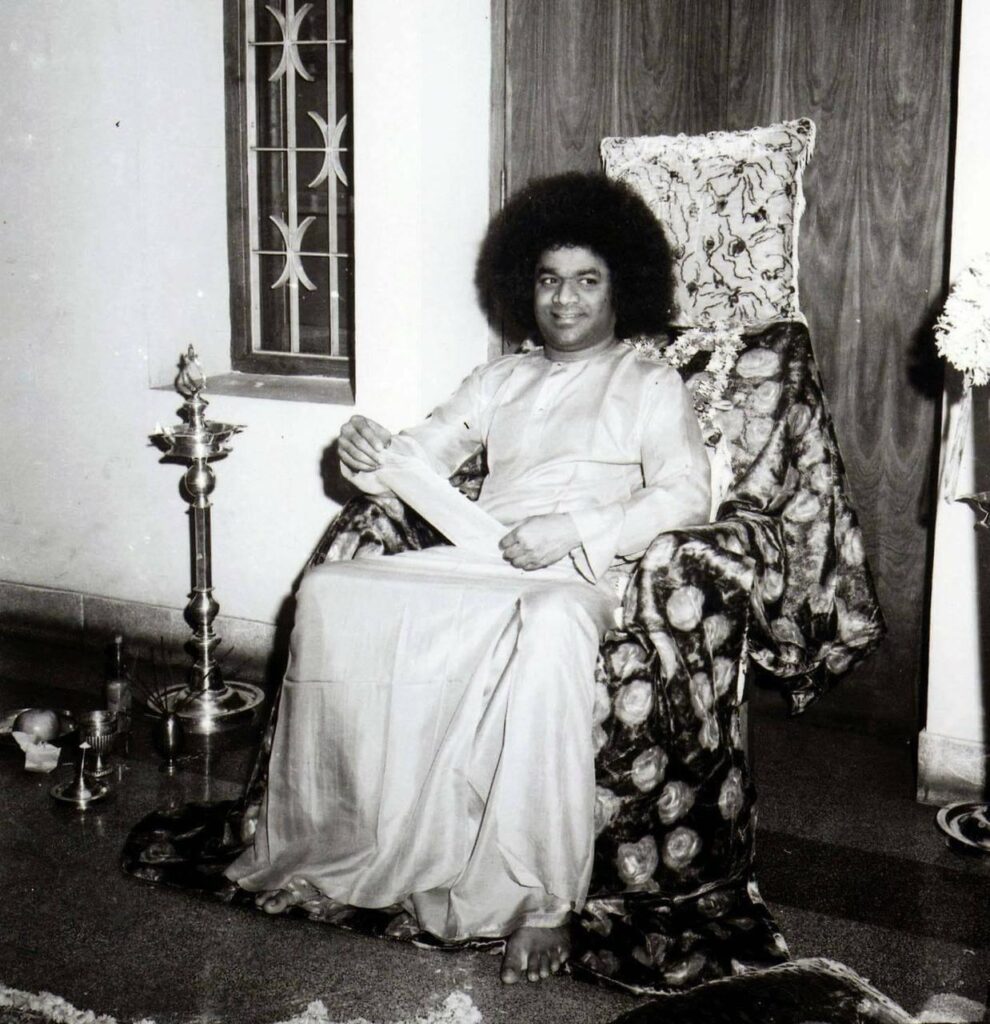
shri sathya sai baba seated in traditional attire.
His Life is His Message topics

Desire

Divine Words of wisdom by Sathya Sai Baba – With Desire 1. Limitless human desires are the cause for unrest Your browser does not support the audio element. 1992-09-27 Document Download Audio Social Share Facebook Twitter Youtube Instagram Description Many people due to the impact and influence of the Kali age, perceive the relationship with the divine as a bodily relationship and are given to many doubts. This is because of the development of worldly feelings and approach. What is meant by ‘worldly feelings’? The worldly feeling is associated with the five sensory elements. This nature is made up of sensory pleasures and the spiritual world is one of sacrifice and renunciation. When one develops the spirit of sacrifice, then alone can one truly be entitled to enjoy. That is why it is said, “Immortality can be obtained only by sacrifice”. But today man is ready for giving up. Today’s man spoils his head with excessive desires. There is no limit for desires at all. Hence there is a decline in human life. Mind is also polluted. The word is full of lies. Wherever he sets his foot, there is injustice; the thoughts too are devoid of divine approach; there is no limit for man’s desires. The life force or the Chaitanya is on a decline; all the goodness is fast disappearing. Enmity and jealousy are on a rise. Desire and anger have bound man helplessly. Truly, the human nature is not to be found in man. The man today lives life without the humanness. A man can be called truly a man when he has the human quality in him. What is this human quality? Following the dictates of the heart is the quality of humanness. One must follow one’s conscience.   2. Increased desires leads to diminishing of will power Your browser does not support the audio element. 1987-11-21 Document Download Audio Social Share Facebook Twitter Youtube Instagram Description Fame can be compared to a river. A river may originate as a trickle but as its flow increases it grows wide and deep. It is the thought that develops the will power in man. The power of speech, the power of discrimination, the power of intellect, the power to take decisions all originate from will power. When one has pure and sacred will power, one can even attain the position of Indra, the Lord of the celestials. Everyone has the will power. What is the reason behind the diminishing will power in man? As desires increase in man, his will power decreases. The will power in man is haphazardly due to the unlimited desires of man. Man does not enjoy the peace and prosperity entitled to him because of the weakening of will power in him. One can try to practice certain things to get a firsthand experience of the above said fact. One may have twenty desires like the desire to drink tea, coffee, liquor, to smoke, to play cards etc. When one gives up the desires one by one, one can see a growth and improvement in one’s will power. Hence it is the desires that are responsible for the increase or decrease in one’s will power. How can one control the desires? One must observe and enquire into certain things: where was the world before one’s birth? Every being that takes birth must die. Where is the world after one’s death? This world comes and goes and exists between birth and death. It is sheer foolishness to crave for such a transitory world. This world can be compared to a mirror. One’s reflection is seen in the mirror so long as one stands in front of it. One cannot see one’s reflection if the mirror is removed. One must realise that it is not worthy to waste the precious life for the transitory, impermanent, unstable worldly desires.   3. Less Desires, More Comfort Your browser does not support the audio element. 2000-11-23 Document Download Audio Social Share Facebook Twitter Youtube Instagram Description Don’t have too many desires. Reduce your desire. Grow desire for God. If you have desire for God, you would be very happy. The worldly desires, responsibilities, obligations will be naturally more and more. You think that you are unburdening yourself, it’s a mistake. The more desires you have, less happier you would be. Once the desires decreases, the bliss increases. Why are you not happy? Because desires are growing, increasing day by day and so you are not happy. When once you put a check or a ceiling on the desire, you will be happy more and more.   4. Man’s quest must be for God rather than for food Your browser does not support the audio element. 1973-05-24 Document Download Audio Social Share Facebook Twitter Youtube Instagram Description In defining a good man, Vemana said that the individual who suffers if he is hungry, who harbours evil, who is burning with anger, and who indulges in promoting intrigue may be said to be a bad man. All others are good people. That man should spend his energy to relieve his hunger has been looked upon with ridicule by the poet Vemana. He draws attention to the fact that even animals and birds do not spend so much effort and time to get relief when they are hungry. When that is so, how is it that man, who is superior to the animals and birds, spends so much time and effort in search of his food. Who provides the food for the birds in the forest? Who feeds the animals in the forest when they are hungry? Who gives water to the trees that thrive in the forest? God, who finds the food for the frog that is trapped between a pair of large stones, will certainly provide food for the human beings, who are so close to Him. Under such circumstances, it is not right that man should hanker after food. On the other hand, he should go after realisation

Desire Read Post »

generated image 10
Ekadashi

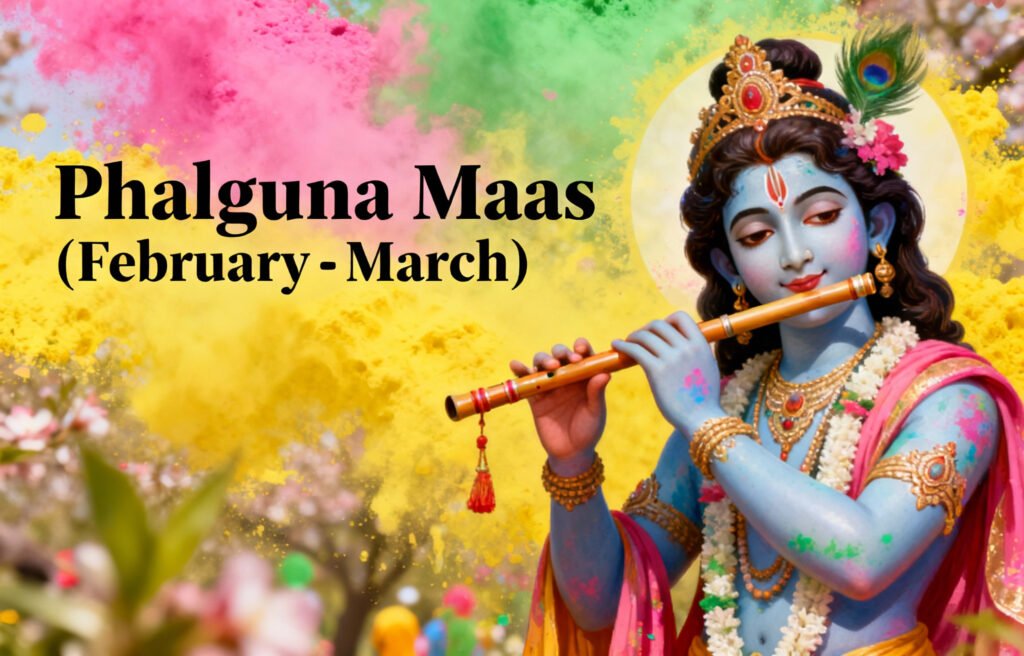
Phalguna (February–March)

Ekadashi In The Month Phalguna (February–March) 🌙 Vijaya Ekadashi – Krishna Paksha (Phalguna Month) Vijaya Ekadashi falls during the Krishna Paksha (waning phase of the Moon) in the month of Phalguna (February–March).As its name suggests, “Vijaya” means Victory — this Ekadashi is believed to bestow success in all endeavors, remove obstacles, and ensure spiritual as well as worldly triumph. It is mentioned in the Skanda Purana and Padma Purana, where Lord Rama Himself observed this Ekadashi before crossing the ocean to reach Lanka. Hence, it is also regarded as the Ekadashi of Victory and Divine Grace. 🕉️ Legend of Vijaya Ekadashi Once, King Yudhishthira asked Lord Krishna to describe the glory of this Ekadashi. The Lord narrated a story from the Skanda Purana. When Lord Rama, along with Lakshmana and the Vanara army, was preparing to cross the ocean to reach Lanka, He sought the blessings of Sage Bakadalbhya. The sage advised Rama to observe the Vijaya Ekadashi Vrat to gain success and divine support in His mission. Under the sage’s guidance, Rama: The next morning, after offering food and charity to Brahmins and the needy, Rama broke His fast.Soon after, the sea god blessed Him, and a bridge (Rama Setu) was miraculously formed over the ocean — allowing Rama’s army to cross and ultimately win victory over Ravana. Hence, it is said that whoever observes Vijaya Ekadashi with sincerity attains victory in all righteous undertakings. 🌺 Significance of Vijaya Ekadashi 🪔 Rituals and Observances 1. Dashami (Day Before Ekadashi) 2. Ekadashi (Main Day of the Fast) 3. Dwadashi (Breaking the Fast) 📜 Scriptural Reference In the Skanda Purana, Lord Krishna says: “O King, one who observes Vijaya Ekadashi with full faith will achieve success in all undertakings, destroy all sins, and attain My supreme abode.” It is also said that the merit of observing Vijaya Ekadashi equals performing thousands of Ashwamedha and Rajasuya Yajnas. 🌿 Spiritual Meaning The deeper symbolism of Vijaya Ekadashi lies in conquering the inner enemies — lust, anger, greed, pride, and ignorance.True victory (Vijaya) is achieved when the soul triumphs over ego and connects with the divine essence within. It reminds us that with devotion, purity, and surrender to God, even the greatest challenges can be overcome — just as Lord Rama attained victory through faith and righteousness. ✨ Essence of Vijaya Ekadashi Symbolizes faith, courage, and righteousness leading to triumph. A day for spiritual strength and success. Brings victory over difficulties and evil forces. Purifies the mind and heart. Connects the devotee to Lord Vishnu’s divine power. 🌳 Amalaki Ekadashi – Shukla Paksha (Phalguna Month) Amalaki Ekadashi, also known as Amla Ekadashi, falls in the Shukla Paksha (waxing phase of the moon) during the month of Phalguna (February–March).It is one of the most sacred and auspicious Ekadashis, dedicated to the worship of Lord Vishnu and the Amalaki (Indian Gooseberry) tree, which is revered in Hinduism as a divine manifestation of purity and healing. This Ekadashi is said to destroy all sins, enhance longevity, and bring prosperity and good health. 🌿 Mythological Significance of Amalaki Ekadashi The story of this Ekadashi is described in the Brahmanda Purana. Once, King Chitraratha, a great devotee of Lord Vishnu, ruled over a prosperous kingdom called Vaidhisha. His people lived virtuous lives, following dharma and worshipping Vishnu regularly. During the Phalguna Shukla Ekadashi, the king and his citizens performed a grand ritual under an Amalaki tree, offering prayers, lighting lamps, and fasting with deep devotion. That night, a demon named Vayasura attacked the city, intending to destroy the holy gathering. However, as he approached, the divine energy emanating from the Amalaki tree and the Lord Vishnu idol incinerated the demon instantly. In the morning, the people were astonished to see the demon’s ashes. The divine voice of Lord Vishnu echoed through the sky, saying: “By observing the Amalaki Ekadashi fast with devotion, all sins are destroyed, enemies are defeated, and one attains My eternal abode.” Since then, devotees have observed this Ekadashi with reverence, worshipping the Amalaki tree as the embodiment of Vishnu’s divine energy. 🍃 Spiritual Importance of the Amalaki Tree The Amla (Indian Gooseberry) is considered sacred in Hinduism — it is believed to be the dwelling place of Lord Vishnu and Goddess Lakshmi.It symbolizes health, vitality, and purity. Worshipping it on this day bestows spiritual merit (punya), good fortune, and protection from illness. In Ayurveda, Amla is known for its exceptional healing properties — it purifies the body, enhances immunity, and rejuvenates the mind and soul. Thus, its presence in this Ekadashi signifies both spiritual and physical cleansing. 🪔 Rituals and Observances 1. Dashami (Day Before Ekadashi) 2. Ekadashi (Main Day of the Fast) 3. Dwadashi (Breaking the Fast) 📜 Scriptural Reference In the Brahmanda Purana, Lord Krishna says to Yudhishthira: “He who observes Amalaki Ekadashi attains freedom from sin, enjoys good fortune, and ultimately reaches My divine abode, Vaikuntha.” It is also said that: “A person who worships the Amla tree on this day gains the fruit of performing countless sacrifices and charities.” 🌸 Benefits of Observing Amalaki Ekadashi 🌼 Spiritual Essence Amalaki Ekadashi symbolizes the harmony of nature and divinity.The Amalaki tree, representing purity and healing, stands as a reminder that the divine resides in every aspect of nature. By fasting, meditating, and offering devotion to Lord Vishnu on this day, devotees cleanse both body and soul, attaining inner balance and divine grace. ✨ Essence of Amalaki Ekadashi Leads to victory over sin and attainment of Vaikuntha (heavenly abode). Dedicated to Lord Vishnu and the sacred Amla tree. Brings purity, prosperity, and spiritual health. Promotes harmony between humans and nature.

Phalguna (February–March) Read Post »

ChatGPT Image Mar 7 2026 05 08 03 PM
Ekadashi

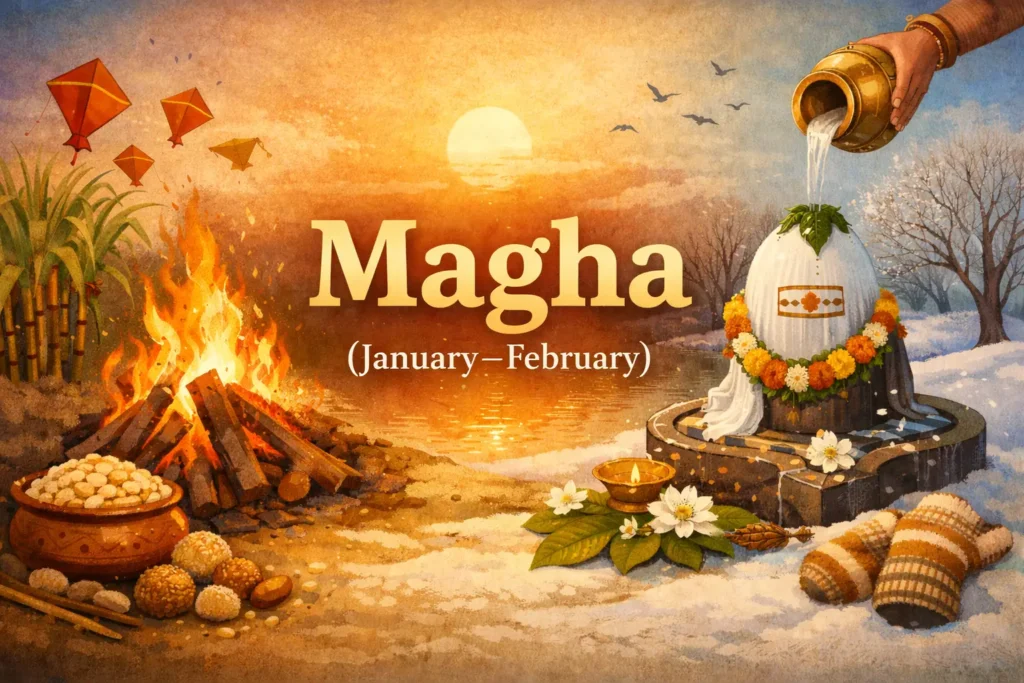
Magha (January–February)

Ekadashi In The Month Magha (January–February) 🌙 Shattila Ekadashi – Krishna Paksha (Magha Month) Shattila Ekadashi, also known as Tilda Ekadashi or Magha Krishna Ekadashi, falls during the Krishna Paksha (waning phase of the Moon) in the month of Magha (January–February).The word “Shat-tila” comes from Sanskrit, where “Shat” means six and “Tila” means sesame seeds. Thus, this Ekadashi involves six ways of using sesame seeds — for purification, worship, charity, and nourishment — to obtain spiritual merit and protection from sins. This sacred Ekadashi is celebrated as a day of charity, purification, and selflessness, symbolizing the importance of giving with love and faith. 🕉️ Spiritual & Mythological Significance The story of Shattila Ekadashi is described in the Bhavishya Purana.Once, a pious woman devotedly worshiped Lord Vishnu and performed many fasts and rituals. However, despite her devotion, she never offered food or charity to Brahmins, devotees, or the needy. As a result, although she attained a heavenly abode after her death, her celestial home was barren and devoid of food or wealth. Seeing her plight, she approached Lord Vishnu and asked why her merits had not brought her joy. The Lord explained, “O noble woman, you performed many fasts and rituals, but never shared your food with others. Charity is the essence of true devotion. Without compassion, all austerities remain incomplete.” He advised her to observe the Shattila Ekadashi Vrata, using sesame seeds (tila) in six sacred ways: She followed the Lord’s instructions with complete devotion, and soon her home became abundant with divine light, prosperity, and peace. Thus, Shattila Ekadashi came to represent the power of charity, purity, and sharing as the foundation of spiritual life. 🌼 Importance of Shattila Ekadashi 🪔 Rituals and Observances 1. Dashami (Day Before Ekadashi) 2. Ekadashi Day (Main Fast) 3. Dwadashi (Breaking the Fast) 📜 Scriptural Reference In the Bhavishya Purana, Lord Krishna tells Yudhishthira: “O King, one who observes Shattila Ekadashi with devotion is freed from all sins committed by the body, speech, and mind.By giving sesame seeds, offering food, and chanting My name, one attains divine prosperity and eternal happiness.” 🌺 Spiritual Meaning Shattila Ekadashi teaches that charity done with love and humility purifies the heart and pleases the Divine.Even the smallest offering, when made with faith, becomes sacred. Sesame seeds symbolize purity, nourishment, and divine energy — the sustenance that supports both the body and soul. This Ekadashi reminds us to share what we have — food, compassion, and time — to make life truly fruitful (Saphala). ✨ Essence of Shattila Ekadashi Teaches that selfless giving is the highest form of devotion Promotes charity, purity, and compassion Purifies mind and body through the six uses of sesame (Shat-Tila) Brings prosperity, spiritual energy, and liberation 🌙 Jaya Ekadashi – Shukla Paksha (Magha Month) Jaya Ekadashi, also known as Bhoumi Ekadashi, falls in the Shukla Paksha (waxing phase of the Moon) during the month of Magha (January–February).It is considered one of the most spiritually powerful and sin-destroying Ekadashis, mentioned in the Padma Purana and Bhavishya Purana. This sacred day is devoted to Lord Vishnu, the protector of the universe. Observing the Jaya Ekadashi Vrat frees one from all sins, even from the gravest of transgressions, and grants moksha (liberation) from the endless cycle of birth and death. 🕉️ Spiritual & Mythological Significance The legend of Jaya Ekadashi was narrated by Lord Krishna to Yudhishthira in the Padma Purana.Once, in the court of Lord Indra, the King of Heaven, the celestial musicians (Gandharvas) named Malyavan and Pushpavati performed before the divine assembly. During the performance, Pushpavati, enchanted by Malyavan, became distracted. Their music faltered, and Indra became enraged. In his anger, he cursed them: “Because you disrespected the sanctity of the divine court, you shall both be born as demons on earth, losing your heavenly form and glory.” Instantly, they were transformed into horrifying demon forms, dwelling in the snow-clad Himalayas, tormented by cold, hunger, and sorrow. They remembered none of their past. One day, by divine will, it was Magha Shukla Ekadashi. The couple had no food and, unknowingly, they fasted the entire day and night, suffering in silence. In the morning (Dwadashi), they died and were instantly released from their demonic bodies, regaining their celestial forms. When they returned to heaven, Lord Indra was astonished and asked how they were freed. Lord Vishnu revealed: “They observed Jaya Ekadashi Vrata, unknowingly fasting in My remembrance. Therefore, their sins were destroyed, and they attained liberation.” From that day, the Jaya Ekadashi fast became a sacred means to destroy even the most dreadful sins and grant eternal freedom. 🌼 Importance of Jaya Ekadashi It is said that even hearing the glory of this Ekadashi grants the merit of performing a thousand Ashwamedha Yajnas. 🪔 Rituals and Observances 1. Dashami (Day Before Ekadashi) 2. Ekadashi (Main Day of Fasting) 3. Dwadashi (Breaking the Fast) 📜 Scriptural References In the Padma Purana, Lord Krishna says to Yudhishthira: “He who observes Jaya Ekadashi with full devotion is freed from even the sin of killing a Brahmin or destroying one’s lineage.This sacred fast bestows happiness in this world and salvation in the next.” 🌺 Spiritual Meaning Jaya Ekadashi teaches that no sin is permanent when repentance and devotion are sincere.Even the darkest karma can be cleansed by fasting, prayer, and surrender to God. This Ekadashi is symbolic of victory over the lower self — conquering inner demons of anger, greed, lust, and ignorance.By following the path of faith and discipline, one attains true “Jaya” — victory of the soul over illusion. ✨ Essence of Jaya Ekadashi Brings peace, prosperity, and blessings from Lord Vishnu. Symbol of victory (Jaya) over sin, ego, and darkness. A day for atonement, self-purification, and divine grace. Removes all forms of bondage and leads to moksha (liberation).

Magha (January–February) Read Post »

Bhagwan Shri Sathya Sai Baba devotion image
His Life is His Message topics

Divine Words of wisdom by Sathya Sai Baba – On Compassion

Divine Words of wisdom by Sathya Sai Baba – With Compassion 1. Compassion is what is important today Your browser does not support the audio element. 1996-06-22 Document Download Audio Social Share Facebook Twitter Youtube Instagram Description People study well, hoping to get into good positions and also aspire to go abroad and desire to earn money as they think that money is the most important thing in this world. But in earlier days people believed ‘Dharma’, righteousness, to be the basis for human life. In ancient times righteousness was considered as the basis for world, but in modern times money is considered as the basis for the world. But Swami considers neither dharma (righteousness), nor ‘dhana’ (money), as the foundation of the world. In the present times, “Daya moolam idam jagath”, it is the compassion that should form the basis of the world and not money or dharma. One might give some coins in charity but that is not the purpose of human life. Compassion is the goal of human life for, every person has compassion in their hearts. All have heart. ‘Hruth’ + ‘daya’ = ‘hrudaya’ meaning, a heart filled with compassion can truly be called as human heart. Dogs, foxes and monkeys too have a heart, but it is a compassionate heart that is the true mark of humanness. Therefore one must fill one’s heart with compassion and not only experience it oneself but must share it with others. If there is no compassion and love, it is not true human life. Aaku pachcha pakshulanni chilukalavale palukuna? Poovvulapai paararedu purugulu tummedalaguna? Yenugantha balasi unna pandi yenuganuta tagunatayya? Kaadu, kaadu!! “Do all birds green in colour speak as parrots? Do all insects that crawl on the flowers be called as butterflies? Can a pig the size of an elephant be called an elephant?!!” No! No! “Jantoonam nara janma durlabham!” of all the life, the human life is rare. How can the rarity of human life be demonstrated? “Sareeramaadhyam khalu dharma saadhakam!” the body is truly for the carrying out one’s dharma, duty. One should follow the path of righteousness. And the righteousness must be accompanied by compassion.  

Divine Words of wisdom by Sathya Sai Baba – On Compassion Read Post »

generated image 8
Ekadashi

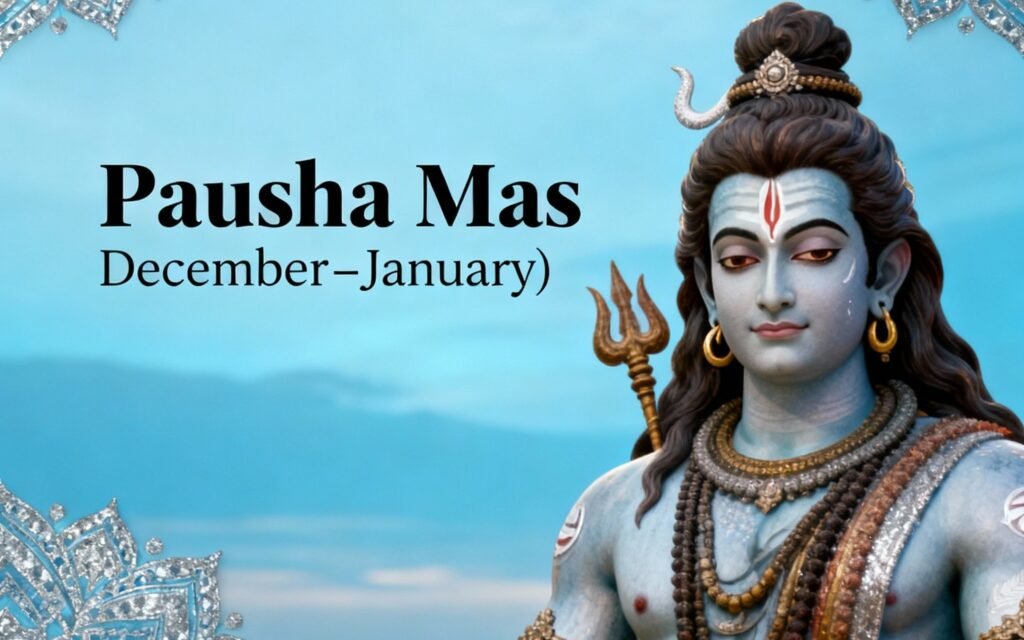
Pausha (December–January)

Ekadashi In The Month Pausha (December–January) 🌙 Saphala Ekadashi – Krishna Paksha (Pausha Month) Saphala Ekadashi (also spelled Safala Ekadashi) falls during the Krishna Paksha (waning phase of the Moon) in the month of Pausha (December–January). The word Saphala means “fruitful” or “successful.” Hence, this Ekadashi is believed to make one’s life successful, desires fulfilled, and sins destroyed through sincere devotion to Lord Vishnu. It is one of the most auspicious Ekadashis, symbolizing how a life of faith and virtue leads to true success (saphalta) — both material and spiritual. 🕉️ Spiritual & Mythological Significance The story of Saphala Ekadashi is narrated in the Brahmanda Purana. Once, there was a powerful and prosperous king named Mahaishmata, who had four sons. His eldest son, Lumpaka, was wicked, greedy, and disrespectful toward both his father and the divine laws. Due to his sinful behavior — theft, indulgence, and disrespect toward the gods — the king banished Lumpaka from his kingdom. He began living in the forest, surviving by stealing from travelers. One day, unknowingly, Lumpaka observed the Saphala Ekadashi fast. It was the Ekadashi tithi during which he could not find food and remained without eating or drinking throughout the day and night. The next morning, he collected some fruits and offered them to a sacred banyan tree (which symbolized Lord Vishnu). Though he performed this act unintentionally, Lord Vishnu was deeply pleased with his simple offering and pure heart. The divine Lord appeared before Lumpaka and said: “By observing the Saphala Ekadashi fast and worshipping Me, you have destroyed all your sins. Return to your father’s kingdom; rule it with righteousness and devotion.” Lumpaka returned home, was forgiven by his father, and later became a wise and just ruler who devoted his life to Lord Vishnu. Thus, the Saphala Ekadashi came to symbolize forgiveness, renewal, and transformation through the Lord’s grace. 🌼 Importance of Saphala Ekadashi 🪔 Rituals and Observances 1. Dashami (Day Before Ekadashi) 2. Ekadashi Day (Main Fast) 3. Dwadashi (Breaking the Fast) 📜 Scriptural Reference In the Brahmanda Purana, Lord Krishna explains to Arjuna: “He who observes Saphala Ekadashi with devotion obtains success in all undertakings. All sins are destroyed, and the devotee attains the highest abode — Vaikuntha.” 🌺 Spiritual Meaning Saphala Ekadashi teaches that true success is not found in wealth or power but in devotion, righteousness, and humility. Even a sinner like Lumpaka can be purified and blessed when he turns toward Lord Vishnu with faith and sincerity. The Ekadashi inspires us to awaken the divine within, to let go of arrogance, and to live a life of gratitude and purity. ✨ Essence of Saphala Ekadashi Leads to moksha (liberation) and freedom from sins Symbol of success, forgiveness, and renewal Brings prosperity and peace through devotion to Lord Vishnu A day to transform one’s heart and seek divine grace 🌙 Putrada Ekadashi – Shukla Paksha (Pausha Month) Putrada Ekadashi — also known as Pavitropana Ekadashi or Pausa Putrada Ekadashi — occurs during the Shukla Paksha (waxing phase of the Moon) in the month of Pausha (December–January).The word “Putrada” literally means “giver of sons” or “bestower of progeny.” It is believed that observing this Ekadashi with faith brings blessings for children, family happiness, and continuity of lineage. However, the deeper spiritual meaning of Putrada is the bestowal of divine virtues and spiritual heirs — meaning that Lord Vishnu blesses devotees with the spiritual strength and wisdom to lead a righteous life and pass dharma (virtue) to the next generation. 🕉️ Spiritual & Mythological Significance The story of Putrada Ekadashi is narrated in the Bhavishya Purana.Once upon a time, there was a pious king named Suketuman who ruled the kingdom of Bhadravati. Despite his wealth and devotion, he was deeply saddened because he had no children. His queen Shaibya too shared his sorrow, as they feared their dynasty would end without an heir. One day, tormented by grief, the king left his palace and wandered into the forest. After some time, he reached the ashram of several wise sages, who were performing penance on the banks of Manasarovar Lake. Seeing the king’s despair, the sages inquired about his suffering. When he revealed his sorrow of being childless, the sages compassionately told him that it was Putrada Ekadashi, a most auspicious day dear to Lord Vishnu. They instructed him to observe a strict fast, worship Lord Vishnu with devotion, and pray for a worthy child. The king and queen observed the fast as advised. Pleased with their devotion, Lord Vishnu appeared in the king’s dream and blessed him, saying: “Because you have observed Putrada Ekadashi with pure faith, you shall be blessed with a virtuous son who will continue your lineage and bring glory to your name.” In due course, a radiant son was born to them — intelligent, righteous, and devoted. Thus, this Ekadashi came to be known as Putrada Ekadashi, the one that fulfills the heartfelt prayers of parents. 🌼 Importance of Putrada Ekadashi 🪔 Rituals and Observances 1. Dashami (Day Before Ekadashi) 2. Ekadashi Day (Main Fast) 3. Dwadashi (Breaking the Fast) 📜 Scriptural Reference In the Bhavishya Purana, Lord Krishna tells King Yudhishthira: “He who observes Putrada Ekadashi with devotion is freed from all sins. By My grace, he obtains a virtuous child, happiness, and ultimately attains My eternal abode.” 🌺 Spiritual Meaning Though this Ekadashi is often associated with the desire for children, its deeper essence lies in the birth of divine wisdom within the devotee.Lord Vishnu, the sustainer of the universe, grants spiritual progeny — pure thoughts, selfless deeds, and inner strength that carry forward the light of Dharma. Putrada Ekadashi reminds us that the greatest inheritance we can give is not material wealth, but spiritual knowledge and devotion. ✨ Essence of Putrada Ekadashi Leads to purification and liberation through Lord Vishnu’s grace Symbol of fertility, blessings, and spiritual renewal Ensures continuity of dharma and righteous legacy Bestows peace, happiness, and family prosperity

Pausha (December–January) Read Post »

generated image 6
Ekadashi

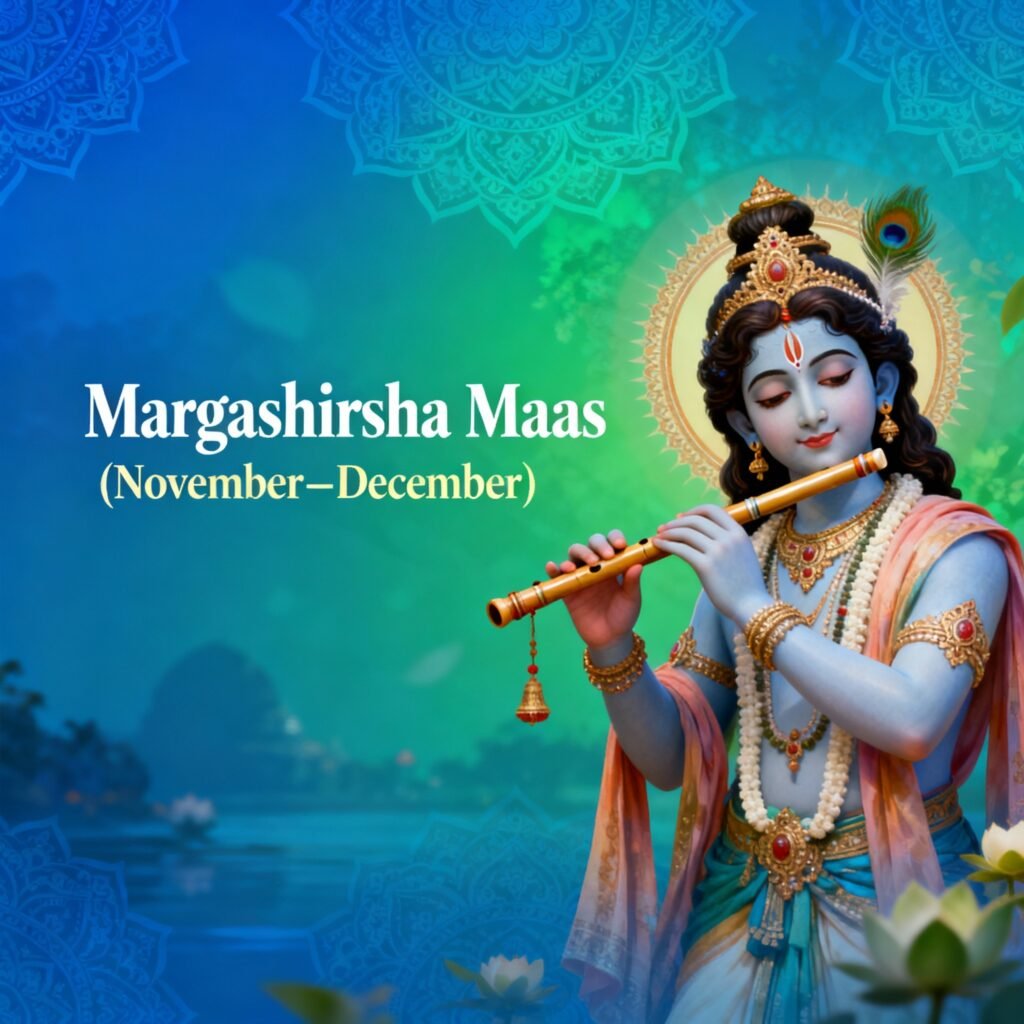
Margashirsha (November–December)

Ekadashi In The Month Margashirsha (November–December) 🌙 Utpanna Ekadashi – Krishna Paksha (Margashirsha Month) Utpanna Ekadashi is one of the most significant and spiritually powerful Ekadashis in the Hindu calendar. It falls during the Krishna Paksha (waning phase of the moon) in the month of Margashirsha (November–December).This Ekadashi is celebrated as the first Ekadashi that originated from Ekadashi Devi, who manifested from Lord Vishnu’s divine energy to destroy evil and protect righteousness. It marks the beginning of the Ekadashi fasting tradition, which is why it holds a very special place among all 24 (or 26) Ekadashis of the year. 🕉️ Spiritual & Mythological Significance According to the Bhavishya Purana and Padma Purana, long ago, a powerful demon named Murasura terrorized the gods. He resided in Chandravati Nagari and performed severe austerities to gain invincibility. When his tyranny grew unbearable, the Devas (gods) sought refuge in Lord Vishnu. Lord Vishnu fought Mura for thousands of years. During the battle, the Lord entered a cave to rest for a moment. Seeing Him asleep, Mura tried to attack. Suddenly, from Vishnu’s divine energy, a radiant female warrior emerged — a goddess glowing with celestial light. She battled and destroyed the demon instantly. When Lord Vishnu awoke, He was pleased and named her “Ekadashi Devi,” saying: “You were born on the eleventh day (Ekadashi) of the lunar fortnight. Whoever observes this day with devotion and fasting shall be freed from sins and attain My abode.” Thus, Utpanna Ekadashi commemorates the birth of Ekadashi Devi, the divine energy of spiritual discipline, purity, and protection. 🌼 Importance of Utpanna Ekadashi 🪔 Rituals and Observances 1. Dashami (Day Before Ekadashi) 2. Ekadashi Day (Main Fasting Day) 3. Dwadashi (Breaking the Fast) 📜 Scriptural Reference In the Bhavishya Purana, Lord Krishna tells Arjuna: “O Arjuna, Utpanna Ekadashi is the destroyer of sins. By observing this fast, one attains the merit equal to performing a thousand Ashwamedha Yajnas. Whoever observes it faithfully attains My eternal abode.” 🌺 Spiritual Meaning Utpanna Ekadashi symbolizes the awakening of divine consciousness within us — the birth of awareness that destroys ignorance and ego (represented by the demon Mura).It teaches that through discipline, devotion, and purity, we can conquer negative tendencies and align with the divine will of Lord Vishnu. ✨ Essence of Utpanna Ekadashi Leads to freedom from karmic bondage and attainment of Moksha (liberation) Birth of Ekadashi Devi, the Goddess of spiritual strength First and foremost Ekadashi that began the sacred tradition of fasting Day of renewal, purification, and devotion 🌙 Mokshada Ekadashi – Shukla Paksha (Margashirsha Month) Mokshada Ekadashi is one of the most sacred and spiritually uplifting Ekadashis in the Hindu calendar. It occurs during the Shukla Paksha (waxing phase of the moon) in the month of Margashirsha (November–December). This Ekadashi is highly revered as it bestows moksha (liberation) upon the soul and helps devotees attain freedom from the cycle of birth and death. It is also believed that observing a fast on this day liberates the souls of ancestors who may be suffering in the afterlife, granting them peace and heavenly abode. 🕉️ Spiritual & Mythological Significance The significance of Mokshada Ekadashi is described in the Brahmanda Purana. The legend begins in the ancient kingdom of Champak Nagari, ruled by a wise and just king named Vaikhanasa. One night, the king had a troubling dream in which his late father appeared to him, suffering greatly in the realms of Yama (the god of death). Distressed, the king sought guidance from his royal priest, who advised him to visit the Sage Parvata Muni, a great seer living in the Himalayas. The sage revealed that the king’s father was enduring punishment due to his past misdeeds, but there was a divine remedy — observing the Mokshada Ekadashi Vrata with full devotion. Following the sage’s advice, the king and his family observed the fast and performed the rituals. Pleased by their devotion, Lord Vishnu granted liberation to the king’s father, freeing his soul from suffering. Since that day, this Ekadashi has been celebrated as Mokshada Ekadashi, the sacred day that grants salvation and liberation. 🌼 Spiritual Importance 🪔 Rituals and Observances 1. Dashami (Day Before Ekadashi) 2. Ekadashi Day (Main Fast) 3. Dwadashi (Breaking the Fast) 📜 Scriptural Reference In the Brahmanda Purana, Lord Krishna explains to Yudhishthira: “O King, Mokshada Ekadashi is the destroyer of all sins. Observing this fast with devotion liberates not only the devotee but also their forefathers. It grants the highest abode — Vaikuntha.” 🌺 Spiritual Essence The word Mokshada itself means “that which grants Moksha (liberation).”This Ekadashi reminds us of the eternal truth — that all worldly pleasures are temporary, but the soul’s union with the Divine is everlasting. It encourages us to lead a pure, disciplined, and selfless life, centered on devotion (bhakti) and detachment (vairagya). ✨ Essence of Mokshada Ekadashi A day for spiritual cleansing, charity, and divine remembrance Symbol of divine liberation and peace Bestows salvation for ancestors and oneself Observing this Ekadashi helps attain Vaikuntha, the abode of Lord Vishnu

Margashirsha (November–December) Read Post »

ba76e004 440c 4a32 937b a2a5cf10111e
His Life is His Message topics

Body

Divine Words of wisdom by Sathya Sai Baba – With Body 1. Limited food intake is good for the body Your browser does not support the audio element. 1983-10-08 Document Download Audio Social Share Facebook Twitter Youtube Instagram Description Man eats food in excess and thoughtlessly. “Na shreyo niyamam vina”, anything that is not bound by rules is harmful. Even for eating if there are no rules, not only does man fall sick but he may also be subjected to any number of troubles. Food is necessary in order to maintain the body, but this food too must be eaten in tune with the quantity required for the sustenance of the body. Upon exceeding the limit this body is subjected to numerous illnesses.   2. The Body is the Temple of God – Treat it Thus Your browser does not support the audio element. 1993-05-30   Document Download Audio Social Share Facebook Twitter Youtube Instagram Description Whether you believe it or not, I never did these sadhana at all. But, this body which is 67 years old never experienced any kind of fatigue or tiredness whatsoever. The reason being, all the powers are latent in this body. The yoga shakthi (yogic power) and everything are present inside. Body is just like an instrument. Because of this yogic power, if anything is cursed it becomes stand still. If we say that this feeling should not leave, it stops there itself. Not only for Me, it is possible for everyone. The reason is, God is in every one. In this body, that body and in all bodies, the Self is same. Specifically, you should not have differences based on the body. The Self present in everything is one and develop that spirit of oneness. This body is a temple of God. ‘Deho Devalaya Prokto Jeevo Deva Sanathana’ – that is why it is said that the body is like a temple of God. But you should make use of this temple in a sacred manner. You call it a temple but you use it like a choultry. You construct a house and keep doors. You have the doors for going in and out of the house and also for the use of your relations, friends, family members etc. But just because we have doors, do we allow donkeys, pigs and dogs which are roaming in the bazaar to enter the house? Similarly we have senses; what for do we have the senses? It is for our own self experience. Just because we have these doors called senses, we allow everything that roams in the bazaar to enter inside and thus the body becomes a choultry. We shouldn’t do that. They should not enter into me; those dogs are to be driven out. Permit only what is needed. Through such enquiry, human being can become sacred to any extent. It is because there is scope for such sacredness, man becomes God. ‘Oh, where is God and where is man?’, thinking so, you should never give room to disappointment. Man is God. Strengthen that kind of a true feeling. You can experience this within three days time. If you do not have that firm faith and give in to bumps and jumps, even after thirty generations you can never accomplish it. Yogic exercise is too small and very easy; it is not difficult; there is no expenditure; you need not exert much and it’s an easy path. I will tell you much more later. In this easiest path, you can get the bliss however much you want and attain good health also.   3. Body is an instrument in realizing God Your browser does not support the audio element. 1998-07-09 Document Download Audio Social Share Facebook Twitter Youtube Instagram Description The Scientists said, the place where the science ends spirituality begins. This is important. All the worldly activity belongs to science. The physical body is necessary. You have to maintain it, you cannot consider it permanent , eternal and dedicate your life. It is the body that helps you to realise the objective of life. With this body you can attain divinity. I am not the body. Body is an instrument given to realise God. This is my body, my intellect, my mind, my senses, Then who are you? No one is putting such questions. When I say this is my kerchief, I am separate from my kerchief. Similarly when you say my body, you are separate from the body. Then who are you? We don’t put a question of that sort to ourselves but we carried away by the scenario around. Body is an instrument that shows you the path and the truth. The body has got the divinity latent in it. All the material word is negative. You are the positive. And you have to consider everything positive and experience them. Don’t give scope for negativity. Negative gives you negative value. The main cause for restlessness in the world is because of this negativity. All this is matter, You are the Master. Master the mind, Be a Mastermind. You be a master that is true education, Bookish knowledge is not true education. It only tells you the ideal for this temporal world.   4. Use your body to do sacred acts Your browser does not support the audio element. 1998-07-09 Document Download Audio Social Share Facebook Twitter Youtube Instagram Description Money that is lost can be earned again. Lost friends may be got back again. Even the loss of a wife can be made up by remarriage. But, if the present body is lost, it cannot be got back again. Hence, the body is highly sacred. For what purpose should this sacred body be protected? The body has to be protected because verily it is the primary means of achieving dharma. Human birth is a rare privilege. It is highly sacred and sublime. Having been born as human beings, if men do not realize the preciousness of human life, what is

Body Read Post »

generated image 5 e1772883006344
Ekadashi

Kartika (October–November)

Ekadashi In The Month Kartika (October–November) 🌼 Rama Ekadashi – Krishna Paksha (Kartik Month) Rama Ekadashi, one of the most revered Ekadashis, falls during the Krishna Paksha (waning phase of the moon) in the Kartik month (October–November). This sacred day is dedicated to Lord Vishnu and his divine consort Goddess Lakshmi (Rama Devi), who blesses devotees with prosperity, peace, and spiritual liberation. It is believed that observing the Rama Ekadashi Vrat destroys past sins, fulfills righteous desires, and ensures divine grace in this life and the next. 🕉️ Mythological Significance The Brahmavaivarta Purana narrates the greatness of Rama Ekadashi through a conversation between Lord Krishna and King Yudhishthira. Once, there lived a righteous king named Muchukunda, a great devotee of Lord Vishnu. In his kingdom lived a pure-hearted Brahmin named Shobhana, who was married to King Muchukunda’s daughter, Chandrabhaga. When Rama Ekadashi approached, Chandrabhaga urged her husband to observe the fast, as it was mandatory in her father’s kingdom. Though Shobhana was physically weak, he agreed out of respect and devotion. Unfortunately, due to weakness, he died during the fast. However, because he had observed Rama Ekadashi Vrat faithfully, he was blessed to rule a divine kingdom in the heavenly realm. Later, when Chandrabhaga learned of his celestial status, she too performed the same vrat and joined him in Vaikuntha. Thus, Rama Ekadashi came to be known as the destroyer of sins and liberator of souls, named after Goddess Rama (Lakshmi) — the giver of divine fortune and salvation. 🌺 Spiritual Significance The word Rama in this context refers to Goddess Lakshmi, who resides eternally with Lord Vishnu. Observing Rama Ekadashi symbolizes seeking balance between material prosperity (Lakshmi) and spiritual enlightenment (Vishnu). It teaches that through devotion, purity, and control over desires, one can attain both worldly happiness and eternal peace. This Ekadashi is particularly powerful for removing negative karma, granting forgiveness, and uplifting the soul toward moksha (liberation). 🪔 Rituals and Observances 🌅 1. Dashami (Day Before Ekadashi) 🌞 2. Ekadashi Day (Main Observance) 🌄 3. Dwadashi (Breaking the Fast) 🌸 Benefits of Observing Rama Ekadashi 📜 Scriptural Reference In the Brahmavaivarta Purana, Lord Krishna tells Yudhishthira: “O King, among all fasts, the fast on Rama Ekadashi is most purifying. By observing it with faith and devotion, even a sinner is freed from all bondage and attains the eternal abode of Vishnu.” 🌻 Essence of Rama Ekadashi Rama Ekadashi is not only a day of fasting but also a celebration of divine grace and purity. It reminds devotees that through truth, faith, and devotion, one can rise above worldly limitations and attain the eternal presence of the Divine Couple — Sri Vishnu and Sri Lakshmi. ✨ “Rama Ekadashi washes away sins, awakens the heart, and opens the door to eternal bliss in Vaikuntha.” 🌸 Devutthana (Prabodhini) Ekadashi – Shukla Paksha (Kartik Month) Devutthana Ekadashi, also known as Prabodhini Ekadashi, Dev Uthani Ekadashi, or Hariprabodhini Ekadashi, falls in the Kartik month during the Shukla Paksha (waxing phase of the moon) — usually in October–November.This Ekadashi marks a highly auspicious and spiritually powerful day when Lord Vishnu awakens from His four-month cosmic slumber (Yoga Nidra), which began on Devshayani Ekadashi in the month of Ashadha. It symbolizes the awakening of divine energies, renewal of righteousness, and the beginning of auspicious activities, including marriages, temple festivals, and spiritual vows. 🕉️ Spiritual and Mythological Significance According to the Padma Purana and Skanda Purana, on Devshayani Ekadashi, Lord Vishnu goes into deep rest (Yoga Nidra) on the cosmic serpent Sheshanaga in the Kshirasagara (Ocean of Milk). During this period, known as Chaturmas, no major auspicious ceremonies are performed. After four months, on Prabodhini Ekadashi, the Lord awakens (Prabodhan) to resume the sustenance of the universe. This event is celebrated as Dev Uthani — “the awakening of the gods.” It is believed that Goddess Lakshmi and Tulsi Devi rejoice at this moment, and the Tulsi Vivah (divine wedding of Tulsi and Vishnu) is performed on this day, signifying the start of the marriage season in Hindu tradition. The day also marks the completion of Chaturmas Vrata, a period of spiritual discipline and restraint observed by devotees and saints. 🌿 Legends Associated with Prabodhini Ekadashi 1. Lord Vishnu’s Awakening After resting for four months, Lord Vishnu awakens on this day to bless all living beings. Devotees believe that offering prayers on this day eradicates sins and grants moksha (liberation). 2. Tulsi Vivah According to legend, Tulsi (the holy basil) was once a woman named Vrinda, who was devoted to Lord Vishnu. After her mortal life ended, the Lord blessed her by transforming her into the sacred plant Tulsi, vowing to marry her each year on this day.This divine union of Tulsi and Vishnu (as Shaligram) is celebrated with grandeur and marks the beginning of auspicious events and marriages. 3. King Prithu’s Salvation King Prithu is said to have attained salvation by observing Prabodhini Ekadashi Vrat, as mentioned in scriptures. 🪔 Rituals and Observances 🌅 1. Dashami (Day Before Ekadashi) 🌞 2. Ekadashi Day (Main Observance) 🌄 3. Dwadashi (Breaking the Fast) 🌼 Significance of Devutthana Ekadashi 📜 Scriptural Reference In the Padma Purana, Lord Krishna tells Yudhishthira: “O King, the merit gained by observing Devutthana Ekadashi equals that of performing a thousand Ashwamedha Yajnas. Whoever observes this Ekadashi with devotion awakens divine consciousness within and attains my eternal abode.” 🌻 Essence of Devutthana (Prabodhini) Ekadashi Devutthana Ekadashi is a festival of divine awakening, devotion, and renewal.It reminds devotees to awaken their own inner consciousness — to rise from ignorance and inertia to spiritual light and action. As Lord Vishnu awakens, so should the soul awaken to truth, virtue, and love. ✨ “When the Lord awakens, the world awakens — and the heart blossoms with divine light.”

Kartika (October–November) Read Post »

generated image 4
Ekadashi

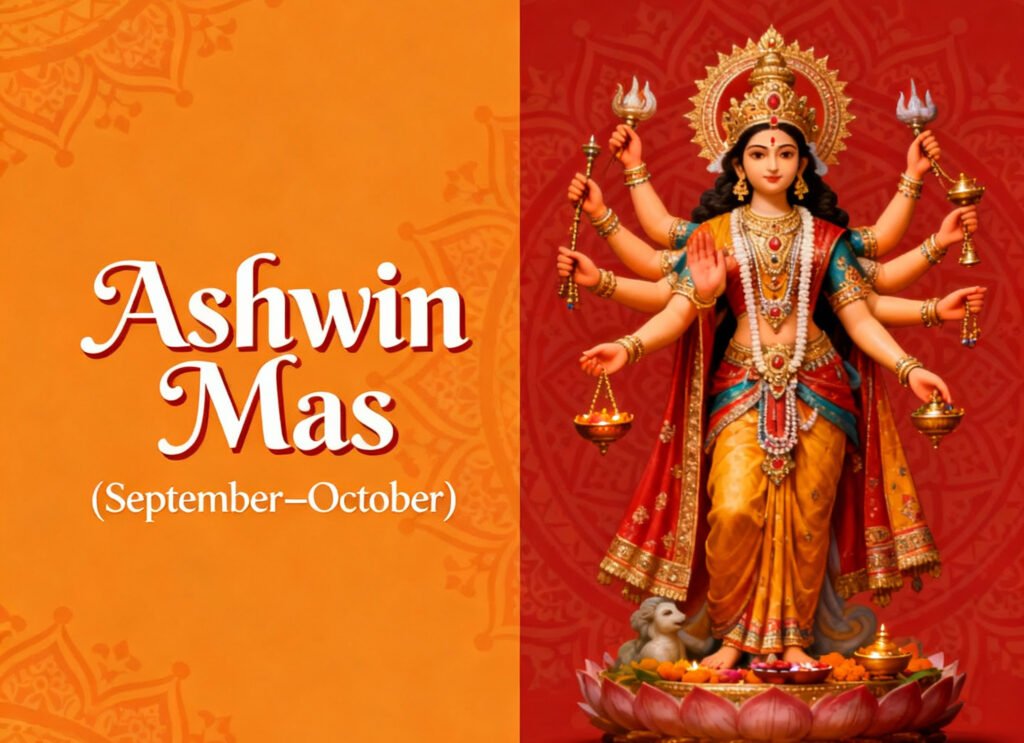
Ashwin (September–October)

Ekadashi In The Month Ashwin (September–October) 🌿 Indira Ekadashi – Krishna Paksha (Bhadrapada Month) Indira Ekadashi, one of the most significant Ekadashi observances, falls during the Krishna Paksha (waning phase of the moon) in the Bhadrapada month (August–September). This sacred day is dedicated to Lord Vishnu, and it holds immense spiritual importance for both the living and the departed souls (Pitru devatas). It is observed during the Pitru Paksha (Shraddha fortnight) — a period dedicated to honoring ancestors — making this Ekadashi particularly auspicious for liberating souls from earthly bondage and ensuring their peace in the afterlife. 🕉️ Mythological Significance The story of Indira Ekadashi is narrated in the Brahmavaivarta Purana. Once, there was a noble king named Indrasena, a great devotee of Lord Vishnu who ruled the kingdom of Mahishmati. One day, the great sage Narada Muni visited him and revealed that the king’s late father was suffering in the Pitru Loka due to certain sins committed in his previous life. The sage advised King Indrasena to observe Indira Ekadashi Vrat with utmost faith and devotion. Following Narada’s instructions, the king performed all rituals — fasting, prayers, and offerings to Lord Vishnu — and dedicated the merit (Punya) to his father’s soul. As a result, his father was liberated from suffering and attained the divine abode of Lord Vishnu (Vaikuntha). Since then, it is believed that observing Indira Ekadashi helps not only the devotee but also their ancestors attain peace and moksha. 🌸 Spiritual Essence Indira Ekadashi symbolizes freedom from the bondage of karma and material attachments. It is a time to remember and offer gratitude to our forefathers, while also purifying one’s own soul through fasting, devotion, and charity. This Ekadashi bridges the living and the departed, reminding us of the eternal connection between generations through faith and dharma. 🪔 Rituals and Observance 🌅 1. Dashami (Day Before Ekadashi) 🌞 2. Ekadashi Day (Main Fast) 🌄 3. Dwadashi (Breaking the Fast) 🌼 Significance of Indira Ekadashi 📜 Scriptural Reference In Brahmavaivarta Purana, Lord Krishna says to King Yudhishthira: “O King, one who observes the Indira Ekadashi fast with devotion and offers its merits to the ancestors, liberates them from the bonds of karma. Such a person attains the eternal abode of Vishnu, where there is no sorrow or suffering.” 🌻 Essence of Indira Ekadashi Indira Ekadashi is a day of devotion, remembrance, and liberation.It reminds us that spiritual progress is not only for ourselves but also a path of gratitude for those who came before us. By observing this sacred fast with faith and sincerity, devotees gain peace, prosperity, and blessings for both their family and ancestors, ultimately leading the soul closer to divine realization. ✨ “Through faith, fasting, and remembrance, the chain of karma is broken — and the soul rises toward eternal light.” 🌺 Papankusha Ekadashi – Shukla Paksha (Ashwina Month) Papankusha Ekadashi is a sacred observance that falls during the Shukla Paksha (waxing phase of the moon) in the Ashwina month (September–October). Dedicated to Lord Padmanabha, a manifestation of Lord Vishnu, this Ekadashi is believed to destroy all sins (Papankusha means “destroyer of sins”) and grant salvation, peace, and divine protection. It is said that observing this Ekadashi with sincerity and devotion leads one to Vaikuntha, the abode of Lord Vishnu. 🕉️ Mythological Significance The Padma Purana narrates the story of Papankusha Ekadashi. Once, Lord Krishna told King Yudhishthira about the greatness of this day, explaining that fasting on Papankusha Ekadashi removes the burden of all past sins and ensures spiritual upliftment. The story mentions a man named Krodhana, who lived a life full of violence, sin, and injustice. However, in his last days, he met a sage named Angira Rishi, who advised him to observe the Papankusha Ekadashi Vrat and chant the name of Lord Vishnu. By sincerely performing this vrat and surrendering himself to God, Krodhana was forgiven of all his sins and attained Vaikuntha after death. From then on, it was believed that even the most sinful person could be redeemed by following this sacred fast with devotion. 🌼 Spiritual Significance Papankusha Ekadashi signifies inner purification and divine forgiveness.It is a reminder that through faith, discipline, and surrender to Lord Vishnu, one can rise above ignorance, ego, and sin. The Ekadashi also emphasizes self-transformation — replacing negative thoughts and actions with devotion, compassion, and truth. 🪔 Rituals and Observances 🌅 1. Dashami (Day Before Ekadashi) 🌞 2. Ekadashi Day (Main Observance) 🌄 3. Dwadashi (Breaking the Fast) 🌙 Benefits and Blessings of Papankusha Ekadashi 📜 Scriptural Reference In the Padma Purana, Lord Krishna says to Yudhishthira: “By observing Papankusha Ekadashi, one is freed from all sins. Whoever fasts on this day with full faith and devotion attains a place in Vaikuntha and receives the divine grace of Lord Padmanabha.” 🌻 Essence of Papankusha Ekadashi Papankusha Ekadashi is a day to reflect, repent, and realign with the path of righteousness.It teaches that no soul is beyond redemption — even a person burdened with countless sins can find liberation through true devotion and surrender. By observing this Ekadashi, devotees purify the body, mind, and soul, paving the way for spiritual awakening and eternal peace. ✨ “In the name of Vishnu, sins perish, and the heart blooms with divine purity.”

Ashwin (September–October) Read Post »