











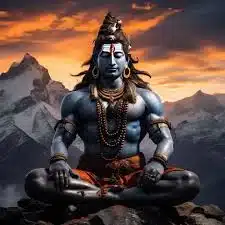











11 Rudra Avatar Of Lord Shiva
11 Rudra Avatars Of Lord Shiva
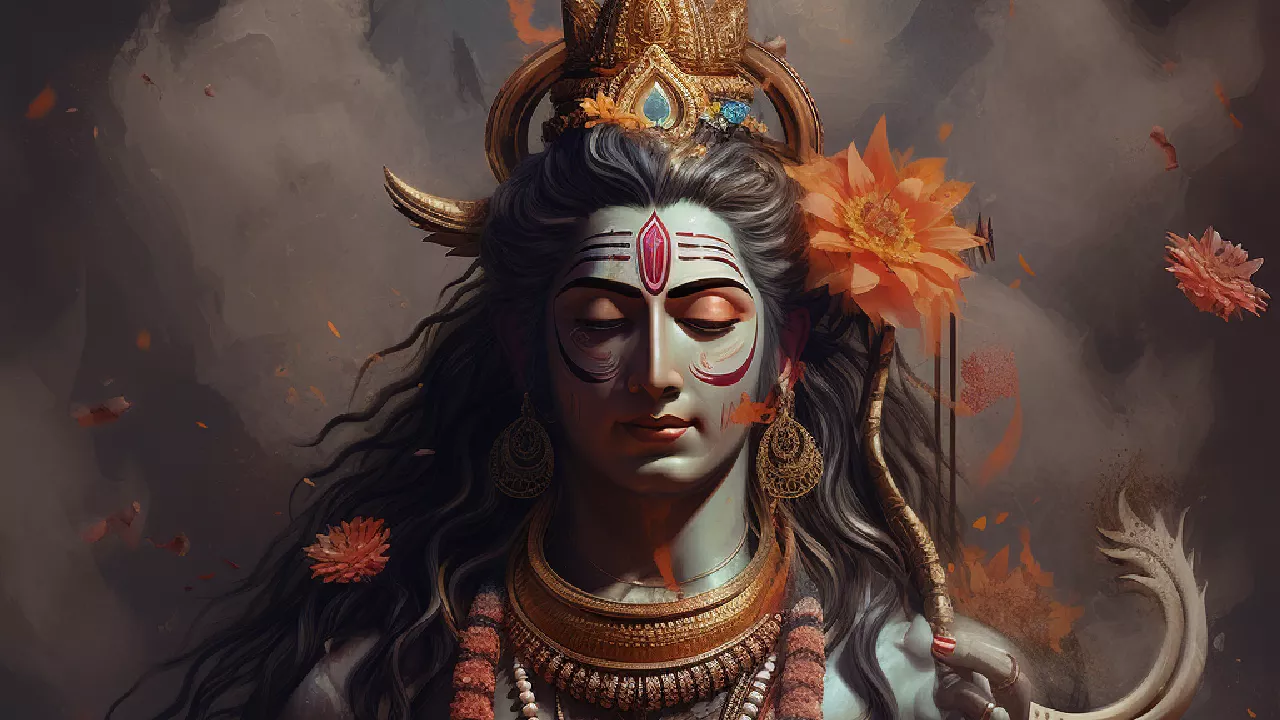
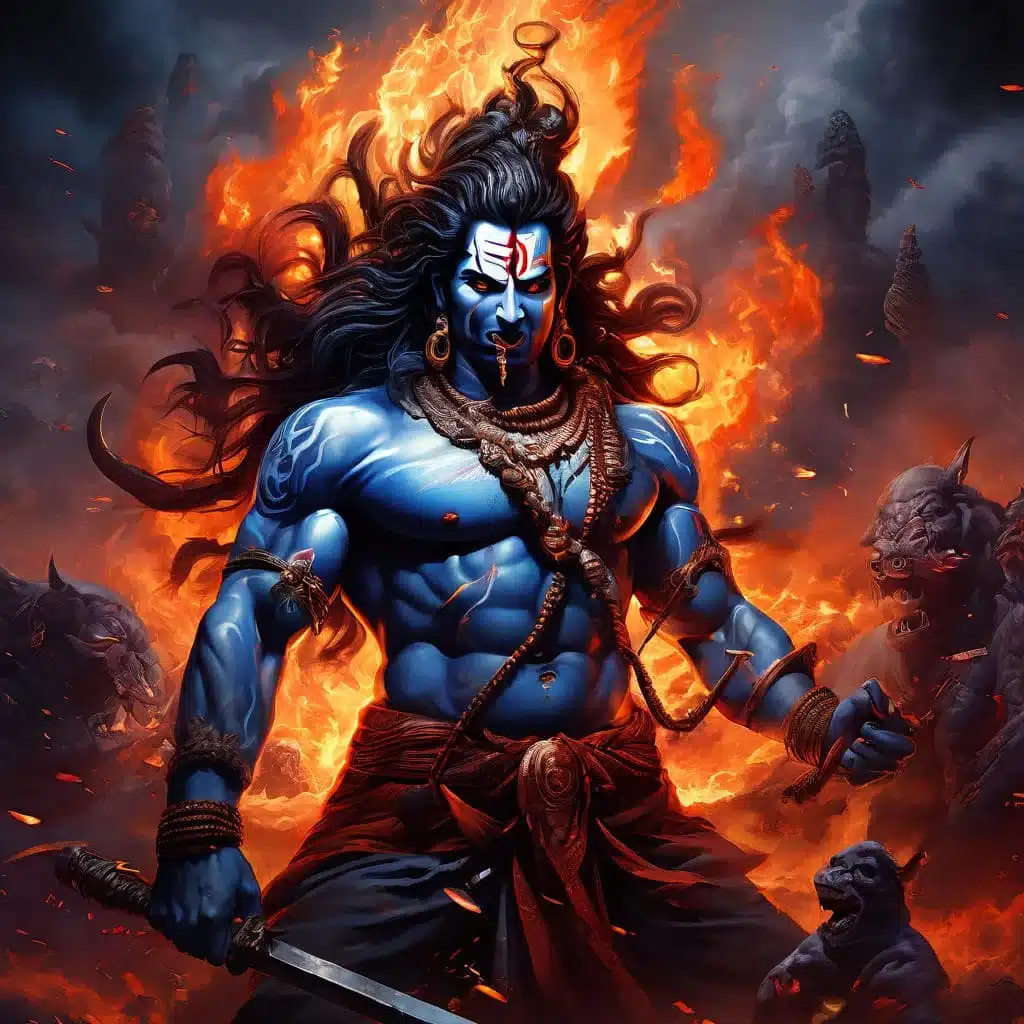
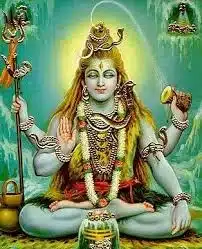
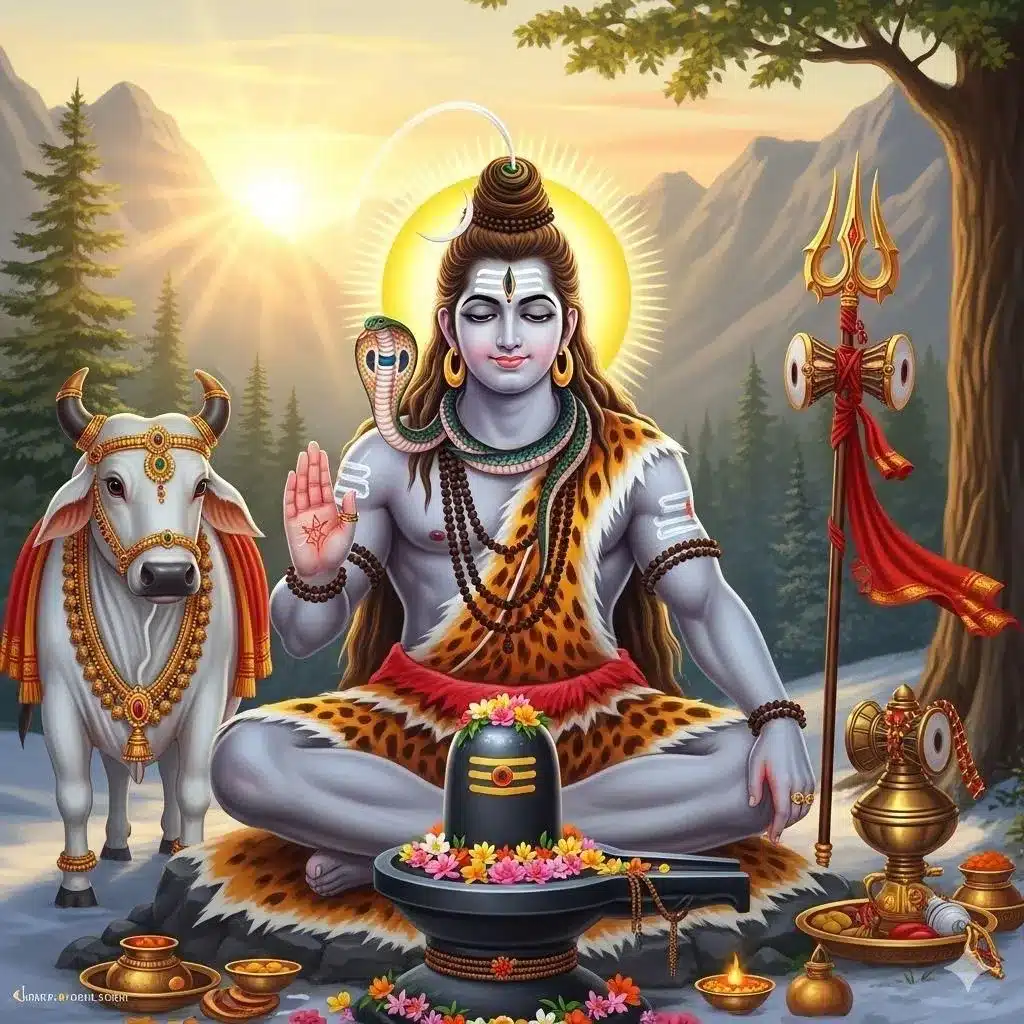
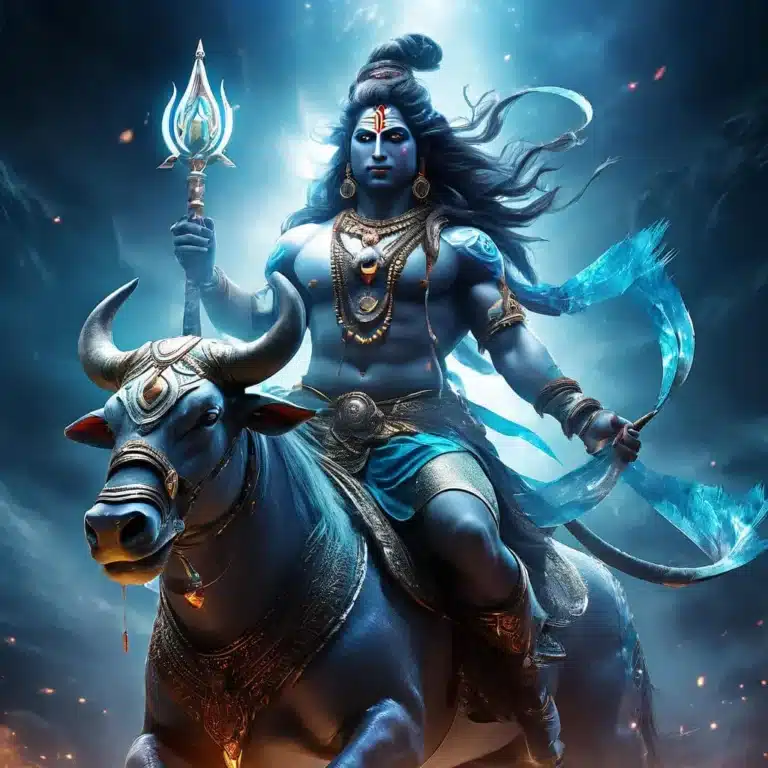
Rudra Avatar is a powerful and sacred concept in Hindu tradition that reflects the fierce, protective, transformative, and compassionate dimensions of Lord Shiva. The word Rudra is deeply associated with intensity, divine energy, healing force, destruction of evil, and renewal of life. In many spiritual interpretations, the Rudra Avatar forms of Shiva are not merely fearsome manifestations, but expressions of cosmic balance. They appear whenever adharma rises, negativity spreads, or the universe needs purification. Devotees worship these forms to gain courage, protection, inner strength, wisdom, and liberation from fear. The 11 Rudras are often described as divine emanations of Shiva, each carrying a unique role in sustaining cosmic order. Together, they reveal how Shiva is not limited to one appearance or one mood, but is an all-encompassing divine force who can be gentle, wrathful, meditative, and protective at the same time.
The Rudra Avatar concept also symbolizes the many layers of human existence. Each Rudra can be understood as a spiritual principle that helps the devotee conquer ego, anger, attachment, fear, ignorance, and worldly illusion. In scriptures and devotional traditions, these eleven forms are linked with divine power, austerity, justice, and transcendence. Some traditions list the names of the 11 Rudras differently, but their essence remains the same: they are manifestations of Lord Shiva’s limitless energy. These forms remind us that destruction in the divine sense does not mean cruelty; it means the removal of falsehood, impurity, and obstacles. Thus, the Rudra Avatar is both a destroyer of darkness and a giver of spiritual awakening.
Among the commonly revered eleven Rudras are Kapali, Pingala, Bhima, Virupaksha, Vilohita, Shasta, Ajapada, Ahirbudhnya, Shambhu, Chanda, and Bhava. Kapali represents detachment and the truth that all worldly forms are temporary. Pingala symbolizes radiant energy and vitality. Bhima reflects immense power and divine authority. Virupaksha, the three-eyed seer, represents higher vision and the ability to see beyond illusion. Vilohita carries the fiery red energy of transformation and purification. Shasta is the teacher and guide who establishes discipline and righteousness. Ajapada is linked with stability, spiritual firmness, and transcendence. Ahirbudhnya is the deep, mysterious force associated with the unseen dimensions of cosmic existence. Shambhu is the benevolent and auspicious aspect, bringing peace and grace. Chanda shows fierce determination against evil, while Bhava represents existence, creation, and compassionate divine presence. Every Rudra Avatar has deep symbolic meaning and spiritual relevance.
The worship of the Rudra Avatar forms has immense importance in Shaivism. Devotees chant Vedic hymns such as the Sri Rudram to invoke Shiva’s blessings in these fierce and auspicious manifestations. These forms are prayed to for health, strength, protection from enemies, peace of mind, and spiritual upliftment. In many homes and temples, the names of the eleven Rudras are recited as a means to purify the heart and seek divine grace. The Rudra Avatar is especially important for those walking a path of discipline and devotion, because these forms inspire fearlessness and surrender. Shiva as Rudra burns away the unnecessary so that truth may shine clearly in the soul. This is why Rudra worship is not only about external rituals, but also about internal transformation.
Spiritually, the Rudra Avatar teaches that life is a constant process of destruction and renewal. Old habits must be destroyed for new wisdom to arise. Ego must fall for humility to emerge. Attachment must weaken for freedom to grow. In this sense, Rudra is active in the life of every seeker. The fierce image of Shiva is not meant to frighten true devotees; it is meant to assure them that divine power stands against injustice, falsehood, and inner weakness. The Rudra Avatar is therefore a symbol of spiritual courage. When life becomes difficult, when confusion clouds the mind, and when negativity dominates the environment, remembering Shiva in His Rudra forms gives strength and confidence.
Another important aspect of the Rudra Avatar is its connection with cosmic responsibility. Shiva does not manifest these forms out of anger alone, but out of divine purpose. Every fierce act of Rudra has a deeper meaning rooted in compassion. Evil is destroyed so that goodness may flourish. Ignorance is shattered so that knowledge may arise. Pride is broken so that devotion may blossom. In this way, the Rudra Avatar reveals the highest truth of Shiva: He is beyond duality. He is terrifying to darkness but comforting to the pure-hearted. He is the destroyer of evil and the refuge of devotees. This paradox makes Shiva one of the most profound and beloved deities in Hindu dharma.
In devotional literature, meditation on the Rudra Avatar also brings awareness of Shiva’s presence in all aspects of existence. The wind, fire, storm, silence, mountains, cremation grounds, and sacred rivers all resonate with Rudra’s energy. He is present wherever transformation happens. He is the cry of pain that becomes prayer, the fire of tapas that becomes wisdom, and the destruction of illusion that becomes liberation. The eleven Rudras can also be seen as eleven spiritual powers working within the human being, awakening hidden strength and purifying consciousness. This makes the Rudra Avatar not just a mythological or scriptural subject, but a living spiritual reality for countless devotees.
For modern devotees, the Rudra Avatar remains deeply inspiring. In a world filled with stress, confusion, greed, and emotional unrest, Shiva’s Rudra forms teach resilience, clarity, and faith. They remind us to stand firmly for truth, to destroy negativity within ourselves, and to surrender pride at the feet of the Divine. Worship of Rudra encourages discipline in thought, purity in action, and devotion in the heart. Even a simple remembrance of “Om Namah Shivaya” with awareness of Shiva’s Rudra energy can calm the mind and strengthen the spirit. The Rudra Avatar is thus both ancient and timeless, fierce and compassionate, mysterious and deeply personal.
In conclusion, the 11 forms of Rudra Avatar represent the vast and multidimensional glory of Lord Shiva. They are not separate gods, but expressions of one supreme consciousness acting in different ways for the welfare of the universe. Through Kapali, Pingala, Bhima, Virupaksha, Vilohita, Shasta, Ajapada, Ahirbudhnya, Shambhu, Chanda, and Bhava, Shiva reveals His role as protector, purifier, teacher, destroyer of evil, and giver of liberation. For every devotee, the Rudra Avatar is a reminder that divine power is always present to remove darkness and restore harmony. By understanding and worshipping these sacred forms, one can move closer to courage, wisdom, purity, and ultimate union with Lord Shiva.