













Markandeya Purana w
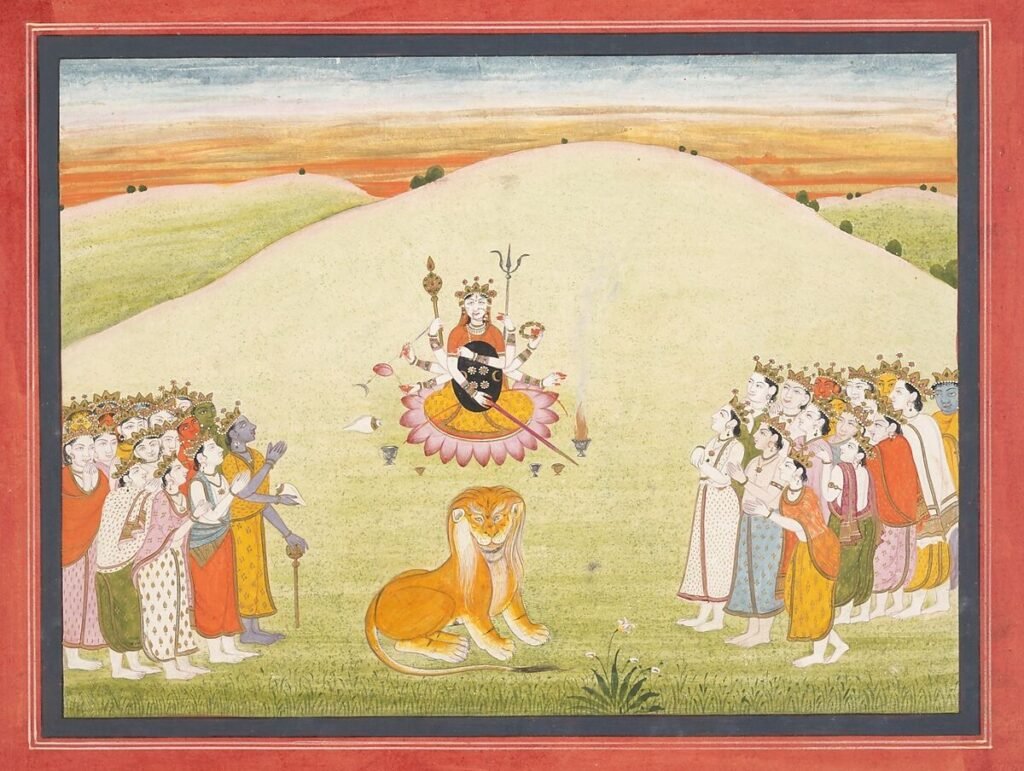
Markandeya Purana The Mārkaṇḍeya Purāṇa: History and Context The Mārkaṇḍeya Purāṇa is one of the eighteen Mahāpurāṇas of Hindu tradition. As its name suggests, it is attributed to the sage Mārkaṇḍeya, a figure renowned in Indian mythology for his devotion and longevity. The text is notable for its independence, antiquity, and its unique devotional sections, particularly the famous Durgā Saptashatī (also known as Devī Māhātmya), which became a foundational scripture of Shākta (goddess-centered) traditions. Date and Composition Unlike some other Puranas, the Mārkaṇḍeya Purāṇa is relatively early. Scholars usually date its core composition between the 4th and 6th centuries CE, though parts may be older and interpolations continued later. Unlike many Puranas that were extensively revised in the medieval period to favor specific sects (such as Vaishnavism or Shaivism), this Purāṇa is often regarded as more secular and encyclopedic in character. The extant text contains about 9,000 verses in 137 chapters. The narration is framed as a dialogue between sage Mārkaṇḍeya and Jaimini, a disciple of Vyāsa. Structure and Content The Purāṇa can be broadly divided into two thematic sections: Religious and Cultural Significance The Mārkaṇḍeya Purāṇa is remarkable because it does not clearly privilege a single sectarian deity such as Vishnu or Shiva. Instead, it preserves a more pluralistic outlook, reflecting a period before the dominance of sectarian Purāṇas. Its embrace of the goddess in the Devī Māhātmya, however, gave it enduring importance in Shaktism, elevating the Divine Feminine to the highest metaphysical principle. Culturally, the text influenced not only Hindu devotional practice but also literature, ritual, and temple worship. The recitation of the Devī Māhātmya became central to Shākta festivals and is still integral to worship across India. Historical Influence Historically, the Mārkaṇḍeya Purāṇa offers insights into early Purāṇic religion and society. It documents the synthesis of Vedic, epic, and folk traditions into a coherent theological framework. Its stories of kingship, ethics, and cosmic cycles reflect the worldview of early classical Hinduism. Above all, the inclusion of the Devī Māhātmya ensured its unique place: while other Purāṇas became cornerstones of Vaishnava or Shaiva traditions, this text gave birth to a pan-Indian scripture of the Goddess, ensuring its continuous recitation and study for more than a millennium.
Markandeya Purana w Read Post »