








Hari Om

Menu

lord vishnu avatar

Sage Vyasa Mahabharata
Vishnu Avatar

Vyasa Avatar

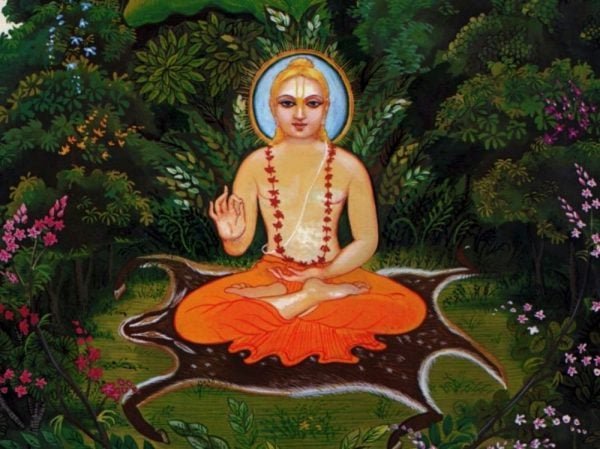
History and Origin of Vyasa Avatar In Hinduism, Vyasa is considered one of the most revered sages and is often described as the compiler of the Vedas and the author of several important scriptures, including the Mahabharata, Puranas, and Vedanta. Vyasa is also known as Krishna Dvaipayana Vyasa (his full name), and he is considered a direct incarnation of Lord Vishnu, specifically sent to organize the knowledge of the cosmos and preserve it for future generations. The Birth of Vyasa: Vyasa was born to the sage Parashara and a fisherwoman named Satyavati. His birth was divine, as his father was a sage of high repute and his mother a woman of humble birth. Vyasa’s birth is significant in the sense that it symbolizes the bringing together of spiritual wisdom and worldly knowledge, transcending the boundaries of caste and social status. Role and Purpose of Vyasa Avatar Vyasa’s primary role was to organize and preserve sacred knowledge for the benefit of humanity. This involved several important tasks: Spreading Knowledge: As the epitome of wisdom, Vyasa’s task was not only to compile sacred texts but also to pass down the knowledge to future generations. He played a key role in ensuring that knowledge was preserved and transmitted without distortion. Compiling the Vedas: Vyasa’s most significant contribution was organizing the Vedas into four parts—Rigveda, Yajurveda, Samaveda, and Atharvaveda. He divided the massive body of Vedic knowledge into more accessible portions to make it easier for future generations to study, understand, and pass on. Composing the Mahabharata: Vyasa is also credited with composing the Mahabharata, one of the two greatest epics in Hindu literature. The Mahabharata is not just an epic story, but also a repository of spiritual wisdom, covering topics such as dharma (righteousness), karma (action), bhakti (devotion), and yoga (spiritual discipline). The epic includes the Bhagavad Gita, a key scripture in Hindu philosophy. Writing the Puranas: In addition to the Vedas and Mahabharata, Vyasa is said to have authored the Puranas, a vast genre of texts that encompass mythology, cosmology, genealogy, and the history of the universe, gods, and sages. These texts are critical to understanding the divine and cosmic principles in Hinduism. Vyasa Avatar’s Significance Mantras of the Divine Avatar ॐ नमो भगवते व्यासाय,वेदान्तवेद्याय च।वेदव्यासाय शान्ताय,सर्ववेदस्वरूपिणे। This prayer calls upon Vyasa as the embodiment of all the Vedas and as a peaceful sage who brings spiritual knowledge to the world. Aarti of the Divine Avatar जय श्री व्यास भगवाने,सभी शास्त्रों के रचनाकार।वेदों का ज्ञान देने वाले,धर्म की राह दिखाने वाले। महाभारत के लेखक आप,संसार को सही दिशा दिखाते।ज्ञान का अक्षय स्रोत हो आप,हम सभी को ज्ञान से भरते। ॐ श्री व्यासाय नमः। Famous Vishnu Temple
, , ,

Vyasa Avatar Read Post »

Hayagreeva devotional india
Vishnu Avatar

Hayagreeva Avatar

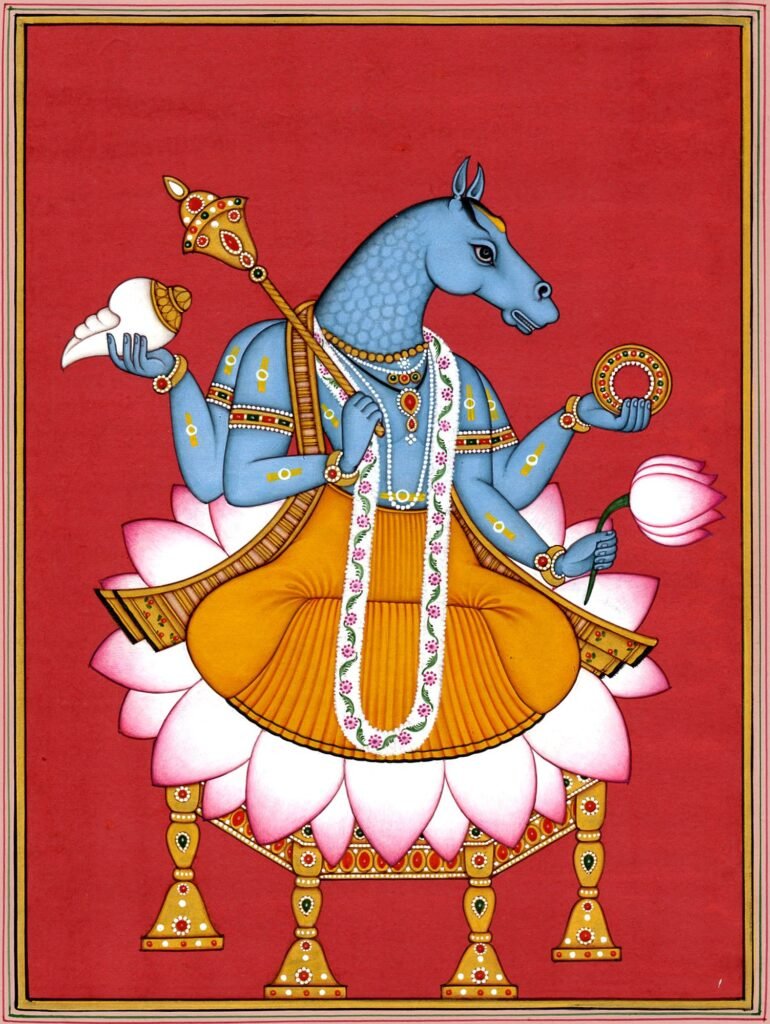
History and Origin of Hayagreeva Avatar The Hayagreeva Avatar is primarily associated with the restoration of Vedic knowledge and the preservation of sacred texts. The story of Hayagreeva comes from the Puranas, especially the Vishnu Purana, and it features an unusual tale of an avatar with the head of a horse. The Demon Hayagreeva: In this story, the demon Hayagreeva (not to be confused with Vishnu’s incarnation) is said to have stolen the Vedas (the ancient texts of Hinduism) from the gods. Hayagreeva, a demon with the head of a horse, had gained immense power, and through his evil might, he managed to capture the Vedas, which are the primary sources of divine knowledge. As the Vedas are the foundation of dharma, morality, and spiritual wisdom, their theft caused chaos and imbalance in the world. The gods were unable to retrieve them, and therefore, the entire cosmic order was disturbed. Significance of Hayagreeva Avatar The Hayagreeva Avatar has specific symbolic meanings and emphasizes the following important concepts: Divine Wisdom: Vishnu’s incarnation as Hayagreeva emphasizes the importance of wisdom and education in achieving liberation (moksha). Hayagreeva is seen as the patron deity of education, knowledge, and learning. He is often invoked by students, scholars, and those seeking spiritual knowledge. Preservation of Knowledge: One of the most important aspects of the Hayagreeva Avatar is the restoration of divine knowledge, particularly the Vedas. In Hinduism, the Vedas are considered the highest form of knowledge, and their preservation is vital for the maintenance of dharma (cosmic law) and spiritual wisdom. Defeating Ignorance: Hayagreeva, as a demon, represents ignorance, which keeps people away from divine wisdom. The avatar symbolizes the triumph of knowledge over ignorance and light over darkness. By restoring the Vedas, Vishnu reinstates the path to truth, self-realization, and divine wisdom. Horse Symbolism: The horse is a symbolic representation of speed, intelligence, and strength. By taking the form of a horse-headed being, Vishnu not only restores the knowledge of the Vedas but also signifies that knowledge is both powerful and swift in overcoming obstacles. Teachings of Hayagreeva Avatar Mantras of the Divine Avatar ॐ ह्लीं हयग्रीवाय विद्महेसर्वज्ञानाय धीमहितन्नो हयग्रीवः प्रचोदयात्। This is a more detailed mantra that invokes Hayagreeva and asks for divine guidance in the pursuit of wisdom and knowledge. It is commonly recited by students or those involved in scholarly endeavors. Aarti of the Divine Avatar ॐ जय श्री हयग्रीवाय,विद्या वत्सलाय।ज्ञान रूपी अमृत से,हर दिल को करें शुद्ध। हयग्रीव, हयग्रीव, गुरु रूपी अवतार,सार्वभौम जगत में तू है महिमा अपार।ज्ञान के मार्ग में तू कर दे हमें सहाय,सकल शास्त्रों में ज्ञान का प्रकाश। Famous Vishnu Temple

, , ,

Hayagreeva Avatar Read Post »

mohini avatar of vishnu
Vishnu Avatar

Mohini Avatar

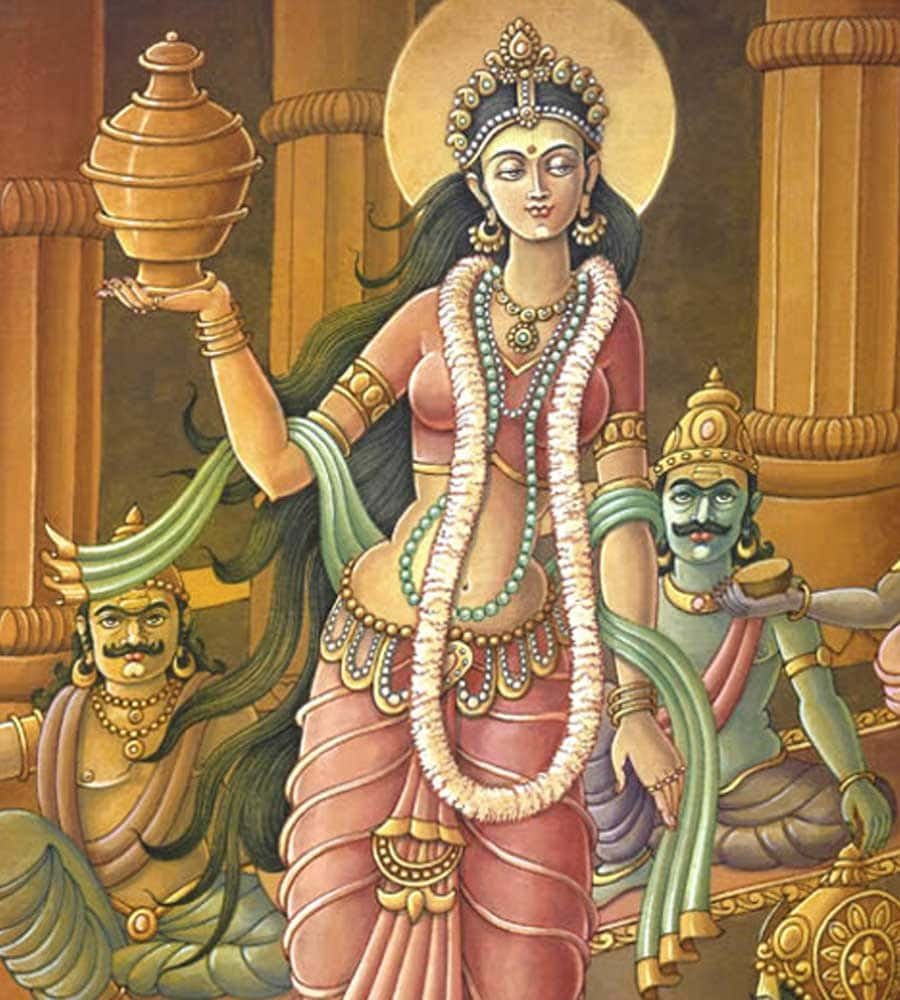
History and Origin of Mohini Avatar The Mohini Avatar primarily appears in two important stories: The Churning of the Ocean (Samudra Manthan) and the story of Bhasmasura, where Lord Vishnu takes the form of a beautiful woman to accomplish divine goals. The Churning of the Ocean (Samudra Manthan): Using her charm and beauty, Mohini captivated the demons and distracted them long enough for the gods to drink the Amrit, ensuring that they retained immortality and strength. Samudra Manthan, the churning of the Ocean of Milk, is one of the most famous events in Hindu mythology. Both the gods (Devas) and demons (Asuras) participated in this churning to obtain the Amrit (nectar of immortality). When the Amrit emerged from the ocean, both the Devas and the Asuras desired to claim it. In a battle for possession, the Asuras tricked the gods and began consuming the Amrit themselves. To prevent the demons from gaining immortality and overpowering the gods, Lord Vishnu assumed the form of Mohini, a mesmerizingly beautiful woman. The Bhasmasura Story: The demon Bhasmasura received a boon from Lord Shiva, which granted him the power to turn anyone into ashes by placing his hand on their head. Bhasmasura, intoxicated by his newfound power, wanted to test it on Lord Shiva himself. In fear of his life, Shiva fled and sought the help of Lord Vishnu. To save Shiva and the gods, Vishnu took the form of Mohini, a beautiful woman, and approached Bhasmasura. She seduced him with her charm and persuaded him to demonstrate his power. As Bhasmasura danced in front of her, Mohini suggested that he place his hand on his own head as a part of the dance. When Bhasmasura did so, he was instantly reduced to ashes by his own power, thus saving Lord Shiva and the gods. Significance of Mohini Avatar Mantras of the Divine Avatar ॐ श्री मोहिनि देवाय नमः।Om Shri Mohini Devaya Namah. Aarti of the Divine Avatar ॐ जय श्री मोहिनी देवी,सकल संसार को मोहिनी।समुद्र मंथन में तुम्हें पाया,अमृत का नेत्र से पाई। विष्णु रूप में जग में आई,देवी मोहिनी संग सलाई।ध्यान से कीजिये ध्यान,मोहिनी के दर्शन में मिलें आराम। Famous Vishnu Temple

, , ,

Mohini Avatar Read Post »

dhanvantri ji devotioanal
Vishnu Avatar

Dhanvantari Avatar

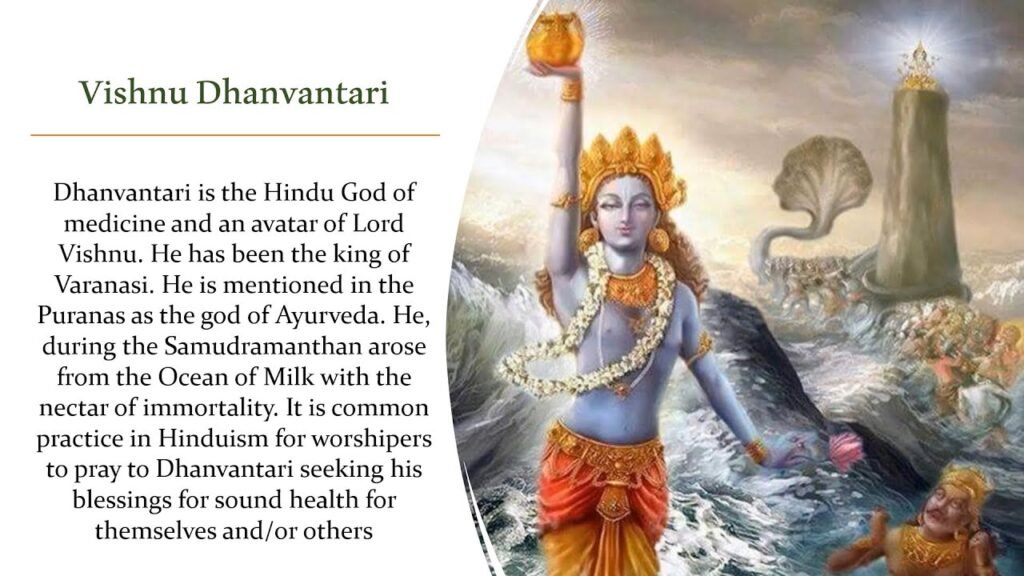
History and Origin of Dhanvantari Avatar The Dhanvantari Avatar is believed to have appeared during the Churning of the Ocean (Samudra Manthan), an event that is one of the most well-known stories in Hindu mythology. According to the myth, the gods (Devas) and the demons (Asuras) churned the Ocean of Milk (Kshir Sagar) to obtain the Nectar of Immortality (Amrit). During this churning, many precious items and beings emerged from the ocean, including Dhanvantari, who was seen holding the Amrit Kalash (the pot of nectar), as well as various medical herbs and elixirs. Dhanvantari is specifically associated with the gift of health and medicine. It is said that he appeared with a leprosy cure, herbal medicines, and Ayurveda, symbolizing his divine role in healing and ensuring the well-being of all living beings. The Story of Dhanvantari Avatar The Samudra Manthan (Churning of the Ocean) is the key event in which Dhanvantari was born. Here is a brief outline of the story: The Healing Role: Dhanvantari’s role was to ensure the well-being of all living beings. After emerging from the ocean, he provided divine cures and medicinal knowledge to the gods and humans. His appearance marks the beginning of the practice of Ayurveda, and it is said that through him, Vishnu gave humans the gift of healing. The Churning of the Ocean: The Devas and Asuras, in their quest for Amrit (the nectar of immortality), churned the Ocean of Milk. This event was initiated to obtain the nectar to make themselves immortal and more powerful than the Asuras. During the churning, various divine objects emerged, including Lakshmi (the goddess of wealth), Airavata (the divine elephant), and Dhanvantari, the divine physician. The Emergence of Dhanvantari: From the ocean, Dhanvantari emerged, holding the Amrit Kalash (the pot of nectar) in one hand and a leprosy cure in the other, along with medicinal herbs and life-giving potions. He was surrounded by a divine aura and displayed an image of complete health and vitality. Dhanvantari and Ayurveda: Along with the nectar, Dhanvantari also brought with him the science of Ayurveda, which is the divine system of medicine that promotes health, longevity, and well-being. He is thus considered the father of Ayurveda and a symbol of health and healing in Hindu mythology. Significance of Dhanvantari Avatar Mantras of the Divine Avatar ॐ नमो भगवते दंञ्वन्तरये अमृत कलश हस्ताय सर्व रोग नाशाय सर्व आयुर दायिनि मङ्गलाय। Om Namo Bhagavate Dhanvantarye Amrita Kalasha Hastaya Sarva Roga Nashaya Sarva Ayu Dāyini Mangalaaya. Aarti of the Divine Avatar ॐ जय श्री दंञ्वन्तरि भगवान,आयुर्वेद के देवता भगवान।सभी रोगों का नाश करें,स्वास्थ्य का आशीर्वाद दें। *विष्णु रूप में भगवान तुम Famous Vishnu Temple

, , ,

Dhanvantari Avatar Read Post »

prithu avatar ji
Vishnu Avatar

Prithu Avatar

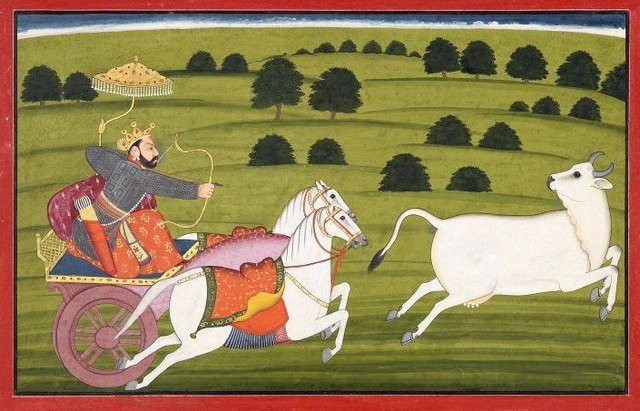
History and Origin of Prithu Avatar The Prithu Avatar is described in the Vishnu Purana, Bhagavata Purana, and Mahabharata. According to the myth, the Earth was once personified as a goddess, Prithvi, and she was reluctant to provide the resources required to nourish humanity. In some versions of the story, Prithvi (the Earth) was hiding herself from the people, who were suffering due to a lack of crops and nourishment. To solve this issue, Lord Vishnu incarnated as Prithu, a righteous king who was a direct descendant of the legendary Manu. Prithu is depicted as a king who was not only powerful but also deeply devoted to ensuring the prosperity of the world and its people. Vishnu took the form of Prithu to coax the Earth to yield its bounties, ensuring that the crops and the resources would be available for the survival of mankind. Prithu is often regarded as the first king who performed the first Yajna (sacrifice) on the Earth to ensure its fertility. The Story of Prithu Avatar The story of Prithu Avatar revolves around his struggle to make the Earth yield crops and its eventual submission to him. Here’s a brief overview: Prithu as a Symbol of Righteous Kingship: The story highlights Prithu as the ideal king who governs with fairness and righteousness. He symbolizes the concept of a ruler who is responsible for the well-being of his people and the balance of nature. The Earth’s Withholding of Resources: In ancient times, Prithvi, the Earth, stopped yielding crops, leading to a severe famine. The people, especially farmers, were struggling to feed themselves. Prithu’s Incarnation: Lord Vishnu incarnated as Prithu, a great and righteous king. He was born as the son of King Vikukshi (a descendant of Manu). Upon his birth, it was predicted that he would be the one to solve the world’s problems and bring prosperity to the land. The Earth Hides Herself: When Prithu asked the Earth for her help, she refused to provide crops. She was upset with the greed of humans who were abusing her resources. Prithu’s Pursuit: Determined to ensure his people had food and resources, Prithu chased the Earth, which took the form of a cow and fled. Prithu chased the Earth and, with his divine power, forced her to agree to provide nourishment. The Earth’s Agreement: The Earth, in the form of a cow, finally relented and agreed to produce crops. She promised to offer food and resources in accordance with Prithu’s wishes. In some versions of the story, Prithu even held the Earth in his hand and milked her as if she were a cow, signifying his dominion over the Earth and his authority to ensure the prosperity of his people. The Earth’s Blessing: After the Earth agreed to yield her resources, Prithu performed the first Yajna (sacrifice) to please the gods. It was through this Yajna that the Earth became fertile again, and crops began to grow abundantly. Prithu thus ensured that the people had enough to eat and that the world was restored to harmony. Significance of Prithu Avatar Mantras of the Divine Avatar ॐ श्री पृथ्वीयै नमः।Om Shri Prithviyai Namah. This mantra honors the Earth (Prithvi) and the divine role of Prithu in ensuring her fertility and prosperity. Aarti of the Divine Avatar ॐ श्री दत्तात्रेयाय नमः। ॐ जय श्री विष्णु पृथु अवतार,सभी धरती का पालन करने वाला।राज धर्म से सजीव रहते हो,धरती माँ से जो तुमने प्यार किया। वर्षा, फसलें तुम्हारी कृपा से,तुमसे ही जीवन को मिलती है ताजगी।धरती को तुमने ताजा किया,सभी जीवों को आशीर्वाद दिया। *सुरक्षा और शांति के दाता, Famous Vishnu Temple

, , ,

Prithu Avatar Read Post »

Shatrunjay Adinath Rishabhdev Bhagwan
Vishnu Avatar

Rishabha Avatar

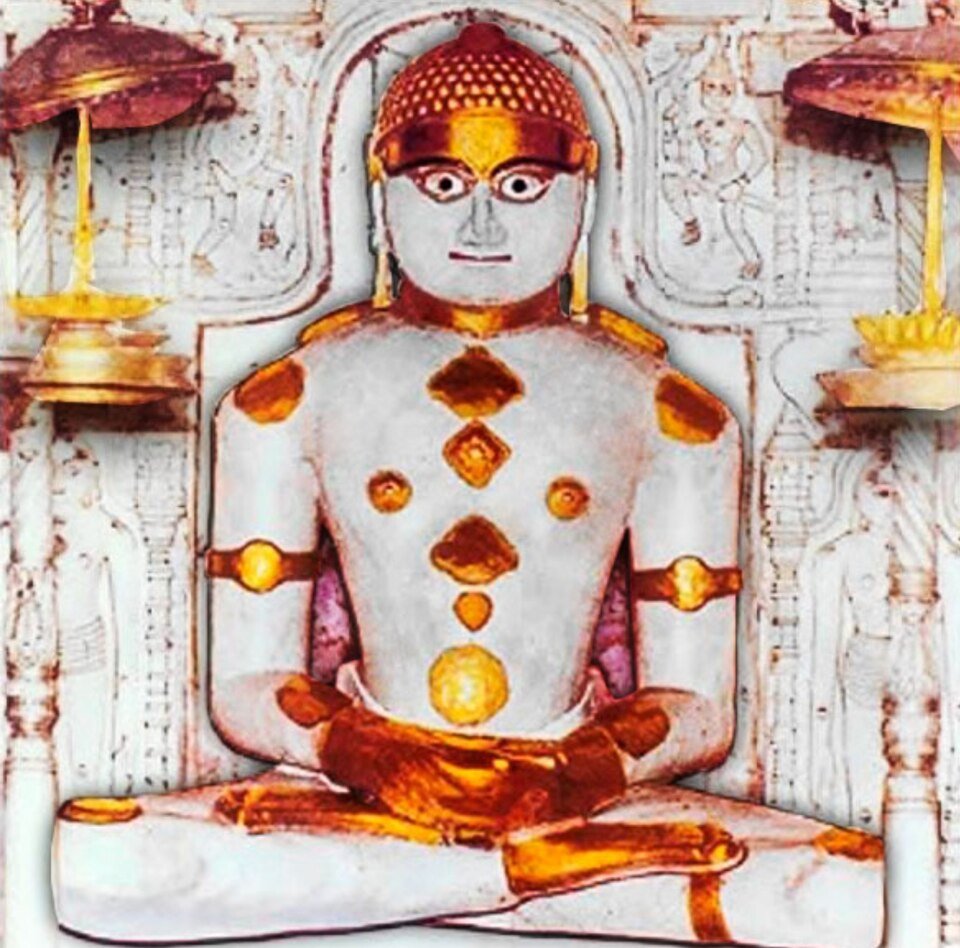
History and Origin of Rishabha Avatar The Rishabha Avatar is said to be an incarnation of Lord Vishnu, and while the details of the story are sparse, it is closely connected with the legend of Rishabhanatha (or Rishabhadeva), who is revered as the first Tirthankara in Jainism. In certain versions of the story, it is believed that Lord Vishnu incarnated as Rishabha to restore balance and to teach righteousness to the world during an era when the human race was morally and spiritually degenerated. In these texts, Rishabha is depicted as a wise and powerful figure, often associated with a bull, symbolizing strength, leadership, and dharma. The avatar of Rishabha is not primarily known for a specific battle or heroic deeds like other avatars (e.g., Narasimha, Rama, or Krishna), but rather for the divine wisdom and teachings he imparted. Rishabha is considered the ideal of non-violence, asceticism, and self-realization, themes that also find resonance in Jain philosophy, where Rishabhanatha is revered as a great spiritual teacher. Significance of Rishabha Avatar Dharma and Righteousness: Like other avatars of Vishnu, the Rishabha Avatar’s primary role was to establish righteousness (dharma) in the world. Rishabha’s teachings revolved around the importance of self-discipline, moderation, and respect for all living beings. Symbol of Strength and Courage: The association with a bull signifies the strength, power, and stability needed to support the world. The bull is also a symbol of agriculture, wealth, and prosperity in many Indian cultures. Lord Vishnu in the form of Rishabha embodies these qualities in a way that encourages people to uphold their duties with integrity and valor. Asceticism and Renunciation: Rishabha is often depicted as an ascetic, teaching the value of renouncing material pleasures for spiritual awakening. This avatar stresses the importance of penance, meditation, and self-control. Non-Violence and Compassion: One of the most important aspects of this avatar is his compassion towards all living beings and the emphasis on ahimsa (non-violence), which is central to both Hindu and Jain teachings. Adi Purush is typically meditated upon in deep spiritual practices, where seekers go beyond form (sagun) and connect to the formless divine. You can meditate on Adi Purush using mantras and sacred chants to help your mind transcend ordinary perception. The Teachings of Rishabha Avatar Mantras of the Divine Avatar ॐ श्री रिषभाय नमः।Om Shri Rishabhaya Namah. This mantra invokes Lord Vishnu in the form of Rishabha and can be recited for strength, courage, and protection from harm. Aarti of the Divine Avatar ॐ जय श्री विष्णु रिषभावतार,सर्वलोक में हो निर्भय और दीन-धार।पार्वती के प्रिय रिषभनाथ,धर्म के रक्षक, भक्तों के सहाय। रिषभ रूप में आये विष्णु,धर्म का संचार करने।शक्ति और शांति का दाता,सभी को रक्षक बनकर बढ़े। बैल की सवारी करता, धर्म की राह दिखाता,सत्य और अहिंसा का संकल्प निभाता।तुमसे ही संसार में बसीं समृद्धि और शांति,हर मनुष्य को दी है मुझको आशीर्वाद की दात्री। ॐ जय श्री विष्णु रिषभावतार,सर्वलोक में हो निर्भय और दीन-धार।पार्वती के प्रिय रिषभनाथ,धर्म के रक्षक, भक्तों के सहाय। Famous Vishnu Temple

, , ,

Rishabha Avatar Read Post »

vishnu avatars bhagavata purana
Vishnu Avatar

Yajna Avatar

History and Origin of Yajna Avatar The Yajna Avatar of Lord Vishnu is linked to the story where the deity took the form of a sacrificial fire or Yajna (ritual sacrifice) to maintain the balance of the universe. According to some legends, this avatar was manifested to restore cosmic order and protect the world from various evils or disruptions. In one story, the sages and rishis were performing a grand Yajna (sacrifice) to appease the gods and to bring peace to the Earth. However, the demons, led by the mighty demon king Vritrasura, obstructed the ritual and created chaos in the celestial realms. To restore balance, Lord Vishnu assumed the form of the Yajna itself, symbolizing the cosmic sacrifice required for the maintenance of universal law and order. The avatar of Yajna is said to have been manifested in a way that embodies the sacrifice and ritual offerings essential for sustaining both the material and spiritual aspects of the universe. Significance of Yajna Avatar Sacrifice for the Greater Good: The Yajna Avatar represents the idea of selfless sacrifice for the greater good of the world. In the Hindu tradition, Yajna is not just an external ritual but a metaphor for the sacrifices made by individuals for the welfare of others. This can be interpreted as the sacrifice of one’s ego, desires, or material attachments in the pursuit of spiritual growth. Cosmic Order (Rta): The act of performing Yajnas is seen as an essential way to maintain cosmic order. The Yajna Avatar of Vishnu is believed to have appeared to reinstate Rta—the divine law or the principle of cosmic harmony. Reinforcement of Dharma: The Yajna Avatar reinforces the idea of Dharma (cosmic law and righteousness). By symbolizing the sacred ritual, Vishnu as Yajna signifies that without adherence to Dharma, the universe would collapse into chaos. Restoration of Peace: Just as the act of a Yajna is meant to bring harmony between the gods and the living world, this Avatar helps restore peace when forces of chaos, such as the demons, upset the balance of the world. Adi Purush is typically meditated upon in deep spiritual practices, where seekers go beyond form (sagun) and connect to the formless divine. You can meditate on Adi Purush using mantras and sacred chants to help your mind transcend ordinary perception. Lessons and Teachings of Yajna Avatar Mantras of the Divine Avatar ॐ ह्लीं नमः यज्ञाय स्वाहा। Om Hleem Namah Yajnaaya Swaha. This is a basic mantra that praises Lord Vishnu in the form of Yajna during rituals. It calls upon the divine presence for the completion of the sacred offering. Aarti of the Divine Avatar ॐ जय श्री विष्णु यज्ञावतार,सर्व संसार में हो निराकार।पार्वती के प्रिय दत्तात्रेय,शरणागत वत्सल कृपाधारे। विष्णु रूप में आकर यज्ञ साधे,दुष्टों को मारे और भक्तों को साधे।यज्ञ के द्वारा जीवन रक्षक,धर्म की शक्ति बढ़ाने वाले। धरती पर आये तुम्हारी कृपा से,सत्य, धर्म के साथ हर कदम बढ़े।यज्ञ में बहे आशीर्वाद की धारा,सभी को मिलें सुख और समृद्धि का सहारा। ॐ जय श्री विष्णु यज्ञावतार,सर्व संसार में हो निराकार।पार्वती के प्रिय दत्तात्रेय,शरणागत वत्सल कृपाधारे। Famous Vishnu Temple

, , ,

Yajna Avatar Read Post »

Lord Dattatreya Story Significance 16 Avatars of Lord Datattreya
Vishnu Avatar

Dattatraya Avatar

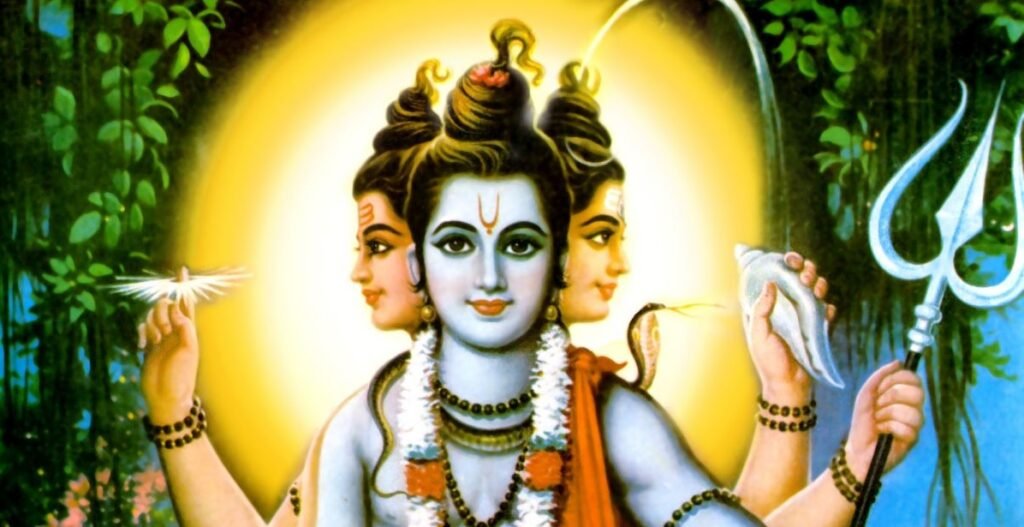
History of Dattatraya Avatar The history of Dattatraya’s avatar is rooted in ancient texts, including the Skanda Purana, Bhavishya Purana, and Dattatraya Ashtakshara Mantra. In some versions of the myth, Lord Vishnu incarnated as Dattatraya to bring peace and harmony to the world, guiding the people through spiritual knowledge and devotion. The name Dattatraya means “one who is given” (Datt = given, Atreya = son of Atri), signifying the divine wisdom that Lord Vishnu bestows on his devotees. Key Points: His divine presence and blessings are sought for spiritual enlightenment and protection from negative forces. Dattatraya is a combination of the three gods of the Trimurti: Brahma, Vishnu, and Shiva. He is considered a guru and spiritual guide who imparts divine knowledge to his followers. Significance of Dattatraya Avatar The Dattatraya Avatar is regarded as a symbol of unity among the three primary deities of Hinduism, Brahma, Vishnu, and Shiva. He represents the balance between creation, preservation, and destruction. The Dattatraya incarnation emphasizes the importance of self-realization, knowledge, and meditation in achieving spiritual progress. In addition, Lord Dattatraya is known for his teachings on the importance of devotion and surrender to the divine will. His story exemplifies the ideal of perfect detachment and renunciation, where he lives a life of simplicity, wisdom, and compassion. The teachings of Dattatraya also include the idea of non-duality (Advaita), where everything in the universe is connected, and the ultimate truth is within oneself. Adi Purush is typically meditated upon in deep spiritual practices, where seekers go beyond form (sagun) and connect to the formless divine. You can meditate on Adi Purush using mantras and sacred chants to help your mind transcend ordinary perception. Teachings of Lord Dattatraya Mantras of the Divine Avatar ॐ श्री दत्तात्रेयाय महादेवाय त्रिवेणी बन्धनं |सर्व पाप विनाशाय सिद्धि मे देहि मे परम्। This mantra is meant for overall spiritual success and the removal of obstacles from one’s path. Aarti of the Divine Avatar ॐ श्री दत्तात्रेयाय नमः। जय दत्तात्रेय महाराज की, जय दत्तात्रेय महाराज की।त्रिमूर्ति के स्वरूप में, भूत-प्रेत के नाशक में।जय दत्तात्रेय महाराज की, जय दत्तात्रेय महाराज की। शिव, विष्णु और ब्रह्मा, सर्व शरण, श्री गुरु दत्त।संतों के दुःख का नाशक, भक्तों के लिए भगवान।जय दत्तात्रेय महाराज की, जय दत्तात्रेय महाराज की। Famous Vishnu Temple

, , ,

Dattatraya Avatar Read Post »

kapila avatar
Vishnu Avatar

Kapila Avatar

Who is Kapila Muni? Kapila is believed to be an incarnation of Lord Vishnu. He is the father of Sankhya Philosophy, which explains the distinction between Purusha (soul) and Prakriti (matter). He appeared in Satya Yuga as the son of Sage Kardama and Devahuti. Scriptural References Why Did Lord Vishnu Take the Kapila Avatar? To correct the corrupted forms of Sankhya that had become atheistic. To guide seekers toward liberation through analytical understanding. To educate Devahuti and through her, the world, in the way of Jnana Yoga (the path of knowledge). To reveal the nature of soul (Purusha) and its entanglement in material nature (Prakriti). Symbolism of Kapila Avatar Jata (matted hair) and glowing aura symbolize renunciation and spiritual fire. Seated in meditation, often near a fire or surrounded by disciples. Associated with Sankhya and Jnana Yoga, unlike other action-based avatars. Mantras of the Divine Avatar ॐ नमः भगवते कपिलाय महात्मने।ज्ञानवैराग्यरूपाय परब्रह्म स्वरूपिणे॥ Meaning:Salutations to Bhagavan Kapila, the great soul, embodiment of knowledge and renunciation, and the form of the Supreme Truth. Aarti of the Divine Avatar आरती श्री कपिल मुनि की, ज्ञान वैराग्य के दाता।देवहूति के घर प्रकटे, जग में फैलाई ज्योति माता॥ संख्य योग का ज्ञान दिया, आत्म-तत्त्व बतलाया।माया से मुक्त करे जो, मोक्ष मार्ग दिखलाया॥ शांत मुद्रा, जटा मुकुट, तप में लीन शरीर।ज्ञान दीप जलाएं कपिल, नाश करें अंधेर॥ भक्तों को जो मार्ग दिखाएं, मोह मिटाएं सबका।विष्णु रूप में पूजित हों, दे दो दर्शन अपका॥ आरती श्री कपिल मुनि की, ज्ञान वैराग्य के दाता।ध्यान तेरा जो मन में धारे, भवसागर वो तारे॥ Famous Vishnu Temple

, , ,

Kapila Avatar Read Post »

Nara Narayana
Vishnu Avatar

Nara Narayana Avatar

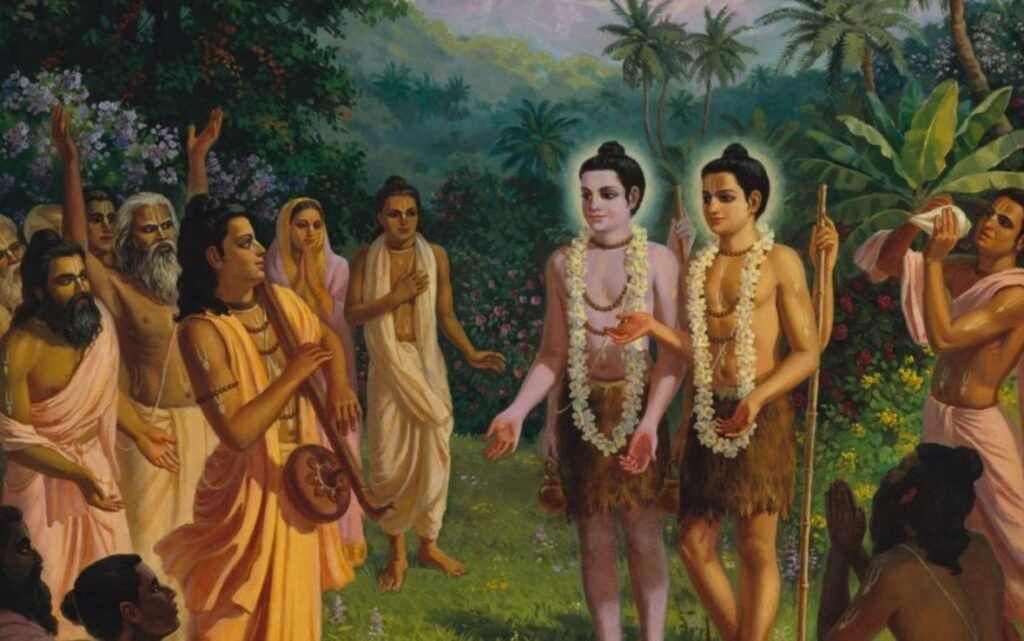
Mythological Background They are the fifth avatar of Vishnu (after the four initial yuga avatars) and were born as sons of Dharma (the god of righteousness) and Murti (an incarnation of Ahimsa or non-violence). They both reside in Badrikashrama (modern Badrinath), performing penance for the welfare of the world. Scriptural References and Historical Background of Nara-Narayana Symbolism and Significance Adi Purush is typically meditated upon in deep spiritual practices, where seekers go beyond form (sagun) and connect to the formless divine. You can meditate on Adi Purush using mantras and sacred chants to help your mind transcend ordinary perception. Historical and Geographical Context: Badarikashrama Mantras of the Divine Avatar ॐ नरा नारायणाय विद्महेधर्मराजाय धीमहितन्नो विष्णुः प्रचोदयात् ॥ Aarti of the Divine Avatar आरती नर-नारायण की कीजै,ध्यान योग तप में लीन रहीजै। बदरिकाश्रम तप की थाती,ऋषियों में जो सबसे ज्ञाती। धर्म के पथ पर जो चलवावे,भक्ति और योग सिखलावे। नर के रूप में मानव प्यारा,नारायण रूप प्रभु दाता हमारा। सत्य अहिंसा का पाठ पढ़ाते,कलियुग में भी राह दिखाते। आरती नर-नारायण की कीजै,मुक्ति मोक्ष सुख सब कुछ दीजै॥ Famous Vishnu Temple

, , ,

Nara Narayana Avatar Read Post »