Devotional India(TM) is an International E-Spiritual Hub for all Devotees. It’s Masterpiece, a Dream Project which promotes the Sacred Indian Heritage & its sublime glory. God is not bound by any sect, religion or gender. He transcends it all, and is approachable by men of all faiths. This website promotes a vibrant concept about Spirituality & Glory of India. Our Group sends forth the message of Devotion, Love & Sacredness to people from all walks of Life. Our aim is to take our Visitors and Members to an Unforgettable Voyage in this Holy Land of Bharat.
Devotional India(TM) is an International E-Spiritual Hub for all Devotees. It’s Masterpiece, a Dream Project which promotes the Sacred Indian Heritage & its sublime glory. God is not bound by any sect, religion or gender. He transcends it all, and is approachable by men of all faiths. This website promotes a vibrant concept about Spirituality & Glory of India. Our Group sends forth the message of Devotion, Love & Sacredness to people from all walks of Life. Our aim is to take our Visitors and Members to an Unforgettable Voyage in this Holy Land of Bharat.
Devotional India(TM) is an International E-Spiritual Hub for all Devotees. It’s Masterpiece, a Dream Project which promotes the Sacred Indian Heritage & its sublime glory. God is not bound by any sect, religion or gender. He transcends it all, and is approachable by men of all faiths. This website promotes a vibrant concept about Spirituality & Glory of India. Our Group sends forth the message of Devotion, Love & Sacredness to people from all walks of Life. Our aim is to take our Visitors and Members to an Unforgettable Voyage in this Holy Land of Bharat.
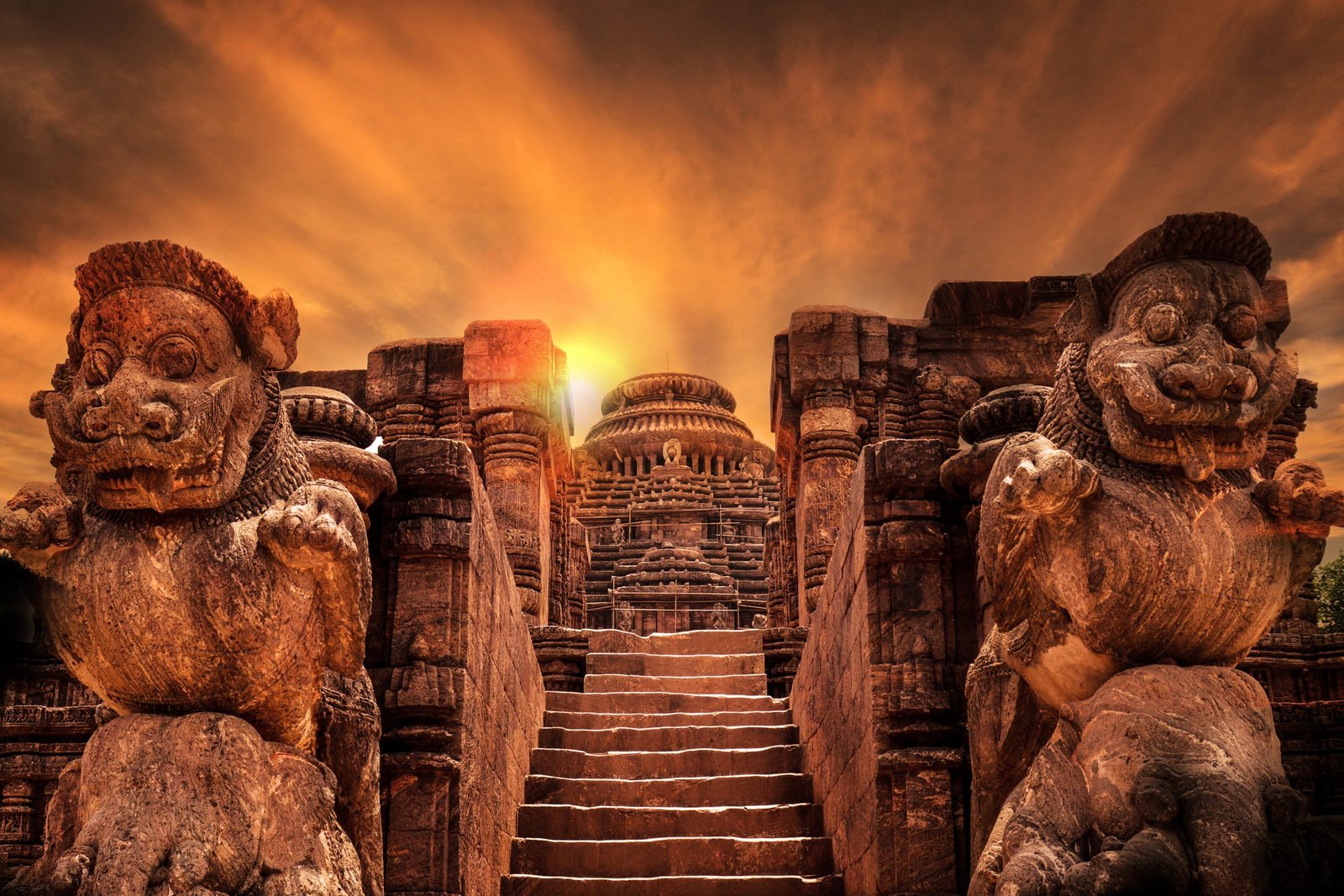
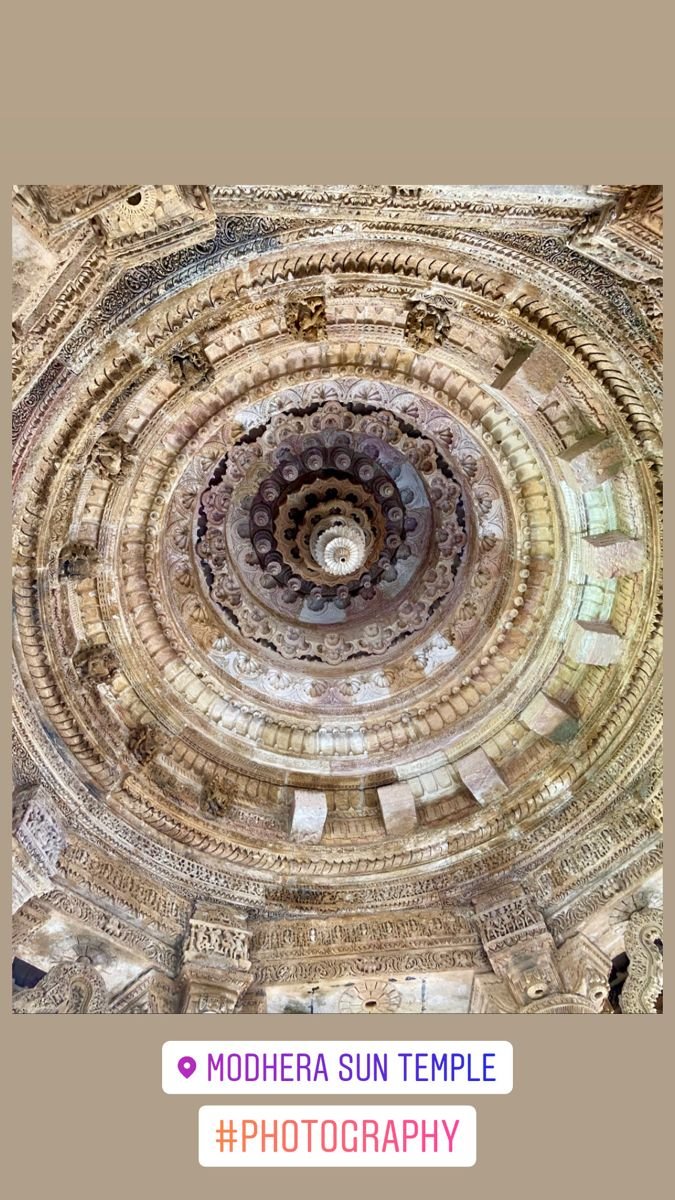
India has a rich tradition of Sun worship, and its Surya Mandirs (Sun Temples) reflect both spiritual devotion and architectural brilliance. Among the most famous is the Konark Sun Temple in Odisha, a UNESCO World Heritage Site built in the 13th century, shaped like a colossal chariot with intricately carved wheels, horses, and sculptures, symbolizing the journey of the Sun God across the sky. Another notable shrine is the Modhera Sun Temple in Gujarat, constructed during the 11th century by the Solanki dynasty, celebrated for its stunning stepwell and exquisitely detailed carvings.
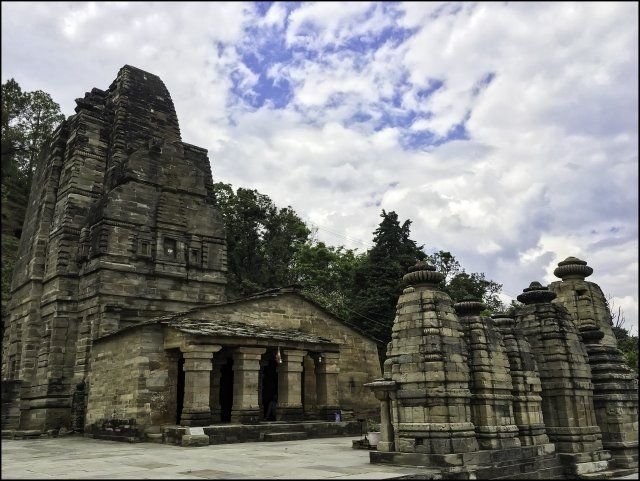
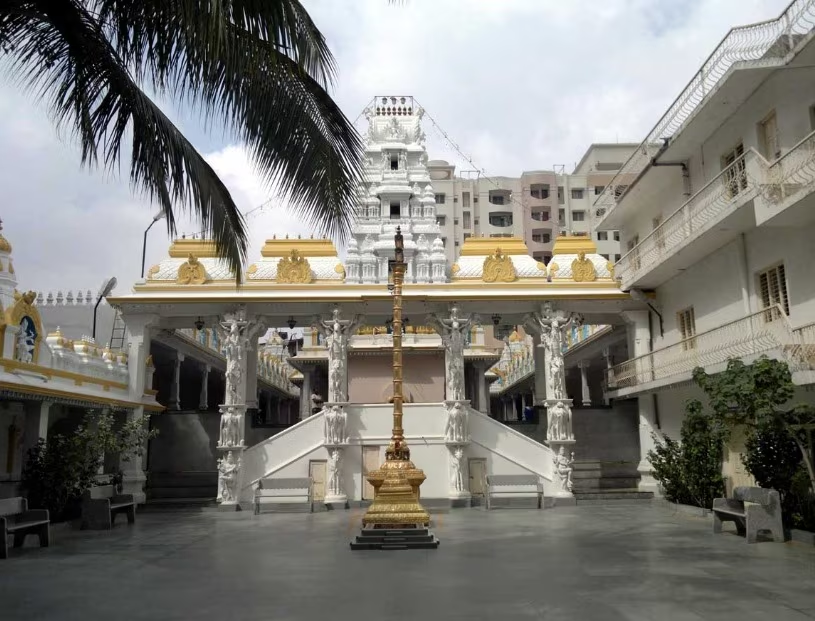
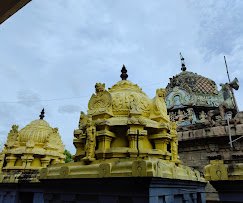
In Andhra Pradesh, the Sri Surya Narayana Swamy Temple in Arasavalli is revered for its unique design, where the first rays of the sun fall directly on the deity’s idol twice a year. Katarmal Sun Temple in Uttarakhand is another ancient Himalayan shrine dating back to the 9th century, showcasing stone carvings and sculptures of Surya, alongside other deities. Suryanar Kovil near Kumbakonam, Tamil Nadu, forms part of the Navagraha temples and is a major pilgrimage site in South India, dedicated solely to the Sun God.
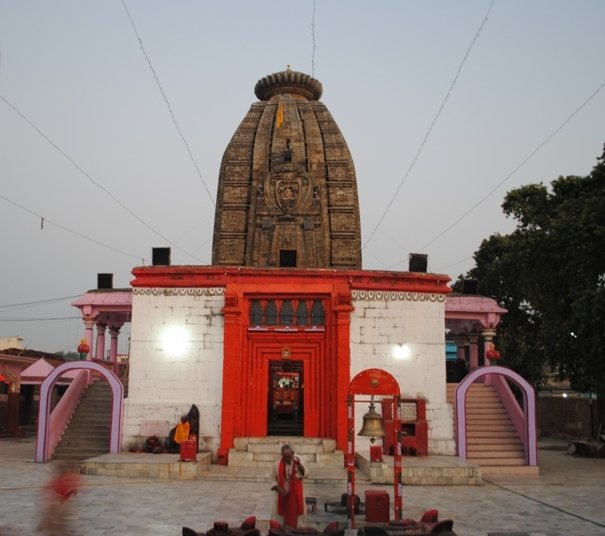
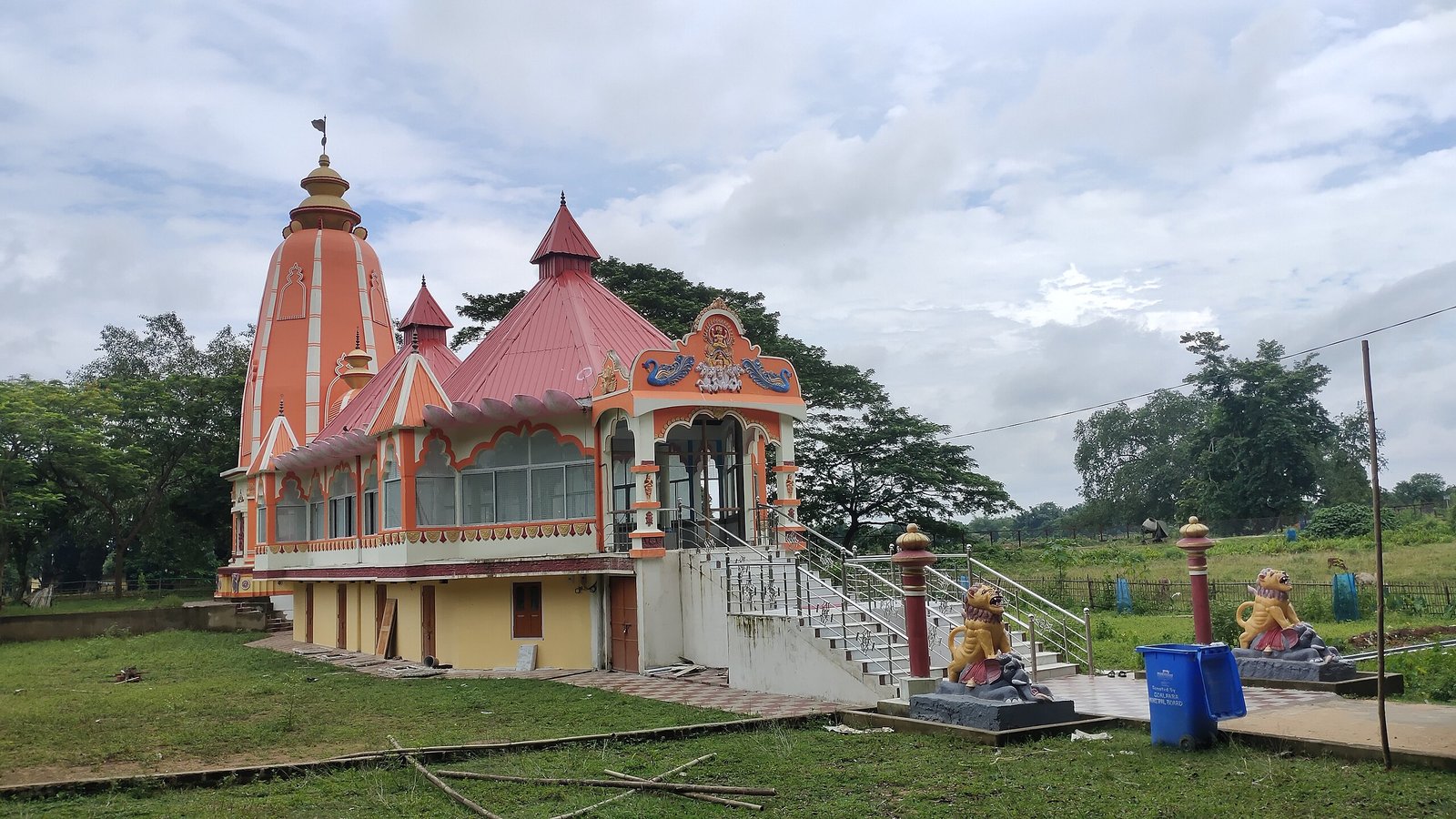
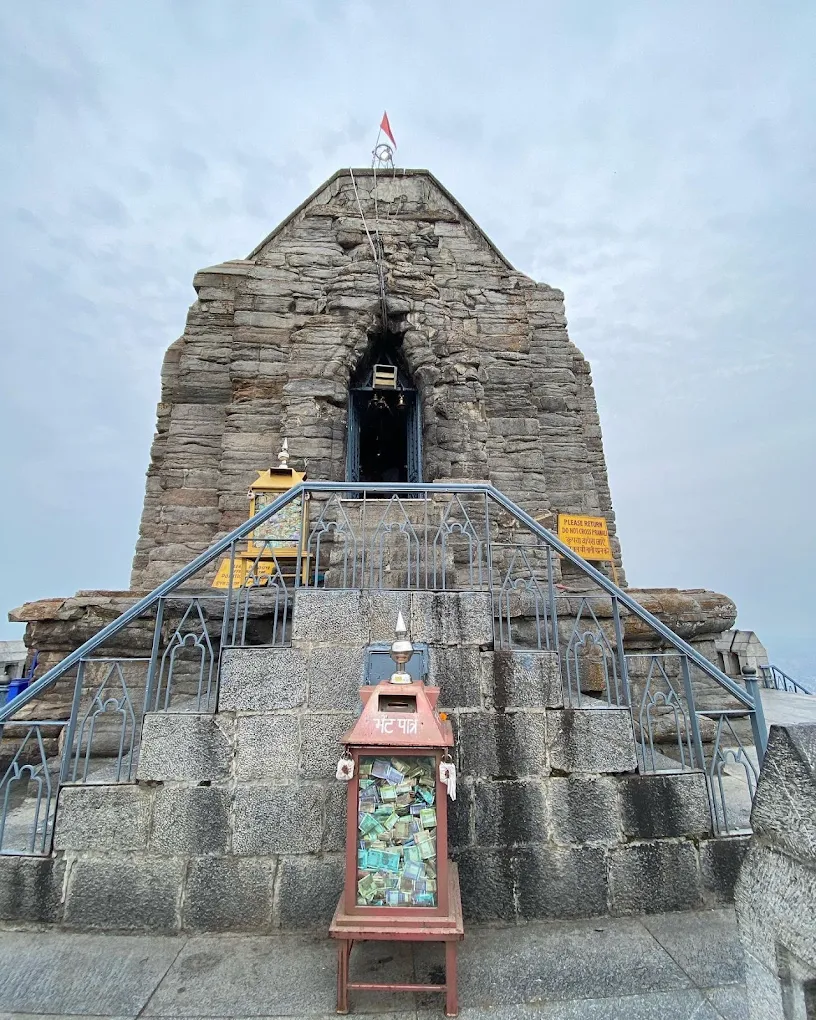
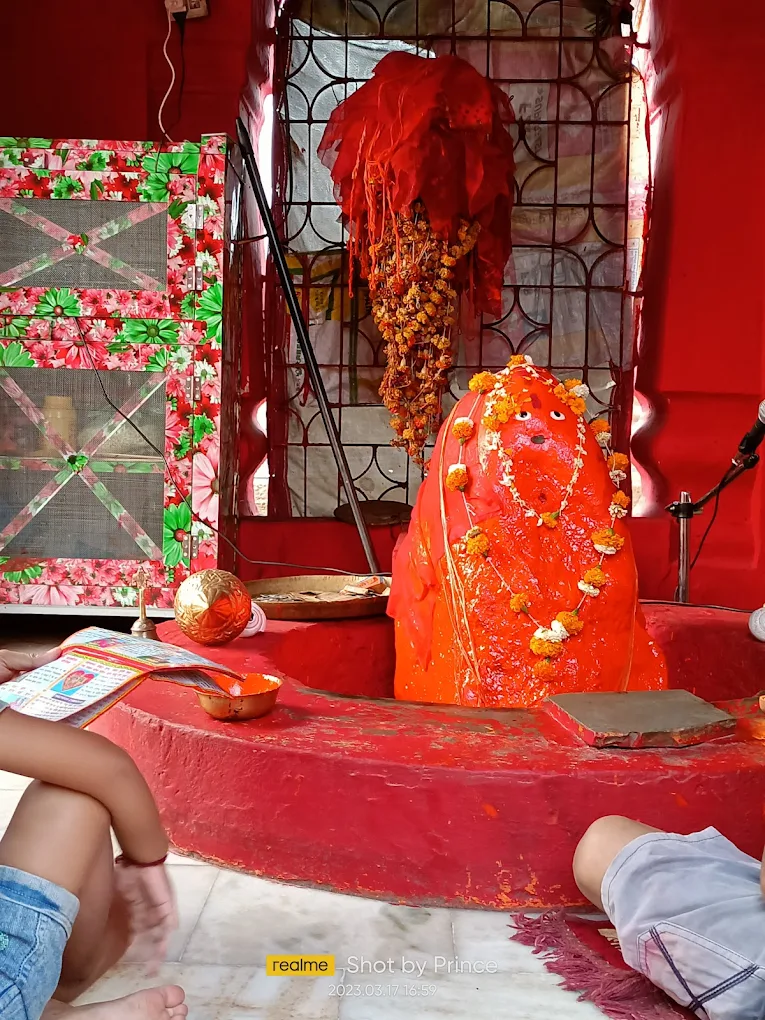
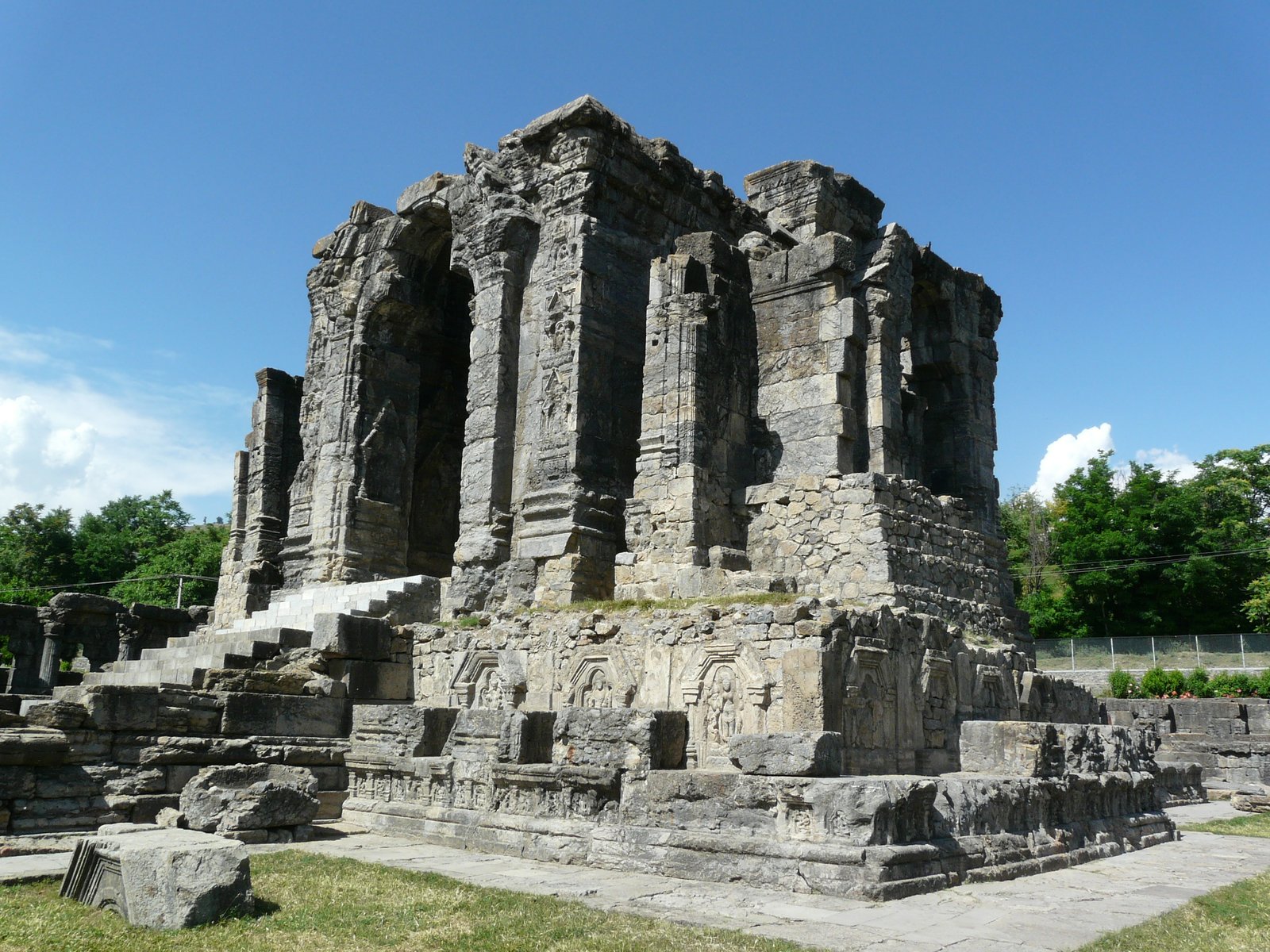
Other significant Sun temples include Dakshinaarka Temple in Gaya, Bihar, where devotees offer prayers during Chhath Puja, and Surya Pahar in Assam, an archaeological site with rock carvings and relics of sun worship. The Sun Temple at Ranakpur in Rajasthan and the Martand Sun Temple in Jammu & Kashmir (ancient ruins) are also important centers of devotion and history. These temples, spread across India, highlight the country’s ancient reverence for the Sun God, combining spirituality, art, and architectural genius.
In South India, Sri Surya Narayana Swamy Temple in Arasavalli, Andhra Pradesh, is notable for its unique alignment, where the first rays of the sun illuminate the deity twice a year, marking an auspicious event. Suryanar Kovil near Kumbakonam, Tamil Nadu, is part of the famous Navagraha temples, dedicated to the Sun God, while Katarmal Sun Temple in Uttarakhand is a rare Himalayan shrine from the 9th century, featuring stone carvings of Surya, other deities, and the Navagrahas. These temples are not only places of worship but also showcase India’s ancient architectural ingenuity.
Other significant Sun temples include Dakshinaarka Temple in Gaya, Bihar, an important center during Chhath Puja where devotees offer prayers to the rising and setting Sun, and Surya Pahar in Assam, an archaeological site with rock carvings and relics of sun worship. The Sun Temple at Ranakpur in Rajasthan blends Sun worship with Jain architectural style, while the Martand Sun Temple in Jammu & Kashmir, built in the 8th century, though now in ruins, reflects a unique fusion of Kashmiri, Gupta, and Gandharan architectural influences. Collectively, these Surya Mandirs highlight India’s spiritual devotion, cultural heritage, and the timeless significance of the Sun God across regions and centuries.