





















Devi Aparadha Kshamapana Stotram
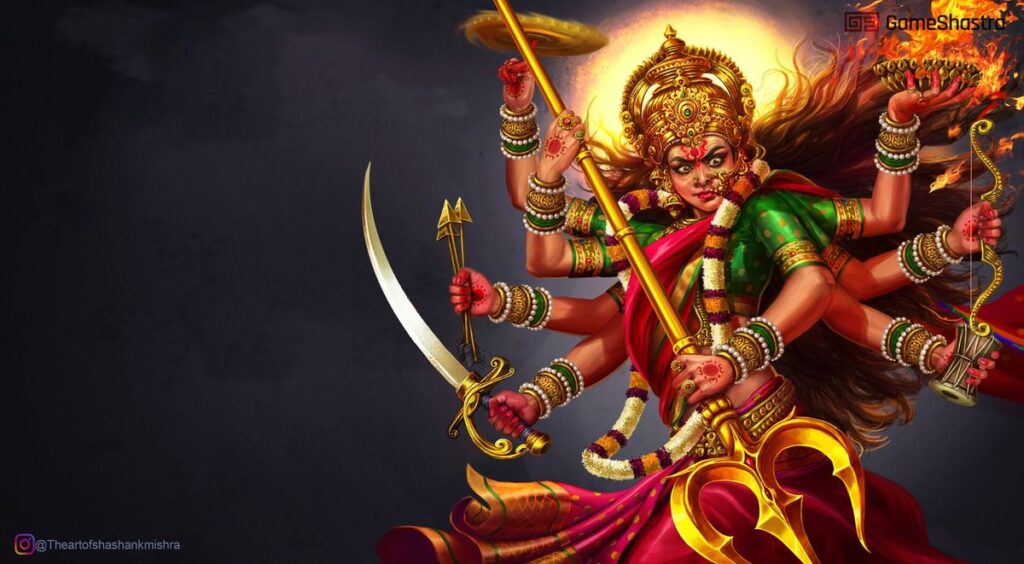
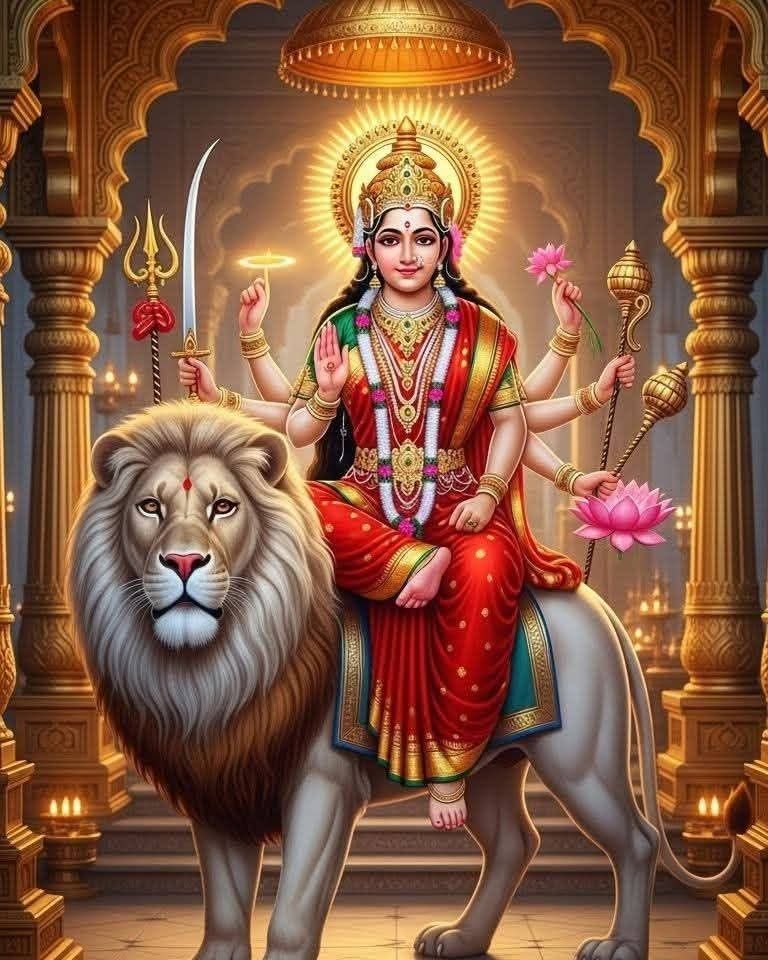
Devi Aparadha Kshamapana Stotram न मत्रं नो यन्त्रं तदपि च न जाने स्तुतिमहोन चाह्वानं ध्यानं तदपि च न जाने स्तुतिकथाः ।न जाने मुद्रास्ते तदपि च न जाने विलपनंपरं जाने मातस्त्वदनुसरणं क्लेशहरणम् ॥१॥ ṇa ṃatram ṇo ẏantram ṭad-āpi Ca ṇa Jāne Stutim-āhoṇa Ca-[ā]ahvānam ḍhyānam ṭad-āpi Ca ṇa Jāne Stuti-k͟hathāh |ṇa Jāne ṃudrās-ṭe ṭad-āpi Ca ṇa Jāne VilapanamParam Jāne ṃātas-ṭvad-ānusarannam k͟hleśa-ḥarannam ||1|| (O Mother) neither your mantra, nor yantra (do I know); and alas, not even I know your stutI (eulogy),I do not know how to invoke you through dhyana (meditation); (and alas), not even I know how to simply recite your glories (stuti-katha),I do not know your mudras (to contemplate on you); (and alas), not even I know how to simply cry for you,However, one thing I know (for certain); by following you (somehow through rememberance however imperfectly) will take away all my afflictions (from my mind). विधेरज्ञानेन द्रविणविरहेणालसतयाविधेयाशक्यत्वात्तव चरणयोर्या च्युतिरभूत् ।तदेतत् क्षन्तव्यं जननि सकलोद्धारिणि शिवेकुपुत्रो जायेत क्वचिदपि कुमाता न भवति ॥२॥ Vidher-ājnyānena ḍravinna-Virahenna-ālasatayāVidheya-āśakyatvāt-ṭava Carannayoryā Cyutir-ābhūt |ṭad-ĕtat k͟hssantavyam Janani Sakalo[a-ū]ddhārinni ṣivek͟huputro Jāyeta k͟hvacid-āpi k͟humātā ṇa Bhavati ||2|| (O Mother) due to ignorance of the vidhis (injunctions of worship), and due to lack of wealth, as well as due to my indolent (lazy) nature, …it was not possible for me to serve your lotus feet; there have been failures on the performance of my duties (I admit that),(but) all these are pardonable (by you), O Mother; because you are the saviour of all, O Shivaa (auspicious mother),there can be Kuputra (fallen disobedient son turning away from mother), but there can never be Kumata (mother turning away from son permanently). पृथिव्यां पुत्रास्ते जननि बहवः सन्ति सरलाःपरं तेषां मध्ये विरलतरलोऽहं तव सुतः ।मदीयोऽयं त्यागः समुचितमिदं नो तव शिवेकुपुत्रो जायेत क्वचिदपि कुमाता न भवति ॥३॥ Prthivyām Putrās-ṭe Janani Bahavah Santi SaralāhParam ṭessām ṃadhye Virala-ṭaralo[a-ā]ham ṭava Sutah |ṃadīyo-[ā]yam ṭyāgah Samucitam-īdam ṇo ṭava ṣivek͟huputro Jāyeta k͟hvacid-āpi k͟humātā ṇa Bhavati ||3|| (O Mother) in this world, there are many many sons of yours who are simple-minded,however, among them I am a rare son of yours who is restless,because of this only, it is not proper for you to forsake me O Shivaa (auspicious mother),(because) there can be Kuputra (fallen disobedient son turning away from mother), but there can never be Kumata (mother turning away from son permanently). जगन्मातर्मातस्तव चरणसेवा न रचितान वा दत्तं देवि द्रविणमपि भूयस्तव मया ।तथापि त्वं स्नेहं मयि निरुपमं यत्प्रकुरुषेकुपुत्रो जायेत क्वचिदपि कुमाता न भवति ॥४॥ Jaganmātar-ṃātas-ṭava Caranna-Sevā ṇa ṟacitāṇa Vā ḍattam ḍevi ḍravinnam-āpi Bhūyas-ṭava ṃayā |ṭathā-[ā]pi ṭvam Sneham ṃayi ṇirupamam ẏat-Prakurussek͟huputro Jāyeta k͟hvacid-āpi k͟humātā ṇa Bhavati ||4|| O Jaganmata (mother of the world), O Mother, I have never served your lotus feet,neither have I offered, O Devi, abundant wealth at your lotus feet (during worship),inspite of this, you have maintained your motherly love towards me which is incomparable,(because) there can be Kuputra (fallen disobedient son turning away from mother), but there can never be Kumata (mother turning away from son permanently). परित्यक्ता देवा विविधविधसेवाकुलतयामया पञ्चाशीतेरधिकमपनीते तु वयसि ।इदानीं चेन्मातस्तव यदि कृपा नापि भवितानिरालम्बो लम्बोदरजननि कं यामि शरणम् ॥५॥ Parityaktā ḍevā Vividha-Vidha-Sevā-k͟hulatayāṃayā Pan.cāśīter-ādhikam-āpanīte ṭu Vayasi |īdānīm Cenmātas-ṭava ẏadi k͟hrpā ṇa-āpi Bhavitāṇirālambo l̤ambodara-Janani k͟ham ẏāmi ṣarannam ||5|| (O Mother) letting go (i.e. left or never undertaking) the various ritualistic worship services of the devas …by me, more than eighty five years of my life has passed,even at this moment (nearing death), if your grace do not descend, O Mother (who is) of the form of bliss-consciousness, …where will this niralamba (One without any support) seek refuge, O Lambodara JananI (mother of Lambodara or Ganesha). श्वपाको जल्पाको भवति मधुपाकोपमगिरानिरातङ्को रङ्को विहरति चिरं कोटिकनकैः ।तवापर्णे कर्णे विशति मनुवर्णे फलमिदंजनः को जानीते जननि जपनीयं जपविधौ ॥६॥ ṣvapāko Jalpāko Bhavati ṃadhupāko[a-ū]pama-ġirāṇirātangko ṟangko Viharati Ciram k͟hotti-k͟hanakaih |ṭava-āparnne k͟harnne Viśati ṃanu-Varnne Phalam-īdamJanah k͟ho Jānīte Janani Japanīyam Japa-Vidhau ||6|| (O Mother) a swapaka (a dog-eater or chandala) (from whose mouth nothing much comes out in terms of good speech) becomes jalpaka (talkative) with speech like a madhupaka (from whose mouth good speech comes out like honey) (by your grace),a ranka (poor and miserable) becomes niratanka (free from fear) forever, and moves about having obtained million gold (by your grace),O Aparna (another name of DevI Parvati), when your prayer (and glory) enter one’s ear (and sits in the heart), such is the result,(then) who among men can know, O Mother, the destiny which your holy japa can unfold? चिताभस्मालेपो गरलमशनं दिक्पटधरोजटाधारी कण्ठे भुजगपतिहारी पशुपतिः ।कपाली भूतेशो भजति जगदीशैकपदवींभवानि त्वत्पाणिग्रहणपरिपाटीफलमिदम् ॥७॥ Citā-Bhasmā-l̤epo ġaralam-āśanam ḍik-Patta-ḍharoJattā-ḍhārī k͟hanntthe Bhujaga-Pati-ḥārī Paśupatih |k͟hapālī Bhūteśo Bhajati Jagadīśai[a-ĕ]ka-PadavīmBhavāni ṭvat-Pānni-ġrahanna-Paripāttī-Phalam-īdam ||7|| (O Mother) (Lord Shankara), who is smeared with chitabhasma (ashes from the cremation ground), whose food is the poison, whose clothes are the directions, …who has matted hairs on his head, who wears the garland of the king of snakes around his neck; (inspite of all this he is called) PashupatI (the lord of the pashus or living beings),he carries a begging bowl of skull in his hand but is worshipped as Bhutesha (the lord of the bhutas or beings) and got the title of Jagadisha eka (One lord of the universe), …O Bhavani, all this is because of the result of your panI grahana (accepting your hand in marriage). न मोक्षस्याकाङ्क्षा भवविभववाञ्छापि च न मेन विज्ञानापेक्षा शशिमुखि सुखेच्छापि न पुनः ।अतस्त्वां संयाचे जननि जननं यातु मम वैमृडानी रुद्राणी शिव शिव भवानीति जपतः ॥८॥ ṇa ṃokssasya-[ā]akāngkssā Bhava-Vibhava-Vān.cā-[ā]pi Ca ṇa ṃeṇa Vijnyāna-āpekssā ṣaśi-ṃukhi Sukhe[a-ī]cca-āpi ṇa Punah |ātas-ṭvām Samyāce Janani Jananam ẏātu ṃama Vaiṃrddānī ṟudrānnī ṣiva ṣiva Bhavāni-īti Japatah ||8|| (O Mother) I do not have the desire for moksha (liberation); neither have I the desire for worldly fortune,neither do I long for worldly knowledge, O ShashI MukhI (the moon-faced one); I do not have the desire for enjoying the worldly comforts again,henceforth I implore you, O Mother, may you direct my life towards (the rememberance of your names),(the string of your holy names) MridanI RudranI Shiva Shiva Bhavani; may my future life be spent in performing japa of your holy names. नाराधितासि विधिना विविधोपचारैःकिं रुक्षचिन्तनपरैर्न कृतं वचोभिः ।श्यामे त्वमेव यदि किञ्चन मय्यनाथेधत्से
Devi Aparadha Kshamapana Stotram Read Post »