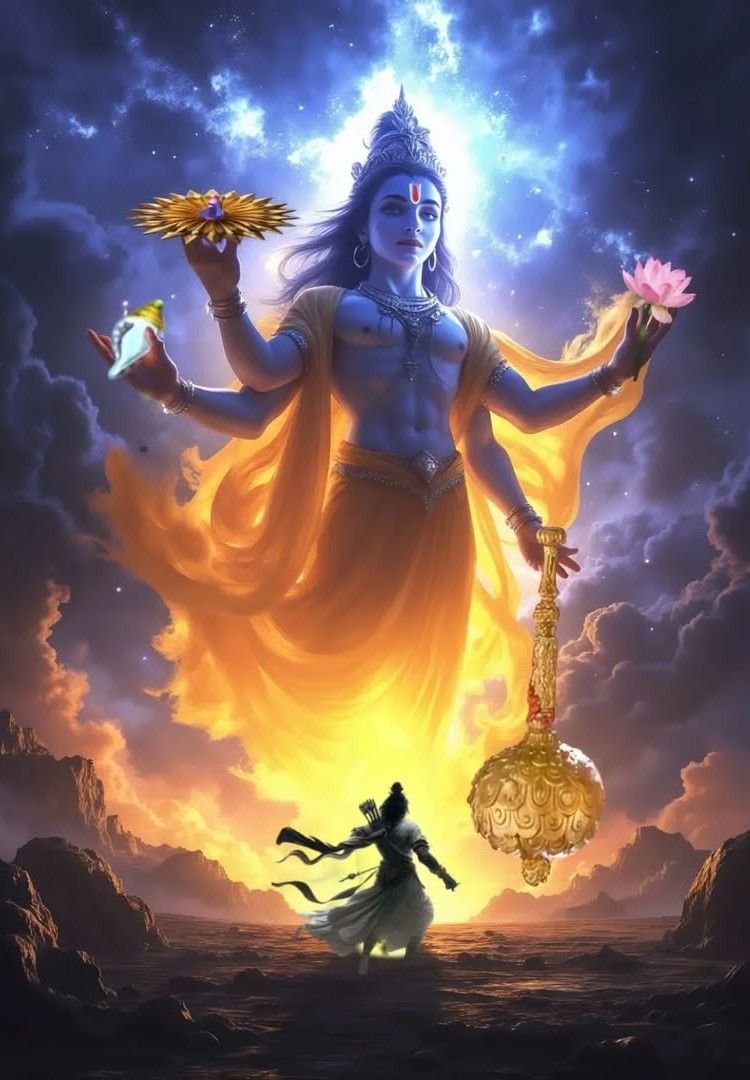
The ten principal incarnations of Lord Vishnu, known as the Dashavatara, represent the divine interventions taken by the Supreme to protect the universe whenever dharma declines and adharma rises. Each avatar appears in a specific age (Yuga) with a unique purpose—to restore balance, guide humanity, and destroy negativity. Together, these avatars beautifully portray the gradual evolution of life, from aquatic forms to human and divine consciousness, reflecting both cosmic order and spiritual progress.
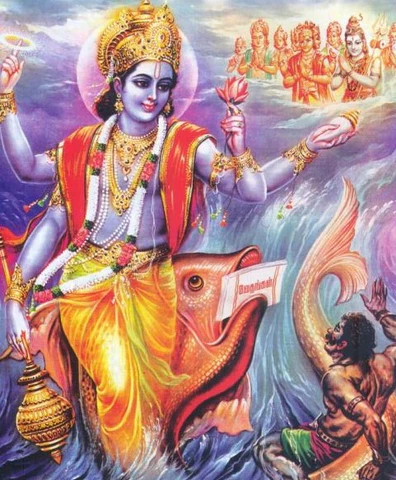
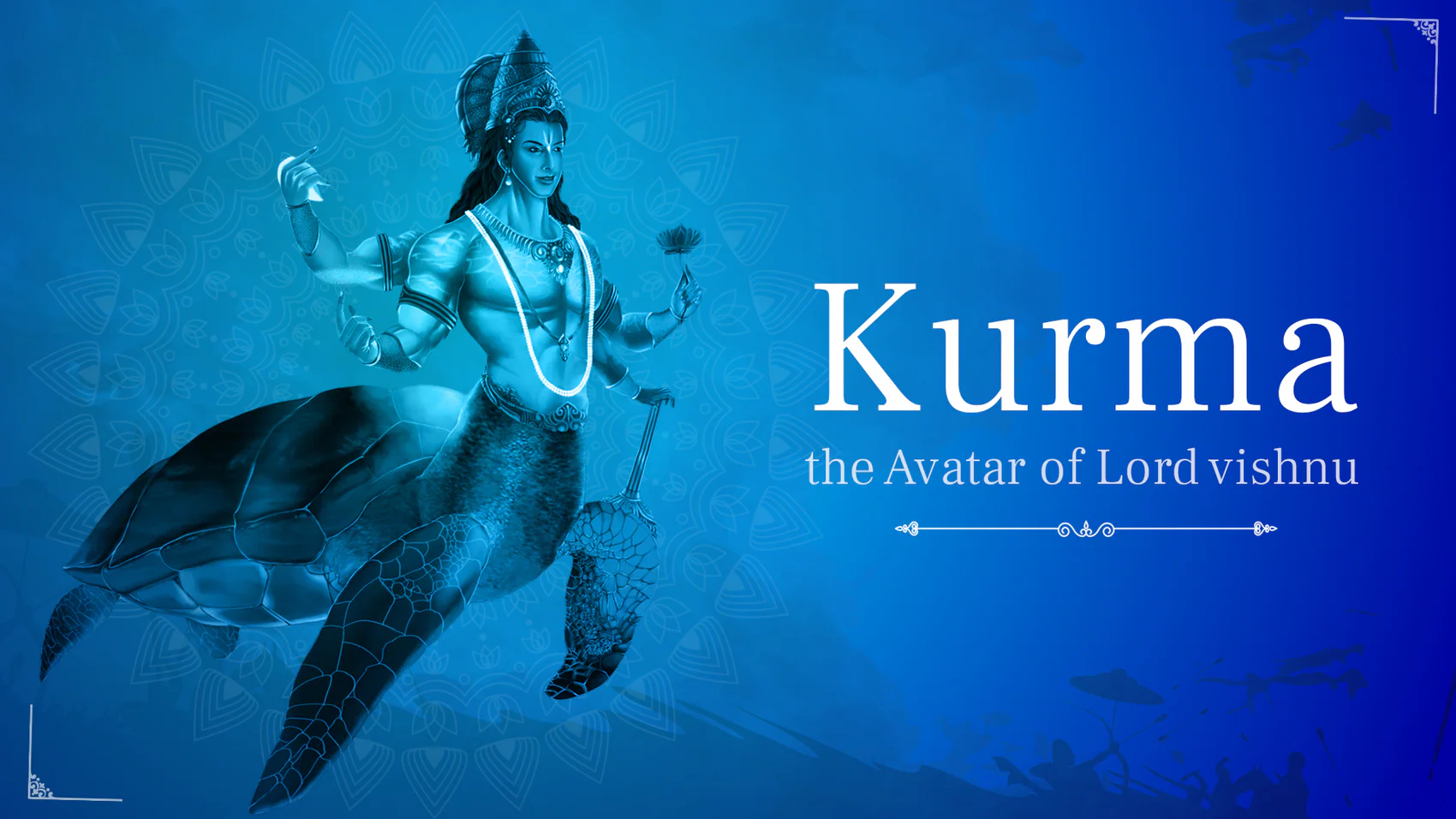
The first incarnation, Matsya, appears during a great cosmic flood to save the sacred Vedas and guide King Manu to safety. In the form of a divine fish, Vishnu preserves the seeds of future life and ensures that spiritual knowledge is not lost. Next emerges Kurma, the mighty tortoise, who supports Mount Mandara on his back during the churning of the ocean. This avatar symbolizes stability and the essential divine support required for great cosmic processes.
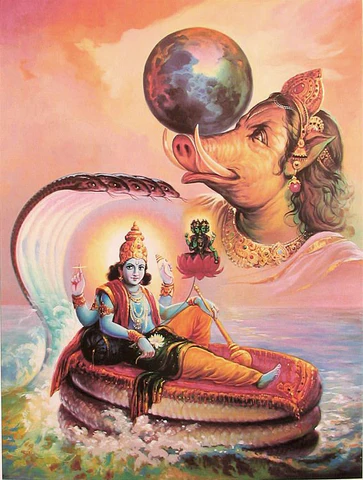
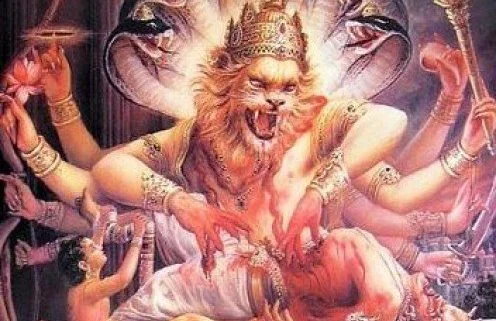
As creation expands, Vishnu incarnates as Varaha, the boar, who rescues Mother Earth from the depths of the cosmic ocean after the demon Hiranyaksha drags her away. Varaha’s victory restores the planet to its rightful position and symbolizes protection of the natural world. To save the young devotee Prahlad from his tyrant father Hiranyakashipu, the Lord takes a powerful form as Narasimha, half-man and half-lion. Narasimha’s manifestation shows that divine protection comes in unexpected and miraculous ways when devotion is pure and unwavering.
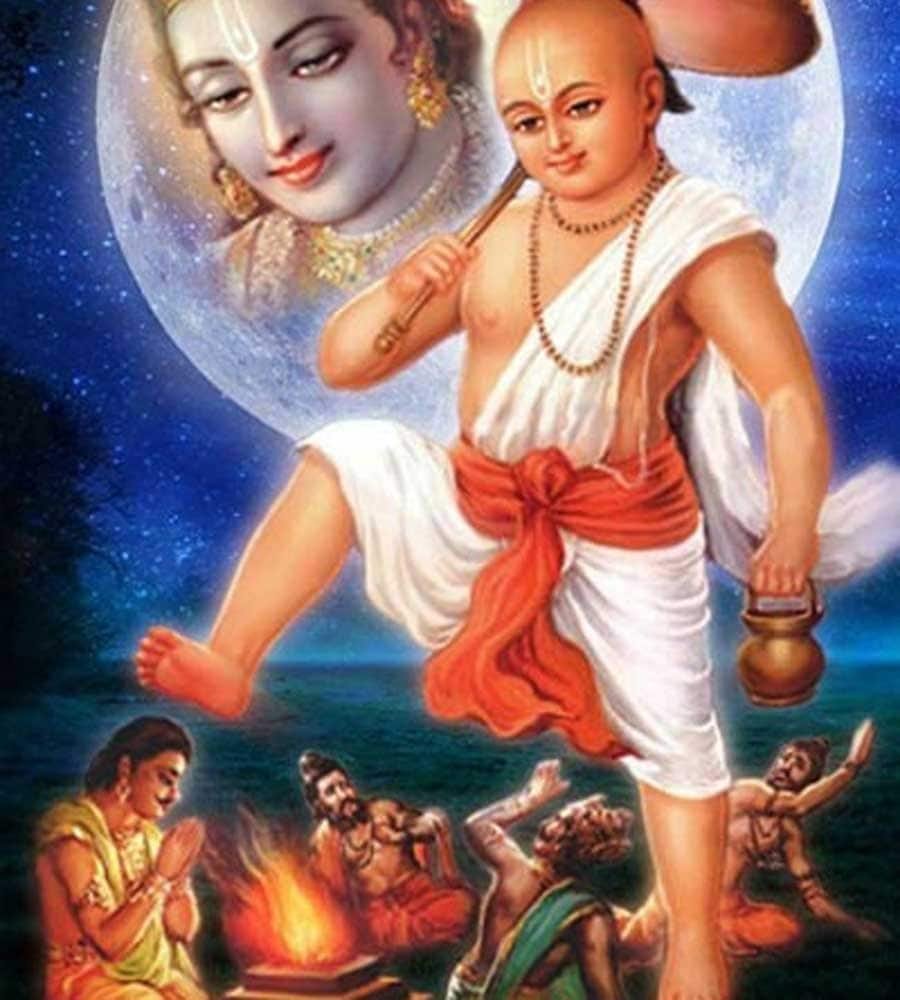
In Vamana, the Lord descends as a humble dwarf Brahmin to humble the mighty King Bali. With just three steps, Vishnu covers the Earth, the heavens, and the entire cosmos, teaching the value of humility, surrender, and divine justice. As corruption grows among rulers, Vishnu incarnates as Parashurama, the warrior-sage. With his divine axe, he destroys the oppressive Kshatriyas and restores balance, representing strength guided by righteousness.
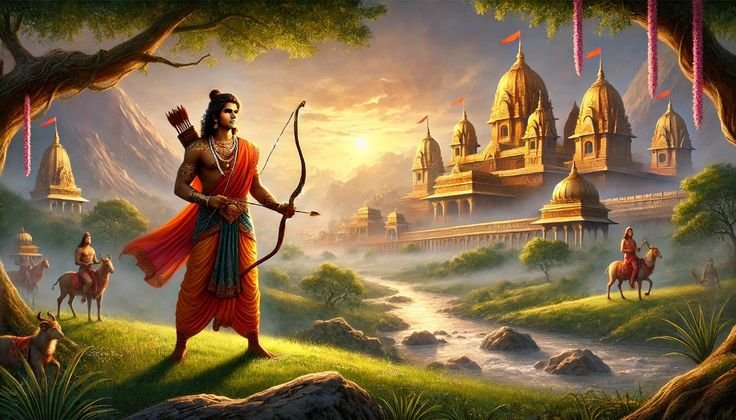
The next avatar is Rama, the ideal king, whose life and teachings are immortalized in the Ramayana. Rama exemplifies truth, duty, honor, compassion, and the highest form of dharma. His character inspires humanity to lead a noble and disciplined life. Following Rama, Vishnu incarnates as Krishna, the most complete and enchanting avatar. From divine childhood leelas to the profound teachings of the Bhagavad Gita, Krishna guides humanity toward devotion, love, wisdom, and spiritual liberation.
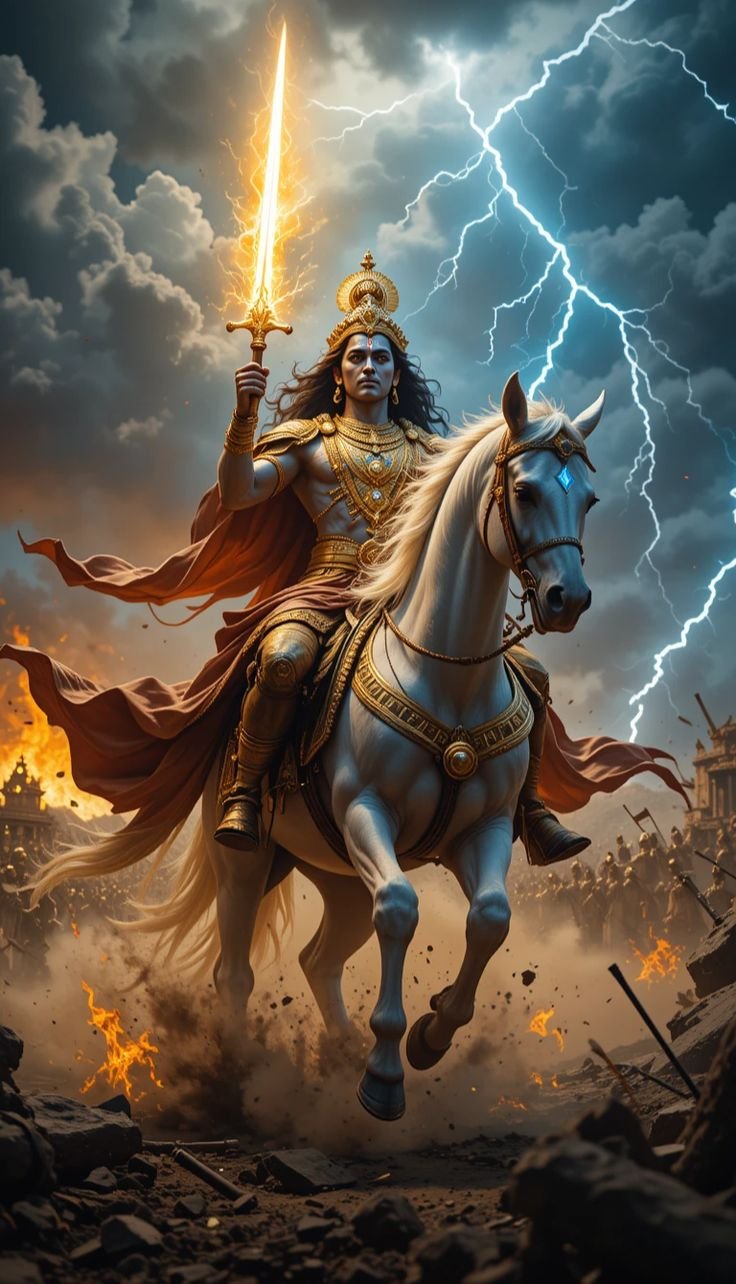
To uplift beings from ignorance and reduce unnecessary violence, the Lord incarnates as Buddha, who teaches compassion, peace, and the middle path. This avatar emphasizes inner awakening and non-harm toward all living beings. The cycle of the Dashavatara concludes with Kalki, the future warrior who will appear at the end of Kali Yuga. Riding a white horse and carrying a shining sword, Kalki will destroy adharma, remove corrupt forces, and begin the new age of Satya Yuga, restoring purity and righteousness on Earth.
Together, these ten avatars of Vishnu illustrate the timeless truth that whenever darkness grows, the divine will always manifest to protect, guide, and uplift creation. The Dashavatara stands as a symbol of hope, divine love, and the eternal commitment of Lord Vishnu to the welfare of all beings.